Almost every Pakistani home runs on chai. Morning, evening, after lunch, during load shedding — chai is just part of who we are. But lately, more and more clients are coming in with a different question.
“Hamza bhai, should we switch to green tea? Or is moringa better?”
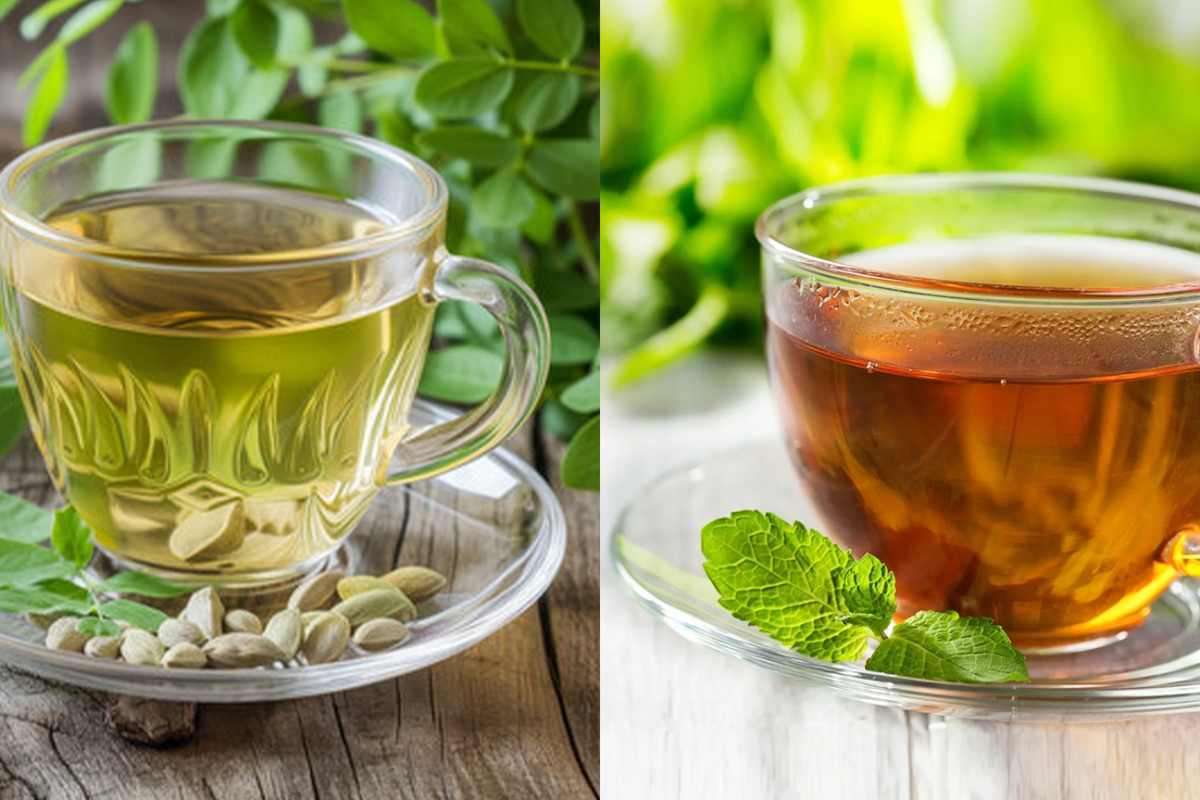
It is a fair question — and an increasingly common one. Both moringa tea vs green tea have real, research-backed benefits. Neither is a gimmick. Green tea has been popular for years because of its antioxidants and metabolism support. Moringa tea — made from Sohanjna, which most Pakistanis already know from their villages and local markets — is now catching up fast, mainly because it is completely caffeine-free, loaded with vitamins and minerals, and genuinely impressive for blood sugar control.
So which one is actually better? The honest answer is: it depends on what your body needs right now. And that is exactly what this guide helps figure out — with real science, Pakistani context, and practical advice you can use starting today.
Nutrient Showdown: Moringa Tea vs Green Tea
Let us start with the basics — what is actually in each cup.
Moringa leaves — Sohanjna patta — are genuinely one of the most nutrient-dense foods on the planet. Per 100g of fresh leaves, you are looking at up to 220mg of vitamin C (roughly seven times more than oranges), very high vitamin A, calcium at 17 times the level found in milk, and iron at 25 times the level in spinach. Add potassium, magnesium, protein, and fibre on top of that, and you have a remarkable nutritional profile packed into a single leaf.
Green tea tells a different story. It does not match moringa on vitamins and minerals, but it wins on unique plant compounds that moringa simply does not have — catechins, especially EGCG, which are among the most studied antioxidants in nutrition science. It also contains L-theanine, a compound that creates calm, focused energy levels without the jittery edge of caffeine. Each cup delivers around 25 to 35mg of caffeine — enough to feel it, not enough to overdo it.
The simple verdict: for a broader range of vitamins and minerals, moringa tea is the more nutrient-dense choice. For powerful antioxidants targeting inflammation and long-term disease prevention, green tea still leads.
Blood Sugar Control: Which Tea Wins for Diabetes and Energy Crashes?
This is the question most diabetic and prediabetic clients in Lahore ask first — and the answer matters a lot in Pakistan, where rice, roti, mithai at functions, and heavily sweetened chai are everyday realities.
Moringa tea has strong evidence here. A 2009 study found that adding moringa leaves to a meal reduced the post-meal blood sugar rise by 21%. The compounds responsible — isothiocyanates and natural fibre — slow glucose absorption, which means steadier energy levels and fewer crashes through the day.
Green tea helps too, but differently. Its EGCG improves insulin sensitivity over time, which is valuable for long-term blood sugar control — but the immediate post-meal effect is milder compared to moringa.
For Pakistanis eating carb-heavy meals regularly, moringa tea often delivers more noticeable results day to day.
Practical tip: Drink moringa tea 20 to 30 minutes before a carb-heavy meal when managing blood sugar control. It genuinely makes a difference.
Energy Levels and Alertness: Caffeine or Natural Vitality?
This is where the two teas go in completely different directions — and where knowing your own body matters most.
Green tea gives mild caffeine combined with L-theanine. That combination produces focused, clean energy levels without the crash or jitters from coffee. It is genuinely excellent for morning work, studying, or anything requiring sustained concentration.
Moringa tea contains zero caffeine. Instead, its high iron and vitamin C content improve oxygen transport in the blood, fighting fatigue from the inside out. Many clients who deal with low iron or anaemia — very common among Pakistani women — notice a real improvement in their energy levels after two to three consistent weeks of moringa tea.
Who should choose what? For afternoon focus without disturbing sleep, green tea — one to two cups maximum — is the answer. For those who are caffeine-sensitive, evening drinkers, always tired, or dealing with low iron, the caffeine-free tea option of moringa is the smarter choice.
Weight Management and Metabolism: Any Clear Winner?
Both teas help — but they work differently, and neither is a miracle fat burner. That needs to be clear from the start.
Green tea has a small but consistent effect on thermogenesis and fat oxidation, well-documented in research. Over time, with a calorie-controlled diet, it supports weight management meaningfully.
Moringa tea supports weight management through a different route — by keeping energy levels steadier throughout the day, there are fewer hunger crashes and less impulsive snacking. Its high fibre and nutrient-dense profile also support overall satiety.
Real weight loss still comes from balanced meals and regular movement. Both teas are zero-calorie helpers when drunk unsweetened — not replacements for diet and exercise.
Pakistani tip: Replace the evening doodh patti with moringa tea or green tea. Add lemon and ginger for taste. That one swap, done consistently, removes a significant amount of unnecessary sugar and calories from the week.

Other Key Benefits — Side by Side
| Benefit | Moringa Tea | Green Tea |
|---|---|---|
| Antioxidants | Good (vitamin C, E, quercetin) | Excellent (EGCG, catechins) |
| Heart health | Supports via potassium + anti-inflammation | Strong evidence (lower LDL oxidation) |
| Bone health | Very high calcium & vitamin K | Moderate |
| Immunity | Excellent (vitamins A, C) | Good |
| Brain health | Indirect (better energy, less fatigue) | Strong (L-theanine + catechins) |
| Inflammation | Good | Excellent |
| Caffeine | None | 25–35mg per cup |
How to Drink Them the Right Way in a Pakistani Lifestyle
Moringa tea:
- One teaspoon of dried powder or leaves in hot water, steeped for 5 to 7 minutes
- Add lemon, a pinch of black salt, or fresh ginger for flavour
- Morning or evening — zero sleep concerns since it is a caffeine-free tea
- Daily limit: 1 to 3 cups
Green tea:
- One bag or one teaspoon of leaves, steeped for 2 to 3 minutes — longer makes it bitter
- Best in the morning or early afternoon
- Add mint or tulsi for a desi twist that makes it genuinely enjoyable
- Daily limit: 2 to 4 cups, keeping caffeine sensitivity in mind
A combination that works well for many clients: green tea in the morning for focus, moringa tea in the evening for calm, steady energy levels and better overnight recovery.
Frequently Asked Questions — Moringa Tea vs Green Tea
Which is better for blood sugar control — moringa tea or green tea?
Moringa tea usually gives stronger immediate post-meal control because of how its compounds slow glucose absorption. Green tea helps long-term insulin sensitivity. For people managing diabetes or prediabetes in Pakistan, moringa tea tends to be more noticeably effective day to day.
Does moringa tea give energy levels without caffeine?
Yes — and this surprises many people. The high iron and vitamin C content improve how the body transports oxygen, fighting fatigue from within. It is one of the best caffeine-free tea options for people who feel constantly tired but cannot handle more caffeine in their diet.
Is green tea better for weight management?
It has a slight edge because of catechins and thermogenesis effects. But the difference is not dramatic — both teas support weight management as part of a balanced diet. Neither works without calorie awareness and regular movement.
Can both teas be consumed every day?
Absolutely — one to two cups of each works very well. The morning-green, evening-moringa routine is one worth recommending often. The focus benefits of green tea through the day pair beautifully with the nutrient-dense, caffeine-free calm of moringa at night.
Is moringa tea safe during pregnancy?
Small amounts are generally considered fine, but high doses have not been studied thoroughly enough to give a confident answer. Always consult a doctor before making it a daily habit during pregnancy.
Which has more antioxidants?
Green tea wins on unique polyphenols — especially EGCG, one of the most powerful antioxidants studied in nutrition. Moringa tea shines on the broader vitamins and minerals picture. They are powerful in different ways.

Ready to Choose the Right Tea for Your Health Goals?
Both moringa tea and green tea are genuinely excellent — the right one depends on caffeine tolerance, blood sugar control needs, energy levels through the day, and where nutrient gaps exist. A personalised consultation can help figure that out clearly.
📞 Call/WhatsApp: +92 300 0172509
📧 Email: hamzathedietitian@gmail.com
🌐 Visit: hamzathedietitian.com
Personalised meal plans, real ongoing support, and practical advice built around your Pakistani lifestyle. Book your consultation today.
Related:
Final Thoughts: Moringa Tea vs Green Tea — Pick What Your Body Actually Needs
This is not a competition with one absolute winner. Both teas are powerful, safe, affordable, and genuinely worth making part of a daily routine in Pakistan.
Quick recap:
- Choose moringa tea for a nutrient-dense profile, caffeine-free steady energy levels, and stronger immediate blood sugar control
- Choose green tea for top-tier antioxidants, metabolism support, and heart and brain health
- Enjoy both — morning green tea, evening moringa tea is a combination that works beautifully
- Always drink unsweetened and stay consistent — results come with time, not overnight
Your daily cup should support you — not stress you out. Try one this week and pay attention to how you feel over the next two weeks. Your body will tell you what it needs.
Stay healthy, sip smart.
Hamza The Dietitian Lahore — helping Pakistan brew better health one cup at a time.