• Online Consultation Available
  • Mon–Sat: 9am to 6pm

Category Archives: General Nutrition & Healthy Eating

Chia seed recipes

Chia Seed Recipes: 7 Simple, Everyday Ideas to Improve Digestion and Energy

There is a small jar of chia seeds sitting on the clinic counter in Lahore. It has been there for years — and it has started more useful conversations than almost anything else in the room.
Someone comes in, usually around the second or third week of trying to eat better, looking slightly defeated. The complaints are always variations of the same thing.
“Bhai, kabhi kabhi pet bhaari rehta hai, kabhi energy bilkul khatam ho jati hai dopahar tak… aur weight bhi control nahi ho raha.
When the conversation turns to breakfast and snacks, the answer is almost always the same — paratha, anda, or just chai and biscuits at 4pm. That is when the chia jar comes out.
Chia seed recipes are one of those rare nutritional recommendations that deliver genuinely noticeable results without feeling like punishment. These are not diet foods in the grim, restrictive sense. They are flexible, easy to prepare, and surprisingly compatible with Pakistani eating habits once the basic techniques are understood.

High in soluble fibre, plant-based omega-3s, complete protein, calcium, magnesium, and antioxidants — chia seeds support digestion, reduce bloating, extend fullness across meals, provide steady energy, and contribute meaningfully to weight loss when used with consistency. The seven chia seed recipes covered here are the ones recommended most often in consultations — all using ingredients already present in most Pakistani kitchens, all taking under ten minutes to prepare.

Why Chia Seeds Deserve More Attention in Pakistani Kitchens

The results seen with chia seeds in practice are disproportionate to the effort involved — which is saying something, because the effort is genuinely minimal.

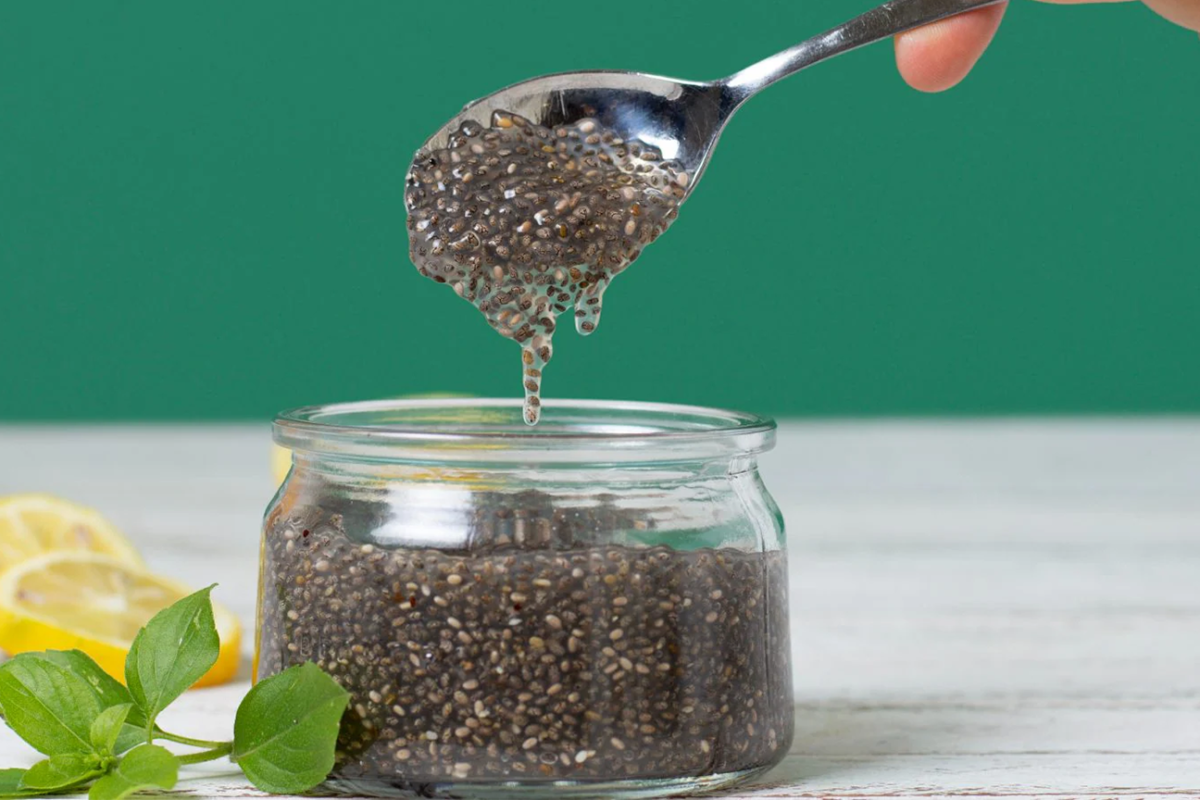
The soluble fibre in chia seeds — called mucilage — forms a gel when it contacts liquid in the stomach. That gel slows digestion, prevents blood sugar spikes, and creates a sustained feeling of fullness that lasts four to five hours. That single mechanism explains why mid-morning hunger crashes and the 4pm chai-biscuit craving both tend to disappear when chia seeds become a consistent morning habit.

Beyond digestion, the omega-3s reduce chronic inflammation — directly relevant for joint pain, PCOS, and persistent bloating. The magnesium supports sleep quality and mood regulation. The protein and fibre combination creates the metabolic environment that makes weight loss easier without requiring calorie counting or dramatic food restriction.

Starting with one to two tablespoons daily — always soaked, never dry — is the approach that works most consistently. Within ten to fifteen days, most people report lighter digestion, significantly less bloating, and noticeably steadier energy throughout the afternoon.

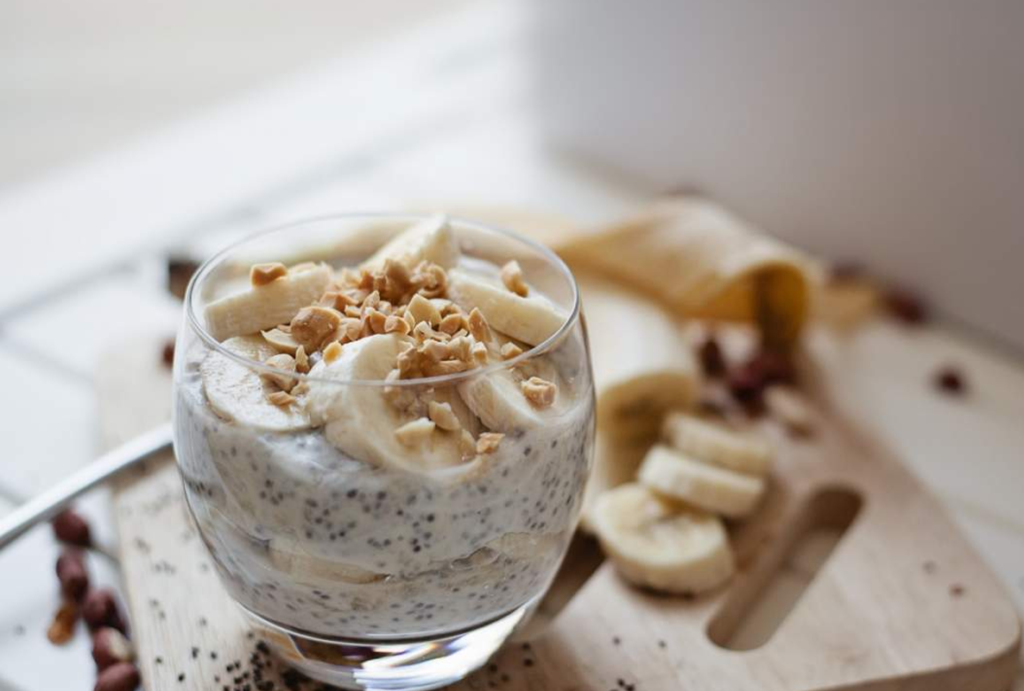
1. Classic Overnight Chia Pudding — The Most Recommended Recipe

This is almost always the first chia seed recipe taught to new clients — particularly those dealing with constipation, PCOS, or irregular digestion.

Why it works: The combination of high fibre and protein supports gut motility, stabilises blood sugar levels through the morning, and requires zero effort on the day itself because it is prepared the night before.

Recipe (serves 1–2):

  • 2 tablespoons chia seeds
  • 1 cup low-fat milk, almond milk, or coconut milk
  • Half a teaspoon of vanilla or elaichi powder
  • 1 teaspoon honey or two chopped dates for sweetness

Mix everything in a jar and refrigerate overnight. In the morning, top with sliced banana, apple, or fresh berries and a few crushed almonds.

A PCOS client who used this five days a week reported dramatically reduced bloating and noticeably more regular periods within six weeks. One recipe. Consistent use. Real results.

2. Chia Dahi Bowl — Desi-Style Breakfast That Actually Fills

For mornings when something cold and refreshing works better than a warm meal — particularly through summer in Lahore — this combination delivers outstanding digestion support.

Why it works: Probiotic dahi combined with chia seeds creates double gut support — the live cultures from dahi and the prebiotic fibre from chia working together. This combination consistently keeps hunger away until lunch without any mid-morning dip.

Quick preparation:

  • 1 cup thick whisked dahi
  • 1.5 tablespoons chia seeds pre-soaked for 15 minutes in water or milk
  • 1 small banana or apple, chopped
  • A pinch of cinnamon or elaichi
  • 4 to 5 chopped almonds
  • A drizzle of honey if needed

Mix everything, chill for ten minutes, eat. Simple enough to prepare half-asleep.

3. Chia-Infused Lemon Water — All-Day Hydration and Gentle Detox

This is the hydration recommendation for clients who consistently forget to drink water during busy workdays — and it addresses the afternoon craving problem simultaneously.

Why it works: The fibre gel from soaked chia combined with lemon provides gentle digestive support, better bowel regularity, and curbs the false hunger signals that send people toward chai and biscuits at 4pm.

Preparation:

  • 1 large bottle of water (1 to 1.5 litres)
  • 1 tablespoon chia seeds
  • Juice of half to one lemon
  • A few fresh mint leaves

Soak the chia seeds in the water for 15 minutes, add lemon and mint, and sip steadily throughout the day. Many office-going clients report this single habit completely eliminated their 4pm craving cycle.

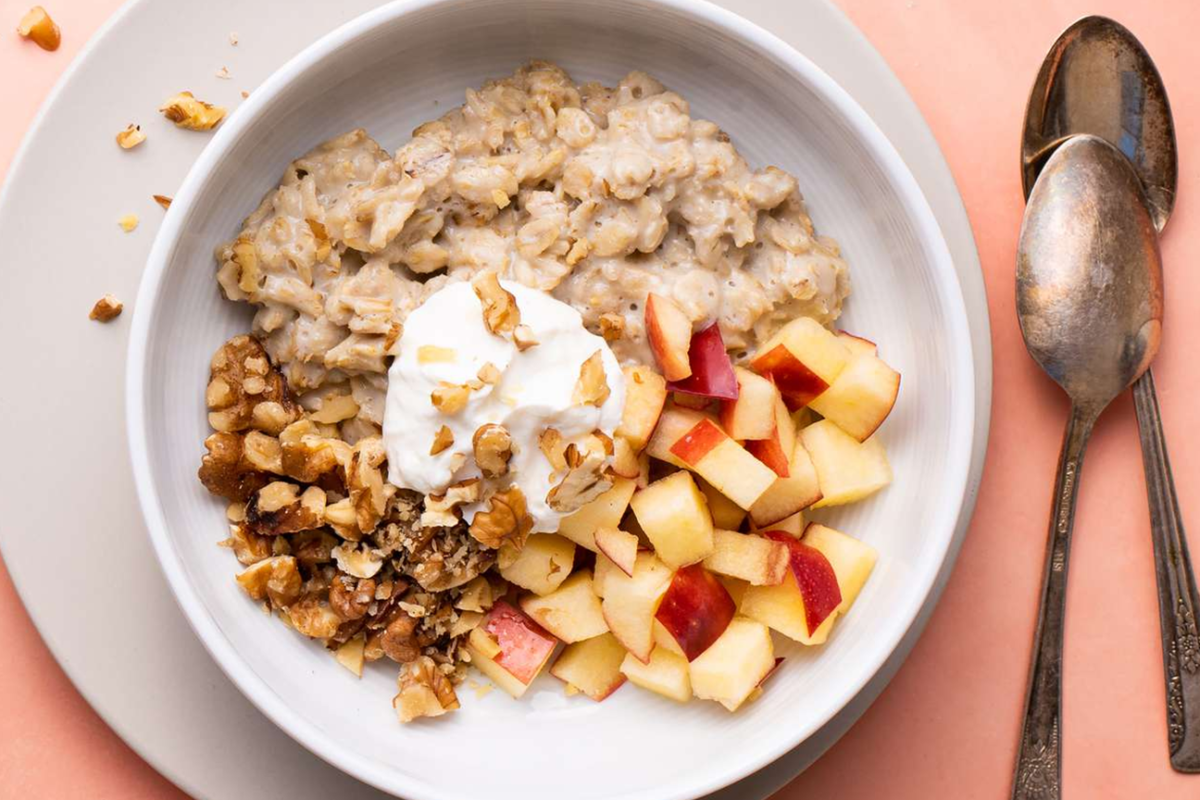
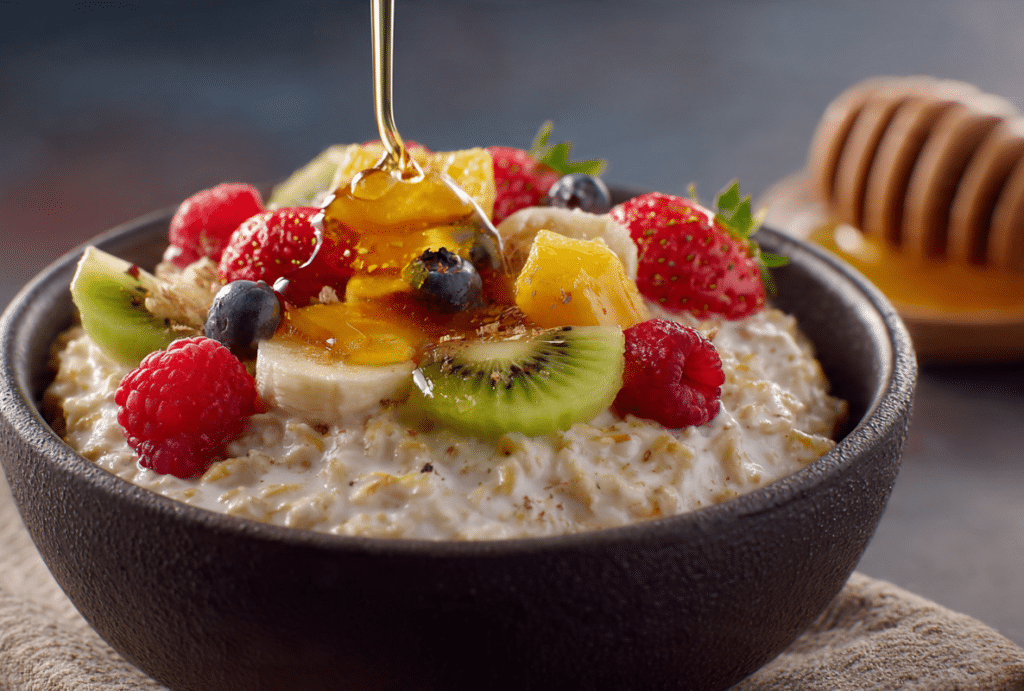
4. Chia Oats Porridge — Winter Breakfast and Perfect Sehri Option

Warm, genuinely comforting, and one of the most effective chia seed recipes for sustained morning energy — this works particularly well during Ramadan as a Sehri meal or through cold winter mornings.

Why it works: Oats and chia together deliver slow-release carbohydrates combined with soluble fibre — a combination that produces steady energy through the entire morning without the mid-morning crash that white bread or plain paratha consistently causes.

Simple recipe:

  • One third cup rolled oats
  • 1 tablespoon chia seeds
  • 1 cup milk and water mixed
  • Half a banana, mashed
  • A pinch of cinnamon

Cook the oats and chia together for five to seven minutes. Top with fresh banana and a few nuts. Takes less time than frying a paratha.

5. Chia Seed Raita — A Smarter Side Dish for Heavy Meals

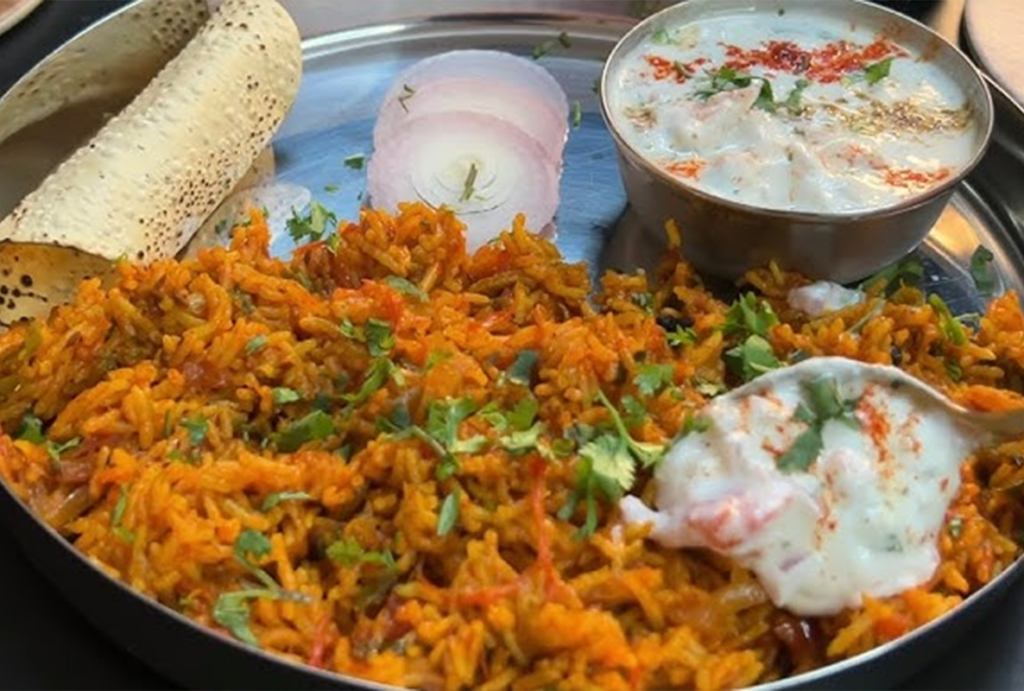
Plain dahi with biryani or pulao is already a good pairing. Chia seed raita takes that pairing and makes it genuinely functional for digestion and blood sugar management.

Why it works: Adding chia fibre to a heavy carbohydrate meal slows the rate of carbohydrate absorption — reducing the post-meal blood sugar spike and the heavy, sluggish feeling that often follows biryani.

Quick preparation:

  • 1 cup plain dahi
  • 1 tablespoon chia seeds pre-soaked in water
  • Cucumber and tomato, chopped
  • Roasted jeera, black salt, fresh mint

Mix and serve chilled. Ready in three minutes and noticeably better for digestion than plain dahi.

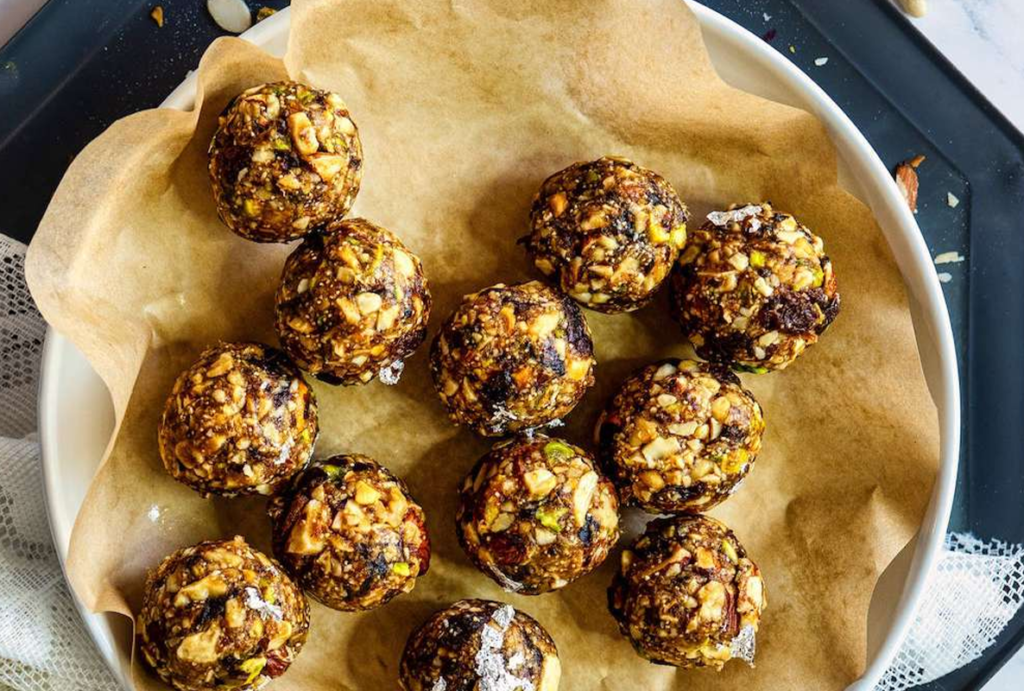
6. Chia Energy Laddoo — A Healthy Mithai Alternative

When clients crave something sweet and the standard advice to “just have fruit” feels deeply unsatisfying, this recipe fills that gap genuinely well.

Why it works: The combination of dates, almonds, and chia provides healthy fats, slow-release natural sugars, and fibre — producing satiety without the blood sugar spike that traditional mithai causes. These feel indulgent without behaving like junk food.

Ingredients (makes 8 to 10 small laddoos):

  • Half a cup of seedless dates
  • Quarter cup almonds
  • 2 tablespoons chia seeds
  • 2 tablespoons desiccated coconut
  • A pinch of cardamom

Blend dates and almonds together. Mix in chia seeds and coconut. Roll into small balls. Refrigerate for 30 minutes before eating. They keep for a week in the fridge.

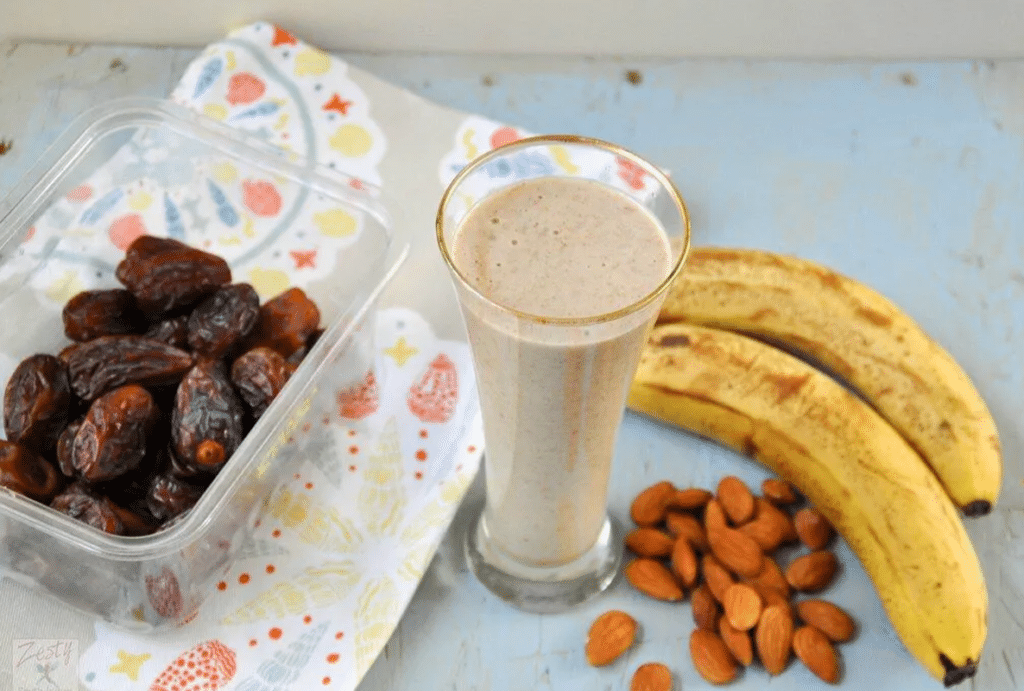
7. Chia Green Smoothie — Fast Nutrition for Busy Mornings or Post-Workout

When there is genuinely no time for a proper meal — after a workout, before a morning meeting, or during a particularly rushed Sehri — this smoothie delivers complete nutrition in under two minutes.

Recipe:

  • 1 cup fresh palak or spinach
  • Half a banana
  • 1 tablespoon chia seeds pre-soaked
  • 1 cup milk or plain dahi
  • A few ice cubes

Blend until smooth and drink immediately. The palak flavour disappears almost entirely behind the banana and dahi — which is why this works even for clients who insist they dislike vegetables in drinks.
Frequently Asked Questions About Chia Seed Recipes

How much chia seeds should be eaten daily?

One to two tablespoons is the right starting point for most people. Those new to chia seeds should begin with one tablespoon to allow digestion to adjust before increasing the amount.

Do chia seeds genuinely support weight loss?

Yes — the soluble fibre absorbs water and expands in the stomach, significantly increasing fullness and reducing overall calorie intake naturally. The protein content also supports muscle maintenance during weight loss.

Can chia seeds cause constipation?

Only when eaten dry. Always soak for a minimum of ten to fifteen minutes before consuming and ensure adequate water intake throughout the day — chia absorbs significant amounts of fluid.

Are these chia seed recipes appropriate for diabetes?

Yes — all seven recipes use minimal or no added sugar, and the fibre and protein content actively helps prevent the blood sugar spikes that are problematic for diabetic patients.

How long should chia seeds be soaked?

Ten to fifteen minutes is sufficient for drinks and raita. Overnight soaking is ideal for puddings — the texture becomes properly creamy rather than grainy.

Can children eat these chia seed recipes?

Absolutely — start with half a tablespoon mixed into dahi or porridge and increase gradually. The nutritional benefits are relevant for children at every age.
Ready to Add Chia Seeds to Daily Life?

These chia seed recipes are among the simplest, most consistently effective tools available for better digestion, steadier energy, and more manageable weight loss — without requiring dramatic dietary overhaul or expensive ingredients.

📞 Call/WhatsApp: +92 300 0172509 📧 Email: hamzathedietitian@gmail.com 🌐 Visit: hamzathedietitian.com

Personalised meal plans, real ongoing support, and practical guidance built around Pakistani food culture and individual health needs. Book a consultation today.

Related reads:

Final Thoughts: Chia Seed Recipes — Small Habit, Real Results

Chia seed recipes sit in that rare category of nutritional recommendations where the effort required is minimal and the results are genuinely disproportionate to that effort. Better digestion, reduced bloating, steadier energy across the day, and meaningful support for weight loss — all from one to two tablespoons of soaked seeds added to food that is already being eaten.

Key takeaways:

  • Start with one to two tablespoons soaked daily — never dry
  • Use them to improve dahi, oats, smoothies, and water without changing the meal itself
  • Consistent daily use produces the digestion and energy benefits — occasional use does not
  • Always drink enough water — chia absorbs significant amounts of fluid
  • The overnight pudding is the easiest starting point for most people

Pick one recipe from this list and try it tomorrow morning. The difference in afternoon energy and digestion comfort tends to be noticeable faster than most people expect.

Stay consistent, stay nourished.

Hamza The Dietitian Lahore — helping Pakistan feel better one small habit at a time
Cancer fighting foods

Cancer Fighting Foods: 7 Everyday Choices That Can Make a Real Difference

There is a conversation that happens in the clinic more often than any other.
A family member has just received a diagnosis — a parent, an uncle, sometimes a sibling. The medical appointments are underway. The treatment plan is being arranged. And somewhere in the middle of all that fear and uncertainty, someone sits down and asks the question that has been sitting with them since the moment they heard the news.
“Bhai, ab kya khana chahiye taake yeh dobara na ho… ya kam se kam control mein rahe?”
It is one of the most human questions imaginable — and it deserves a genuine, practical answer rather than a list of exotic superfoods nobody in a Pakistani household has ever heard of or can afford to buy.
Cancer fighting foods do not guarantee prevention. No honest nutritionist will claim otherwise. But the evidence behind certain everyday foods — their ability to reduce chronic inflammation, lower oxidative stress, support immunity, and create an internal environment less hospitable to abnormal cell growth — is substantial and growing. These are not fringe claims. They are the findings of serious, peer-reviewed research accumulated over decades.

The 7 cancer fighting foods covered here are affordable, available in any Pakistani market, and simple enough to add to a normal roti-sabzi routine without feeling like a medical intervention. They belong in every kitchen — not just in homes dealing with illness, but in every home thinking about prevention.

Why These Cancer Prevention Foods Matter More Than Most People Realise

Cancer development is not a sudden event. It is a process that unfolds over years — driven by chronic inflammation, oxidative stress, DNA damage accumulating over time, and an immune system gradually losing its ability to identify and destroy abnormal cells before they multiply.

Diet influences every one of these factors. Not perfectly, not with guarantees — but meaningfully, consistently, and cumulatively over months and years of daily choices.

The anti-cancer diet foods covered here work through several overlapping mechanisms:

  • Antioxidants — neutralise free radicals that damage DNA and accelerate abnormal cell development
  • Anti-inflammatory compounds — reduce the chronic low-grade inflammation that creates conditions where cancer thrives
  • Fibre — supports gut health and detoxification, both of which are directly linked to immunity and inflammation control
  • Key vitamins and minerals — support cell repair, immune function, and the body’s natural surveillance systems

Patients who add these cancer fighting foods consistently tend to report better energy levels, stronger resilience during treatment, and a sense of agency that matters enormously when facing a diagnosis that feels completely out of their control.

1. Tomatoes — The Lycopene Powerhouse

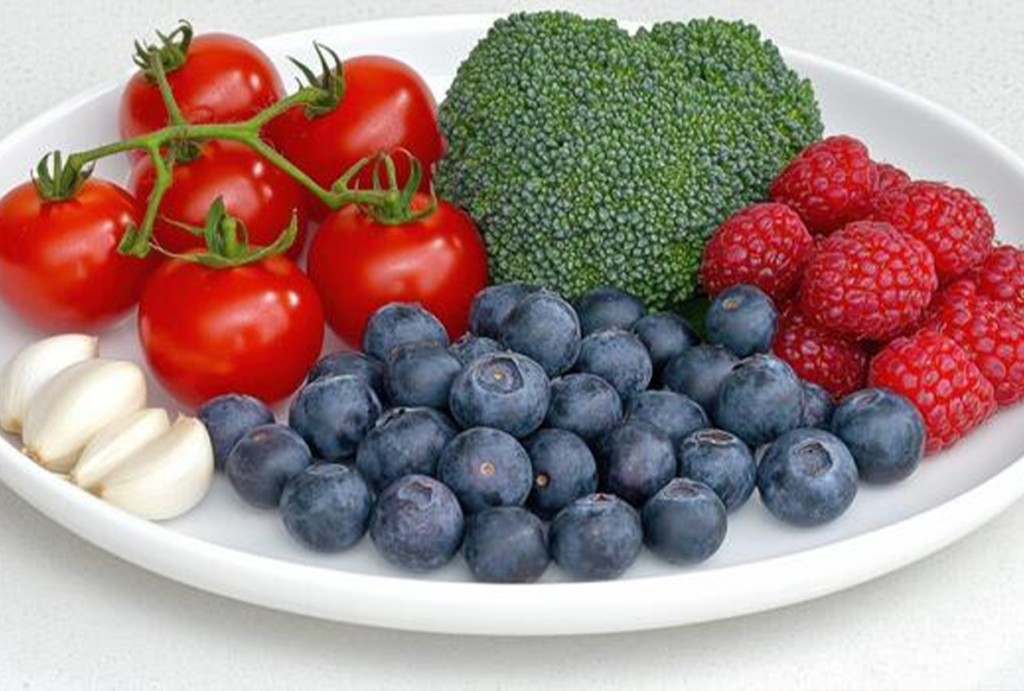
Tomatoes are one of the most studied cancer prevention foods available — and they are already in almost every Pakistani kitchen, which makes them genuinely easy to act on.

Lycopene — the compound responsible for that deep red colour — is one of the most powerful studied antioxidants for reducing cancer risk, particularly in prostate, lung, and stomach cancer. Crucially, lycopene becomes significantly more bioavailable when tomatoes are cooked rather than eaten raw, meaning a proper Pakistani tomato-based curry delivers more protective benefit than a fresh tomato slice.

Practical Pakistani use:

  • Two to three cooked tomatoes daily in sabzi, curry, or daal — the cooking process enhances the lycopene content rather than diminishing it
  • Fresh in salad alongside every main meal
  • Homemade tomato chutney instead of bottled ketchup — same flavour, no added sugar, meaningful antioxidant benefit

A client with a family history of prostate cancer added two to three cooked tomatoes to his daily routine alongside his medical care. PSA levels showed measurable improvement over twelve months. One ingredient. Consistent daily use.

2. Cruciferous Vegetables — Broccoli, Gobhi, Band Gobhi

These are among the most consistently recommended cancer fighting vegetables in nutritional oncology research — and they are widely available and inexpensive across Pakistan.

Sulforaphane — found in significant concentrations in broccoli, cauliflower, and cabbage — is the compound that makes this entire food family worth taking seriously. It supports the liver’s ability to detoxify carcinogens, triggers cancer cell death in laboratory studies, and has shown the ability to reduce tumour volume meaningfully in research settings.

Easy Pakistani ways to use them:

  • Lightly steamed or sautéed broccoli as a side dish — keep the cooking time short to preserve sulforaphane
  • Cauliflower added to daal or as part of a mixed sabzi
  • Gobhi matar or aloo gobhi prepared with minimal oil — already a staple in most homes, already delivering cancer fighting benefit

The fibre in these vegetables also directly supports the gut health that underpins both immunity and inflammation control.

3. Berries and Anthocyanin-Rich Fruits

Strawberries, blueberries, and blackberries are among the most studied antioxidant rich foods for cancer prevention — but for Pakistani households, the more practical and equally effective options are already growing locally.

Anar (pomegranate) and jamun are both rich in anthocyanins — the same potent antioxidant compounds that give berries their deep colour and their protective properties. These compounds reduce oxidative stress and chronic inflammation, both of which are central to cancer development.

How to include them daily:

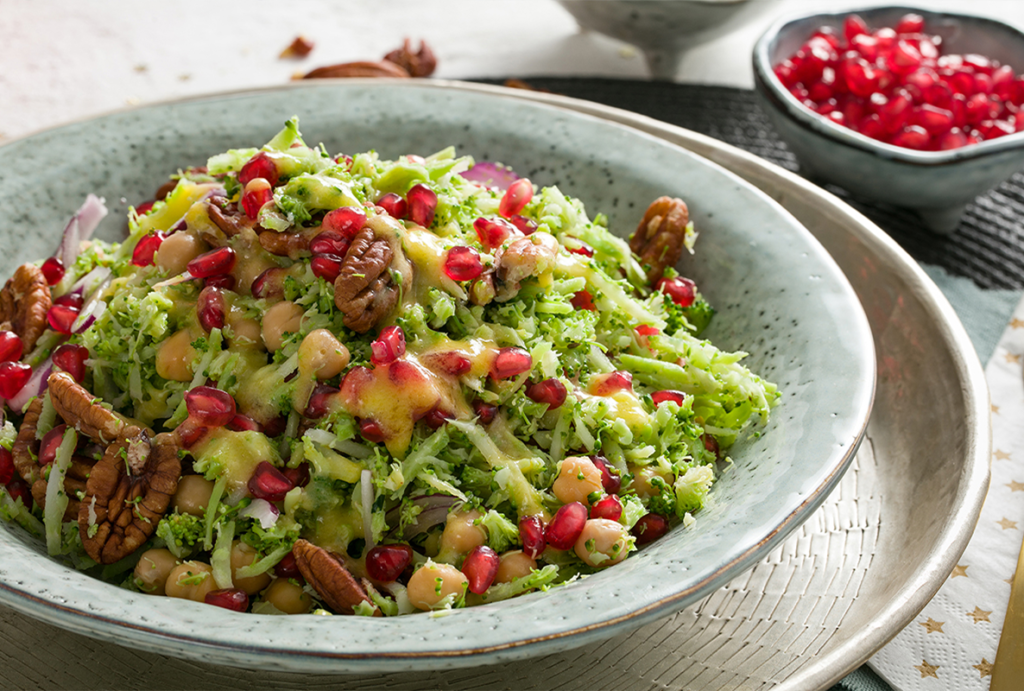
  • Fresh anar seeds in winter salad or eaten directly — beautiful flavour, meaningful benefit
  • Jamun when in season — one of the most underrated cancer prevention foods in the Pakistani diet
  • Frozen berries blended into plain dahi when fresh varieties are unavailable or expensive

Small daily portions matter more than occasional large amounts. Consistency is what drives the protective effect.

4. Turmeric (Haldi) — Curcumin’s Anti-Inflammatory Power

Haldi is not added to Pakistani cooking purely for colour or taste. It is one of the most researched anti-cancer diet ingredients in the world — and it has been sitting in Pakistani kitchens for centuries.

Curcumin — the active compound in turmeric — has demonstrated strong anti-inflammatory, antioxidant, and direct anti-cancer effects across multiple studies. Research shows it can slow cancer cell growth, trigger programmed cell death in abnormal cells, and improve the body’s response to conventional treatment.

Daily habits worth building:

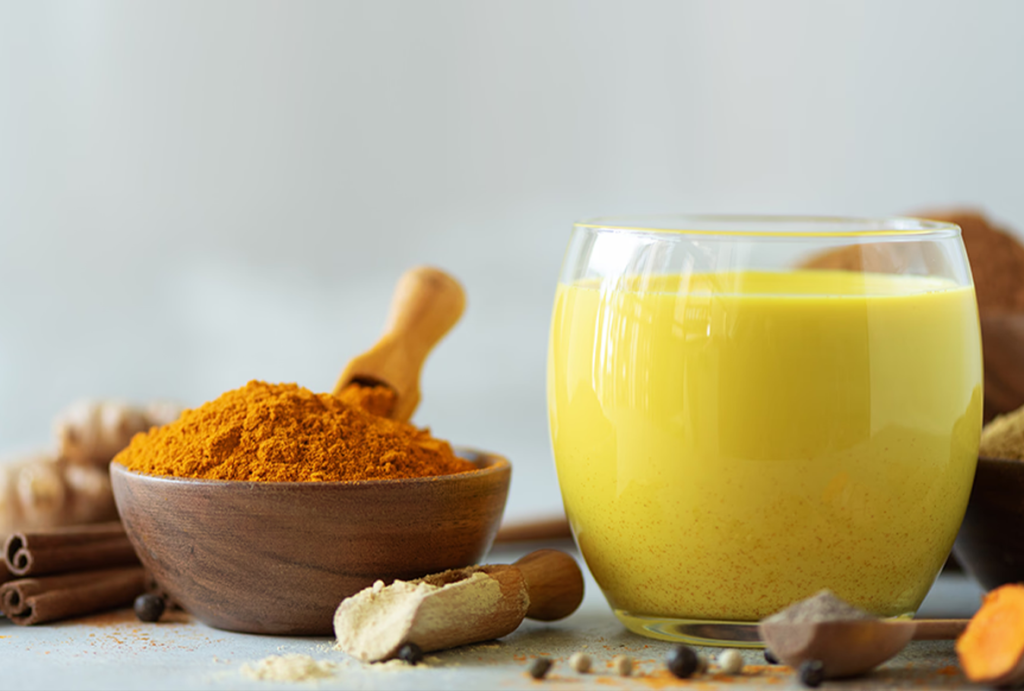
  • Haldi doodh every night before bed — always add a pinch of kali mirch, which increases curcumin absorption by up to 2000%
  • Extra haldi in every curry and daal — more than seems necessary, used generously rather than sparingly
  • A small amount of golden paste — haldi with a little ghee and black pepper — half a teaspoon daily for those who want a more concentrated approach

Patients who use turmeric consistently tend to report less inflammation-related discomfort and better energy during treatment. It is one of the simplest, cheapest, and most evidence-backed additions available.

5. Garlic and Onions

Both are already in almost every Pakistani meal — which means most households are already accessing these cancer fighting foods without realising it. The goal is simply to use them more deliberately.

Allicin — the sulphur compound released when garlic is crushed or chopped — has demonstrated anti-cancer effects in both laboratory and population studies, particularly for stomach and colorectal cancer. Onions contain similar sulphur compounds with overlapping protective properties.

Practical additions:

  • One to two cloves of raw crushed garlic in raita or fresh chutney — raw garlic preserves allicin better than cooked
  • Onions in every sabzi and salad as standard rather than optional
  • Caramelised onions stirred into daal — adds depth of flavour without additional oil

6. Green Tea

EGCG — the primary catechin in green tea — is one of the most studied antioxidant compounds for cancer prevention, with research showing effects on cancer cell signalling, growth inhibition, and inflammatory pathways.

Simple daily habit:

  • Two to three cups of plain green tea daily — no sugar, which would counteract the benefit
  • Fresh mint or a squeeze of lemon for flavour if plain is unappealing
  • Replacing one or two daily chai sessions with green tea is the most practical entry point for most Pakistani households

Many patients report improved energy and digestion during treatment after making this single swap — which suggests the benefit extends beyond the direct anti-cancer compounds.

7. Nuts and Seeds — Especially Flaxseeds and Walnuts

Flaxseeds contain lignans — phytoestrogen compounds with documented anti-cancer effects, particularly relevant for hormone-sensitive cancers. They also provide omega-3 fatty acids that reduce inflammation throughout the body. Walnuts deliver a combination of antioxidants, healthy fats, and compounds that have shown cancer-protective effects in research.

Daily use that actually sticks:

  • One tablespoon of ground flaxseeds stirred into morning dahi or a smoothie — ground rather than whole, because whole seeds pass through undigested
  • A small handful of walnuts as an evening snack — consistent daily use rather than occasional large amounts

Frequently Asked Questions About Cancer Fighting Foods

Can cancer fighting foods actually prevent cancer completely?

No food provides a guarantee — and anyone claiming otherwise is overstating the evidence. What these cancer prevention foods do is consistently reduce known risk factors — chronic inflammation, oxidative stress, DNA damage accumulation — which meaningfully lowers statistical cancer risk over time.

Is it safe to eat these anti-cancer diet foods during active treatment?

In most cases yes — and many actively support treatment response and recovery. However, certain foods interact with specific chemotherapy agents. Always confirm with the treating oncologist before making significant dietary changes during active treatment.

How much turmeric is the right daily amount?

Half to one teaspoon of turmeric with a pinch of black pepper is the practical recommendation for daily use. More is not automatically better — curcumin absorption matters more than raw quantity, which is why the black pepper pairing is essential.

Are imported berries necessary if anar and jamun are available?

Not at all. Pomegranate and jamun are excellent local substitutes that deliver comparable antioxidant and anti-inflammatory benefit. Seasonal local fruit consistently outperforms expensive imported alternatives for practical daily use.

Should supplements be taken instead of these whole foods?

A food-first approach consistently delivers better outcomes than isolated supplementation for cancer prevention. Supplements have a role when blood tests reveal specific deficiencies — but always under medical guidance rather than independently.

Do these foods help after a cancer diagnosis is already made?

Yes — many support immunity, reduce inflammation, improve energy during treatment, and support recovery. They are as relevant after diagnosis as they are for prevention.

Ready to Add These Cancer Fighting Foods to Daily Life?

No exotic ingredients needed. No expensive supplements required. The most powerful cancer fighting foods are already in Pakistani markets — tomatoes, haldi, gobhi, anar, garlic, green tea, and a small jar of ground flaxseeds. The only thing needed is the decision to use them consistently.

📞 Call/WhatsApp: +92 300 0172509 📧 Email: hamzathedietitian@gmail.com 🌐 Visit: hamzathedietitian.com

Personalised meal plans, real ongoing support, and practical guidance built around Pakistani food culture and individual health circumstances. Book a consultation today.

Related reads:

Final Thoughts: Cancer Fighting Foods Are Already in Your Kitchen

The most effective cancer fighting foods are not miracle cures and they are not found in expensive health stores. They are tomatoes, haldi, cruciferous vegetables, local berries, garlic, green tea, and flaxseeds — ingredients that have been part of Pakistani cooking for generations, now backed by serious research confirming what traditional food wisdom always suggested.

Key takeaways:

  • Tomatoes, broccoli, and berries deliver powerful antioxidants that reduce oxidative stress and cancer risk
  • Turmeric and ginger address the chronic inflammation that drives cancer development
  • Garlic, onions, and green tea support detoxification and immune surveillance
  • Flaxseeds and walnuts provide omega-3s and lignans with direct anti-cancer properties
  • Consistency over months and years matters more than any single superfood consumed occasionally

Start tonight. One extra tomato dish. A cup of haldi doodh before bed. A small handful of walnuts with the evening chai. Small decisions made consistently — that is what builds genuine, lasting protection.

Stay nourished. Stay resilient.

Hamza The Dietitian Lahore — helping Pakistani families build health that lasts.

Red rice vs white rice

Red Rice vs White Rice: Which One Should You Actually Eat Every Day?

“Bhai, red rice zyada healthy hai ya white wali? Diabetes hai toh kya sirf laal chawal kha sakte hain?”
This question shows up in the clinic at least three times a week — and it deserves a proper answer rather than a social media soundbite.
The red rice vs white rice conversation has taken on a life of its own online. Reels and posts claim laal chawal lowers blood sugar levels, melts belly fat, and reverses diabetes. Meanwhile, white rice — which Pakistani families have eaten for generations — gets treated like poison. The reality, as with most nutrition debates, sits somewhere more honest and more useful than either extreme.

Most families across Pakistan grew up on white rice. It is soft, fragrant in biryani and daal, cooks quickly, and is genuinely comforting food. Red rice is newer to most urban kitchens, chewier, and harder to find in smaller markets. But for people managing diabetes, prediabetes, or weight, the differences in glycemic index, fibre content, and nutrients between the two are real and worth understanding properly.

This is the honest, practical red rice vs white rice comparison used in consultations — nutrients, blood sugar impact, real patient results, and practical ways to use both in a Pakistani kitchen without unnecessary restriction or confusion.

Where Red Rice and White Rice Actually Come From

Both start as the same grain — paddy rice harvested from the same fields.

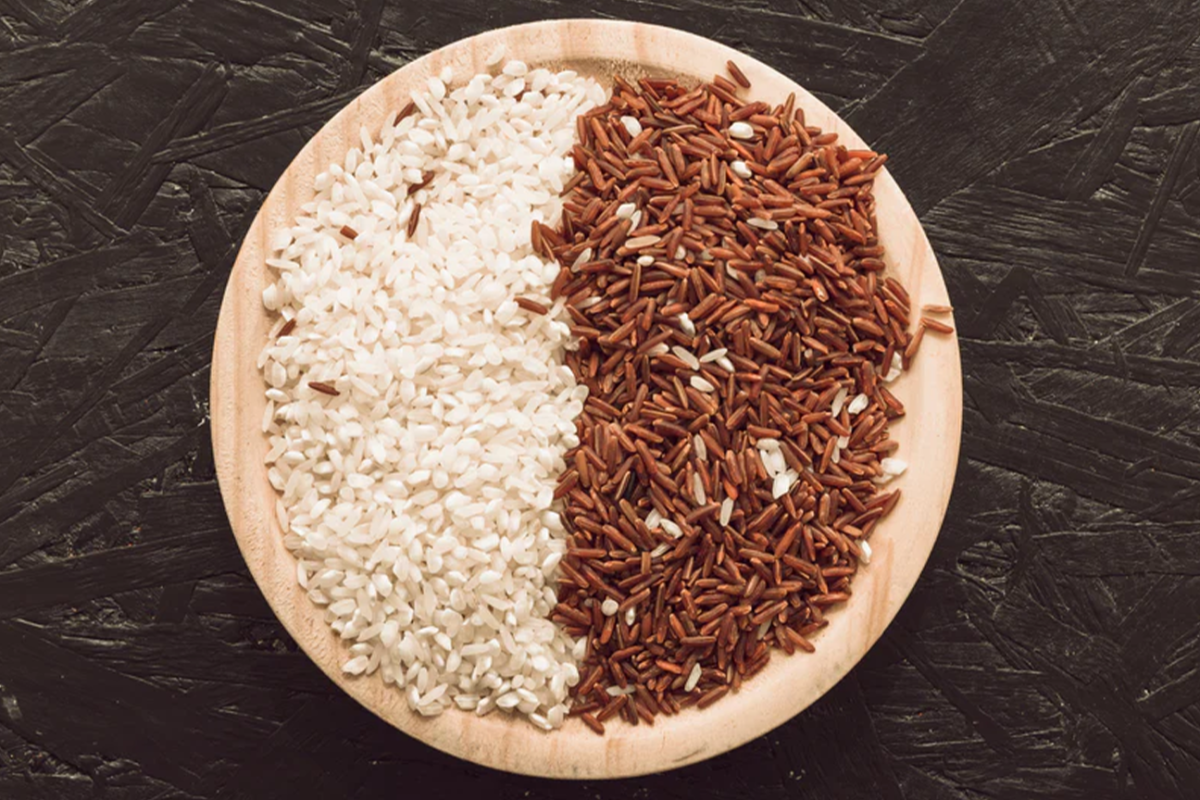
White rice is heavily polished after harvest. The outer husk, bran layer, and germ are removed entirely. What remains is predominantly the starchy endosperm — high in carbohydrates, easy to digest, low in fibre, and stripped of most naturally occurring nutrients.

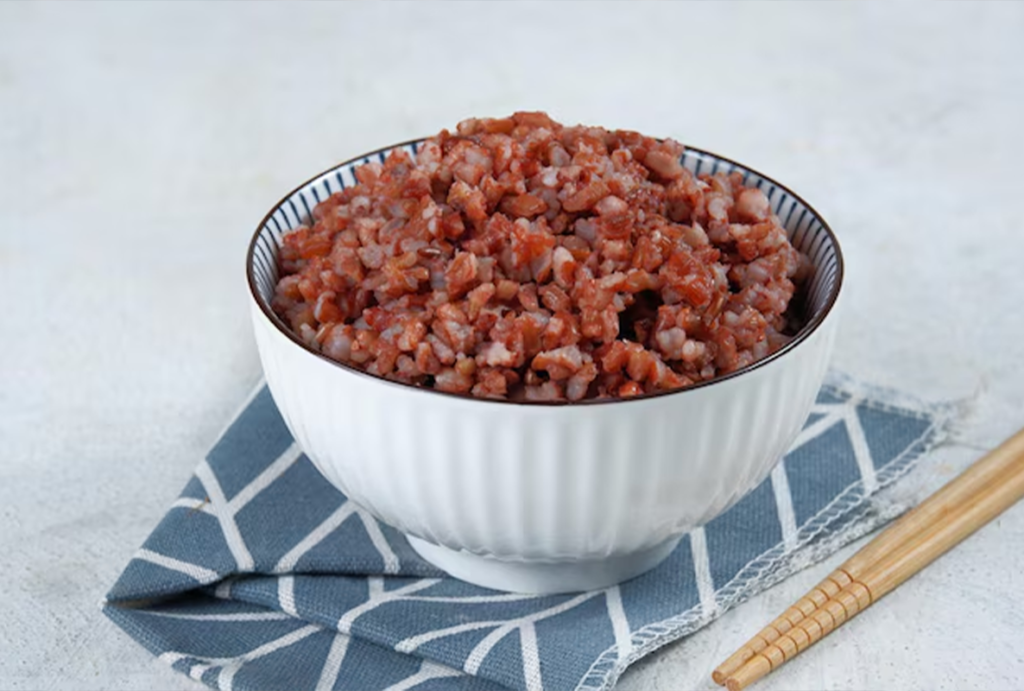
Red rice retains most of its bran layer — and that bran is where everything interesting happens. The reddish-brown colour comes from anthocyanins, the same antioxidant compounds found in pomegranates and berries. The fibre, the iron, the magnesium — all of it lives in the bran that red rice keeps and white rice loses.

Less processing means more nutritional value. It also means a chewier texture, longer cooking time, and a stronger flavour that takes some adjustment. That is why most Pakistani families still default to white rice for daily meals — and why a 50:50 approach often works better than an abrupt switch.

Nutritional Comparison: Red Rice vs White Rice Per 100g Cooked

When patients ask “kaunsa better hai,” this is the actual comparison that answers the question:

NutrientRed RiceWhite Rice
Calories110–120 kcal130 kcal
Carbohydrates23–25g28g
Fibre2–3g0.4–0.6g
Protein2.5–3g2.7g
Iron0.8–1mg0.2mg
AntioxidantsHigh (anthocyanins)Almost none

The fibre difference is where red rice genuinely pulls ahead. Nearly five times more fibre per serving — and that fibre is directly responsible for slower digestion, better satiety, improved blood sugar control, and the heart health benefits that make red rice worth including in a regular Pakistani diet.

The antioxidant gap is also significant. Anthocyanins actively fight inflammation in the body — the kind of chronic low-grade inflammation that underlies diabetes, heart disease, and metabolic syndrome. White rice offers none of this.

Glycemic Index and Blood Sugar Impact — The Most Important Comparison

For diabetic, prediabetic, and weight management patients, this is the number that matters most in the red rice vs white rice discussion.

  • White rice: GI approximately 70 to 89 — causes rapid, significant spikes in blood sugar levels
  • Red rice: GI approximately 55 to 60 — slower, gentler rise that gives the body more time to respond

This difference plays out in real results. A type 2 diabetic patient working a desk job in Lahore was eating white rice twice daily. Post-lunch blood sugar readings consistently sat at 220 to 240 mg/dL. The intervention was straightforward — switch to red rice in the same portion size, add extra sabzi to the plate. No medication change. Readings dropped to 140 to 160 mg/dL within six weeks.

Red rice is not a zero-spike miracle. Blood sugar levels still rise. But the rate is slower, the peak is lower, and the body handles it more effectively — which makes a meaningful difference in daily energy, fat storage, and long-term diabetes management.

Red Rice Health Benefits vs White Rice — What Actually Matters

Red rice advantages for daily health:

  • Lower glycemic index directly supports better blood sugar control and insulin sensitivity
  • Higher fibre content improves digestion, prevents constipation, and extends satiety after meals
  • Anthocyanins and antioxidants fight inflammation and support long-term heart health
  • More iron and magnesium — practically helpful for people dealing with fatigue and mild anaemia

White rice advantages that are genuinely real:

  • Significantly easier to digest — the right choice during stomach upset, illness recovery, or for people with IBS
  • Faster energy delivery — useful for athletes, very active people, or anyone who needs quick fuel
  • Softer texture that children and elderly family members typically prefer
  • Cooks faster and absorbs the flavours of biryani, pulao, and daal in a way red rice cannot replicate

Neither is the villain. The choice depends on the goal, the health situation, and the meal it is part of.

Who Should Choose Which? Practical Recommendations

Diabetes, prediabetes, or insulin resistance: Red rice is the clear preference — lower glycemic index and higher fibre produce measurably better blood sugar outcomes. A 50:50 mix is a practical starting point for families not ready for a complete switch.

Weight management goals: Red rice has a meaningful advantage — more filling per serving due to fibre content, slightly fewer calories, and a slower digestion pattern that reduces hunger between meals.

Digestive issues — IBS, acidity, sensitive stomach: White rice is gentler and consistently better tolerated. The lower fibre content that makes it less ideal for diabetes makes it ideal for irritated digestive systems.

Children and elderly family members: White rice is usually better accepted on both texture and taste grounds. Forcing the switch in these cases is rarely worth the resistance it creates.

Healthy adults with no specific health concerns: Rotate both. Red rice three to four days a week, white rice the rest — variety keeps meals interesting and delivers a broader nutritional range than either alone.

Easy Ways to Use Red Rice in Everyday Pakistani Meals

The most common objection heard is “red rice hard hai, nahi khate” — and it is a legitimate concern for families accustomed to soft, fluffy white rice. These approaches consistently make the transition easier:

  • Start with a 50:50 mix — half red, half white — which cooks to a softer texture, takes less time, and still delivers meaningful red rice health benefits
  • Soak red rice for 30 to 60 minutes before cooking — this reduces cooking time and breaks down phytic acid, improving mineral absorption
  • Use a 1:3 water ratio — red rice needs more water than white to cook properly
  • Pair with daal, sabzi, and dahi — the protein and fibre from these foods slow absorption further and reduce the glycemic impact of the entire meal
  • Make red rice khichdi or pulao — it absorbs masala and spices beautifully and feels far less like a dietary compromise

A client from Gulberg started with the 50:50 mix at one meal per day. Six months later she eats red rice exclusively and her HbA1c dropped from 7.2 to 6.1 — without any change in medication.

Frequently Asked Questions About Red Rice vs White Rice

Is red rice genuinely better than white rice for diabetes?

Yes — the lower glycemic index and significantly higher fibre content produce slower, more manageable blood sugar rises. Most diabetic patients see measurably steadier post-meal readings after switching partially or fully to red rice.

Does red rice support weight management?

Consistently yes — the additional fibre extends fullness after meals, naturally reducing overall calorie intake without requiring strict portion counting. The slightly lower calorie content per serving adds to this advantage over time.

Why does white rice have such a high glycemic index?

Polishing removes the bran layer and fibre entirely. The remaining starch is exposed and digests very rapidly — producing the fast blood sugar spike that makes white rice problematic for diabetic patients in larger portions.

Can white rice still be eaten with diabetes?

Yes — in controlled portions, paired generously with sabzi, protein, and healthy fat. The combination slows digestion and blunts the blood sugar spike significantly. It is about balance and pairing rather than complete elimination.

Is red rice difficult to find and expensive in Pakistan?

It is slightly pricier and less universally available than white, but larger supermarkets in Lahore, Karachi, and Islamabad stock it reliably, and online platforms now carry several quality options. Availability has improved substantially over the past two years.

Is a complete switch from white to red rice necessary?

Not at all — and forcing an abrupt complete switch often creates resistance that makes the habit unsustainable. The 50:50 mix approach delivers real red rice health benefits while maintaining the familiar texture and cooking behaviour most Pakistani kitchens are accustomed to.

Ready to Make Smarter Rice Choices?

Red rice vs white rice is not about declaring one perfect and banning the other. It is about understanding what each offers and choosing based on real health goals — whether that is better blood sugar levels, improved weight management, or simply more nutritional variety in daily meals.

📞 Call/WhatsApp: +92 300 0172509 📧 Email: hamzathedietitian@gmail.com 🌐 Visit: hamzathedietitian.com

Personalised meal plans, real ongoing support, and practical guidance built around Pakistani food culture and individual health needs. Book a consultation today.

Related reads:

Final Thoughts: Red Rice vs White Rice — Choose What Serves Your Health

Red rice vs white rice comes down to three things: processing, fibre, and glycemic index. Red rice wins on all three for people managing blood sugar levels, weight management, or long-term heart health. White rice wins on digestibility, texture, and the kind of comfort that makes Pakistani food feel like home.

Key takeaways:

  • Red rice has significantly more fibre, antioxidants, and minerals than white
  • Lower glycemic index makes it the better choice for diabetes and weight management
  • White rice is easier to digest and more practical for certain health situations
  • The 50:50 mix delivers the best of both worlds without forcing a difficult transition
  • Always pair any rice with sabzi, daal, and protein — the combination matters as much as the rice type

Start with one small change this week — a 50:50 mix at one meal per day. See how the body responds. Build from there.

Stay nourished, stay strong.

Hamza The Dietitian Lahore — helping Pakistani families eat smarter, one grain at a time.

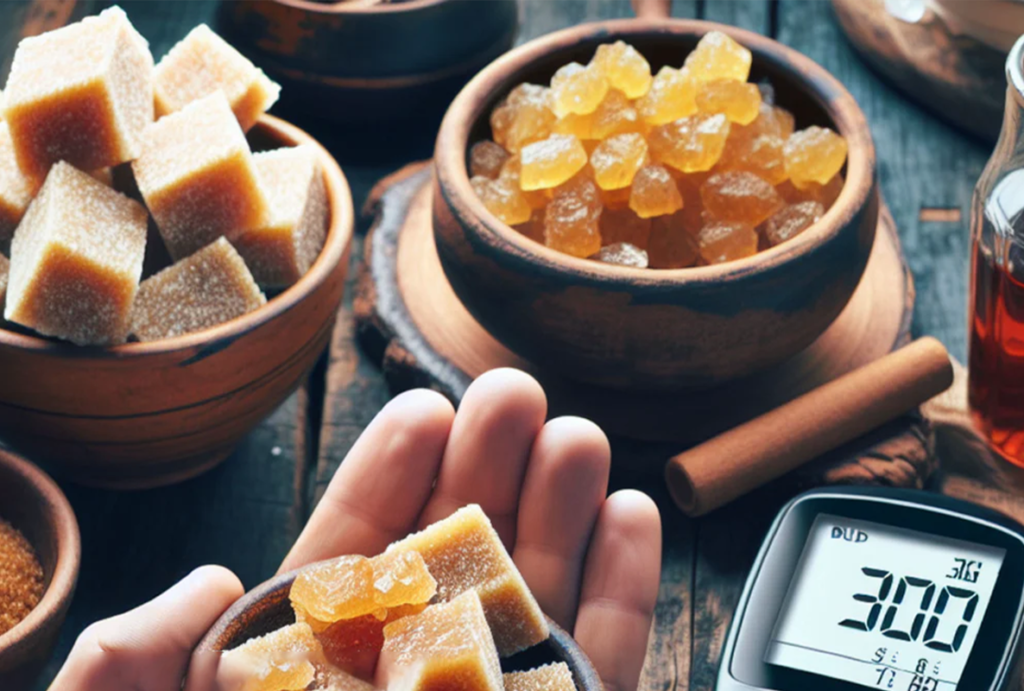
Sugar vs jaggery

Sugar vs Jaggery: Which One Is Actually Healthier for Daily Use?

“Bhai, gur better hai ya cheeni? Diabetes hai toh kya sirf gur kha sakte hain?”
This question comes up almost daily — in the clinic, in WhatsApp messages, in comments on social media. And the answer that most people expect is simple: jaggery good, white sugar bad. Natural versus processed. Traditional versus industrial.
The reality of sugar vs jaggery is more honest and more nuanced than that — and understanding it properly matters especially for the millions of Pakistani families managing diabetes, prediabetes, or simply trying to eat better without giving up the flavours that make our food worth eating.

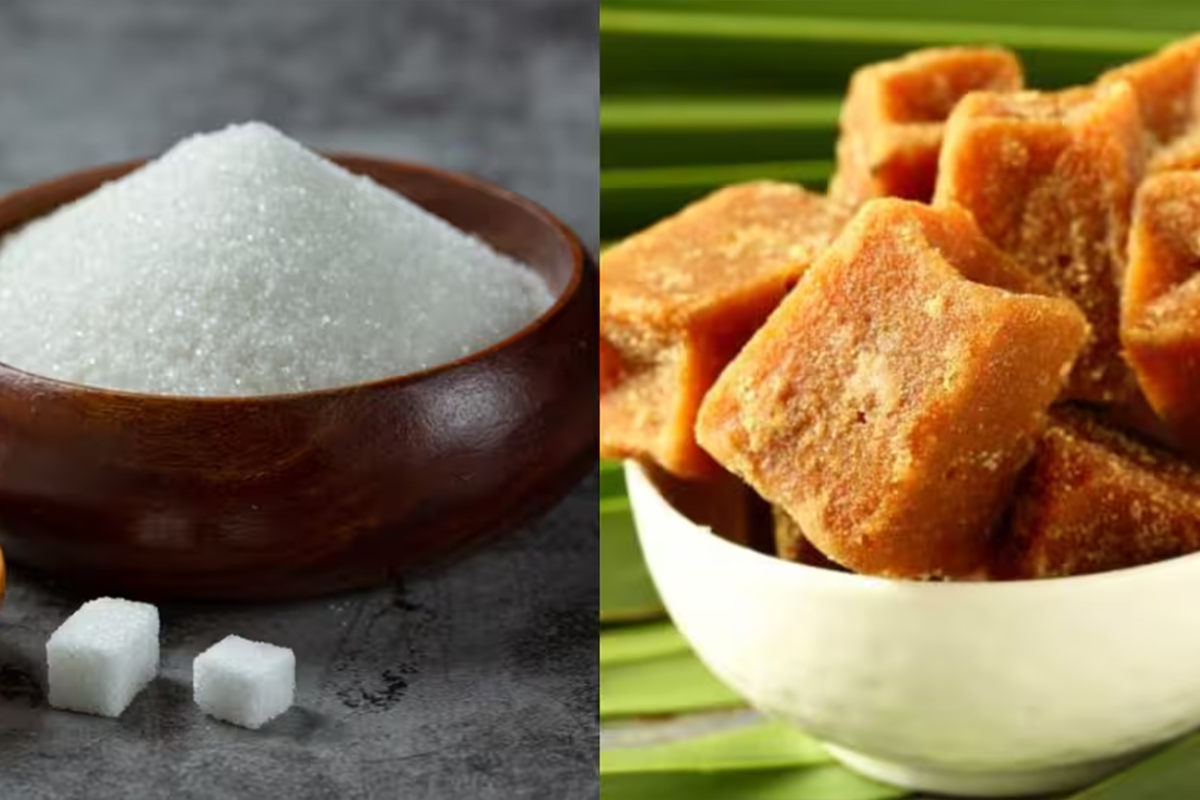
Both sugar and jaggery come from the same sugarcane plant. Both raise blood sugar levels. Both cause problems when overused. The real differences lie in nutrient content, glycemic index, and how they behave in the body when portion size and food pairing are taken into account. Here is the complete, honest comparison — including who should choose which, and practical ways to use either without guilt or dangerous spikes.

Where Sugar and Jaggery Actually Come From

Both sweeteners begin as sugarcane juice. What happens after that is where they diverge significantly.

White sugar goes through heavy industrial processing. The juice is clarified, boiled, crystallised, centrifuged, bleached with chemicals or carbon, and refined until nothing remains except pure sucrose. Every mineral, every trace nutrient — gone.

Jaggery (gur) is made the traditional way. Sugarcane juice is boiled in open pans until it thickens, then poured into moulds and left to solidify. No bleaching, no heavy refining, no chemical processing. Because it skips those stages, it retains some of the minerals naturally present in sugarcane.

That difference in processing is what gives jaggery a genuine but modest nutritional edge over white sugar. The key word is modest — and social media has been significantly overstating it for years.

Nutritional Comparison: Sugar vs Jaggery Per 100g

When patients ask about sugar vs jaggery, this is the actual side-by-side comparison worth looking at:

NutrientWhite SugarJaggery
Calories387 kcal383 kcal
Carbohydrates100g95–97g
Sucrose100%65–85%
Iron0.1 mg10–11 mg
Calcium1 mg70–85 mg
Potassium2 mg20–90 mg
Fibre0g0.5–1g

Jaggery has meaningfully more iron and minerals because it is less refined. But those mineral amounts are still small compared to what one bowl of palak or a handful of almonds delivers. The idea that switching to jaggery will address iron deficiency or significantly improve nutrition is an overstatement. What it does do is add a small amount of genuine nutrition that white sugar provides none of.

Glycemic Index and Blood Sugar Impact — The Part That Actually Matters

This is where most sugar vs jaggery conversations go wrong.

  • White sugar: GI approximately 65 to 70 — causes a fast, significant spike in blood sugar levels
  • Jaggery: GI approximately 55 to 65 — slightly slower rise, but still substantial and still a problem in larger portions

In clinical practice with diabetic patients, both cause noticeable blood sugar spikes when eaten in similar amounts. Jaggery is not safe for uncontrolled diabetes. The glycemic index difference is real but marginal — and portion size overrides it entirely.

A type 2 diabetic client on metformin was eating 30g of jaggery after meals every day, convinced it was a healthy choice. Post-meal readings sat consistently at 220 to 250 mg/dL. After switching to a maximum of 5g paired with protein and fibre, readings dropped to 140 to 160 mg/dL. The lesson is not that jaggery is dangerous — it is that quantity and pairing matter far more than the natural sweetener label.

Health Benefits: Sugar vs Jaggery — The Honest View

White sugar provides instant energy through rapid glucose delivery to the brain and muscles. It is cheap, easy to measure, and dissolves easily. Beyond that, it offers nothing — pure empty calories with zero nutritional contribution.

Jaggery provides small but real amounts of iron, potassium, and magnesium that support energy, reduce fatigue, and help slightly with anaemia. It has trace fibre — barely noticeable in practice but technically present. It also has a beautiful, complex traditional flavour that pairs naturally with desi foods in a way white sugar never does.

The honest assessment: if the daily diet already includes enough dal, sabzi, nuts, and fruit, the extra minerals in jaggery will not dramatically change anything. But they are real, they are absent in white sugar, and for people whose diets are already marginal in micronutrients, the difference adds up over time.

Who Should Choose Which? Practical Recommendations

Healthy adults without diabetes: Either is fine in genuine moderation. Jaggery adds a little nutrition and a lot of traditional flavour — a small piece with roti or gud ki chai occasionally is perfectly reasonable.

Prediabetes or controlled diabetes: Limit both significantly. If choosing between the two, small amounts of jaggery — 5 to 10g per day maximum — paired consistently with fibre and protein is marginally better than white sugar in equivalent amounts.

Uncontrolled diabetes or significant insulin resistance: Avoid both as much as practically possible. Stevia, monk fruit, or very small amounts of fresh dates are better alternatives that do not produce the same blood sugar response.

5 Practical Ways to Use Jaggery Wisely in Pakistani Meals

For those who want to enjoy jaggery without causing blood sugar problems, portion and pairing are everything:

  • Replace sugar in chai with half to one teaspoon of jaggery per cup — start with the smaller amount and adjust
  • Drizzle one teaspoon of melted jaggery over plain dahi with fresh fruit as an occasional dessert
  • Add a small piece to dal or kadhi for natural sweetness — a traditional technique that works beautifully
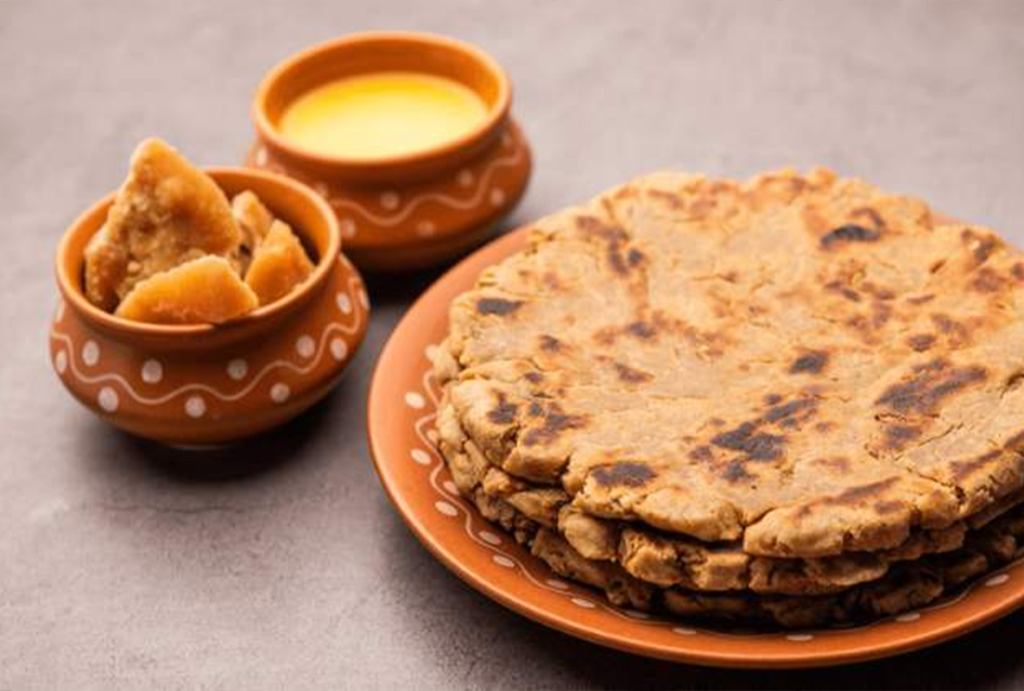
  • Make gud ki roti once a week as a treat rather than a daily staple
  • Mix one teaspoon of jaggery with a pinch of haldi in warm milk at night — a genuinely comforting and nutritionally reasonable bedtime drink

Even “healthy” jaggery accumulates quickly. Portion control is not optional — it is the entire point.

Frequently Asked Questions About Sugar vs Jaggery

Is jaggery genuinely healthier than sugar?

It has slightly more minerals and a marginally lower glycemic index, making it the better choice between the two when used in the same small amounts. However, both raise blood sugar levels significantly when portions increase. Moderation matters far more than which one is chosen.

Can diabetics eat jaggery?

In very small amounts — 5 to 10g per day maximum — paired with fibre and protein, yes. Many diabetic patients do better avoiding both entirely and using alternatives like stevia instead. Individual response varies and is worth monitoring.

Does jaggery support weight loss?

Not meaningfully. The calorie content is almost identical to white sugar. The trace iron and potassium provide health benefits but have no direct impact on weight. Treating jaggery as a weight loss food is a misunderstanding of what it offers.

Which has the lower glycemic index — sugar or jaggery?

Jaggery sits at approximately 55 to 65, white sugar at 65 to 70. The difference is real but small — and becomes irrelevant when jaggery is consumed in large portions. Portion size determines the actual blood sugar impact more than the glycemic index number.

Is brown sugar better than white sugar or jaggery?

No — brown sugar is white sugar with molasses added back after refining. Same calories, same blood sugar spike, minimal additional nutrients. It occupies a marketing middle ground without the genuine traditional credentials of real jaggery.

Should the switch to jaggery be complete?

Not necessary and not the most important change available. Use whichever is preferred in genuinely small amounts and focus on the overall quality of the diet — that decision will matter far more than the choice between these two sweeteners.

Ready to Make Smarter Sweet Choices?

Sugar vs jaggery is not a battle between good and evil. It is a question of how much, how often, and what the sweetener is paired with. Getting those three things right matters infinitely more than which one ends up in the chai.

📞 Call/WhatsApp: +92 300 0172509 📧 Email: hamzathedietitian@gmail.com 🌐 Visit: hamzathedietitian.com

Personalised meal plans, real ongoing support, and practical guidance built around Pakistani food culture and individual health needs. Book a consultation today.

Related reads:

Final Thoughts on Sugar vs Jaggery

Sugar vs jaggery comes down to small but real differences in nutrients and glycemic index — with jaggery holding a genuine but modest advantage. Neither is a free pass. Both raise blood sugar levels meaningfully when overused.

Key takeaways:

  • Jaggery has trace minerals that white sugar does not — iron, calcium, potassium
  • Glycemic index is similar — portion size determines the actual impact on blood sugar
  • Use either in small amounts — 5 to 10g per day maximum
  • Always pair with fibre, protein, and fat to reduce the blood sugar spike
  • The overall quality of the daily diet matters far more than the choice between these two sweeteners

Health is not built by one spoonful of the right sweetener. It is built by consistent daily habits across every meal. Choose what genuinely works, keep the portions small, and keep moving forward.

Stay sweet the smart way.

Hamza The Dietitian Lahore — helping Pakistan make balanced, realistic choices every day.

Energy levels during Ramadan

Energy Levels During Ramadan: How to Stay Steady from Sehri to Iftar

Every Ramzan, around the second week, a familiar pattern shows up in the clinic.
A school teacher and mother of three sits across the table looking genuinely worn out. Not spiritually — physically. “Bhai, Sehri mein sirf roti khati hoon kyunki bhook nahi lagti, aur Iftar pe bohot zyada kha leti hoon. Phir dopahar tak energy bilkul khatam ho jati hai.”
She is not describing a unique problem. She is describing the most common Ramadan fasting experience in Pakistan — and the reason so many people spend the second half of their fast foggy, irritable, and counting down the minutes rather than being present in ibadah.
Maintaining steady energy levels during Ramadan comes down to two meals. The Sehri meal that most people either skip or eat carelessly because appetite is low at 3am. And the Iftar meal that turns into a full feast after 14 to 16 hours of hunger. Both extremes — under-eating at Sehri and overeating at Iftar — produce the same result: blood sugar instability, mid-afternoon brain fog, post-Iftar food coma, and exhaustion that makes taraweeh feel like a burden instead of a gift.

The fix is not complicated. It is a matter of understanding what the body actually needs across a long fast — and making two meals count properly.

Why Energy Crashes Happen During Ramadan Fasting

The body runs on glucose during waking hours and draws on stored glycogen during fasting periods. When the Sehri meal is too small or nutritionally empty — white roti, a cup of chai, nothing at all — those glycogen stores run out well before Zuhr. By early afternoon, the brain, which is particularly sensitive to glucose availability, starts signalling distress. That is when the fog arrives. The headache. The irritability that has nothing to do with the fast itself.

Overeating at Iftar creates the opposite but equally damaging problem. After 14 to 16 hours of fasting, the digestive system is quiet and blood sugar is low. Flooding it immediately with fried samosas, pakoras, sugary drinks, and biryani causes blood sugar to spike sharply. Insulin floods the system to bring it back down. Two to three hours later, the crash arrives — heavier and more exhausting than the afternoon dip.

The goal of a proper Ramadan diet is not a full stomach at Iftar or a forced meal at Sehri. It is steady fuel — delivered through slow-digesting foods, adequate protein, healthy fats, and consistent hydration — that keeps energy levels during Ramadan stable from Fajr to Isha.

1. Never Skip or Under-Eat at Sehri — Even Without Appetite

This is the single most common mistake seen during Ramadan fasting consultations. “Bhook nahi lagti toh chhor deta hoon” is a sentence that almost guarantees a difficult afternoon.

Skipping Sehri is the dietary equivalent of starting a long drive with the fuel gauge on empty. The body will manage for a while — burning fat for fuel as glycogen depletes — but by early afternoon the tank is genuinely empty and performance suffers in every way.

The appetite is low at 3am because the body is in a natural sleep and recovery state. That does not mean food is not needed. It means the Sehri meal needs to be practical and easy to eat rather than elaborate.

What actually works:

  • Oats cooked in milk with a banana and a small handful of almonds — slow-digesting, filling, and easy to prepare half-asleep
  • Two boiled eggs with one whole wheat roti and sliced cucumber — protein and complex carbs that last for hours
  • Greek-style dahi with chia seeds and two to three dates — light, nutritious, and genuinely effective

A client who had skipped Sehri for years switched to a small oats bowl. Her exact words after the first week: “Pehli baar Ramzan mein dopahar tak fresh feel kiya.” One meal. One change.

2. Start Iftar Slowly — Not with Fried and Sugary Foods

The classic Pakistani Iftar table is genuinely beautiful — samosas, pakoras, chaat, Rooh Afza, khajoor, and then biryani or korma to follow. Enjoyed mindfully in small portions after a proper break, most of these foods are fine. The problem is the order and the speed.

Overeating at Iftar typically follows this sequence: break fast with three or four samosas, a glass of Rooh Afza, a few pakoras, then sit down for a full plate of biryani with korma on the side. Everything enters a digestive system that has been quiet for 14 hours, all at once, at high speed. The blood sugar spike is significant. The crash two hours later is worse.

The Iftar sequence that preserves energy levels during Ramadan:

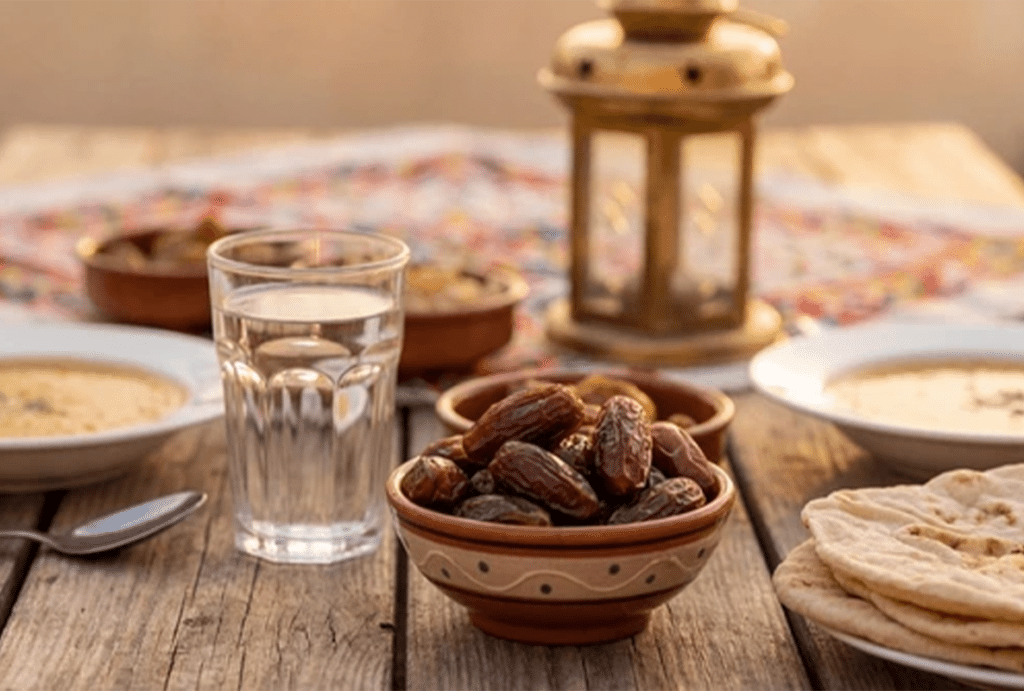
  • Break the fast with one to two dates and plain water — this is sunnah and nutritionally perfect, providing quick natural glucose without overloading the system
  • Sit for Maghrib prayer and give the digestive system 10 to 15 minutes to wake up
  • Return to a main plate that is half vegetables or salad, one quarter protein (chicken, fish, daal), one quarter complex carbs (one roti or small portion of brown rice)
  • Save any sweet for the very end, in a genuinely small amount

This sequence prevents the post-Iftar food coma that so many Pakistani families treat as inevitable. It is not inevitable — it is a direct result of meal order and portion size.

3. Choose Slow-Digesting Foods at Both Meals

Fast-digesting foods — white roti, maida paratha, mithai, packaged juices — cause rapid blood sugar spikes followed by equally rapid crashes. They feel satisfying in the moment and exhausting within the hour.

Slow-digesting foods do the opposite. They release glucose gradually, keeping energy levels during Ramadan stable across the long fast rather than delivering a spike and abandoning the body to a crash.

Best choices for Pakistani homes:

  • Complex carbohydrates: oats, daal, chickpeas, brown rice, whole wheat roti
  • Protein: eggs, chicken, fish, daal, dahi — the foundation of every Sehri meal and Iftar meal
  • Healthy fats: a small amount of ghee, a handful of nuts, seeds — these slow digestion and extend satiety
  • Fibre: sabzi at every meal — bhindi, tori, palak, gajar, any vegetable available

The plate formula used in consultations: half vegetables, one quarter protein, one quarter complex carbs. Simple. Repeatable. Genuinely effective for maintaining energy through a full day of Ramadan fasting.

4. Hydrate Strategically — Not Just at Iftar

Most people drink almost nothing during the day — which is unavoidable during the fast — and then compensate by drinking large amounts at Iftar. The problem is that the body cannot store that hydration effectively. By the following afternoon, dehydration is contributing as much to fatigue as any food choice.

What works for sustained energy levels during Ramadan:

  • Sip water consistently from Iftar to bedtime — aim for 1.5 to 2 litres during this window
  • At Sehri, drink 500 to 700ml of water alongside hydrating foods — cucumber, watermelon, plain dahi
  • Avoid very salty or very sweet drinks at either meal — they increase thirst and disrupt fluid balance rather than solving it

A client started carrying a water bottle during taraweeh prayers and reported it was the single biggest improvement in her afternoon energy across the entire month.

5. Add Natural Electrolytes and Magnesium-Rich Foods

Ramadan fasting depletes sodium, potassium, and magnesium — three minerals directly linked to energy, muscle function, and mental clarity. When these drop, fatigue, cramps, and headaches follow even when food intake is otherwise reasonable.

Easy additions to the Ramadan diet:

  • Potassium: banana and dates at Sehri, coconut water at Iftar
  • Magnesium: almonds, spinach, pumpkin seeds — a small handful at either meal
  • Sodium: a small pinch of black salt in water or lassi — replaces what is lost during the fast without overloading

These small additions consistently reduce the “weak feeling” that many people experience by Zuhr time and attribute entirely to the fast itself.

Frequently Asked Questions About Energy Levels During Ramadan

Why does afternoon fatigue hit so hard during Ramadan fasting?

Almost always a combination of under-eating at Sehri and blood sugar instability from the previous Iftar meal. When the Sehri meal is skipped or nutritionally empty, glycogen stores run out well before afternoon prayer.

Should Sehri be forced even without appetite?

Yes — even a small, balanced meal is significantly better than nothing. Start with dates and water to gently wake up appetite, then add something light but nutritious. The afternoon will feel completely different.

What is the best Iftar meal for steady energy?

Start with dates and water, pause for Maghrib, then build a plate around salad or soup, protein, and complex carbs. Keep fried items minimal and sweets for the very end in small portions. This sequence prevents overeating at Iftar and the crash that follows.

Does coffee or chai during Ramadan affect energy levels?

In moderation and paired with food, caffeine is fine. The problem arises when chai replaces proper Sehri nutrition — the caffeine provides a temporary lift followed by a deeper crash. Always eat before drinking chai at Sehri.

How much water is needed during Ramadan fasting?

Aim for 2.5 to 3.5 litres between Iftar and Sehri. Sip steadily throughout the evening rather than drinking large amounts at once — the body absorbs it more effectively this way.

Is post-Iftar sleepiness normal?

Mild tiredness after breaking a long fast is normal. Heavy, debilitating sleepiness that prevents evening prayers or family time is a sign of overeating at Iftar — too much food, too fast, with too many simple carbohydrate.

Ready to Feel Genuinely Energised Throughout Ramadan?

Ramadan should feel spiritually uplifting and physically manageable — not like a daily battle against exhaustion. Balancing the Sehri meal and Iftar meal properly is the most practical, highest-impact change available for energy levels during Ramadan.

📞 Call/WhatsApp: +92 300 0172509 📧 Email: hamzathedietitian@gmail.com 🌐 Visit: hamzathedietitian.com

Personalised meal plans, Ramadan diet guidance, and ongoing support built around Pakistani food culture and individual health needs. Book a consultation today.

Related reads:

Final Thoughts: Steady Energy Levels During Ramadan Are Completely Achievable

Steady energy levels during Ramadan come from breaking the cycle of under-eating at Sehri and overeating at Iftar — not from willpower, not from supplements, and not from suffering through the afternoon crash as though it is simply part of fasting.

Key takeaways:

  • A balanced, nutrient-dense Sehri meal — even a small one — changes the entire afternoon
  • Start Iftar slowly with dates and water, then build the plate around protein and fibre first
  • Slow-digesting foods at both meals are the foundation of stable energy during Ramadan fasting
  • Consistent hydration between Iftar and Sehri prevents the dehydration fatigue that compounds everything else
  • Small additions of natural electrolytes and magnesium make a measurable difference by Zuhr

Ramadan is about so much more than managing hunger. It is about presence, peace, and spiritual strength. Fuel the body properly and those qualities become far more accessible throughout every day of the month.

Ramzan Mubarak — stay strong and stay energised.

Hamza The Dietitian Lahore — helping Pakistani families thrive through Ramadan and beyond.

1 2 3 6