• Online Consultation Available
  • Mon–Sat: 9am to 6pm

Tag Archives: Blood Sugar Levels

Red rice vs white rice

Red Rice vs White Rice: Which One Should You Actually Eat Every Day?

“Bhai, red rice zyada healthy hai ya white wali? Diabetes hai toh kya sirf laal chawal kha sakte hain?”
This question shows up in the clinic at least three times a week — and it deserves a proper answer rather than a social media soundbite.
The red rice vs white rice conversation has taken on a life of its own online. Reels and posts claim laal chawal lowers blood sugar levels, melts belly fat, and reverses diabetes. Meanwhile, white rice — which Pakistani families have eaten for generations — gets treated like poison. The reality, as with most nutrition debates, sits somewhere more honest and more useful than either extreme.

Most families across Pakistan grew up on white rice. It is soft, fragrant in biryani and daal, cooks quickly, and is genuinely comforting food. Red rice is newer to most urban kitchens, chewier, and harder to find in smaller markets. But for people managing diabetes, prediabetes, or weight, the differences in glycemic index, fibre content, and nutrients between the two are real and worth understanding properly.

This is the honest, practical red rice vs white rice comparison used in consultations — nutrients, blood sugar impact, real patient results, and practical ways to use both in a Pakistani kitchen without unnecessary restriction or confusion.

Where Red Rice and White Rice Actually Come From

Both start as the same grain — paddy rice harvested from the same fields.

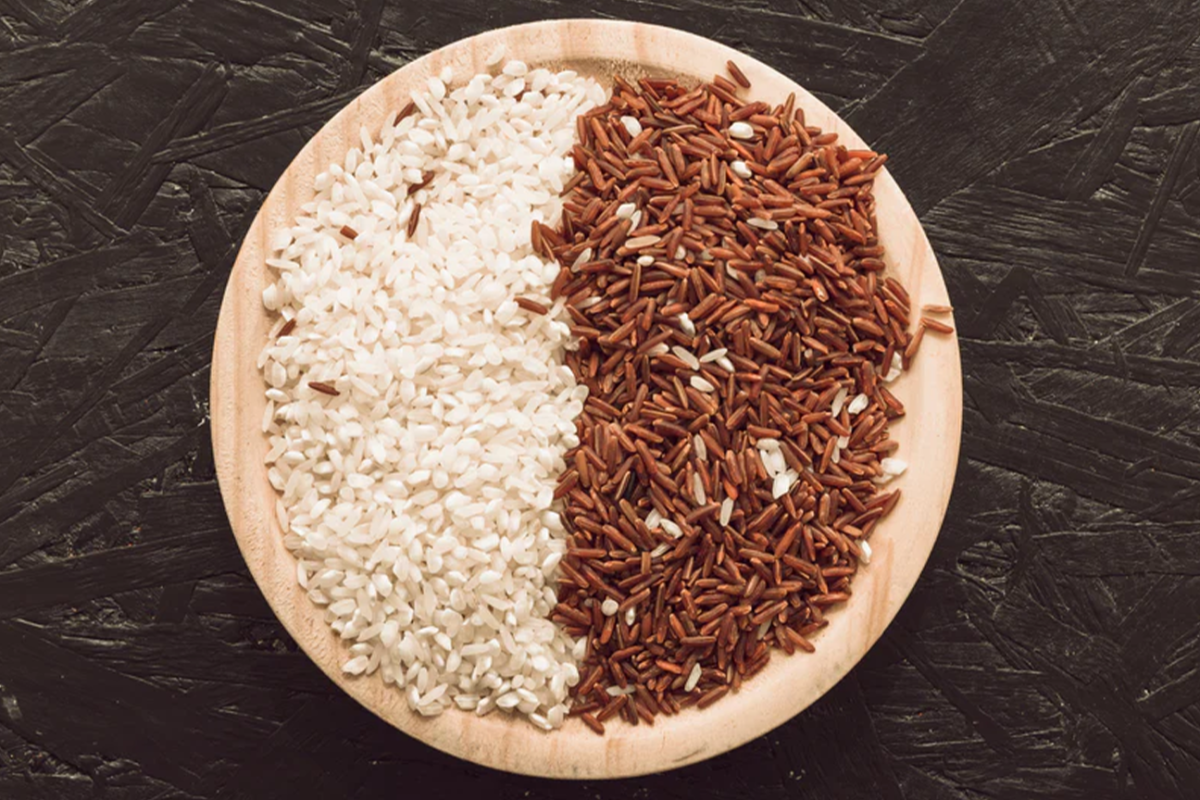
White rice is heavily polished after harvest. The outer husk, bran layer, and germ are removed entirely. What remains is predominantly the starchy endosperm — high in carbohydrates, easy to digest, low in fibre, and stripped of most naturally occurring nutrients.

Red rice retains most of its bran layer — and that bran is where everything interesting happens. The reddish-brown colour comes from anthocyanins, the same antioxidant compounds found in pomegranates and berries. The fibre, the iron, the magnesium — all of it lives in the bran that red rice keeps and white rice loses.

Less processing means more nutritional value. It also means a chewier texture, longer cooking time, and a stronger flavour that takes some adjustment. That is why most Pakistani families still default to white rice for daily meals — and why a 50:50 approach often works better than an abrupt switch.

Nutritional Comparison: Red Rice vs White Rice Per 100g Cooked

When patients ask “kaunsa better hai,” this is the actual comparison that answers the question:

NutrientRed RiceWhite Rice
Calories110–120 kcal130 kcal
Carbohydrates23–25g28g
Fibre2–3g0.4–0.6g
Protein2.5–3g2.7g
Iron0.8–1mg0.2mg
AntioxidantsHigh (anthocyanins)Almost none

The fibre difference is where red rice genuinely pulls ahead. Nearly five times more fibre per serving — and that fibre is directly responsible for slower digestion, better satiety, improved blood sugar control, and the heart health benefits that make red rice worth including in a regular Pakistani diet.

The antioxidant gap is also significant. Anthocyanins actively fight inflammation in the body — the kind of chronic low-grade inflammation that underlies diabetes, heart disease, and metabolic syndrome. White rice offers none of this.

Glycemic Index and Blood Sugar Impact — The Most Important Comparison

For diabetic, prediabetic, and weight management patients, this is the number that matters most in the red rice vs white rice discussion.

  • White rice: GI approximately 70 to 89 — causes rapid, significant spikes in blood sugar levels
  • Red rice: GI approximately 55 to 60 — slower, gentler rise that gives the body more time to respond

This difference plays out in real results. A type 2 diabetic patient working a desk job in Lahore was eating white rice twice daily. Post-lunch blood sugar readings consistently sat at 220 to 240 mg/dL. The intervention was straightforward — switch to red rice in the same portion size, add extra sabzi to the plate. No medication change. Readings dropped to 140 to 160 mg/dL within six weeks.

Red rice is not a zero-spike miracle. Blood sugar levels still rise. But the rate is slower, the peak is lower, and the body handles it more effectively — which makes a meaningful difference in daily energy, fat storage, and long-term diabetes management.

Red Rice Health Benefits vs White Rice — What Actually Matters

Red rice advantages for daily health:

  • Lower glycemic index directly supports better blood sugar control and insulin sensitivity
  • Higher fibre content improves digestion, prevents constipation, and extends satiety after meals
  • Anthocyanins and antioxidants fight inflammation and support long-term heart health
  • More iron and magnesium — practically helpful for people dealing with fatigue and mild anaemia

White rice advantages that are genuinely real:

  • Significantly easier to digest — the right choice during stomach upset, illness recovery, or for people with IBS
  • Faster energy delivery — useful for athletes, very active people, or anyone who needs quick fuel
  • Softer texture that children and elderly family members typically prefer
  • Cooks faster and absorbs the flavours of biryani, pulao, and daal in a way red rice cannot replicate

Neither is the villain. The choice depends on the goal, the health situation, and the meal it is part of.
Who Should Choose Which? Practical Recommendations

Diabetes, prediabetes, or insulin resistance: Red rice is the clear preference — lower glycemic index and higher fibre produce measurably better blood sugar outcomes. A 50:50 mix is a practical starting point for families not ready for a complete switch.

Weight management goals: Red rice has a meaningful advantage — more filling per serving due to fibre content, slightly fewer calories, and a slower digestion pattern that reduces hunger between meals.

Digestive issues — IBS, acidity, sensitive stomach: White rice is gentler and consistently better tolerated. The lower fibre content that makes it less ideal for diabetes makes it ideal for irritated digestive systems.

Children and elderly family members: White rice is usually better accepted on both texture and taste grounds. Forcing the switch in these cases is rarely worth the resistance it creates.

Healthy adults with no specific health concerns: Rotate both. Red rice three to four days a week, white rice the rest — variety keeps meals interesting and delivers a broader nutritional range than either alone.

Easy Ways to Use Red Rice in Everyday Pakistani Meals

The most common objection heard is “red rice hard hai, nahi khate” — and it is a legitimate concern for families accustomed to soft, fluffy white rice. These approaches consistently make the transition easier:

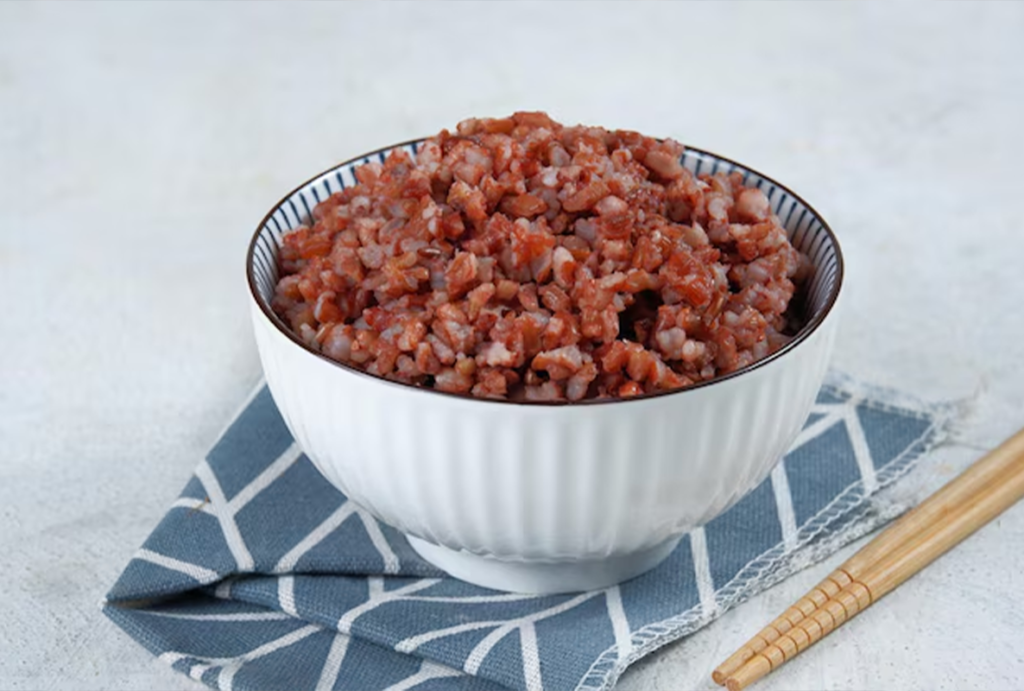
  • Start with a 50:50 mix — half red, half white — which cooks to a softer texture, takes less time, and still delivers meaningful red rice health benefits
  • Soak red rice for 30 to 60 minutes before cooking — this reduces cooking time and breaks down phytic acid, improving mineral absorption
  • Use a 1:3 water ratio — red rice needs more water than white to cook properly
  • Pair with daal, sabzi, and dahi — the protein and fibre from these foods slow absorption further and reduce the glycemic impact of the entire meal
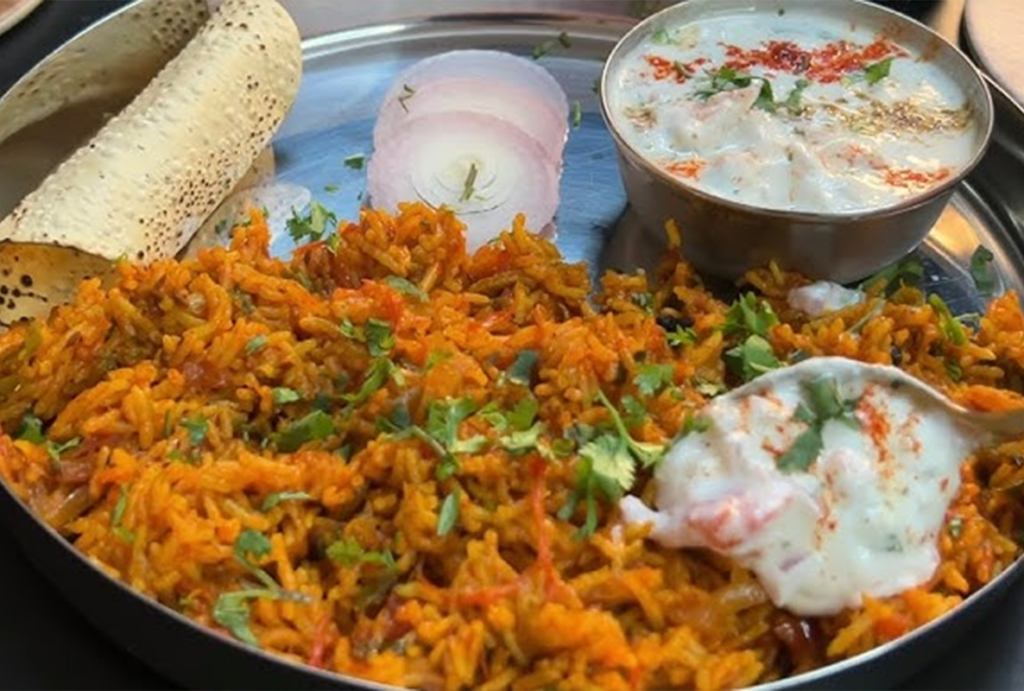
  • Make red rice khichdi or pulao — it absorbs masala and spices beautifully and feels far less like a dietary compromise

A client from Gulberg started with the 50:50 mix at one meal per day. Six months later she eats red rice exclusively and her HbA1c dropped from 7.2 to 6.1 — without any change in medication.
Frequently Asked Questions About Red Rice vs White Rice

Is red rice genuinely better than white rice for diabetes?

Yes — the lower glycemic index and significantly higher fibre content produce slower, more manageable blood sugar rises. Most diabetic patients see measurably steadier post-meal readings after switching partially or fully to red rice.

Does red rice support weight management?

Consistently yes — the additional fibre extends fullness after meals, naturally reducing overall calorie intake without requiring strict portion counting. The slightly lower calorie content per serving adds to this advantage over time.

Why does white rice have such a high glycemic index?

Polishing removes the bran layer and fibre entirely. The remaining starch is exposed and digests very rapidly — producing the fast blood sugar spike that makes white rice problematic for diabetic patients in larger portions.

Can white rice still be eaten with diabetes?

Yes — in controlled portions, paired generously with sabzi, protein, and healthy fat. The combination slows digestion and blunts the blood sugar spike significantly. It is about balance and pairing rather than complete elimination.

Is red rice difficult to find and expensive in Pakistan?

It is slightly pricier and less universally available than white, but larger supermarkets in Lahore, Karachi, and Islamabad stock it reliably, and online platforms now carry several quality options. Availability has improved substantially over the past two years.

Is a complete switch from white to red rice necessary?

Not at all — and forcing an abrupt complete switch often creates resistance that makes the habit unsustainable. The 50:50 mix approach delivers real red rice health benefits while maintaining the familiar texture and cooking behaviour most Pakistani kitchens are accustomed to.

Ready to Make Smarter Rice Choices?

Red rice vs white rice is not about declaring one perfect and banning the other. It is about understanding what each offers and choosing based on real health goals — whether that is better blood sugar levels, improved weight management, or simply more nutritional variety in daily meals.

📞 Call/WhatsApp: +92 300 0172509 📧 Email: hamzathedietitian@gmail.com 🌐 Visit: hamzathedietitian.com

Personalised meal plans, real ongoing support, and practical guidance built around Pakistani food culture and individual health needs. Book a consultation today.

Related reads:

Final Thoughts: Red Rice vs White Rice — Choose What Serves Your Health

Red rice vs white rice comes down to three things: processing, fibre, and glycemic index. Red rice wins on all three for people managing blood sugar levels, weight management, or long-term heart health. White rice wins on digestibility, texture, and the kind of comfort that makes Pakistani food feel like home.

Key takeaways:

  • Red rice has significantly more fibre, antioxidants, and minerals than white
  • Lower glycemic index makes it the better choice for diabetes and weight management
  • White rice is easier to digest and more practical for certain health situations
  • The 50:50 mix delivers the best of both worlds without forcing a difficult transition
  • Always pair any rice with sabzi, daal, and protein — the combination matters as much as the rice type

Start with one small change this week — a 50:50 mix at one meal per day. See how the body responds. Build from there.

Stay nourished, stay strong.

Hamza The Dietitian Lahore — helping Pakistani families eat smarter, one grain at a time.
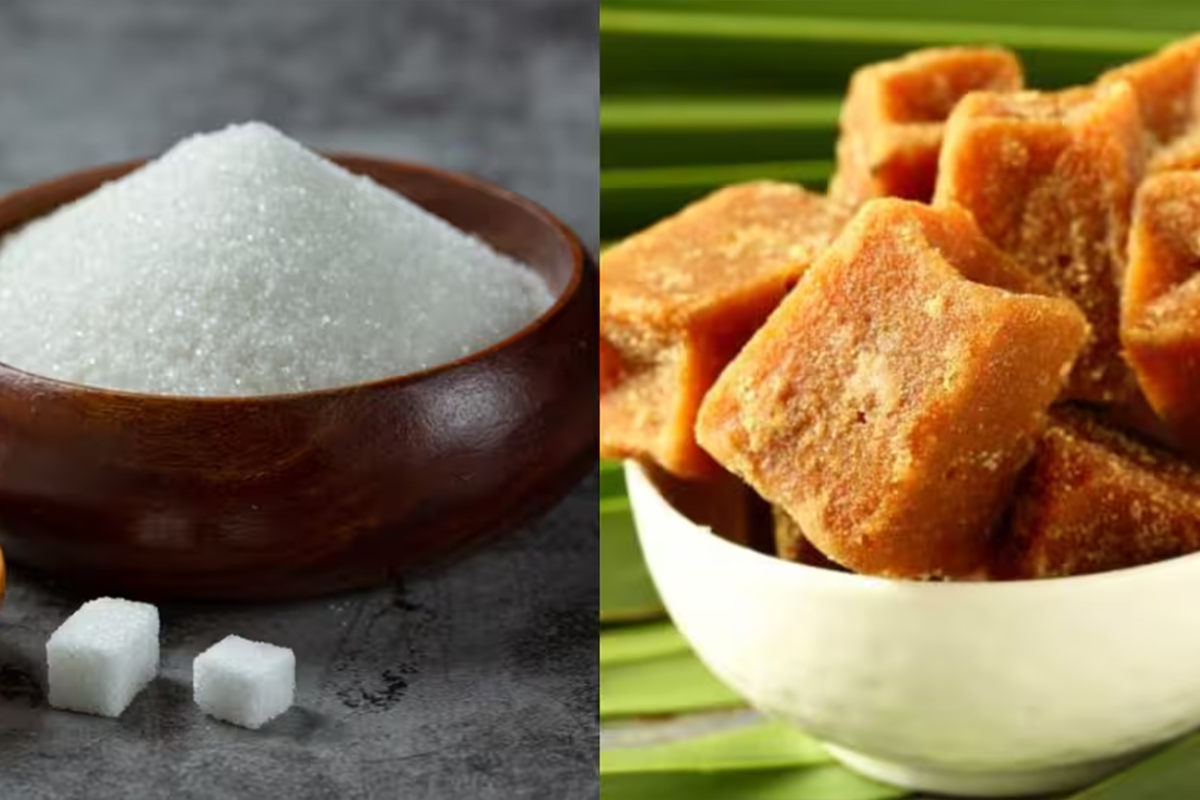
Sugar vs jaggery

Sugar vs Jaggery: Which One Is Actually Healthier for Daily Use?

“Bhai, gur better hai ya cheeni? Diabetes hai toh kya sirf gur kha sakte hain?”
This question comes up almost daily — in the clinic, in WhatsApp messages, in comments on social media. And the answer that most people expect is simple: jaggery good, white sugar bad. Natural versus processed. Traditional versus industrial.
The reality of sugar vs jaggery is more honest and more nuanced than that — and understanding it properly matters especially for the millions of Pakistani families managing diabetes, prediabetes, or simply trying to eat better without giving up the flavours that make our food worth eating.

Both sugar and jaggery come from the same sugarcane plant. Both raise blood sugar levels. Both cause problems when overused. The real differences lie in nutrient content, glycemic index, and how they behave in the body when portion size and food pairing are taken into account. Here is the complete, honest comparison — including who should choose which, and practical ways to use either without guilt or dangerous spikes.

Where Sugar and Jaggery Actually Come From

Both sweeteners begin as sugarcane juice. What happens after that is where they diverge significantly.

White sugar goes through heavy industrial processing. The juice is clarified, boiled, crystallised, centrifuged, bleached with chemicals or carbon, and refined until nothing remains except pure sucrose. Every mineral, every trace nutrient — gone.

Jaggery (gur) is made the traditional way. Sugarcane juice is boiled in open pans until it thickens, then poured into moulds and left to solidify. No bleaching, no heavy refining, no chemical processing. Because it skips those stages, it retains some of the minerals naturally present in sugarcane.

That difference in processing is what gives jaggery a genuine but modest nutritional edge over white sugar. The key word is modest — and social media has been significantly overstating it for years.

Nutritional Comparison: Sugar vs Jaggery Per 100g

When patients ask about sugar vs jaggery, this is the actual side-by-side comparison worth looking at:

NutrientWhite SugarJaggery
Calories387 kcal383 kcal
Carbohydrates100g95–97g
Sucrose100%65–85%
Iron0.1 mg10–11 mg
Calcium1 mg70–85 mg
Potassium2 mg20–90 mg
Fibre0g0.5–1g

Jaggery has meaningfully more iron and minerals because it is less refined. But those mineral amounts are still small compared to what one bowl of palak or a handful of almonds delivers. The idea that switching to jaggery will address iron deficiency or significantly improve nutrition is an overstatement. What it does do is add a small amount of genuine nutrition that white sugar provides none of.

Glycemic Index and Blood Sugar Impact — The Part That Actually Matters

This is where most sugar vs jaggery conversations go wrong.

  • White sugar: GI approximately 65 to 70 — causes a fast, significant spike in blood sugar levels
  • Jaggery: GI approximately 55 to 65 — slightly slower rise, but still substantial and still a problem in larger portions

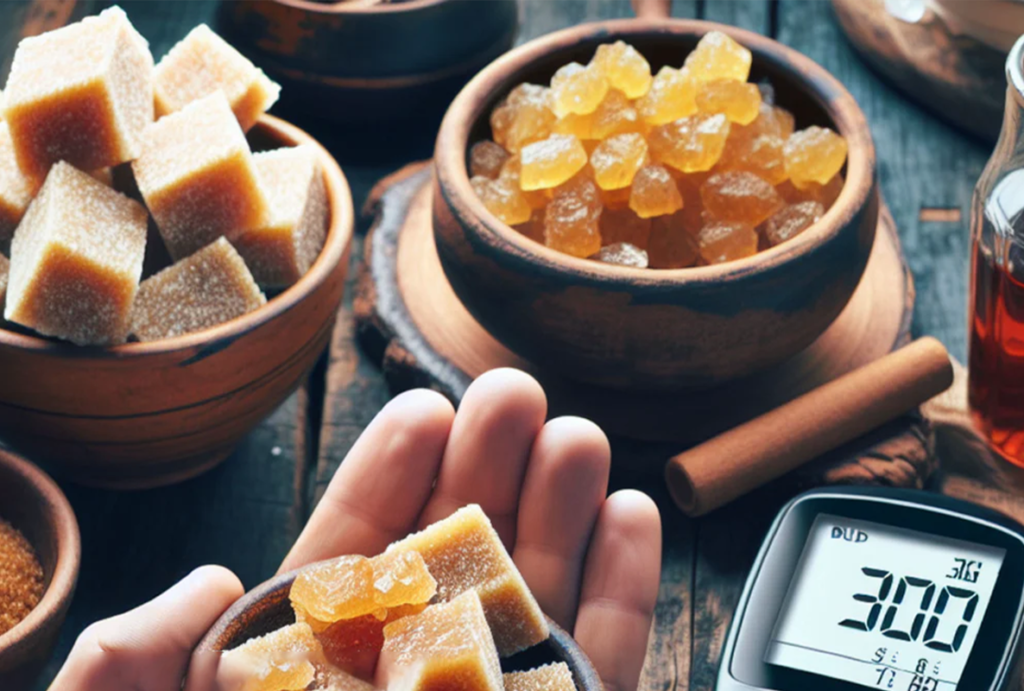
In clinical practice with diabetic patients, both cause noticeable blood sugar spikes when eaten in similar amounts. Jaggery is not safe for uncontrolled diabetes. The glycemic index difference is real but marginal — and portion size overrides it entirely.

A type 2 diabetic client on metformin was eating 30g of jaggery after meals every day, convinced it was a healthy choice. Post-meal readings sat consistently at 220 to 250 mg/dL. After switching to a maximum of 5g paired with protein and fibre, readings dropped to 140 to 160 mg/dL. The lesson is not that jaggery is dangerous — it is that quantity and pairing matter far more than the natural sweetener label.

Health Benefits: Sugar vs Jaggery — The Honest View

White sugar provides instant energy through rapid glucose delivery to the brain and muscles. It is cheap, easy to measure, and dissolves easily. Beyond that, it offers nothing — pure empty calories with zero nutritional contribution.

Jaggery provides small but real amounts of iron, potassium, and magnesium that support energy, reduce fatigue, and help slightly with anaemia. It has trace fibre — barely noticeable in practice but technically present. It also has a beautiful, complex traditional flavour that pairs naturally with desi foods in a way white sugar never does.

The honest assessment: if the daily diet already includes enough dal, sabzi, nuts, and fruit, the extra minerals in jaggery will not dramatically change anything. But they are real, they are absent in white sugar, and for people whose diets are already marginal in micronutrients, the difference adds up over time.

Who Should Choose Which? Practical Recommendations

Healthy adults without diabetes: Either is fine in genuine moderation. Jaggery adds a little nutrition and a lot of traditional flavour — a small piece with roti or gud ki chai occasionally is perfectly reasonable.

Prediabetes or controlled diabetes: Limit both significantly. If choosing between the two, small amounts of jaggery — 5 to 10g per day maximum — paired consistently with fibre and protein is marginally better than white sugar in equivalent amounts.

Uncontrolled diabetes or significant insulin resistance: Avoid both as much as practically possible. Stevia, monk fruit, or very small amounts of fresh dates are better alternatives that do not produce the same blood sugar response.

5 Practical Ways to Use Jaggery Wisely in Pakistani Meals

For those who want to enjoy jaggery without causing blood sugar problems, portion and pairing are everything:

  • Replace sugar in chai with half to one teaspoon of jaggery per cup — start with the smaller amount and adjust
  • Drizzle one teaspoon of melted jaggery over plain dahi with fresh fruit as an occasional dessert
  • Add a small piece to dal or kadhi for natural sweetness — a traditional technique that works beautifully
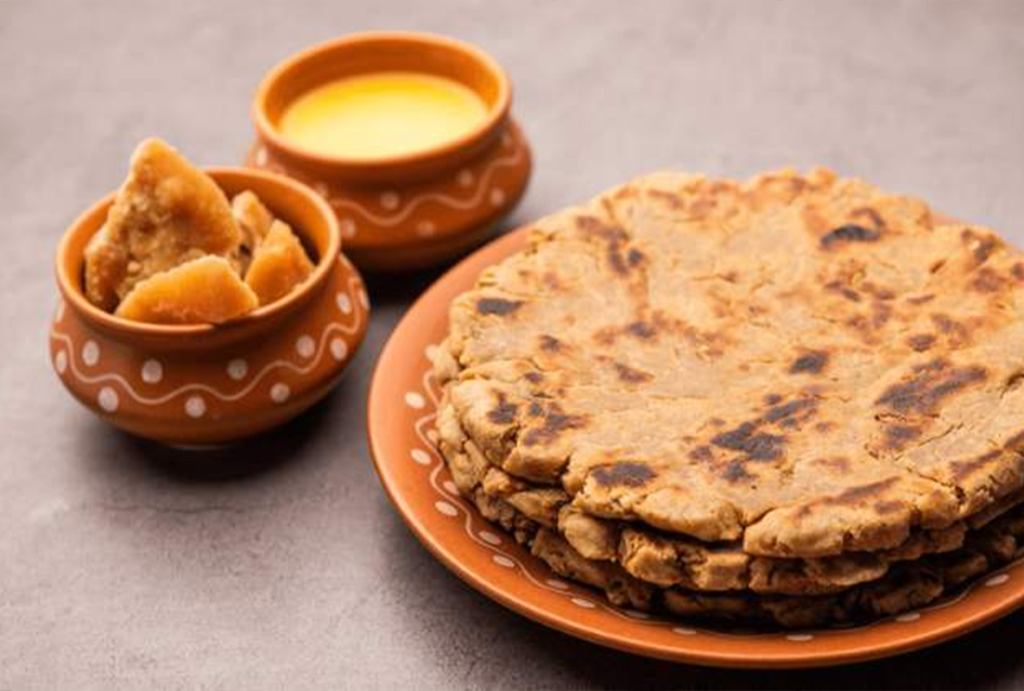
  • Make gud ki roti once a week as a treat rather than a daily staple
  • Mix one teaspoon of jaggery with a pinch of haldi in warm milk at night — a genuinely comforting and nutritionally reasonable bedtime drink

Even “healthy” jaggery accumulates quickly. Portion control is not optional — it is the entire point.

Frequently Asked Questions About Sugar vs Jaggery

Is jaggery genuinely healthier than sugar?

It has slightly more minerals and a marginally lower glycemic index, making it the better choice between the two when used in the same small amounts. However, both raise blood sugar levels significantly when portions increase. Moderation matters far more than which one is chosen.

Can diabetics eat jaggery?

In very small amounts — 5 to 10g per day maximum — paired with fibre and protein, yes. Many diabetic patients do better avoiding both entirely and using alternatives like stevia instead. Individual response varies and is worth monitoring.

Does jaggery support weight loss?

Not meaningfully. The calorie content is almost identical to white sugar. The trace iron and potassium provide health benefits but have no direct impact on weight. Treating jaggery as a weight loss food is a misunderstanding of what it offers.

Which has the lower glycemic index — sugar or jaggery?

Jaggery sits at approximately 55 to 65, white sugar at 65 to 70. The difference is real but small — and becomes irrelevant when jaggery is consumed in large portions. Portion size determines the actual blood sugar impact more than the glycemic index number.

Is brown sugar better than white sugar or jaggery?

No — brown sugar is white sugar with molasses added back after refining. Same calories, same blood sugar spike, minimal additional nutrients. It occupies a marketing middle ground without the genuine traditional credentials of real jaggery.

Should the switch to jaggery be complete?

Not necessary and not the most important change available. Use whichever is preferred in genuinely small amounts and focus on the overall quality of the diet — that decision will matter far more than the choice between these two sweeteners.

Ready to Make Smarter Sweet Choices?

Sugar vs jaggery is not a battle between good and evil. It is a question of how much, how often, and what the sweetener is paired with. Getting those three things right matters infinitely more than which one ends up in the chai.

📞 Call/WhatsApp: +92 300 0172509 📧 Email: hamzathedietitian@gmail.com 🌐 Visit: hamzathedietitian.com

Personalised meal plans, real ongoing support, and practical guidance built around Pakistani food culture and individual health needs. Book a consultation today.

Related reads:

Final Thoughts on Sugar vs Jaggery

Sugar vs jaggery comes down to small but real differences in nutrients and glycemic index — with jaggery holding a genuine but modest advantage. Neither is a free pass. Both raise blood sugar levels meaningfully when overused.

Key takeaways:

  • Jaggery has trace minerals that white sugar does not — iron, calcium, potassium
  • Glycemic index is similar — portion size determines the actual impact on blood sugar
  • Use either in small amounts — 5 to 10g per day maximum
  • Always pair with fibre, protein, and fat to reduce the blood sugar spike
  • The overall quality of the daily diet matters far more than the choice between these two sweeteners

Health is not built by one spoonful of the right sweetener. It is built by consistent daily habits across every meal. Choose what genuinely works, keep the portions small, and keep moving forward.

Stay sweet the smart way.

Hamza The Dietitian Lahore — helping Pakistan make balanced, realistic choices every day.

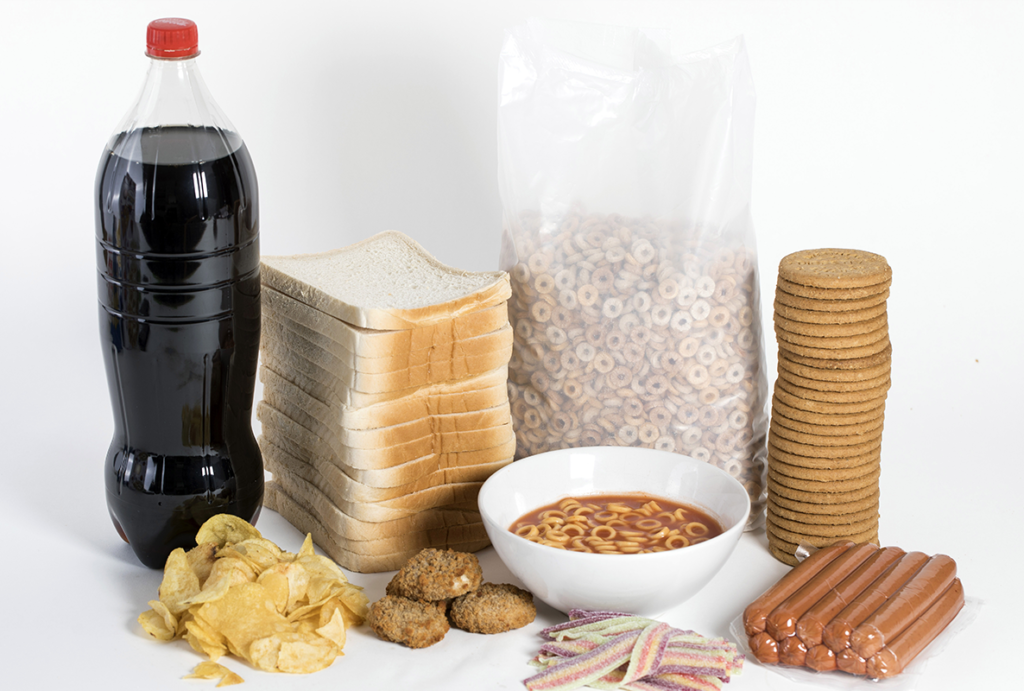
High sugar foods to avoid with diabetes

High Sugar Foods to Avoid with Diabetes: 7 Everyday Culprits We See in Our Clinic

The blood report comes back. HbA1c is higher than last time — noticeably higher. And the first response is always the same.
“But we don’t eat sweets.”
This is the most common thing heard in the clinic when discussing high sugar foods to avoid with diabetes — and it points to a problem that goes well beyond mithai and cold drinks. The foods quietly destroying blood sugar levels in Pakistani homes are often the ones nobody suspects. The chai with two spoons of sugar every morning. The ketchup on the side. The packaged juice that feels healthy because it says “fruit.” The white bread at breakfast that seems completely harmless.

High sugar foods to avoid with diabetes are not always obvious. Many hide in everyday items that have become so routine they are invisible. And every time one of these foods enters the body, it triggers blood sugar spikes that the pancreas struggles to manage — forcing glucose levels higher, wearing down insulin response over time, and making diabetes management progressively harder.

Working with hundreds of families across Pakistan, the pattern is consistent: people who identify and reduce these hidden sugar sources see better blood sugar control faster than almost any other single change. Here are the 7 that matter most — with simple Pakistani-friendly swaps for each one.

Why These High Sugar Foods Hit Differently When You Have Diabetes

A body without diabetes handles a sugar load with a quick insulin response that brings blood glucose back to normal relatively quickly. A body managing diabetes does not have that luxury. Every significant sugar hit forces an already-struggling system to work harder, and the repeated cycle of blood sugar spikes and attempted corrections gradually damages nerves, kidneys, and eyes — all before any dramatic symptoms appear.

The specific challenge in Pakistan is that many of these high sugar foods to avoid with diabetes are woven into daily culture. Sweetened chai is practically a social obligation. Packaged sauces are in every fridge. White bread and white rice anchor most meals. The problem is not a lack of willpower — it is a lack of awareness about which specific foods are causing the damage.

Here are the 7 most important ones to address.

1. Sugary Beverages — Chai, Cold Drinks, and Packaged Juices

This is the single most impactful high sugar food to avoid with diabetes seen in Pakistani households — because it is consumed multiple times daily and almost nobody counts it as a problem.

One glass of sweetened chai contains 8 to 10 teaspoons of sugar depending on how it is made. A cold drink adds another 8 to 9. A packaged “fruit juice” that feels healthy often delivers as much sugar as a candy bar. And because liquid sugar enters the bloodstream almost instantly, the blood sugar spikes from these drinks are among the sharpest and most damaging in a diabetic’s day.

What works instead:

  • Unsweetened green tea with adrak or elaichi for flavour
  • Fresh lemon water with a pinch of black salt
  • Plain doodh without sugar — the protein and fat slow the glucose response significantly

Many clients report noticeably steadier energy and reduced cravings within two weeks of cutting sweetened beverages. That improvement alone often shows in the next HbA1c reading.

2. Candies, Chocolates, and Mithai

Even small amounts cause disproportionate damage to blood sugar levels because refined sugar combined with almost zero fibre means there is nothing to slow the glucose absorption. One gulab jamun. A few pieces of barfi at a family gathering. A small chocolate after lunch. Each one delivers a rapid blood sugar spike followed by hunger returning faster than it should.

Practical approach:

  • Fresh guava, apple, or papaya when sweetness is needed — the fibre changes everything about how the glucose hits
  • When mithai genuinely cannot be avoided at celebrations, eat a small piece at the end of a protein-rich meal rather than on an empty stomach
  • The protein and fat from the meal slow absorption and reduce the spike meaningfully

3. Sweetened Condiments and Sauces

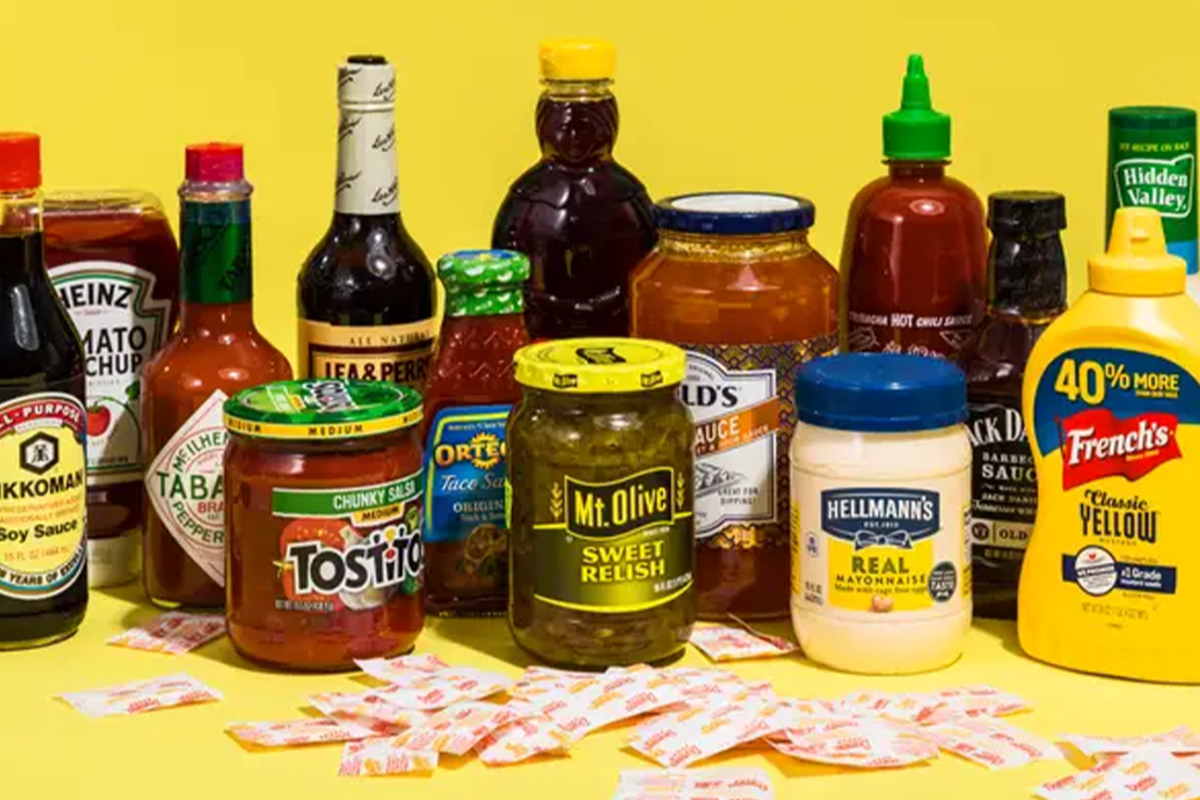
Ketchup. BBQ sauce. Bottled salad dressings. These sit on Pakistani tables as completely normal accompaniments to meals — and they are among the most overlooked high sugar foods to avoid with diabetes in daily life.

Why they matter: A tablespoon of ketchup contains a full teaspoon of added sugar. Used three or four times a day across meals and snacks, that accumulates into a meaningful glycemic load that silently raises daily blood sugar levels.

Better alternatives:

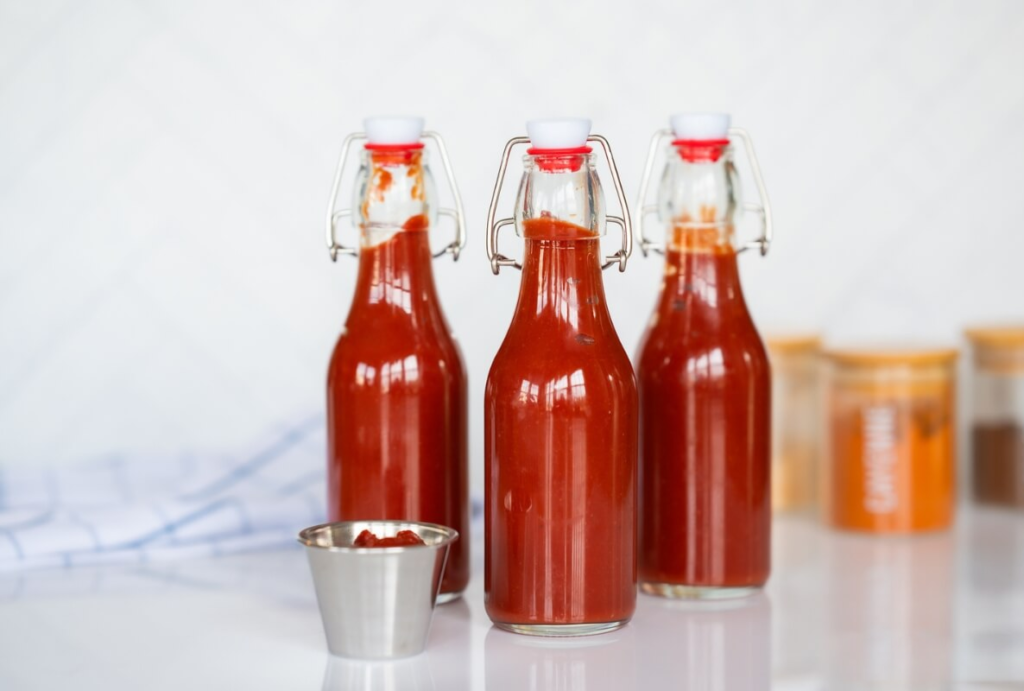
  • Homemade chutney with fresh tomatoes, dhania, green chillies, and lemon — takes five minutes and contains no added sugar
  • Plain dahi as a base for raita — the probiotics actually support blood sugar control as a bonus
  • One client replaced daily ketchup with homemade imli chutney and saw her fasting sugar drop measurably within six weeks

4. Deep-Fried Snacks and Maida Items

Samosas, pakoras, white bread, and naan do not taste sweet — which is exactly why they catch people off guard as high sugar foods to avoid with diabetes. But their effect on blood sugar levels is almost identical to eating refined sugar directly.

Why this happens: These foods have an extremely high glycemic index, meaning they break down into glucose very rapidly after eating. The refined flour in maida-based items and the combination of unhealthy fats and simple carbohydrates in fried snacks creates blood sugar spikes that rival sweetened desserts.

Smarter substitutions:

  • Whole wheat roti instead of naan or white bread — the fibre slows glucose absorption significantly
  • Baked or air-fried versions of favourite snacks — the taste difference is smaller than expected
  • Grilled chicken tikka instead of fried — same flavour profile, dramatically different impact on blood sugar

5. Canned Fruits in Syrup

Canned fruits occupy a strange place in diabetes management conversations because they appear healthy. Fruit is good for diabetics — fresh fruit with fibre is genuinely useful for blood sugar control. But canned fruit sitting in thick sugar syrup is a different food entirely.

The actual problem: The syrup that preserved fruit is packed in contains concentrated added sugar. Eating canned peaches or fruit cocktail from a tin delivers a sugar load that fresh fruit with its natural fibre would never produce.

What to eat instead:

  • Fresh seasonal fruits — guava, papaya, and apple are excellent local options with good fibre content
  • Frozen fruits without added sugar when fresh is not available
  • Always eat fruit with a meal or alongside some protein rather than alone

6. Alcoholic Drinks and Sweetened Beverages

Beer, sweet wines, and cocktails combine significant sugar content with a secondary problem specific to diabetes — alcohol directly interferes with how the liver regulates blood glucose. This creates unpredictable blood sugar levels that are particularly difficult to manage.

The practical reality: The liver, which normally releases stored glucose to prevent levels dropping too low, prioritises processing alcohol instead. This can cause unexpected drops followed by rebounds — making diabetes management genuinely difficult in the hours after drinking.

For those who drink: Dry wine or spirits with plain soda water are significantly lower-sugar options. Always check blood sugar levels before and after, and never drink on an empty stomach.

7. White Bread, Pasta, and Refined Carbohydrates

These are perhaps the most important high sugar foods to avoid with diabetes in the Pakistani context because white rice and white flour roti anchor so many daily meals — and their glycemic index means they behave almost identically to table sugar once digested.

Why the comparison is valid: Refined grains have had their fibre and nutrients stripped away during processing. What remains breaks down into glucose extremely rapidly, causing blood sugar spikes that repeat at every meal where these foods appear.

The adjustment that works:

  • Whole wheat roti instead of white flour alternatives — genuinely available everywhere in Pakistan
  • Brown rice in smaller portions — the fibre content meaningfully changes the glucose response
  • Always pair any carbohydrate with protein and vegetables to slow the rate of glucose absorption

Frequently Asked Questions About High Sugar Foods to Avoid with Diabetes

Which high sugar foods to avoid with diabetes cause the fastest spikes?

Sugary beverages cause the most rapid blood sugar spikes because liquid sugar absorbs almost instantly. Mithai, ketchup, and white bread follow closely — all producing sharp glucose elevations within 15 to 30 minutes of consumption.

Can these foods ever be eaten on a diabetes diet?

Yes — in very small amounts on special occasions. The key is always pairing them with protein and fibre to slow absorption, keeping portions genuinely small, and checking blood sugar levels afterwards to understand the personal impact.

How can blood sugar control be maintained when eating out?

Request less sugar in chai, avoid bottled sauces, choose grilled items over fried, and keep portions moderate. Asking for extra sabzi or salad on the side adds fibre that buffers blood sugar spikes from whatever else is on the plate.

Does fresh fruit count as a high sugar food to avoid with diabetes?

No — fresh whole fruit with its natural fibre is appropriate in moderation as part of a diabetes diet. The problem is canned fruit in syrup and fruit juices, which remove the fibre and deliver concentrated sugar directly.

What is the most effective daily approach to diabetes management?

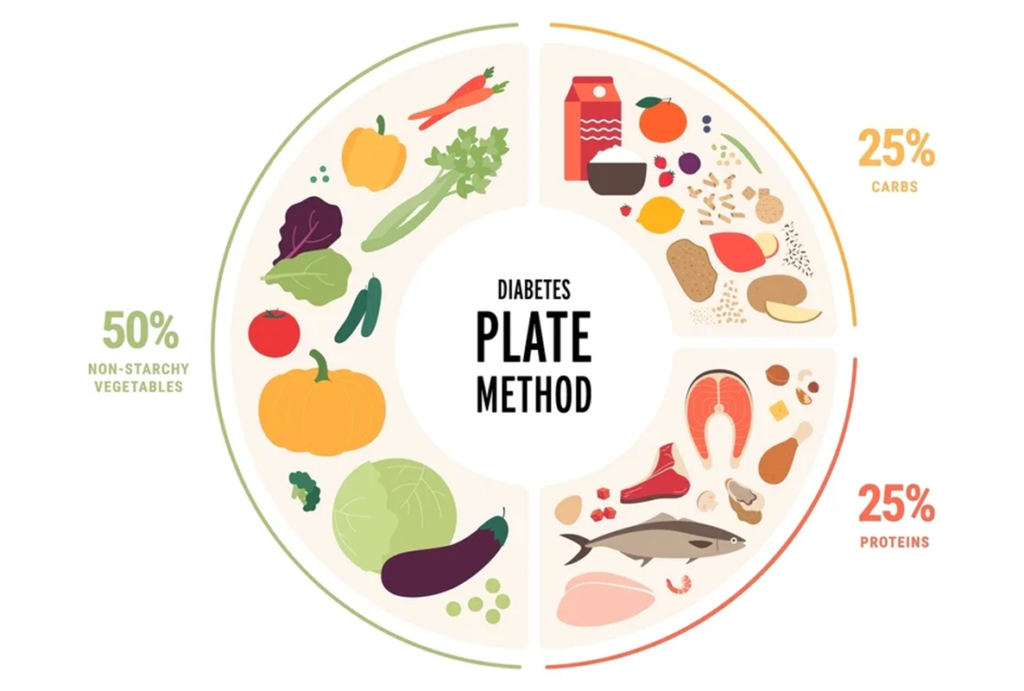
Build every plate around the same principle: half vegetables, one quarter protein, one quarter whole grain carbohydrates, with healthy fats. This combination naturally moderates blood sugar levels without requiring precise calorie counting.

Are artificial sweeteners safe for sugar control in diabetes?

In moderation, yes. Stevia is the most consistently well-tolerated natural option. Small amounts of honey in very controlled portions are also workable. The goal is reducing overall sweetness dependence rather than simply replacing one sweet source with another.

Ready to Take Control of Blood Sugar Levels?

Better diabetes management does not mean giving up the food culture that makes Pakistani meals worth eating. It means understanding which high sugar foods to avoid with diabetes are doing the most damage — and making smarter choices about those specific things while keeping everything else intact.

📞 Call/WhatsApp: +92 300 0172509 📧 Email: hamzathedietitian@gmail.com 🌐 Visit: hamzathedietitian.com

Personalised meal plans, real ongoing support, and practical guidance built around Pakistani food culture and individual health circumstances. Book a consultation today.

Related reads:

Final Thoughts: Avoid These High Sugar Foods for Better Diabetes Management

High sugar foods to avoid with diabetes — sweetened beverages, mithai, hidden sauces, fried snacks, canned fruits, alcohol, and refined carbs — are the daily habits quietly keeping blood sugar levels elevated in millions of Pakistani homes. Identifying and reducing them is the single most impactful dietary change available for diabetes management.

Key takeaways:

  • Replace sweetened drinks with water, lemon water, or unsweetened tea immediately
  • Choose whole fresh fruits over juices and canned alternatives
  • Make homemade chutneys and dressings to eliminate hidden sugar
  • Always pair carbohydrates with protein and fibre to slow blood sugar spikes
  • Consistency over weeks and months is what changes HbA1c — not occasional perfect days

Clients who make these changes consistently feel more in control, more energetic, and see better numbers at their next check-up. The swaps are smaller than they seem. The results are larger than expected.

Stay strong, stay consistent.

Hamza The Dietitian Lahore — helping Pakistan manage diabetes one smart choice at a time.

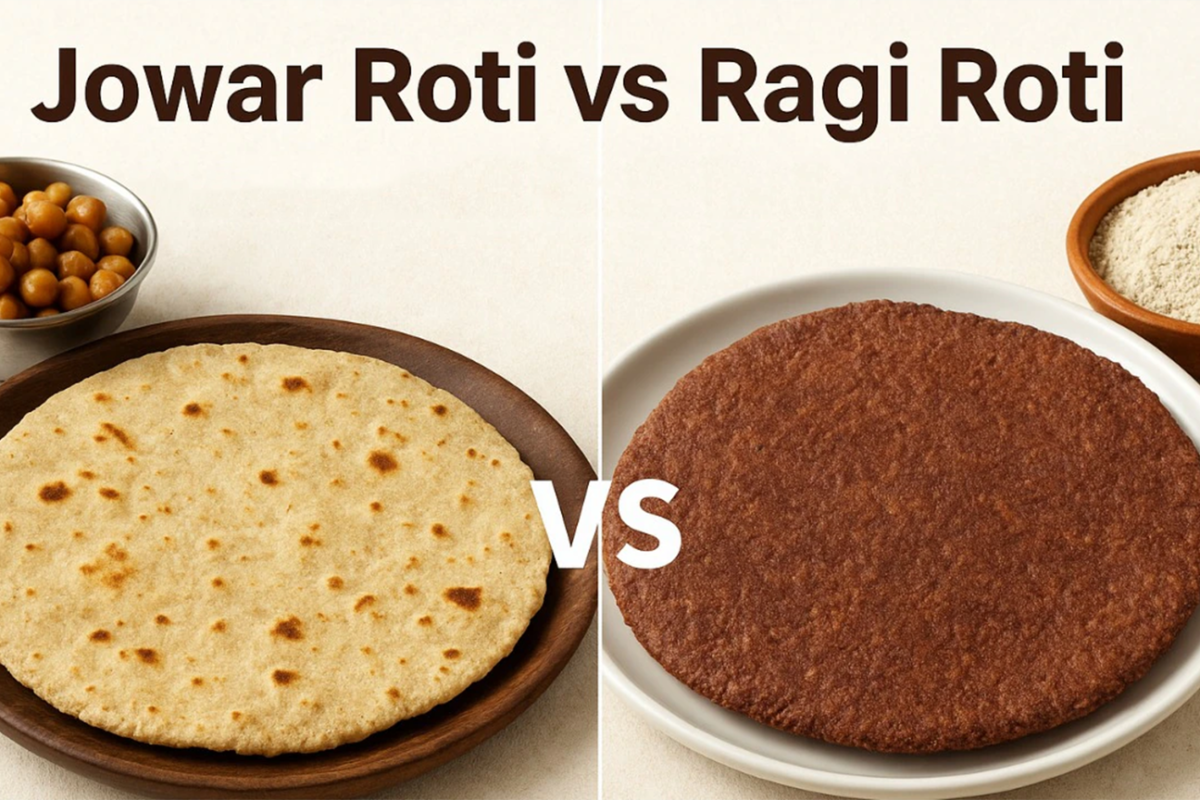
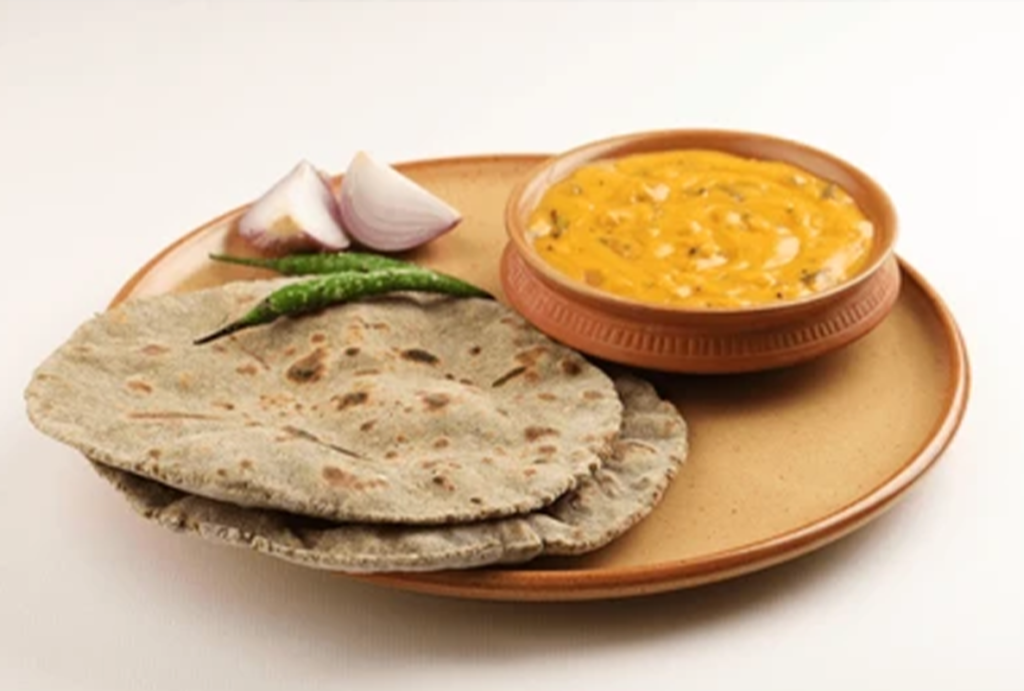
Ragi vs jowar vs wheat roti comparison on plate with Pakistani sabzi – best flour for weight loss & blood sugar control – Hamza The Dietitian

Ragi vs Jowar vs Wheat Roti: Which Flour Wins for Weight Loss & Blood Sugar Control in Pakistan?

Roti is something we grow up with. It is on the table at lunch, at dinner, at suhoor during Ramadan. It goes with everything — salan, keema, daal, achaar. In most Pakistani homes, a meal without roti just does not feel complete. But lately, more and more of my clients have been coming to me with the same question. “Hamza bhai, my weight is not moving. My sugar readings are all over the place. Should I switch to ragi or jowar instead of regular wheat?” It is a fair question. And the honest answer is — when you put ragi vs jowar vs wheat roti side by side, millets usually come out ahead for both weight loss and blood sugar control. Not because wheat is bad, but because ragi and jowar bring more fibre, a lower glycemic index, and minerals that our bodies genuinely benefit from.

In Pakistan, where diabetes and obesity are both rising sharply, these ancient grains are making a quiet comeback — and they are more accessible now than ever. You can find them at Imtiaz, Metro, and on Daraz without any trouble.

This guide gives you a real, practical comparison. No complicated science. Just clear information, Pakistani-friendly tips, and things you can actually start doing this week.

Why Your Roti Choice Affects Weight Loss and Blood Sugar More Than You Think

Think about how many rotis you eat in a day. Three? Four? Six? For most Pakistani families, roti is not a side — it is the main event. And that adds up to a significant amount of carbohydrates by evening.

Regular wheat roti is not a bad food. But its glycemic index sits somewhere between 55 and 85 depending on how refined the atta is. That means for someone with prediabetes or type 2 diabetes — which is extremely common in Pakistan — wheat roti can cause blood sugar levels to rise faster than you want.

Millets like ragi and jowar digest more slowly. They have more fibre, more complex carbohydrates, and a lower glycemic index. The result is that you feel full for longer, get fewer cravings through the day, and your energy stays steady instead of spiking and crashing. For weight loss, that matters enormously.

The other good news is that ragi and jowar work beautifully with desi cooking. You can make soft rotis with them, mix them with wheat atta to ease the transition, or go fully millet when you are ready.

Let us look at the numbers.

Nutritional Comparison: Ragi vs Jowar vs Wheat Roti (Per Average Medium Roti ~40–50g Flour)

Here’s a quick look based on common values:

  • Calories: All similar (~90–120 kcal per roti)
  • Fibre: Ragi highest (3–4g), Jowar close (3g), Wheat lower (1.5–2g)
  • Protein: Similar (2.5–3g), but ragi/jowar often feel more satisfying
  • Glycemic Index (GI): Ragi lowest (40–55), Jowar medium (60–70), Wheat higher (55–85)
  • Key Minerals: Ragi wins calcium & iron, Jowar strong in magnesium & antioxidants, Wheat good B-vitamins

Ragi edges out for blood sugar control and bone health. Jowar shines for digestion and gluten-free needs.

Why Ragi Roti Stands Out for Weight Loss and Diabetes Management

Ragi — finger millet, nachni — is one of those foods that surprises people. It looks simple. It tastes earthy. But nutritionally, it punches well above its weight.

Its high dietary fibre is what makes the biggest difference. Fibre slows digestion, keeps you feeling full longer, and reduces the urge to snack between meals. Many clients tell me they naturally eat one or two fewer rotis per meal after switching to ragi — not because they are restricting themselves, but because they genuinely do not feel hungry as quickly.

The low glycemic index of 40 to 55 means glucose enters your bloodstream slowly and steadily. Research on finger millet polyphenols shows improvements in insulin sensitivity and reduced fasting glucose levels with regular consumption — exactly what people managing diabetes need.

Ragi also has more calcium than almost any other grain. For Pakistani women especially, where iron deficiency and anaemia are common, that mineral profile matters.

Pakistani kitchen tip: Start by mixing 30 to 50 percent ragi atta with whole wheat. Add a pinch of ajwain or methi dana for taste. Ragi roti pairs beautifully with palak sabzi or daal — the combination keeps blood sugar levels steady for hours.

Real story from my practice: A 38-year-old teacher from Gulberg, Lahore lost 4 kg in 6 weeks by replacing just two daily wheat rotis with ragi ones. Her fasting sugar dropped from 138 to 112 mg/dL. She changed nothing else. One small swap, consistent results.

One note of caution: Ragi is high in calcium, so anyone prone to kidney stones should speak to a doctor before making it a daily staple.

How Jowar Roti Supports Digestion, Satiety and Stable Blood Sugar

Jowar — sorghum, cholam — does not get enough credit. It is naturally gluten-free, which makes it a safe and genuinely nutritious choice for anyone with gluten sensitivity or celiac disease.

What sets jowar apart is how it behaves in the gut. Its fibre works as a prebiotic — meaning it feeds the good bacteria in your digestive system. That leads to better digestion, less bloating, and more consistent energy through the day. Clients who come to me with IBS or chronic acidity often feel noticeably lighter after switching to jowar roti.

Studies on sorghum show it supports satiety and weight loss through resistant starch and polyphenols. Its glycemic index sits in the medium range, which gives you a slower energy release without the heaviness some people feel after wheat.

Pakistani kitchen tip: Jowar roti tends to be slightly denser than wheat roti. Soak the flour for 30 minutes before kneading and it softens considerably. A 50:50 mix with whole wheat works well when you are starting out. It pairs particularly well with winter curries and grilled chicken.

Is Wheat Roti Still a Good Choice in 2026?

Yes — and I want to be clear about this. Whole wheat roti is not your enemy. It has B vitamins, zinc, decent fibre, and real nutritional value — especially when you choose good quality, less refined atta.

The issue is not wheat itself. The issue is over-reliance and portion size. Eating four or five large wheat rotis at every meal, especially with heavy curries, will gradually work against your weight loss goals and make blood sugar control harder — particularly if you already have insulin resistance.

The smarter approach is rotation. Use wheat regularly, but bring ragi and jowar in four to five days a week. You get variety, you get better nutrition overall, and you give your body a break from the higher glycemic index of wheat.

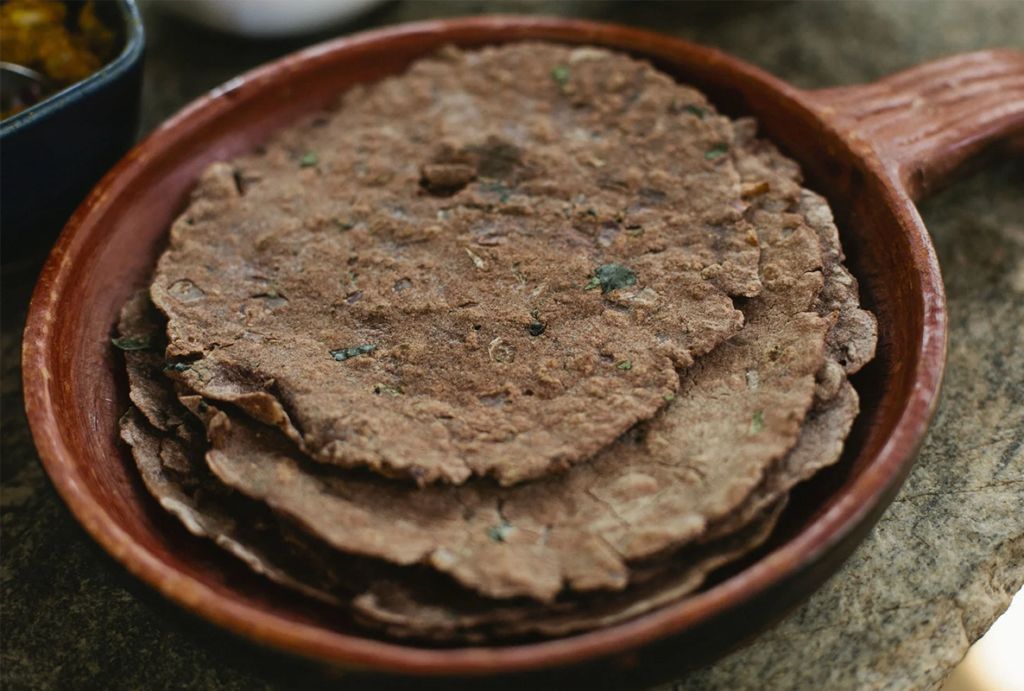
Ragi vs jowar vs wheat roti

Practical Tips: How to Start Ragi or Jowar Roti in Your Pakistani Kitchen

You do not need to overhaul your kitchen overnight. Here is how to make the switch gradually and actually enjoy it:

  • Start with a beginner mix — 70% whole wheat and 30% ragi or jowar atta. Increase the millet ratio slowly as you get used to the taste and texture
  • For softer rotis — add one teaspoon of oil or ghee per cup of flour and use warm water. Let the dough rest for 15 to 20 minutes before rolling
  • Boost the flavour — jeera, ajwain, crushed methi, or finely chopped green chilli all work well mixed into the dough
  • Portion guidance — aim for one to two medium rotis per meal, paired with plenty of sabzi and protein
  • Meal prep shortcut — make extra dough balls and freeze them. On busy days, thaw and roll — done

Sample day using millets:

  • Breakfast: Ragi porridge, dalia-style, with a handful of nuts
  • Lunch: Jowar roti with chicken bhuna and fresh salad
  • Dinner: Mixed millet roti with moong daal and bhindi

Frequently Asked Questions About Ragi vs Jowar vs Wheat Roti

Which is best — ragi vs jowar vs wheat roti for weight loss?

Ragi usually comes out on top because it has the highest fibre content and the lowest glycemic index. It keeps you fuller for longer and reduces cravings without making you feel deprived. That combination is very effective for sustainable weight loss.

Does ragi roti really help control blood sugar levels better than wheat?

Yes. Its glycemic index of 40 to 55, combined with polyphenols that slow glucose absorption, leads to steadier readings after meals. Many of my diabetic clients see a noticeable improvement in fasting sugar within a few weeks of regular use.

Is jowar roti completely gluten-free and safe for everyone?

Jowar is naturally gluten-free, yes. It is a solid choice for anyone with gluten intolerance. That said, if you are new to high-fibre foods, introduce it gradually. Going from low-fibre wheat to full jowar overnight can cause temporary bloating while your gut adjusts.

Can I eat wheat roti every day if I have diabetes?

You can, but mixing in millets four to five days a week will give you noticeably better glycemic control. Portion size and what you pair the roti with matters just as much as the flour itself.

Where can I buy good ragi and jowar atta in Pakistan?

Most major supermarkets carry them now — Imtiaz, Metro, and Al-Fatah in Lahore and Karachi. You can also order on Daraz. Look for stone-ground versions where possible, as they retain more nutrients than machine-milled flour.

How long until I see real benefits from switching flours?

Most clients notice better energy levels and reduced hunger within 7 to 14 days. Measurable improvements in weight loss and blood sugar control typically show up within 4 to 8 weeks — provided you stay consistent.

Ready to Upgrade Your Roti and Start Feeling Lighter?

Choosing a smarter flour is one of the simplest changes you can make for weight loss and stable blood sugar levels — without giving up roti or changing your whole lifestyle.

If you want a personalised plan built around your health goals, your daily routine, and real Pakistani meals, I am here to help.

📞 Call/WhatsApp: +92 300 0172509 📧 Email: hamzathedietitian@gmail.com 🌐 Visit: hamzathedietitian.com

Customised meal plans, ongoing support, and practical advice — designed for your life, not someone else’s. Book your consultation today.

Related reading:

  • Diabetes Diet Plan Pakistan
  • Diabetic Diet Food List

Final Thoughts on Ragi vs Jowar vs Wheat Roti

When you put ragi vs jowar vs wheat roti side by side, ragi takes the lead for weight loss and blood sugar control — its fibre content and low glycemic index are hard to beat. Jowar roti is a close second, especially for anyone who needs a gluten-free option or struggles with digestion. Wheat roti is still a solid everyday choice, but leaning on millets most of the week gives your body a real advantage.

The best roti is the one you will actually eat consistently. Start with one millet roti per day. Watch how your hunger changes, how your energy feels, how your readings shift. Small steps, done daily, add up faster than you think.

You have got this. One better roti at a time.

Stay consistent, stay healthy.

Hamza The Dietitian Lahore — Helping Pakistan eat smarter, feel better.

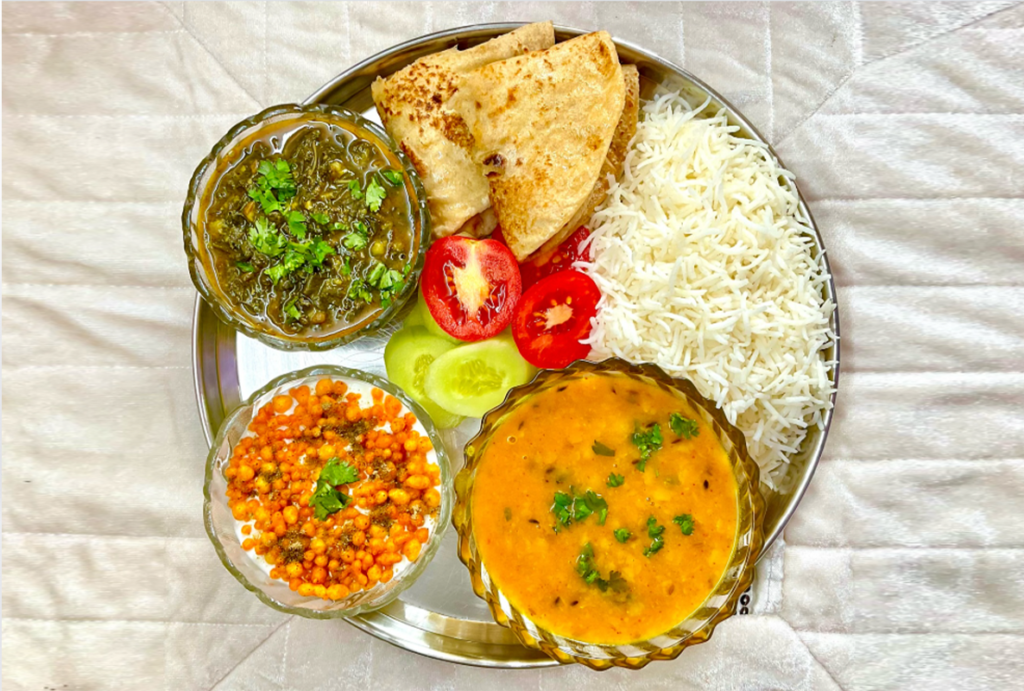
Diabetes diet plan Pakistan with balanced plate of Pakistani foods like dal, sabzi, and whole grain roti for controlling blood sugar levels - Hamza The Dietitian

Diabetes Diet Plan Pakistan: 6 Eating Patterns to Control Blood Sugar Levels

Let me be honest with you. Managing diabetes in Pakistan is hard — not because the disease itself is complicated, but because our entire food culture works against us. Roti at every meal. Meethi chai in the morning. Biryani at every wedding. And relatives who think you are being rude if you say no to dessert. I hear this from clients every single week. But here is something most people never tell you: you do not have to give all of that up. What you need is a diabetes diet that actually fits your life — not some Western meal plan built around foods you have never even heard of.

Pakistan has roughly 34.5 million adults living with diabetes, according to the International Diabetes Federation. That is the highest prevalence rate in the entire world at 31.4%. Those numbers are frightening. But they also mean millions of Pakistani families are figuring this out right now — and many of them are doing it with dal, sabzi, and whole grain roti.

This guide gives you 6 eating patterns that work. You will also get a practical diabetes diet chart, a diabetic diet food list built around Pakistani ingredients, and real meal ideas you can use starting today. Hamza has helped hundreds of clients in Pakistan manage their blood sugar levels without abandoning their culture — and this guide is built on that experience.

Why a Diabetes Diet Plan Pakistan Has to Be Different

Here is the problem with most diabetes diet advice online. It was written for someone in London or California. It assumes you have a fridge full of kale, that you eat alone, and that nobody is going to guilt-trip you for skipping the halwa.

That is not your reality.

Pakistani food is rich. It is cooked with love. It is shared. And yes, a lot of it — white rice, maida roti, fried snacks, sugary chai — can send your blood sugar levels through the roof if you are not careful.

A proper diabetes diet plan Pakistan does not ask you to become someone else. It asks you to make smarter choices within the food culture you already live in. Swap some things. Adjust portions. Build better habits — slowly, one meal at a time.

Hamza tells every new client the same thing: do not try to fix everything in one week. Pick two changes, do them consistently, and your body will respond. That approach works far better than a dramatic overhaul that lasts four days before you give up.

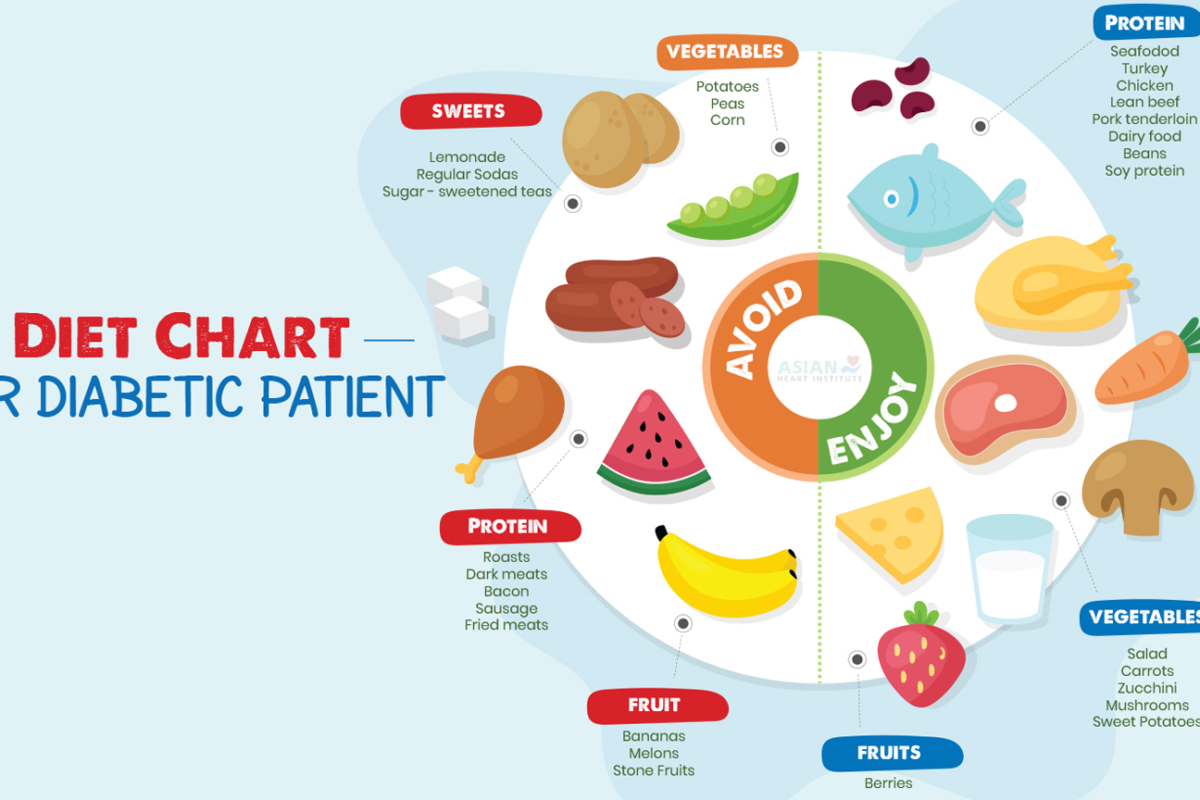
Infographic showing key principles of diabetes diet chart Pakistan using local foods - Hamza The Dietitian

The Foundation: What Every Good Diabetes Diet Chart Is Built On

Before the 6 patterns, there are three habits that sit underneath all of them. Get these right and every eating pattern becomes more effective.

Load Up on Vegetables — Especially These Pakistani Ones

Bhindi, karela, tori, saag, cauliflower, shimla mirch. These are not just cheap and easy to cook — they are some of the best foods you can eat for glycemic control. High fibre slows digestion. Slow digestion means no sudden glucose spikes.

Dal and chana are in a category of their own. Affordable, filling, traditional, and genuinely excellent for blood sugar levels. If you eat dal only occasionally, start eating it daily. That one change alone makes a real difference.

Stop Fighting Carbs — Just Choose Smarter Ones

Nobody is asking you to quit roti. But switching from maida to jowar, bajra, or barley roti — even a few times a week — changes how your body handles that meal. Brown basmati instead of white rice does the same thing. These foods digest slower. Your blood sugar levels stay steadier. You feel full longer.

Your diabetic diet food list should always include:

  • Proteins: chicken, rohu or singhara fish, eggs, paneer, dal, besan
  • Healthy fats: olive oil, almonds, walnuts, mustard oil in moderation
  • Carbs to cut back on: white rice, sugary drinks, mithai, white bread, maida

Eat at Regular Times — and Do Not Skip Meals

Three proper meals and one or two small snacks, eaten at consistent times. That is the rhythm your body needs. Skipping breakfast and eating a massive lunch is one of the worst things you can do for glycemic control.

The plate method is simple and it works: half your plate gets vegetables, a quarter gets protein, a quarter gets whole grains. Drink water or zeera water instead of chai when you can.

1. Mediterranean Diet — The Gold Standard for Diabetes Diet Management

The Mediterranean diabetes diet is recommended by almost every major health organisation in the world — and it translates surprisingly well to Pakistani cooking.

It focuses on vegetables, healthy fats, whole grains, fish, and legumes. All of these reduce inflammation, improve insulin response, and help keep blood sugar levels stable throughout the day. No dramatic spikes. No mid-afternoon crashes.

You do not need imported ingredients. Here is how it looks in a Pakistani kitchen:

  • Cook with extra virgin olive oil — it is widely available now and works great in desi cooking
  • Base your meals on seasonal sabzis, grilled fish or chicken, and dal
  • Eat a small handful of nuts daily — almonds or walnuts work perfectly
  • Try a fresh salad with lemon dressing instead of heavy gravy a few times a week

Sample Day:

  • Breakfast: Besan chilla with spinach and tomatoes
  • Lunch: Grilled rohu with mixed sabzi and a small portion of barley
  • Dinner: Chickpea salad with olive oil, cucumber, and low-fat mint raita

2. Low-Carbohydrate Diet — Fast Results for High Blood Sugar Levels

If your readings are consistently high, a low-carbohydrate diet is often the fastest way to bring them down. A meta-analysis in Frontiers in Nutrition confirmed that cutting refined carbs significantly improved HbA1c and fasting glucose in people with type 2 diabetes.

This does not mean eating plain boiled food forever. It means being selective. More vegetables, more protein, more healthy fats — and less roti, less rice, less sugar.

Pakistani meals that work well here:

  • Egg bhurji with extra vegetables — skip the paratha
  • Chicken tikka with salad instead of naan
  • Paneer bhurji with sauteed sabzi
  • Cauliflower rice as an occasional swap when you are craving something rice-like

Sample Day:

  • Breakfast: Omelette with spinach, tomatoes, green chilli
  • Lunch: Grilled chicken with bhindi and cucumber raita
  • Snack: Almonds or plain Greek yogurt

3. DASH Diet — When Diabetes and Blood Pressure Come Together

A huge number of Pakistani diabetics also have high blood pressure. If that sounds like you, the DASH diet was practically made for your situation.

DASH stands for Dietary Approaches to Stop Hypertension. It was originally built for blood pressure management, but the American Diabetes Association endorses it for glycemic control as well. It pushes fruits, vegetables, whole grains, lean proteins, and low-fat dairy — while cutting sodium and processed foods hard.

Easy swaps for your kitchen:

  • Less salt in curries, more garlic, ginger, and herbs for flavour
  • Daily dahi — which most Pakistani families already eat, so this is an easy win
  • Apples, guava, or a handful of berries instead of biscuits or namkeen as snacks

Sample Day:

  • Breakfast: Small whole-wheat paratha with low-fat dahi and cucumber
  • Lunch: Masoor dal with mixed vegetables and a small portion of brown rice
  • Dinner: Baked chicken with saag and salad

4. Plant-Based — One of the Best Natural Tools for Insulin Sensitivity

Plant-based does not mean you have to stop eating meat entirely. It just means most of your meals are built around vegetables, legumes, whole grains, and nuts — with less animal protein overall.

Research in the Journal of Geriatric Cardiology found that plant-based eating improves insulin sensitivity and lowers type 2 diabetes risk significantly. The reason is fibre — it slows glucose absorption and supports better glycemic control over time.

The beautiful thing about Pakistani cuisine is that it is already halfway there. Dal, chana, sabzi, besan — these are plant-based foods sitting at the centre of our food culture. You do not have to reinvent anything.

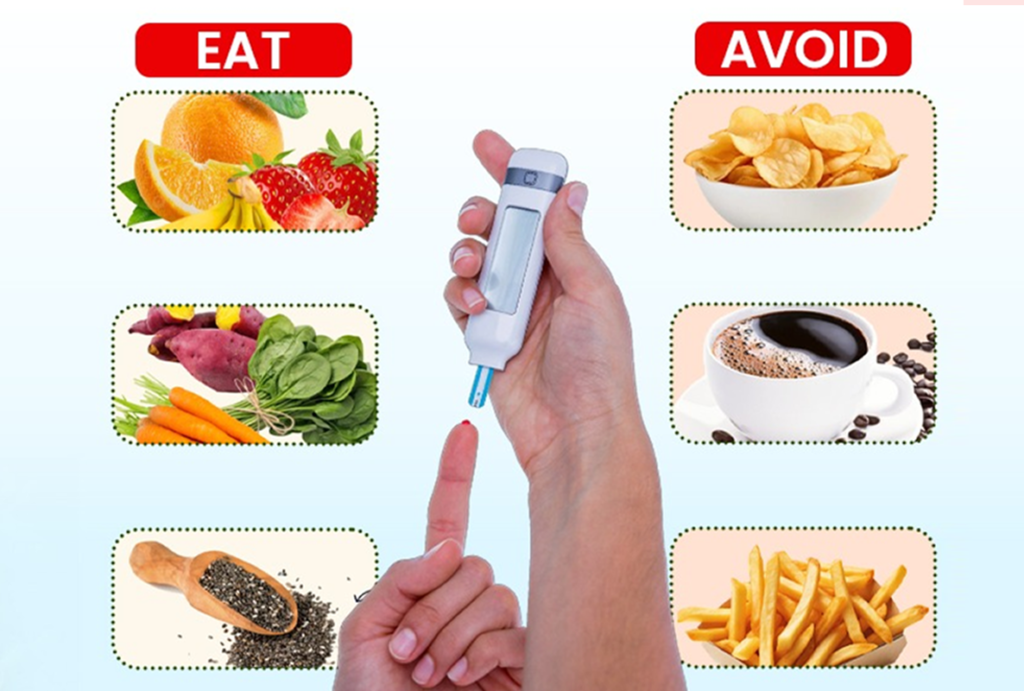
Plant-based diabetic diet food list Pakistan with dal, vegetables and whole grains - Hamza The Dietitian

Sample Day:

  • Breakfast: Moong dal cheela with mint chutney
  • Lunch: Mixed vegetable curry with jowar roti and fresh salad
  • Dinner: Chana masala with extra greens on the side

5 & 6. Paleo and Low-GI — Flexible Options That Fit Any Diabetes Diet Plan Pakistan

These two patterns are different in theory but often look very similar on the plate. Many people combine them — and it works well.

Paleo cuts out grains, sugar, and processed food entirely. You eat lean meats, fish, vegetables, fruits, nuts, and seeds. A study in the Journal of Diabetes Science and Technology found improvements in blood sugar levels, weight, and blood pressure among people who followed it consistently.

Low-GI is simpler. It just means choosing foods that digest slowly and do not spike glucose sharply. Lentils, most vegetables, whole grains, and most fruits all qualify. Hamza often recommends this as the starting point for new clients because it does not require you to overhaul your entire kitchen — just make one smarter swap per meal.

Pakistani-friendly versions:

  • Paleo: lettuce wraps instead of roti for kebabs, double the sabzi, skip the rice
  • Low-GI: daily dal, non-starchy vegetables, whole grains in moderate portions

Sample Low-GI Meal: Ragi roti with chicken curry and a large fresh salad

Frequently Asked Questions About Diabetes Diet Plan Pakistan

What diabetes diet chart should a beginner follow in Pakistan?

Start simple. Half your plate gets vegetables. A quarter gets protein. A quarter gets whole grains. Follow that for one week and track how your blood sugar levels respond. Consistency matters far more than complexity at the beginning.

What goes on a Pakistani diabetic diet food list?

Karela, bhindi, dal, saag, eggs, chicken, rohu fish, almonds, and low-fat dahi. These are affordable, easy to find, and genuinely effective for blood sugar levels and glycemic control.

Is a low-carbohydrate diet safe for the long term?

Yes — as long as you balance it with plenty of vegetables and healthy fats. The mistake most people make is cutting carbs but loading up on saturated fat. Hamza can build you a balanced plan that avoids that trap.

Can I follow a plant-based diabetes diet and still eat traditional Pakistani food?

Without question. Dal, chana, sabzi, and besan dishes are the heart of Pakistani cooking — and they are exactly what a plant-based diabetes diet is built around. You are not giving anything up. You are just putting these foods at the centre of your plate more deliberately.

How long before I see better blood sugar levels?

Most people notice a real difference within 2 to 4 weeks of eating consistently. Add a 20-minute walk after meals and the results come even faster. Progress is never perfectly linear — but it does come.

Do I need special ingredients for these diabetes diet patterns?

No. Olive oil, whole grains, and extra vegetables are available at any local market. Everything in this guide is built around what is already accessible in Pakistan. Start with what you have.

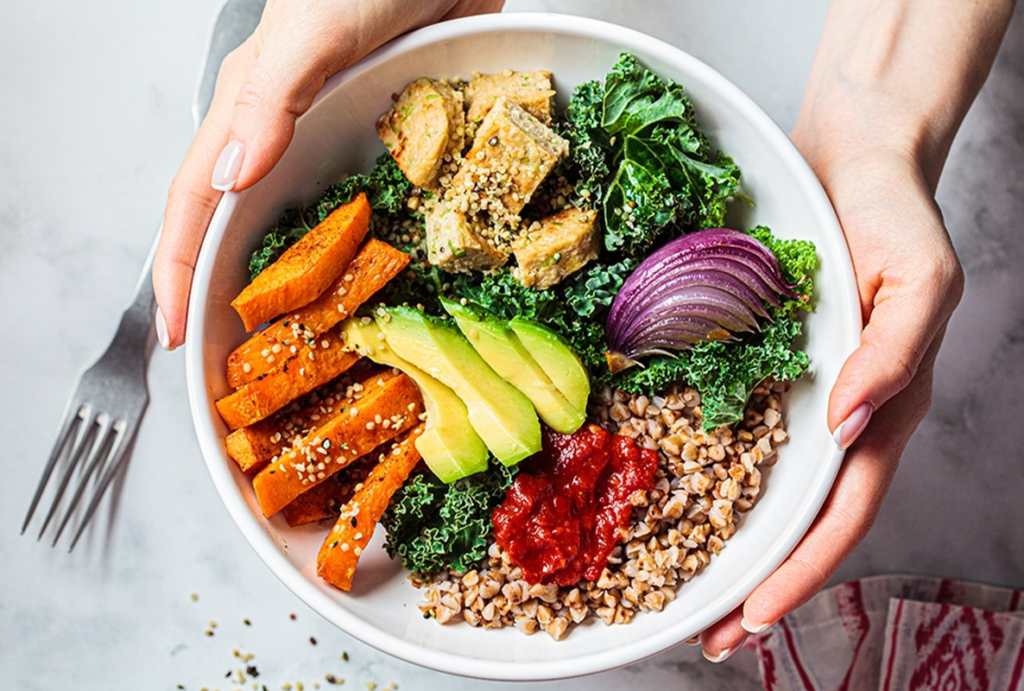
 Sample one-day diabetes diet chart Pakistan for blood sugar control - Hamza The Dietitian

Book a Consultation — Get a Diabetes Diet Plan Pakistan Made for You

Reading this guide is a great start. But a personalised plan built around your specific health numbers, your schedule, and your family’s kitchen is a different thing entirely.

Hamza works with clients across Pakistan to build diabetes diet plans that are practical, culturally grounded, and actually sustainable. No generic templates. No advice copied from a Western textbook. Real guidance, for real Pakistani life.

📞 Call/WhatsApp: +92 300 0172509 📧 Email: hamzathedietitian@gmail.com 🌐 Visit: hamzathedietitian.com

Conclusion: The Best Diabetes Diet Is the One You Can Keep

There is no single perfect eating pattern for everyone. What matters is finding an approach that fits your body, your culture, and your daily life — and sticking with it long enough to see results.

Whether you go with the Mediterranean style, a low-carbohydrate diet, DASH, plant-based eating, or simply start with low-GI swaps, all six of these patterns work when followed consistently. You now have a diabetes diet chart, a diabetic diet food list for Pakistani kitchens, and six clear paths forward.

Pick one. Start with your next meal. And if you want someone to walk this journey with you, Hamza is one message away.

Progress, not perfection. That is the only standard that actually matters.