A blood report lands on the table. The numbers are not good. High cholesterol levels — higher than last time. And the first reaction is always the same.
“But we eat at home every day. How did this happen?”
It is one of the most common questions in the clinic — and the answer is almost always the same. Kitchen mistakes that cause high cholesterol rarely announce themselves. They hide inside habits that feel completely normal: the generous pour of oil into the dal, the weekend pakoras, the reused frying oil, the bottled sauce that goes on everything. These are not dramatic dietary failures. They are quiet, everyday choices that slowly push LDL cholesterol and triglyceride levels in the wrong direction.
In Pakistan specifically, where meals revolve around ghee, fried snacks, white rice, and sugary chai, these kitchen mistakes that cause high cholesterol accumulate faster than most people realise. The result shows up in blood reports — and eventually in heart disease risk that could have been caught and corrected years earlier.
The encouraging reality is that none of this requires giving up Pakistani food. It requires adjusting how that food is prepared. Here are the 7 most common kitchen mistakes that cause high cholesterol, why each one matters, and exactly how to fix them without losing the flavours that make our food worth eating.
How Everyday Kitchen Habits Quietly Raise Cholesterol Levels
The connection between kitchen habits and blood lipids is more direct than most people appreciate. High cholesterol levels build when the diet consistently delivers too much saturated fat, trans fat, and refined carbohydrates — and Pakistani cooking, done without attention to portions and methods, ticks all three boxes regularly.
LDL cholesterol rises. Plaque begins forming in arteries. Triglyceride levels climb. And none of it feels like anything until the blood report arrives.
The good news is that the same directness works in reverse. Fix the habits in the kitchen and the numbers respond — often within 3 to 6 months of consistent change. The focus should always be on balance rather than elimination. A Pakistani meal of dal, sabzi, and roti can be genuinely heart-healthy with the right adjustments. Here is where to start.
1. Using Too Much Oil or Ghee in Every Dish
This is the single most common kitchen mistake that causes high cholesterol seen in Pakistani households — and it is entirely understandable. Rich, glossy curries taste better. Ghee in the tarka makes the dal smell incredible. The problem is what happens to LDL cholesterol and triglyceride levels when that extra fat enters the bloodstream meal after meal, day after day.
Why it matters: Saturated fats from ghee and excessive cooking oil directly raise LDL cholesterol — the kind that builds up in artery walls and increases heart disease risk over time.
How to fix it:
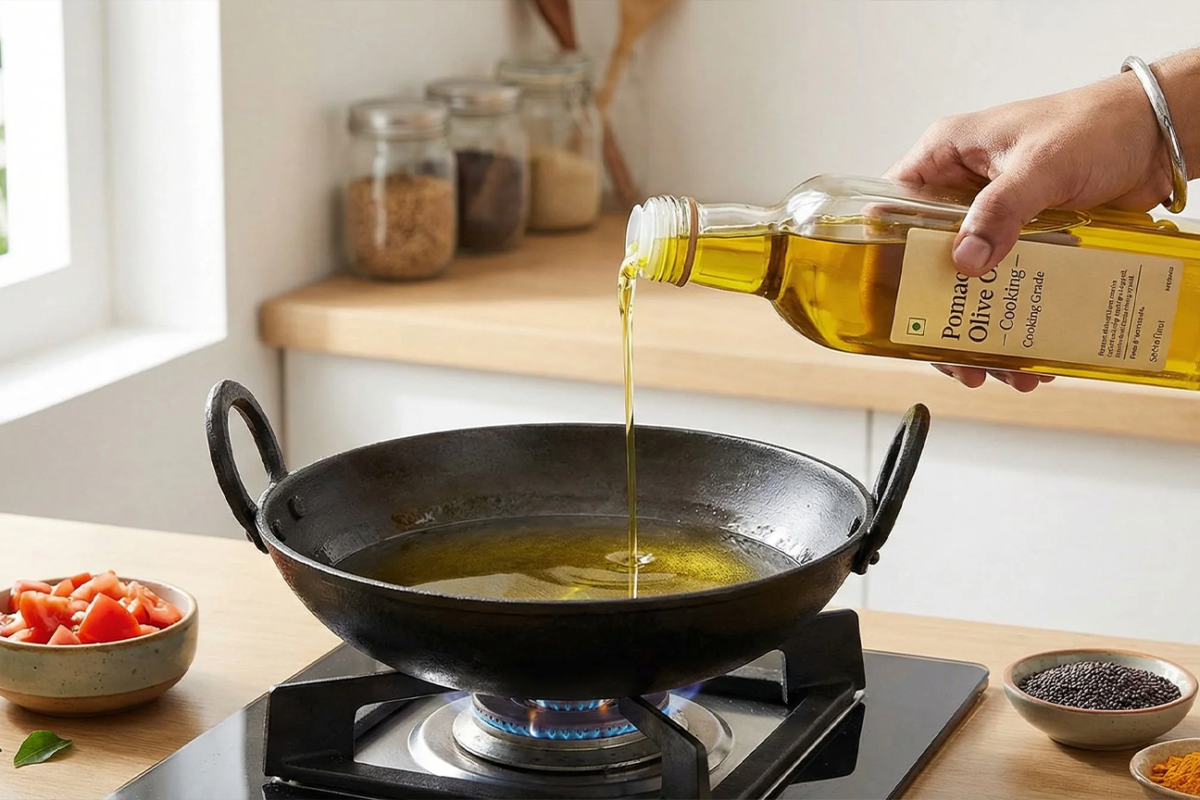
- Measure oil — one to two teaspoons per person rather than free-pouring from the bottle
- Switch to olive oil or canola oil for daily cooking, reserving ghee for occasional use
- Use non-stick pans which require significantly less oil to prevent sticking
A family from Johar Town cut their daily oil use in half over eight weeks. Their follow-up blood report showed a noticeable drop in LDL cholesterol. Same food. Smaller amounts of fat. Real results.
2. Frying Foods Too Often Instead of Using Healthier Methods
Pakoras on a rainy evening. Samosas at chai time. Fried paratha for Sunday breakfast. These are deeply embedded in Pakistani food culture — and enjoyed occasionally, they are not the problem. The problem is when frying becomes the default cooking method several times a week.
Why it matters: Deep frying does two damaging things simultaneously. It dramatically increases the fat content of food and produces trans fats — the most harmful type of fat for cholesterol management and heart disease risk. Trans fats raise LDL cholesterol and lower HDL (the protective kind) at the same time.
Better alternatives:
- Bake or air-fry pakoras and samosas — the texture is surprisingly similar with a fraction of the fat
- Grill chicken tikka and seekh kebabs instead of frying
- Steam or sauté vegetables rather than cooking them in heavy oil
Save fried foods for genuinely special occasions — Eid, weddings, family celebrations. The rest of the time, the alternatives are just as satisfying once they become habit.
3. Skipping Fibre-Rich Foods in Daily Meals
The typical Pakistani plate has roti, rice, and some form of curry. What it often lacks is enough vegetables, lentils, and whole grains — the foods that provide soluble fibre, which is one of the most effective natural tools for cholesterol management.
Why it matters: Soluble fibre physically binds to LDL cholesterol in the digestive system and removes it from the body before it can enter the bloodstream. Without enough fibre, that cholesterol stays in circulation and triglyceride levels rise steadily.
Simple fixes:
- Fill at least half the plate with vegetables — bhindi, palak, gajar, gobhi, tinda
- Include dal or beans in at least one meal every single day
- Switch to whole wheat roti over maida-based alternatives
- Add oats to breakfast several times a week
Clients who make fibre the focus of their plate changes consistently report better digestion and lower cholesterol levels within weeks of starting.
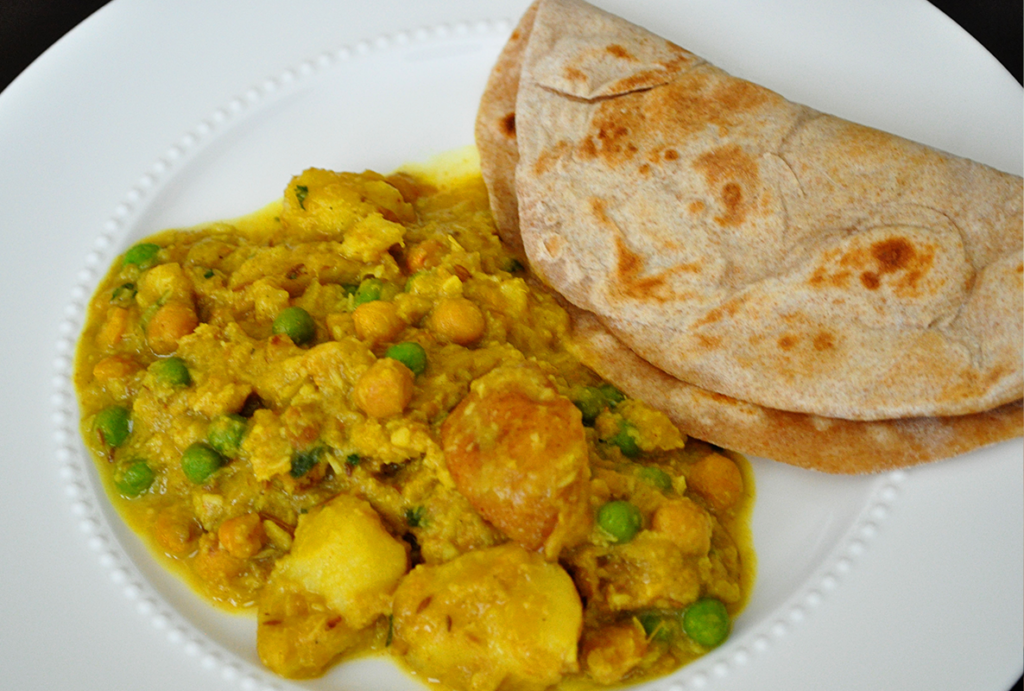
4. Adding Too Much Salt and Sugar to Dishes
This particular kitchen mistake causing high cholesterol is less obvious than oil or frying — but just as significant. Excess namak in daily cooking and sugar in chai and mithai disrupts the body’s lipid balance in ways that accumulate quietly over years.
Why it matters: High salt intake worsens hypertension, which compounds heart disease risk alongside elevated cholesterol levels. Excess sugar — particularly from packaged masalas, bottled sauces, and mithai — raises triglyceride levels directly and promotes fat storage that further elevates cholesterol.
What works:
- Use fresh herbs and whole spices for flavour — zeera, dhania, pudina, adrak — instead of relying on extra salt
- Limit mithai and sugary drinks to once or twice a week maximum
- Read labels on packaged masalas and sauces — hidden sugar is genuinely common in products that appear savoury
5. Reusing Oil or Storing Leftovers in Greasy Containers
Reusing frying oil is one of those kitchen mistakes that cause high cholesterol that almost nobody talks about — yet it is extremely common in Pakistani kitchens where good oil feels expensive to waste.
Why it matters: Every time oil is heated to frying temperature, it degrades. Reusing it creates oxidised fats that are particularly damaging to artery walls and contribute directly to elevated LDL cholesterol and heart disease risk. Storing leftover food in oily containers and reheating it adds another layer of this same problem.
Simple changes:
- Use fresh oil whenever frying is happening — and reduce frying frequency so this feels less wasteful
- Store leftovers in clean glass or stainless-steel containers after removing excess oil
- Never reheat oil that has already been used for deep frying
6. Ignoring Portion Sizes Even with Healthy Foods
This is the kitchen mistake causing high cholesterol that surprises people most — because the foods involved often seem healthy. Nuts. Paneer. Dahi. Brown rice. Even olive oil. These are all genuinely good choices, but portion size still matters, and during Pakistani family dinners where food keeps arriving at the table, overeating is almost the default.
Why it matters: Consistently eating more calories than the body uses leads to weight gain, which raises triglyceride levels and LDL cholesterol while lowering HDL — a combination that significantly increases heart disease risk over time.
Practical habits that work:
- Use smaller plates — the visual effect on how much is served is real and measurable
- Eat slowly, pause between servings, and stop at 80% full rather than completely stuffed
- Measure high-calorie additions like ghee (one teaspoon per meal is plenty) rather than estimating
7. Relying on Processed Sauces and Dressings
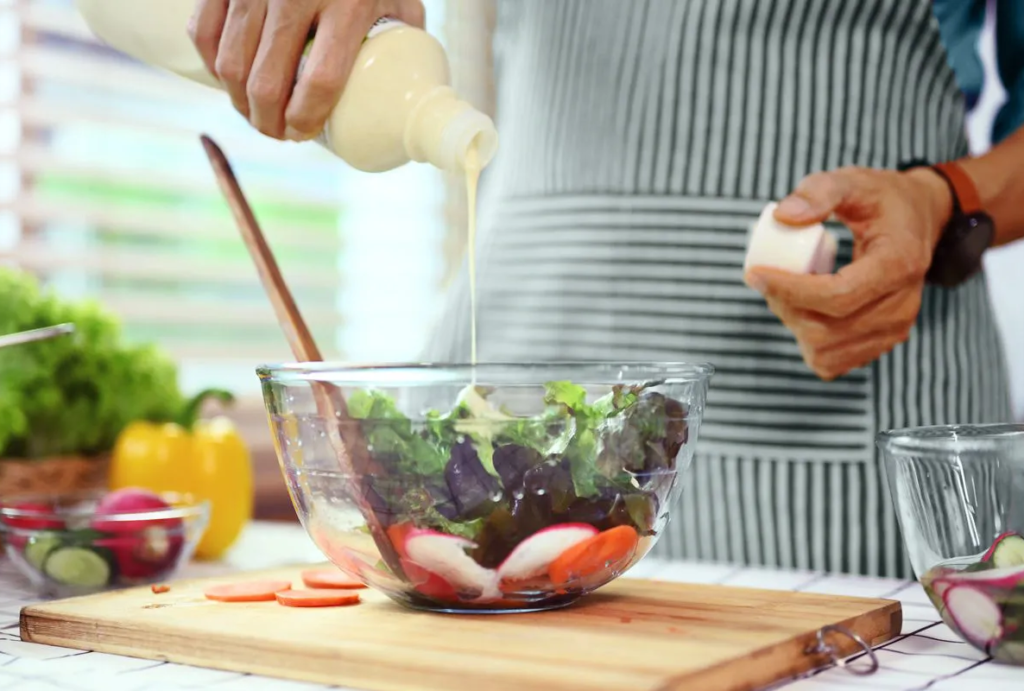
The bottled ketchup. The store-bought chaat masala sauce. The salad dressing that gets poured generously because it seems healthy. These products are among the most underestimated kitchen mistakes that cause high cholesterol — because they look innocent but contain significant amounts of trans fats, added sugar, and sodium in combinations that quietly raise cholesterol levels over time.
Better choices:
- Make simple homemade chutneys with fresh tomatoes, dhania, lemon, and green chillies — they take five minutes and taste better
- Use plain dahi as the base for salad dressings instead of commercial mayonnaise
- Avoid any packaged sauce or dressing with more than five ingredients or where sugar or oil appears in the first three
Frequently Asked Questions About Kitchen Mistakes That Cause High Cholesterol
What are the most damaging kitchen mistakes that cause high cholesterol?
Overusing oil and ghee, deep frying frequently, and consistently skipping fibre-rich foods are the three that appear most often and do the most cumulative damage to cholesterol levels over time.
How does excess oil lead to high cholesterol levels?
The saturated fats in ghee and cooking oils directly raise LDL cholesterol in the bloodstream. Over months and years of daily excess, this builds into measurable elevation in blood lipid reports.
Can changing healthy cooking habits actually lower cholesterol?
Consistently yes — measuring oil portions, increasing vegetables and lentils, and switching cooking methods makes a meaningful difference in cholesterol levels within 3 to 6 months.
Is reusing cooking oil really that bad for heart disease risk?
It is one of the more serious kitchen mistakes that cause high cholesterol because reheated oil produces oxidised fats that damage artery walls directly. The habit is worth breaking even if it feels wasteful initially.
How does portion control affect cholesterol management?
Overeating — even healthy foods — contributes to weight gain that raises triglyceride levels and LDL cholesterol while lowering protective HDL. Smaller, more mindful portions support cholesterol management even without changing what is eaten.
Does salt really affect triglyceride levels?
High salt intake worsens hypertension, which compounds the cardiovascular damage of elevated cholesterol levels. Together they create significantly greater heart disease risk than either alone.
Ready to Take Control of Cholesterol Management?
These kitchen mistakes that cause high cholesterol are genuinely common — but every single one of them is fixable without abandoning Pakistani food or cooking traditions. Small, consistent adjustments in the kitchen lead to real changes in blood reports over months.
📞 Call/WhatsApp: +92 300 0172509 📧 Email: hamzathedietitian@gmail.com 🌐 Visit: hamzathedietitian.com
Personalised meal plans, ongoing support, and practical guidance built around Pakistani kitchen habits and individual health needs. Book a consultation today.
Related reads:
Final Thoughts: Fix These Kitchen Mistakes That Cause High Cholesterol and Protect Your Heart
Kitchen mistakes that cause high cholesterol — excess oil, frequent frying, low fibre, hidden sugar and salt, reused oil, poor portions, and processed sauces — are all fixable. None of them require giving up the food that makes Pakistani cooking worth eating.
Key takeaways:
- Measure fats and switch to heart-healthy oils for daily cooking
- Bake, grill, or air-fry instead of deep frying wherever possible
- Load every plate with fibre-rich sabzi and dal
- Cut hidden sugar and salt from packaged products
- Store and reheat leftovers properly to avoid oxidised fats
Heart health starts in the kitchen. The habits built there — meal after meal, day after day — are what show up in blood reports months later. Fix the habits and the numbers follow.
Stay heart-healthy.
Hamza The Dietitian Lahore — helping Pakistan protect their hearts one meal at a time.