• Online Consultation Available
  • Mon–Sat: 9am to 6pm

Category Archives: General Nutrition & Healthy Eating

High sugar foods to avoid with diabetes

High Sugar Foods to Avoid with Diabetes: 7 Everyday Culprits We See in Our Clinic

The blood report comes back. HbA1c is higher than last time — noticeably higher. And the first response is always the same.
“But we don’t eat sweets.”
This is the most common thing heard in the clinic when discussing high sugar foods to avoid with diabetes — and it points to a problem that goes well beyond mithai and cold drinks. The foods quietly destroying blood sugar levels in Pakistani homes are often the ones nobody suspects. The chai with two spoons of sugar every morning. The ketchup on the side. The packaged juice that feels healthy because it says “fruit.” The white bread at breakfast that seems completely harmless.

High sugar foods to avoid with diabetes are not always obvious. Many hide in everyday items that have become so routine they are invisible. And every time one of these foods enters the body, it triggers blood sugar spikes that the pancreas struggles to manage — forcing glucose levels higher, wearing down insulin response over time, and making diabetes management progressively harder.

Working with hundreds of families across Pakistan, the pattern is consistent: people who identify and reduce these hidden sugar sources see better blood sugar control faster than almost any other single change. Here are the 7 that matter most — with simple Pakistani-friendly swaps for each one.

Why These High Sugar Foods Hit Differently When You Have Diabetes

A body without diabetes handles a sugar load with a quick insulin response that brings blood glucose back to normal relatively quickly. A body managing diabetes does not have that luxury. Every significant sugar hit forces an already-struggling system to work harder, and the repeated cycle of blood sugar spikes and attempted corrections gradually damages nerves, kidneys, and eyes — all before any dramatic symptoms appear.

The specific challenge in Pakistan is that many of these high sugar foods to avoid with diabetes are woven into daily culture. Sweetened chai is practically a social obligation. Packaged sauces are in every fridge. White bread and white rice anchor most meals. The problem is not a lack of willpower — it is a lack of awareness about which specific foods are causing the damage.

Here are the 7 most important ones to address.

1. Sugary Beverages — Chai, Cold Drinks, and Packaged Juices

This is the single most impactful high sugar food to avoid with diabetes seen in Pakistani households — because it is consumed multiple times daily and almost nobody counts it as a problem.

One glass of sweetened chai contains 8 to 10 teaspoons of sugar depending on how it is made. A cold drink adds another 8 to 9. A packaged “fruit juice” that feels healthy often delivers as much sugar as a candy bar. And because liquid sugar enters the bloodstream almost instantly, the blood sugar spikes from these drinks are among the sharpest and most damaging in a diabetic’s day.

What works instead:

  • Unsweetened green tea with adrak or elaichi for flavour
  • Fresh lemon water with a pinch of black salt
  • Plain doodh without sugar — the protein and fat slow the glucose response significantly

Many clients report noticeably steadier energy and reduced cravings within two weeks of cutting sweetened beverages. That improvement alone often shows in the next HbA1c reading.

2. Candies, Chocolates, and Mithai

Even small amounts cause disproportionate damage to blood sugar levels because refined sugar combined with almost zero fibre means there is nothing to slow the glucose absorption. One gulab jamun. A few pieces of barfi at a family gathering. A small chocolate after lunch. Each one delivers a rapid blood sugar spike followed by hunger returning faster than it should.

Practical approach:

  • Fresh guava, apple, or papaya when sweetness is needed — the fibre changes everything about how the glucose hits
  • When mithai genuinely cannot be avoided at celebrations, eat a small piece at the end of a protein-rich meal rather than on an empty stomach
  • The protein and fat from the meal slow absorption and reduce the spike meaningfully

3. Sweetened Condiments and Sauces

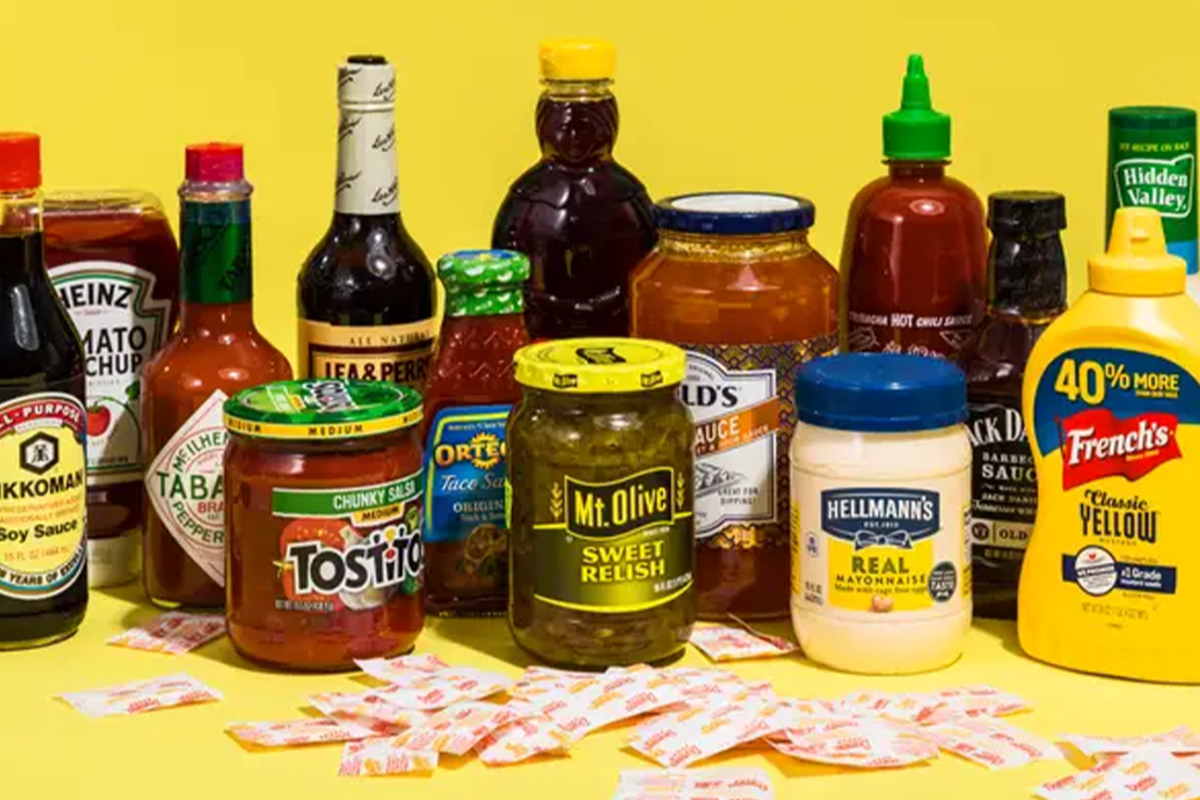
Ketchup. BBQ sauce. Bottled salad dressings. These sit on Pakistani tables as completely normal accompaniments to meals — and they are among the most overlooked high sugar foods to avoid with diabetes in daily life.

Why they matter: A tablespoon of ketchup contains a full teaspoon of added sugar. Used three or four times a day across meals and snacks, that accumulates into a meaningful glycemic load that silently raises daily blood sugar levels.

Better alternatives:

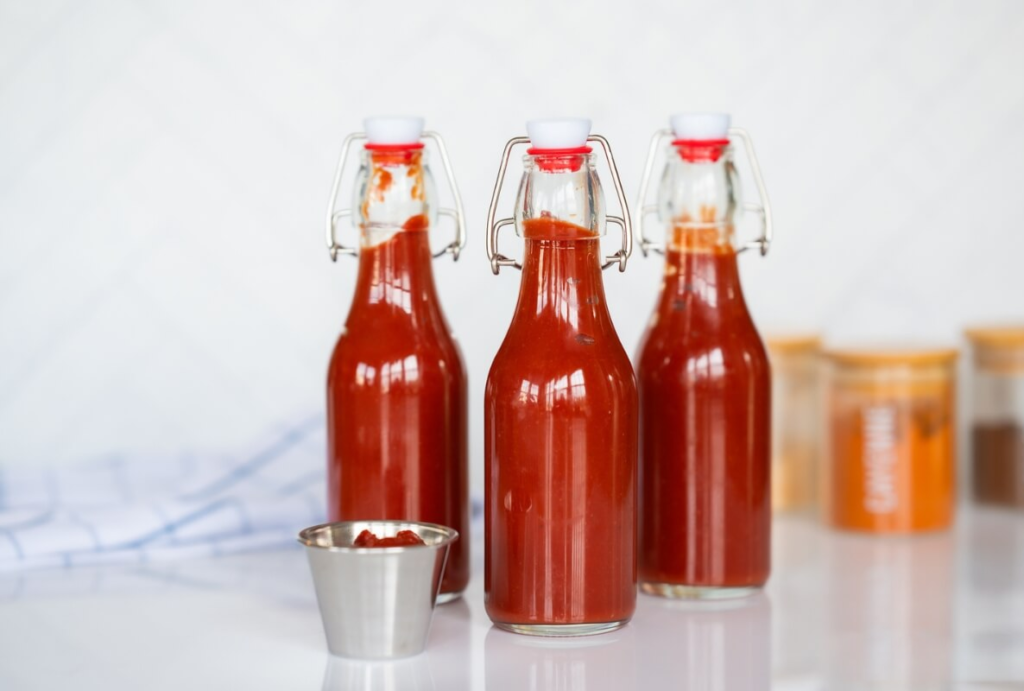
  • Homemade chutney with fresh tomatoes, dhania, green chillies, and lemon — takes five minutes and contains no added sugar
  • Plain dahi as a base for raita — the probiotics actually support blood sugar control as a bonus
  • One client replaced daily ketchup with homemade imli chutney and saw her fasting sugar drop measurably within six weeks
4. Deep-Fried Snacks and Maida Items

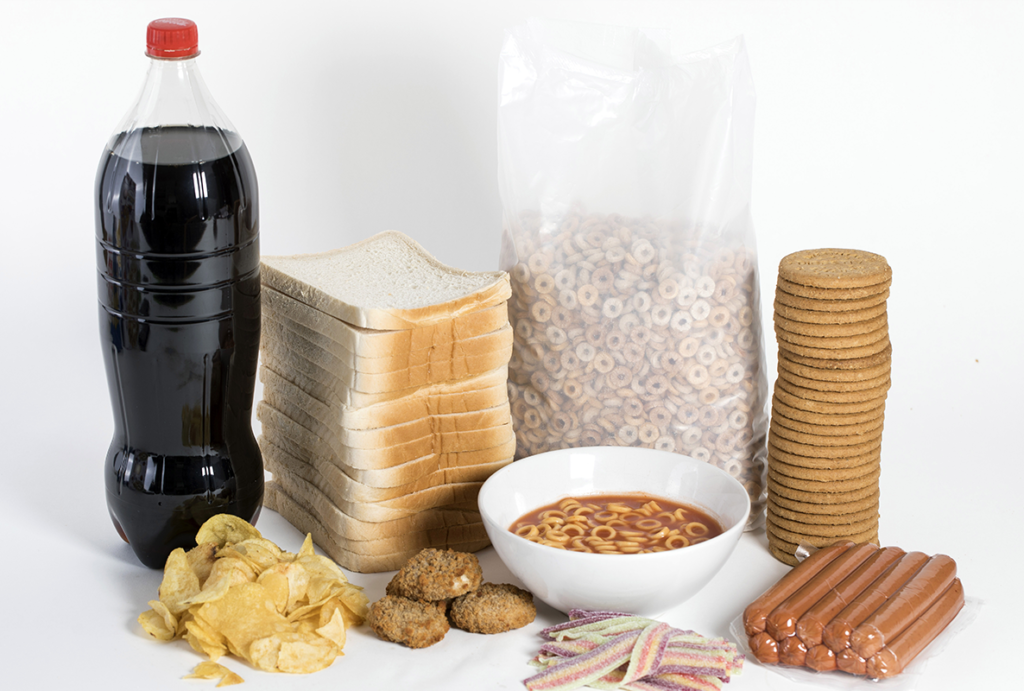
Samosas, pakoras, white bread, and naan do not taste sweet — which is exactly why they catch people off guard as high sugar foods to avoid with diabetes. But their effect on blood sugar levels is almost identical to eating refined sugar directly.

Why this happens: These foods have an extremely high glycemic index, meaning they break down into glucose very rapidly after eating. The refined flour in maida-based items and the combination of unhealthy fats and simple carbohydrates in fried snacks creates blood sugar spikes that rival sweetened desserts.

Smarter substitutions:

  • Whole wheat roti instead of naan or white bread — the fibre slows glucose absorption significantly
  • Baked or air-fried versions of favourite snacks — the taste difference is smaller than expected
  • Grilled chicken tikka instead of fried — same flavour profile, dramatically different impact on blood sugar

5. Canned Fruits in Syrup

Canned fruits occupy a strange place in diabetes management conversations because they appear healthy. Fruit is good for diabetics — fresh fruit with fibre is genuinely useful for blood sugar control. But canned fruit sitting in thick sugar syrup is a different food entirely.

The actual problem: The syrup that preserved fruit is packed in contains concentrated added sugar. Eating canned peaches or fruit cocktail from a tin delivers a sugar load that fresh fruit with its natural fibre would never produce.

What to eat instead:

  • Fresh seasonal fruits — guava, papaya, and apple are excellent local options with good fibre content
  • Frozen fruits without added sugar when fresh is not available
  • Always eat fruit with a meal or alongside some protein rather than alone

6. Alcoholic Drinks and Sweetened Beverages

Beer, sweet wines, and cocktails combine significant sugar content with a secondary problem specific to diabetes — alcohol directly interferes with how the liver regulates blood glucose. This creates unpredictable blood sugar levels that are particularly difficult to manage.

The practical reality: The liver, which normally releases stored glucose to prevent levels dropping too low, prioritises processing alcohol instead. This can cause unexpected drops followed by rebounds — making diabetes management genuinely difficult in the hours after drinking.

For those who drink: Dry wine or spirits with plain soda water are significantly lower-sugar options. Always check blood sugar levels before and after, and never drink on an empty stomach.

7. White Bread, Pasta, and Refined Carbohydrates

These are perhaps the most important high sugar foods to avoid with diabetes in the Pakistani context because white rice and white flour roti anchor so many daily meals — and their glycemic index means they behave almost identically to table sugar once digested.

Why the comparison is valid: Refined grains have had their fibre and nutrients stripped away during processing. What remains breaks down into glucose extremely rapidly, causing blood sugar spikes that repeat at every meal where these foods appear.

The adjustment that works:

  • Whole wheat roti instead of white flour alternatives — genuinely available everywhere in Pakistan
  • Brown rice in smaller portions — the fibre content meaningfully changes the glucose response
  • Always pair any carbohydrate with protein and vegetables to slow the rate of glucose absorption
Frequently Asked Questions About High Sugar Foods to Avoid with Diabetes

Which high sugar foods to avoid with diabetes cause the fastest spikes?

Sugary beverages cause the most rapid blood sugar spikes because liquid sugar absorbs almost instantly. Mithai, ketchup, and white bread follow closely — all producing sharp glucose elevations within 15 to 30 minutes of consumption.

Can these foods ever be eaten on a diabetes diet?

Yes — in very small amounts on special occasions. The key is always pairing them with protein and fibre to slow absorption, keeping portions genuinely small, and checking blood sugar levels afterwards to understand the personal impact.

How can blood sugar control be maintained when eating out?

Request less sugar in chai, avoid bottled sauces, choose grilled items over fried, and keep portions moderate. Asking for extra sabzi or salad on the side adds fibre that buffers blood sugar spikes from whatever else is on the plate.

Does fresh fruit count as a high sugar food to avoid with diabetes?

No — fresh whole fruit with its natural fibre is appropriate in moderation as part of a diabetes diet. The problem is canned fruit in syrup and fruit juices, which remove the fibre and deliver concentrated sugar directly.

What is the most effective daily approach to diabetes management?

Build every plate around the same principle: half vegetables, one quarter protein, one quarter whole grain carbohydrates, with healthy fats. This combination naturally moderates blood sugar levels without requiring precise calorie counting.

Are artificial sweeteners safe for sugar control in diabetes?

In moderation, yes. Stevia is the most consistently well-tolerated natural option. Small amounts of honey in very controlled portions are also workable. The goal is reducing overall sweetness dependence rather than simply replacing one sweet source with another.
Ready to Take Control of Blood Sugar Levels?

Better diabetes management does not mean giving up the food culture that makes Pakistani meals worth eating. It means understanding which high sugar foods to avoid with diabetes are doing the most damage — and making smarter choices about those specific things while keeping everything else intact.

📞 Call/WhatsApp: +92 300 0172509 📧 Email: hamzathedietitian@gmail.com 🌐 Visit: hamzathedietitian.com

Personalised meal plans, real ongoing support, and practical guidance built around Pakistani food culture and individual health circumstances. Book a consultation today.

Related reads:

Final Thoughts: Avoid These High Sugar Foods for Better Diabetes Management

High sugar foods to avoid with diabetes — sweetened beverages, mithai, hidden sauces, fried snacks, canned fruits, alcohol, and refined carbs — are the daily habits quietly keeping blood sugar levels elevated in millions of Pakistani homes. Identifying and reducing them is the single most impactful dietary change available for diabetes management.

Key takeaways:

  • Replace sweetened drinks with water, lemon water, or unsweetened tea immediately
  • Choose whole fresh fruits over juices and canned alternatives
  • Make homemade chutneys and dressings to eliminate hidden sugar
  • Always pair carbohydrates with protein and fibre to slow blood sugar spikes
  • Consistency over weeks and months is what changes HbA1c — not occasional perfect days

Clients who make these changes consistently feel more in control, more energetic, and see better numbers at their next check-up. The swaps are smaller than they seem. The results are larger than expected.

Stay strong, stay consistent.

Hamza The Dietitian Lahore — helping Pakistan manage diabetes one smart choice at a time.
Kitchen mistakes that cause high cholesterol

Kitchen Mistakes That Cause High Cholesterol: 7 Common Habits We See Every Day and How to Fix Them

A blood report lands on the table. The numbers are not good. High cholesterol levels — higher than last time. And the first reaction is always the same.

“But we eat at home every day. How did this happen?”

It is one of the most common questions in the clinic — and the answer is almost always the same. Kitchen mistakes that cause high cholesterol rarely announce themselves. They hide inside habits that feel completely normal: the generous pour of oil into the dal, the weekend pakoras, the reused frying oil, the bottled sauce that goes on everything. These are not dramatic dietary failures. They are quiet, everyday choices that slowly push LDL cholesterol and triglyceride levels in the wrong direction.

In Pakistan specifically, where meals revolve around ghee, fried snacks, white rice, and sugary chai, these kitchen mistakes that cause high cholesterol accumulate faster than most people realise. The result shows up in blood reports — and eventually in heart disease risk that could have been caught and corrected years earlier.

The encouraging reality is that none of this requires giving up Pakistani food. It requires adjusting how that food is prepared. Here are the 7 most common kitchen mistakes that cause high cholesterol, why each one matters, and exactly how to fix them without losing the flavours that make our food worth eating.

How Everyday Kitchen Habits Quietly Raise Cholesterol Levels

The connection between kitchen habits and blood lipids is more direct than most people appreciate. High cholesterol levels build when the diet consistently delivers too much saturated fat, trans fat, and refined carbohydrates — and Pakistani cooking, done without attention to portions and methods, ticks all three boxes regularly.

LDL cholesterol rises. Plaque begins forming in arteries. Triglyceride levels climb. And none of it feels like anything until the blood report arrives.

The good news is that the same directness works in reverse. Fix the habits in the kitchen and the numbers respond — often within 3 to 6 months of consistent change. The focus should always be on balance rather than elimination. A Pakistani meal of dal, sabzi, and roti can be genuinely heart-healthy with the right adjustments. Here is where to start.

1. Using Too Much Oil or Ghee in Every Dish

This is the single most common kitchen mistake that causes high cholesterol seen in Pakistani households — and it is entirely understandable. Rich, glossy curries taste better. Ghee in the tarka makes the dal smell incredible. The problem is what happens to LDL cholesterol and triglyceride levels when that extra fat enters the bloodstream meal after meal, day after day.

Why it matters: Saturated fats from ghee and excessive cooking oil directly raise LDL cholesterol — the kind that builds up in artery walls and increases heart disease risk over time.

How to fix it:

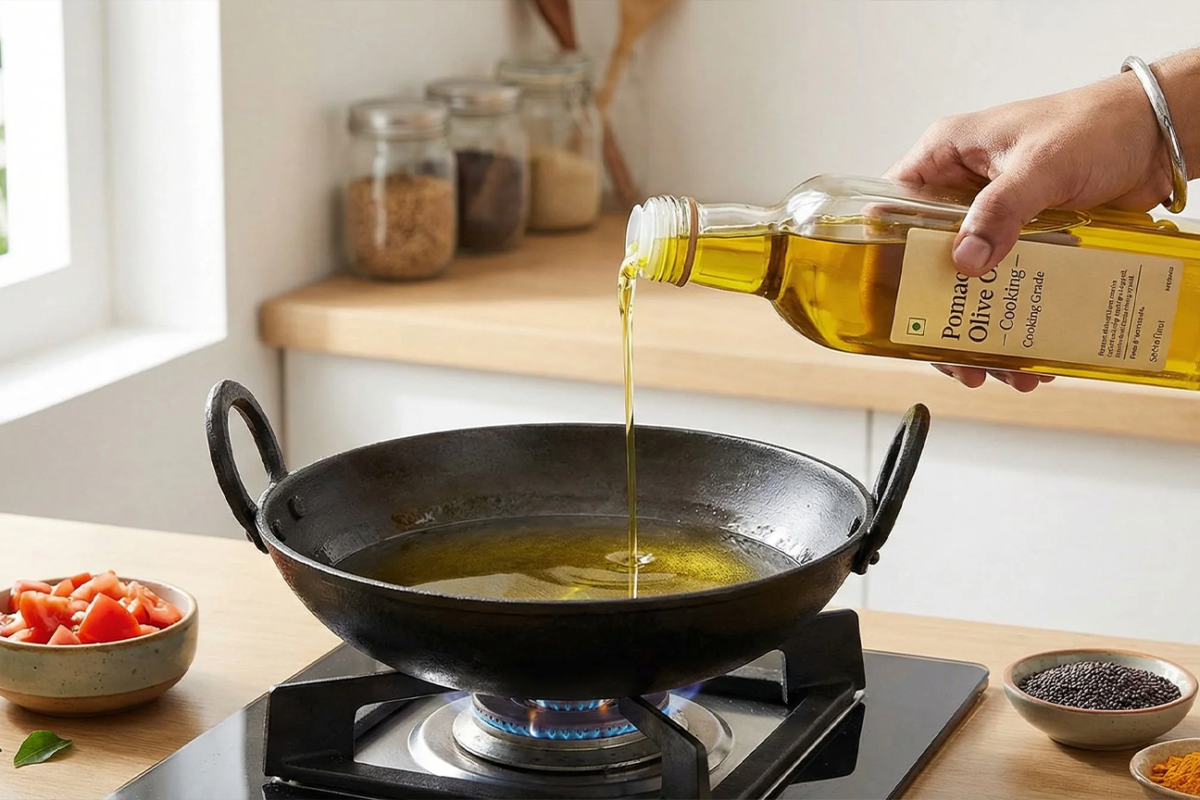
  • Measure oil — one to two teaspoons per person rather than free-pouring from the bottle
  • Switch to olive oil or canola oil for daily cooking, reserving ghee for occasional use
  • Use non-stick pans which require significantly less oil to prevent sticking

A family from Johar Town cut their daily oil use in half over eight weeks. Their follow-up blood report showed a noticeable drop in LDL cholesterol. Same food. Smaller amounts of fat. Real results.

2. Frying Foods Too Often Instead of Using Healthier Methods

Pakoras on a rainy evening. Samosas at chai time. Fried paratha for Sunday breakfast. These are deeply embedded in Pakistani food culture — and enjoyed occasionally, they are not the problem. The problem is when frying becomes the default cooking method several times a week.

Why it matters: Deep frying does two damaging things simultaneously. It dramatically increases the fat content of food and produces trans fats — the most harmful type of fat for cholesterol management and heart disease risk. Trans fats raise LDL cholesterol and lower HDL (the protective kind) at the same time.

Better alternatives:

  • Bake or air-fry pakoras and samosas — the texture is surprisingly similar with a fraction of the fat
  • Grill chicken tikka and seekh kebabs instead of frying
  • Steam or sauté vegetables rather than cooking them in heavy oil

Save fried foods for genuinely special occasions — Eid, weddings, family celebrations. The rest of the time, the alternatives are just as satisfying once they become habit.

3. Skipping Fibre-Rich Foods in Daily Meals

The typical Pakistani plate has roti, rice, and some form of curry. What it often lacks is enough vegetables, lentils, and whole grains — the foods that provide soluble fibre, which is one of the most effective natural tools for cholesterol management.

Why it matters: Soluble fibre physically binds to LDL cholesterol in the digestive system and removes it from the body before it can enter the bloodstream. Without enough fibre, that cholesterol stays in circulation and triglyceride levels rise steadily.

Simple fixes:

  • Fill at least half the plate with vegetables — bhindi, palak, gajar, gobhi, tinda
  • Include dal or beans in at least one meal every single day
  • Switch to whole wheat roti over maida-based alternatives
  • Add oats to breakfast several times a week

Clients who make fibre the focus of their plate changes consistently report better digestion and lower cholesterol levels within weeks of starting.

4. Adding Too Much Salt and Sugar to Dishes

This particular kitchen mistake causing high cholesterol is less obvious than oil or frying — but just as significant. Excess namak in daily cooking and sugar in chai and mithai disrupts the body’s lipid balance in ways that accumulate quietly over years.

Why it matters: High salt intake worsens hypertension, which compounds heart disease risk alongside elevated cholesterol levels. Excess sugar — particularly from packaged masalas, bottled sauces, and mithai — raises triglyceride levels directly and promotes fat storage that further elevates cholesterol.

What works:

  • Use fresh herbs and whole spices for flavour — zeera, dhania, pudina, adrak — instead of relying on extra salt
  • Limit mithai and sugary drinks to once or twice a week maximum
  • Read labels on packaged masalas and sauces — hidden sugar is genuinely common in products that appear savoury

5. Reusing Oil or Storing Leftovers in Greasy Containers

Reusing frying oil is one of those kitchen mistakes that cause high cholesterol that almost nobody talks about — yet it is extremely common in Pakistani kitchens where good oil feels expensive to waste.

Why it matters: Every time oil is heated to frying temperature, it degrades. Reusing it creates oxidised fats that are particularly damaging to artery walls and contribute directly to elevated LDL cholesterol and heart disease risk. Storing leftover food in oily containers and reheating it adds another layer of this same problem.

Simple changes:

  • Use fresh oil whenever frying is happening — and reduce frying frequency so this feels less wasteful
  • Store leftovers in clean glass or stainless-steel containers after removing excess oil
  • Never reheat oil that has already been used for deep frying

6. Ignoring Portion Sizes Even with Healthy Foods

This is the kitchen mistake causing high cholesterol that surprises people most — because the foods involved often seem healthy. Nuts. Paneer. Dahi. Brown rice. Even olive oil. These are all genuinely good choices, but portion size still matters, and during Pakistani family dinners where food keeps arriving at the table, overeating is almost the default.

Why it matters: Consistently eating more calories than the body uses leads to weight gain, which raises triglyceride levels and LDL cholesterol while lowering HDL — a combination that significantly increases heart disease risk over time.

Practical habits that work:

  • Use smaller plates — the visual effect on how much is served is real and measurable
  • Eat slowly, pause between servings, and stop at 80% full rather than completely stuffed
  • Measure high-calorie additions like ghee (one teaspoon per meal is plenty) rather than estimating

7. Relying on Processed Sauces and Dressings

The bottled ketchup. The store-bought chaat masala sauce. The salad dressing that gets poured generously because it seems healthy. These products are among the most underestimated kitchen mistakes that cause high cholesterol — because they look innocent but contain significant amounts of trans fats, added sugar, and sodium in combinations that quietly raise cholesterol levels over time.

Better choices:

  • Make simple homemade chutneys with fresh tomatoes, dhania, lemon, and green chillies — they take five minutes and taste better
  • Use plain dahi as the base for salad dressings instead of commercial mayonnaise
  • Avoid any packaged sauce or dressing with more than five ingredients or where sugar or oil appears in the first three

Frequently Asked Questions About Kitchen Mistakes That Cause High Cholesterol

What are the most damaging kitchen mistakes that cause high cholesterol?

Overusing oil and ghee, deep frying frequently, and consistently skipping fibre-rich foods are the three that appear most often and do the most cumulative damage to cholesterol levels over time.

How does excess oil lead to high cholesterol levels?

The saturated fats in ghee and cooking oils directly raise LDL cholesterol in the bloodstream. Over months and years of daily excess, this builds into measurable elevation in blood lipid reports.

Can changing healthy cooking habits actually lower cholesterol?

Consistently yes — measuring oil portions, increasing vegetables and lentils, and switching cooking methods makes a meaningful difference in cholesterol levels within 3 to 6 months.

Is reusing cooking oil really that bad for heart disease risk?

It is one of the more serious kitchen mistakes that cause high cholesterol because reheated oil produces oxidised fats that damage artery walls directly. The habit is worth breaking even if it feels wasteful initially.

How does portion control affect cholesterol management?

Overeating — even healthy foods — contributes to weight gain that raises triglyceride levels and LDL cholesterol while lowering protective HDL. Smaller, more mindful portions support cholesterol management even without changing what is eaten.

Does salt really affect triglyceride levels?

High salt intake worsens hypertension, which compounds the cardiovascular damage of elevated cholesterol levels. Together they create significantly greater heart disease risk than either alone.

Ready to Take Control of Cholesterol Management?

These kitchen mistakes that cause high cholesterol are genuinely common — but every single one of them is fixable without abandoning Pakistani food or cooking traditions. Small, consistent adjustments in the kitchen lead to real changes in blood reports over months.

📞 Call/WhatsApp: +92 300 0172509 📧 Email: hamzathedietitian@gmail.com 🌐 Visit: hamzathedietitian.com

Personalised meal plans, ongoing support, and practical guidance built around Pakistani kitchen habits and individual health needs. Book a consultation today.

Related reads:

Final Thoughts: Fix These Kitchen Mistakes That Cause High Cholesterol and Protect Your Heart

Kitchen mistakes that cause high cholesterol — excess oil, frequent frying, low fibre, hidden sugar and salt, reused oil, poor portions, and processed sauces — are all fixable. None of them require giving up the food that makes Pakistani cooking worth eating.

Key takeaways:

  • Measure fats and switch to heart-healthy oils for daily cooking
  • Bake, grill, or air-fry instead of deep frying wherever possible
  • Load every plate with fibre-rich sabzi and dal
  • Cut hidden sugar and salt from packaged products
  • Store and reheat leftovers properly to avoid oxidised fats

Heart health starts in the kitchen. The habits built there — meal after meal, day after day — are what show up in blood reports months later. Fix the habits and the numbers follow.

Stay heart-healthy.

Hamza The Dietitian Lahore — helping Pakistan protect their hearts one meal at a time.

Silent heart attack signs in women

Silent Heart Attack Signs in Women: 5 Symptoms You Should Never Brush Off as Stress or Flu

She came in on a Tuesday afternoon. A schoolteacher in her early 50s from Model Town, referred by her daughter who had noticed something was off. For weeks she had been unusually tired, her jaw aching on and off, blaming it on the new school term and the stress of a family wedding coming up. She had not once considered her heart.
That is the reality of silent heart attack signs in women — and it is why this conversation matters so much.

Silent heart attack signs in women do not look like the dramatic chest-clutching scenes from television. They are quieter, easier to explain away, and far more dangerous precisely because of that. A busy Pakistani woman managing children, in-laws, work, and household responsibilities has a dozen reasons to dismiss unusual tiredness or jaw discomfort. Most of the time she does — and that delay can cost her everything.

Cardiologists confirm that women are significantly more likely than men to experience atypical heart attack symptoms. This guide covers the 5 most common silent heart attack signs in women, why each one gets mistaken for something minor, and exactly what to do when they appear.

What Is a Silent Heart Attack and Why Do Women So Often Miss the Signs?

A silent heart attack occurs when blood flow to the heart is blocked but the typical dramatic chest pain is absent or very mild. Instead, what many women experience are symptoms so subtle they genuinely seem unrelated to the heart.

In Pakistani households, these symptoms get attributed to:

  • Daily stress from family and household responsibilities
  • Hormonal changes or early menopause
  • Seasonal flu or viral illness going around
  • Anaemia, lack of sleep, or simply being overworked

This pattern of dismissal is one of the primary reasons heart disease in women continues to be under-diagnosed across Pakistan. Silent heart attack signs in women are real, they are common, and they deserve the same urgency as any other cardiac symptom.

5 Silent Heart Attack Signs in Women That Should Never Be Ignored

These are the five symptoms that warrant immediate attention — especially when they appear together or without an obvious explanation.

1. Jaw Pain or Discomfort — The Most Overlooked Warning Sign of Heart Attack

A dull, aching pain on the left side of the jaw that comes and goes is one of the most commonly missed silent heart attack signs in women. It gets blamed on teeth grinding, sinus pressure, or tension headaches. Rarely does anyone think heart.

Why it is serious: The nerves serving the heart and the jaw share overlapping pathways. When the heart is under stress, that discomfort can radiate upward into the jaw — a phenomenon called referred pain. In women specifically, jaw pain heart attack connection is well-documented and consistently underappreciated.

What to watch for: Jaw pain that appears during physical effort, comes alongside unusual tiredness, or does not respond to normal painkillers needs immediate medical evaluation — not a dentist appointment.

2. Unexplained Fatigue — When Tiredness Is More Than Just a Busy Life

Persistent, unusual exhaustion that does not improve with rest is one of the earliest and most significant heart attack symptoms in women. It is also the one most consistently dismissed.

Why it is serious: When the heart is not pumping blood efficiently, the body’s tissues and organs receive less oxygen than they need. That oxygen deficit manifests as profound, unexplained tiredness — not the normal fatigue of a long day, but a heaviness that does not lift even after a full night’s sleep.

Real example: The Model Town teacher mentioned at the start had been exhausted for nearly three weeks before coming in. She assumed it was the demands of the new school term. A routine cardiac check revealed early heart disease in women that was caught just in time. Early detection changed everything.

3. Shortness of Breath — A Warning Sign of Heart Attack Often Blamed on Fitness or Anxiety

Becoming breathless while doing everyday activities — climbing one flight of stairs, walking from the bedroom to the kitchen, or even talking for a few minutes — is a symptom that deserves serious attention.

Why it is serious: Reduced blood flow to the heart directly affects how efficiently oxygen reaches the lungs. The result is breathlessness that feels disproportionate to the activity level. Women frequently attribute this to weight gain, poor fitness, or anxiety — all of which can also cause breathlessness, making the silent heart attack connection easy to miss.

The important distinction: Breathlessness that is new, worsening, or appears alongside jaw discomfort or fatigue should be treated as a potential cardiac symptom until a proper evaluation says otherwise.

4. Cold Sweats — When the Body Is Signalling Something Serious

Breaking into a cold sweat without physical exertion — at rest, during mild activity, or even during sleep — is one of the silent heart attack signs in women most commonly mistaken for hot flashes or anxiety.

Why it is serious: Cold sweats in this context are the body’s stress response to reduced heart function. When the heart struggles, the nervous system activates, and sweating is one of the physical results. Unlike the warm flush of a hot flash, silent heart attack related sweating tends to feel clammy and cold.

The critical point: Cold sweats appearing alongside any other symptom on this list — jaw pain, fatigue, dizziness, or breathlessness — constitute a medical emergency and require immediate attention, not a wait-and-see approach.

5. Lightheadedness or Dizziness — A Silent Heart Attack Sign Hidden in Plain Sight

Feeling faint, dizzy, or as though the room is spinning can signal that the heart is not delivering sufficient blood to the brain. In women, this is among the heart attack symptoms most frequently attributed to low blood pressure, dehydration, or simply standing up too quickly.

Why it is serious: Recurrent or sudden dizziness — particularly when it has no clear cause and appears alongside other symptoms on this list — can indicate that the heart is struggling to maintain adequate circulation. By the time it reaches this stage, prompt medical evaluation is essential.

Never ignore: Dizziness that is new, recurring, or accompanied by chest tightness, jaw discomfort, or sweating warrants an immediate trip to a cardiologist — not a glass of water and a lie-down.

Protecting Women’s Heart Health in Pakistan — Practical Steps That Matter

Heart disease in women is rising sharply across Pakistan, driven by increasing rates of stress, diabetes, hypertension, and sedentary lifestyles. The warning signs of heart attack are often present well before a major cardiac event — which means there is a window for prevention and early intervention that too many women miss.

Practical steps worth building into daily life:

  • Know your numbers — blood pressure, blood sugar, and cholesterol should be checked at least annually
  • Move every day — 30 minutes of brisk walking significantly reduces cardiac risk over time
  • Eat more heart-friendly foods — dal, sabzi, nuts, whole grains, fish, and olive oil
  • Manage stress deliberately — through prayer, deep breathing, time in nature, or honest conversations with trusted people
  • Never dismiss unusual symptoms — a check-up that reveals nothing serious is always better than a crisis that could have been prevented

Frequently Asked Questions About Silent Heart Attack Signs in Women

Are silent heart attack signs in women genuinely different from men’s symptoms?

Yes — significantly. Women are far more likely to experience jaw pain heart attack symptoms, unexplained fatigue, shortness of breath, and nausea rather than the classic crushing chest pain that most people associate with cardiac events. This difference in presentation is one reason heart disease in women is so frequently under-diagnosed.

Can stress really produce the same symptoms as a silent heart attack?

Yes — which is precisely what makes silent heart attack signs in women so dangerous. Stress produces fatigue, jaw tension, breathlessness, and cold sweats, making it genuinely difficult to distinguish without proper medical evaluation. When in doubt, always get checked.

What should be done immediately if jaw pain heart attack symptoms appear?

Do not wait. Go to the nearest emergency room or call for help immediately — particularly if the jaw pain appears alongside any other symptom from this list. Time is the single most critical factor in cardiac outcomes.

Is heart disease in women as prevalent in Pakistan as in other countries?

Yes — and it is significantly under-recognised. Heart disease in women is among the leading causes of death among Pakistani women, yet awareness remains far lower than it should be. Many women in Pakistan do not know their own risk factors.

How can the risk of a silent heart attack be meaningfully reduced?

Maintaining a healthy weight, controlling diabetes and blood pressure, eating a genuinely balanced diet, staying physically active, managing chronic stress, and attending regular check-ups all contribute substantially to reducing risk.

Can younger women experience silent heart attack signs?

Absolutely — particularly women with diabetes, PCOS, high blood pressure, or a strong family history of cardiac disease. Age is a risk factor but not the only one. Women’s heart health deserves attention at every stage of life.

Ready to Take Charge of Women’s Heart Health?

Silent heart attack signs in women are missed every day — not because women are careless, but because the symptoms are genuinely subtle and easy to rationalise. Recognising them early and acting on them promptly can save a life. Possibly yours. Possibly someone you love deeply.

📞 Call/WhatsApp: +92 300 0172509 📧 Email: hamzathedietitian@gmail.com 🌐 Visit: hamzathedietitian.com

Personalised nutrition guidance, heart-healthy meal plans, and ongoing support built around Pakistani lifestyle and individual health circumstances. Book a consultation today.

Related reads:

Final Thoughts: Silent Heart Attack Signs in Women Deserve Urgent Attention

Silent heart attack signs in women are real, they are common, and they are consistently mistaken for stress, flu, or the inevitable exhaustion of a busy life. Jaw pain heart attack symptoms, unexplained fatigue, shortness of breath, cold sweats, and dizziness — these five deserve the same urgency as crushing chest pain, because in women they often mean the same thing.

Key takeaways:

  • Heart attack symptoms in women are frequently subtler and more varied than in men
  • Never dismiss new or unusual fatigue, jaw pain, or breathlessness without proper evaluation
  • Regular check-ups and a heart-healthy lifestyle reduce risk significantly
  • Early action is the difference between a close call and a tragedy

The heart works without pause, every single day, for an entire lifetime. It deserves that same dedication in return. Listen to what the body is saying. Act on what it tells you.

Stay aware, stay protected.

Hamza The Dietitian Lahore — helping Pakistani women listen to their hearts and protect their health.

Anti-inflammatory diet for arthritis

Anti-Inflammatory Diet for Arthritis: 7 Powerful Foods & Practical Tips for Pakistani Homes

There is a 67-year-old uncle in almost every Pakistani family. The one who used to fix things around the house, walk to the market every morning, and insist on carrying the heaviest grocery bags himself. Now he moves slowly. He holds the railing going up stairs. He winces when he gets up from the floor after sitting with the grandchildren.
Arthritis. The word gets thrown around casually, but what it actually means for that uncle — or that aunty, or that colleague in her early 40s — is daily, grinding discomfort that medication only partially addresses.

Here is what rarely gets mentioned in the doctor’s office: what someone eats every single day either feeds that inflammation or fights it. An anti-inflammatory diet for arthritis does not replace medical treatment, but it genuinely changes how the body feels — often within weeks — using ingredients that cost almost nothing and are already in most Pakistani kitchens.

Patients who have made these changes consistently report less morning stiffness, better mobility, and noticeably reduced arthritis pain within 4 to 6 weeks. No dramatic overhaul required. Just deliberate, consistent choices.

Why Food Has Such a Powerful Effect on Arthritis

Arthritis — whether osteoarthritis from wear and tear or rheumatoid arthritis from immune system involvement — shares one thing in common: chronic joint inflammation that does not fully switch off.

The gut, the immune system, and joint inflammation are more closely connected than most people realise. What enters the digestive system every day directly influences how aggressively the body inflames. Certain foods pour fuel on that fire. Others quietly dampen it.

Beyond inflammation, body weight plays a role that surprises most patients. Every additional kilogram of body weight places four additional kilograms of pressure on the knees with every step. An anti-inflammatory diet for arthritis that also supports healthy weight management addresses two problems simultaneously — and the joints feel both changes.

Research consistently backs this up. People who follow anti-inflammatory eating patterns long-term experience less pain, move more freely, and slow the progression of joint damage compared to those eating the typical processed, high-sugar diet most of us have drifted toward.

7 Best Anti-Inflammatory Foods for Arthritis Found in Every Pakistani Kitchen

1. Turmeric (Haldi) — The Most Powerful Spice in the Pantry

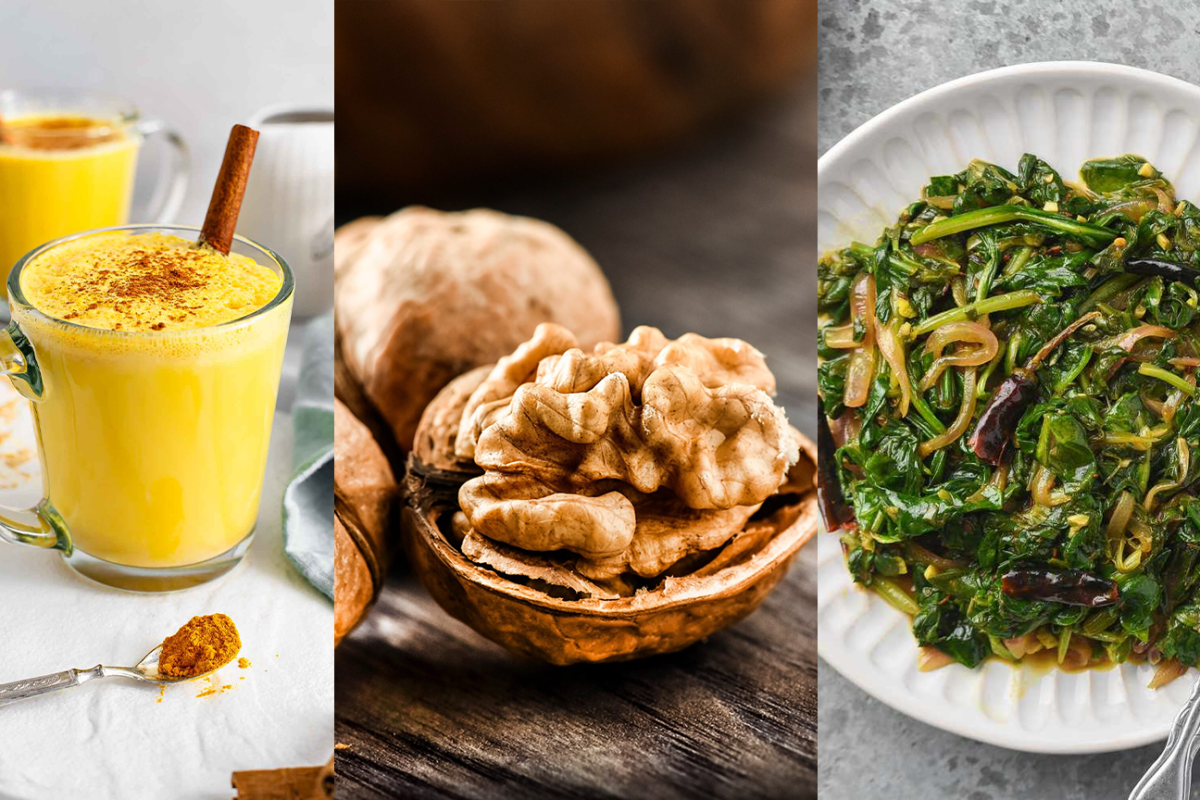
Curcumin — the compound that gives haldi its deep yellow colour — has more research behind it for joint inflammation than almost any other natural ingredient. It does not just mask pain. It interrupts the inflammatory process at a biochemical level.

The catch is absorption. Curcumin on its own does not enter the bloodstream efficiently — but pair it with a pinch of kali mirch and a little fat, and absorption improves dramatically.

Practical Pakistani use:

  • Haldi doodh every night — warm low-fat milk, half a teaspoon of turmeric, a pinch of black pepper, a small piece of ginger
  • Extra haldi in dal, sabzi, and chicken — more generous than usual, not just a token pinch
  • This is one habit worth being consistent about because the benefits genuinely compound over weeks

2. Fatty Fish and Omega-3 Sources

Omega-3 fatty acids work directly on joint inflammation — reducing the chemicals the body produces that cause swelling and stiffness. This is not a theory. It is one of the most consistently replicated findings in arthritis nutrition research.

Salmon and mackerel are the most studied, but rohu and local Pakistani fish varieties provide meaningful omega-3 benefit at a fraction of the imported price.

For those who do not eat fish:

  • One tablespoon of ground alsi (flaxseeds) stirred into morning dahi
  • A handful of walnuts daily
  • Chia seeds soaked overnight and eaten with breakfast

Twice-weekly fish or daily flaxseeds — either habit makes a measurable difference to joint health over months.

3. Leafy Greens (Palak, Methi, Bathua, Sarson)

These vegetables are loaded with vitamin K, magnesium, and antioxidants that protect cartilage from breakdown and reduce oxidative stress in the joints. They are also among the cheapest, most accessible foods in Pakistan across every season.

The adjustment is simply using more of them. Not occasionally. Every single day.

Palak added to dal. Methi in the paratha dough. Bathua saag through winter. Sarson with mustard oil in the colder months. These are not new additions — they are existing Pakistani foods being used more deliberately for arthritis pain management.

4. Ginger (Adrak)

Fresh adrak contains gingerols — compounds that reduce pain and inflammation in a way that has been compared to mild anti-inflammatory medication in some studies. For people managing arthritis pain who want to reduce their dependence on painkillers over time, adrak deserves serious daily attention.

Simple habits:

  • Fresh adrak grated into morning chai — not just a slice, but a proper thumb-sized piece
  • Warm adrak-lemon water on an empty stomach before breakfast
  • Adrak added generously to cooking rather than sparingly

5. Berries and Vitamin C Rich Fruits

Vitamin C is essential for collagen production — and collagen is what keeps cartilage resilient and joint health intact. Antioxidants from brightly coloured fruits fight the oxidative stress that accelerates joint inflammation and cartilage breakdown.

Imported berries are expensive and inconsistent in Pakistan. The local alternatives are actually superior in many cases. Amla has vitamin C concentrations that dwarf blueberries. Anar supports blood flow to joints. Guava is cheap, delicious, and available almost year-round.

One to two servings of these fruits daily — not as a special addition but as a normal part of the diet — provides meaningful support to the anti-inflammatory diet for arthritis.

6. Nuts and Seeds (Walnuts, Almonds, Pumpkin Seeds)

Vitamin E, magnesium, and healthy fats — all present in a small daily handful of mixed nuts and seeds — contribute directly to inflammation reduction and overall joint health.

The habit is simple: keep a small jar of mixed walnuts, almonds, and pumpkin seeds somewhere visible. Kitchen counter, office desk, bag. Eat a handful in the afternoon instead of reaching for biscuits or chips. The cumulative effect over weeks is real.

7. Extra Virgin Olive Oil or Mustard Oil

Extra virgin olive oil contains oleocanthal, a compound that works similarly to ibuprofen in reducing joint inflammation — but without the stomach side effects of long-term NSAID use. Used as the primary cooking oil for sabzi and salads, its anti-inflammatory effect builds meaningfully over time.

Mustard oil — already widely used in Pakistani cooking — also has genuine anti-inflammatory properties and remains an excellent, affordable local option.

Foods That Make Arthritis Pain Worse — Cut These Down First

Before adding anything new, reducing these makes the biggest immediate difference:

  • Fried and processed snacks — samosa, pakora, chips, biscuits eaten daily
  • Excessive red meat and organ meats, particularly when uric acid is already elevated
  • Sugary drinks and mithai — these spike inflammation markers faster than almost any other food
  • Maida-based items — white bread, naan, packaged snacks, most biscuits
  • Excessive salt from achar, namkeen, and processed foods

Reducing — not necessarily eliminating — these foods consistently reduces the baseline level of joint inflammation the body is dealing with daily. And lower baseline inflammation means the good foods have more room to work.

A Realistic Daily Anti-Inflammatory Diet Plan for Pakistani Homes

This is not a diet plan that requires special shopping or complicated preparation:

  • Morning: Two glasses of warm water with lemon and a pinch of haldi
  • Breakfast: Besan cheela with palak and green chutney, or eggs with extra vegetables
  • Mid-morning: Small handful of walnuts and almonds with green tea
  • Lunch: Grilled chicken or fish with a generous serving of sabzi, one roti, and plain dahi
  • Evening: Fresh adrak chai or warm haldi doodh
  • Dinner: Moong dal with methi sabzi, a fresh salad, and one small roti

Affordable. Familiar. Genuinely effective when followed consistently rather than occasionally.

Frequently Asked Questions About Anti-Inflammatory Diet for Arthritis

How quickly does an anti-inflammatory diet reduce arthritis pain?

Most people notice reduced morning stiffness and less daily pain within 3 to 4 weeks. More significant improvements in mobility and overall comfort usually become clear within 6 to 8 weeks of consistent eating changes.

Does this arthritis diet work for both rheumatoid arthritis and osteoarthritis?

Yes — both conditions involve chronic joint inflammation as a central problem, and anti-inflammatory eating addresses that shared root cause, even though the disease mechanisms differ.

Can roti and rice still be eaten?

Absolutely. Whole wheat roti and brown rice in sensible portions are completely compatible with an anti-inflammatory diet for arthritis. The priority is increasing sabzi and quality protein — not eliminating grains.

Is it necessary to give up meat entirely?

Not at all. Reducing red meat and increasing fish, dal, and plant protein achieves the needed inflammation reduction without requiring complete dietary transformation.

What about turmeric or fish oil supplements?

Whole food sources consistently outperform isolated supplements for long-term joint health. Supplements have a role when blood tests show clear deficiency — but they work best alongside good food, not instead of it.

Is this arthritis diet safe with kidney problems?

Generally yes, when the plan is balanced appropriately. Anyone with advanced kidney disease should run specific dietary changes past their doctor before making significant adjustments.

Ready to Reduce Arthritis Pain Naturally?

Constant arthritis pain and joint inflammation do not have to define daily life. The right food choices — made consistently, not perfectly — genuinely change how the body feels over weeks and months.

📞 Call/WhatsApp: +92 300 0172509 📧 Email: hamzathedietitian@gmail.com 🌐 Visit: hamzathedietitian.com

Personalised meal plans, real ongoing support, and practical guidance built specifically around Pakistani food culture and individual health circumstances. Book a consultation today.

Related reads:

Final Thoughts: An Anti-Inflammatory Diet for Arthritis Is Genuinely Powerful Medicine

An anti-inflammatory diet for arthritis is one of the most accessible, evidence-backed tools available for reducing joint inflammation, easing arthritis pain, protecting long-term joint health, and improving quality of life — without waiting for the next prescription.

Key takeaways:

  • Turmeric, ginger, leafy greens, omega-3 sources, and vitamin C fruits daily — these are the foundation
  • Processed foods, excess sugar, and red meat silently worsen joint inflammation — reducing them matters as much as adding good foods
  • Consistency over weeks creates results that occasional healthy eating never will
  • Light movement, good sleep, and this arthritis diet together produce the strongest outcomes

Start today. One extra bowl of sabzi. One cup of haldi doodh before bed. One handful of walnuts instead of the evening biscuits. Small decisions. Real results.

Stay active, stay pain-free.

Hamza The Dietitian Lahore — helping Pakistan move better and live stronger.

Protein bars for muscle gain

Protein Bars for Muscle Gain and Recovery: 10 Best Options Available in Pakistan (2026)

Picture this. Heavy leg day is done. The muscles are pumped, slightly shaking, and completely exhausted. The drive home through Lahore traffic takes 45 minutes. By the time the front door opens, cooking chicken or boiling eggs feels like a genuine impossibility.

This is the moment most people either grab something completely unhelpful — biscuits, chips, a sugary drink — or skip the post-workout nutrition window entirely. Both choices slow down muscle recovery and leave the hard work of that gym session partially wasted.

This is exactly where the right protein bars for muscle gain and recovery change everything.

Pakistan’s gym culture has grown enormously in recent years. More people are training seriously, tracking their lifts, and paying attention to nutrition. A quality protein bar helps hit the daily protein intake target of 1.6 to 2.2g per kg of body weight, reduces next-day soreness, speeds up muscle recovery, and supports consistent muscle growth — all without any cooking or preparation.

After working through options with clients and checking availability on Daraz, Imtiaz, and local supplement shops across Pakistan, here are the 10 best protein bars for muscle gain and recovery that are actually available and worth buying right now.

Why Protein Bars Are Essential for Muscle Gain and Recovery in Pakistan

After training, the body needs protein quickly to repair damaged muscle fibres and build new ones. A quality bar delivers 15 to 25g of protein fast, along with enough carbohydrates to replenish energy and minimal sugar to avoid unnecessary fat storage.

Real benefits clients notice consistently:

  • Faster muscle recovery and noticeably less next-day soreness
  • Better muscle growth over weeks when protein targets are consistently met
  • A genuinely convenient post-workout snack that requires zero preparation
  • Helps busy Pakistanis stay consistent with daily protein intake even on chaotic days

Now here are the 10 best options.

10 Best Protein Bars for Muscle Gain and Recovery in Pakistan

1. MuscleBlaze Protein Bar (20g+ Protein Series)

Protein: 20 to 25g per bar Best for: Post-workout muscle recovery and serious muscle gain Flavours: Cookies and Cream, Chocolate, Almond Fudge

MuscleBlaze consistently sits at the top of the list for a reason. The amino acid profile is excellent, the fibre content is solid for satiety, and it is one of the most widely available options on Daraz and in supplement stores across Pakistan. For anyone serious about muscle gain, this is the most reliable starting point.

2. Yogabar Protein Bars (10g and 20g Versions)

Protein: 10g or 20g depending on version Best for: Daily high protein snacking and steady muscle growth support

Yogabar stands out because the ingredients are genuinely clean. Sweetened with dates rather than refined sugar, 100% vegetarian, and very popular among gym-goers in Lahore and Karachi. The 20g version is particularly good for muscle gain goals, while the 10g version works well as a mid-day snack between meals.

3. Phab Assorted Protein Bar (21g Protein)

Protein: 21g Best for: High-protein muscle gain with zero added sugar Flavours: Mocha Fudge, Chocolate Brownie

Phab has quietly become a favourite among serious lifters in Pakistan. 21g of protein with zero added sugar and a blend of whey isolate, pea protein, and soy makes it easy to digest and effective for muscle recovery. The chocolate brownie flavour in particular gets consistently strong reviews.

4. Avvatar Protein Wafer Bar

Protein: 10 to 15g Best for: Light, crunchy post-workout snack when a heavy bar feels like too much

For those who find traditional protein bars too dense or chewy after training, Avvatar’s wafer format is a genuinely enjoyable alternative. Premium whey protein, no added sugar, no preservatives — and the chocolate flavour actually tastes good rather than just tolerable.

5. RiteBite Max Protein Bars

Protein: 20g+ Best for: High-intensity training and faster muscle recovery

RiteBite offers a solid protein profile with 21 vitamins and minerals built in. For people doing high-frequency or high-intensity training who need consistent daily protein intake without much fuss, this one earns its place on the list.

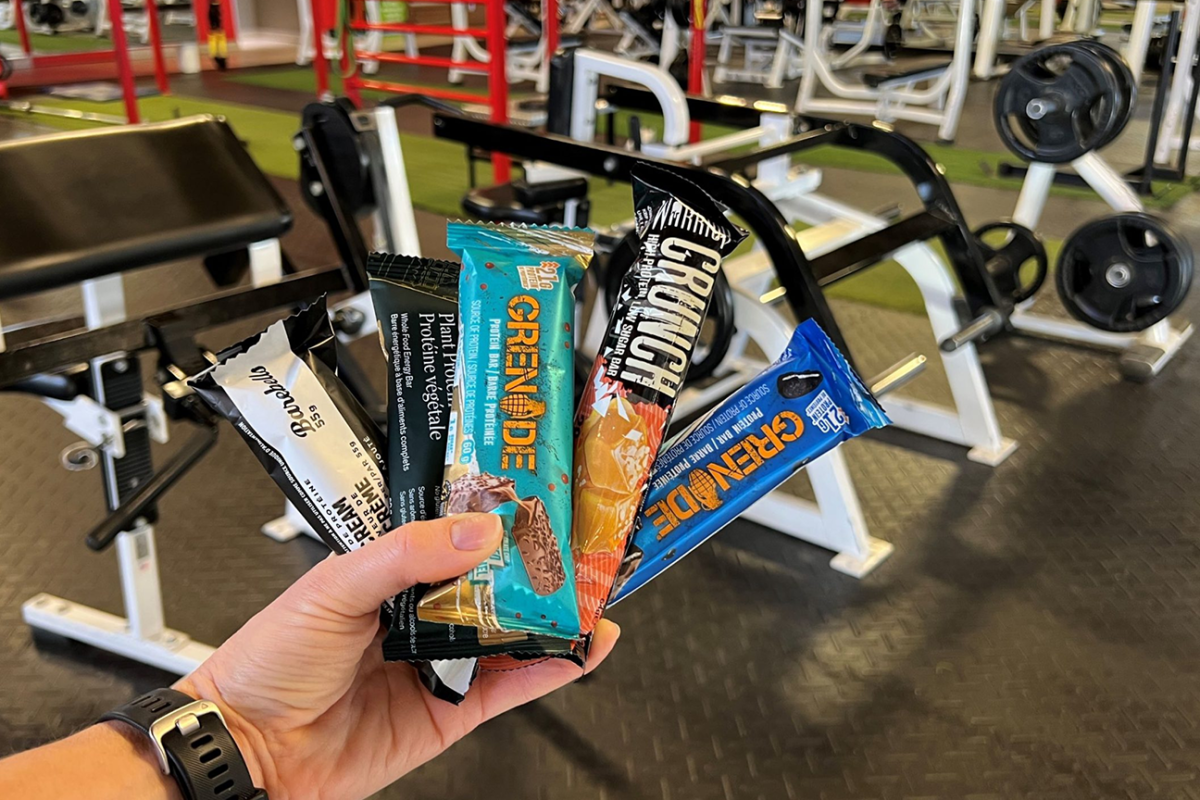
6. Grenade Protein Bar (Oreo and Other Flavours)

Protein: 20 to 23g Best for: Excellent taste while staying focused on muscle gain

Grenade is imported but widely available in Pakistan through Daraz and larger supplement retailers. The Oreo flavour in particular hits that dessert craving without derailing nutrition. For anyone who finds most protein bars boring or unpleasant, Grenade is worth the slightly higher price.

7. SuperYou Protein Wafer Bars

Protein: 10g Best for: Light mid-day high protein snack between meals

SuperYou uses yeast-fermented protein and includes gut-friendly beta-glucans and prebiotics. It is light, crunchy, and not overwhelming — ideal for the mid-morning or afternoon window when something is needed to bridge the gap between meals and maintain daily protein intake.

8. Hemptyful Superseed Bars (Plant-Based)

Protein: 5 to 10g from plant sources Best for: Vegan or plant-based muscle gain and recovery

Made with pea and hemp protein, loaded with omega-3 and omega-6 healthy fats, and free from soy, gluten, and lactose. For people on plant-based diets who are serious about muscle growth, Hemptyful is one of the better options currently accessible in Pakistan.

9. Whey91 Cookies and Cream Protein Bar

Protein: 20g Best for: Post-workout muscle recovery with excellent taste

20g of whey protein plus Lactoferrin — a natural immunity booster found in milk — makes this a solid choice for muscle gain and overall recovery. The cookies and cream flavour is genuinely satisfying, and the no artificial flavouring label is a nice bonus.

10. Crave Plant-Based Protein Bar

Protein: 15g Best for: Vegans who want crunchy, tasty high protein snacks

Made from nut butters, rice crisps, and wafers with 15g of plant protein and zero added sugar. Flavours like chocolate, peanut butter, and hazelnut butter make this feel more like a treat than a supplement — which is exactly what makes it easy to stay consistent with.

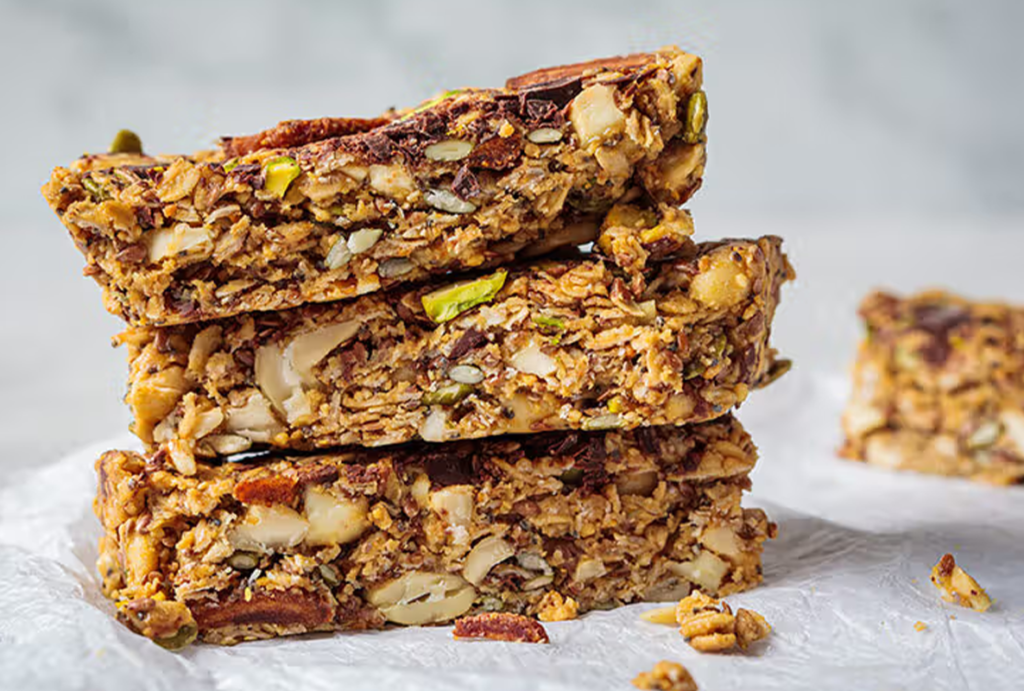
Open protein bar showing layers of nuts and chocolate – high quality protein bars for muscle gain in Pakistan – Hamza The Dietitian

How to Choose the Right Protein Bar for Muscle Gain in Pakistan

When picking up a bar, flip it over and check these numbers before buying:

  • Protein: Minimum 15 to 20g per bar for meaningful muscle gain support
  • Sugar: Less than 8 to 10g total, ideally under 5g added sugar
  • Fibre: 3g or more for better satiety and digestion
  • Fats: Avoid trans fats and palm oil where possible

For most people just starting out, MuscleBlaze or Phab are the safest first choices — widely available, genuinely effective, and good value for money.

When and How to Eat Protein Bars for Best Muscle Growth Results

Timing matters more than most people realise:

  • Post-workout: Within 30 to 60 minutes after training is the ideal window for muscle recovery
  • Between meals: When daily meals are not quite hitting the protein intake target
  • Pre-workout: Choose lower-fat versions for quicker energy without heaviness during the session

Always drink water or milk alongside the bar — it improves absorption and digestion significantly.

Frequently Asked Questions About Protein Bars for Muscle Gain

Are protein bars actually good for muscle gain?

Yes — when they provide high-quality protein and sit within a proper training and nutrition plan. They are a supplement to good food, not a replacement for it.

Which is the best protein bar for muscle gain in Pakistan right now?

MuscleBlaze and Phab are currently the strongest choices for most gym-goers — excellent protein content, good availability, and honest ingredient lists.

Can beginners use protein bars?

Absolutely. They make hitting daily protein intake goals significantly easier, especially for people new to tracking their nutrition.

Do protein bars cause weight loss or weight gain?

Neither automatically. They cause weight gain only when total daily calories exceed what the body needs. For weight loss combined with muscle gain, choosing low-sugar versions and tracking total intake is the key.

How many protein bars per day is reasonable?

One to two maximum. They should complement whole food meals — not replace them. Eggs, chicken, dal, and paneer should still form the foundation of daily protein intake.

Are plant-based protein bars effective for muscle gain?

Yes — especially bars with a blend of pea, rice, or hemp protein that together provide a complete amino acid profile comparable to animal-based sources.

Ready to Fuel Muscle Gain the Smart Way?

The right protein bars for muscle gain and recovery make hitting protein goals easy, consistent, and genuinely enjoyable — even on the busiest days. Stop leaving the post-workout window empty and start giving those muscles what they need to grow.

📞 Call/WhatsApp: +92 300 0172509 📧 Email: hamzathedietitian@gmail.com 🌐 Visit: hamzathedietitian.com

Personalised meal plans, real ongoing support, and practical guidance built around training goals and Pakistani lifestyle. Book a consultation today.

Related reads:

Final Thoughts: Choose Protein Bars for Muscle Gain Wisely

The best protein bars for muscle gain and recovery deliver high-quality protein, low added sugar, and real value for money. Used consistently alongside a solid training programme and whole food meals, they genuinely accelerate results.

Use them as a smart supplement — not a replacement for eggs, chicken, dal, and paneer. Train hard, hit the daily protein intake target consistently, recover properly, and the muscle growth will follow.

Hamza The Dietitian Lahore — building stronger, healthier Pakistanis one smart choice at a time.