• Online Consultation Available
  • Mon–Sat: 9am to 6pm

Tag Archives: Blood Sugar Levels

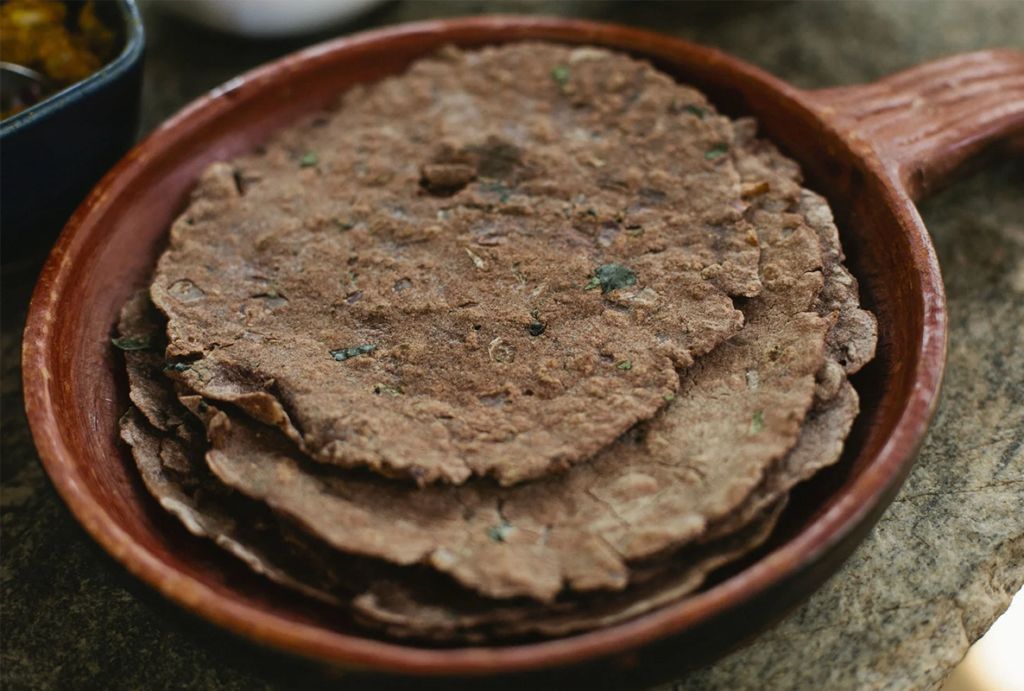
Ragi vs jowar vs wheat roti comparison on plate with Pakistani sabzi – best flour for weight loss & blood sugar control – Hamza The Dietitian

Ragi vs Jowar vs Wheat Roti: Which Flour Wins for Weight Loss & Blood Sugar Control in Pakistan?

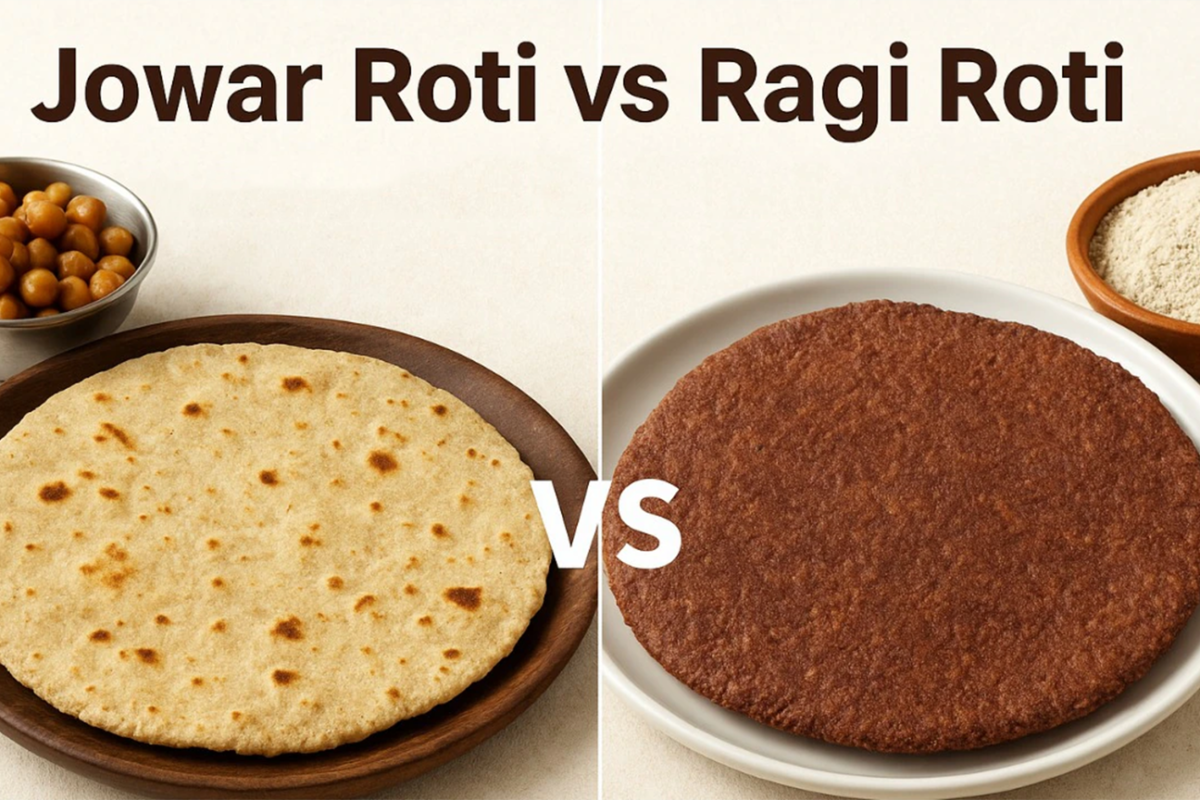
Roti is something we grow up with. It is on the table at lunch, at dinner, at suhoor during Ramadan. It goes with everything — salan, keema, daal, achaar. In most Pakistani homes, a meal without roti just does not feel complete. But lately, more and more of my clients have been coming to me with the same question. “Hamza bhai, my weight is not moving. My sugar readings are all over the place. Should I switch to ragi or jowar instead of regular wheat?” It is a fair question. And the honest answer is — when you put ragi vs jowar vs wheat roti side by side, millets usually come out ahead for both weight loss and blood sugar control. Not because wheat is bad, but because ragi and jowar bring more fibre, a lower glycemic index, and minerals that our bodies genuinely benefit from.

In Pakistan, where diabetes and obesity are both rising sharply, these ancient grains are making a quiet comeback — and they are more accessible now than ever. You can find them at Imtiaz, Metro, and on Daraz without any trouble.

This guide gives you a real, practical comparison. No complicated science. Just clear information, Pakistani-friendly tips, and things you can actually start doing this week.

Why Your Roti Choice Affects Weight Loss and Blood Sugar More Than You Think

Think about how many rotis you eat in a day. Three? Four? Six? For most Pakistani families, roti is not a side — it is the main event. And that adds up to a significant amount of carbohydrates by evening.

Regular wheat roti is not a bad food. But its glycemic index sits somewhere between 55 and 85 depending on how refined the atta is. That means for someone with prediabetes or type 2 diabetes — which is extremely common in Pakistan — wheat roti can cause blood sugar levels to rise faster than you want.

Millets like ragi and jowar digest more slowly. They have more fibre, more complex carbohydrates, and a lower glycemic index. The result is that you feel full for longer, get fewer cravings through the day, and your energy stays steady instead of spiking and crashing. For weight loss, that matters enormously.

The other good news is that ragi and jowar work beautifully with desi cooking. You can make soft rotis with them, mix them with wheat atta to ease the transition, or go fully millet when you are ready.

Let us look at the numbers.

Nutritional Comparison: Ragi vs Jowar vs Wheat Roti (Per Average Medium Roti ~40–50g Flour)

Here’s a quick look based on common values:

  • Calories: All similar (~90–120 kcal per roti)
  • Fibre: Ragi highest (3–4g), Jowar close (3g), Wheat lower (1.5–2g)
  • Protein: Similar (2.5–3g), but ragi/jowar often feel more satisfying
  • Glycemic Index (GI): Ragi lowest (40–55), Jowar medium (60–70), Wheat higher (55–85)
  • Key Minerals: Ragi wins calcium & iron, Jowar strong in magnesium & antioxidants, Wheat good B-vitamins

Ragi edges out for blood sugar control and bone health. Jowar shines for digestion and gluten-free needs.

Why Ragi Roti Stands Out for Weight Loss and Diabetes Management

Ragi — finger millet, nachni — is one of those foods that surprises people. It looks simple. It tastes earthy. But nutritionally, it punches well above its weight.

Its high dietary fibre is what makes the biggest difference. Fibre slows digestion, keeps you feeling full longer, and reduces the urge to snack between meals. Many clients tell me they naturally eat one or two fewer rotis per meal after switching to ragi — not because they are restricting themselves, but because they genuinely do not feel hungry as quickly.

The low glycemic index of 40 to 55 means glucose enters your bloodstream slowly and steadily. Research on finger millet polyphenols shows improvements in insulin sensitivity and reduced fasting glucose levels with regular consumption — exactly what people managing diabetes need.

Ragi also has more calcium than almost any other grain. For Pakistani women especially, where iron deficiency and anaemia are common, that mineral profile matters.

Pakistani kitchen tip: Start by mixing 30 to 50 percent ragi atta with whole wheat. Add a pinch of ajwain or methi dana for taste. Ragi roti pairs beautifully with palak sabzi or daal — the combination keeps blood sugar levels steady for hours.

Real story from my practice: A 38-year-old teacher from Gulberg, Lahore lost 4 kg in 6 weeks by replacing just two daily wheat rotis with ragi ones. Her fasting sugar dropped from 138 to 112 mg/dL. She changed nothing else. One small swap, consistent results.

One note of caution: Ragi is high in calcium, so anyone prone to kidney stones should speak to a doctor before making it a daily staple.

How Jowar Roti Supports Digestion, Satiety and Stable Blood Sugar

Jowar — sorghum, cholam — does not get enough credit. It is naturally gluten-free, which makes it a safe and genuinely nutritious choice for anyone with gluten sensitivity or celiac disease.

What sets jowar apart is how it behaves in the gut. Its fibre works as a prebiotic — meaning it feeds the good bacteria in your digestive system. That leads to better digestion, less bloating, and more consistent energy through the day. Clients who come to me with IBS or chronic acidity often feel noticeably lighter after switching to jowar roti.

Studies on sorghum show it supports satiety and weight loss through resistant starch and polyphenols. Its glycemic index sits in the medium range, which gives you a slower energy release without the heaviness some people feel after wheat.

Pakistani kitchen tip: Jowar roti tends to be slightly denser than wheat roti. Soak the flour for 30 minutes before kneading and it softens considerably. A 50:50 mix with whole wheat works well when you are starting out. It pairs particularly well with winter curries and grilled chicken.

Is Wheat Roti Still a Good Choice in 2026?

Yes — and I want to be clear about this. Whole wheat roti is not your enemy. It has B vitamins, zinc, decent fibre, and real nutritional value — especially when you choose good quality, less refined atta.

The issue is not wheat itself. The issue is over-reliance and portion size. Eating four or five large wheat rotis at every meal, especially with heavy curries, will gradually work against your weight loss goals and make blood sugar control harder — particularly if you already have insulin resistance.

The smarter approach is rotation. Use wheat regularly, but bring ragi and jowar in four to five days a week. You get variety, you get better nutrition overall, and you give your body a break from the higher glycemic index of wheat.
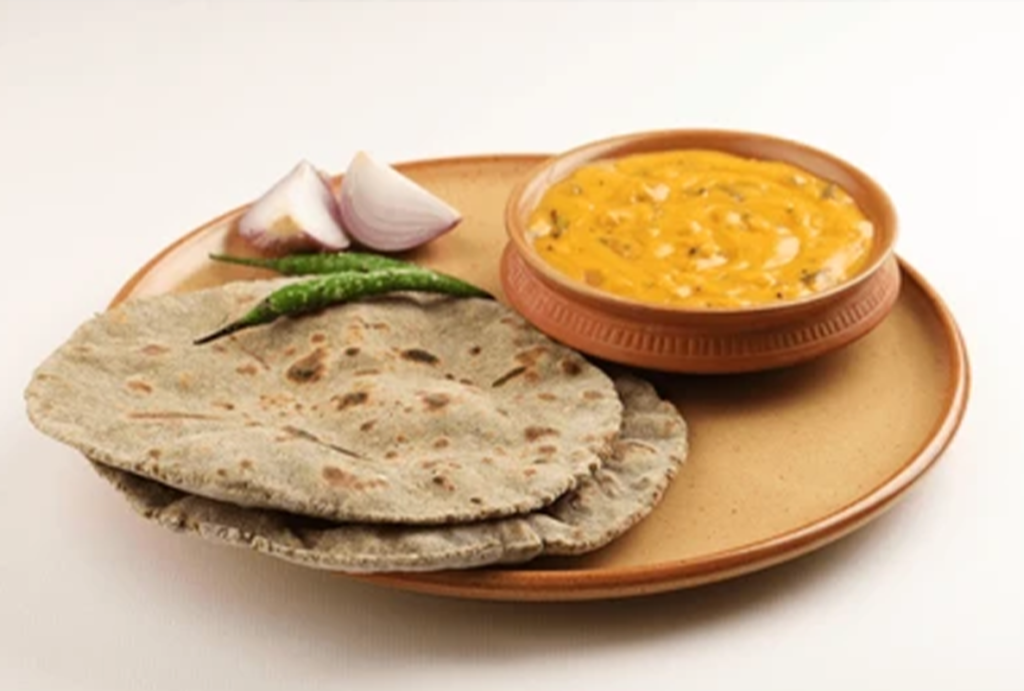
Ragi vs jowar vs wheat roti

Practical Tips: How to Start Ragi or Jowar Roti in Your Pakistani Kitchen

You do not need to overhaul your kitchen overnight. Here is how to make the switch gradually and actually enjoy it:

  • Start with a beginner mix — 70% whole wheat and 30% ragi or jowar atta. Increase the millet ratio slowly as you get used to the taste and texture
  • For softer rotis — add one teaspoon of oil or ghee per cup of flour and use warm water. Let the dough rest for 15 to 20 minutes before rolling
  • Boost the flavour — jeera, ajwain, crushed methi, or finely chopped green chilli all work well mixed into the dough
  • Portion guidance — aim for one to two medium rotis per meal, paired with plenty of sabzi and protein
  • Meal prep shortcut — make extra dough balls and freeze them. On busy days, thaw and roll — done

Sample day using millets:

  • Breakfast: Ragi porridge, dalia-style, with a handful of nuts
  • Lunch: Jowar roti with chicken bhuna and fresh salad
  • Dinner: Mixed millet roti with moong daal and bhindi

Frequently Asked Questions About Ragi vs Jowar vs Wheat Roti

Which is best — ragi vs jowar vs wheat roti for weight loss?

Ragi usually comes out on top because it has the highest fibre content and the lowest glycemic index. It keeps you fuller for longer and reduces cravings without making you feel deprived. That combination is very effective for sustainable weight loss.

Does ragi roti really help control blood sugar levels better than wheat?

Yes. Its glycemic index of 40 to 55, combined with polyphenols that slow glucose absorption, leads to steadier readings after meals. Many of my diabetic clients see a noticeable improvement in fasting sugar within a few weeks of regular use.

Is jowar roti completely gluten-free and safe for everyone?

Jowar is naturally gluten-free, yes. It is a solid choice for anyone with gluten intolerance. That said, if you are new to high-fibre foods, introduce it gradually. Going from low-fibre wheat to full jowar overnight can cause temporary bloating while your gut adjusts.

Can I eat wheat roti every day if I have diabetes?

You can, but mixing in millets four to five days a week will give you noticeably better glycemic control. Portion size and what you pair the roti with matters just as much as the flour itself.

Where can I buy good ragi and jowar atta in Pakistan?

Most major supermarkets carry them now — Imtiaz, Metro, and Al-Fatah in Lahore and Karachi. You can also order on Daraz. Look for stone-ground versions where possible, as they retain more nutrients than machine-milled flour.

How long until I see real benefits from switching flours?

Most clients notice better energy levels and reduced hunger within 7 to 14 days. Measurable improvements in weight loss and blood sugar control typically show up within 4 to 8 weeks — provided you stay consistent.
Ready to Upgrade Your Roti and Start Feeling Lighter?

Choosing a smarter flour is one of the simplest changes you can make for weight loss and stable blood sugar levels — without giving up roti or changing your whole lifestyle.

If you want a personalised plan built around your health goals, your daily routine, and real Pakistani meals, I am here to help.

📞 Call/WhatsApp: +92 300 0172509 📧 Email: hamzathedietitian@gmail.com 🌐 Visit: hamzathedietitian.com

Customised meal plans, ongoing support, and practical advice — designed for your life, not someone else’s. Book your consultation today.

Related reading:

  • Diabetes Diet Plan Pakistan
  • Diabetic Diet Food List

Final Thoughts on Ragi vs Jowar vs Wheat Roti

When you put ragi vs jowar vs wheat roti side by side, ragi takes the lead for weight loss and blood sugar control — its fibre content and low glycemic index are hard to beat. Jowar roti is a close second, especially for anyone who needs a gluten-free option or struggles with digestion. Wheat roti is still a solid everyday choice, but leaning on millets most of the week gives your body a real advantage.

The best roti is the one you will actually eat consistently. Start with one millet roti per day. Watch how your hunger changes, how your energy feels, how your readings shift. Small steps, done daily, add up faster than you think.

You have got this. One better roti at a time.

Stay consistent, stay healthy.

Hamza The Dietitian Lahore — Helping Pakistan eat smarter, feel better.
Diabetes diet plan Pakistan with balanced plate of Pakistani foods like dal, sabzi, and whole grain roti for controlling blood sugar levels - Hamza The Dietitian

Diabetes Diet Plan Pakistan: 6 Eating Patterns to Control Blood Sugar Levels

Let me be honest with you. Managing diabetes in Pakistan is hard — not because the disease itself is complicated, but because our entire food culture works against us. Roti at every meal. Meethi chai in the morning. Biryani at every wedding. And relatives who think you are being rude if you say no to dessert. I hear this from clients every single week. But here is something most people never tell you: you do not have to give all of that up. What you need is a diabetes diet that actually fits your life — not some Western meal plan built around foods you have never even heard of.

Pakistan has roughly 34.5 million adults living with diabetes, according to the International Diabetes Federation. That is the highest prevalence rate in the entire world at 31.4%. Those numbers are frightening. But they also mean millions of Pakistani families are figuring this out right now — and many of them are doing it with dal, sabzi, and whole grain roti.

This guide gives you 6 eating patterns that work. You will also get a practical diabetes diet chart, a diabetic diet food list built around Pakistani ingredients, and real meal ideas you can use starting today. Hamza has helped hundreds of clients in Pakistan manage their blood sugar levels without abandoning their culture — and this guide is built on that experience.

Why a Diabetes Diet Plan Pakistan Has to Be Different

Here is the problem with most diabetes diet advice online. It was written for someone in London or California. It assumes you have a fridge full of kale, that you eat alone, and that nobody is going to guilt-trip you for skipping the halwa.

That is not your reality.

Pakistani food is rich. It is cooked with love. It is shared. And yes, a lot of it — white rice, maida roti, fried snacks, sugary chai — can send your blood sugar levels through the roof if you are not careful.

A proper diabetes diet plan Pakistan does not ask you to become someone else. It asks you to make smarter choices within the food culture you already live in. Swap some things. Adjust portions. Build better habits — slowly, one meal at a time.

Hamza tells every new client the same thing: do not try to fix everything in one week. Pick two changes, do them consistently, and your body will respond. That approach works far better than a dramatic overhaul that lasts four days before you give up.

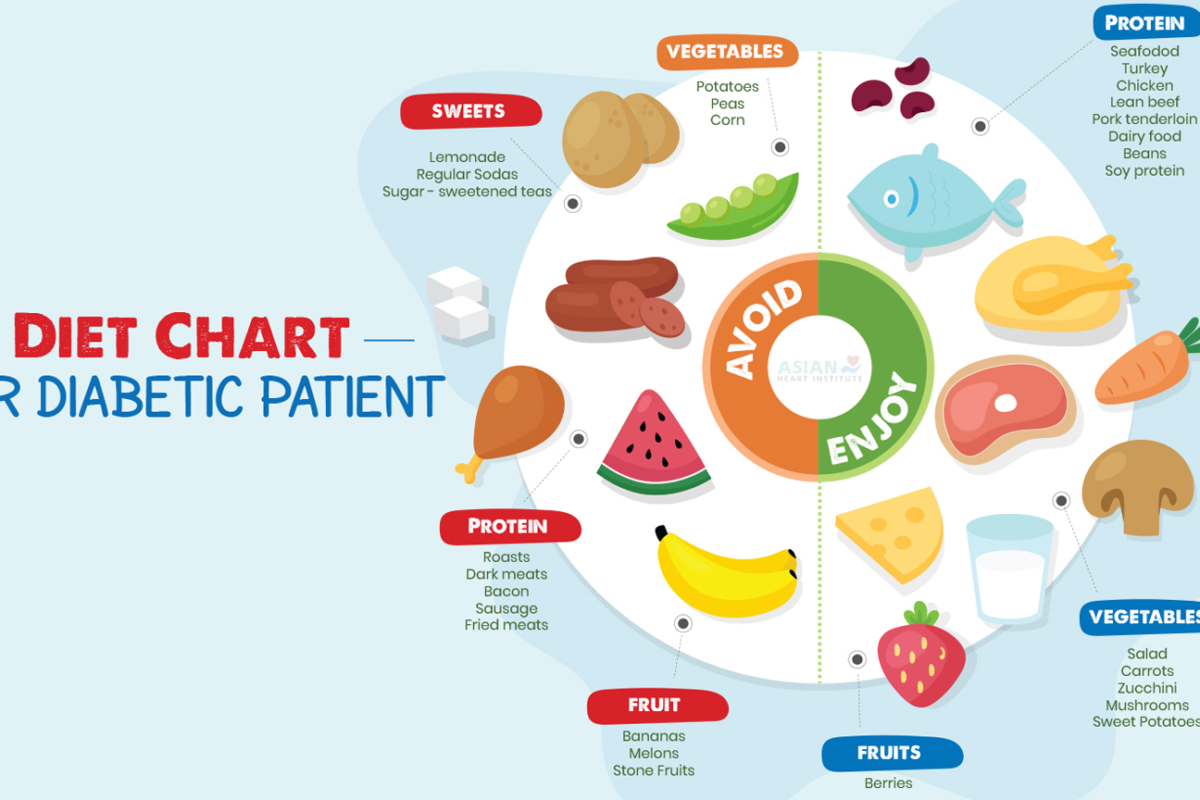
Infographic showing key principles of diabetes diet chart Pakistan using local foods - Hamza The Dietitian

The Foundation: What Every Good Diabetes Diet Chart Is Built On

Before the 6 patterns, there are three habits that sit underneath all of them. Get these right and every eating pattern becomes more effective.

Load Up on Vegetables — Especially These Pakistani Ones

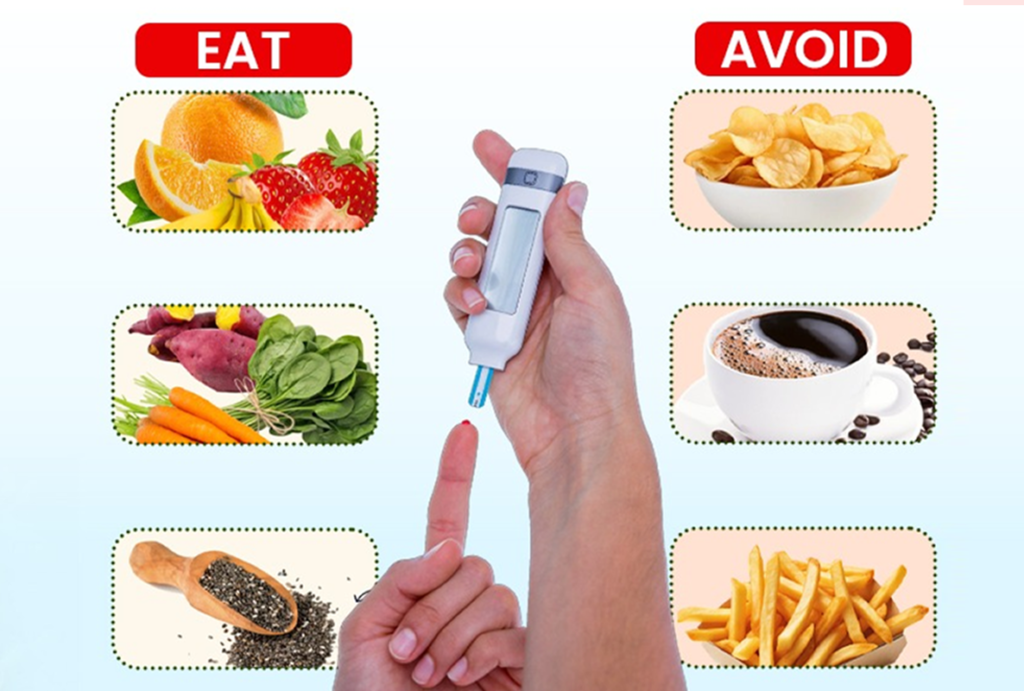
Bhindi, karela, tori, saag, cauliflower, shimla mirch. These are not just cheap and easy to cook — they are some of the best foods you can eat for glycemic control. High fibre slows digestion. Slow digestion means no sudden glucose spikes.

Dal and chana are in a category of their own. Affordable, filling, traditional, and genuinely excellent for blood sugar levels. If you eat dal only occasionally, start eating it daily. That one change alone makes a real difference.

Stop Fighting Carbs — Just Choose Smarter Ones

Nobody is asking you to quit roti. But switching from maida to jowar, bajra, or barley roti — even a few times a week — changes how your body handles that meal. Brown basmati instead of white rice does the same thing. These foods digest slower. Your blood sugar levels stay steadier. You feel full longer.

Your diabetic diet food list should always include:

  • Proteins: chicken, rohu or singhara fish, eggs, paneer, dal, besan
  • Healthy fats: olive oil, almonds, walnuts, mustard oil in moderation
  • Carbs to cut back on: white rice, sugary drinks, mithai, white bread, maida

Eat at Regular Times — and Do Not Skip Meals

Three proper meals and one or two small snacks, eaten at consistent times. That is the rhythm your body needs. Skipping breakfast and eating a massive lunch is one of the worst things you can do for glycemic control.

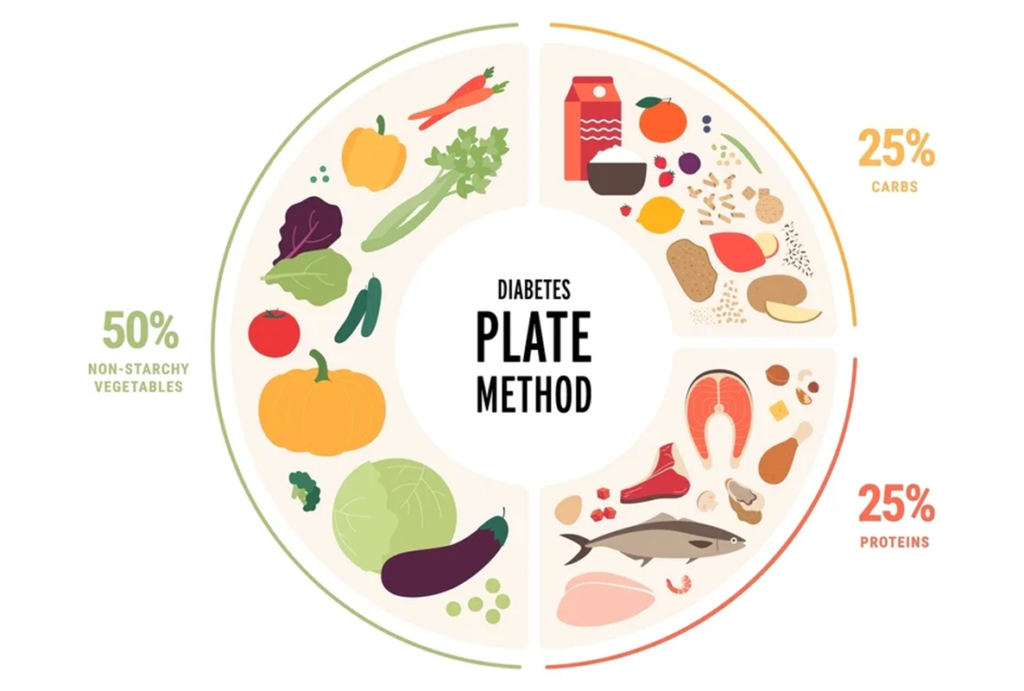
The plate method is simple and it works: half your plate gets vegetables, a quarter gets protein, a quarter gets whole grains. Drink water or zeera water instead of chai when you can.

1. Mediterranean Diet — The Gold Standard for Diabetes Diet Management

The Mediterranean diabetes diet is recommended by almost every major health organisation in the world — and it translates surprisingly well to Pakistani cooking.

It focuses on vegetables, healthy fats, whole grains, fish, and legumes. All of these reduce inflammation, improve insulin response, and help keep blood sugar levels stable throughout the day. No dramatic spikes. No mid-afternoon crashes.

You do not need imported ingredients. Here is how it looks in a Pakistani kitchen:

  • Cook with extra virgin olive oil — it is widely available now and works great in desi cooking
  • Base your meals on seasonal sabzis, grilled fish or chicken, and dal
  • Eat a small handful of nuts daily — almonds or walnuts work perfectly
  • Try a fresh salad with lemon dressing instead of heavy gravy a few times a week

Sample Day:

  • Breakfast: Besan chilla with spinach and tomatoes
  • Lunch: Grilled rohu with mixed sabzi and a small portion of barley
  • Dinner: Chickpea salad with olive oil, cucumber, and low-fat mint raita

2. Low-Carbohydrate Diet — Fast Results for High Blood Sugar Levels

If your readings are consistently high, a low-carbohydrate diet is often the fastest way to bring them down. A meta-analysis in Frontiers in Nutrition confirmed that cutting refined carbs significantly improved HbA1c and fasting glucose in people with type 2 diabetes.

This does not mean eating plain boiled food forever. It means being selective. More vegetables, more protein, more healthy fats — and less roti, less rice, less sugar.

Pakistani meals that work well here:

  • Egg bhurji with extra vegetables — skip the paratha
  • Chicken tikka with salad instead of naan
  • Paneer bhurji with sauteed sabzi
  • Cauliflower rice as an occasional swap when you are craving something rice-like

Sample Day:

  • Breakfast: Omelette with spinach, tomatoes, green chilli
  • Lunch: Grilled chicken with bhindi and cucumber raita
  • Snack: Almonds or plain Greek yogurt

3. DASH Diet — When Diabetes and Blood Pressure Come Together

A huge number of Pakistani diabetics also have high blood pressure. If that sounds like you, the DASH diet was practically made for your situation.

DASH stands for Dietary Approaches to Stop Hypertension. It was originally built for blood pressure management, but the American Diabetes Association endorses it for glycemic control as well. It pushes fruits, vegetables, whole grains, lean proteins, and low-fat dairy — while cutting sodium and processed foods hard.

Easy swaps for your kitchen:

  • Less salt in curries, more garlic, ginger, and herbs for flavour
  • Daily dahi — which most Pakistani families already eat, so this is an easy win
  • Apples, guava, or a handful of berries instead of biscuits or namkeen as snacks

Sample Day:

  • Breakfast: Small whole-wheat paratha with low-fat dahi and cucumber
  • Lunch: Masoor dal with mixed vegetables and a small portion of brown rice
  • Dinner: Baked chicken with saag and salad

4. Plant-Based — One of the Best Natural Tools for Insulin Sensitivity

Plant-based does not mean you have to stop eating meat entirely. It just means most of your meals are built around vegetables, legumes, whole grains, and nuts — with less animal protein overall.

Research in the Journal of Geriatric Cardiology found that plant-based eating improves insulin sensitivity and lowers type 2 diabetes risk significantly. The reason is fibre — it slows glucose absorption and supports better glycemic control over time.

The beautiful thing about Pakistani cuisine is that it is already halfway there. Dal, chana, sabzi, besan — these are plant-based foods sitting at the centre of our food culture. You do not have to reinvent anything.

Plant-based diabetic diet food list Pakistan with dal, vegetables and whole grains - Hamza The Dietitian

Sample Day:

  • Breakfast: Moong dal cheela with mint chutney
  • Lunch: Mixed vegetable curry with jowar roti and fresh salad
  • Dinner: Chana masala with extra greens on the side

5 & 6. Paleo and Low-GI — Flexible Options That Fit Any Diabetes Diet Plan Pakistan

These two patterns are different in theory but often look very similar on the plate. Many people combine them — and it works well.

Paleo cuts out grains, sugar, and processed food entirely. You eat lean meats, fish, vegetables, fruits, nuts, and seeds. A study in the Journal of Diabetes Science and Technology found improvements in blood sugar levels, weight, and blood pressure among people who followed it consistently.

Low-GI is simpler. It just means choosing foods that digest slowly and do not spike glucose sharply. Lentils, most vegetables, whole grains, and most fruits all qualify. Hamza often recommends this as the starting point for new clients because it does not require you to overhaul your entire kitchen — just make one smarter swap per meal.

Pakistani-friendly versions:

  • Paleo: lettuce wraps instead of roti for kebabs, double the sabzi, skip the rice
  • Low-GI: daily dal, non-starchy vegetables, whole grains in moderate portions

Sample Low-GI Meal: Ragi roti with chicken curry and a large fresh salad

Frequently Asked Questions About Diabetes Diet Plan Pakistan

What diabetes diet chart should a beginner follow in Pakistan?

Start simple. Half your plate gets vegetables. A quarter gets protein. A quarter gets whole grains. Follow that for one week and track how your blood sugar levels respond. Consistency matters far more than complexity at the beginning.

What goes on a Pakistani diabetic diet food list?

Karela, bhindi, dal, saag, eggs, chicken, rohu fish, almonds, and low-fat dahi. These are affordable, easy to find, and genuinely effective for blood sugar levels and glycemic control.

Is a low-carbohydrate diet safe for the long term?

Yes — as long as you balance it with plenty of vegetables and healthy fats. The mistake most people make is cutting carbs but loading up on saturated fat. Hamza can build you a balanced plan that avoids that trap.

Can I follow a plant-based diabetes diet and still eat traditional Pakistani food?

Without question. Dal, chana, sabzi, and besan dishes are the heart of Pakistani cooking — and they are exactly what a plant-based diabetes diet is built around. You are not giving anything up. You are just putting these foods at the centre of your plate more deliberately.

How long before I see better blood sugar levels?

Most people notice a real difference within 2 to 4 weeks of eating consistently. Add a 20-minute walk after meals and the results come even faster. Progress is never perfectly linear — but it does come.

Do I need special ingredients for these diabetes diet patterns?

No. Olive oil, whole grains, and extra vegetables are available at any local market. Everything in this guide is built around what is already accessible in Pakistan. Start with what you have.

 Sample one-day diabetes diet chart Pakistan for blood sugar control - Hamza The Dietitian

Book a Consultation — Get a Diabetes Diet Plan Pakistan Made for You

Reading this guide is a great start. But a personalised plan built around your specific health numbers, your schedule, and your family’s kitchen is a different thing entirely.

Hamza works with clients across Pakistan to build diabetes diet plans that are practical, culturally grounded, and actually sustainable. No generic templates. No advice copied from a Western textbook. Real guidance, for real Pakistani life.

📞 Call/WhatsApp: +92 300 0172509 📧 Email: hamzathedietitian@gmail.com 🌐 Visit: hamzathedietitian.com

Conclusion: The Best Diabetes Diet Is the One You Can Keep

There is no single perfect eating pattern for everyone. What matters is finding an approach that fits your body, your culture, and your daily life — and sticking with it long enough to see results.

Whether you go with the Mediterranean style, a low-carbohydrate diet, DASH, plant-based eating, or simply start with low-GI swaps, all six of these patterns work when followed consistently. You now have a diabetes diet chart, a diabetic diet food list for Pakistani kitchens, and six clear paths forward.

Pick one. Start with your next meal. And if you want someone to walk this journey with you, Hamza is one message away.

Progress, not perfection. That is the only standard that actually matters.

Diabetes

Diabetes: Early Symptoms, Causes, and Types 1 & 2 Explained

Introduction

Let’s talk about diabetes—a condition that affects millions of people worldwide. It’s a chronic illness where your body struggles to process sugar properly. Think of it this way: when you have diabetes, your blood sugar levels stay too high because something’s off with how your body makes or uses insulin.

Now, why should you care? Because if blood sugar isn’t kept in check, it can mess with your heart, eyes, kidneys, nerves, and blood vessels over time. The good news? Understanding what diabetes actually is, knowing what early symptoms to look for, and learning the real difference between type 1 and type 2 diabetes can help you catch it before things get serious.

What Is Diabetes, Really?

Here’s the deal: diabetes means your blood sugar levels stay elevated way longer than they should. Your body runs on sugar—it’s like fuel for your cells. You get this sugar from everything you eat.

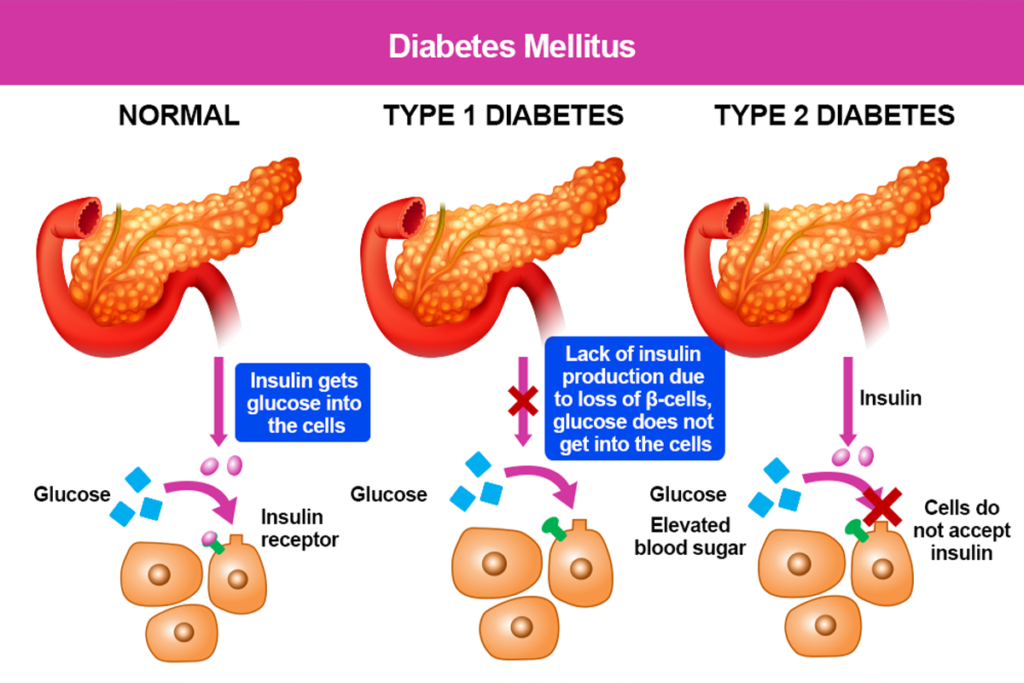
Now, there’s this hormone called insulin that acts like a key. It opens up your cells so sugar can get inside and give you energy. But when you have diabetes, one of two things happens: either your body doesn’t make enough insulin, or your cells ignore the insulin that’s there. Either way, sugar gets stuck in your bloodstream instead of powering your body.

There are different kinds of diabetes out there, but type 1 diabetes and type 2 diabetes are the big ones everyone talks about. Both mess with your blood sugar and can cause real health problems, but here’s the thing—they’re actually pretty different in how they start, who gets them, and how you deal with them.

What Are the Early Symptoms of Diabetes?

Early symptoms of diabetes can be sneaky. They don’t always scream “Hey, something’s wrong!” Most of the time, they show up gradually, and people think they’re just stressed, tired, or getting older. But your body is actually trying to tell you that your blood sugar levels aren’t right.

Catching these symptoms early? That’s huge. It can save you from some really nasty complications down the road.

10 Warning Signs You Shouldn’t Ignore

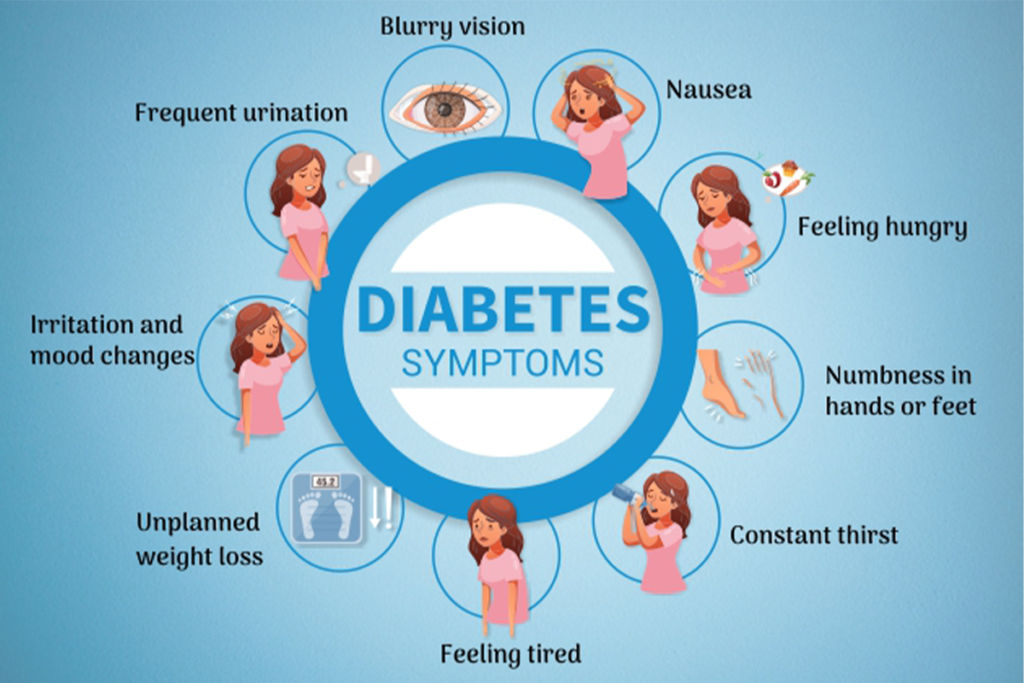
Watch out for these common signs of diabetes:

  • Peeing all the time – especially at night when you should be sleeping
  • Constant thirst – you drink water, but you’re still thirsty
  • Always tired – even when you’ve slept enough
  • Hungry soon after eating – like you didn’t just have a meal
  • Losing weight without trying – happens more with type 1 diabetes
  • Blurry vision – things look fuzzy or out of focus
  • Slow healing – cuts and bruises stick around longer than normal
  • Getting infections often – skin problems, gum issues, UTIs
  • Tingling or numbness – usually in your hands and feet
  • Mood swings – feeling irritable or having trouble concentrating

Got several of these happening at once? Don’t brush it off. Make an appointment and ask your doctor for a blood sugar test.

Early Signs Women Should Know About

Women deal with the same early symptoms of diabetes as men, but there are a few extra things that show up more often in women.

You might get yeast infections down there repeatedly, or UTIs that keep coming back. Some women notice vaginal itching, discomfort, or even pain during sex. When these happen alongside the usual suspects—extreme thirst, constant fatigue, or frequent bathroom trips—it could be early diabetes trying to get your attention. Don’t ignore it.

Diabetes

Understanding the Different Types of Diabetes

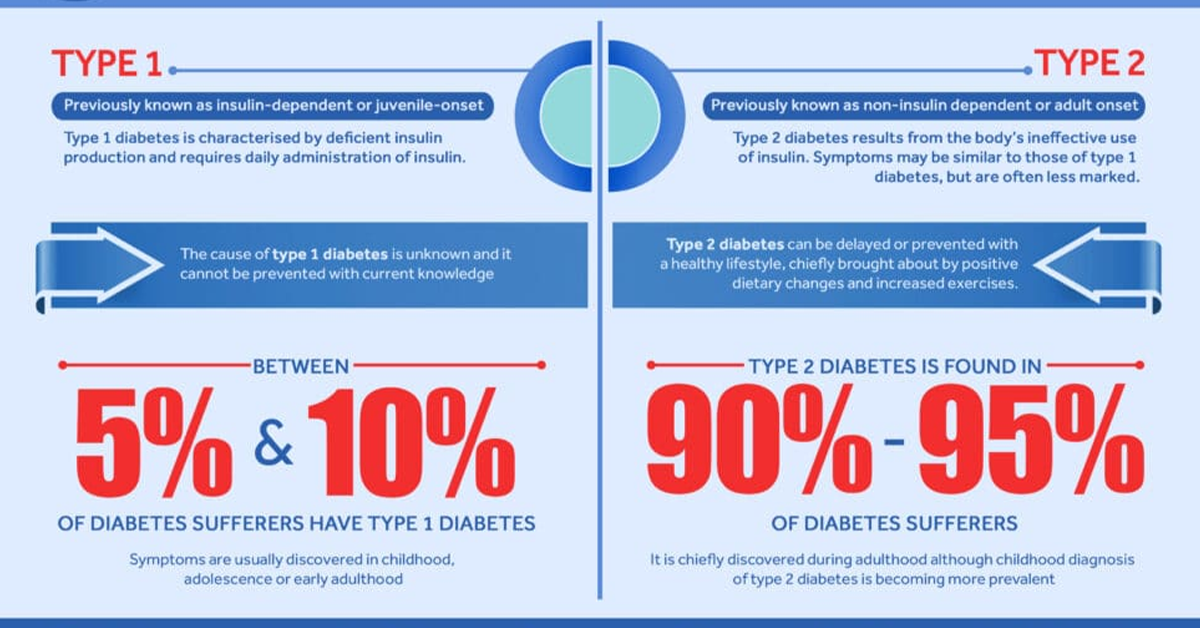
The two main types of diabetes are type 1 diabetes and type 2 diabetes. Yeah, they both involve blood sugar levels that are too high, but that’s pretty much where the similarities end. They happen for totally different reasons and need completely different game plans.

Type 1 Diabetes: What Causes It?

Type 1 diabetes is basically your immune system going rogue. For some reason, it decides that the cells in your pancreas making insulin are the enemy, and it attacks them. So your pancreas ends up making little to no insulin, which sends your blood sugar levels skyrocketing if you don’t get treatment fast.

This type usually shows up in kids, teens, or young adults—though honestly, it can pop up at any age.

What triggers it? Scientists aren’t completely sure yet. It seems like genetics play a role, and maybe something in the environment or a virus flips the switch. But here’s what you need to know: type 1 diabetes has nothing to do with what you eat, how much you exercise, or your weight. You can’t prevent it through lifestyle changes.

Type 2 Diabetes: The Common One

Type 2 diabetes is the kind most people have. With this version, your body becomes resistant to insulin—kind of like when you keep knocking on a door and nobody answers. Or sometimes, your pancreas just doesn’t pump out enough insulin to keep your blood sugar levels where they should be.

The tricky part? Blood sugar rises slowly with type 2 diabetes. People can walk around with it for years—literally years—without knowing.

Here’s who’s most at risk:

  • Carrying extra weight – especially around your belly
  • Not moving enough – being a couch potato isn’t doing you any favors
  • Eating junk regularly – fast food and processed stuff for years takes a toll
  • Family history – if your parents or siblings have type 2 diabetes, you’re more likely to get it too
  • Getting older – though younger people are getting it more now
  • Had gestational diabetes – or you had a baby over 9 pounds

But here’s some good news: type 2 diabetes is often preventable. Even if you have prediabetes, changing your lifestyle can delay it or stop it completely.

Spotting the Symptoms of Type 1 and Type 2 Diabetes

Both types share a lot of the same symptoms, but timing is everything. Type 1 diabetes hits you like a truck—fast and hard. Type 2 diabetes? It’s more like a slow leak you don’t notice until there’s a puddle.

What Type 1 Diabetes Feels Like

If you’ve got type 1 diabetes, you’ll probably notice:

  • Intense, sudden thirst and running to the bathroom constantly
  • Rapid weight loss even though you’re eating normally
  • Exhaustion that makes you feel weak
  • Blurry vision that comes on quickly
  • Nausea or stomach pain in some cases

Sometimes, the first clue someone has type 1 diabetes is when they end up in the ER with diabetic ketoacidosis (DKA). This is serious business—your body starts producing dangerous levels of ketones. You’ll breathe really fast, your breath might smell fruity, and you could get confused. Without quick treatment, it can be deadly.

What Type 2 Diabetes Feels Like

With type 2 diabetes, watch for:

  • Increased thirst and peeing more often than usual
  • Constant tiredness that won’t quit
  • Vision problems that develop gradually
  • Wounds that won’t heal – cuts and sores just hang around
  • Frequent infections – especially skin issues or UTIs
  • Numbness or tingling in your hands and feet that gets worse over time

Here’s the kicker: a lot of people with type 2 diabetes don’t feel anything wrong at all. They find out by accident during a regular checkup.

Diabetes Symptoms

Type 1 vs Type 2 Diabetes: What’s the Real Difference?

People search “type 1 vs type 2 diabetes” all the time because it’s genuinely confusing. Both involve high blood sugar and serious health risks, but they’re different beasts when you look at what causes them, how they develop, and what you do about them.

The Causes: Type 1 vs Type 2

Type 1 diabetes:

  • Your immune system attacks insulin-making cells (autoimmune disease)
  • Usually starts when you’re young—kid, teen, or young adult
  • Lifestyle doesn’t cause it

Type 2 diabetes:

  • Your body resists insulin or doesn’t make enough (metabolic issue)
  • More common in adults, but young people are getting it more
  • Lifestyle, weight, and genetics all play a big role

How They Show Up

Type 1 diabetes shows up fast with scary, obvious symptoms. Type 2 diabetes creeps up slowly and might hide for years before anyone notices.

Getting Diagnosed

Doctors use the same blood tests for both—fasting blood glucose, HbA1c, or an oral glucose tolerance test. With Type 1 diabetes, your blood sugar is usually crazy high when you’re diagnosed. Type 2 diabetes often gets caught during routine blood work when you’re not even looking for it.

How You Treat Each One

Type 1 diabetes treatment:

  • You need insulin every single day for the rest of your life—shots or a pump
  • Check your blood sugar multiple times daily
  • Watch what you eat and stay active

Type 2 diabetes treatment:

  • Start with lifestyle changes—eat better, move more
  • Might add pills if needed
  • Some people eventually need insulin too if blood sugar stays high

Which One Is Worse?

Honestly? Neither is “worse.” They’re just different. Type 1 diabetes is immediately life-threatening without insulin. Type 2 diabetes is way more common and often flies under the radar for too long, which lets complications build up. Both need serious attention.

Can You Cure or Prevent Diabetes?

Straight answer? There’s no cure for diabetes right now—neither type 1 nor type 2.

Type 1 diabetes can’t be prevented. But getting diagnosed early and starting insulin treatment right away prevents a lot of the scary complications.

Type 2 diabetes? Different story. You can often prevent it or push it way down the road by:

  • Staying at a healthy weight – even losing 5-10% of your body weight helps
  • Moving your body regularly – doesn’t have to be crazy, just consistent
  • Eating real food – cut down on processed junk
  • Getting screened if you’re at risk – catch blood sugar problems early

When Should You Actually See a Doctor?

Don’t wait if you’re experiencing multiple diabetes symptoms at the same time. We’re talking: crazy thirst, constant peeing, feeling wiped out all the time, vision going blurry, or wounds that won’t heal.

Even if you feel fine, see a doctor if you’ve got risk factors—you’re overweight, your family has diabetes, you’re over 45, or you had gestational diabetes before. Getting screened regularly can catch problems before they become serious.

Final Thoughts

Diabetes is everywhere these days, but that doesn’t mean you should take it lightly. Left alone, it quietly damages your body in ways you won’t notice until it’s harder to fix.

The key? Pay attention to early symptoms. Understand how type 1 and type 2 diabetes are different. Get tested when you need to. Take control early, and you can avoid a lot of the long-term mess that comes with uncontrolled blood sugar.

Your health is in your hands—literally. Don’t wait until something feels seriously wrong. By then, diabetes might have already been working behind the scenes for years.

 Book a consultation with Dietitian Hamza Javed:

Bring your recent lab work and ultrasound results. Get a clear, step-by-step plan to balance your hormones and take control of your health.

📞 Call/WhatsApp: 0300 0172509
📧 Email: hamzathedietition@gmail.com

Stop guessing. Get a real plan. See actual results.