• Online Consultation Available
  • Mon–Sat: 9am to 6pm

Tag Archives: clinical dietitian in Lahore

Drug–Nutrient Interactions

Drug–Nutrient Interactions: Safe Eating with Medicines

You take your blood pressure tablet every morning. You’re careful with your diabetes medicine. You never skip your thyroid pill. You’re doing everything right.But here’s what your doctor probably didn’t have time to explain: that cup of tea you’re drinking with your iron supplement? It’s basically canceling out the whole thing. That grapefruit juice with breakfast? It might be making your cholesterol medicine work too strongly—dangerously so. Nobody tells you this stuff. You get your prescription, maybe a quick “take with food” or “take on empty stomach,” and that’s it. Meanwhile, every meal you eat is either helping your medicines work better… or quietly sabotaging them. These hidden battles happening inside your body? They’re called Drug–Nutrient Interactions, and honestly, they’re way more common than most people realize.

If you’re taking medicines daily for diabetes, blood pressure, heart disease, kidney problems, or pretty much any chronic condition, you need to know about this. Not just to make your medicines work better—but to protect yourself from side effects and nutrient deficiencies that can sneak up on you over months and years.

Let me break this down in a way that actually makes sense.

What Are Drug–Nutrient Interactions?

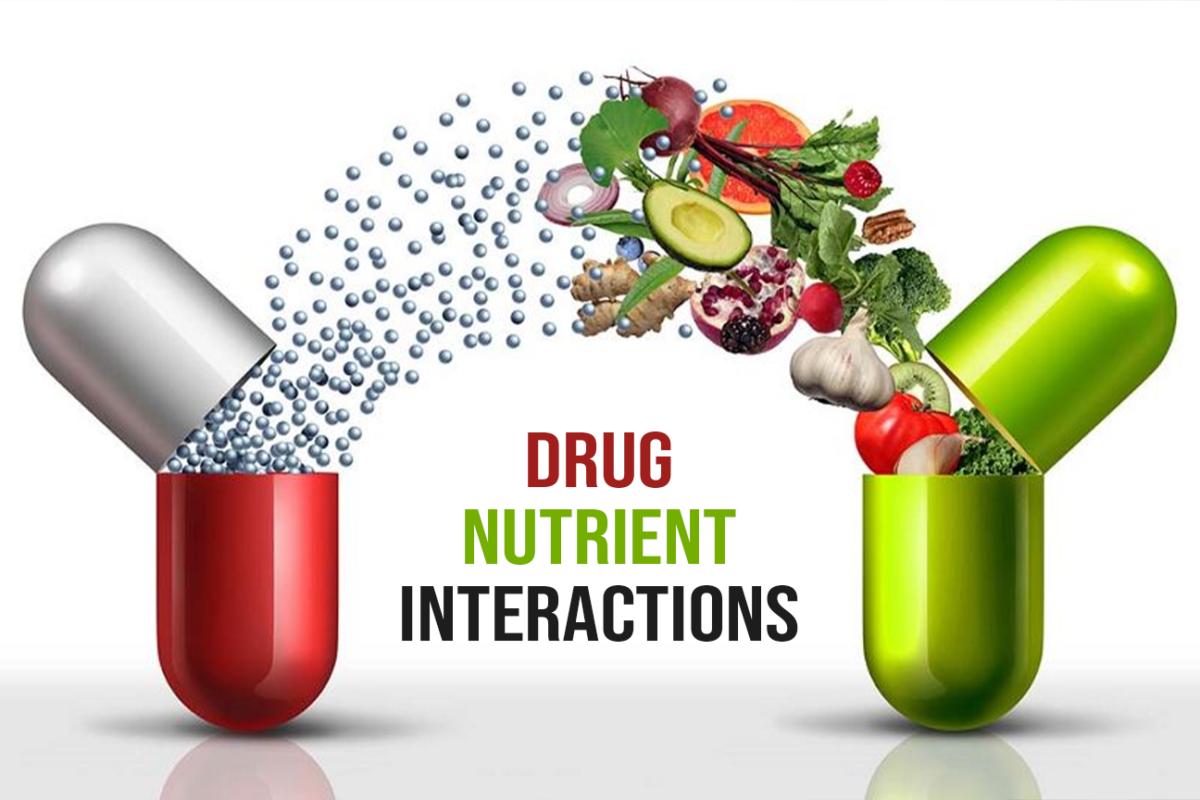
Drug–Nutrient Interactions happen when your medicine and something you eat or drink start interfering with each other inside your body.

Think of it like this:

  • Sometimes food blocks your medicine from getting absorbed properly
  • Sometimes it makes your medicine work TOO strongly
  • Sometimes your medicine steals nutrients from your body over time

In simpler terms:

Food can mess with your medicine – making it weaker or stronger than it should be

Medicine can mess with your nutrition – slowly draining vitamins and minerals you need

Some of these Medication and Food Interactions are minor. Others? They can cause serious problems—poor disease control, dangerous side effects, or long-term deficiencies that make you feel exhausted, weak, or sick.

This is exactly why people on long-term treatment need proper guidance about food AND medicines together. Not separately. Together.

Why This Actually Matters (More Than You Think)

Your Medicine Might Not Be Working—Because of Food

Ever felt like “my medicine isn’t working” even though you take it regularly and the dose seems right?

The problem might not be the medicine. It might be what you’re eating with it.

If food is blocking absorption, you’re essentially taking a lower dose than prescribed. Your blood pressure stays high. Your blood sugar won’t come down. And your doctor keeps increasing your dose when the real problem is timing and food.

This is especially critical for:

  • Blood pressure medicines
  • Blood thinners (anticoagulants)
  • Diabetes medicines
  • Cholesterol drugs
  • Thyroid medicines
  • Seizure medications

Your Medicine Might Be Stealing Your Nutrients

Here’s what most doctors don’t have time to explain: some medicines, when taken for months or years, slowly drain specific nutrients from your body.

You won’t notice it immediately. But over time?

  • Constant fatigue
  • Weak, brittle bones
  • Anemia (low iron)
  • Nerve problems
  • Poor immunity
  • Brain fog

Common examples of Food–Drug Interactions affecting nutrients:

Acid-suppressing medicines (PPIs) – Used for acidity and reflux → Reduce vitamin B12, magnesium, and calcium over time

Metformin – Used for diabetes → Affects vitamin B12 absorption

Diuretics – “Water tablets” for blood pressure → Lower potassium, magnesium, and sodium

Long-term steroids – For inflammation, asthma, autoimmune diseases → Mess with calcium, vitamin D, and protein balance

If you’ve been taking any of these for years and feeling increasingly tired or weak, this could be why.

Types of Drug–Nutrient Interactions You Should Know

1. Food Affecting How Your Medicine Gets Absorbed

Some medicines work best on an empty stomach. Others need food to work properly. Food can:

  • Delay how fast the medicine enters your blood
  • Reduce the total amount absorbed
  • Sometimes increase absorption way too much

Real examples:

Antibiotics + Calcium – Certain antibiotics (like tetracyclines) don’t work well if taken with milk or calcium-rich foods. The calcium literally binds to the drug and prevents absorption.

Thyroid medicine + High-fiber food or coffee – Your thyroid pill won’t absorb properly if you take it with a heavy breakfast or coffee right after. This is why doctors say “take on empty stomach, wait 30-60 minutes before eating.”

2. Food Changing How Strongly Your Medicine Works

Some foods change how fast your liver breaks down medicines. This can make drug levels:

  • Too high (toxic, dangerous)
  • Too low (ineffective)

The classic example: Grapefruit juice

Grapefruit (and pomelo) can dangerously increase levels of certain:

  • Cholesterol medicines (statins)
  • Blood pressure medicines
  • Some heart medications

Even one glass can affect your medicine for 24-72 hours. If you’re on these medicines, it’s safer to just avoid grapefruit completely.

3. Medicines Changing Your Nutrient Levels

Many long-term medicines slowly change your nutritional status without you realizing it.

Examples:

Acid-blocking medicines (omeprazole, pantoprazole) → Lead to low vitamin B12 over years → Can also affect magnesium and calcium

Metformin (diabetes medicine) → Reduces vitamin B12 absorption → About 10-30% of long-term users develop B12 deficiency

Diuretics (lasix, hydrochlorothiazide) → Flush out potassium, magnesium, sodium → Can cause muscle cramps, weakness, irregular heartbeat

Steroids (prednisolone, dexamethasone) → Weaken bones by affecting calcium and vitamin D → Increase protein breakdown
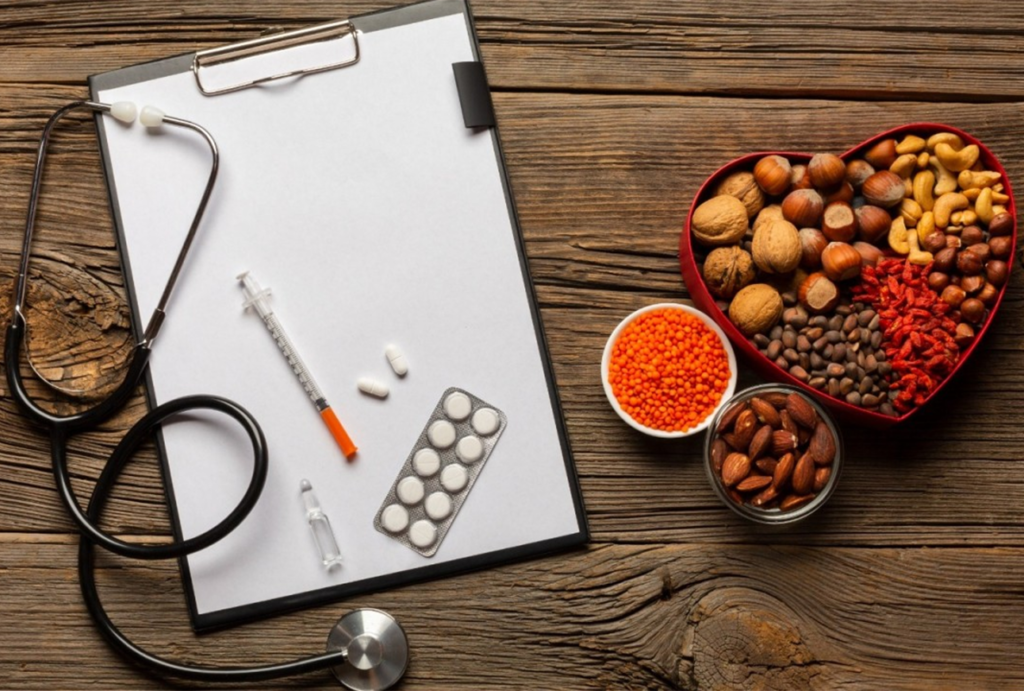
Types of Drug–Nutrient Interactions

Real-Life Examples Everyone Should Know

Tea, Coffee, and Your Iron Supplement

You’re taking iron tablets for anemia. You drink chai with breakfast. Your iron levels aren’t improving.

Here’s why: tea and coffee contain compounds (tannins) that grab onto iron and stop it from being absorbed.

What to do:

  • Keep at least 1-2 hours gap between iron tablets and tea/coffee
  • Take iron with vitamin C-rich foods (lemon water, orange, amla) to boost absorption
  • Best time for iron: morning on empty stomach with plain water + vitamin C

Leafy Greens and Blood Thinners (Warfarin)

If you’re on warfarin or similar blood thinners, you’ve probably been told to “watch your greens.”

Here’s what’s actually happening: foods like spinach (palak), kale, and other leafy greens are super high in vitamin K. Vitamin K helps your blood clot—which is exactly what warfarin is trying to prevent.

But here’s the trick: You don’t need to avoid these foods completely. You just need consistency.

The right approach:

  • Eat a similar amount of leafy greens every week
  • Don’t suddenly go from “zero spinach” to “palak paneer every day”
  • If you want to change your intake, tell your doctor—they might need to adjust your dose

Sudden big changes mess with your INR levels (the test that monitors warfarin).

Acid Medicines and Nutrient Drain

Millions of people in Pakistan take PPIs (proton pump inhibitors) like omeprazole, pantoprazole, or esomeprazole for acidity, reflux, or gastric issues.

Short-term? They’re fine.

Long-term (months to years)? They reduce stomach acid so much that your body can’t absorb:

  • Vitamin B12 (needs acid to separate from food)
  • Magnesium
  • Calcium (affects bone health)

If you’re on long-term PPIs:

  • Ask your doctor if you still need them (many people stay on them way longer than necessary)
  • Eat nutrient-dense foods
  • Consider getting your B12 and magnesium levels checked yearly
  • Discuss bone health if you’ve been taking them for years

Calcium and Your Thyroid Medicine

Taking levothyroxine for hypothyroidism? Don’t take it with:

  • Calcium supplements
  • Iron supplements
  • Antacids
  • Dairy products (milk, yogurt)

These all interfere with absorption. Your thyroid medicine should be taken:

  • On empty stomach
  • With plain water
  • 30-60 minutes before breakfast
  • At least 4 hours apart from calcium/iron supplements

This is why morning-first-thing is usually the best time.

How a Clinical Dietitian Can Actually Help

Most doctors prescribe medicines and give basic “take with food” instructions. But if you’re on multiple medicines for multiple conditions? You need someone who looks at the whole picture.

That’s where a clinical dietitian for Drug–Nutrient Interactions comes in.

What a Dietitian Reviews:

During a consultation, a dietitian will:

  • Go through your FULL medicine list (prescription, over-the-counter, supplements, herbal stuff)
  • Ask about your meal timing, food preferences, cultural eating patterns
  • Identify specific Food–Drug Interactions that match YOUR routine
  • Design a meal plan and timing strategy that protects both medicine effectiveness and nutritional status

It’s not just about “eat healthy.” It’s about:

  • Taking your diabetes medicine at the right time with the right food
  • Spacing out your supplements so they don’t interfere
  • Making sure long-term medicines aren’t silently draining nutrients
  • Adjusting your diet if you’re on medicines that affect potassium, sodium, or other minerals

For Chronic Disease Patients

If you have diabetes, kidney disease, heart problems, high blood pressure, or fatty liver—and you’re taking multiple medicines daily—proper management of Drug–Nutrient Interactions can:

✓ Improve blood sugar and blood pressure control ✓ Reduce side effects and emergency hospital visits ✓ Support better energy levels and quality of life ✓ Prevent long-term nutrient deficiencies ✓ Help you actually feel better, not just manage numbers
Practical Tips You Can Start Using Today

General Timing Rules

While exact instructions depend on each medicine, these general tips help most patients:

Read the label properly – If it says “take on empty stomach” or “take with food,” that’s not a suggestion. Follow it.

Create a routine – Take medicines at the same time each day with similar meal patterns. This keeps drug levels stable.

Keep a medicine list – Write down EVERYTHING you take (including vitamins, herbal products, supplements). Bring this to every doctor and dietitian visit.

Don’t mix supplements – Just because they’re “natural” doesn’t mean they’re safe to combine. Iron + calcium at the same time? Bad idea. Ginkgo biloba + blood thinners? Dangerous.

Know Your Specific Medicines

For diabetes medicines:

  • Some work better with meals, others on empty stomach
  • Ask specifically about timing for each medicine you take

For blood pressure medicines:

  • Some are better morning, some better evening
  • Grapefruit is usually a no-go
  • Watch your salt and potassium based on which type you’re taking

For thyroid medicine:

  • Always first thing in the morning, empty stomach
  • Wait 30-60 minutes before eating
  • No coffee, tea, or calcium for at least 30 minutes

For cholesterol medicine (statins):

  • Avoid grapefruit juice
  • Some work better at night (ask your doctor)
  • Can be taken with or without food (usually)

When to Get Professional Help

Contact your doctor or dietitian if you notice:

  • New stomach problems, extreme tiredness, dizziness, or unusual bruising after starting a medicine
  • Big changes in appetite or weight
  • Confusion about medicine timing
  • Taking 5+ medicines daily and not sure how to space them

Important: Never stop or change any medicine on your own because of something you read online (including this blog). Always confirm with your doctor or clinical dietitian in Lahore first.

Time to Get Your Food and Medicine Working Together

Drug–Nutrient Interactions are super common. But with the right guidance, they’re totally manageable.

When you understand how food and medicines affect each other, you protect both your treatment results AND your long-term health.

If you’re taking daily medicines for diabetes, blood pressure, heart disease, kidney problems, or stomach issues—and you’ve never had someone look at your food and medicines together—this is your sign.

Book Your Consultation Today

Stop guessing. Stop feeling like your medicines aren’t working right or dealing with weird side effects you can’t explain.

Get a personalized plan that keeps your food enjoyable and your medicines effective at the same time.

Dietitian Muhammad Hamza Javed (Hamza The Dietitian) specializes in managing Medication and Food Interactions for chronic disease patients.

Bring your prescription list and supplement list. Get clear answers about:

  • When to take each medicine
  • What foods to avoid or include
  • How to prevent nutrient deficiencies from long-term medicines
  • How to make everything work together in your daily routine

📞 Call/WhatsApp: 0300-0172509
📧 Email: hamzathedietition@gmail.com

Book your online diet consultation and start eating safely with your medicines—not against them.

Best Dietitian in Lahore –

Best Dietitian in Lahore – Muhammad Hamza Javed

Ever feel like you’ve been down every weight loss rabbit hole on the internet? Tried keto, tried intermittent fasting, maybe even that weird cabbage soup thing your aunt swore by? And here you are, back at square one, searching for someone who actually understands what you’re going through. Finding the Best Dietitian in Lahore for weight loss shouldn’t feel this hard. You don’t need another generic meal plan that looks like it was made for someone in California, not Lahore. You need someone who gets Pakistani food culture, your medical situation, and your actual daily life.

Enter Muhammad Hamza Javed—a registered clinical dietitian in Lahore who ditches the one-size-fits-all approach. Diabetes? Kidney issues? Just want to finally lose that stubborn weight? He’ll design something that works for you, not some imaginary perfect patient.

Best part? Whether you’re in Gulberg or stuck in Karachi traffic, his online diet consultation in Pakistan means you can get real help without leaving your house.

Who Is Muhammad Hamza Javed?

Okay, real talk. Anyone can print business cards that say “nutritionist.” I’ve seen people do weekend courses and suddenly they’re “certified experts.”

Hamza’s not that guy.

When you search nutritionist in Lahore near me, you’ll find plenty of options. But how many of them have actually worked in hospital ICUs? How many have managed dialysis patients where one wrong food choice could land someone back in the ER?

Hamza graduated from the University of Lahore with a Bachelor’s in Dietetics and Nutritional Sciences (2020–2025). But the real education? That happened in the hospitals—Social Security Hospital, Sir Ganga Ram, University of Lahore Teaching Hospital.

He wasn’t just following senior doctors around with a clipboard. He was assessing patients, decoding lab reports that look like hieroglyphics to most people, and creating diet plans for folks with genuinely complicated medical situations.

What makes him different as a clinical dietitian in Lahore? Simple. He’s not selling you a quick fix. No “lose 10kg in 10 days” nonsense. He’s about evidence-based nutrition and actually helping you build habits that stick around longer than your New Year’s resolutions.

What Does This Dietitian in Lahore Actually Treat?

Diet Plans for Diabetes, Hypertension, and Obesity

Let me guess—your doctor told you to “watch what you eat” and handed you a pamphlet that might as well be in another language. Or maybe you tried following some Instagram influencer’s meal plan and gave up after day three because, seriously, who has time to make cauliflower rice from scratch?

If you’re hunting for the Best Dietition in Lahore for weight loss or someone who can help manage blood sugar and blood pressure without making you feel like you’re on a permanent punishment diet, Hamza gets it.

His diabetes, hypertension, and obesity plans aren’t about deprivation. They’re about working with your body—blood sugar control, heart-healthy choices, sustainable weight loss. Not the “eat only grapefruit” kind of nonsense.

Here’s what makes it work: portion control that doesn’t require a food scale at every meal. Attention to the glycemic index without turning you into a walking nutrition database. And—this is huge—plans built around actual Pakistani food.

Because let’s be honest. What good is a diet plan that expects you to meal prep overnight oats when all you want is a proper desi breakfast?

Through regular follow-ups, he’ll help you understand those confusing lab numbers, track real progress (not just scale weight), and build habits that might actually reduce how much medication you’re taking. When people search for a nutritionist in Lahore near me or the best nutritionist in Lahore for weight loss, they stay with his plans because it doesn’t feel like he copied them from a textbook and called it a day.

Kidney and Dialysis Patients – Renal Dietitian Services

Kidney disease is scary. Like, genuinely terrifying. Your whole family’s suddenly Googling potassium levels at 2 AM, and every food label feels like a minefield.

This is where Hamza’s experience really matters. He worked as an assistant dietitian in an actual dialysis center—not just reading about it in textbooks. CKD patients, hemodialysis patients, the whole deal.

Managing kidney disease through diet is incredibly tricky. You’re juggling protein (but not too much), sodium (way less than you think), potassium (hidden in everything delicious), and phosphorus (seriously, why is this in so many foods?). All while trying to make meals that don’t taste like cardboard.

Hamza knows how to navigate this.

As a renal dietitian in Lahore, he teams up with your nephrologist to keep an eye on fluid balance and electrolytes. Your diet gets adjusted based on how your labs look and how you’re actually feeling—not just what some generic chart says.

Families get real, practical guidance. Which foods won’t spike your potassium? What can you safely eat at a wedding? How do you make biryani kidney-friendly? (Yes, it’s possible.)

If you’re searching nutritionist in Lahore near me for kidney care, this specialized knowledge isn’t optional—it’s essential.

Post-Surgery and ICU Nutrition Support

Nobody tells you how weird eating becomes after surgery. Your appetite’s gone. Everything tastes wrong. Even your favorite foods make you nauseous. And meanwhile, your body desperately needs fuel to heal.

Here’s something most people don’t realize: what you eat (or don’t eat) after surgery can literally make or break your recovery. Good nutrition helps wounds heal faster, keeps your immune system from tanking, and prevents your muscles from wasting away when you’re stuck in bed.

Through his hospital rotations and ICU work, Hamza has managed post-surgery diet plans and critical care nutrition—including enteral and parenteral feeding (feeding tubes and IV nutrition, in plain English).

He’s worked alongside surgeons, physicians, and pharmacists to plan diet progression. You start with clear fluids. Graduate to soft foods. Eventually get back to eating normally. After laparoscopic surgery, bile surgery, whatever it is—there’s a plan.

This kind of multidisciplinary, hospital-level experience? That’s what you want when searching for the best dietitian in Lahore who actually knows what they’re doing in complex medical situations.

Skin, Hair, and Lifestyle Nutrition Counseling

Okay, so beyond the heavy medical stuff, can we talk about skin and hair for a second?

Instagram’s full of influencers selling miracle supplements and overpriced serums. “This collagen powder changed my life!” Sure, Jan.

Here’s what actually works: eating nutrient-dense, anti-inflammatory foods. Staying hydrated (yes, that means water, not just chai). Supporting your gut health because, surprise, your digestive system affects everything from acne to hair loss.

No magic pills. No sketchy supplements. Just real food doing what it’s supposed to do.

Hamza also helps with weight management, PCOS, and hormonal balance using actual meal planning—not whatever trendy diet TikTok’s pushing this week. Through educational sessions, social media content, and digital follow-ups, he helps you connect the dots between what you eat today and how you feel three months from now.

It’s about building awareness, not just following rules blindly.

Best Dietitian in Lahore

Clinical Experience in Top Hospitals of Lahore

Let’s talk credentials for a sec. As a trained clinical dietitian in Lahore, Hamza has rotated through some of the city’s most respected hospitals:

  • Social Security Hospital
  • Sir Ganga Ram Hospital
  • University of Lahore Teaching Hospital
  • North Ravi Hospital
  • Sardar Bibi Hospital (dialysis center)
  • Hameed Latif Hospital (ICU exposure)

This real-world hospital experience has shaped him into a clinical dietitian in Lahore with a deep understanding of how different medical teams work together—something you won’t find with every nutritionist.

He’s also interned with the Punjab Food Authority and several private hospitals, which gave him expertise in clinical nutrition, food safety, public health nutrition, and menu planning.

This combination of hospital and community exposure means he brings both medical knowledge and preventive nutrition skills to the table—exactly what patients expect when they search for the best nutritionist in Lahore near me.

Services Offered by Hamza The Dietitian

Personalized Diet Plans

Hamza provides personalized diet plans based on your medical history, lab results, lifestyle, and—importantly—your food preferences.

These include plans for:

  • Weight loss
  • Weight gain
  • PCOS
  • Fatty liver
  • High cholesterol
  • General wellness for adults and young people

Instead of handing you a generic chart that looks like it was printed in 2010, he designs flexible, culturally relevant plans using local Pakistani foods.

This patient-centered approach is why people searching for the Best Dietition in Lahore for weight loss or Best Dietition in Lahore for weight gain actually stick with his plans long-term.

Renal Diet Plans for Dialysis and CKD

For chronic kidney disease and hemodialysis patients, Hamza offers specialized renal diet plans that carefully balance protein intake while controlling potassium, phosphorus, and sodium—without turning every meal into bland mush.

He educates families on how to read lab reports, recognize signs of fluid overload, and choose safer alternatives to high-potassium and high-phosphorus foods that are common in Pakistani cooking.

This kind of guidance is invaluable for families searching for a nutritionist in Lahore near me for kidney-related concerns.

Post-Operative and ICU Nutrition Support

Post-surgery patients often struggle with appetite and digestion. Your body’s been through trauma, and eating normally can feel impossible.

Hamza designs post-operative diet plans that gradually progress from liquids to soft foods to normal meals, based on surgical guidelines and what you can actually tolerate.

In ICU settings, he’s assisted in preparing enteral and parenteral nutrition regimens under senior dietitians, carefully calculating energy requirements, protein needs, and fluid restrictions.

This experience places him among the most reliable best dietitian in Lahore options for high-risk and critically ill patients.

Online Diet Consultation in Pakistan

Can’t make it to his clinic? No worries. Hamza offers comprehensive online diet consultation in Pakistan through video calls, messaging, and email-based follow-ups.

This means you get consistent counseling, plan adjustments, and long-term support whether you’re in Lahore, Karachi, Islamabad, or even abroad. His online diet consultation in Pakistan service has made it easier for people across the country to access quality nutrition care without geographical barriers.

Online consultations are perfect for people searching Best Dietition in Lahore near me from areas like Johar Town, DHA, Bahria Town, or Model Town—without having to fight Lahore traffic for an appointment.

Best Dietitian in Lahore

FAQs – Best Dietitian in Lahore (Hamza The Dietitian)

Q1: I keep Googling “best dietitian in Lahore” and “best nutritionist in Lahore near me” – what makes Hamza different?

Fair question—there are a lot of options out there. Here’s the difference: Hamza is a clinically trained dietitian in Lahore with actual, hands-on hospital experience. Diabetes wards. Kidney dialysis centers. ICU nutrition support. Post-surgery recovery plans.

You’re not getting some generic chart he prints for everyone. Your plan is built for your body, your lifestyle, your actual medical situation.

Q2: Can you help with both weight loss AND weight gain?

Absolutely. Whether you’re searching for the best nutritionist in Lahore for weight loss or the best nutritionist in Lahore for weight gain, Hamza creates customized strategies. Fat loss, muscle gain, fixing your metabolism—whatever you need.

Q3: Can I just do everything online? I really don’t want to sit in traffic for an hour.

Yep, totally get it. Hamza offers online diet consultation in Pakistan through video calls and WhatsApp follow-ups. You can be in Karachi, Islamabad, or halfway across the world—doesn’t matter. Same quality care, zero commute.

Q4: Is this similar to working with a nutritionist in Doctors Hospital Lahore?

The clinical standards are similar to what you’d find in major hospitals like Doctors Hospital. Hamza collaborates with your doctors, bases plans on lab reports, follows proper medical nutrition protocols. So yes, comparable quality—just more personalized attention.

Q5: Do you keep up with what’s new in nutrition and dietitian jobs in Lahore?

Yeah, staying current is important. Following trends in dietitian jobs in Lahore and clinical nutrition helps him stay updated on the latest guidelines and tools that can help patients get better results.

How to Book an Appointment

Ready to work with the best dietitian in Lahore? Here’s how to book an in-clinic or online consultation with Muhammad Hamza Javed:

Contact Information:

  • Call / WhatsApp: 0300 0172509
  • Email: hamzathedietition@gmail.com

Appointments are available at his clinic, affiliated hospitals in Lahore, or through online diet consultation in Pakistan for those who prefer remote care.

Patients living outside Lahore or those who just want the convenience of remote care can choose online consultations and receive the same structured guidance and follow-up from home.

What to Expect During Your First Consultation

During your first consultation, Muhammad Hamza Javed will:

  • Review your medical history and current medications
  • Go through your laboratory reports
  • Discuss your lifestyle habits, food preferences, and daily routine
  • Develop a personalized diet plan with clear instructions and follow-up timelines

The goal? Steady, measurable results—not just short-term changes that disappear the moment you stop “dieting.”

Final Thoughts

Look, I get it. You’ve probably been burned before. Tried a bunch of diets that didn’t work. Wasted money on nutritionists who gave you the same plan they give everyone else. Maybe you’re skeptical that this time will be any different.

But here’s the thing: whether you’re managing diabetes, dealing with kidney disease, recovering from surgery, or just tired of yo-yo dieting—you deserve care that’s actually designed for you.

Muhammad Hamza Javed provides the kind of professional, evidence-based support you’d expect from the Best Dietition in Lahore. Not generic advice from someone who barely remembers your name. Not cookie-cutter plans that ignore your medical history. Real, personalized nutrition care built for your body, your lifestyle, your goals.

So stop settling. Get a plan that actually works.