
Every Pakistani household starts the morning with milk — whether it’s in chai, lassi, or just a plain glass. It’s not just a habit, it’s practically a ritual. But the moment a blood test comes back showing high cholesterol, that same glass suddenly feels like the enemy. “Should I stop drinking milk completely?” — I hear this question more than almost any other in my Lahore clinic. And my answer is always the same: No, you don’t have to quit milk entirely. Milk and cholesterol aren’t natural enemies. The real issue is fat — specifically saturated fat — which raises LDL cholesterol (the bad kind) and gradually increases the risk of serious heart problems like atherosclerosis, heart attack, and stroke.
Pakistan already has one of the highest rates of cardiovascular disease in the region. And when you factor in that most families here rely on full-fat buffalo milk or whole cow’s milk for everything from morning chai to creamy curries and mithai — the choices we make around dairy genuinely matter. The good news is that switching to low-fat milk or plant-based milk options lets you keep all the benefits — calcium, protein, vitamin D — without putting extra pressure on your arteries.
In this guide, I’ll walk you through the most common milks available in Pakistan — cow, buffalo, goat, and plant-based options like oat, soy, and almond — and explain exactly where each one stands when it comes to milk and cholesterol management.
Why Cholesterol Control Is Extra Important for Pakistani
Let’s start with why this matters so much in our context specifically.
High LDL cholesterol builds up as plaque inside artery walls — a process called atherosclerosis. Over time, that plaque narrows the blood vessels, restricts flow, and sets the stage for heart attack and stroke. In Pakistan, this risk is amplified by a combination of factors: genetics, a diet heavy in ghee, red meat, and fried foods, and generally low physical activity levels.
The targets to aim for are total cholesterol under 200 mg/dL and ideally LDL cholesterol under 100 mg/dL. Diet is one of the most powerful tools to get there. Saturated fat from animal sources — including full-cream milk — pushes LDL cholesterol upward. On the other side, fiber, unsaturated fats, and plant sterols help bring it back down.
What I love telling my clients is this: switching milk type is one of the simplest, lowest-effort changes you can make — and many of them start seeing results in their lipid panels within 4 to 8 weeks.
Does Milk Really Raise Cholesterol Levels?
Not all milk does — and this is the part most people get wrong.
Plant-based milks contain zero cholesterol. And for dairy milks, the impact on LDL cholesterol comes almost entirely from fat content, not milk itself. The higher the fat, the more saturated fat you’re consuming, and the more it pushes your LDL cholesterol in the wrong direction.
Research consistently shows that replacing high cholesterol foods like full-fat dairy with low-fat or plant-based alternatives lowers LDL cholesterol without sacrificing key nutrients. So milk isn’t the problem — the type of milk is.
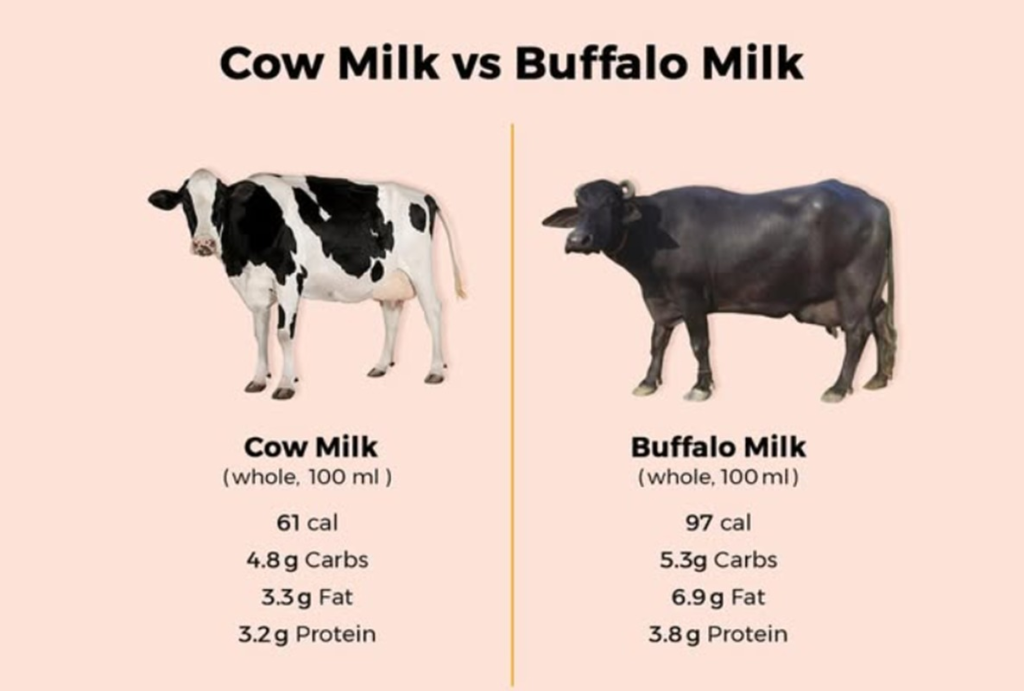
Buffalo milk is extremely popular here for exactly the reason it’s risky: that thick, rich creaminess comes from a much higher fat content than cow’s milk. That’s the tradeoff worth understanding.
Whole Cow’s Milk vs Low-Fat: The Classic Choice
Whole cow’s milk sits at around 3 to 4 percent fat. If you’re drinking two or more glasses a day, that saturated fat adds up faster than most people realize, and LDL cholesterol climbs gradually as a result.
Low-fat milk — at 1 to 2 percent fat — or skim milk keeps everything you want from dairy: the calcium, the protein, the vitamins. What it cuts is the saturated fat that was driving LDL cholesterol up. The American Heart Association backs low-fat dairy for exactly this reason when it comes to cholesterol management.
Pakistani tip — Use low-fat milk for your morning chai or lassi. I’ve had so many clients make this one swap and tell me they feel lighter, less heavy after breakfast, and more energetic through the morning. It sounds small but it adds up every single day.
Buffalo Milk: Creamy but Risky for High Cholesterol
I understand why buffalo milk is so beloved here. Khoya, rasmalai, creamy kormas — that richness comes from somewhere, and that somewhere is a fat content of 6 to 10 percent — often double or more compared to cow’s milk.
That same richness is also what makes it one of the most problematic choices for anyone managing high cholesterol foods in their diet. Research shows that the fat profile of buffalo milk raises LDL cholesterol more significantly than cow’s milk with regular consumption. For heart patients especially, I’d recommend either avoiding it or keeping it to very small, occasional amounts.
One client — a 48-year-old from Gulberg — was drinking buffalo milk every single day. His LDL came in at 145 mg/dL. We switched him to low-fat cow’s milk and oat milk combined. Six weeks later, he was down to 118 mg/dL. No medication change. Just the milk.
Goat Milk and Other Animal Milks: Occasional Use Only
Goat milk sits slightly higher in fat than cow’s milk, with similar saturated fat levels. It’s not a terrible option occasionally, but it’s not a meaningful improvement for someone actively trying to manage LDL cholesterol.
The broader rule with animal milks: they deliver real nutrients, but they all carry saturated fat to varying degrees. When cholesterol is a concern, low-fat versions should always be the priority — and plant-based options are worth bringing in more regularly.
Plant-Based Milk Benefits: Cholesterol-Free Winners
This is where things get genuinely exciting from a heart health perspective.
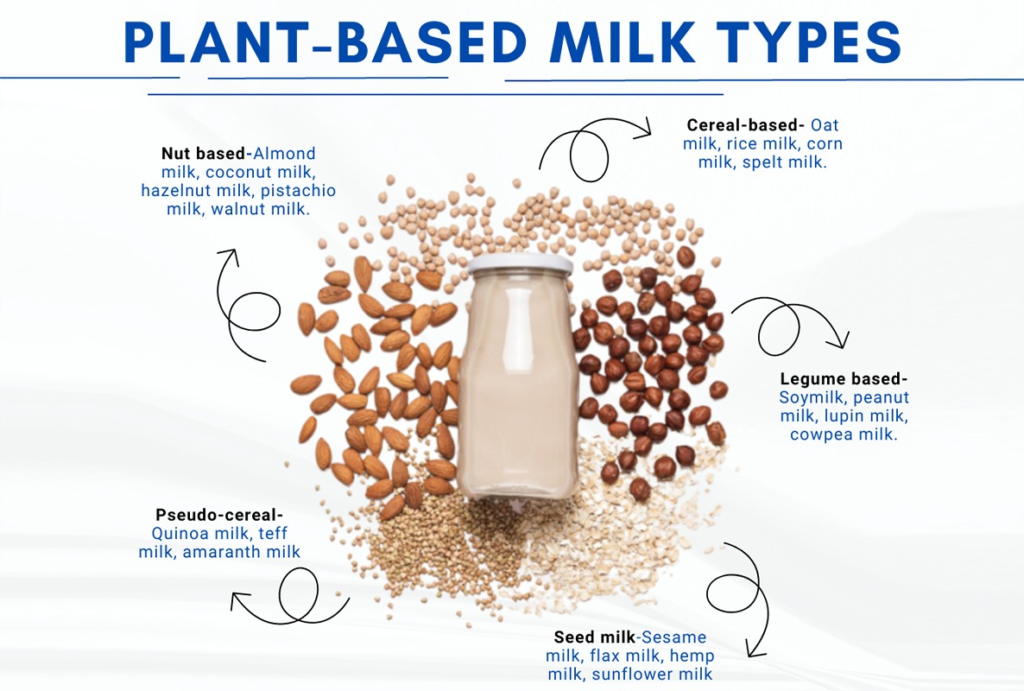
Plant-based milks contain zero cholesterol and very little saturated fat. For anyone dealing with high cholesterol, they’re not just a safe option — they’re actively beneficial.
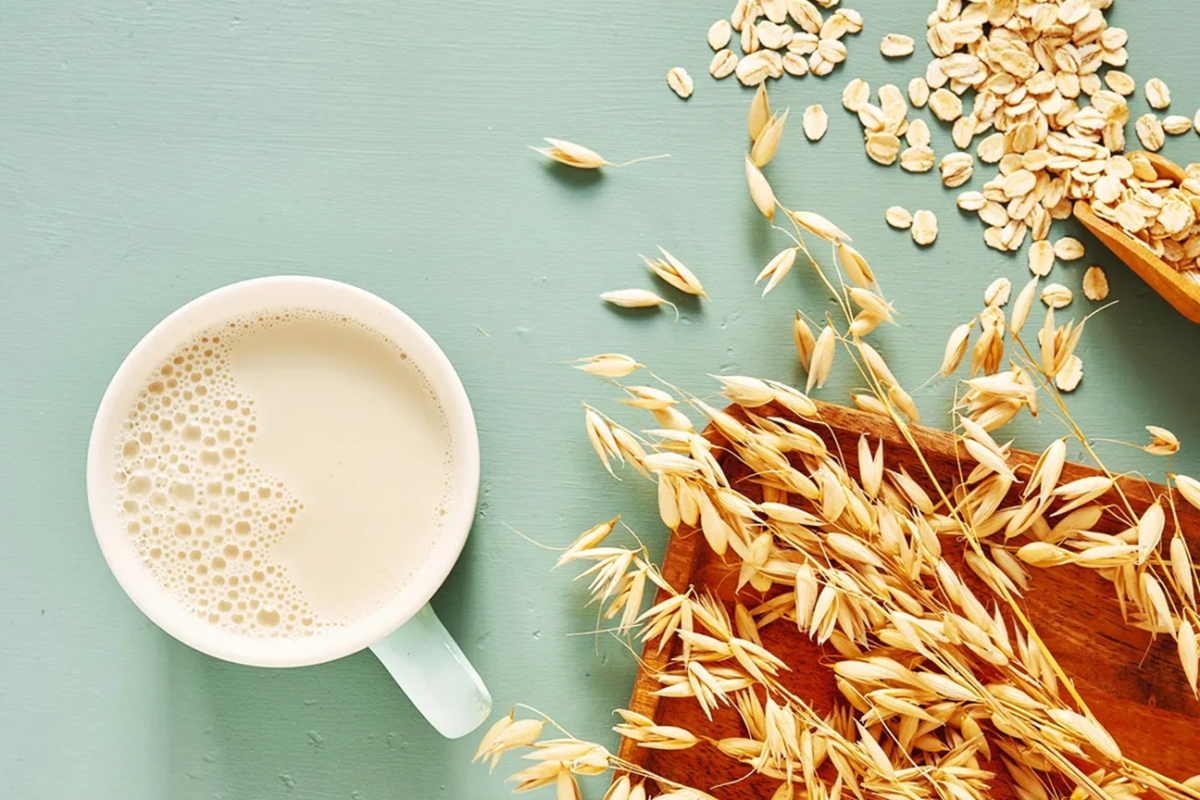
Oat milk is my top recommendation for most Pakistani clients. It contains beta-glucan fiber, which has strong research behind it for lowering LDL cholesterol — studies show regular consumption can produce a 5 to 10 percent drop. It also has a creamy texture that works beautifully in chai. The oat milk cholesterol-lowering effect is one of the most well-documented among all plant milks.
Soy milk contains plant sterols that physically block cholesterol absorption in the digestive tract. It’s also a solid protein source. Unsweetened versions are the way to go — the added sugar in sweetened varieties undoes some of the benefit.
Almond milk is the lightest option, with unsaturated fats that support HDL cholesterol (the good kind) and very few calories overall. It’s great as a base for smoothies or as an occasional chai option.
The key across all of these — choose unsweetened, and choose fortified versions that have calcium and vitamin D added. Otherwise you lose the nutritional parity with dairy. Both oat and soy milk are widely available in Pakistani supermarkets now, so the access barrier is largely gone.
Practical swap — Try oat milk in your evening chai for a week. The texture is close enough that most people don’t find it jarring, and the plant-based milk benefits start accumulating immediately.
How Much Milk Is Safe If You Have High Cholesterol?
A practical daily target: 1 to 2 cups of low-fat dairy or plant milk. If you’re still using whole or buffalo milk, keep it under 150 ml and treat it as an occasional thing rather than a staple.
Best milk for heart health choices, in order:
- Skim or low-fat cow’s milk
- Unsweetened oat or soy milk
- Almond milk (occasional use)
Avoid for daily use: Full-cream buffalo milk and whole cow’s milk — especially if LDL cholesterol is already elevated.
Sample Heart-Friendly Pakistani Day with Milk
Here’s a simple template that fits real Pakistani eating patterns — I customize this further based on individual needs in consultations:
- Breakfast: Oats cooked in low-fat milk + a handful of almonds
- Mid-morning: Unsweetened soy lassi
- Lunch: Low-fat yogurt raita with sabzi
- Evening: Almond milk smoothie — no added sugar
- Dinner: Chai made with oat milk
Nothing radical. Nothing that requires giving up the foods that matter to you. Just smarter versions of what you’re already doing.
Frequently Asked Questions About Milk and Cholesterol
Does milk and cholesterol have a direct link? Yes — but it’s about fat, not milk itself. The saturated fat in full-fat dairy raises LDL cholesterol. Low-fat dairy and plant-based options break that link entirely.
Is buffalo milk bad for high cholesterol? For regular daily use, yes — its high saturated fat content makes it more problematic than cow’s milk. If cholesterol is a concern, it’s better to limit it significantly or avoid it.
Which is the best milk for heart health in Pakistan? Low-fat cow’s milk or unsweetened oat milk and soy milk. These support LDL cholesterol reduction while still delivering calcium and protein.
Can plant-based milk benefits really lower cholesterol? Absolutely — this isn’t marketing. Oat milk‘s beta-glucan and soy milk’s plant sterols are both clinically studied and shown to produce measurable LDL cholesterol reductions.
How much low-fat milk is okay daily? 1 to 2 cups is a reasonable daily amount. Beyond that, rotating in plant-based options keeps variety without overloading on any one thing.
Should I avoid all dairy if cholesterol is high? No — low-fat dairy in moderation is perfectly fine. The goal isn’t to eliminate dairy, it’s to eliminate the excess saturated fat that comes with the full-fat versions.

Ready to Optimize Your Diet for Better Heart Health?
Small milk swaps deliver real results for cholesterol and overall energy — and they’re changes you can make starting today, not after some major life overhaul.
Take the first step towards achieving your health goals with personalized nutrition guidance from Hamza, a certified dietitian.
📞 Call/WhatsApp: +92 300 0172509 📧 Email: hamzathedietitian@gmail.com 🌐 Visit: hamzathedietitian.com
Get customized meal plans, ongoing support, and expert advice tailored to your lifestyle. Don’t wait – start your transformation today!
Related:
- Reduce Salt Intake for Heart Health
- Coffee and Constipation
Final Thoughts on Milk and Cholesterol
Milk and cholesterol don’t have to work against each other. The right choices — low-fat dairy, unsweetened plant-based milks, mindful portions — let you keep everything you love about dairy while genuinely protecting your heart and managing LDL cholesterol over the long term.
Key takeaways:
- Saturated fat is what matters most — full-cream buffalo and whole cow’s milk raise LDL cholesterol
- Low-fat milk and plant-based milk benefits — especially oat and soy — actively support better lipid profiles
- Unsweetened, fortified versions are non-negotiable for real benefit
- Small daily swaps compound fast — results often show up within weeks
- Combine with fiber and regular movement for the strongest impact
Your heart deserves smart, consistent choices. Start with one swap today — oat milk in your chai — and feel the difference build over time.
Stay heart-strong, stay consistent.
Hamza The Dietitian Lahore – helping Pakistan choose wisely for longer, healthier lives.