
It is 3 a.m. You wake up and your big toe feels like someone hammered it in your sleep. You can barely move it. The moment you put your foot on the floor, that sharp, burning joint pain shoots straight up your leg. I have heard this exact story from dozens of clients who walk into my Lahore clinic. And every single time, when we run the blood work, the answer is the same — high uric acid levels. If you are looking for ways to reduce uric acid levels naturally before reaching for lifelong medication, you are in the right place. Hyperuricemia — that is the medical term for it — is quietly becoming one of the most common health problems I see in Pakistan. The body either produces too much uric acid or the kidneys cannot flush it out fast enough. Either way, it piles up in the blood, forms sharp crystals in the joints, and triggers those brutal gout flares that seem to come out of nowhere.
What makes it worse here? Our food culture does not help — rich biryanis, red meat after Eid, sugary drinks on hot afternoons. These habits consistently push uric acid levels higher than they should be. And when it is ignored for too long, it does not just stay in the joints. It starts affecting kidney health too — stones, reduced function, worse.
But here is what I tell every client who sits across from me worried about going on lifelong medication: you do not always have to. Simple, consistent changes to what you eat, how much you drink, and how you move can reduce uric acid levels naturally. I have watched it happen too many times to doubt it. In this guide, I am sharing 5 practical ways to reduce uric acid levels — evidence-backed and built around what actually works in Pakistani homes.
Why High Uric Acid Levels Are a Growing Problem in Pakistan
Here’s the basic biology — and it’s worth understanding before jumping to solutions.
Everything we eat contains purines. When the body breaks them down, uric acid is the byproduct. Under normal conditions, the kidneys filter it out through urine without any drama. But when production is too high or kidney clearance is too slow, uric acid builds up in the bloodstream. Once it crosses a certain threshold, it crystallizes — usually in the cooler, peripheral joints like the big toe, ankle, or knee. That’s when gout attacks happen.
In Pakistan, the risk factors stack up fast. High red meat and seafood consumption, fructose from packaged juices and colas, low water intake during hot months, and even occasional alcohol — all of these push uric acid levels up. Research also shows that South Asians tend to have a genetic predisposition toward hyperuricemia, and when obesity or diabetes is also in the picture, the risk climbs even higher.
Leave it unchecked and the consequences go beyond joint pain — chronic inflammation, hard lumps called tophi forming around joints, and serious kidney health complications.
The encouraging part? Many of my clients have dropped from 8–9 mg/dL down to 5–6 mg/dL in just a few months — without medication — purely through lifestyle changes.
1. Eat These Fruits Daily to Help Flush Uric Acid Naturally
Not all fruits are equal when it comes to uric acid management. A few specific ones have real, research-backed mechanisms that help your body either neutralize or excrete it faster.
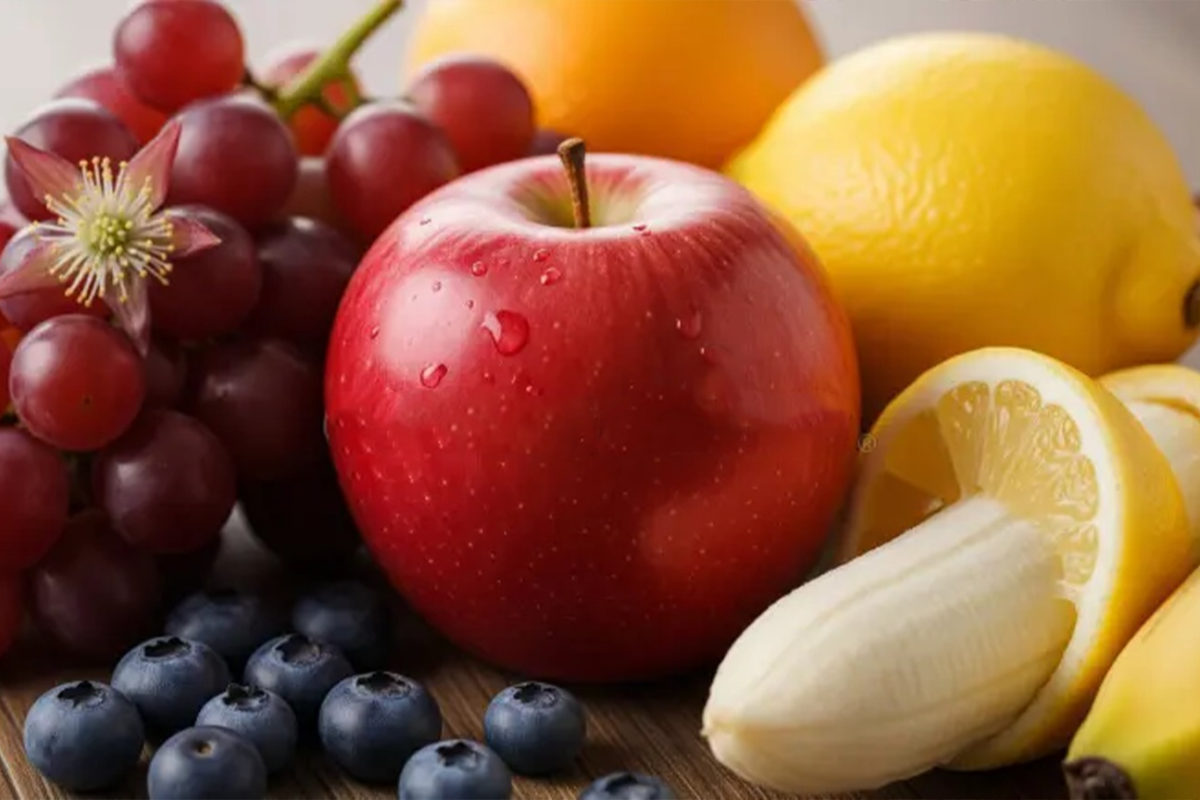
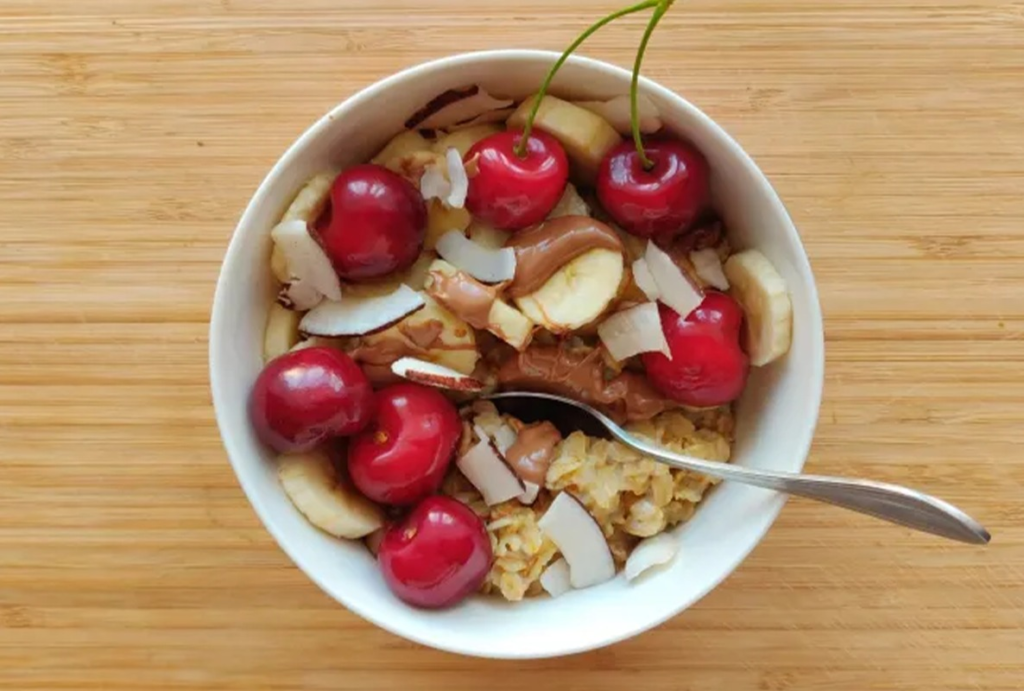
Cherries (or tart cherry juice) are the star of the show here. They contain anthocyanins — powerful compounds that reduce inflammation and actively lower uric acid production. Studies have shown that eating 10–12 cherries daily, or drinking tart cherry juice regularly, can cut gout attacks by 35–50%. That’s not a small number.
Bananas are another underrated option. Their high potassium content helps the kidneys flush out both uric acid and sodium more efficiently. They’re also naturally low in purines, making them a safe, easy daily snack.
Apples work through malic acid — it neutralizes uric acid in the blood — and their fiber content helps bind and remove excess from the digestive tract.
Pakistani tip — Cherries (frozen or imported) are available in most bigger supermarkets now. If you can’t find them, local guava is a solid substitute — high in vitamin C, which boosts uric acid excretion on its own. Aim for 1–2 fruits daily, either after meals or as a mid-morning snack.
One of my clients — a 45-year-old businessman from Lahore — added cherries and bananas to his daily routine and nothing else in the first two weeks. Eight weeks later, his uric acid levels had dropped by 1.8 mg/dL. The night flares? Gone.
2. Sip Smart: Coffee, Green Tea & Hydration Habits That Work
Your morning routine might already be doing more good than you think.
Moderate coffee consumption — around 2–4 cups a day — has been consistently linked to lower gout risk in multiple studies. The antioxidants in coffee improve insulin sensitivity and support better uric acid excretion through the kidneys. This doesn’t mean you should start drinking coffee if you don’t already, but if you do, it’s not working against you.
Green tea contains catechins that have been shown to slow down uric acid production. It’s a calm, low-risk addition to a daily routine — especially as a replacement for sugary afternoon drinks.
But honestly? The single most impactful thing you can do for uric acid and kidney health is just drink enough water. I’m talking 2.5 to 3 liters a day. It dilutes uric acid in the blood, keeps the kidneys flushing consistently, and reduces the chance of crystal formation in joints. Most people I see are chronically under-hydrated — and their uric acid levels show it.
Desi twist — Start your morning with a glass of warm water and fresh lemon juice. Vitamin C directly supports uric acid excretion. Saunf water or ajwain kaadha are also good additions for digestion and gentle detox support throughout the day.
One thing to cut completely — sugary sodas and packaged fruit juices. The fructose in them is one of the fastest ways to spike uric acid levels, and it happens within hours of consumption.
3. Cut These High-Purine Foods to Keep Levels in Check
You can’t out-supplement a bad diet when it comes to high uric acid. At some point, the food itself has to change.
The biggest offenders to limit or avoid:
- Red meat and organ meats — mutton, liver, brain — these are extremely high in purines and directly raise uric acid production
- Seafood — especially prawns, sardines, and anchovies
- Alcohol — beer is particularly problematic because it both increases uric acid production and blocks kidney excretion at the same time
- Fructose — packaged juices, cola drinks, most commercial sweets and mithai
Better swaps that work in a Pakistani kitchen — chicken and fish in moderate amounts are fine. Plant proteins like dal, chickpeas, and lentils are excellent alternatives. Low-fat yogurt is especially good — it actively supports uric acid excretion and is easy to build into daily meals.
A simple shift I recommend often: cut red meat to 2 days a week instead of daily. Many clients who make just this one change report meaningful relief from joint pain within a few weeks.
4. Add These Home Remedies for Extra Support
Some of the best support for reducing uric acid levels is already sitting in your kitchen — you just might not be using it with intention.
Ajwain water — Boil a teaspoon of ajwain seeds in water, strain, and drink it on an empty stomach. It supports detoxification and has natural anti-inflammatory properties that can ease joint pain during flares. Old advice from grandmothers that actually holds up.
Turmeric milk (haldi doodh) — Curcumin, the active compound in turmeric, is one of the most well-studied natural anti-inflammatories out there. Add a pinch of black pepper when you make it — it increases curcumin absorption dramatically. A nightly habit: half a teaspoon of turmeric and a pinch of kali mirch stirred into warm low-fat milk before bed.
Ginger tea — During an active gout flare, fresh ginger tea can take the edge off the swelling and discomfort. It won’t resolve a flare on its own, but it makes a difficult few days a little more manageable.
These natural remedies aren’t replacements for diet and hydration — they’re reinforcements. Used consistently alongside the bigger changes, they make a real difference.

5. Move Your Body & Stay Hydrated to Boost Kidney Function
I understand the instinct to rest when your joints hurt. But avoiding movement altogether — when you’re not in an active flare — actually makes things worse over time.
Regular exercise improves circulation throughout the body, which directly supports the kidneys’ ability to filter and eliminate uric acid. It also helps with weight management, and excess weight is one of the biggest drivers of high uric acid levels and gout risk.
What works practically:
- Brisk walking for 30 minutes a day — this alone is enough to start with and creates real metabolic benefits
- Cycling or light yoga for those who need lower-impact options
- During an active gout flare — rest, elevate, and let it settle before returning to movement
Pair exercise with strong hydration — 10 to 12 glasses of water daily. In Lahore summers especially, you’re losing a lot through sweat, so natural electrolytes matter too. Coconut water and lemon water are both good options that don’t come with the fructose problem of packaged drinks.
When movement and hydration work together, the metabolic balance shifts — uric acid builds up less, gets cleared more, and over time the flares become less frequent and less severe.
Sample One-Day Plan to Reduce Uric Acid Levels
This is a general template — I adjust it based on individual labs and lifestyle in consultations:
- Wake up: Warm lemon water
- Breakfast: Oats + banana + low-fat yogurt
- Mid-morning: Green tea + apple
- Lunch: Dal + brown rice + salad (cucumber, tomato)
- Snack: A handful of cherries or guava
- Evening: Ajwain water + 20-minute walk
- Dinner: Grilled chicken + vegetables + turmeric milk
Simple, sustainable, and built around real Pakistani eating patterns.

Frequently Asked Questions About Reducing Uric Acid Levels
What are the main causes of high uric acid and joint pain in Pakistan? High-purine foods like red meat and seafood, fructose from sodas and sweets, not drinking enough water, and genetic predisposition. Gout flares after Eid feasts are genuinely very common — I see a spike in clinic visits every year right after.
Which fruits really help reduce uric acid levels? Cherries have the strongest evidence by far. Bananas help through potassium-driven kidney flushing, and apples through malic acid neutralization. Eat them daily — consistency is what makes the difference.
Does coffee or green tea lower uric acid? Yes — moderate coffee is linked to lower gout risk, and green tea catechins help slow production. If you have acidity issues, keep quantities moderate and don’t drink on an empty stomach.
What foods should I strictly avoid for high uric acid? Red meat, organ meats, beer, and fructose-heavy drinks and sweets are the main ones. Limit seafood rather than cutting it entirely unless your levels are very high.
Can home remedies like ajwain or turmeric manage hyperuricemia? They’re not cures for hyperuricemia, but they genuinely reduce inflammation and support the body’s detox pathways. As part of a broader diet and hydration plan, they add up.
How long until I see lower uric acid levels naturally? Most people see measurable change in 2 to 8 weeks with consistent effort. Get a blood retest after 1 to 2 months — the numbers will tell you exactly where you stand.
Ready to Lower Your Uric Acid and Move Pain-Free?
You don’t have to live with constant joint pain or lie awake dreading the next gout flare. Start with something small today — one extra glass of water, a handful of cherries, a short walk after dinner.
Take the first step towards achieving your health goals with personalized nutrition guidance from Hamza, a certified dietitian.
📞 Call/WhatsApp: +92 300 0172509 📧 Email: hamzathedietitian@gmail.com 🌐 Visit: hamzathedietitian.com
Get customized meal plans, ongoing support, and expert advice tailored to your lifestyle. Don’t wait – start your transformation today!
Related:
Final Thoughts: Reduce Uric Acid Levels Naturally and Protect Your Joints
Reducing uric acid levels naturally is absolutely possible — but it takes consistency, not perfection. Focus on low-purine foods, proper hydration, smarter beverage choices, and daily movement. Put those together and most people see less joint pain, fewer gout attacks, and better kidney health within weeks.
Key takeaways:
- Cherries, bananas, apples — make them a daily habit, not an occasional one
- Drink heavily — water, lemon water, green tea; ditch the sugary sodas
- Pull back on red meat, alcohol, and fructose — these are the biggest drivers
- Add ajwain and turmeric daily for their anti-inflammatory support
- Walk every day — it directly boosts uric acid excretion through better circulation
Your joints and kidneys are worth the effort. Take control today — one glass of water, one cherry at a time.
Stay active, stay pain-free.
Hamza The Dietitian Lahore – helping Pakistan live comfortably, one natural step at a time.