
Irregular periods. Cramps so bad plans get cancelled. That heavy, exhausted feeling that drags on for days during the cycle. Or the ongoing battle of managing PCOS while everyone around acts like it is just a minor inconvenience.
These are not “normal woman things” that simply have to be accepted. They are the body’s way of signalling that it needs better support — and in most cases, that support starts with food.
Working with hundreds of women every month in Lahore reveals one consistent pattern: most women are focused on weight or skin, but almost nobody is thinking about superfoods for gynaecological health. The honest truth is that some of the most powerful tools for hormonal balance, period comfort, and reproductive health are already sitting in the kitchen. The missing piece is knowing what they are and how to use them consistently.
Many gynaecologists agree — consistent intake of the right foods can make a meaningful difference in PCOS, painful periods, heavy flow, and even fertility. Here are the 7 most effective, evidence-backed foods with practical Pakistani ways to use them every day.
Why Gynaecological Health Needs Special Nutritional Attention in Pakistan
Pakistani women face a specific combination of challenges that most generic health advice completely ignores. High-carb daily diets — roti, rice, mithai at every gathering. Stress from managing joint family responsibilities alongside work. Irregular sleep. And very limited awareness about which micronutrients actually matter for women’s health.
The result shows up in clinics every day:
- PCOS — extremely common in our population and getting more so
- Iron-deficiency anaemia that worsens every single cycle
- Severe PMS, cramps, and mood crashes
- Hormonal acne and stubborn belly weight
- Recurrent infections that keep coming back
The right superfoods for gynaecological health work from the inside — balancing hormones, calming inflammation, building iron stores, and supporting the healthy bacteria the gut and vaginal flora both depend on. Here are the seven that consistently make the biggest difference.
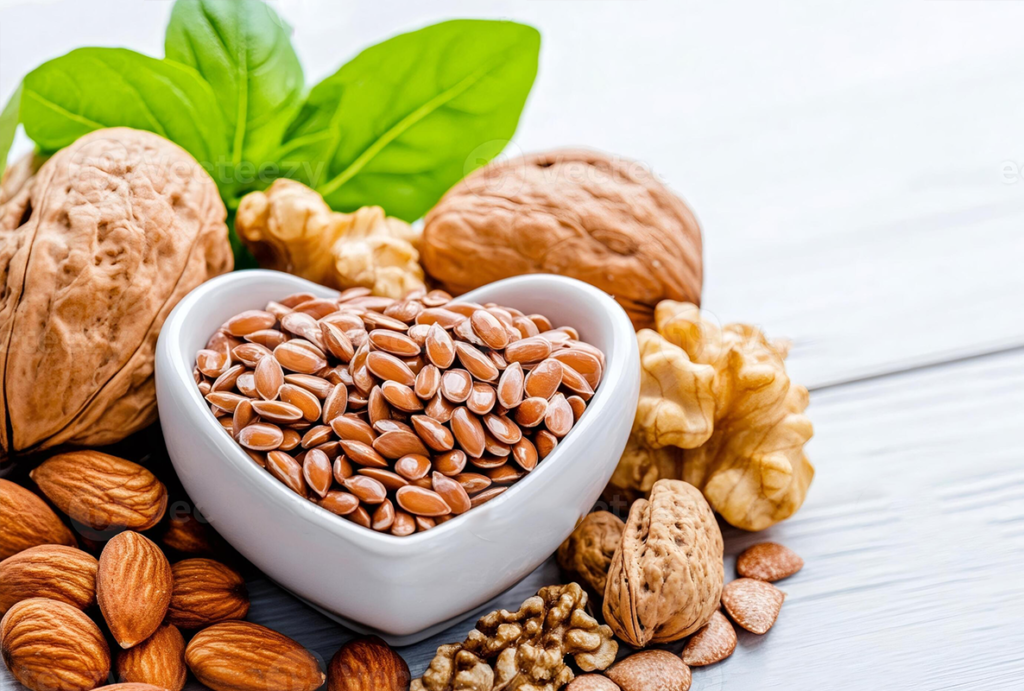
1. Flaxseeds (Alsi) — The Most Powerful Natural Hormone Balancer
If there is one food worth recommending to almost every woman dealing with PCOS or irregular cycles, it is flaxseeds. They are rich in lignans — plant compounds that help the body process estrogen more efficiently, which is exactly what so many women with hormonal balance issues need.
What they do:
- Reduce period pain and breast tenderness
- Help regulate cycles that are irregular or unpredictable
- Support healthy estrogen metabolism long-term
Pakistani way to use them:
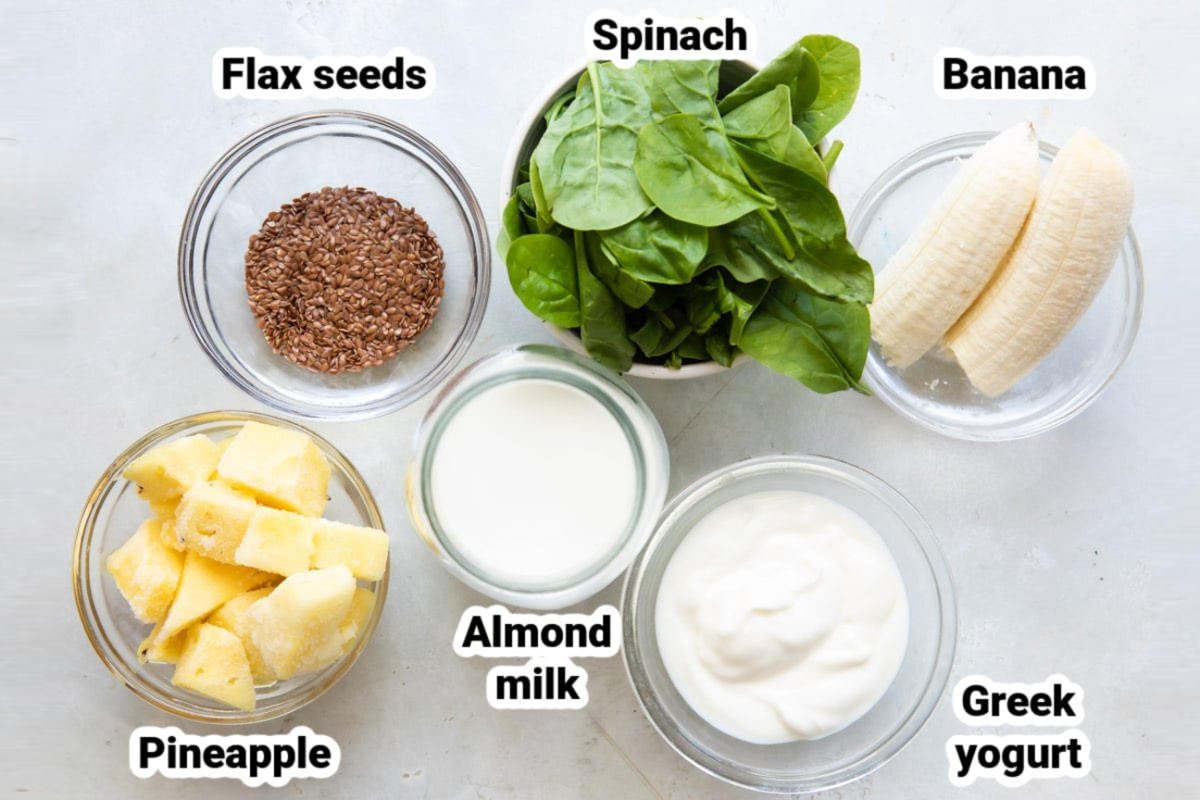
- Grind one tablespoon fresh every morning — whole seeds pass through without benefit
- Stir into dahi, add to a smoothie, or sprinkle over roti or salad
- Best taken on an empty stomach or with breakfast
Clients with PCOS consistently report noticeably more regular cycles within 6 to 8 weeks of adding one spoon of ground alsi daily. One ingredient. One spoon. Consistent results.
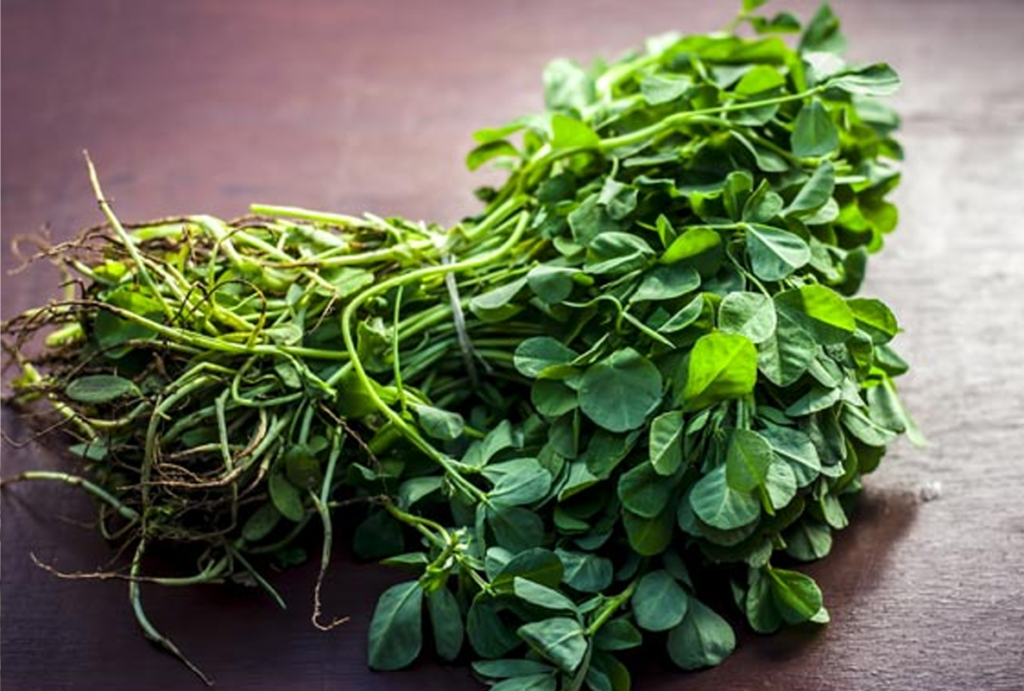
2. Green Leafy Vegetables (Palak, Methi, Bathua, Sarson) — Iron and Folate Powerhouse
These are the unsung heroes of menstrual health — cheap, local, and available everywhere in Pakistan. Palak, methi, bathua, and sarson are loaded with iron, folate, magnesium, and vitamin K — everything the blood and ovaries genuinely need.
How they help:
- Fight anaemia and the fatigue and dizziness that come with it during periods
- Reduce heavy bleeding over time
- Support healthy ovulation and egg quality
Easy Pakistani tips:
- Add extra palak or methi to dal or sabzi every single day — it takes 30 seconds
- Make sarson ka saag through winter — genuinely one of the best reproductive health foods available
- Blend a small handful into a morning smoothie for those who struggle with the taste
Aim for two to three servings daily. Haemoglobin levels reflect the difference within weeks.
3. Yoghurt and Probiotic Foods — For Vaginal and Gut Health
Healthy vaginal flora depends entirely on good bacteria. Plain homemade dahi is one of the cheapest, most accessible sources of those bacteria available anywhere in Pakistan.
Benefits:
- Prevents recurrent yeast infections and bacterial vaginosis that many women suffer through repeatedly
- Improves digestion and reduces the bloating that gets worse during periods
- Supports overall immunity from the gut outward
Daily use:
- One small bowl of plain dahi with every meal — not the sweetened packaged kind
- Raita with cucumber and mint for a version that is genuinely enjoyable
- Homemade lassi with very little sugar as an afternoon drink
This is one of those habits that feels small but makes a consistent, noticeable difference in gynaecological well-being over weeks and months.
4. Turmeric (Haldi) — Natural Anti-Inflammatory for Cramps and PCOS
Haldi has been in Pakistani and South Asian kitchens for centuries — and it turns out our grandmothers were onto something real. Curcumin, the active compound in turmeric, is a genuinely powerful anti-inflammatory that helps with pelvic pain, endometriosis, fibroids, and the chronic inflammation that drives so many PCOS symptoms.
Best ways for Pakistani women:
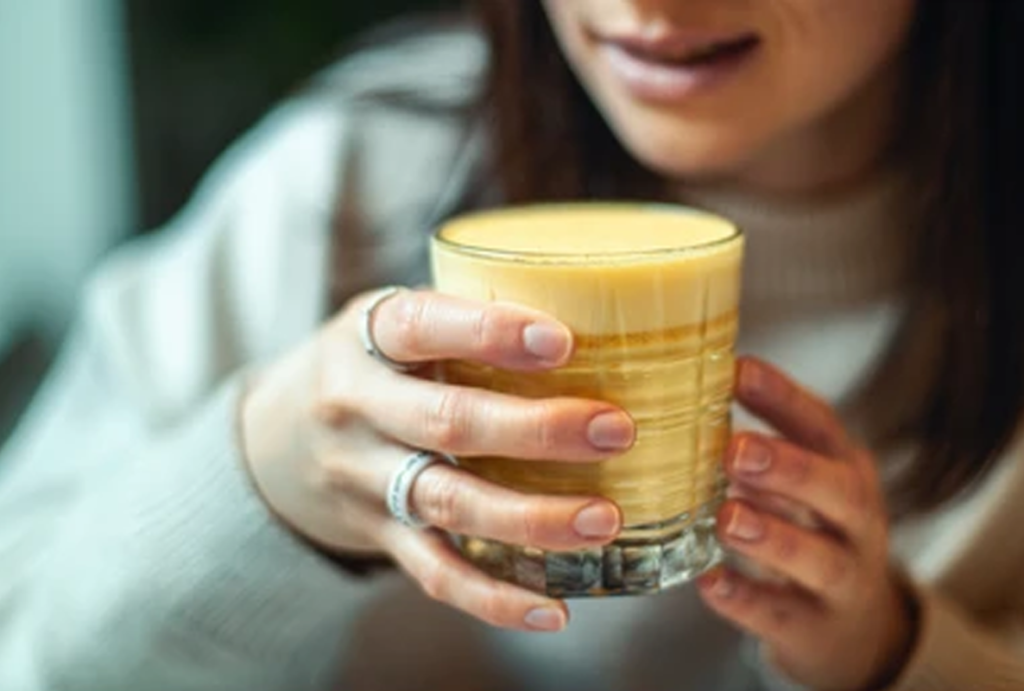
- Golden haldi doodh every night before bed — use low-fat milk or almond milk
- Extra haldi in daily dal, sabzi, and chicken — more than seems necessary
- Always add a small pinch of kali mirch and a little fat when cooking — this dramatically improves curcumin absorption
Done consistently over several weeks, the reduction in cramps and pelvic discomfort is something many clients comment on unprompted — without being asked.
5. Berries and Vitamin C Rich Fruits (Strawberry, Amla, Anar, Guava)
These fight oxidative stress at the cellular level and support both egg quality and hormonal balance — which matters enormously for reproductive health and PCOS management.
Local alternatives that work just as well:
- Amla — the highest natural source of vitamin C available and widely accessible in Pakistan
- Anar (pomegranate) — excellent for blood flow and cycle regularity
- Guava — cheap, delicious, and available almost year-round
One to two servings daily, with particular attention to the second half of the cycle when nutritional support matters most for menstrual health.
6. Omega-3 Sources (Alsi, Walnuts, Chia, Fatty Fish)
Omega-3 fats are one of the most effective nutritional tools for reducing period cramps, managing mood swings, and calming the inflammation that sits at the root of PCOS and many other gynaecological health concerns.
Vegetarian options that work well in Pakistan:
- One tablespoon of ground flaxseeds daily
- A handful of walnuts every day — easy, filling, and genuinely effective
- Chia seeds soaked overnight in water or stirred into dahi in the morning
For those who eat fish, rohu and other local varieties provide good omega-3 support as well.
7. Nuts and Seeds (Pumpkin Seeds, Sesame, Almonds)
Pumpkin seeds, sesame, and almonds provide zinc, magnesium, and vitamin E — three nutrients directly involved in hormone production, cycle regularity, and overall hormonal balance.
Simple habit that actually sticks:
- Keep a small jar with a mix of pumpkin seeds, sesame, and almonds at the desk or in the bag
- Eat one small handful every evening as a snack
- Zero effort once the jar is prepared — and it genuinely adds up over time
How to Fit These Superfoods for Gynaecological Health Into a Busy Pakistani Routine
No kitchen overhaul needed. Start here:
- Morning: One teaspoon ground flaxseeds added to whatever is already being eaten + warm haldi doodh if manageable
- Lunch and dinner: Extra sabzi or greens + one bowl of plain dahi
- Evening snack: Small handful of mixed nuts + a piece of fresh fruit
- Night: Warm haldi doodh or a small glass of homemade lassi
Pick two or three of these to start. Small, consistent changes will always outperform a perfect plan that cannot be sustained past the first week.
Frequently Asked Questions About Superfoods for Gynaecological Health
Can these superfoods really help with PCOS?
Yes — flaxseeds, turmeric, and omega-3 sources are especially well-supported for insulin resistance and hormonal balance in PCOS. They are not a replacement for medical care when that is needed, but the nutritional evidence behind them is genuine.
How long before results show for menstrual health?
Most women notice lighter cramps and better energy within 4 to 6 weeks of consistent use. Hormonal balance changes take longer — typically 2 to 3 full cycles. Patience matters here.
Is moringa or green tea better than these foods?
These whole foods work more comprehensively than any single tea. They can absolutely be combined — moringa with ground flaxseeds, for example, is a genuinely good pairing for women’s health.
Can these be eaten during periods?
Absolutely. Turmeric, flaxseeds, and green leafy vegetables are particularly excellent during menstruation — they reduce pain, replenish iron, and support the body through its most demanding days.
Are there any side effects?
These are foods that have been part of Pakistani food culture for generations. The only caution is with flaxseeds — start with half a teaspoon and build up slowly, as too much too soon can cause loose motions in some people.
Should supplements be taken instead of food?
A food-first approach is always better for long-term gynaecological health. Supplements have their place, but only when blood tests show a clear deficiency that food alone cannot address fast enough.
Ready to Support Gynaecological Health Naturally?
No expensive treatments or strict, complicated diets needed. Small, consistent additions of these superfoods for gynaecological health can bring real relief — more regular cycles, less pain, better energy, and long-term reproductive health that does not depend entirely on medication.
📞 Call/WhatsApp: +92 300 0172509 📧 Email: hamzathedietitian@gmail.com 🌐 Visit: hamzathedietitian.com
Personalised meal plans, real ongoing support, and practical guidance built around Pakistani lifestyle and specific health situations. Book a consultation today.
Related reads:
Final Thoughts: Superfoods for Gynaecological Health Are Simpler Than You Think
The most powerful superfoods for gynaecological health are not exotic imports or expensive supplements. They are flaxseeds, haldi, palak, dahi, and a handful of nuts — foods that have been in Pakistani kitchens for generations, just waiting to be used more deliberately.
Start with one or two this week. Add another the week after. The body responds — with more regular cycles, gentler periods, better energy, and the kind of long-term reproductive health and hormonal balance that makes every day of the month feel more manageable.
Every woman deserves to feel good every single day — not just the days away from her period.
Stay consistent, stay nourished.
Hamza The Dietitian Lahore — helping Pakistani women bloom from the inside out.