
• Online Consultation Available
  • Mon–Sat: 9am to 6pm

Tag Archives: Weight loss

Morning drinks for weight loss

7 Best Morning Drinks for Weight Loss (Better Than Coffee)

Most people wake up and reach for the same thing every single morning. A big cup of chai. Or strong coffee. It is familiar, comforting, and feels like it helps.
But here is something worth knowing: that first drink of the day is doing more than just waking you up. It is setting the tone for your metabolism, appetite, digestion, and hydration for the entire day. And for most people, their current first drink is not doing any of those things well.
Too much caffeine on an empty stomach spikes cortisol, triggers hunger an hour later, and leaves many people jittery then crashing by mid-morning. There is a smarter way to start the day — especially when weight loss is one of your goals.
These 7 morning drinks for weight loss are natural, affordable, and easy to prepare in any Pakistani kitchen. They improve hydration, support metabolism, aid digestion, and keep cravings quiet — all without the downsides of too much caffeine. Many clients in Lahore notice real changes in energy and waistline within three to four weeks of making this simple morning switch.

Why the First Drink of the Day Matters for Weight Loss

The body wakes up mildly dehydrated after six to eight hours without water. The very first drink either helps or hurts the hours that follow.

The right morning drinks for weight loss do several things at once — they rehydrate properly, gently wake up digestion, provide clean energy without a spike-and-crash cycle, and reduce the inflammation quietly linked to stubborn weight loss resistance.

The wrong drink — something sweet, milky, or heavily caffeinated — can spike blood sugar, increase hunger earlier than it should arrive, and start a cycle of cravings that is hard to break by afternoon.

Here are the 7 best options, with simple recipes and timing tips for each.

1. Warm Lemon Water — The Easiest Metabolism Starter

This is the one recommended first to almost every new client — because it is simple, costs almost nothing, and genuinely works.

How it helps:

  • Rehydrates the body after overnight fasting before anything else
  • Supports digestion and liver function first thing in the morning
  • Vitamin C supports fat burning and reduces bloating

Recipe: Warm one glass of water, squeeze in half a lemon, add a small pinch of black salt if preferred.

Drink on an empty stomach, 20 to 30 minutes before breakfast. One of the most effective morning drinks for weight loss available — and it takes under two minutes to prepare.

2. Fresh Coconut Water — Natural Electrolyte Drink

Coconut water is low in calorie intake, naturally sweet, and packed with potassium and magnesium. It feels indulgent but is genuinely doing the body a favour.

Benefits for weight loss:

  • Excellent hydration without any added sugar
  • Reduces morning cravings before they build
  • Replenishes electrolytes lost overnight

Tip: Fresh coconut water from a street vendor is always better than packaged versions, which often have added sugar. Drink 250 to 300ml first thing. In Pakistan’s warmer months especially, this one is hard to beat.

3. Green Tea — Gentle Fat Burning Boost

Green tea contains catechins that support fat burning and give metabolism a gentle, sustained lift — without the jitters from strong coffee.

Best for:

  • Steady, clean energy without crashing an hour later
  • Better focus through the morning
  • Mild appetite control that makes breakfast feel manageable

Recipe: Steep one green tea bag in hot water for two to three minutes. Add fresh lemon slices and a few mint leaves for a version that actually tastes good.

Best time: 30 to 45 minutes after waking, not immediately on an empty stomach.

4. Turmeric Milk (Golden Milk) — Anti-Inflammatory Morning Drink

Haldi doodh has been part of Pakistani and South Asian homes for generations — and the science behind it is solid. Curcumin in turmeric reduces chronic inflammation directly linked to weight loss resistance and metabolism slowdown.

Benefits:

  • Soothes digestion and reduces morning bloating
  • Supports metabolic function over time
  • Anti-inflammatory effects that compound with consistent daily use

Recipe: Warm one glass of low-fat milk or plant-based milk. Add half a teaspoon of turmeric, a pinch of black pepper — this dramatically improves curcumin absorption — and a small piece of fresh ginger. Drink warm.

5. Ginger-Cinnamon Tea — Appetite Control and Digestion Support

This combination works beautifully for clients who struggle with morning hunger or blood sugar swings that lead to overeating later in the day.

Benefits:

  • Reduces morning bloating noticeably within a few days
  • Improves digestion and gut motility
  • Helps stabilise blood sugar, preventing the mid-morning hunger crash

Recipe: Boil water with three to four fresh ginger slices and one small cinnamon stick. Simmer for five minutes, strain, and drink warm. No sugar needed — cinnamon adds natural sweetness.

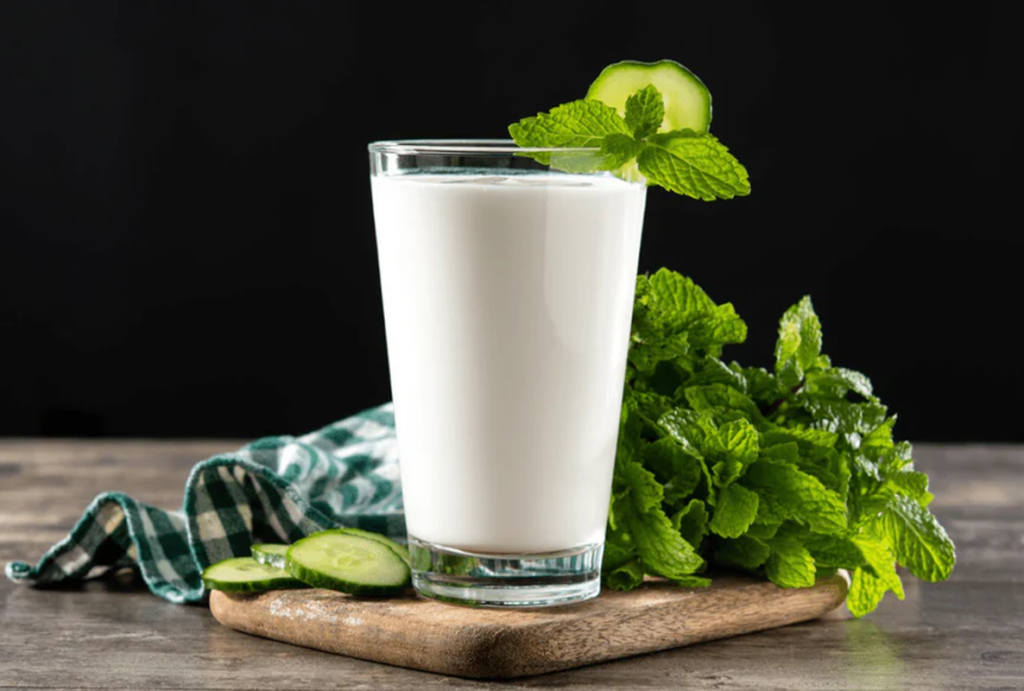
6. Buttermilk (Chaas) — Light, Probiotic, and Filling

Chaas is underrated as a morning drink for weight loss — most people think of it as a lunch drink. But it is one of the most effective options for staying full, supporting gut health, and staying hydrated without adding significant calorie intake.

How it supports weight loss:

  • Keeps the stomach full and satisfied longer than most drinks
  • Improves gut health and digestion through natural probiotics
  • Extremely refreshing and easy on the stomach in Pakistan’s heat

Recipe: Whisk 100ml of plain yoghurt with 300ml of cold water. Add roasted zeera powder, fresh mint leaves, and a small pinch of salt. Done in under a minute.

7. Bulletproof Tea — Sustained Energy Version

A lighter, Pakistani-friendly take on bulletproof coffee — using strong black tea with a small amount of healthy fat instead of coffee.

Benefits:

  • Long-lasting energy that carries well past breakfast
  • Supports fat burning by providing MCTs in a gentle form
  • Keeps hunger quiet until a proper lunch

Recipe: Brew strong black tea. Add half a teaspoon of pure desi ghee or coconut oil and a pinch of cinnamon. Blend well for 20 seconds so it emulsifies properly. Drink warm.
Sample 7-Day Morning Drinks for Weight Loss Rotation

Variety keeps this sustainable and ensures different benefits across the week:

  • Monday: Warm lemon water
  • Tuesday: Fresh coconut water
  • Wednesday: Green tea with lemon
  • Thursday: Turmeric milk
  • Friday: Ginger-cinnamon tea
  • Saturday: Buttermilk
  • Sunday: Bulletproof tea

Rotate through the week, notice which drinks the body responds to best, and build from there.

Frequently Asked Questions About Morning Drinks for Weight Loss

Which is the single best morning drink for weight loss?

Warm lemon water is the easiest starting point for most people — simple, effective, and accessible to everyone regardless of budget or lifestyle.

Can coffee still be part of the routine?

Yes — one cup of black coffee is completely fine. The idea is to replace second and third morning drinks with these options, not to quit coffee entirely if it is genuinely enjoyed.

How soon will results show?

Better energy and noticeably reduced bloating usually appear within 7 to 10 days. Visible weight loss typically shows within 3 to 4 weeks when these drinks are combined with balanced meals and consistent habits.

Are these drinks safe for people with PCOS or diabetes?

Yes — particularly turmeric milk, green tea, and lemon water. They actively support blood sugar stability and reduce inflammation associated with both conditions.

Should sugar or honey be added?

For weight loss purposes, keep all drinks completely unsweetened. The natural flavours become genuinely enjoyable once the palate adjusts — which happens faster than most people expect.

How much water should be consumed overall?

Aim for 2.5 to 3.5 litres per day total, including these morning drinks. More if active or in particularly hot weather.

Ready to Upgrade Mornings and Support Weight Loss?

The first drink of tomorrow morning is a small decision that adds up to enormous results over weeks and months. These morning drinks for weight loss are simple, affordable, and built around what actually works in Pakistani kitchens and lifestyles.

📞 Call/WhatsApp: +92 300 0172509 📧 Email: hamzathedietitian@gmail.com 🌐 Visit: hamzathedietitian.com

Personalised meal plans, real ongoing support, and practical guidance designed around specific goals and routines. Book a consultation today.

Related reads:

Final Thoughts: Start Every Day with Smarter Morning Drinks

The best morning drinks for weight loss are not expensive or complicated. Warm lemon water, fresh coconut water, green tea, turmeric milk — natural, hydrating, metabolism-friendly drinks that cost almost nothing and deliver real results when used consistently.

Key things to remember:

  • Hydration first thing every morning is one of the highest-return habits possible
  • Natural ingredients always beat sugary or artificial drinks for long-term weight loss
  • Consistency matters far more than perfection
  • Pair these drinks with balanced meals for noticeably faster results

Try this for 21 days. Notice the difference in energy, cravings, and the way clothes fit. The body responds beautifully when given the right start.

Hamza The Dietitian Lahore — helping Pakistan lose weight the smart, sustainable way.


Sustainable nutrition habits

Sustainable Nutrition Habits for 2026: 11 Simple Changes That Actually Last

Every January it starts. Social media fills up with the same promises. “No carbs after 6pm.” “Green juice only for 30 days.” “Keto until I lose 15 kg.” People go hard for two, maybe three weeks — and then quietly, one paratha at a time, everything goes back to exactly how it was before. And then comes the guilt.
Sound familiar?
Here is what I have seen in years of working with clients across Pakistan: the problem is never willpower. The problem is the approach. Crash diets and extreme nutrition goals are designed to fail. They burn you out physically, slow your metabolism, create serious nutrient gaps, and almost always end in rebound weight loss that puts everything back on — plus a little extra.
In 2026, let us try something completely different.
Instead of punishing yourself with another strict plan, focus on sustainable nutrition habits — small, realistic changes that actually fit your real life. Office deadlines. Family dinners. Wedding season. Winter cravings. Traffic stress. These 11 habits are built around the Pakistani lifestyle, not against it. And they work because you can actually keep them.

1. Stop Obsessing Over the Scale — Focus on How You Feel

The number on the scale tells you almost nothing about your actual health. And for most people, stepping on it every morning is one of the fastest ways to kill motivation before the day has even started.

Better questions to ask yourself every week:

  • Do I have steady energy all day or am I crashing at 3pm?
  • Is my digestion comfortable and regular?
  • Am I sleeping well?
  • Do my clothes feel comfortable?
  • Am I getting sick less often?

When you shift the goal from “lose 10 kg by January 31st” to “feel lighter, stronger, and more consistent”, something interesting happens — the pressure drops, and consistency actually rises.

I had a client, a 34-year-old working mother from Gulberg, who used to cry every Monday morning on the weighing scale. We changed her goal completely. Instead of tracking weight, we focused on one thing: protein and vegetables in every meal. Four months later she had lost 7 kg — without ever feeling deprived — and her energy was completely transformed. The scale followed the habits, not the other way around.

2. Use the One-Plate Rule Instead of Calorie Counting

Counting every roti, every spoonful of ghee, every handful of rice — it drives most Pakistani people completely crazy within a week. And it is not sustainable.

Here is a simpler visual rule that works far better in real kitchens:

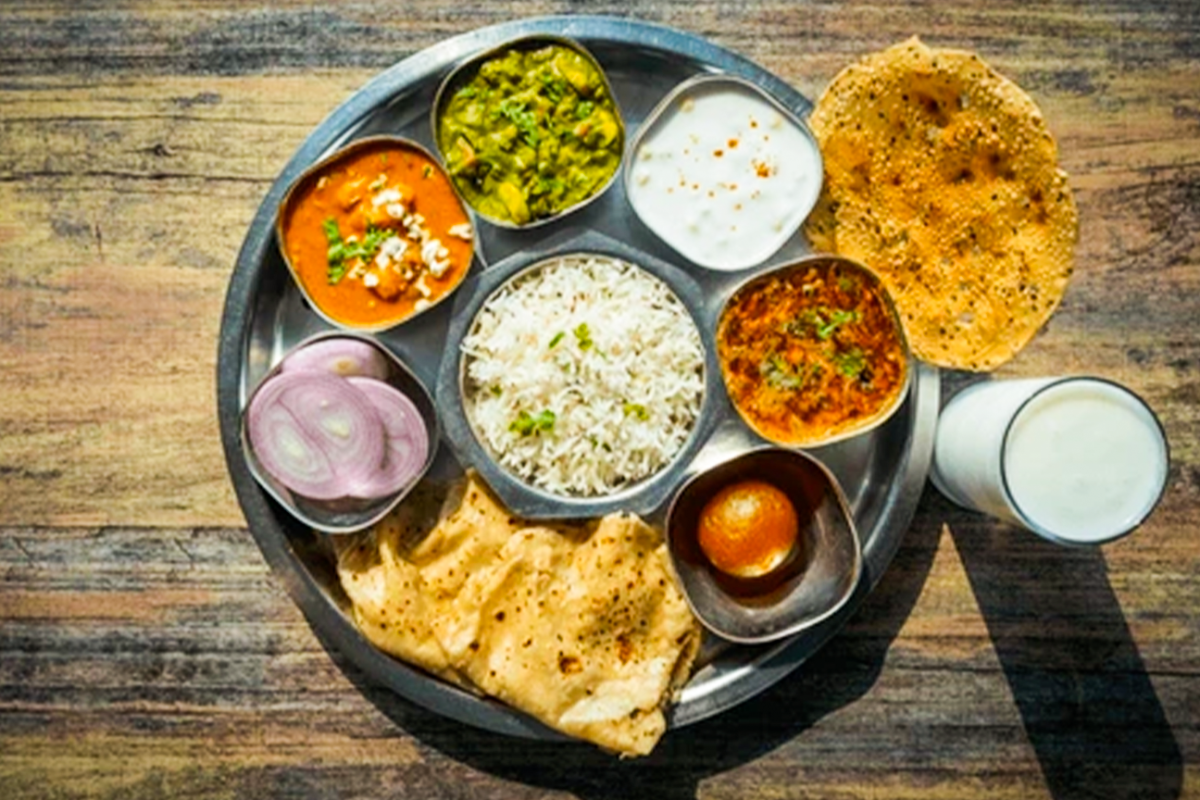
Fill half your plate with vegetables or salad. One quarter with protein — dal, chicken, fish, egg, or paneer. One quarter with your grain — roti, rice, or brown rice. Add one teaspoon of ghee or oil, and a small bowl of dahi or raita on the side.

That is it. That single habit automatically improves your nutrient balance, fibre intake, and portion control — no apps, no scales, no stress. It is the foundation of a balanced diet that actually fits Pakistani mealtimes.

3. Make Breakfast Non-Negotiable — But Keep It Simple

Skipping breakfast is one of the most common patterns I see in clients who struggle with energy crashes, cravings, and overeating at lunch. When you skip the morning meal, your blood sugar drops, your body goes into stress mode, and by 11am you are reaching for whatever is closest — usually something processed.

Quick Pakistani breakfasts that take under 10 minutes and genuinely keep you full:

  • Two whole eggs with one roti and cucumber or tomato slices
  • Dalia cooked in low-fat milk with a banana and four almonds
  • Two small besan cheelas with green chutney and dahi
  • Leftover sabzi with roti and a bowl of dahi

Protein and fibre together in the morning is the combination that keeps hunger away until lunch. Simple, cheap, and genuinely effective for healthy eating habits.

Sustainable nutrition habits

4. Treat Processed Snacks as Occasional — Not Daily

Nimco, biscuits, chips, packaged juices, maida rusks — somewhere along the way these became everyday foods in most Pakistani households. They are easy, they are everywhere, and they are quietly doing a lot of damage to energy, inflammation, and weight loss progress.

The new habit is simple: limit these to once or twice a week at most. Replace them daily with:

  • Roasted chana or makhana
  • Fruit chaat — apple, guava, pomegranate
  • A small handful of almonds or walnuts
  • Homemade popcorn with very little oil
  • Carrot or cucumber sticks with a dahi dip

It sounds like a small swap. But done consistently, the difference in how you feel within two to three weeks is genuinely noticeable — less bloating, steadier energy, better weight management.

5. Drink Water First — Before Anything Else

One of the most underrated sustainable nutrition habits is also one of the simplest. Most people are mildly dehydrated for most of the day — and the body often signals dehydration as hunger, which leads to unnecessary snacking.

Build this into your routine:

  • First thing after waking up: two glasses of warm water, with lemon if you like
  • One glass of water before every meal
  • Carry your bottle everywhere and aim for 2.5 to 3.5 litres daily, more if you are active

A practical winter tip: in the cold months many people completely forget water because they do not feel thirsty. Keep a steel glass on your desk as a visual reminder. You will drink far more than you would otherwise.

6. Add One Extra Vegetable Serving Every Single Day

Pakistani cooking already includes good dal and sabzi — but the portions are often quite small relative to the roti or rice on the plate. One simple upgrade makes a significant difference.

Add one extra bowl of cooked or raw vegetables to both lunch and dinner. Bhindi, tori, palak, lauki, broccoli, cabbage, karela, a fresh salad — whatever is available and in season.

More vegetables means more fibre, better digestion, longer fullness, improved blood sugar control, and lower inflammation. It is one of the highest-return habits in the entire list — and it costs almost nothing extra.

7. Set Monthly Micro-Goals Instead of Overwhelming Yearly Ones

Yearly nutrition goals feel enormous. They sit in the back of your mind as a vague, distant pressure that is easy to ignore until February, when most people give up entirely.

Monthly goals feel achievable. They give you something specific to focus on right now, and each completed month builds real momentum and confidence.

Examples that work well for Pakistani lifestyles:

  • January: Eat protein in every meal
  • February: Cut sugary drinks to three times a week or less
  • March: Walk for 25 minutes five days a week
  • April: Try one new vegetable every week

Small wins build the kind of consistency that creates sustainable weight loss and a genuinely healthy lifestyle — not just a good February.

8. Celebrate Non-Scale Victories Every Single Week

The scale moves slowly. Sometimes it does not move at all for two weeks even when you are doing everything right. If that is the only thing you are tracking, it is very easy to feel like nothing is working and give up.

Track these instead:

  • Better, deeper sleep
  • Less bloating after meals
  • More energy in the afternoon instead of a slump
  • Fitting into clothes that felt tight before
  • Fewer cravings for sweets or processed foods
  • Completing your walks consistently
  • Improved mood and less irritability

Write one or two wins every Sunday. This habit alone has kept more of my clients on track through slow weeks than any other single thing I recommend.

9. Never Starve — Nourish Instead

Starvation is not a strategy. It is a fast track to a damaged metabolism, constant hunger, and rebound weight loss that puts everything back on the moment you eat normally again.

If you are hungry all the time, something in your plan is wrong — and the answer is more real food, not less.

Focus on volume and satisfaction together:

  • Load up on low-calorie, high-volume foods — sabzi, salad, soup, dahi
  • Include healthy fats in moderation — a little ghee, a handful of nuts, avocado when available
  • Prioritise protein at every meal — eggs, chicken, fish, dal, paneer

You should finish every meal feeling satisfied and comfortable. Not stuffed. Not still hungry. If you are regularly finishing meals still craving food, your balanced diet needs more protein and fibre.

10. Build a Small Support Circle

Tell one person — a friend, your spouse, a family member — what habit you are working on this month. Ask them to check in with you weekly. Not to judge, not to give advice — just to ask “How’s it going?”

That simple accountability doubles success rates. If you want more support, find a small WhatsApp group of health-focused friends or join an online community with similar healthy lifestyle goals. The people around you shape your habits more than almost anything else.

11. Work With a Professional When Your Situation Needs It

General healthy eating habits work well for most people. But if you are dealing with PCOS, thyroid issues, insulin resistance, high uric acid, or a history of disordered eating — general advice is not enough.

A good dietitian builds a plan around your specific labs, your lifestyle, your culture, and your actual taste preferences. Not a generic PDF downloaded from the internet. Real, personalised guidance that fits your body and your Pakistani kitchen.

Frequently Asked Questions About Sustainable Nutrition Habits

What is the biggest mistake people make with nutrition goals?

Setting completely unrealistic targets — losing 10 kg in 30 days, cutting out entire food groups overnight — that lead to burnout, rebound, and guilt. Small, consistent changes always win over dramatic short-term efforts.

How can I start sustainable weight loss without feeling like I am on a diet?

Focus on adding rather than cutting. More protein, more vegetables, more water. When you add good things consistently, the less helpful habits naturally reduce without the psychological pressure of restriction.

Is it okay to eat roti and rice with sustainable nutrition habits?

Absolutely. Whole wheat roti and brown rice in reasonable portions are completely fine — and for most Pakistanis, giving them up entirely is neither realistic nor necessary. Balance them with plenty of sabzi and protein and they work perfectly within a balanced diet.

How long before I see real results from healthy eating habits?

Energy and digestion typically improve within 7 to 14 days. Visible body changes and weight loss usually show within 4 to 12 weeks with real consistency — not perfection, just consistency.

Should I completely avoid sweets and fried food?

No. Enjoy them occasionally — once or twice a week is completely fine. When your daily eating is genuinely nutrient-dense and satisfying, treats do not derail you. The problem only comes when treats become daily habits.

Can these habits work for busy office workers?

Yes — specifically designed for real busy lives. Prep your breakfast and tiffin the night before. Carry your water bottle. When eating out, choose grilled over fried when possible. Small decisions made consistently add up to massive results over months.

Ready to Build a Healthy Lifestyle You Will Actually Enjoy in 2026?

You do not need another crash diet. You need sustainable nutrition habits that respect your culture, your taste buds, your schedule, and your body — and that you can actually maintain when life gets busy.

📞 Call/WhatsApp: +92 300 0172509 📧 Email: hamzathedietitian@gmail.com 🌐 Visit: hamzathedietitian.com

Personalised meal plans, real ongoing support, and practical advice built around your Pakistani lifestyle. Book your consultation today.

Related reads:

Final Thoughts: Sustainable Nutrition Habits Win Every Single Year

Quick fixes feel exciting in January. But sustainable nutrition habits are what actually change your health, your energy, your confidence, and your relationship with food — for years, not weeks.

Quick recap for 2026:

  • Focus on feeling good, not just looking smaller
  • Use the one-plate rule at every meal
  • Prioritise protein and vegetables daily
  • Drink water first, always
  • Celebrate non-scale wins every week
  • Set monthly micro-goals instead of overwhelming yearly ones
  • Never starve — nourish instead
  • Get professional support when your situation needs it

This is not about being perfect. It is about being consistent in a way that feels good and fits your real life. You deserve healthy eating habits that last beyond February — and a healthy lifestyle that actually makes you feel like yourself again.

You deserve health that lasts. Let us make 2026 the year you finally keep your promises to yourself.

Stay nourished, stay consistent.

Hamza The Dietitian Lahore — helping Pakistan build health that doesn’t expire in February.


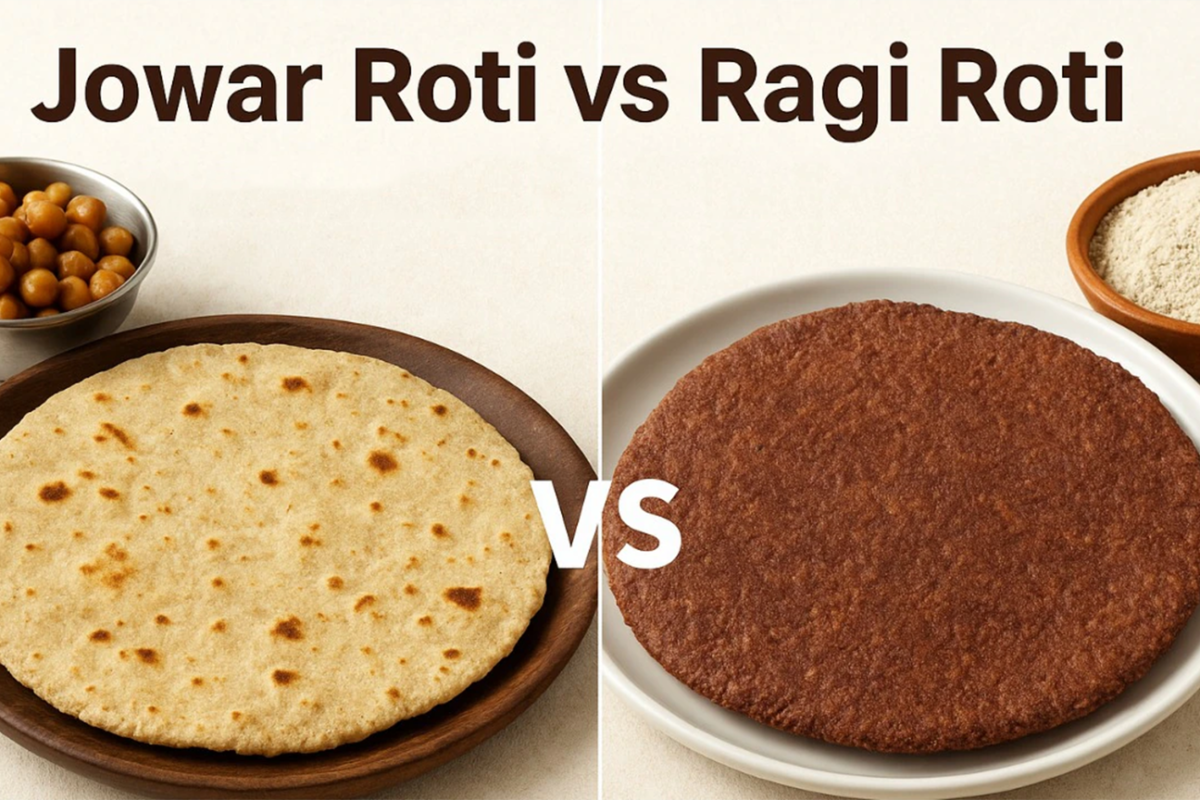
Ragi vs jowar vs wheat roti comparison on plate with Pakistani sabzi – best flour for weight loss & blood sugar control – Hamza The Dietitian

Ragi vs Jowar vs Wheat Roti: Which Flour Wins for Weight Loss & Blood Sugar Control in Pakistan?

Roti is something we grow up with. It is on the table at lunch, at dinner, at suhoor during Ramadan. It goes with everything — salan, keema, daal, achaar. In most Pakistani homes, a meal without roti just does not feel complete. But lately, more and more of my clients have been coming to me with the same question. “Hamza bhai, my weight is not moving. My sugar readings are all over the place. Should I switch to ragi or jowar instead of regular wheat?” It is a fair question. And the honest answer is — when you put ragi vs jowar vs wheat roti side by side, millets usually come out ahead for both weight loss and blood sugar control. Not because wheat is bad, but because ragi and jowar bring more fibre, a lower glycemic index, and minerals that our bodies genuinely benefit from.

In Pakistan, where diabetes and obesity are both rising sharply, these ancient grains are making a quiet comeback — and they are more accessible now than ever. You can find them at Imtiaz, Metro, and on Daraz without any trouble.

This guide gives you a real, practical comparison. No complicated science. Just clear information, Pakistani-friendly tips, and things you can actually start doing this week.

Why Your Roti Choice Affects Weight Loss and Blood Sugar More Than You Think

Think about how many rotis you eat in a day. Three? Four? Six? For most Pakistani families, roti is not a side — it is the main event. And that adds up to a significant amount of carbohydrates by evening.

Regular wheat roti is not a bad food. But its glycemic index sits somewhere between 55 and 85 depending on how refined the atta is. That means for someone with prediabetes or type 2 diabetes — which is extremely common in Pakistan — wheat roti can cause blood sugar levels to rise faster than you want.

Millets like ragi and jowar digest more slowly. They have more fibre, more complex carbohydrates, and a lower glycemic index. The result is that you feel full for longer, get fewer cravings through the day, and your energy stays steady instead of spiking and crashing. For weight loss, that matters enormously.

The other good news is that ragi and jowar work beautifully with desi cooking. You can make soft rotis with them, mix them with wheat atta to ease the transition, or go fully millet when you are ready.

Let us look at the numbers.

Nutritional Comparison: Ragi vs Jowar vs Wheat Roti (Per Average Medium Roti ~40–50g Flour)

Here’s a quick look based on common values:

  • Calories: All similar (~90–120 kcal per roti)
  • Fibre: Ragi highest (3–4g), Jowar close (3g), Wheat lower (1.5–2g)
  • Protein: Similar (2.5–3g), but ragi/jowar often feel more satisfying
  • Glycemic Index (GI): Ragi lowest (40–55), Jowar medium (60–70), Wheat higher (55–85)
  • Key Minerals: Ragi wins calcium & iron, Jowar strong in magnesium & antioxidants, Wheat good B-vitamins

Ragi edges out for blood sugar control and bone health. Jowar shines for digestion and gluten-free needs.

Why Ragi Roti Stands Out for Weight Loss and Diabetes Management

Ragi — finger millet, nachni — is one of those foods that surprises people. It looks simple. It tastes earthy. But nutritionally, it punches well above its weight.

Its high dietary fibre is what makes the biggest difference. Fibre slows digestion, keeps you feeling full longer, and reduces the urge to snack between meals. Many clients tell me they naturally eat one or two fewer rotis per meal after switching to ragi — not because they are restricting themselves, but because they genuinely do not feel hungry as quickly.

The low glycemic index of 40 to 55 means glucose enters your bloodstream slowly and steadily. Research on finger millet polyphenols shows improvements in insulin sensitivity and reduced fasting glucose levels with regular consumption — exactly what people managing diabetes need.

Ragi also has more calcium than almost any other grain. For Pakistani women especially, where iron deficiency and anaemia are common, that mineral profile matters.

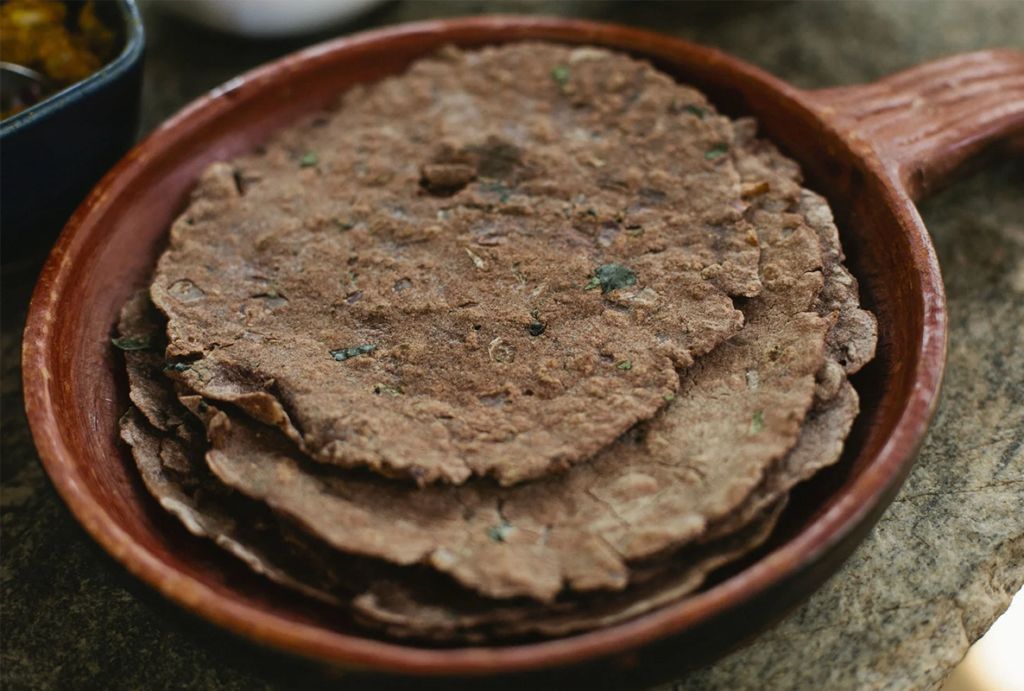
Pakistani kitchen tip: Start by mixing 30 to 50 percent ragi atta with whole wheat. Add a pinch of ajwain or methi dana for taste. Ragi roti pairs beautifully with palak sabzi or daal — the combination keeps blood sugar levels steady for hours.

Real story from my practice: A 38-year-old teacher from Gulberg, Lahore lost 4 kg in 6 weeks by replacing just two daily wheat rotis with ragi ones. Her fasting sugar dropped from 138 to 112 mg/dL. She changed nothing else. One small swap, consistent results.

One note of caution: Ragi is high in calcium, so anyone prone to kidney stones should speak to a doctor before making it a daily staple.

How Jowar Roti Supports Digestion, Satiety and Stable Blood Sugar

Jowar — sorghum, cholam — does not get enough credit. It is naturally gluten-free, which makes it a safe and genuinely nutritious choice for anyone with gluten sensitivity or celiac disease.

What sets jowar apart is how it behaves in the gut. Its fibre works as a prebiotic — meaning it feeds the good bacteria in your digestive system. That leads to better digestion, less bloating, and more consistent energy through the day. Clients who come to me with IBS or chronic acidity often feel noticeably lighter after switching to jowar roti.

Studies on sorghum show it supports satiety and weight loss through resistant starch and polyphenols. Its glycemic index sits in the medium range, which gives you a slower energy release without the heaviness some people feel after wheat.

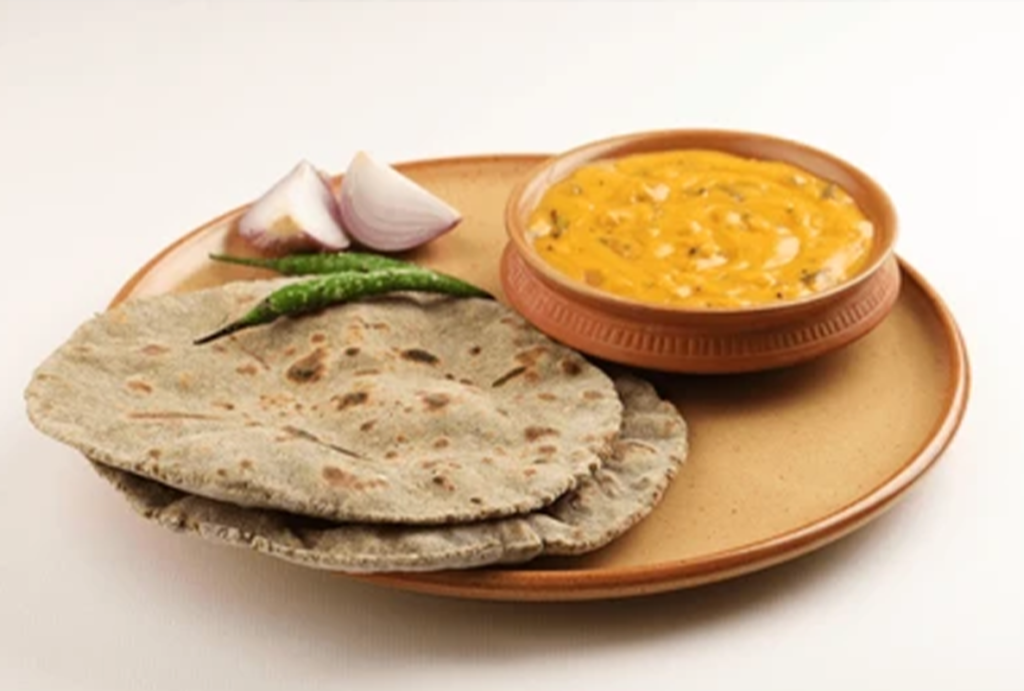
Pakistani kitchen tip: Jowar roti tends to be slightly denser than wheat roti. Soak the flour for 30 minutes before kneading and it softens considerably. A 50:50 mix with whole wheat works well when you are starting out. It pairs particularly well with winter curries and grilled chicken.

Is Wheat Roti Still a Good Choice in 2026?

Yes — and I want to be clear about this. Whole wheat roti is not your enemy. It has B vitamins, zinc, decent fibre, and real nutritional value — especially when you choose good quality, less refined atta.

The issue is not wheat itself. The issue is over-reliance and portion size. Eating four or five large wheat rotis at every meal, especially with heavy curries, will gradually work against your weight loss goals and make blood sugar control harder — particularly if you already have insulin resistance.

The smarter approach is rotation. Use wheat regularly, but bring ragi and jowar in four to five days a week. You get variety, you get better nutrition overall, and you give your body a break from the higher glycemic index of wheat.

Ragi vs jowar vs wheat roti

Practical Tips: How to Start Ragi or Jowar Roti in Your Pakistani Kitchen

You do not need to overhaul your kitchen overnight. Here is how to make the switch gradually and actually enjoy it:

  • Start with a beginner mix — 70% whole wheat and 30% ragi or jowar atta. Increase the millet ratio slowly as you get used to the taste and texture
  • For softer rotis — add one teaspoon of oil or ghee per cup of flour and use warm water. Let the dough rest for 15 to 20 minutes before rolling
  • Boost the flavour — jeera, ajwain, crushed methi, or finely chopped green chilli all work well mixed into the dough
  • Portion guidance — aim for one to two medium rotis per meal, paired with plenty of sabzi and protein
  • Meal prep shortcut — make extra dough balls and freeze them. On busy days, thaw and roll — done

Sample day using millets:

  • Breakfast: Ragi porridge, dalia-style, with a handful of nuts
  • Lunch: Jowar roti with chicken bhuna and fresh salad
  • Dinner: Mixed millet roti with moong daal and bhindi

Frequently Asked Questions About Ragi vs Jowar vs Wheat Roti

Which is best — ragi vs jowar vs wheat roti for weight loss?

Ragi usually comes out on top because it has the highest fibre content and the lowest glycemic index. It keeps you fuller for longer and reduces cravings without making you feel deprived. That combination is very effective for sustainable weight loss.

Does ragi roti really help control blood sugar levels better than wheat?

Yes. Its glycemic index of 40 to 55, combined with polyphenols that slow glucose absorption, leads to steadier readings after meals. Many of my diabetic clients see a noticeable improvement in fasting sugar within a few weeks of regular use.

Is jowar roti completely gluten-free and safe for everyone?

Jowar is naturally gluten-free, yes. It is a solid choice for anyone with gluten intolerance. That said, if you are new to high-fibre foods, introduce it gradually. Going from low-fibre wheat to full jowar overnight can cause temporary bloating while your gut adjusts.

Can I eat wheat roti every day if I have diabetes?

You can, but mixing in millets four to five days a week will give you noticeably better glycemic control. Portion size and what you pair the roti with matters just as much as the flour itself.

Where can I buy good ragi and jowar atta in Pakistan?

Most major supermarkets carry them now — Imtiaz, Metro, and Al-Fatah in Lahore and Karachi. You can also order on Daraz. Look for stone-ground versions where possible, as they retain more nutrients than machine-milled flour.

How long until I see real benefits from switching flours?

Most clients notice better energy levels and reduced hunger within 7 to 14 days. Measurable improvements in weight loss and blood sugar control typically show up within 4 to 8 weeks — provided you stay consistent.

Ready to Upgrade Your Roti and Start Feeling Lighter?

Choosing a smarter flour is one of the simplest changes you can make for weight loss and stable blood sugar levels — without giving up roti or changing your whole lifestyle.

If you want a personalised plan built around your health goals, your daily routine, and real Pakistani meals, I am here to help.

📞 Call/WhatsApp: +92 300 0172509 📧 Email: hamzathedietitian@gmail.com 🌐 Visit: hamzathedietitian.com

Customised meal plans, ongoing support, and practical advice — designed for your life, not someone else’s. Book your consultation today.

Related reading:

  • Diabetes Diet Plan Pakistan
  • Diabetic Diet Food List

Final Thoughts on Ragi vs Jowar vs Wheat Roti

When you put ragi vs jowar vs wheat roti side by side, ragi takes the lead for weight loss and blood sugar control — its fibre content and low glycemic index are hard to beat. Jowar roti is a close second, especially for anyone who needs a gluten-free option or struggles with digestion. Wheat roti is still a solid everyday choice, but leaning on millets most of the week gives your body a real advantage.

The best roti is the one you will actually eat consistently. Start with one millet roti per day. Watch how your hunger changes, how your energy feels, how your readings shift. Small steps, done daily, add up faster than you think.

You have got this. One better roti at a time.

Stay consistent, stay healthy.

Hamza The Dietitian Lahore — Helping Pakistan eat smarter, feel better.