
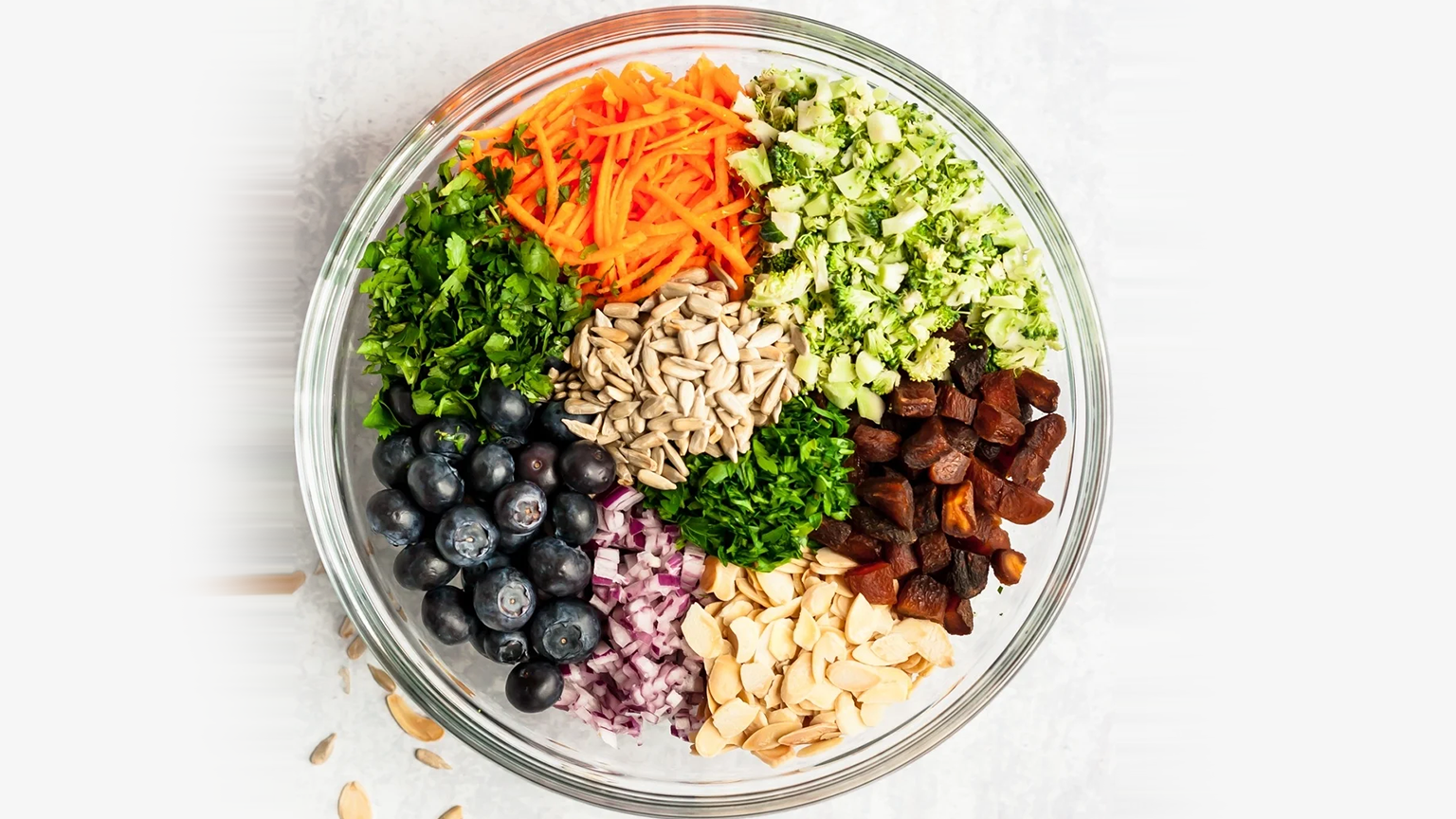
There is a conversation that happens in the clinic more often than any other.
A family member has just received a diagnosis — a parent, an uncle, sometimes a sibling. The medical appointments are underway. The treatment plan is being arranged. And somewhere in the middle of all that fear and uncertainty, someone sits down and asks the question that has been sitting with them since the moment they heard the news.
“Bhai, ab kya khana chahiye taake yeh dobara na ho… ya kam se kam control mein rahe?”
It is one of the most human questions imaginable — and it deserves a genuine, practical answer rather than a list of exotic superfoods nobody in a Pakistani household has ever heard of or can afford to buy.
Cancer fighting foods do not guarantee prevention. No honest nutritionist will claim otherwise. But the evidence behind certain everyday foods — their ability to reduce chronic inflammation, lower oxidative stress, support immunity, and create an internal environment less hospitable to abnormal cell growth — is substantial and growing. These are not fringe claims. They are the findings of serious, peer-reviewed research accumulated over decades.
The 7 cancer fighting foods covered here are affordable, available in any Pakistani market, and simple enough to add to a normal roti-sabzi routine without feeling like a medical intervention. They belong in every kitchen — not just in homes dealing with illness, but in every home thinking about prevention.
Why These Cancer Prevention Foods Matter More Than Most People Realise
Cancer development is not a sudden event. It is a process that unfolds over years — driven by chronic inflammation, oxidative stress, DNA damage accumulating over time, and an immune system gradually losing its ability to identify and destroy abnormal cells before they multiply.
Diet influences every one of these factors. Not perfectly, not with guarantees — but meaningfully, consistently, and cumulatively over months and years of daily choices.
The anti-cancer diet foods covered here work through several overlapping mechanisms:
- Antioxidants — neutralise free radicals that damage DNA and accelerate abnormal cell development
- Anti-inflammatory compounds — reduce the chronic low-grade inflammation that creates conditions where cancer thrives
- Fibre — supports gut health and detoxification, both of which are directly linked to immunity and inflammation control
- Key vitamins and minerals — support cell repair, immune function, and the body’s natural surveillance systems
Patients who add these cancer fighting foods consistently tend to report better energy levels, stronger resilience during treatment, and a sense of agency that matters enormously when facing a diagnosis that feels completely out of their control.
1. Tomatoes — The Lycopene Powerhouse
Tomatoes are one of the most studied cancer prevention foods available — and they are already in almost every Pakistani kitchen, which makes them genuinely easy to act on.
Lycopene — the compound responsible for that deep red colour — is one of the most powerful studied antioxidants for reducing cancer risk, particularly in prostate, lung, and stomach cancer. Crucially, lycopene becomes significantly more bioavailable when tomatoes are cooked rather than eaten raw, meaning a proper Pakistani tomato-based curry delivers more protective benefit than a fresh tomato slice.
Practical Pakistani use:
- Two to three cooked tomatoes daily in sabzi, curry, or daal — the cooking process enhances the lycopene content rather than diminishing it
- Fresh in salad alongside every main meal
- Homemade tomato chutney instead of bottled ketchup — same flavour, no added sugar, meaningful antioxidant benefit
A client with a family history of prostate cancer added two to three cooked tomatoes to his daily routine alongside his medical care. PSA levels showed measurable improvement over twelve months. One ingredient. Consistent daily use.
2. Cruciferous Vegetables — Broccoli, Gobhi, Band Gobhi
These are among the most consistently recommended cancer fighting vegetables in nutritional oncology research — and they are widely available and inexpensive across Pakistan.
Sulforaphane — found in significant concentrations in broccoli, cauliflower, and cabbage — is the compound that makes this entire food family worth taking seriously. It supports the liver’s ability to detoxify carcinogens, triggers cancer cell death in laboratory studies, and has shown the ability to reduce tumour volume meaningfully in research settings.
Easy Pakistani ways to use them:
- Lightly steamed or sautéed broccoli as a side dish — keep the cooking time short to preserve sulforaphane
- Cauliflower added to daal or as part of a mixed sabzi
- Gobhi matar or aloo gobhi prepared with minimal oil — already a staple in most homes, already delivering cancer fighting benefit
The fibre in these vegetables also directly supports the gut health that underpins both immunity and inflammation control.
3. Berries and Anthocyanin-Rich Fruits
Strawberries, blueberries, and blackberries are among the most studied antioxidant rich foods for cancer prevention — but for Pakistani households, the more practical and equally effective options are already growing locally.
Anar (pomegranate) and jamun are both rich in anthocyanins — the same potent antioxidant compounds that give berries their deep colour and their protective properties. These compounds reduce oxidative stress and chronic inflammation, both of which are central to cancer development.
How to include them daily:
- Fresh anar seeds in winter salad or eaten directly — beautiful flavour, meaningful benefit
- Jamun when in season — one of the most underrated cancer prevention foods in the Pakistani diet
- Frozen berries blended into plain dahi when fresh varieties are unavailable or expensive
Small daily portions matter more than occasional large amounts. Consistency is what drives the protective effect.
4. Turmeric (Haldi) — Curcumin’s Anti-Inflammatory Power
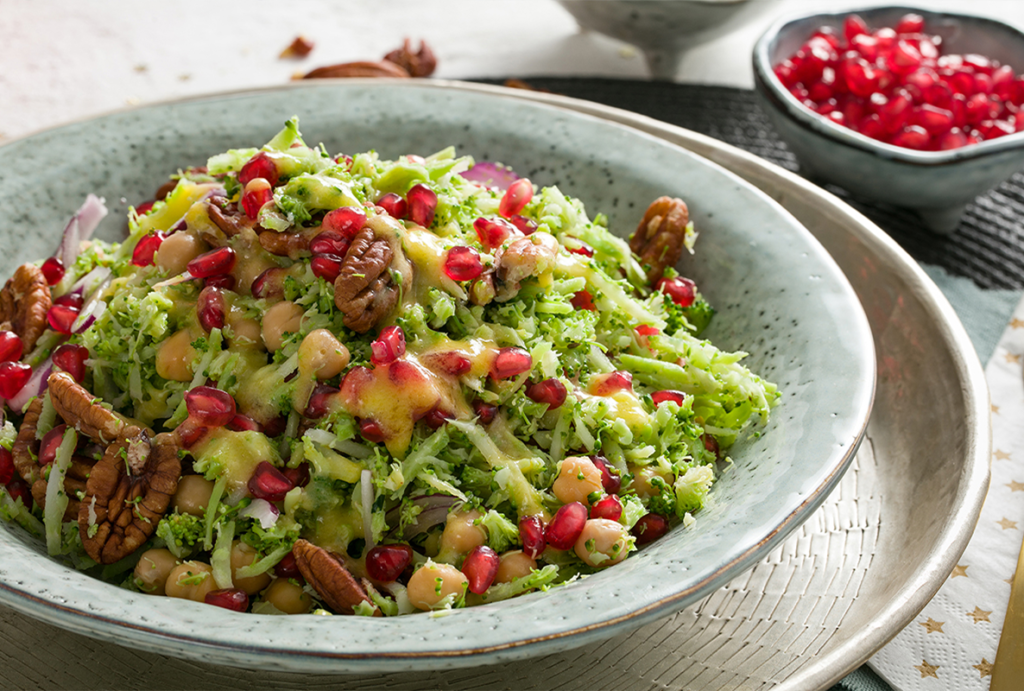
Haldi is not added to Pakistani cooking purely for colour or taste. It is one of the most researched anti-cancer diet ingredients in the world — and it has been sitting in Pakistani kitchens for centuries.
Curcumin — the active compound in turmeric — has demonstrated strong anti-inflammatory, antioxidant, and direct anti-cancer effects across multiple studies. Research shows it can slow cancer cell growth, trigger programmed cell death in abnormal cells, and improve the body’s response to conventional treatment.
Daily habits worth building:
- Haldi doodh every night before bed — always add a pinch of kali mirch, which increases curcumin absorption by up to 2000%
- Extra haldi in every curry and daal — more than seems necessary, used generously rather than sparingly
- A small amount of golden paste — haldi with a little ghee and black pepper — half a teaspoon daily for those who want a more concentrated approach
Patients who use turmeric consistently tend to report less inflammation-related discomfort and better energy during treatment. It is one of the simplest, cheapest, and most evidence-backed additions available.
5. Garlic and Onions
Both are already in almost every Pakistani meal — which means most households are already accessing these cancer fighting foods without realising it. The goal is simply to use them more deliberately.
Allicin — the sulphur compound released when garlic is crushed or chopped — has demonstrated anti-cancer effects in both laboratory and population studies, particularly for stomach and colorectal cancer. Onions contain similar sulphur compounds with overlapping protective properties.
Practical additions:
- One to two cloves of raw crushed garlic in raita or fresh chutney — raw garlic preserves allicin better than cooked
- Onions in every sabzi and salad as standard rather than optional
- Caramelised onions stirred into daal — adds depth of flavour without additional oil
6. Green Tea
EGCG — the primary catechin in green tea — is one of the most studied antioxidant compounds for cancer prevention, with research showing effects on cancer cell signalling, growth inhibition, and inflammatory pathways.
Simple daily habit:
- Two to three cups of plain green tea daily — no sugar, which would counteract the benefit
- Fresh mint or a squeeze of lemon for flavour if plain is unappealing
- Replacing one or two daily chai sessions with green tea is the most practical entry point for most Pakistani households
Many patients report improved energy and digestion during treatment after making this single swap — which suggests the benefit extends beyond the direct anti-cancer compounds.
7. Nuts and Seeds — Especially Flaxseeds and Walnuts
Flaxseeds contain lignans — phytoestrogen compounds with documented anti-cancer effects, particularly relevant for hormone-sensitive cancers. They also provide omega-3 fatty acids that reduce inflammation throughout the body. Walnuts deliver a combination of antioxidants, healthy fats, and compounds that have shown cancer-protective effects in research.
Daily use that actually sticks:
- One tablespoon of ground flaxseeds stirred into morning dahi or a smoothie — ground rather than whole, because whole seeds pass through undigested
- A small handful of walnuts as an evening snack — consistent daily use rather than occasional large amounts
Frequently Asked Questions About Cancer Fighting Foods
Can cancer fighting foods actually prevent cancer completely?
No food provides a guarantee — and anyone claiming otherwise is overstating the evidence. What these cancer prevention foods do is consistently reduce known risk factors — chronic inflammation, oxidative stress, DNA damage accumulation — which meaningfully lowers statistical cancer risk over time.
Is it safe to eat these anti-cancer diet foods during active treatment?
In most cases yes — and many actively support treatment response and recovery. However, certain foods interact with specific chemotherapy agents. Always confirm with the treating oncologist before making significant dietary changes during active treatment.
How much turmeric is the right daily amount?
Half to one teaspoon of turmeric with a pinch of black pepper is the practical recommendation for daily use. More is not automatically better — curcumin absorption matters more than raw quantity, which is why the black pepper pairing is essential.
Are imported berries necessary if anar and jamun are available?
Not at all. Pomegranate and jamun are excellent local substitutes that deliver comparable antioxidant and anti-inflammatory benefit. Seasonal local fruit consistently outperforms expensive imported alternatives for practical daily use.
Should supplements be taken instead of these whole foods?
A food-first approach consistently delivers better outcomes than isolated supplementation for cancer prevention. Supplements have a role when blood tests reveal specific deficiencies — but always under medical guidance rather than independently.
Do these foods help after a cancer diagnosis is already made?
Yes — many support immunity, reduce inflammation, improve energy during treatment, and support recovery. They are as relevant after diagnosis as they are for prevention.
Ready to Add These Cancer Fighting Foods to Daily Life?
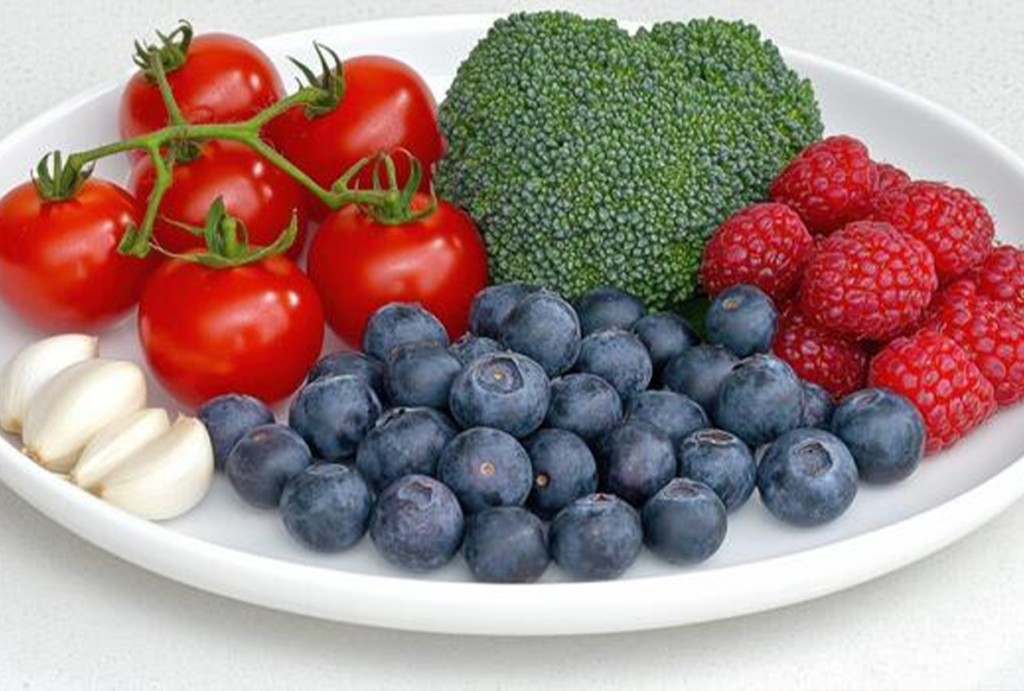
No exotic ingredients needed. No expensive supplements required. The most powerful cancer fighting foods are already in Pakistani markets — tomatoes, haldi, gobhi, anar, garlic, green tea, and a small jar of ground flaxseeds. The only thing needed is the decision to use them consistently.
📞 Call/WhatsApp: +92 300 0172509 📧 Email: hamzathedietitian@gmail.com 🌐 Visit: hamzathedietitian.com
Personalised meal plans, real ongoing support, and practical guidance built around Pakistani food culture and individual health circumstances. Book a consultation today.
Related reads:
Final Thoughts: Cancer Fighting Foods Are Already in Your Kitchen
The most effective cancer fighting foods are not miracle cures and they are not found in expensive health stores. They are tomatoes, haldi, cruciferous vegetables, local berries, garlic, green tea, and flaxseeds — ingredients that have been part of Pakistani cooking for generations, now backed by serious research confirming what traditional food wisdom always suggested.
Key takeaways:
- Tomatoes, broccoli, and berries deliver powerful antioxidants that reduce oxidative stress and cancer risk
- Turmeric and ginger address the chronic inflammation that drives cancer development
- Garlic, onions, and green tea support detoxification and immune surveillance
- Flaxseeds and walnuts provide omega-3s and lignans with direct anti-cancer properties
- Consistency over months and years matters more than any single superfood consumed occasionally
Start tonight. One extra tomato dish. A cup of haldi doodh before bed. A small handful of walnuts with the evening chai. Small decisions made consistently — that is what builds genuine, lasting protection.
Stay nourished. Stay resilient.
Hamza The Dietitian Lahore — helping Pakistani families build health that lasts.