
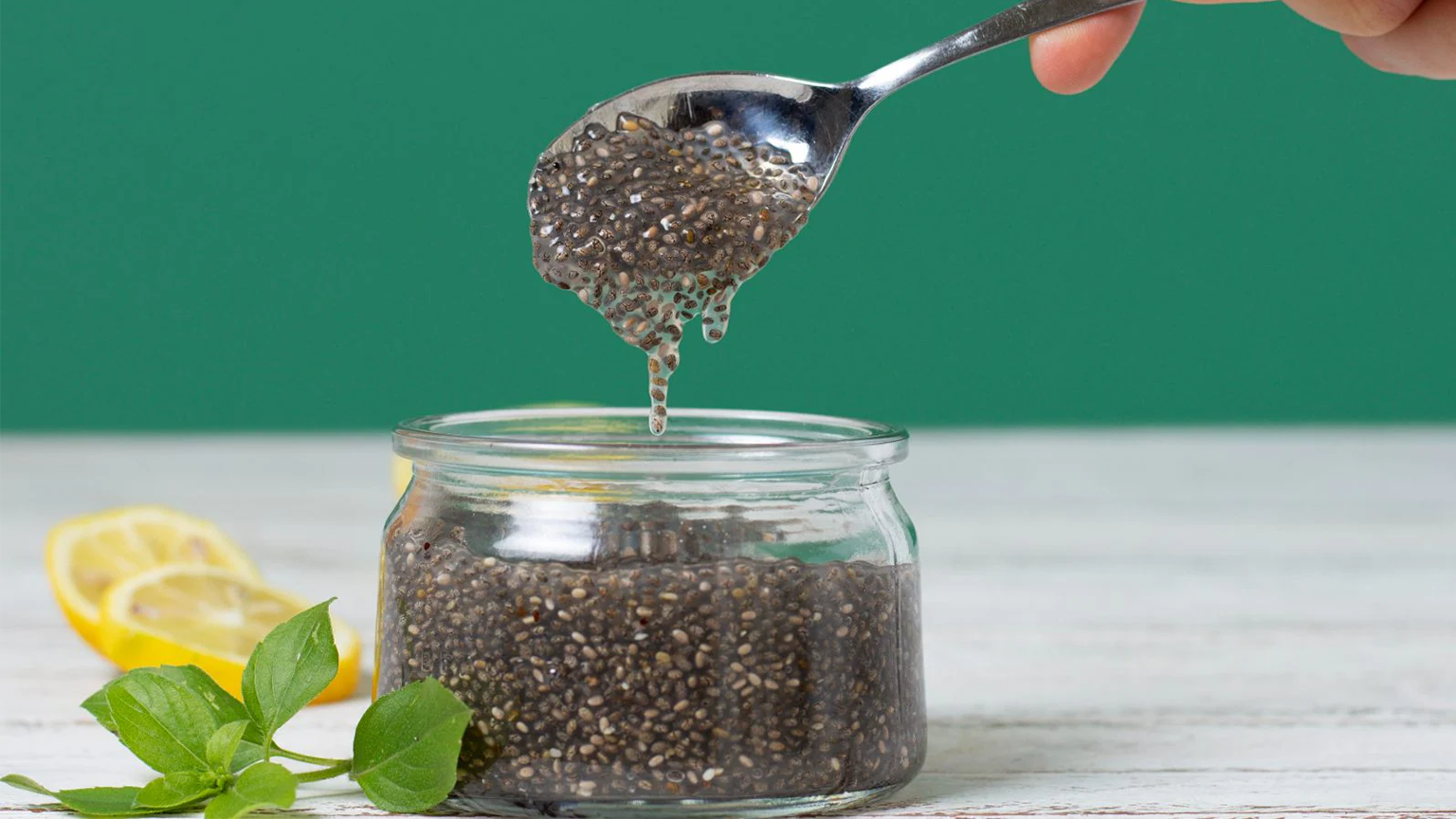
There is a small jar of chia seeds sitting on the clinic counter in Lahore. It has been there for years — and it has started more useful conversations than almost anything else in the room.
Someone comes in, usually around the second or third week of trying to eat better, looking slightly defeated. The complaints are always variations of the same thing.
“Bhai, kabhi kabhi pet bhaari rehta hai, kabhi energy bilkul khatam ho jati hai dopahar tak… aur weight bhi control nahi ho raha.
When the conversation turns to breakfast and snacks, the answer is almost always the same — paratha, anda, or just chai and biscuits at 4pm. That is when the chia jar comes out.
Chia seed recipes are one of those rare nutritional recommendations that deliver genuinely noticeable results without feeling like punishment. These are not diet foods in the grim, restrictive sense. They are flexible, easy to prepare, and surprisingly compatible with Pakistani eating habits once the basic techniques are understood.
High in soluble fibre, plant-based omega-3s, complete protein, calcium, magnesium, and antioxidants — chia seeds support digestion, reduce bloating, extend fullness across meals, provide steady energy, and contribute meaningfully to weight loss when used with consistency. The seven chia seed recipes covered here are the ones recommended most often in consultations — all using ingredients already present in most Pakistani kitchens, all taking under ten minutes to prepare.
Why Chia Seeds Deserve More Attention in Pakistani Kitchens
The results seen with chia seeds in practice are disproportionate to the effort involved — which is saying something, because the effort is genuinely minimal.
The soluble fibre in chia seeds — called mucilage — forms a gel when it contacts liquid in the stomach. That gel slows digestion, prevents blood sugar spikes, and creates a sustained feeling of fullness that lasts four to five hours. That single mechanism explains why mid-morning hunger crashes and the 4pm chai-biscuit craving both tend to disappear when chia seeds become a consistent morning habit.
Beyond digestion, the omega-3s reduce chronic inflammation — directly relevant for joint pain, PCOS, and persistent bloating. The magnesium supports sleep quality and mood regulation. The protein and fibre combination creates the metabolic environment that makes weight loss easier without requiring calorie counting or dramatic food restriction.
Starting with one to two tablespoons daily — always soaked, never dry — is the approach that works most consistently. Within ten to fifteen days, most people report lighter digestion, significantly less bloating, and noticeably steadier energy throughout the afternoon.
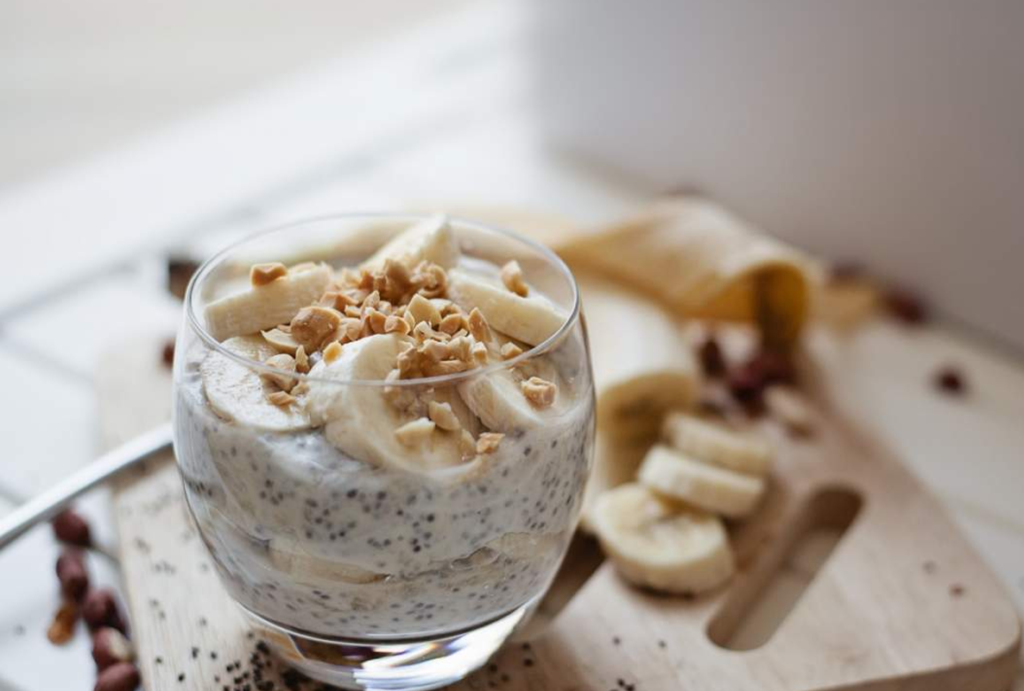
1. Classic Overnight Chia Pudding — The Most Recommended Recipe
This is almost always the first chia seed recipe taught to new clients — particularly those dealing with constipation, PCOS, or irregular digestion.
Why it works: The combination of high fibre and protein supports gut motility, stabilises blood sugar levels through the morning, and requires zero effort on the day itself because it is prepared the night before.
Recipe (serves 1–2):
- 2 tablespoons chia seeds
- 1 cup low-fat milk, almond milk, or coconut milk
- Half a teaspoon of vanilla or elaichi powder
- 1 teaspoon honey or two chopped dates for sweetness
Mix everything in a jar and refrigerate overnight. In the morning, top with sliced banana, apple, or fresh berries and a few crushed almonds.
A PCOS client who used this five days a week reported dramatically reduced bloating and noticeably more regular periods within six weeks. One recipe. Consistent use. Real results.
2. Chia Dahi Bowl — Desi-Style Breakfast That Actually Fills
For mornings when something cold and refreshing works better than a warm meal — particularly through summer in Lahore — this combination delivers outstanding digestion support.
Why it works: Probiotic dahi combined with chia seeds creates double gut support — the live cultures from dahi and the prebiotic fibre from chia working together. This combination consistently keeps hunger away until lunch without any mid-morning dip.
Quick preparation:
- 1 cup thick whisked dahi
- 1.5 tablespoons chia seeds pre-soaked for 15 minutes in water or milk
- 1 small banana or apple, chopped
- A pinch of cinnamon or elaichi
- 4 to 5 chopped almonds
- A drizzle of honey if needed
Mix everything, chill for ten minutes, eat. Simple enough to prepare half-asleep.
3. Chia-Infused Lemon Water — All-Day Hydration and Gentle Detox
This is the hydration recommendation for clients who consistently forget to drink water during busy workdays — and it addresses the afternoon craving problem simultaneously.
Why it works: The fibre gel from soaked chia combined with lemon provides gentle digestive support, better bowel regularity, and curbs the false hunger signals that send people toward chai and biscuits at 4pm.
Preparation:
- 1 large bottle of water (1 to 1.5 litres)
- 1 tablespoon chia seeds
- Juice of half to one lemon
- A few fresh mint leaves
Soak the chia seeds in the water for 15 minutes, add lemon and mint, and sip steadily throughout the day. Many office-going clients report this single habit completely eliminated their 4pm craving cycle.
4. Chia Oats Porridge — Winter Breakfast and Perfect Sehri Option
Warm, genuinely comforting, and one of the most effective chia seed recipes for sustained morning energy — this works particularly well during Ramadan as a Sehri meal or through cold winter mornings.
Why it works: Oats and chia together deliver slow-release carbohydrates combined with soluble fibre — a combination that produces steady energy through the entire morning without the mid-morning crash that white bread or plain paratha consistently causes.
Simple recipe:
- One third cup rolled oats
- 1 tablespoon chia seeds
- 1 cup milk and water mixed
- Half a banana, mashed
- A pinch of cinnamon
Cook the oats and chia together for five to seven minutes. Top with fresh banana and a few nuts. Takes less time than frying a paratha.
5. Chia Seed Raita — A Smarter Side Dish for Heavy Meals
Plain dahi with biryani or pulao is already a good pairing. Chia seed raita takes that pairing and makes it genuinely functional for digestion and blood sugar management.
Why it works: Adding chia fibre to a heavy carbohydrate meal slows the rate of carbohydrate absorption — reducing the post-meal blood sugar spike and the heavy, sluggish feeling that often follows biryani.
Quick preparation:
- 1 cup plain dahi
- 1 tablespoon chia seeds pre-soaked in water
- Cucumber and tomato, chopped
- Roasted jeera, black salt, fresh mint
Mix and serve chilled. Ready in three minutes and noticeably better for digestion than plain dahi.
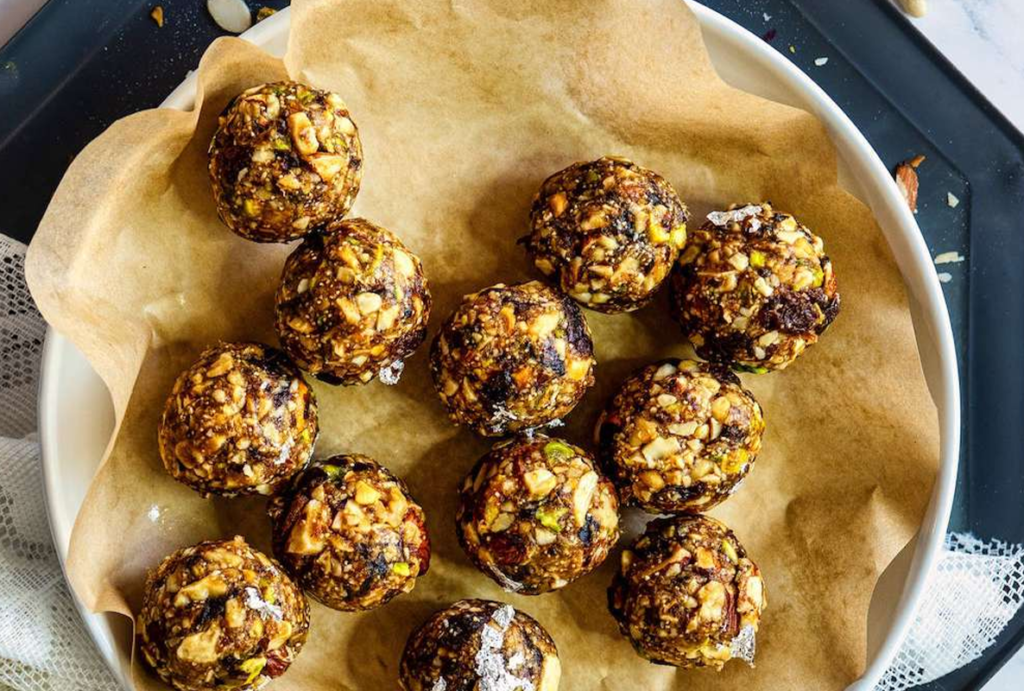
6. Chia Energy Laddoo — A Healthy Mithai Alternative
When clients crave something sweet and the standard advice to “just have fruit” feels deeply unsatisfying, this recipe fills that gap genuinely well.
Why it works: The combination of dates, almonds, and chia provides healthy fats, slow-release natural sugars, and fibre — producing satiety without the blood sugar spike that traditional mithai causes. These feel indulgent without behaving like junk food.
Ingredients (makes 8 to 10 small laddoos):
- Half a cup of seedless dates
- Quarter cup almonds
- 2 tablespoons chia seeds
- 2 tablespoons desiccated coconut
- A pinch of cardamom
Blend dates and almonds together. Mix in chia seeds and coconut. Roll into small balls. Refrigerate for 30 minutes before eating. They keep for a week in the fridge.
7. Chia Green Smoothie — Fast Nutrition for Busy Mornings or Post-Workout
When there is genuinely no time for a proper meal — after a workout, before a morning meeting, or during a particularly rushed Sehri — this smoothie delivers complete nutrition in under two minutes.
Recipe:
- 1 cup fresh palak or spinach
- Half a banana
- 1 tablespoon chia seeds pre-soaked
- 1 cup milk or plain dahi
- A few ice cubes
Blend until smooth and drink immediately. The palak flavour disappears almost entirely behind the banana and dahi — which is why this works even for clients who insist they dislike vegetables in drinks.
Frequently Asked Questions About Chia Seed Recipes
How much chia seeds should be eaten daily?
One to two tablespoons is the right starting point for most people. Those new to chia seeds should begin with one tablespoon to allow digestion to adjust before increasing the amount.
Do chia seeds genuinely support weight loss?
Yes — the soluble fibre absorbs water and expands in the stomach, significantly increasing fullness and reducing overall calorie intake naturally. The protein content also supports muscle maintenance during weight loss.
Can chia seeds cause constipation?
Only when eaten dry. Always soak for a minimum of ten to fifteen minutes before consuming and ensure adequate water intake throughout the day — chia absorbs significant amounts of fluid.
Are these chia seed recipes appropriate for diabetes?
Yes — all seven recipes use minimal or no added sugar, and the fibre and protein content actively helps prevent the blood sugar spikes that are problematic for diabetic patients.
How long should chia seeds be soaked?
Ten to fifteen minutes is sufficient for drinks and raita. Overnight soaking is ideal for puddings — the texture becomes properly creamy rather than grainy.
Can children eat these chia seed recipes?
Absolutely — start with half a tablespoon mixed into dahi or porridge and increase gradually. The nutritional benefits are relevant for children at every age.
Ready to Add Chia Seeds to Daily Life?
These chia seed recipes are among the simplest, most consistently effective tools available for better digestion, steadier energy, and more manageable weight loss — without requiring dramatic dietary overhaul or expensive ingredients.
📞 Call/WhatsApp: +92 300 0172509 📧 Email: hamzathedietitian@gmail.com 🌐 Visit: hamzathedietitian.com
Personalised meal plans, real ongoing support, and practical guidance built around Pakistani food culture and individual health needs. Book a consultation today.
Related reads:
Final Thoughts: Chia Seed Recipes — Small Habit, Real Results
Chia seed recipes sit in that rare category of nutritional recommendations where the effort required is minimal and the results are genuinely disproportionate to that effort. Better digestion, reduced bloating, steadier energy across the day, and meaningful support for weight loss — all from one to two tablespoons of soaked seeds added to food that is already being eaten.
Key takeaways:
- Start with one to two tablespoons soaked daily — never dry
- Use them to improve dahi, oats, smoothies, and water without changing the meal itself
- Consistent daily use produces the digestion and energy benefits — occasional use does not
- Always drink enough water — chia absorbs significant amounts of fluid
- The overnight pudding is the easiest starting point for most people
Pick one recipe from this list and try it tomorrow morning. The difference in afternoon energy and digestion comfort tends to be noticeable faster than most people expect.
Stay consistent, stay nourished.
Hamza The Dietitian Lahore — helping Pakistan feel better one small habit at a time