
Introduction
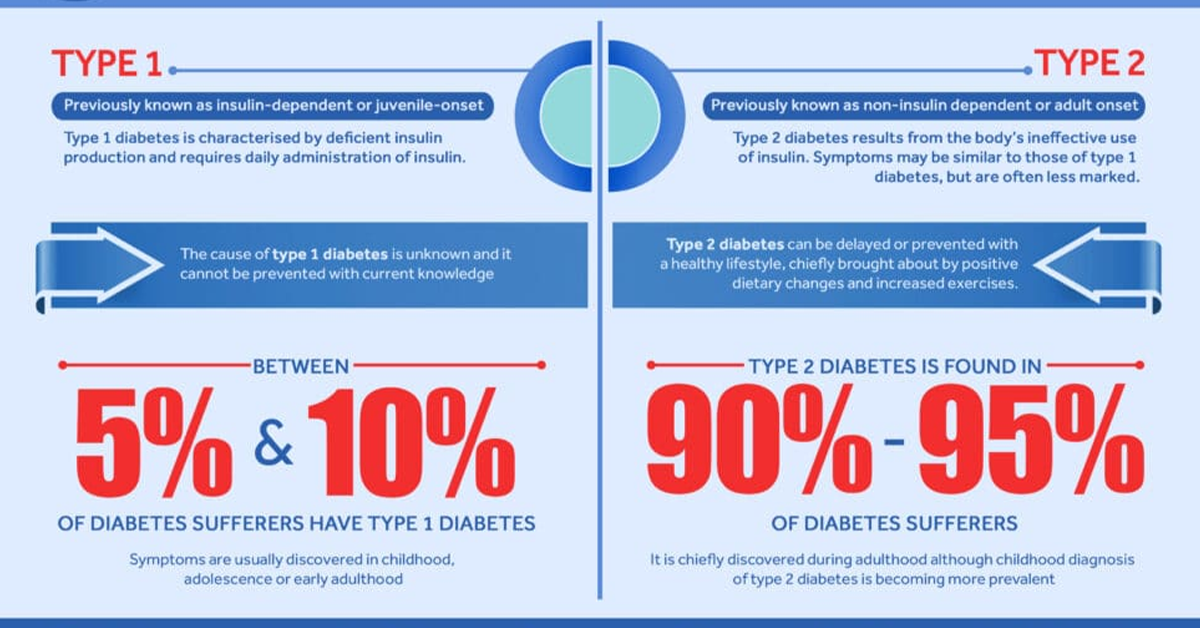
Let’s talk about diabetes—a condition that affects millions of people worldwide. It’s a chronic illness where your body struggles to process sugar properly. Think of it this way: when you have diabetes, your blood sugar levels stay too high because something’s off with how your body makes or uses insulin.
Now, why should you care? Because if blood sugar isn’t kept in check, it can mess with your heart, eyes, kidneys, nerves, and blood vessels over time. The good news? Understanding what diabetes actually is, knowing what early symptoms to look for, and learning the real difference between type 1 and type 2 diabetes can help you catch it before things get serious.
What Is Diabetes, Really?
Here’s the deal: diabetes means your blood sugar levels stay elevated way longer than they should. Your body runs on sugar—it’s like fuel for your cells. You get this sugar from everything you eat.
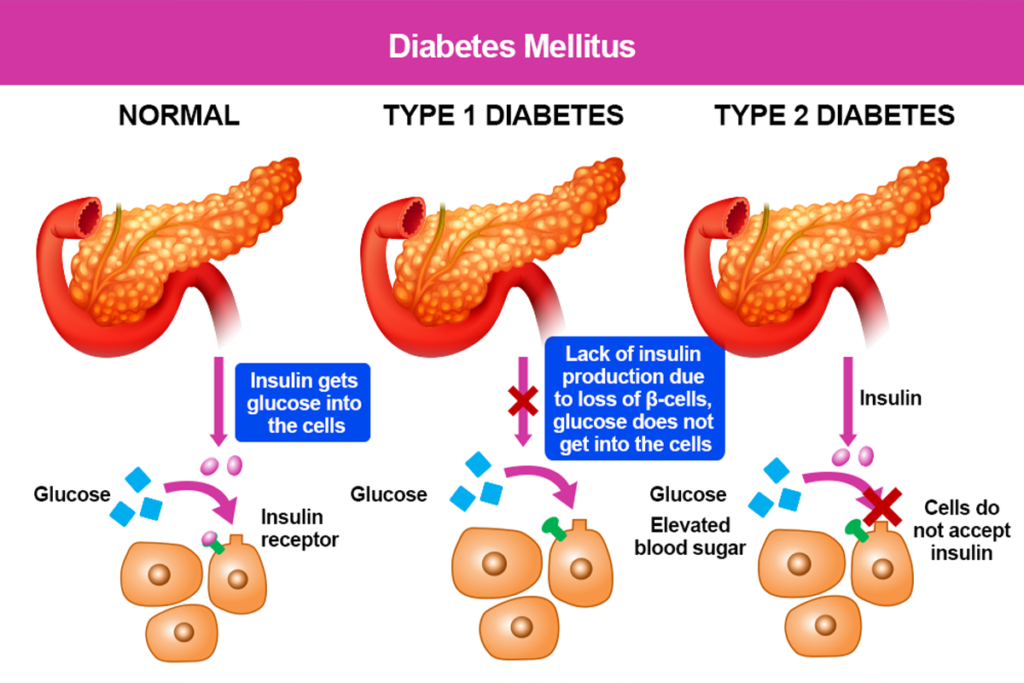
Now, there’s this hormone called insulin that acts like a key. It opens up your cells so sugar can get inside and give you energy. But when you have diabetes, one of two things happens: either your body doesn’t make enough insulin, or your cells ignore the insulin that’s there. Either way, sugar gets stuck in your bloodstream instead of powering your body.
There are different kinds of diabetes out there, but type 1 diabetes and type 2 diabetes are the big ones everyone talks about. Both mess with your blood sugar and can cause real health problems, but here’s the thing—they’re actually pretty different in how they start, who gets them, and how you deal with them.
What Are the Early Symptoms of Diabetes?
Early symptoms of diabetes can be sneaky. They don’t always scream “Hey, something’s wrong!” Most of the time, they show up gradually, and people think they’re just stressed, tired, or getting older. But your body is actually trying to tell you that your blood sugar levels aren’t right.
Catching these symptoms early? That’s huge. It can save you from some really nasty complications down the road.
10 Warning Signs You Shouldn’t Ignore
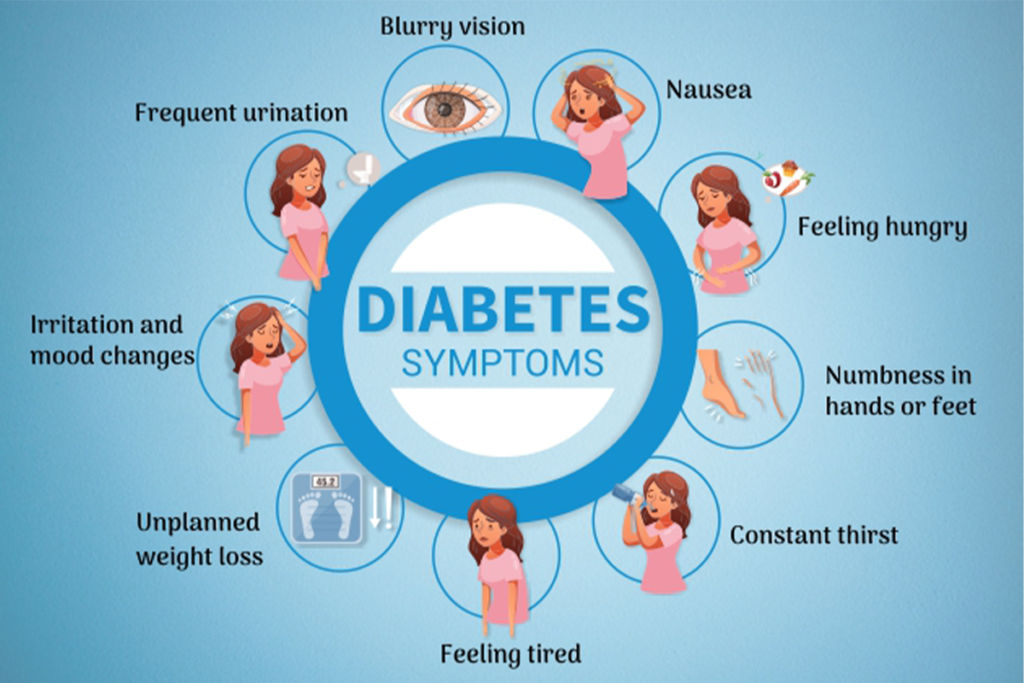
Watch out for these common signs of diabetes:
- Peeing all the time – especially at night when you should be sleeping
- Constant thirst – you drink water, but you’re still thirsty
- Always tired – even when you’ve slept enough
- Hungry soon after eating – like you didn’t just have a meal
- Losing weight without trying – happens more with type 1 diabetes
- Blurry vision – things look fuzzy or out of focus
- Slow healing – cuts and bruises stick around longer than normal
- Getting infections often – skin problems, gum issues, UTIs
- Tingling or numbness – usually in your hands and feet
- Mood swings – feeling irritable or having trouble concentrating
Got several of these happening at once? Don’t brush it off. Make an appointment and ask your doctor for a blood sugar test.
Early Signs Women Should Know About
Women deal with the same early symptoms of diabetes as men, but there are a few extra things that show up more often in women.
You might get yeast infections down there repeatedly, or UTIs that keep coming back. Some women notice vaginal itching, discomfort, or even pain during sex. When these happen alongside the usual suspects—extreme thirst, constant fatigue, or frequent bathroom trips—it could be early diabetes trying to get your attention. Don’t ignore it.
Understanding the Different Types of Diabetes
The two main types of diabetes are type 1 diabetes and type 2 diabetes. Yeah, they both involve blood sugar levels that are too high, but that’s pretty much where the similarities end. They happen for totally different reasons and need completely different game plans.
Type 1 Diabetes: What Causes It?
Type 1 diabetes is basically your immune system going rogue. For some reason, it decides that the cells in your pancreas making insulin are the enemy, and it attacks them. So your pancreas ends up making little to no insulin, which sends your blood sugar levels skyrocketing if you don’t get treatment fast.
This type usually shows up in kids, teens, or young adults—though honestly, it can pop up at any age.
What triggers it? Scientists aren’t completely sure yet. It seems like genetics play a role, and maybe something in the environment or a virus flips the switch. But here’s what you need to know: type 1 diabetes has nothing to do with what you eat, how much you exercise, or your weight. You can’t prevent it through lifestyle changes.
Type 2 Diabetes: The Common One
Type 2 diabetes is the kind most people have. With this version, your body becomes resistant to insulin—kind of like when you keep knocking on a door and nobody answers. Or sometimes, your pancreas just doesn’t pump out enough insulin to keep your blood sugar levels where they should be.
The tricky part? Blood sugar rises slowly with type 2 diabetes. People can walk around with it for years—literally years—without knowing.
Here’s who’s most at risk:
- Carrying extra weight – especially around your belly
- Not moving enough – being a couch potato isn’t doing you any favors
- Eating junk regularly – fast food and processed stuff for years takes a toll
- Family history – if your parents or siblings have type 2 diabetes, you’re more likely to get it too
- Getting older – though younger people are getting it more now
- Had gestational diabetes – or you had a baby over 9 pounds
But here’s some good news: type 2 diabetes is often preventable. Even if you have prediabetes, changing your lifestyle can delay it or stop it completely.
Spotting the Symptoms of Type 1 and Type 2 Diabetes
Both types share a lot of the same symptoms, but timing is everything. Type 1 diabetes hits you like a truck—fast and hard. Type 2 diabetes? It’s more like a slow leak you don’t notice until there’s a puddle.
What Type 1 Diabetes Feels Like
If you’ve got type 1 diabetes, you’ll probably notice:
- Intense, sudden thirst and running to the bathroom constantly
- Rapid weight loss even though you’re eating normally
- Exhaustion that makes you feel weak
- Blurry vision that comes on quickly
- Nausea or stomach pain in some cases
Sometimes, the first clue someone has type 1 diabetes is when they end up in the ER with diabetic ketoacidosis (DKA). This is serious business—your body starts producing dangerous levels of ketones. You’ll breathe really fast, your breath might smell fruity, and you could get confused. Without quick treatment, it can be deadly.
What Type 2 Diabetes Feels Like
With type 2 diabetes, watch for:
- Increased thirst and peeing more often than usual
- Constant tiredness that won’t quit
- Vision problems that develop gradually
- Wounds that won’t heal – cuts and sores just hang around
- Frequent infections – especially skin issues or UTIs
- Numbness or tingling in your hands and feet that gets worse over time
Here’s the kicker: a lot of people with type 2 diabetes don’t feel anything wrong at all. They find out by accident during a regular checkup.
Type 1 vs Type 2 Diabetes: What’s the Real Difference?
People search “type 1 vs type 2 diabetes” all the time because it’s genuinely confusing. Both involve high blood sugar and serious health risks, but they’re different beasts when you look at what causes them, how they develop, and what you do about them.
The Causes: Type 1 vs Type 2
Type 1 diabetes:
- Your immune system attacks insulin-making cells (autoimmune disease)
- Usually starts when you’re young—kid, teen, or young adult
- Lifestyle doesn’t cause it
Type 2 diabetes:
- Your body resists insulin or doesn’t make enough (metabolic issue)
- More common in adults, but young people are getting it more
- Lifestyle, weight, and genetics all play a big role
How They Show Up
Type 1 diabetes shows up fast with scary, obvious symptoms. Type 2 diabetes creeps up slowly and might hide for years before anyone notices.
Getting Diagnosed
Doctors use the same blood tests for both—fasting blood glucose, HbA1c, or an oral glucose tolerance test. With Type 1 diabetes, your blood sugar is usually crazy high when you’re diagnosed. Type 2 diabetes often gets caught during routine blood work when you’re not even looking for it.
How You Treat Each One
Type 1 diabetes treatment:
- You need insulin every single day for the rest of your life—shots or a pump
- Check your blood sugar multiple times daily
- Watch what you eat and stay active
Type 2 diabetes treatment:
- Start with lifestyle changes—eat better, move more
- Might add pills if needed
- Some people eventually need insulin too if blood sugar stays high
Which One Is Worse?
Honestly? Neither is “worse.” They’re just different. Type 1 diabetes is immediately life-threatening without insulin. Type 2 diabetes is way more common and often flies under the radar for too long, which lets complications build up. Both need serious attention.
Can You Cure or Prevent Diabetes?
Straight answer? There’s no cure for diabetes right now—neither type 1 nor type 2.
Type 1 diabetes can’t be prevented. But getting diagnosed early and starting insulin treatment right away prevents a lot of the scary complications.
Type 2 diabetes? Different story. You can often prevent it or push it way down the road by:
- Staying at a healthy weight – even losing 5-10% of your body weight helps
- Moving your body regularly – doesn’t have to be crazy, just consistent
- Eating real food – cut down on processed junk
- Getting screened if you’re at risk – catch blood sugar problems early
When Should You Actually See a Doctor?
Don’t wait if you’re experiencing multiple diabetes symptoms at the same time. We’re talking: crazy thirst, constant peeing, feeling wiped out all the time, vision going blurry, or wounds that won’t heal.
Even if you feel fine, see a doctor if you’ve got risk factors—you’re overweight, your family has diabetes, you’re over 45, or you had gestational diabetes before. Getting screened regularly can catch problems before they become serious.
Final Thoughts
Diabetes is everywhere these days, but that doesn’t mean you should take it lightly. Left alone, it quietly damages your body in ways you won’t notice until it’s harder to fix.
The key? Pay attention to early symptoms. Understand how type 1 and type 2 diabetes are different. Get tested when you need to. Take control early, and you can avoid a lot of the long-term mess that comes with uncontrolled blood sugar.
Your health is in your hands—literally. Don’t wait until something feels seriously wrong. By then, diabetes might have already been working behind the scenes for years.
Book a consultation with Dietitian Hamza Javed:
Bring your recent lab work and ultrasound results. Get a clear, step-by-step plan to balance your hormones and take control of your health.
📞 Call/WhatsApp: 0300 0172509
📧 Email: hamzathedietition@gmail.com
Stop guessing. Get a real plan. See actual results.