
You download that new diet app at midnight, feeling like THIS is finally it. You screenshot the meal plan. You throw out all the “bad” foods. You tell everyone you’re doing keto now.Fast forward three weeks—you’re hiding in your car eating an entire box of donuts.What went wrong?Nothing. You didn’t fail. The diet failed you.This is why most diet plans fail for literally everyone. You’re not weak. You’re not undisciplined. The whole system is broken, and that’s exactly what we need to talk about.
A dietitian can actually fix this—not with another ridiculous meal plan, but with a personalized diet plan with dietitian support that works with your actual life.
Let me show you why most diet plans fail and how you can finally stop this exhausting cycle.
Why Most Diet Plans Fail When Real Life Shows Up
Every diet sounds incredible when you first read about it.
“Drop 10kg in a month!” “Eat these magic foods!” “Just cut carbs!”
Amazing, right? Until Tuesday happens.
Your manager dumps a crisis project on you at 4:55 PM. Your kid’s birthday is this weekend and there’s cake involved. You get home at 9 PM after a brutal commute—cooking that elaborate “clean meal” isn’t happening. Ramadan starts and suddenly you’re eating at completely different times. You’re at your cousin’s wedding and the entire hall smells like fresh biryani.
Your perfect diet plan? Dead in the water.
This is why diets don’t work long term—they’re designed for some imaginary person who has zero stress, never gets invited anywhere, and has unlimited time to meal prep.
Most diets want you to completely transform overnight. New schedule. New foods. New lifestyle. New you.
That’s exactly why most diet plans fail before you even make it to Friday.
The Real Reasons Why Most Diet Plans Fail
1. Restriction Always Backfires
The biggest reason why most diet plans fail? They’re basically punishment disguised as health.
No rice ever again. Bread is poison. Don’t even look at fruit after 6 PM. Your entire existence is now boiled chicken breast and steamed broccoli.
Day one and two? You feel unstoppable. “Look at my discipline! I’m transforming!”
Day five? You’re a different person.
You’re starving constantly. Everyone at work annoys you. You dream about eating an entire pizza—not slices, the whole thing. Your brain feels like it’s running on 2% battery. You can’t remember what your coworker just said because you’re mentally planning your next meal.
Then you crack. One bite becomes the whole thing. You feel horrible. You quit completely.
This restriction-binge-guilt cycle is why diets don’t work long term. Your body’s not designed to run on willpower alone.
What actually happens:
- Metabolism hits the brakes
- Hunger hormones go absolutely insane
- “Forbidden” foods consume your thoughts
- Food becomes a constant mental battle
This is why most diet plans fail—they literally program you to fight yourself.
2. Cookie-Cutter Plans Are Useless
Can we talk about those WhatsApp group diet charts?
Someone’s aunt’s friend lost weight on this plan, so now it’s making the rounds. Or that Instagram influencer’s meal plan that worked for her (a 22-year-old fitness model with completely different genetics, schedule, and life than you).
Here’s the problem: they know nothing about you.
Not your thyroid medication. Not your night shift schedule. Not your budget. Not that you absolutely hate eggs. Not your prediabetes diagnosis. Not your family’s cooking style.
Nothing.
Your body doesn’t care that this plan “worked for thousands!” A real sustainable weight loss diet plan needs to account for YOUR genetics, age, hormones, medical history, work schedule, sleep patterns, stress levels, culture, and budget.
Generic plans can’t do that. Why diets don’t work long term for most people? This right here.
Why they crash and burn:
- Completely ignore health issues (diabetes, thyroid problems, PCOS, kidney stuff, heart conditions)
- Don’t fit your culture or what you can actually afford
- Never adapt when your life changes
This is a massive reason why most diet plans fail—they’re for “everyone” which means they’re actually for nobody.
3. You Want Fast Results, Not Real Change
Let’s be honest: why diets don’t work long term? Because most of us don’t start them for “long term.”
You start because your brother’s getting married next month. Beach trip in three weeks. Eid’s coming up and you want to look good in photos.
You need results NOW.
So you suffer through some nightmare diet, drop maybe 4-5 kilos, take your photos looking decent, then immediately return to exactly how you were eating before.
Two months later the weight’s back—with a bonus kilo or two. You feel like garbage about yourself. Then you start searching for the next miracle solution.
Diets screaming “15kg in ONE MONTH!” don’t teach you how to actually eat like a normal human being for the rest of your life.
This is why most diet plans fail at creating anything that lasts—they’re built for quick results, not your actual health.
The cycle everyone knows:
- Start with insane motivation and ridiculous rules
- Lose weight fast but feel completely drained
- Have one “bad” meal, spiral into shame
- Quit everything and gain it all back
- Find the next magic diet and repeat
Yo-yo dieting wrecks your metabolism and your mental health.
Breaking it needs a personalized diet plan with dietitian guidance that focuses on building habits, not just dropping weight for next week’s event.
4. You’re Doing This Completely Alone
Most people tackle dieting solo.
You pick some random plan off TikTok. You maybe track food for three days. You fight cravings alone at midnight. You deal with stress-eating after a terrible day with zero professional support.
When progress stops—and it will, because plateaus happen to everyone—you have no idea what to do. So you assume it’s not working and you quit.
This lack of accountability is a huge reason why most diet plans fail.
Why having support changes everything:
- Someone actually checks in and keeps you on track
- They explain that plateaus are normal, not failure
- They help with emotional eating and stress patterns
This support turns temporary dieting into a sustainable weight loss diet plan you can actually maintain.
How a Dietitian Actually Fixes All This
Instead of handing you diet #47 that’s destined to fail, a good dietitian actually looks at your whole situation and builds something real.
They Actually Learn About YOU
A dietitian doesn’t just throw you on a scale and hand over some chart.
They dig into your medical history, what medications you take, how you currently eat, your daily routine, how you sleep, your stress situation, what you’re actually trying to accomplish.
This helps them figure out exactly why most diet plans fail for you specifically and what changes will actually stick.
They Build Something FOR Your Life
A personalized diet plan with dietitian backing is custom-made for your actual existence.
It:
- Gives you enough calories that you’re not constantly starving
- Includes stuff you actually like eating (within reason)
- Fits your work hours, family dinners, prayer times, gym schedule
When it’s designed specifically for you, being consistent gets way easier.
This is why diets don’t work long term when they’re generic, but succeed when they’re personalized.
They Teach Habits, Not Temporary Rules
A dietitian shows you how to build daily habits that eventually become automatic.
Small, realistic changes: better portion awareness, balanced plate composition, smarter snack choices, planning meals before you’re starving.
This habit focus is why most diet plans fail when they skip it. A sustainable weight loss diet plan built on solid habits wins every time. Quick fixes always bomb.
What a Real Sustainable Weight Loss Diet Plan Actually Is
It doesn’t feel like you’re being punished for existing.
It’s structured enough to get results but flexible enough that you can actually live your life—for months and years, not just a few miserable days.
What you get:
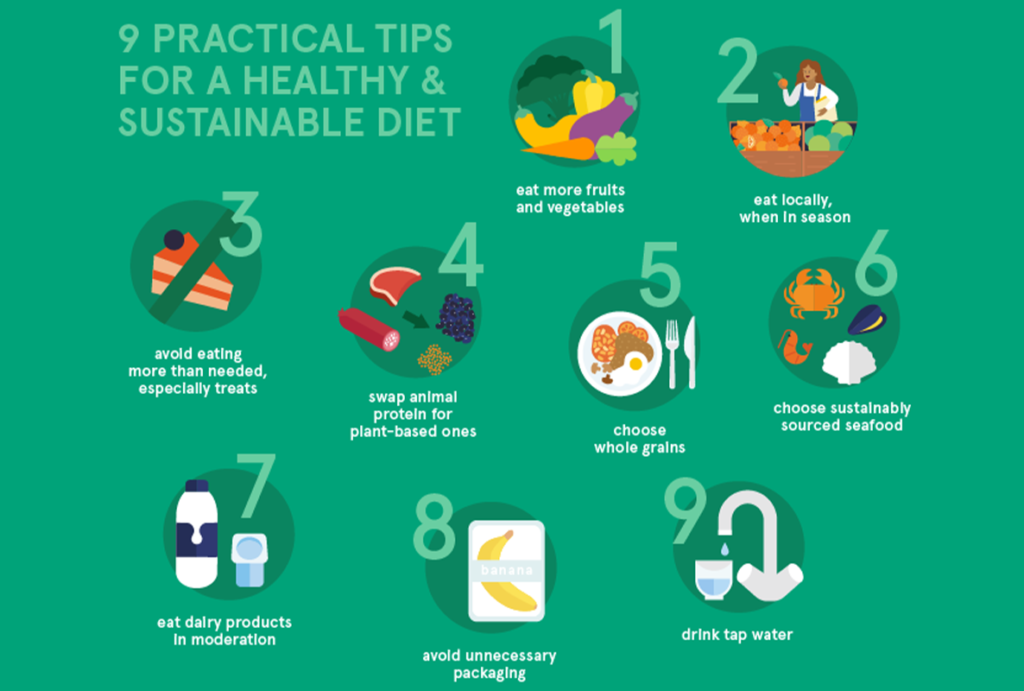
- Actually balanced meals (protein, whole grains, vegetables, healthy fats, fiber)
- Moderate calorie reduction (not starvation)
- Room for weekends, celebrations, and your culture’s food
This is the opposite of why most diet plans fail—it’s designed for reality.
When You Need to Stop Trying Random Diets
If you’re stuck in the loop—start, fail, regain weight, repeat—while drowning in contradictory nutrition advice on social media, you need actual help.
A dietitian becomes crucial when you have diabetes, high blood pressure, PCOS, thyroid issues, kidney problems, or heart disease. With these conditions, random internet plans can actually be dangerous.
Signs it’s time:
- Your weight’s constantly yo-yoing
- You’re confused about what’s even safe to eat anymore
- Medical stuff affects your weight and appetite
- Food’s become stressful instead of just… food
Stop wondering why most diet plans fail. Get someone who actually knows what they’re doing.
Stop Beating Yourself Up
When diets fail, people immediately go to self-blame.
“I have no willpower.” “My body’s broken.” “I’m lazy and worthless.”
Stop.
Research consistently shows the problem is how these diets are structured, not you as a person.
Impossible rules. Extreme restriction. Zero personalization. No professional support. These things guarantee failure.
This is why most diet plans fail over and over—they’re designed wrong from day one.
A dietitian breaks this by creating a personalized diet plan with dietitian support that respects your health situation, your culture, your actual lifestyle, and your real challenges.
Stop downloading another doomed diet plan. Book with a dietitian. Talk through your history of failed attempts. Figure out why diets don’t work long term for YOU specifically. Build a realistic sustainable weight loss diet plan you can finally stick with.
Stop the cycle. Get real help. Actually see results.
FAQs
Why do diets fail after a few weeks?
Most diet plans fail because they rely on extreme restriction, ignore what makes you unique, and never teach sustainable habits. Without professional guidance, you feel deprived, lose motivation, and quit. This is why diets don’t work long term.
Is my willpower the problem?
Usually? No. The diet structure is broken. Plans that are completely unrealistic are hard for anyone to follow, even super disciplined people. This is why most diet plans fail.
How does a dietitian help?
A dietitian builds a personalized diet plan with dietitian support using flexible, realistic changes instead of extreme rules. They give you ongoing feedback and accountability, which helps you stay consistent. This is why diets don’t work long term without professional help.
Are those “lose 10kg fast” diets safe?
No. Very low-calorie crash diets cause muscle loss, constant fatigue, nutrient deficiencies, and guaranteed weight regain. A sustainable weight loss diet plan with gradual, steady progress is way safer.
When should I actually see a dietitian?
If you’ve tried multiple diets without lasting success, you’re constantly confused by contradictory advice, or you have medical conditions like diabetes, thyroid issues, PCOS, kidney disease, or heart problems. A personalized diet plan with dietitian oversight is safer and more effective than random internet plans.