
There is a 67-year-old uncle in almost every Pakistani family. The one who used to fix things around the house, walk to the market every morning, and insist on carrying the heaviest grocery bags himself. Now he moves slowly. He holds the railing going up stairs. He winces when he gets up from the floor after sitting with the grandchildren.
Arthritis. The word gets thrown around casually, but what it actually means for that uncle — or that aunty, or that colleague in her early 40s — is daily, grinding discomfort that medication only partially addresses.
Here is what rarely gets mentioned in the doctor’s office: what someone eats every single day either feeds that inflammation or fights it. An anti-inflammatory diet for arthritis does not replace medical treatment, but it genuinely changes how the body feels — often within weeks — using ingredients that cost almost nothing and are already in most Pakistani kitchens.
Patients who have made these changes consistently report less morning stiffness, better mobility, and noticeably reduced arthritis pain within 4 to 6 weeks. No dramatic overhaul required. Just deliberate, consistent choices.
Why Food Has Such a Powerful Effect on Arthritis
Arthritis — whether osteoarthritis from wear and tear or rheumatoid arthritis from immune system involvement — shares one thing in common: chronic joint inflammation that does not fully switch off.
The gut, the immune system, and joint inflammation are more closely connected than most people realise. What enters the digestive system every day directly influences how aggressively the body inflames. Certain foods pour fuel on that fire. Others quietly dampen it.
Beyond inflammation, body weight plays a role that surprises most patients. Every additional kilogram of body weight places four additional kilograms of pressure on the knees with every step. An anti-inflammatory diet for arthritis that also supports healthy weight management addresses two problems simultaneously — and the joints feel both changes.
Research consistently backs this up. People who follow anti-inflammatory eating patterns long-term experience less pain, move more freely, and slow the progression of joint damage compared to those eating the typical processed, high-sugar diet most of us have drifted toward.
7 Best Anti-Inflammatory Foods for Arthritis Found in Every Pakistani Kitchen
1. Turmeric (Haldi) — The Most Powerful Spice in the Pantry
Curcumin — the compound that gives haldi its deep yellow colour — has more research behind it for joint inflammation than almost any other natural ingredient. It does not just mask pain. It interrupts the inflammatory process at a biochemical level.
The catch is absorption. Curcumin on its own does not enter the bloodstream efficiently — but pair it with a pinch of kali mirch and a little fat, and absorption improves dramatically.
Practical Pakistani use:
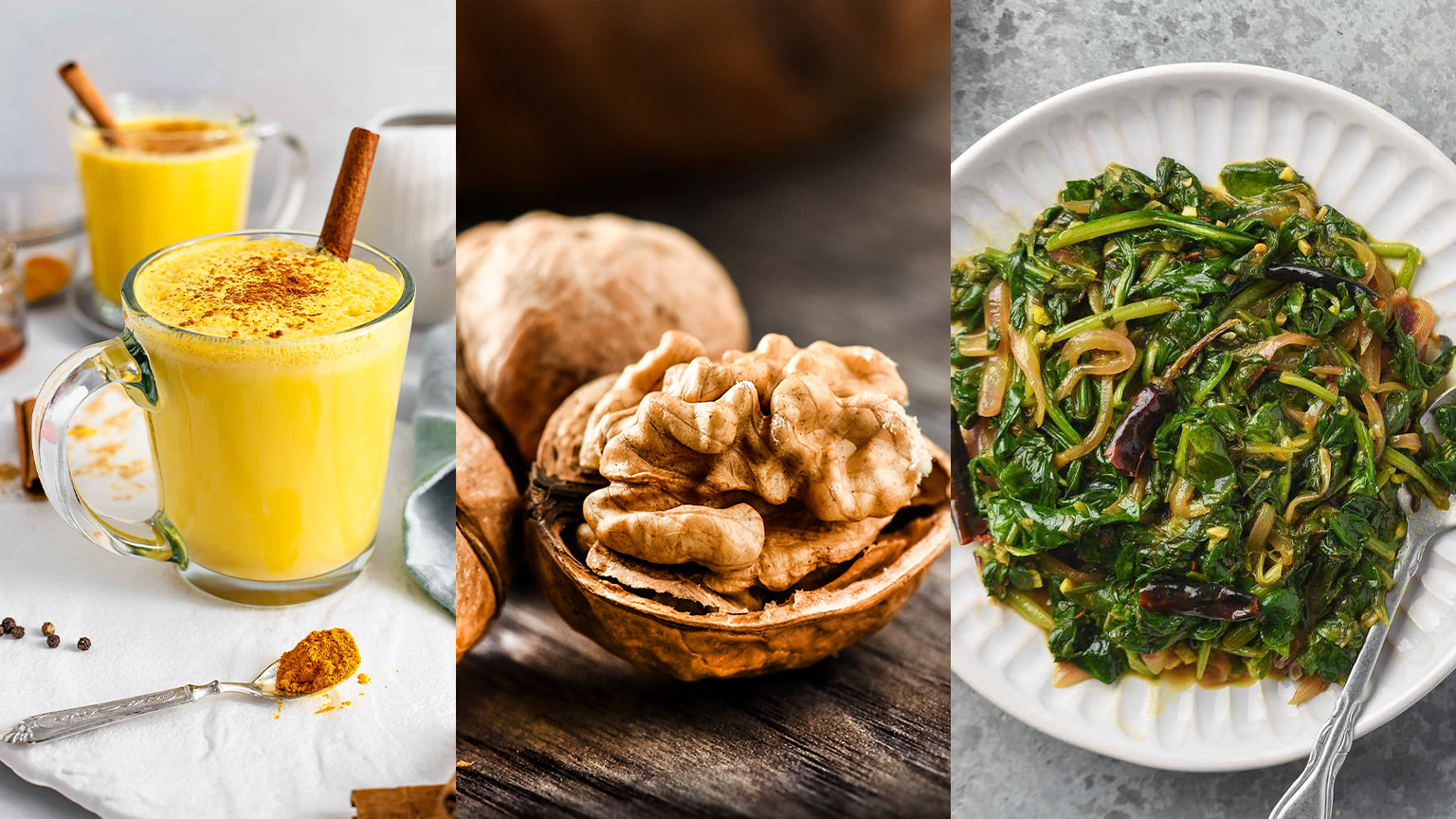
- Haldi doodh every night — warm low-fat milk, half a teaspoon of turmeric, a pinch of black pepper, a small piece of ginger
- Extra haldi in dal, sabzi, and chicken — more generous than usual, not just a token pinch
- This is one habit worth being consistent about because the benefits genuinely compound over weeks
2. Fatty Fish and Omega-3 Sources
Omega-3 fatty acids work directly on joint inflammation — reducing the chemicals the body produces that cause swelling and stiffness. This is not a theory. It is one of the most consistently replicated findings in arthritis nutrition research.
Salmon and mackerel are the most studied, but rohu and local Pakistani fish varieties provide meaningful omega-3 benefit at a fraction of the imported price.
For those who do not eat fish:
- One tablespoon of ground alsi (flaxseeds) stirred into morning dahi
- A handful of walnuts daily
- Chia seeds soaked overnight and eaten with breakfast
Twice-weekly fish or daily flaxseeds — either habit makes a measurable difference to joint health over months.
3. Leafy Greens (Palak, Methi, Bathua, Sarson)
These vegetables are loaded with vitamin K, magnesium, and antioxidants that protect cartilage from breakdown and reduce oxidative stress in the joints. They are also among the cheapest, most accessible foods in Pakistan across every season.
The adjustment is simply using more of them. Not occasionally. Every single day.
Palak added to dal. Methi in the paratha dough. Bathua saag through winter. Sarson with mustard oil in the colder months. These are not new additions — they are existing Pakistani foods being used more deliberately for arthritis pain management.
4. Ginger (Adrak)
Fresh adrak contains gingerols — compounds that reduce pain and inflammation in a way that has been compared to mild anti-inflammatory medication in some studies. For people managing arthritis pain who want to reduce their dependence on painkillers over time, adrak deserves serious daily attention.
Simple habits:
- Fresh adrak grated into morning chai — not just a slice, but a proper thumb-sized piece
- Warm adrak-lemon water on an empty stomach before breakfast
- Adrak added generously to cooking rather than sparingly
5. Berries and Vitamin C Rich Fruits
Vitamin C is essential for collagen production — and collagen is what keeps cartilage resilient and joint health intact. Antioxidants from brightly coloured fruits fight the oxidative stress that accelerates joint inflammation and cartilage breakdown.
Imported berries are expensive and inconsistent in Pakistan. The local alternatives are actually superior in many cases. Amla has vitamin C concentrations that dwarf blueberries. Anar supports blood flow to joints. Guava is cheap, delicious, and available almost year-round.
One to two servings of these fruits daily — not as a special addition but as a normal part of the diet — provides meaningful support to the anti-inflammatory diet for arthritis.
6. Nuts and Seeds (Walnuts, Almonds, Pumpkin Seeds)
Vitamin E, magnesium, and healthy fats — all present in a small daily handful of mixed nuts and seeds — contribute directly to inflammation reduction and overall joint health.
The habit is simple: keep a small jar of mixed walnuts, almonds, and pumpkin seeds somewhere visible. Kitchen counter, office desk, bag. Eat a handful in the afternoon instead of reaching for biscuits or chips. The cumulative effect over weeks is real.
7. Extra Virgin Olive Oil or Mustard Oil
Extra virgin olive oil contains oleocanthal, a compound that works similarly to ibuprofen in reducing joint inflammation — but without the stomach side effects of long-term NSAID use. Used as the primary cooking oil for sabzi and salads, its anti-inflammatory effect builds meaningfully over time.
Mustard oil — already widely used in Pakistani cooking — also has genuine anti-inflammatory properties and remains an excellent, affordable local option.
Foods That Make Arthritis Pain Worse — Cut These Down First
Before adding anything new, reducing these makes the biggest immediate difference:
- Fried and processed snacks — samosa, pakora, chips, biscuits eaten daily
- Excessive red meat and organ meats, particularly when uric acid is already elevated
- Sugary drinks and mithai — these spike inflammation markers faster than almost any other food
- Maida-based items — white bread, naan, packaged snacks, most biscuits
- Excessive salt from achar, namkeen, and processed foods
Reducing — not necessarily eliminating — these foods consistently reduces the baseline level of joint inflammation the body is dealing with daily. And lower baseline inflammation means the good foods have more room to work.
A Realistic Daily Anti-Inflammatory Diet Plan for Pakistani Homes
This is not a diet plan that requires special shopping or complicated preparation:
- Morning: Two glasses of warm water with lemon and a pinch of haldi
- Breakfast: Besan cheela with palak and green chutney, or eggs with extra vegetables
- Mid-morning: Small handful of walnuts and almonds with green tea
- Lunch: Grilled chicken or fish with a generous serving of sabzi, one roti, and plain dahi
- Evening: Fresh adrak chai or warm haldi doodh
- Dinner: Moong dal with methi sabzi, a fresh salad, and one small roti
Affordable. Familiar. Genuinely effective when followed consistently rather than occasionally.
Frequently Asked Questions About Anti-Inflammatory Diet for Arthritis
How quickly does an anti-inflammatory diet reduce arthritis pain?
Most people notice reduced morning stiffness and less daily pain within 3 to 4 weeks. More significant improvements in mobility and overall comfort usually become clear within 6 to 8 weeks of consistent eating changes.
Does this arthritis diet work for both rheumatoid arthritis and osteoarthritis?
Yes — both conditions involve chronic joint inflammation as a central problem, and anti-inflammatory eating addresses that shared root cause, even though the disease mechanisms differ.
Can roti and rice still be eaten?
Absolutely. Whole wheat roti and brown rice in sensible portions are completely compatible with an anti-inflammatory diet for arthritis. The priority is increasing sabzi and quality protein — not eliminating grains.
Is it necessary to give up meat entirely?
Not at all. Reducing red meat and increasing fish, dal, and plant protein achieves the needed inflammation reduction without requiring complete dietary transformation.
What about turmeric or fish oil supplements?
Whole food sources consistently outperform isolated supplements for long-term joint health. Supplements have a role when blood tests show clear deficiency — but they work best alongside good food, not instead of it.
Is this arthritis diet safe with kidney problems?
Generally yes, when the plan is balanced appropriately. Anyone with advanced kidney disease should run specific dietary changes past their doctor before making significant adjustments.

Ready to Reduce Arthritis Pain Naturally?
Constant arthritis pain and joint inflammation do not have to define daily life. The right food choices — made consistently, not perfectly — genuinely change how the body feels over weeks and months.
📞 Call/WhatsApp: +92 300 0172509 📧 Email: hamzathedietitian@gmail.com 🌐 Visit: hamzathedietitian.com
Personalised meal plans, real ongoing support, and practical guidance built specifically around Pakistani food culture and individual health circumstances. Book a consultation today.
Related reads:
Final Thoughts: An Anti-Inflammatory Diet for Arthritis Is Genuinely Powerful Medicine
An anti-inflammatory diet for arthritis is one of the most accessible, evidence-backed tools available for reducing joint inflammation, easing arthritis pain, protecting long-term joint health, and improving quality of life — without waiting for the next prescription.
Key takeaways:
- Turmeric, ginger, leafy greens, omega-3 sources, and vitamin C fruits daily — these are the foundation
- Processed foods, excess sugar, and red meat silently worsen joint inflammation — reducing them matters as much as adding good foods
- Consistency over weeks creates results that occasional healthy eating never will
- Light movement, good sleep, and this arthritis diet together produce the strongest outcomes
Start today. One extra bowl of sabzi. One cup of haldi doodh before bed. One handful of walnuts instead of the evening biscuits. Small decisions. Real results.
Stay active, stay pain-free.
Hamza The Dietitian Lahore — helping Pakistan move better and live stronger.