• Online Consultation Available
  • Mon–Sat: 9am to 6pm

Blog

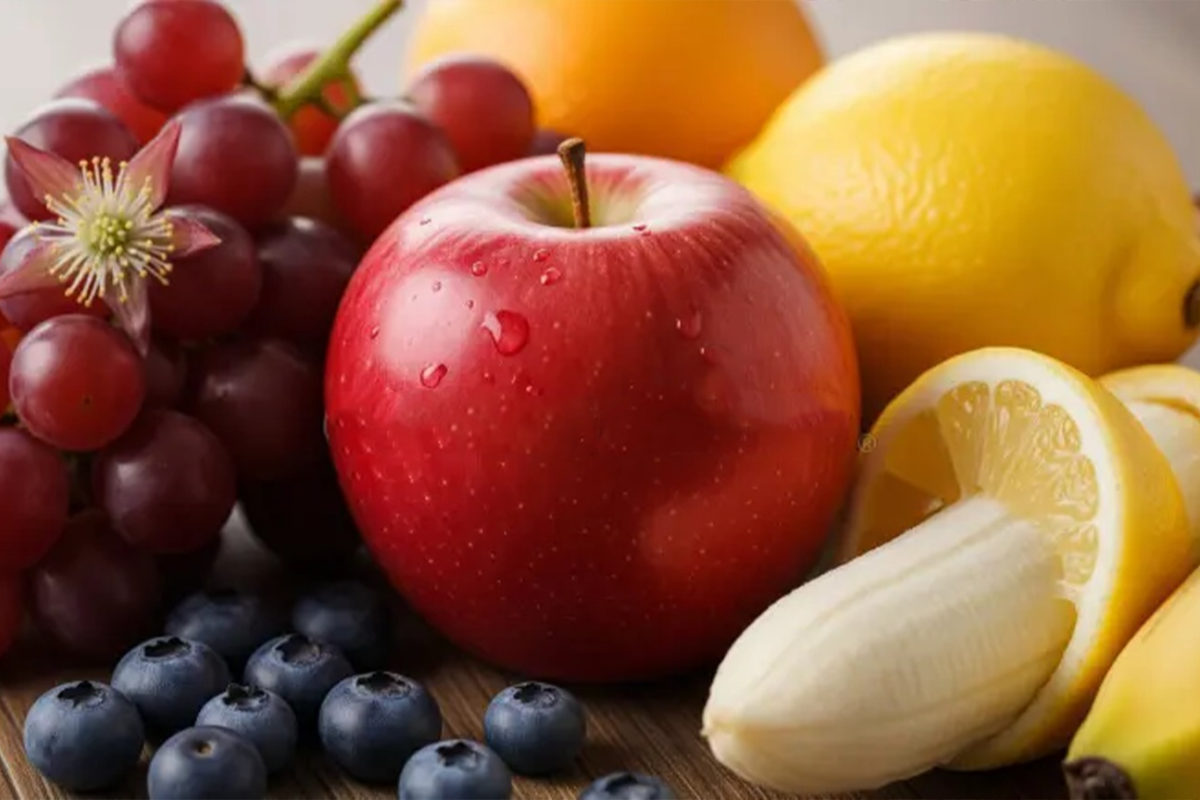
Fresh cherries, banana, apple, and water glass – natural ways to reduce uric acid levels and ease joint pain – Hamza The Dietitian

5 Ways to Reduce Uric Acid Levels and Prevent Joint Pain Naturally in Pakistan

It is 3 a.m. You wake up and your big toe feels like someone hammered it in your sleep. You can barely move it. The moment you put your foot on the floor, that sharp, burning joint pain shoots straight up your leg. I have heard this exact story from dozens of clients who walk into my Lahore clinic. And every single time, when we run the blood work, the answer is the same — high uric acid levels. If you are looking for ways to reduce uric acid levels naturally before reaching for lifelong medication, you are in the right place. Hyperuricemia — that is the medical term for it — is quietly becoming one of the most common health problems I see in Pakistan. The body either produces too much uric acid or the kidneys cannot flush it out fast enough. Either way, it piles up in the blood, forms sharp crystals in the joints, and triggers those brutal gout flares that seem to come out of nowhere.

What makes it worse here? Our food culture does not help — rich biryanis, red meat after Eid, sugary drinks on hot afternoons. These habits consistently push uric acid levels higher than they should be. And when it is ignored for too long, it does not just stay in the joints. It starts affecting kidney health too — stones, reduced function, worse.

But here is what I tell every client who sits across from me worried about going on lifelong medication: you do not always have to. Simple, consistent changes to what you eat, how much you drink, and how you move can reduce uric acid levels naturally. I have watched it happen too many times to doubt it. In this guide, I am sharing 5 practical ways to reduce uric acid levels — evidence-backed and built around what actually works in Pakistani homes.

Why High Uric Acid Levels Are a Growing Problem in Pakistan

Here’s the basic biology — and it’s worth understanding before jumping to solutions.

Everything we eat contains purines. When the body breaks them down, uric acid is the byproduct. Under normal conditions, the kidneys filter it out through urine without any drama. But when production is too high or kidney clearance is too slow, uric acid builds up in the bloodstream. Once it crosses a certain threshold, it crystallizes — usually in the cooler, peripheral joints like the big toe, ankle, or knee. That’s when gout attacks happen.

In Pakistan, the risk factors stack up fast. High red meat and seafood consumption, fructose from packaged juices and colas, low water intake during hot months, and even occasional alcohol — all of these push uric acid levels up. Research also shows that South Asians tend to have a genetic predisposition toward hyperuricemia, and when obesity or diabetes is also in the picture, the risk climbs even higher.

Leave it unchecked and the consequences go beyond joint pain — chronic inflammation, hard lumps called tophi forming around joints, and serious kidney health complications.

The encouraging part? Many of my clients have dropped from 8–9 mg/dL down to 5–6 mg/dL in just a few months — without medication — purely through lifestyle changes.

1. Eat These Fruits Daily to Help Flush Uric Acid Naturally

Not all fruits are equal when it comes to uric acid management. A few specific ones have real, research-backed mechanisms that help your body either neutralize or excrete it faster.

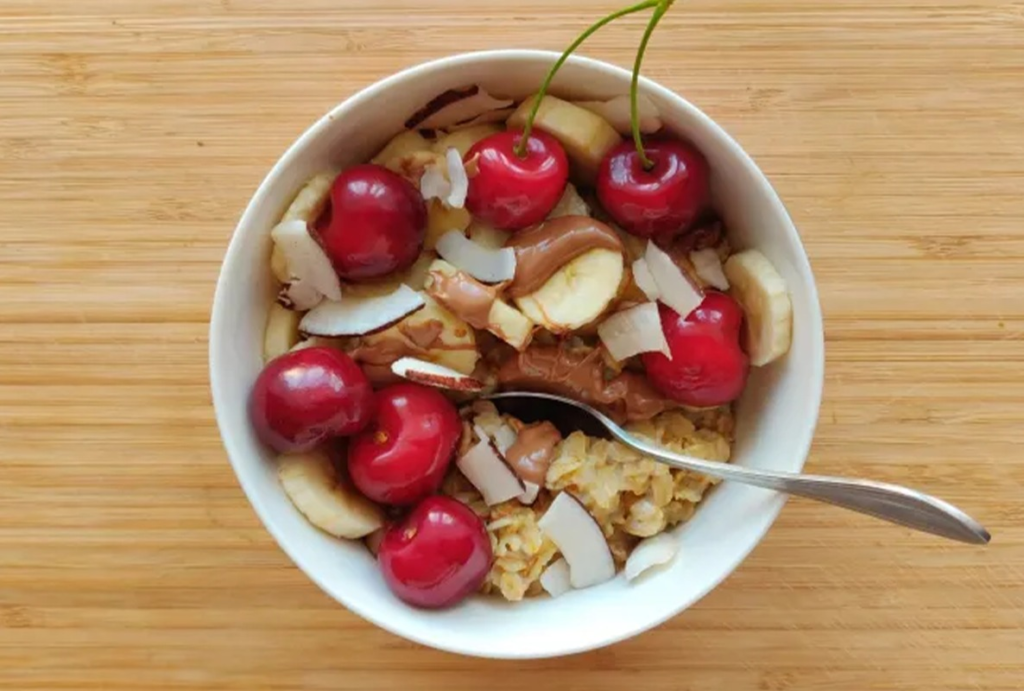
Cherries (or tart cherry juice) are the star of the show here. They contain anthocyanins — powerful compounds that reduce inflammation and actively lower uric acid production. Studies have shown that eating 10–12 cherries daily, or drinking tart cherry juice regularly, can cut gout attacks by 35–50%. That’s not a small number.

Bananas are another underrated option. Their high potassium content helps the kidneys flush out both uric acid and sodium more efficiently. They’re also naturally low in purines, making them a safe, easy daily snack.

Apples work through malic acid — it neutralizes uric acid in the blood — and their fiber content helps bind and remove excess from the digestive tract.

Pakistani tip — Cherries (frozen or imported) are available in most bigger supermarkets now. If you can’t find them, local guava is a solid substitute — high in vitamin C, which boosts uric acid excretion on its own. Aim for 1–2 fruits daily, either after meals or as a mid-morning snack.

One of my clients — a 45-year-old businessman from Lahore — added cherries and bananas to his daily routine and nothing else in the first two weeks. Eight weeks later, his uric acid levels had dropped by 1.8 mg/dL. The night flares? Gone.
2. Sip Smart: Coffee, Green Tea & Hydration Habits That Work

Your morning routine might already be doing more good than you think.

Moderate coffee consumption — around 2–4 cups a day — has been consistently linked to lower gout risk in multiple studies. The antioxidants in coffee improve insulin sensitivity and support better uric acid excretion through the kidneys. This doesn’t mean you should start drinking coffee if you don’t already, but if you do, it’s not working against you.

Green tea contains catechins that have been shown to slow down uric acid production. It’s a calm, low-risk addition to a daily routine — especially as a replacement for sugary afternoon drinks.

But honestly? The single most impactful thing you can do for uric acid and kidney health is just drink enough water. I’m talking 2.5 to 3 liters a day. It dilutes uric acid in the blood, keeps the kidneys flushing consistently, and reduces the chance of crystal formation in joints. Most people I see are chronically under-hydrated — and their uric acid levels show it.

Desi twist — Start your morning with a glass of warm water and fresh lemon juice. Vitamin C directly supports uric acid excretion. Saunf water or ajwain kaadha are also good additions for digestion and gentle detox support throughout the day.

One thing to cut completely — sugary sodas and packaged fruit juices. The fructose in them is one of the fastest ways to spike uric acid levels, and it happens within hours of consumption.

3. Cut These High-Purine Foods to Keep Levels in Check

You can’t out-supplement a bad diet when it comes to high uric acid. At some point, the food itself has to change.

The biggest offenders to limit or avoid:

  • Red meat and organ meats — mutton, liver, brain — these are extremely high in purines and directly raise uric acid production
  • Seafood — especially prawns, sardines, and anchovies
  • Alcohol — beer is particularly problematic because it both increases uric acid production and blocks kidney excretion at the same time
  • Fructose — packaged juices, cola drinks, most commercial sweets and mithai

Better swaps that work in a Pakistani kitchen — chicken and fish in moderate amounts are fine. Plant proteins like dal, chickpeas, and lentils are excellent alternatives. Low-fat yogurt is especially good — it actively supports uric acid excretion and is easy to build into daily meals.

A simple shift I recommend often: cut red meat to 2 days a week instead of daily. Many clients who make just this one change report meaningful relief from joint pain within a few weeks.

4. Add These Home Remedies for Extra Support

Some of the best support for reducing uric acid levels is already sitting in your kitchen — you just might not be using it with intention.

Ajwain water — Boil a teaspoon of ajwain seeds in water, strain, and drink it on an empty stomach. It supports detoxification and has natural anti-inflammatory properties that can ease joint pain during flares. Old advice from grandmothers that actually holds up.

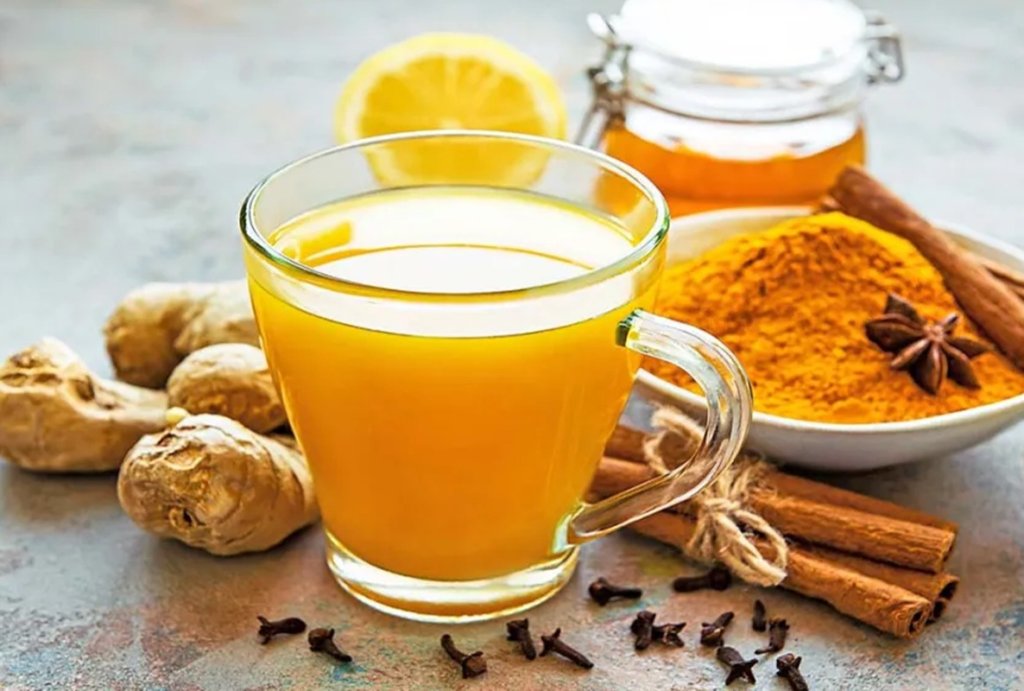
Turmeric milk (haldi doodh) — Curcumin, the active compound in turmeric, is one of the most well-studied natural anti-inflammatories out there. Add a pinch of black pepper when you make it — it increases curcumin absorption dramatically. A nightly habit: half a teaspoon of turmeric and a pinch of kali mirch stirred into warm low-fat milk before bed.

Ginger tea — During an active gout flare, fresh ginger tea can take the edge off the swelling and discomfort. It won’t resolve a flare on its own, but it makes a difficult few days a little more manageable.

These natural remedies aren’t replacements for diet and hydration — they’re reinforcements. Used consistently alongside the bigger changes, they make a real difference.
Reduce uric acid levels

5. Move Your Body & Stay Hydrated to Boost Kidney Function

I understand the instinct to rest when your joints hurt. But avoiding movement altogether — when you’re not in an active flare — actually makes things worse over time.

Regular exercise improves circulation throughout the body, which directly supports the kidneys’ ability to filter and eliminate uric acid. It also helps with weight management, and excess weight is one of the biggest drivers of high uric acid levels and gout risk.

What works practically:

  • Brisk walking for 30 minutes a day — this alone is enough to start with and creates real metabolic benefits
  • Cycling or light yoga for those who need lower-impact options
  • During an active gout flare — rest, elevate, and let it settle before returning to movement

Pair exercise with strong hydration — 10 to 12 glasses of water daily. In Lahore summers especially, you’re losing a lot through sweat, so natural electrolytes matter too. Coconut water and lemon water are both good options that don’t come with the fructose problem of packaged drinks.

When movement and hydration work together, the metabolic balance shifts — uric acid builds up less, gets cleared more, and over time the flares become less frequent and less severe.

Sample One-Day Plan to Reduce Uric Acid Levels

This is a general template — I adjust it based on individual labs and lifestyle in consultations:

  • Wake up: Warm lemon water
  • Breakfast: Oats + banana + low-fat yogurt
  • Mid-morning: Green tea + apple
  • Lunch: Dal + brown rice + salad (cucumber, tomato)
  • Snack: A handful of cherries or guava
  • Evening: Ajwain water + 20-minute walk
  • Dinner: Grilled chicken + vegetables + turmeric milk

Simple, sustainable, and built around real Pakistani eating patterns.

Frequently Asked Questions About Reducing Uric Acid Levels

What are the main causes of high uric acid and joint pain in Pakistan? High-purine foods like red meat and seafood, fructose from sodas and sweets, not drinking enough water, and genetic predisposition. Gout flares after Eid feasts are genuinely very common — I see a spike in clinic visits every year right after.

Which fruits really help reduce uric acid levels? Cherries have the strongest evidence by far. Bananas help through potassium-driven kidney flushing, and apples through malic acid neutralization. Eat them daily — consistency is what makes the difference.

Does coffee or green tea lower uric acid? Yes — moderate coffee is linked to lower gout risk, and green tea catechins help slow production. If you have acidity issues, keep quantities moderate and don’t drink on an empty stomach.

What foods should I strictly avoid for high uric acid? Red meat, organ meats, beer, and fructose-heavy drinks and sweets are the main ones. Limit seafood rather than cutting it entirely unless your levels are very high.

Can home remedies like ajwain or turmeric manage hyperuricemia? They’re not cures for hyperuricemia, but they genuinely reduce inflammation and support the body’s detox pathways. As part of a broader diet and hydration plan, they add up.

How long until I see lower uric acid levels naturally? Most people see measurable change in 2 to 8 weeks with consistent effort. Get a blood retest after 1 to 2 months — the numbers will tell you exactly where you stand.

Ready to Lower Your Uric Acid and Move Pain-Free?

You don’t have to live with constant joint pain or lie awake dreading the next gout flare. Start with something small today — one extra glass of water, a handful of cherries, a short walk after dinner.

Take the first step towards achieving your health goals with personalized nutrition guidance from Hamza, a certified dietitian.

📞 Call/WhatsApp: +92 300 0172509 📧 Email: hamzathedietitian@gmail.com 🌐 Visit: hamzathedietitian.com

Get customized meal plans, ongoing support, and expert advice tailored to your lifestyle. Don’t wait – start your transformation today!

Related:

Final Thoughts: Reduce Uric Acid Levels Naturally and Protect Your Joints

Reducing uric acid levels naturally is absolutely possible — but it takes consistency, not perfection. Focus on low-purine foods, proper hydration, smarter beverage choices, and daily movement. Put those together and most people see less joint pain, fewer gout attacks, and better kidney health within weeks.

Key takeaways:

  • Cherries, bananas, apples — make them a daily habit, not an occasional one
  • Drink heavily — water, lemon water, green tea; ditch the sugary sodas
  • Pull back on red meat, alcohol, and fructose — these are the biggest drivers
  • Add ajwain and turmeric daily for their anti-inflammatory support
  • Walk every day — it directly boosts uric acid excretion through better circulation

Your joints and kidneys are worth the effort. Take control today — one glass of water, one cherry at a time.

Stay active, stay pain-free.

Hamza The Dietitian Lahore – helping Pakistan live comfortably, one natural step at a time.

Hidden hunger in children

Hidden Hunger in Children: Why Your Well-Fed Child Might Still Be Nutrient-Deficient

Your child finishes two parathas with omelette, drinks a full glass of doodh, snacks on biscuits and nimco, and still complains of tiredness, poor focus in school, or gets sick every few weeks. Sound familiar? This is what hidden hunger in children looks like in many Pakistani homes today. The plate looks full, the child isn’t skinny, yet important vitamins and minerals are missing. It’s called hidden hunger because the signs are subtle – no obvious starvation, but serious nutritional deficiencies that affect brain development, immunity, energy, behaviour and long-term health.

In Lahore, Karachi and other cities, busy parents, school canteens, birthday parties, fast-food chains and heavy marketing of packaged snacks make it very easy for kids to get enough calories… but not enough real nutrition. I see this pattern in clinic almost every day.

In this article you’ll learn:

  • What really causes hidden hunger in children
  • Common Pakistani habits that create micronutrient deficiencies
  • Simple, practical steps every parent can take right now

Let’s make sure our kids are truly nourished – not just fed.

What Exactly Is Hidden Hunger in Children?

Hidden hunger means getting enough (or too many) calories but lacking essential micronutrients – vitamins and minerals needed in small amounts for growth, immunity, brain function and disease prevention.

Even if a child looks “healthy” on the outside, inside they may be low in:

  • Iron → tiredness, poor concentration
  • Vitamin D → weak bones, frequent illness
  • Vitamin A → eye problems, infections
  • Zinc → slow growth, weak immunity
  • Iodine → learning difficulties
  • B vitamins → low energy, mood issues

In Pakistan we often focus only on visible hunger or weight. But hidden hunger in children is far more common among middle and upper-middle class families than we realise.

Main Causes of Nutritional Deficiencies in Pakistani Kids Today

Here are the biggest culprits I see every week in clinic:

1. Over-Reliance on Processed & Packaged Foods

Biscuits, chips, nimco, instant noodles, sugary cereals, white bread, fruit drinks, cola – these fill the stomach quickly but provide almost zero vitamins, minerals or fibre.

A single pack of nimco or a flavoured milk drink can have 15–20g sugar and very little nutrition. Yet many tiffins and after-school snacks consist exactly of these.

2. Picky Eating & Very Limited Food Variety

“Sirf anda, roti, nuggets, french fries hi khaata hai” – this sentence I hear at least 5 times a day.

When children eat the same 5–6 “safe” foods repeatedly, entire food groups (green vegetables, fruits, dal, nuts) disappear → micronutrient deficiencies build up silently.

3. Attractive Junk Food Marketing

Cartoon characters on chips packets, free toys with sugary drinks, “made with real fruit” claims on 10% juice drinks – all designed to make children demand these items.

Parents often give in because “bache ko pasand hai” and it’s convenient.

4. Busy Parents & Time-Poor Kitchens

Double-income families, long school hours, tuition, extracurriculars – real cooking time shrinks. Ready-to-eat, ready-to-heat meals become default.

Unfortunately these are usually the least nutrient-dense options.

Warning Signs Your Child May Have Hidden Hunger

Look for these subtle red flags:

  • Gets tired very quickly during play
  • Poor focus and memory in studies
  • Frequent colds, coughs, infections
  • Craves sweets constantly
  • Pale skin, dark circles
  • Slow hair & nail growth
  • Irritability, mood swings
  • Legs hurt at night (growing pains that aren’t normal)
  • Teeth problems or bleeding gums

If 3+ signs are present, it’s time to assess diet seriously.

5 Practical Steps Every Pakistani Parent Can Take Right Now

1. Bring Colour Back to Every Plate

Aim for 3–4 colours from fruits & vegetables daily.

Examples:

  • Red: tomato, apple, pomegranate
  • Green: palak, broccoli, cucumber
  • Yellow/orange: carrot, mango, papaya
  • White: onion, banana, cauliflower

More colour = more vitamins and antioxidants.

2. Upgrade Breakfast & Tiffin

Replace white paratha + jam → whole wheat roti + anda + cucumber/tomato.

Tiffin ideas:

  • Roti roll with chicken/ paneer + veggies
  • Dalia with milk + banana + almonds
  • Idli/dosa with sambar (lentils + veg)

3. Limit Packaged Snacks to 1–2 Times per Week

Treats are fine – but not daily. Replace daily biscuit/nimco with:

  • Roasted chana
  • Makhana
  • Fruit chaat
  • Homemade popcorn (very little oil)
  • Yogurt with homemade honey

4. Make Water & Milk the Default Drinks

Replace coloured drinks with:

  • Plain water (add lemon/mint for fun)
  • Lassi (low sugar)
  • Fresh nimbu pani
  • Coconut water (summer)

5. Be the Example + Get Professional Help if Needed

Children copy parents 100%. If you drink cola and eat chips, they will too.

If worried → book a consultation. Blood tests + diet history show exactly what’s missing.

hidden hunger in children

Frequently Asked Questions About Hidden Hunger in Children

What is hidden hunger in children exactly?

It means getting enough calories but missing important vitamins and minerals (micronutrient deficiencies) needed for growth and health.

How do I know if my child has nutritional deficiencies?

Look for tiredness, frequent illness, poor focus, slow growth, pale skin, mood changes. A blood test confirms deficiencies.

Is picky eating normal or dangerous?

Normal up to a point. But if only 5–6 foods are eaten long-term, it leads to serious child nutrition gaps.

Can packaged foods cause hidden hunger?

Yes – very often. High in sugar/salt/fat, very low in vitamins, minerals, fibre.

What are the best foods to fix micronutrient deficiencies?

Colourful fruits & vegetables, dal, eggs, nuts, whole grains, dairy/plant milk, liver (occasionally), fish.

Should I give my child multivitamin gummies every day?

Not as a routine fix. Better to improve real food first. Use supplements only if tests show clear deficiency – under guidance.

Pakistani mother helping child eat healthy balanced meal – practical tips to prevent

Ready to Nourish Your Child Properly?

Your child’s future brain power, immunity, height, energy and confidence are being built right now through what’s on their plate.

Take the first step towards achieving your health goals with personalized nutrition guidance from Hamza, a certified dietitian.

📞 Call/WhatsApp: +92 300 0172509

📧 Email: hamzathedietitian@gmail.com

🌐 Visit: hamzathedietitian.com

Get customized meal plans, ongoing support, and expert advice tailored to your lifestyle. Don’t wait – start your transformation today!

Related reads:

  • 5 Ways to Reduce Uric Acid Levels Naturally
  • Milk and Cholesterol

Final Thoughts: Don’t Let Hidden Hunger Steal Your Child’s Potential

Hidden hunger in children is real, common, and fixable – especially in busy Pakistani households. Full calories don’t equal full nutrition. Nutritional deficiencies show up quietly but affect learning, immunity, behaviour and lifelong health.

Key actions:

  • Add colour (fruits & vegetables) to every meal
  • Greatly reduce packaged/processed snacks
  • Make water and real food the norm
  • Be the role model your child copies
  • Get help early if warning signs appear

One better breakfast, one colourful tiffin at a time – you are literally building a stronger, smarter, healthier child.

You’ve got this.

Hamza The Dietitian

Lahore – helping Pakistani families feed love, not just food.

Glass of low-fat milk next to plant-based oat milk – best choices for milk and cholesterol management – Hamza The Dietitian

Milk and Cholesterol: Which Types Are Safe (and Which to Avoid) for Heart Health in Pakistan

Every Pakistani household starts the morning with milk — whether it’s in chai, lassi, or just a plain glass. It’s not just a habit, it’s practically a ritual. But the moment a blood test comes back showing high cholesterol, that same glass suddenly feels like the enemy. “Should I stop drinking milk completely?” — I hear this question more than almost any other in my Lahore clinic. And my answer is always the same: No, you don’t have to quit milk entirely. Milk and cholesterol aren’t natural enemies. The real issue is fat — specifically saturated fat — which raises LDL cholesterol (the bad kind) and gradually increases the risk of serious heart problems like atherosclerosis, heart attack, and stroke.

Pakistan already has one of the highest rates of cardiovascular disease in the region. And when you factor in that most families here rely on full-fat buffalo milk or whole cow’s milk for everything from morning chai to creamy curries and mithai — the choices we make around dairy genuinely matter. The good news is that switching to low-fat milk or plant-based milk options lets you keep all the benefits — calcium, protein, vitamin D — without putting extra pressure on your arteries.

In this guide, I’ll walk you through the most common milks available in Pakistan — cow, buffalo, goat, and plant-based options like oat, soy, and almond — and explain exactly where each one stands when it comes to milk and cholesterol management.

Why Cholesterol Control Is Extra Important for Pakistani

Let’s start with why this matters so much in our context specifically.

High LDL cholesterol builds up as plaque inside artery walls — a process called atherosclerosis. Over time, that plaque narrows the blood vessels, restricts flow, and sets the stage for heart attack and stroke. In Pakistan, this risk is amplified by a combination of factors: genetics, a diet heavy in ghee, red meat, and fried foods, and generally low physical activity levels.

The targets to aim for are total cholesterol under 200 mg/dL and ideally LDL cholesterol under 100 mg/dL. Diet is one of the most powerful tools to get there. Saturated fat from animal sources — including full-cream milk — pushes LDL cholesterol upward. On the other side, fiber, unsaturated fats, and plant sterols help bring it back down.

What I love telling my clients is this: switching milk type is one of the simplest, lowest-effort changes you can make — and many of them start seeing results in their lipid panels within 4 to 8 weeks.

Does Milk Really Raise Cholesterol Levels?

Not all milk does — and this is the part most people get wrong.

Plant-based milks contain zero cholesterol. And for dairy milks, the impact on LDL cholesterol comes almost entirely from fat content, not milk itself. The higher the fat, the more saturated fat you’re consuming, and the more it pushes your LDL cholesterol in the wrong direction.

Research consistently shows that replacing high cholesterol foods like full-fat dairy with low-fat or plant-based alternatives lowers LDL cholesterol without sacrificing key nutrients. So milk isn’t the problem — the type of milk is.

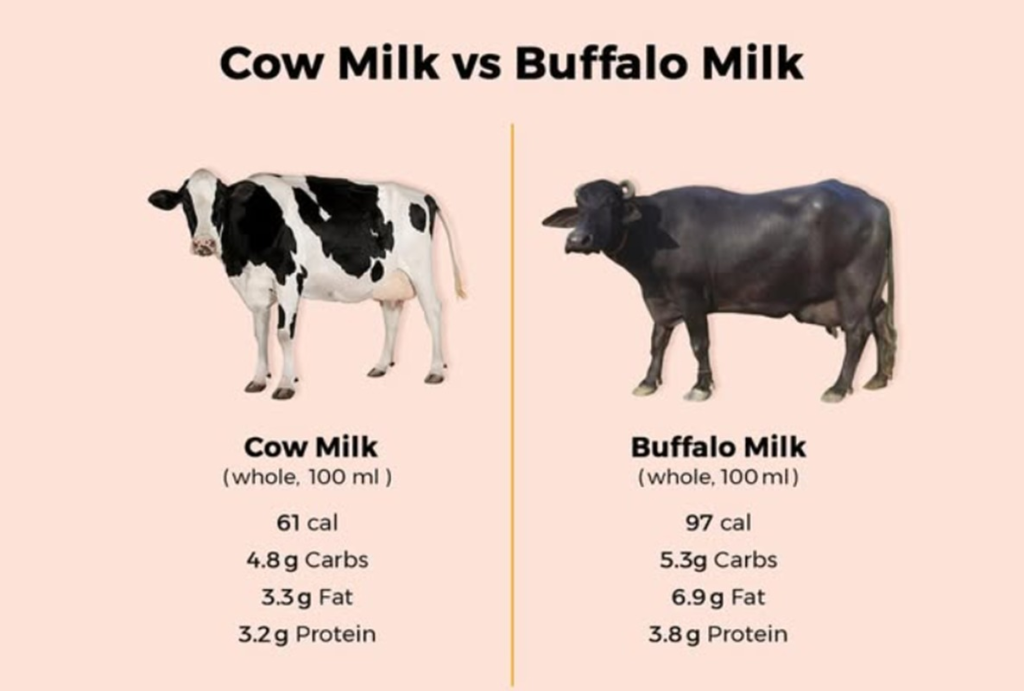
Buffalo milk is extremely popular here for exactly the reason it’s risky: that thick, rich creaminess comes from a much higher fat content than cow’s milk. That’s the tradeoff worth understanding.

Whole Cow’s Milk vs Low-Fat: The Classic Choice

Whole cow’s milk sits at around 3 to 4 percent fat. If you’re drinking two or more glasses a day, that saturated fat adds up faster than most people realize, and LDL cholesterol climbs gradually as a result.

Low-fat milk — at 1 to 2 percent fat — or skim milk keeps everything you want from dairy: the calcium, the protein, the vitamins. What it cuts is the saturated fat that was driving LDL cholesterol up. The American Heart Association backs low-fat dairy for exactly this reason when it comes to cholesterol management.

Pakistani tip — Use low-fat milk for your morning chai or lassi. I’ve had so many clients make this one swap and tell me they feel lighter, less heavy after breakfast, and more energetic through the morning. It sounds small but it adds up every single day.

Buffalo Milk: Creamy but Risky for High Cholesterol

I understand why buffalo milk is so beloved here. Khoya, rasmalai, creamy kormas — that richness comes from somewhere, and that somewhere is a fat content of 6 to 10 percent — often double or more compared to cow’s milk.

That same richness is also what makes it one of the most problematic choices for anyone managing high cholesterol foods in their diet. Research shows that the fat profile of buffalo milk raises LDL cholesterol more significantly than cow’s milk with regular consumption. For heart patients especially, I’d recommend either avoiding it or keeping it to very small, occasional amounts.

One client — a 48-year-old from Gulberg — was drinking buffalo milk every single day. His LDL came in at 145 mg/dL. We switched him to low-fat cow’s milk and oat milk combined. Six weeks later, he was down to 118 mg/dL. No medication change. Just the milk.

Goat Milk and Other Animal Milks: Occasional Use Only

Goat milk sits slightly higher in fat than cow’s milk, with similar saturated fat levels. It’s not a terrible option occasionally, but it’s not a meaningful improvement for someone actively trying to manage LDL cholesterol.

The broader rule with animal milks: they deliver real nutrients, but they all carry saturated fat to varying degrees. When cholesterol is a concern, low-fat versions should always be the priority — and plant-based options are worth bringing in more regularly.

Plant-Based Milk Benefits: Cholesterol-Free Winners

This is where things get genuinely exciting from a heart health perspective.

Plant-based milks contain zero cholesterol and very little saturated fat. For anyone dealing with high cholesterol, they’re not just a safe option — they’re actively beneficial.

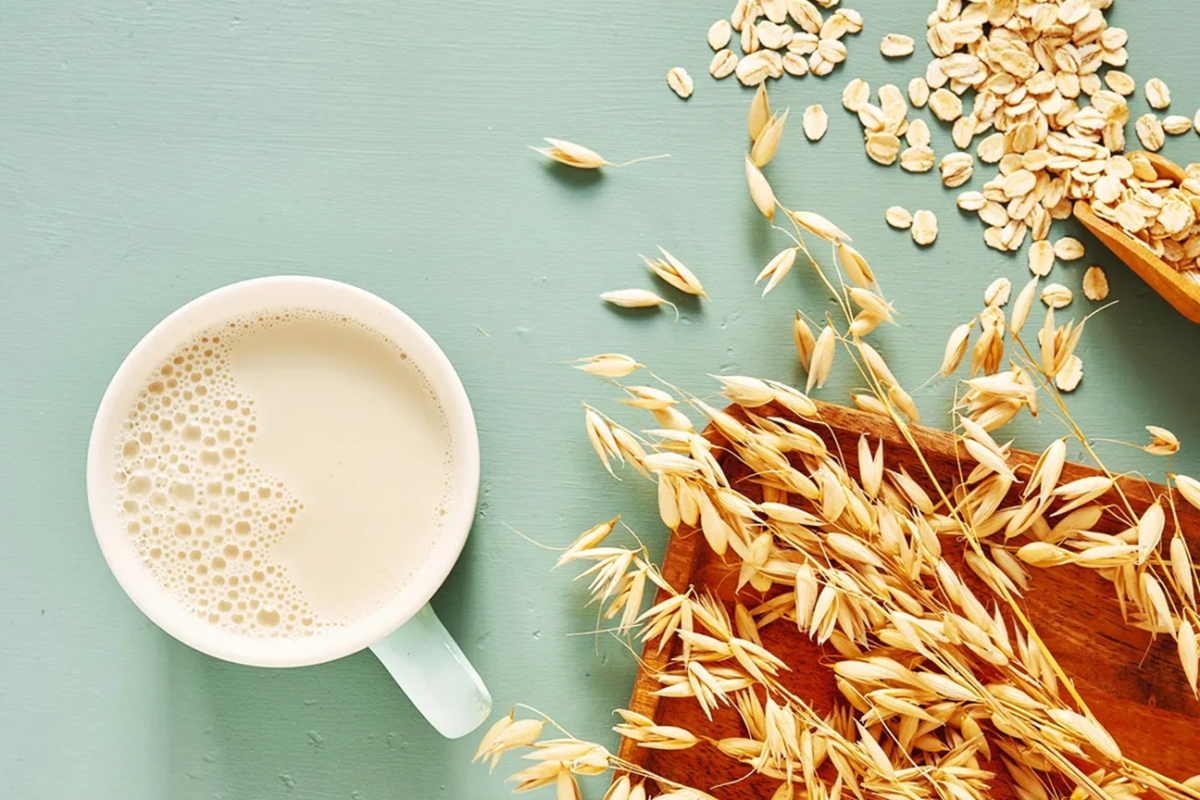
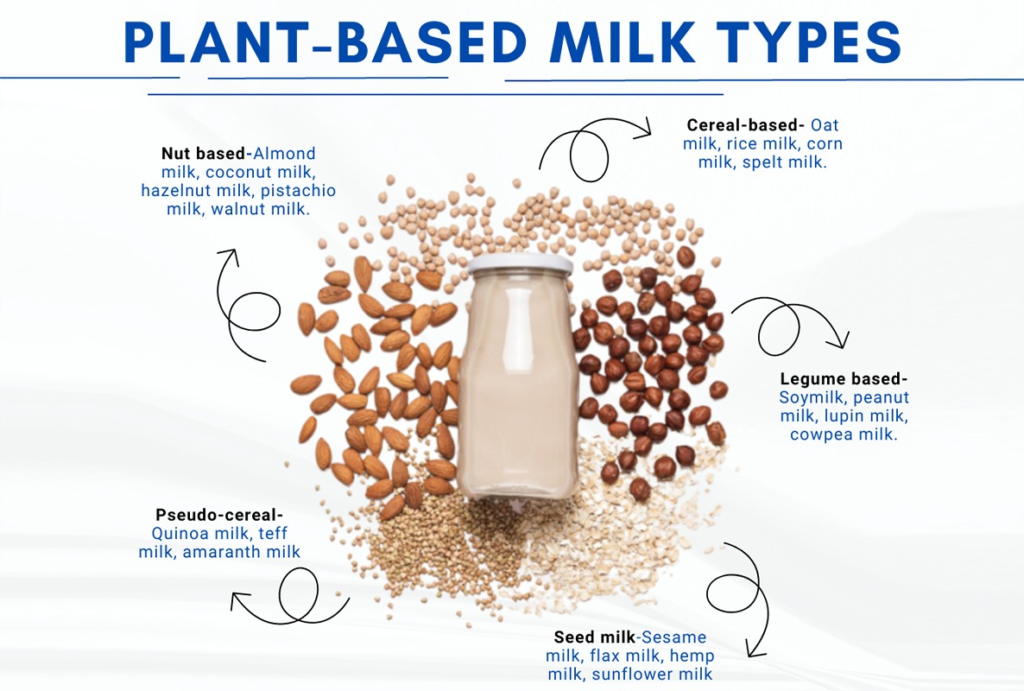
Oat milk is my top recommendation for most Pakistani clients. It contains beta-glucan fiber, which has strong research behind it for lowering LDL cholesterol — studies show regular consumption can produce a 5 to 10 percent drop. It also has a creamy texture that works beautifully in chai. The oat milk cholesterol-lowering effect is one of the most well-documented among all plant milks.

Soy milk contains plant sterols that physically block cholesterol absorption in the digestive tract. It’s also a solid protein source. Unsweetened versions are the way to go — the added sugar in sweetened varieties undoes some of the benefit.

Almond milk is the lightest option, with unsaturated fats that support HDL cholesterol (the good kind) and very few calories overall. It’s great as a base for smoothies or as an occasional chai option.

The key across all of these — choose unsweetened, and choose fortified versions that have calcium and vitamin D added. Otherwise you lose the nutritional parity with dairy. Both oat and soy milk are widely available in Pakistani supermarkets now, so the access barrier is largely gone.

Practical swap — Try oat milk in your evening chai for a week. The texture is close enough that most people don’t find it jarring, and the plant-based milk benefits start accumulating immediately.

How Much Milk Is Safe If You Have High Cholesterol?

A practical daily target: 1 to 2 cups of low-fat dairy or plant milk. If you’re still using whole or buffalo milk, keep it under 150 ml and treat it as an occasional thing rather than a staple.

Best milk for heart health choices, in order:

  • Skim or low-fat cow’s milk
  • Unsweetened oat or soy milk
  • Almond milk (occasional use)

Avoid for daily use: Full-cream buffalo milk and whole cow’s milk — especially if LDL cholesterol is already elevated.

Milk and Cholesterol

Sample Heart-Friendly Pakistani Day with Milk

Here’s a simple template that fits real Pakistani eating patterns — I customize this further based on individual needs in consultations:

  • Breakfast: Oats cooked in low-fat milk + a handful of almonds
  • Mid-morning: Unsweetened soy lassi
  • Lunch: Low-fat yogurt raita with sabzi
  • Evening: Almond milk smoothie — no added sugar
  • Dinner: Chai made with oat milk

Nothing radical. Nothing that requires giving up the foods that matter to you. Just smarter versions of what you’re already doing.

Frequently Asked Questions About Milk and Cholesterol

Does milk and cholesterol have a direct link? Yes — but it’s about fat, not milk itself. The saturated fat in full-fat dairy raises LDL cholesterol. Low-fat dairy and plant-based options break that link entirely.

Is buffalo milk bad for high cholesterol? For regular daily use, yes — its high saturated fat content makes it more problematic than cow’s milk. If cholesterol is a concern, it’s better to limit it significantly or avoid it.

Which is the best milk for heart health in Pakistan? Low-fat cow’s milk or unsweetened oat milk and soy milk. These support LDL cholesterol reduction while still delivering calcium and protein.

Can plant-based milk benefits really lower cholesterol? Absolutely — this isn’t marketing. Oat milk‘s beta-glucan and soy milk’s plant sterols are both clinically studied and shown to produce measurable LDL cholesterol reductions.

How much low-fat milk is okay daily? 1 to 2 cups is a reasonable daily amount. Beyond that, rotating in plant-based options keeps variety without overloading on any one thing.

Should I avoid all dairy if cholesterol is high? No — low-fat dairy in moderation is perfectly fine. The goal isn’t to eliminate dairy, it’s to eliminate the excess saturated fat that comes with the full-fat versions.

Ready to Optimize Your Diet for Better Heart Health?

Small milk swaps deliver real results for cholesterol and overall energy — and they’re changes you can make starting today, not after some major life overhaul.

Take the first step towards achieving your health goals with personalized nutrition guidance from Hamza, a certified dietitian.

📞 Call/WhatsApp: +92 300 0172509 📧 Email: hamzathedietitian@gmail.com 🌐 Visit: hamzathedietitian.com

Get customized meal plans, ongoing support, and expert advice tailored to your lifestyle. Don’t wait – start your transformation today!

Related:

  • Reduce Salt Intake for Heart Health
  • Coffee and Constipation

Final Thoughts on Milk and Cholesterol

Milk and cholesterol don’t have to work against each other. The right choices — low-fat dairy, unsweetened plant-based milks, mindful portions — let you keep everything you love about dairy while genuinely protecting your heart and managing LDL cholesterol over the long term.

Key takeaways:

  • Saturated fat is what matters most — full-cream buffalo and whole cow’s milk raise LDL cholesterol
  • Low-fat milk and plant-based milk benefits — especially oat and soy — actively support better lipid profiles
  • Unsweetened, fortified versions are non-negotiable for real benefit
  • Small daily swaps compound fast — results often show up within weeks
  • Combine with fiber and regular movement for the strongest impact

Your heart deserves smart, consistent choices. Start with one swap today — oat milk in your chai — and feel the difference build over time.

Stay heart-strong, stay consistent.

Hamza The Dietitian Lahore – helping Pakistan choose wisely for longer, healthier lives.

Morning cup of Pakistani-style coffee with steam – does coffee and constipation relief really work? – Hamza The Dietitian

Coffee and Constipation: Does Your Morning Brew Really Help You Poop? Honest Talk for Pakistanis

The fajr alarm goes off. You drag yourself out of bed in Lahore’s winter cold, brew a strong cup of Nescafé or filter coffee, take two sips — and your stomach immediately sends you running to the bathroom. Sound familiar? In Pakistan, where chai and coffee are part of the morning routine for millions of people, this experience is incredibly common. Many swear by that first cup as a reliable fix for constipation. But is the connection between coffee and constipation really that straightforward? Or have our bodies simply learned a habit and stuck with it?

Constipation is genuinely widespread here. Low fibre from rushed lifestyles, not enough water in the heat, heavy spicy food, and desk jobs that keep us sitting for hours — all of it adds up to sluggish bowel movements for a huge number of Pakistanis. So people reach for coffee, hoping it works like a natural laxative. Sometimes it does. Sometimes it backfires with bloating or makes things worse.

Having worked with hundreds of clients struggling with irregular bowel movements, I went deep into the research on this. Coffee does stimulate the gut for many people — but it is not magic, and depending on it daily can create problems you did not sign up for. Here is everything you need to know about coffee and constipation — when it helps, when it hurts, and what actually works long-term for Pakistani routines.

Why Coffee Often Sends You Running to the Bathroom

About 1 in 3 people — more commonly women — feel the urge to go within minutes to an hour of drinking coffee. This is not imagination.

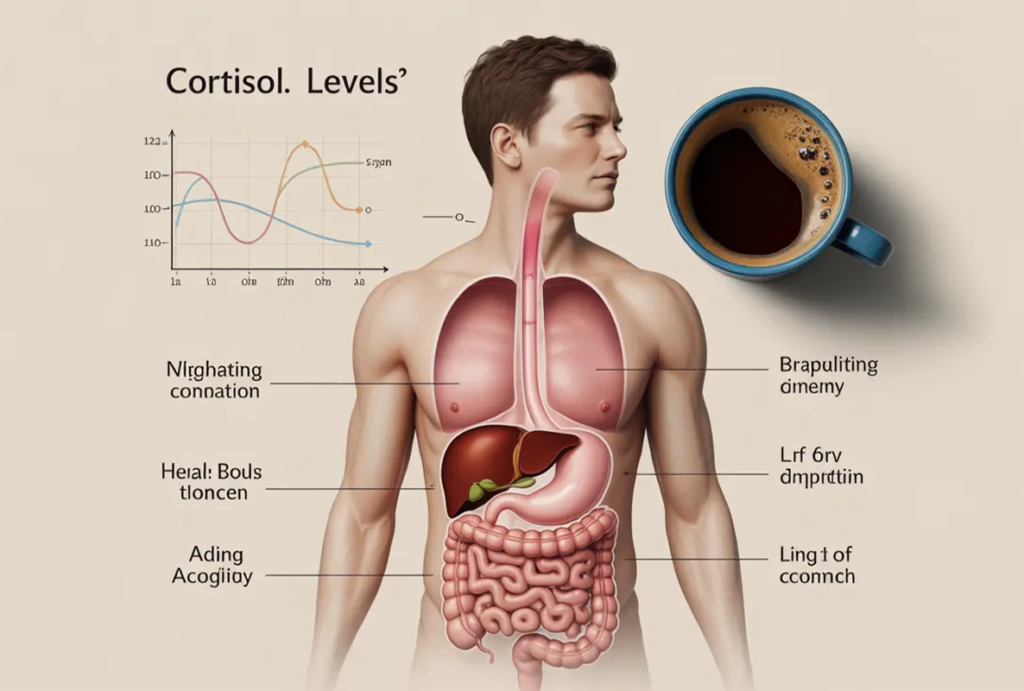
The main reason is the gastrocolic reflex — your body’s built-in signal to move things along after eating or drinking something. Morning is when this reflex is most active, so a hot cup of coffee hits at exactly the right moment.

Coffee also triggers hormones like gastrin and cholecystokinin. These increase stomach acid, digestive enzymes, and colon contractions — all of which push stool forward and get things moving.

Caffeine adds to this by directly stimulating the muscles of the digestive tract. Studies show caffeinated coffee increases colon activity 60% more than water and 23% more than decaf. But decaf still has an effect — which tells us it is not only caffeine doing the work.

Other compounds in coffee — acids, polyphenols — contribute too. And warm liquid on its own stretches the stomach and kicks off the reflex.

The short version: coffee wakes up your digestive tract, speeds up gut motility, and triggers bowel movements for a significant portion of people.

How Coffee Digestion Affects Bowel Movements — Step by Step

Here is exactly what happens when you take that first sip:

  • Hits the stomach → triggers gastrin release → more acid and movement
  • Stimulates the small intestine → hormones signal the colon
  • Colon contracts harder — peristalsis speeds up
  • Stool moves faster toward the rectum → the urge to go arrives

One well-known study found coffee boosted rectosigmoid motility in responsive people within just 4 minutes — comparable to eating a full meal.

For people with slow-transit constipation — which is common in Pakistan thanks to low-fibre diets — this push is genuinely useful. But for those with a sensitive gut, it can lead to loose stools or sudden urgency.

Pakistani tip: Pair your coffee with something fibre-rich like a whole wheat paratha or oats. Black coffee on an empty stomach hits much harder and may cause more discomfort.

Why Coffee Helps Some People With Constipation But Makes It Worse for Others

Not everyone gets the helpful response. Understanding which category you fall into matters.

Who tends to benefit:

  • People with slow gut motility
  • Mild constipation caused by low water or fibre intake
  • Morning drinkers who time it well with hydration

Who may struggle:

  • Dehydration risk — coffee’s mild diuretic effect pulls water from the body. Less hydration means harder stools and worse constipation
  • Acidity or GERD — the extra acid worsens bloating or reflux, which slows digestion indirectly
  • IBS types — overstimulation brings cramps, urgency, or loose stools without actual relief
  • Heavy users — tolerance builds over time, or dependency forms where the bowels simply wait for coffee before doing anything

In Pakistan’s heat, many people skip water after their morning coffee — which is a serious mistake. Dehydration can turn something that might have helped into a direct cause of constipation.

I had a client from Karachi — an office worker — drinking four cups daily specifically for gut motility. He ended up bloated and more irregular than before. We brought him down to one or two cups, added isabgol and proper hydration, and his bowel movements normalized completely within two weeks.

Is Coffee a Safe Constipation Remedy? The Honest Answer

Occasionally? For most people who tolerate it well — yes.

As a daily crutch? Not a great idea.

The benefits:

  • Quick, natural stimulant for bowel movements
  • Works for many people without any medication
  • Decaf is an option for those sensitive to caffeine

The downsides:

  • Can dehydrate you → makes constipation worse over time
  • Acidity, jitteriness, and poor sleep all disrupt digestion
  • Creates dependency — your gut stops working naturally on its own
  • Hides the real problem — low fibre, inactivity, poor hydration

The smarter approach: use coffee as a supporting player, not the main solution.

Real Pakistani-Friendly Ways to Improve Gut Motility — Beyond Just Coffee

Do not put all your trust in one cup. These habits make a far bigger difference:

  • Hydrate first — drink 2 to 3 glasses of water before your coffee. Add lemon for an extra digestive kick
  • Increase fibre — isabgol husk one to two teaspoons at night, guava, papaya, vegetables, whole wheat roti daily
  • Move your body — a 20 to 30 minute walk after coffee works wonders. Even the movements in namaz help gut motility
  • Probiotic foods — dahi and lassi feed good bacteria and support healthy digestion
  • Time it right — drink coffee after a light breakfast rather than on an empty stomach, especially if you have acidity

Simple morning routine that works: Warm water with lemon → coffee → short walk → high-fibre breakfast

Frequently Asked Questions About Coffee and Constipation

Does coffee really work as a constipation remedy for everyone?

No. It helps roughly 30% of people strongly through the gastrocolic reflex and improved gut motility. Others feel no effect at all, or experience bloating and discomfort instead.

Is decaffeinated coffee helpful for bowel movements too?

Yes, but more mildly. The acids and compounds in decaf still trigger some colon activity, though caffeine makes the effect noticeably stronger.

Can too much coffee actually make constipation worse?

Absolutely. The diuretic effect pulls water from your body, and if you are not compensating with enough hydration, stools become harder. Overuse also leads to dependency or irregular bowel movements.

How much coffee is safe if I have constipation issues?

One to two cups maximum per day, alongside plenty of water. If you have acidity or IBS, try decaf or reduce your intake and see how your body responds.

Should I drink coffee every morning just to have regular bowel movements?

It is far better to fix the root causes — more fibre, more water, regular movement. Use coffee as an occasional helper rather than something your digestive tract depends on every single morning.

Are there Pakistani foods that support gut motility the way coffee does?

Yes — papaya, guava, saunf water, isabgol, and warm milk with a little ghee all help. Combining these with moderate coffee intake gives you much better and more consistent results.

Ready to Fix Your Digestion for Good?

If constipation keeps coming back despite all the coffee tricks, or you want a plan that works long-term without dependency, let’s talk. Small, personalised diet changes make an enormous difference — and you do not have to figure it out alone.

📞 Call/WhatsApp: +92 300 0172509 📧 Email: hamzathedietitian@gmail.com 🌐 Visit: hamzathedietitian.com

Customised meal plans, real ongoing support, and practical advice built around your lifestyle. Book your consultation today.

More helpful reading:

  • Diabetes Diet Plan Pakistan
  • Reduce Salt Intake for Heart Health

Wrapping Up: The Real Story on Coffee and Constipation

Coffee and constipation have a genuinely complicated relationship. For many people, that morning brew does spark bowel movements through the gastrocolic reflex, gastrin release, and colon stimulation — and even decaf plays a small role. But the response is not universal, and overuse brings real risks: dehydration, acidity, and a gut that forgets how to work on its own.

The key takeaways:

  • Works best for mild, slow-transit constipation — when timed well and paired with proper hydration
  • Not a complete fix — fibre, water, and movement matter far more
  • Listen to your body — if coffee worsens bloating or irregularity, pull back
  • Use it as a helper, not a daily habit your digestive tract depends on

Your gut deserves consistent, proper care — not just a daily caffeine jolt. Small daily habits beat quick fixes every single time.

Stay regular, stay energized.

Hamza The Dietitian Lahore — helping Pakistan digest life better, one smart choice at a time.

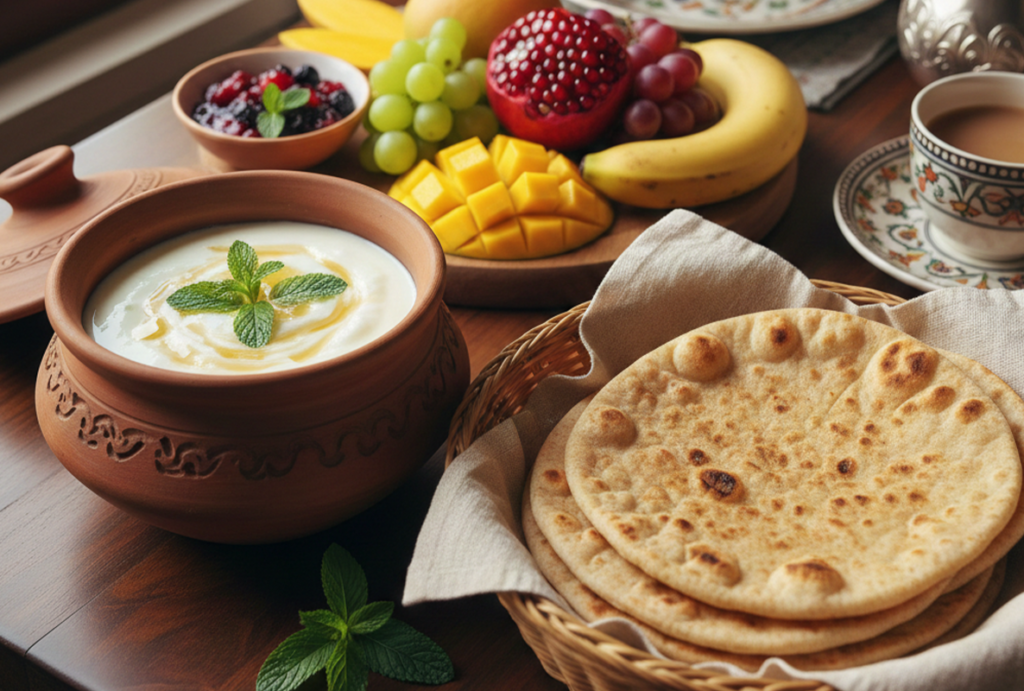
Pakistani meal with fresh herbs, lemon, garlic, and spices – ways to reduce salt intake for heart health – Hamza The Dietitian

Reduce Salt Intake Without Making Food Bland: 5 Flavorful Ways for Better Heart Health in Pakistan

Picture your last family dinner. The daal simmering on the stove, the sabzi just done, a little achar on the side, maybe some papad or namkeen to round it all out. Salt ties it all together, doesn’t it? That one pinch – or sometimes a whole handful – is what makes desi food feel alive. But here’s the thing nobody talks about at the dinner table: that same salt is quietly putting your heart under pressure. Every single day. In Pakistan, most of us eat far more salt than we think we do. The WHO recommends adults keep it under 5 grams per day – roughly one teaspoon. But research shows South Asians, including Pakistanis, often average 8 to 10 grams or more daily. That’s double the safe limit. And it’s one of the biggest reasons hypertension is so widespread here – some reports estimate it affects 30 to 46% of Pakistani adults.When you take in too much salt, your body holds onto water. Blood volume rises. Your arteries have to work harder to handle the pressure. Over time, this damages blood vessels, raises the risk of heart disease, stroke, and kidney problems. The damage doesn’t announce itself – it just quietly builds. But here’s the good news: you don’t have to eat boring, tasteless khana to reduce salt intake. There are real, practical, desi-friendly ways to protect your heart health without giving up flavor. I’ve helped hundreds of clients in Lahore do exactly this – cut back on sodium without feeling like they’re missing out on anything.

In this guide, I’ll walk you through five approaches that actually work in Pakistani kitchens, plus a sample menu and answers to the questions I hear most often in consultations.

Why Reducing Salt Intake Matters So Much for Heart Health in Pakistan

Let’s keep this simple. When you eat too much sodium, your body pulls extra water into your bloodstream to dilute it. More fluid means more volume pushing against your artery walls. That pressure – when it stays elevated – is hypertension.

Over months and years, that constant strain wears down your blood vessels. It sets the stage for heart attacks, strokes, kidney failure. These aren’t rare outcomes. In Pakistan, heart disease is one of the leading causes of death, and high sodium intake is directly connected to it.

The WHO estimates excess sodium contributes to millions of deaths globally every year. What’s encouraging, though, is that you don’t need dramatic changes to see results. Studies show that cutting just 1 to 2 grams of salt per day can bring blood pressure down noticeably within weeks.

I’ve seen this firsthand. Many clients come to me already taking medication for hypertension, yet their readings are still high. When we start identifying and removing hidden salt – from pickles, packaged snacks, restaurant food – their numbers start moving in the right direction, often faster than they expected.

The goal here isn’t zero salt. Your body genuinely needs some. It’s about finding the right balance for long-term heart health.

Hidden Sources of High Sodium Intake in Everyday Pakistani Meals

Before we get into solutions, let’s talk about where the salt is actually coming from – because a lot of it isn’t from what you’re adding yourself.

Common hidden sources include achar, chutneys, and namkeens, packaged masalas, bouillon cubes, and ready-made sauces, restaurant staples like biryani, nihari, and haleem which tend to be very heavily salted, and even everyday items like bread, biscuits, chips, and certain packaged dals.

Start reading nutrition labels when you can. When eating out, it’s completely fine to ask for “kam namak.” Just being aware of these sources can help you cut salt intake by 20 to 30% without changing much else.

1. Load Up on Fresh Herbs and Spices for Natural Flavor

This is the single most effective swap I recommend to anyone trying to reduce salt intake – and the most enjoyable one.

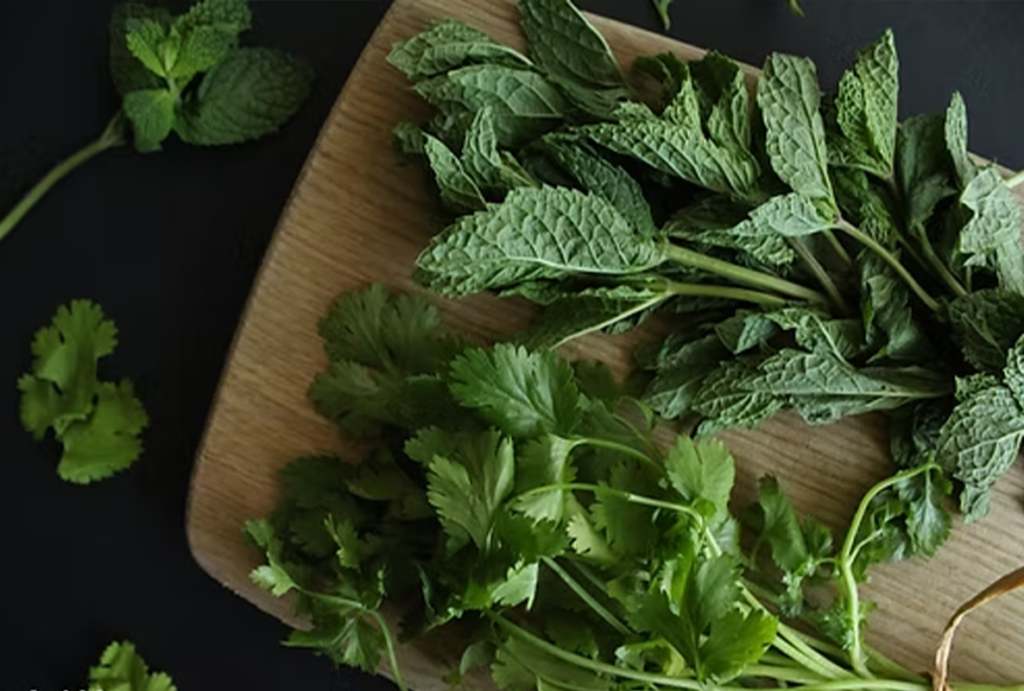
Fresh herbs like dhania (coriander), podina (mint), curry leaves, green chillies, and even tulsi (basil) add a brightness to food that your taste buds interpret as flavor richness. When a dish has that kind of depth, it doesn’t feel like it’s missing anything.

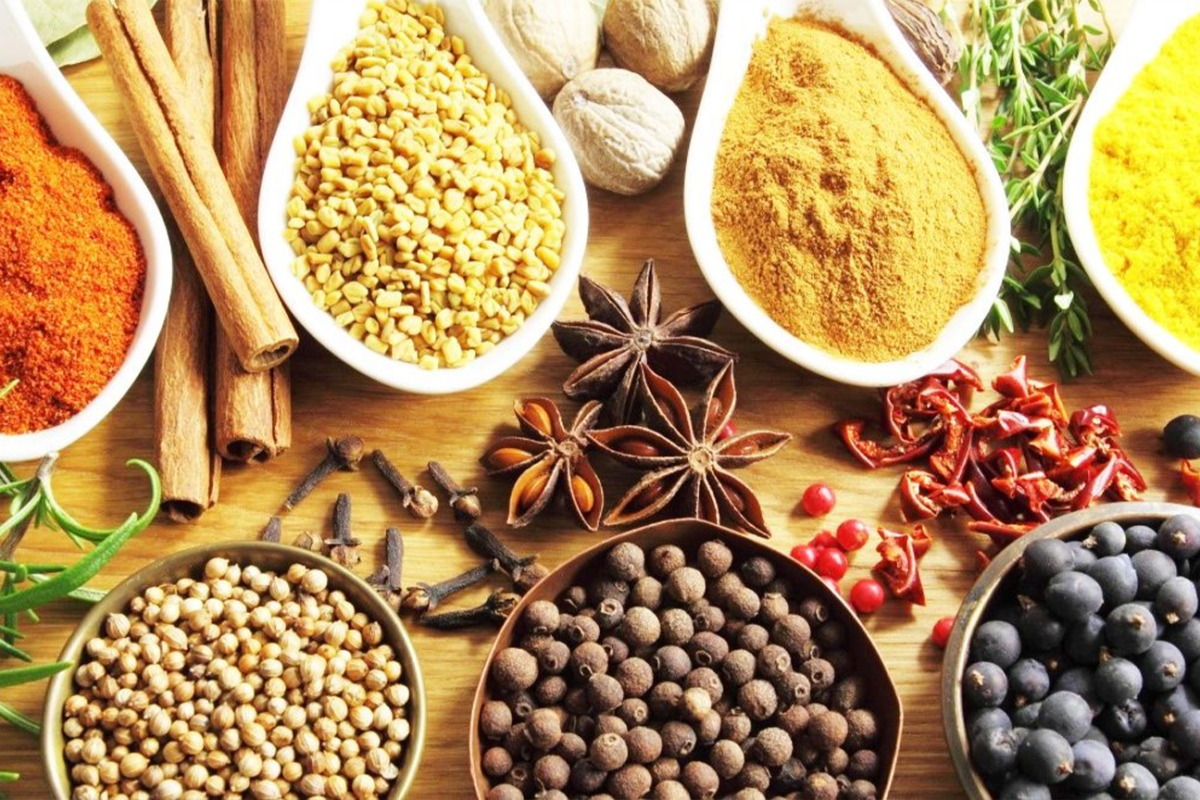
Dry spices work just as well. Haldi, zeera, kali mirch, darcheeni, laung, ajwain, saunf – these aren’t just for taste. Many of them carry anti-inflammatory properties and antioxidants that actually support blood vessel health.

In Pakistani kitchens, the easiest place to start is your chutney. Throw extra dhania-pudina chutney on your daal or sabzi. Use zeera generously in your tadka instead of reaching for more namak. Within two to three weeks, most clients tell me their taste buds have adjusted and food just tastes right with less salt.

One client from Model Town – an uncle in his late 50s with elevated blood pressure – simply doubled the herbs in his daily cooking. Within a month, his readings had dropped by 12/8 mmHg. No medication change. Just herbs.

Fresh Pakistani herbs and spices like dhania, podina, zeera – flavorful ways to reduce salt intake – Hamza The Dietitian

2. Bring in Natural Acidity to Trick Your Taste Buds

Here’s something food scientists have known for a while: sour flavors make food taste more complex. When your brain registers acidity, it perceives the dish as more flavorful overall – which means you naturally miss the salt less.

In Pakistani cooking, we already use sour elements all the time. We just need to use them a little more intentionally. Lemon or nimbu juice is the easiest starting point – squeeze it on practically everything. Imli (tamarind) pulp, kachcha aam powder, kokum if you can find it, even a small splash of sirka (vinegar) in certain dishes – all of these create that tangy balance that makes a plate feel complete.

Think imli chutney on chaat, lemon on grilled chicken, a bit of aam choor in your daal. These are already familiar tastes. Leaning into them when you’re pulling back on namak is one of the smartest swaps you can make. Most clients who try this notice a difference in how “full” the flavor feels, even with 20 to 30% less salt intake.

3. Build Layers with Garlic, Ginger, and Onions

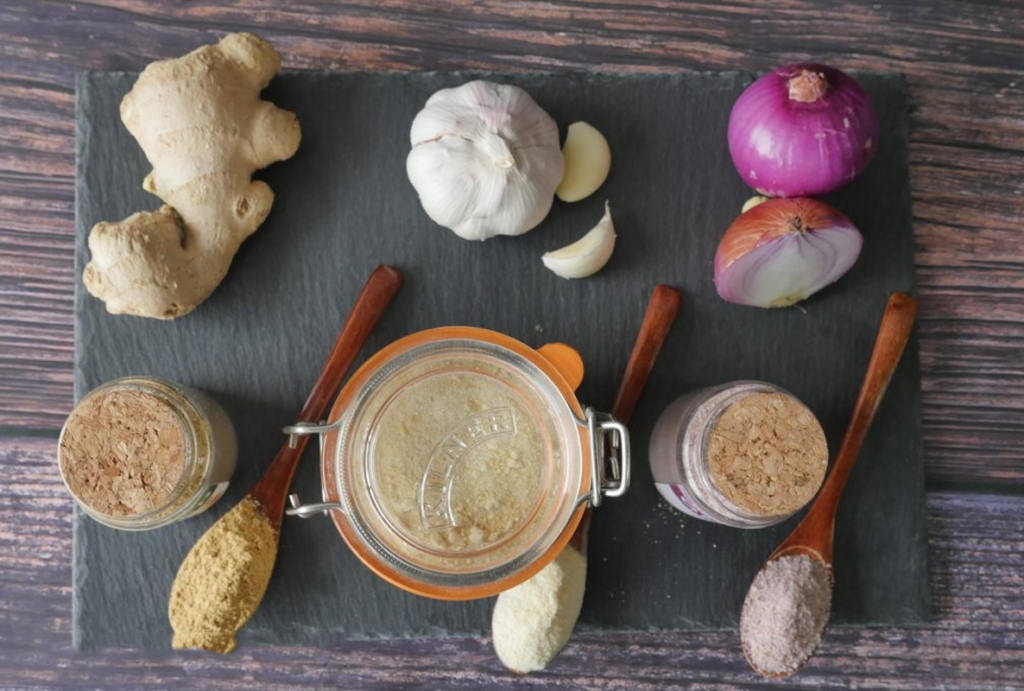
Lehsan, adrak, pyaz. The foundation of almost every desi dish – and also three of the most powerful flavor-builders you have access to when trying to reduce salt intake.

Garlic deserves a special mention here. There’s solid research – multiple meta-analyses now – showing that regular garlic consumption can produce modest but meaningful reductions in blood pressure. It also supports cholesterol levels. So it’s not just good for flavor; it’s genuinely working for your heart health in the background.

When you sauté more garlic and ginger than you normally would, the aroma alone changes how the dish is perceived. Roasting onions until they’re soft and slightly sweet adds a depth that food scientists call umami – that savory, satisfying quality that makes you feel like the meal is rich and complete. Less salt needed, more satisfaction delivered.

A simple starting point: double the garlic in your next salan. That’s it. See how it feels.

Garlic, ginger, and onions in Pakistani cooking – natural ways to flavor food while reducing salt intake for hypertension

4. Add Healthy Fats Smartly for Satisfaction

One reason salty food feels satisfying is that it triggers a richness response in the brain. Healthy fats do the same thing – they make meals feel substantial and complete, which reduces the urge to reach for more namak.

Cold-pressed mustard oil, a small amount of good ghee, olive oil as a finishing drizzle – these all work well. Nuts and seeds are excellent too: a handful of badam or akhrot, a sprinkle of crushed flaxseeds (alsi) over a sabzi or raita. The omega-3s in these foods also directly support heart health, so you’re getting a double benefit.

The key word here is “smartly.” Fats add calories, and portion size matters. But used in moderate amounts as flavor enhancers rather than cooking bases, they genuinely reduce the need for salt while also keeping you fuller for longer.

5. Switch Cooking Methods to Boost Natural Tastes

This one surprises a lot of people, but how you cook something changes its flavor profile significantly – sometimes enough to make salt almost optional.

Grilling, roasting, and tandoor cooking concentrate flavors and create natural caramelization. That slightly charred edge on a tikka or the sweetness that comes out of roasted baingan doesn’t need much salt at all – it’s already complex on its own. Slow-cooking daals brings out depth that a quick boil can’t match. Air-frying snacks gives you that crunch without the sodium that comes with fried, packaged alternatives.

Start with something simple: instead of deep-frying bhindi, roast it in the oven or air fryer with a pinch of zeera and haldi. The texture changes, the flavor concentrates, and you’ll find yourself reaching for the salt shaker a lot less.

Sample Low-Salt Pakistani Day Menu (~4–5g Salt Total)

This is a rough guide based on what I put together for clients. Everyone’s needs are different, but this gives you a realistic picture of what a low-salt intake day can look like without feeling deprived.

Breakfast: Besan cheela with extra dhania and a generous squeeze of lemon, plus green tea

Mid-morning: A handful of almonds and an apple

Lunch: Chicken sabzi made with double garlic and ginger, one roti, salad dressed with lemon juice

Snack: Yogurt raita with fresh mint and cucumber

Dinner: Moong dal with a zeera and ajwain tadka, palak sabzi, a small portion of brown rice

This is adjustable based on your specific health situation, activity level, and preferences – which is exactly what we work through in personalized consultations.

Frequently Asked Questions About Reducing Salt Intake in Pakistan

How much salt is too much for heart health? WHO recommends staying under 5g per day – about one teaspoon. Most Pakistanis are eating 8 to 10 grams or more, which significantly raises hypertension risk. The goal is to cut back gradually, not all at once.

Will reducing salt intake make food taste bland forever? No – and this is the fear that stops most people from trying. Taste buds genuinely adapt within 2 to 4 weeks. Once they do, food that used to taste normal starts tasting overly salty. Herbs, spices, and acidity keep meals interesting throughout the transition.

Can garlic really help lower blood pressure? Yes. The evidence is consistent across multiple studies – regular garlic consumption produces modest but real reductions in blood pressure. It’s safe, affordable, and already part of how we cook.

What about achar and namkeens – can I never eat them? You don’t have to give them up entirely. Enjoy them in small amounts as occasional treats. Look for lower-sodium brands, or try making homemade versions where you control the salt. Balance them with lower-salt intake throughout the rest of the day.

How quickly can I see benefits from lower salt intake? Many people notice changes in blood pressure within 1 to 4 weeks of consistently cutting back. Long-term reduction significantly lowers risk of heart disease and stroke.

Is low salt safe if I sweat a lot in summer? For most people, yes. If you’re very active or spending long hours outdoors, make sure you’re getting sodium naturally through vegetables and fruits rather than processed sources. If you’re on medication for hypertension or heart health, it’s worth checking in with a professional before making big changes.

Ready to Protect Your Heart with Smarter Flavor Choices?

You don’t have to choose between food you love and a heart that stays healthy. These aren’t extreme changes – they’re small, practical shifts that build on flavors already at home in Pakistani cooking.

Start somewhere simple. More herbs today. A squeeze of lemon tomorrow. Double the garlic next week. These things add up faster than you’d think.

Take the first step towards achieving your health goals with personalized nutrition guidance from Hamza, a certified dietitian.

📞 Call/WhatsApp: +92 300 0172509 📧 Email: hamzathedietitian@gmail.com 🌐 Visit: hamzathedietitian.com

Get customized meal plans, ongoing support, and expert advice tailored to your lifestyle. Don’t wait – start your transformation today!

Related reads:

  • Diabetes Diet Plan Pakistan
  • Ragi vs Jowar vs Wheat Roti

Wrapping Up: Reduce Salt Intake and Take Control of Your Heart Health

Cutting back on salt isn’t a punishment. It’s one of the most practical things you can do for your long-term health – and it doesn’t have to cost you anything in flavor.

Use herbs, acidity, aromatics, healthy fats, and smarter cooking methods. Let your taste buds adjust. Trust the process.

The key takeaways: aim for under 5g of salt intake daily for better blood pressure and lower heart disease risk. Hidden sodium in pickles and snacks adds up faster than you’d expect – awareness alone cuts it significantly. Desi spices and lemon keep low-salt intake meals genuinely delicious. Taste buds adapt within weeks. And small, consistent steps deliver real results for hypertension control.

Your heart works every second of every day without asking for anything. Give it a little help with smarter choices. You already have the tools.

Stay consistent. Stay heart-strong.

Hamza The Dietitian Helping Lahore (and Pakistan) live healthier, one flavorful meal at a time.