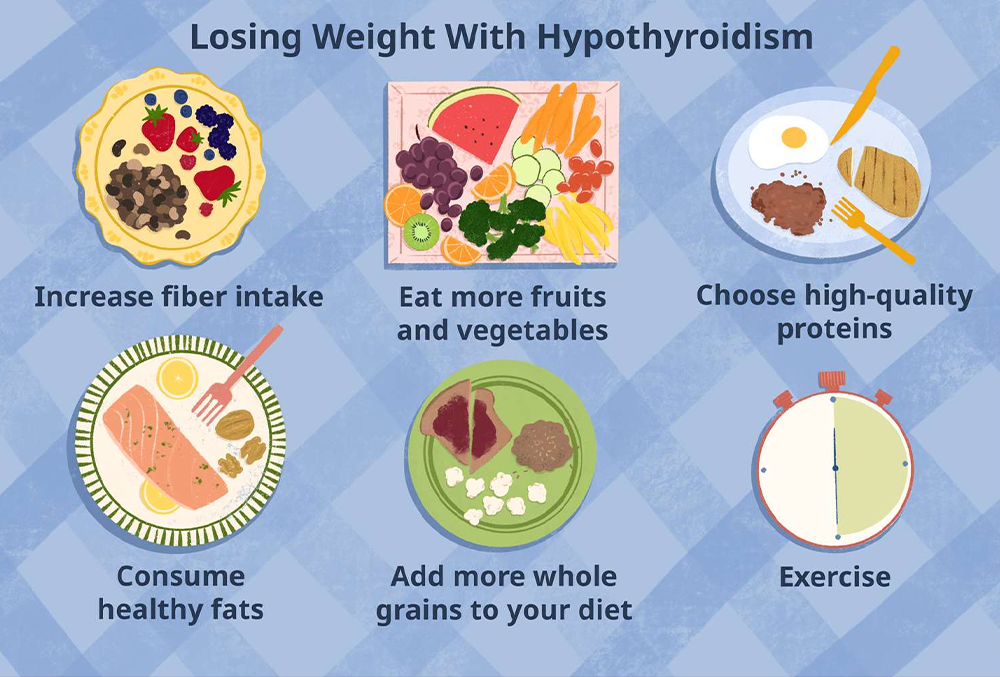
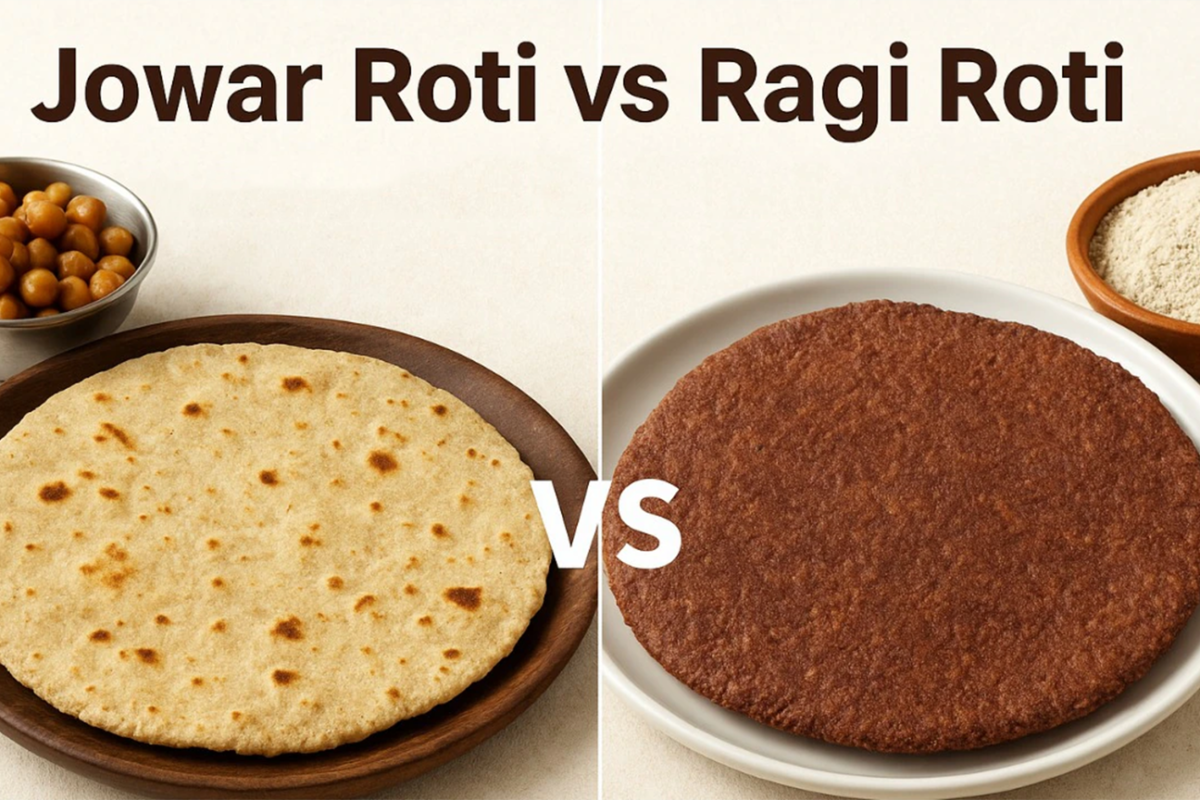
Roti is something we grow up with. It is on the table at lunch, at dinner, at suhoor during Ramadan. It goes with everything — salan, keema, daal, achaar. In most Pakistani homes, a meal without roti just does not feel complete. But lately, more and more of my clients have been coming to me with the same question. “Hamza bhai, my weight is not moving. My sugar readings are all over the place. Should I switch to ragi or jowar instead of regular wheat?” It is a fair question. And the honest answer is — when you put ragi vs jowar vs wheat roti side by side, millets usually come out ahead for both weight loss and blood sugar control. Not because wheat is bad, but because ragi and jowar bring more fibre, a lower glycemic index, and minerals that our bodies genuinely benefit from.
In Pakistan, where diabetes and obesity are both rising sharply, these ancient grains are making a quiet comeback — and they are more accessible now than ever. You can find them at Imtiaz, Metro, and on Daraz without any trouble.
This guide gives you a real, practical comparison. No complicated science. Just clear information, Pakistani-friendly tips, and things you can actually start doing this week.
Why Your Roti Choice Affects Weight Loss and Blood Sugar More Than You Think
Think about how many rotis you eat in a day. Three? Four? Six? For most Pakistani families, roti is not a side — it is the main event. And that adds up to a significant amount of carbohydrates by evening.
Regular wheat roti is not a bad food. But its glycemic index sits somewhere between 55 and 85 depending on how refined the atta is. That means for someone with prediabetes or type 2 diabetes — which is extremely common in Pakistan — wheat roti can cause blood sugar levels to rise faster than you want.
Millets like ragi and jowar digest more slowly. They have more fibre, more complex carbohydrates, and a lower glycemic index. The result is that you feel full for longer, get fewer cravings through the day, and your energy stays steady instead of spiking and crashing. For weight loss, that matters enormously.
The other good news is that ragi and jowar work beautifully with desi cooking. You can make soft rotis with them, mix them with wheat atta to ease the transition, or go fully millet when you are ready.
Let us look at the numbers.
Nutritional Comparison: Ragi vs Jowar vs Wheat Roti (Per Average Medium Roti ~40–50g Flour)
Here’s a quick look based on common values:
- Calories: All similar (~90–120 kcal per roti)
- Fibre: Ragi highest (3–4g), Jowar close (3g), Wheat lower (1.5–2g)
- Protein: Similar (2.5–3g), but ragi/jowar often feel more satisfying
- Glycemic Index (GI): Ragi lowest (40–55), Jowar medium (60–70), Wheat higher (55–85)
- Key Minerals: Ragi wins calcium & iron, Jowar strong in magnesium & antioxidants, Wheat good B-vitamins
Ragi edges out for blood sugar control and bone health. Jowar shines for digestion and gluten-free needs.
Why Ragi Roti Stands Out for Weight Loss and Diabetes Management
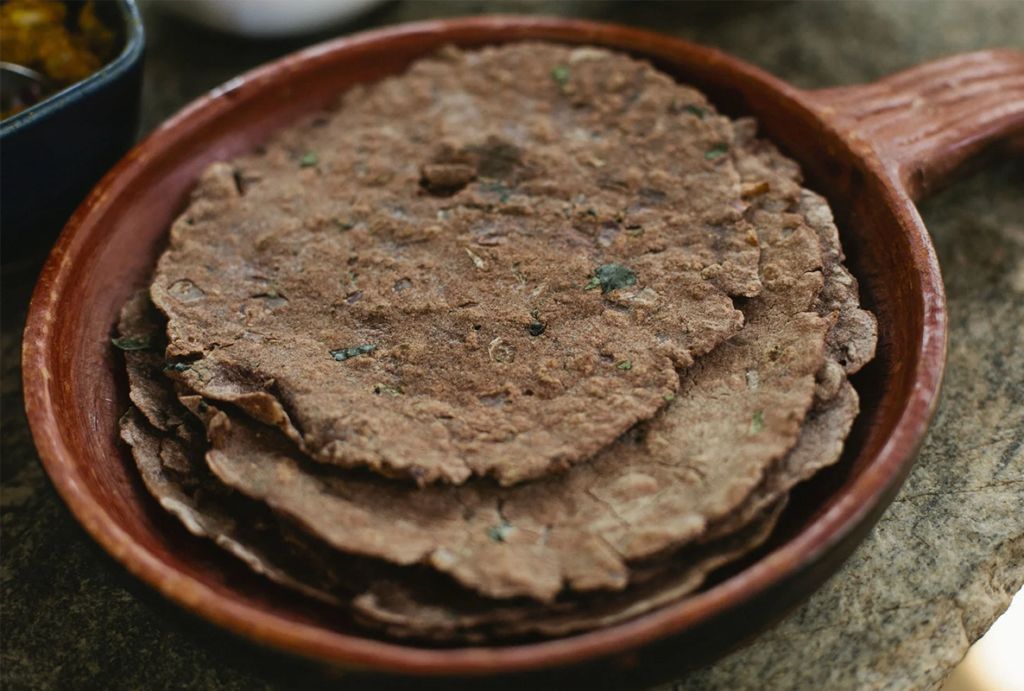
Ragi — finger millet, nachni — is one of those foods that surprises people. It looks simple. It tastes earthy. But nutritionally, it punches well above its weight.
Its high dietary fibre is what makes the biggest difference. Fibre slows digestion, keeps you feeling full longer, and reduces the urge to snack between meals. Many clients tell me they naturally eat one or two fewer rotis per meal after switching to ragi — not because they are restricting themselves, but because they genuinely do not feel hungry as quickly.
The low glycemic index of 40 to 55 means glucose enters your bloodstream slowly and steadily. Research on finger millet polyphenols shows improvements in insulin sensitivity and reduced fasting glucose levels with regular consumption — exactly what people managing diabetes need.
Ragi also has more calcium than almost any other grain. For Pakistani women especially, where iron deficiency and anaemia are common, that mineral profile matters.
Pakistani kitchen tip: Start by mixing 30 to 50 percent ragi atta with whole wheat. Add a pinch of ajwain or methi dana for taste. Ragi roti pairs beautifully with palak sabzi or daal — the combination keeps blood sugar levels steady for hours.
Real story from my practice: A 38-year-old teacher from Gulberg, Lahore lost 4 kg in 6 weeks by replacing just two daily wheat rotis with ragi ones. Her fasting sugar dropped from 138 to 112 mg/dL. She changed nothing else. One small swap, consistent results.
One note of caution: Ragi is high in calcium, so anyone prone to kidney stones should speak to a doctor before making it a daily staple.
How Jowar Roti Supports Digestion, Satiety and Stable Blood Sugar
Jowar — sorghum, cholam — does not get enough credit. It is naturally gluten-free, which makes it a safe and genuinely nutritious choice for anyone with gluten sensitivity or celiac disease.
What sets jowar apart is how it behaves in the gut. Its fibre works as a prebiotic — meaning it feeds the good bacteria in your digestive system. That leads to better digestion, less bloating, and more consistent energy through the day. Clients who come to me with IBS or chronic acidity often feel noticeably lighter after switching to jowar roti.
Studies on sorghum show it supports satiety and weight loss through resistant starch and polyphenols. Its glycemic index sits in the medium range, which gives you a slower energy release without the heaviness some people feel after wheat.
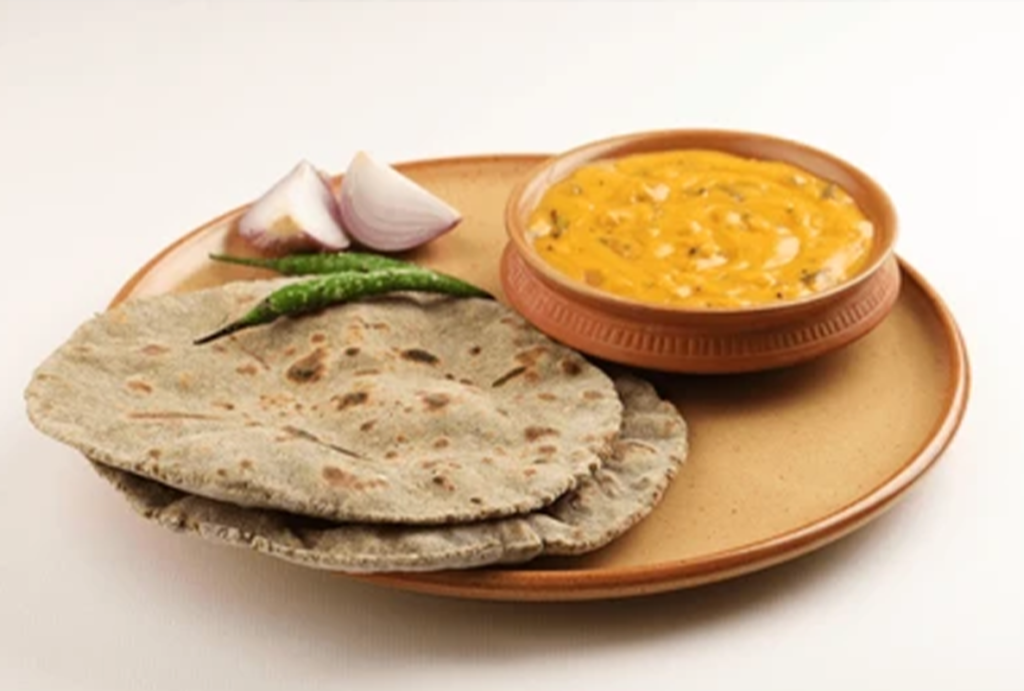
Pakistani kitchen tip: Jowar roti tends to be slightly denser than wheat roti. Soak the flour for 30 minutes before kneading and it softens considerably. A 50:50 mix with whole wheat works well when you are starting out. It pairs particularly well with winter curries and grilled chicken.
Is Wheat Roti Still a Good Choice in 2026?
Yes — and I want to be clear about this. Whole wheat roti is not your enemy. It has B vitamins, zinc, decent fibre, and real nutritional value — especially when you choose good quality, less refined atta.
The issue is not wheat itself. The issue is over-reliance and portion size. Eating four or five large wheat rotis at every meal, especially with heavy curries, will gradually work against your weight loss goals and make blood sugar control harder — particularly if you already have insulin resistance.
The smarter approach is rotation. Use wheat regularly, but bring ragi and jowar in four to five days a week. You get variety, you get better nutrition overall, and you give your body a break from the higher glycemic index of wheat.
Practical Tips: How to Start Ragi or Jowar Roti in Your Pakistani Kitchen
You do not need to overhaul your kitchen overnight. Here is how to make the switch gradually and actually enjoy it:
- Start with a beginner mix — 70% whole wheat and 30% ragi or jowar atta. Increase the millet ratio slowly as you get used to the taste and texture
- For softer rotis — add one teaspoon of oil or ghee per cup of flour and use warm water. Let the dough rest for 15 to 20 minutes before rolling
- Boost the flavour — jeera, ajwain, crushed methi, or finely chopped green chilli all work well mixed into the dough
- Portion guidance — aim for one to two medium rotis per meal, paired with plenty of sabzi and protein
- Meal prep shortcut — make extra dough balls and freeze them. On busy days, thaw and roll — done
Sample day using millets:
- Breakfast: Ragi porridge, dalia-style, with a handful of nuts
- Lunch: Jowar roti with chicken bhuna and fresh salad
- Dinner: Mixed millet roti with moong daal and bhindi
Frequently Asked Questions About Ragi vs Jowar vs Wheat Roti
Which is best — ragi vs jowar vs wheat roti for weight loss?
Ragi usually comes out on top because it has the highest fibre content and the lowest glycemic index. It keeps you fuller for longer and reduces cravings without making you feel deprived. That combination is very effective for sustainable weight loss.
Does ragi roti really help control blood sugar levels better than wheat?
Yes. Its glycemic index of 40 to 55, combined with polyphenols that slow glucose absorption, leads to steadier readings after meals. Many of my diabetic clients see a noticeable improvement in fasting sugar within a few weeks of regular use.
Is jowar roti completely gluten-free and safe for everyone?
Jowar is naturally gluten-free, yes. It is a solid choice for anyone with gluten intolerance. That said, if you are new to high-fibre foods, introduce it gradually. Going from low-fibre wheat to full jowar overnight can cause temporary bloating while your gut adjusts.
Can I eat wheat roti every day if I have diabetes?
You can, but mixing in millets four to five days a week will give you noticeably better glycemic control. Portion size and what you pair the roti with matters just as much as the flour itself.
Where can I buy good ragi and jowar atta in Pakistan?
Most major supermarkets carry them now — Imtiaz, Metro, and Al-Fatah in Lahore and Karachi. You can also order on Daraz. Look for stone-ground versions where possible, as they retain more nutrients than machine-milled flour.
How long until I see real benefits from switching flours?
Most clients notice better energy levels and reduced hunger within 7 to 14 days. Measurable improvements in weight loss and blood sugar control typically show up within 4 to 8 weeks — provided you stay consistent.
Ready to Upgrade Your Roti and Start Feeling Lighter?
Choosing a smarter flour is one of the simplest changes you can make for weight loss and stable blood sugar levels — without giving up roti or changing your whole lifestyle.
If you want a personalised plan built around your health goals, your daily routine, and real Pakistani meals, I am here to help.
📞 Call/WhatsApp: +92 300 0172509 📧 Email: hamzathedietitian@gmail.com 🌐 Visit: hamzathedietitian.com
Customised meal plans, ongoing support, and practical advice — designed for your life, not someone else’s. Book your consultation today.
Related reading:
- Diabetes Diet Plan Pakistan
- Diabetic Diet Food List
Final Thoughts on Ragi vs Jowar vs Wheat Roti
When you put ragi vs jowar vs wheat roti side by side, ragi takes the lead for weight loss and blood sugar control — its fibre content and low glycemic index are hard to beat. Jowar roti is a close second, especially for anyone who needs a gluten-free option or struggles with digestion. Wheat roti is still a solid everyday choice, but leaning on millets most of the week gives your body a real advantage.
The best roti is the one you will actually eat consistently. Start with one millet roti per day. Watch how your hunger changes, how your energy feels, how your readings shift. Small steps, done daily, add up faster than you think.
You have got this. One better roti at a time.
Stay consistent, stay healthy.
Hamza The Dietitian Lahore — Helping Pakistan eat smarter, feel better.