• Online Consultation Available
  • Mon–Sat: 9am to 6pm

Blog

PCOS & Hormonal Imbalance Diet Plan

PCOS & Hormonal Imbalance Diet Plan – Dietitian Hamza Javed

If your periods show up whenever they feel like it (or disappear completely), the weight keeps increasing no matter how carefully you eat, your skin constantly breaks out, and you feel exhausted all the time, you’re not alone. Many women spend hours searching for answers, trying random tips and trendy meal plans that work for others but not for them. The truth is, managing PCOS isn’t about starving yourself or giving up your favorite foods — it’s about understanding what’s really happening inside your body, from insulin resistance and elevated androgens to a sluggish metabolism. A structured PCOS & Hormonal Imbalance Diet Plan focuses on balancing blood sugar, reducing inflammation, and supporting hormone health so your body can finally feel stable, energized, and in control again.

What’s Really Going On With PCOS?

PCOS (Polycystic Ovary Syndrome) affects about 1 in 10 women. That’s a lot of us dealing with this mess. Your ovaries develop these small cysts, your body starts making too many male hormones (yep, we all have some), and everything just gets… off track.

You might notice:

  • Unpredictable periods that have a mind of their own
  • Weight that stubbornly refuses to budge
  • Acne that makes you feel 15 again (but not in a good way)
  • Hair growing where you don’t want it, and thinning where you do want it
  • Feeling exhausted even after sleeping

The Insulin Problem Nobody Talks About Enough

Here’s the thing most doctors rush through: insulin resistance plays a huge role in PCOS.

Basically, your body stops listening to insulin properly. So your pancreas panics and pumps out even MORE insulin to keep your blood sugar stable. But that extra insulin creates a whole cascade of problems – it tells your ovaries to make more male hormones, makes your skin break out, stores fat around your belly, and makes weight loss feel impossible.

This is exactly why a good PCOS diet focuses on keeping your blood sugar steady, not just cutting calories randomly like every other diet out there.

Why Your Diet Actually Matters (A Lot)

Research keeps showing that diet and lifestyle changes are the first thing you should try for PCOS. Before medications, before anything else – food.

When you eat right for PCOS, you can actually improve:

  • How your body responds to insulin
  • Those annoying androgen levels (hello, clearer skin!)
  • Your period regularity
  • Weight management over time
  • Even your chances of conceiving if that’s something you’re working on

Why Instagram Diets Usually Flop

Every woman’s PCOS is different. Your hormone levels, your symptoms, what medications you’re taking, your daily life – none of it matches that influencer’s perfectly curated feed.

That’s why those generic “PCOS-friendly foods” lists usually don’t work long-term. Sometimes they even make things worse.

Working with someone like Dietitian Hamza Javed means:

  • Looking at YOUR actual medical reports and hormone levels
  • Creating a plan with foods you actually eat and enjoy
  • Avoiding those crash diets that might drop weight fast but wreck your hormones in the process

This personalized approach is what makes real dietitian guidance different from whatever’s trending this week.
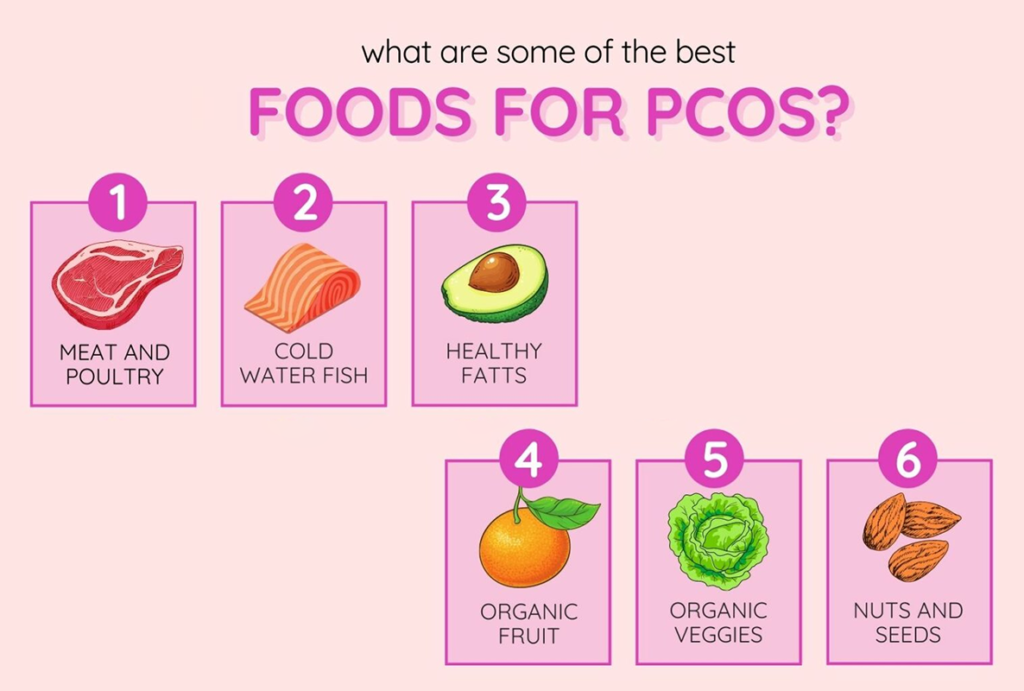
What Actually Works: Core Principles

1. Smart Carbs, Not No Carbs

Women with PCOS often eat too many of the “fast” carbs – white bread, white rice, sugary foods – that spike blood sugar like a rocket.

Instead, focus on:

  • Whole grains: brown rice, oats, whole wheat roti
  • Fruits (reasonable portions): berries, apples, pears
  • Lots of vegetables: spinach, broccoli, carrots, cucumber

These digest slowly, keep you full longer, and don’t mess with your blood sugar.

2. Protein at Every Main Meal

Protein slows down how quickly carbs enter your bloodstream. This helps keep your blood sugar stable and protects your muscle when you’re losing weight.

Good options:

  • Chicken, fish, eggs
  • Lentils, chickpeas, beans
  • Greek yogurt, paneer (in moderation)

Think: protein + high-fiber carbs + vegetables at each meal.

3. Healthy Fats Are Your Friends

Don’t be scared of fats! They help make hormones, reduce inflammation, and keep you satisfied.

Include:

  • Olive oil, avocado
  • Nuts like almonds and walnuts (small handfuls)
  • Seeds – flax, chia, pumpkin
  • Fatty fish when you can

Yes, fats have calories, so don’t go overboard. But cutting them out completely? That’s not helping your PCOS.

4. Cut Back on the Processed Stuff

Refined sugars and processed foods are basically fuel for PCOS symptoms – they spike insulin, promote weight gain, and make everything harder.

Try to reduce:

  • Sugary drinks and sodas
  • Bakery items and pastries
  • Deep-fried foods
  • Packaged snacks

Notice I said “reduce,” not “never eat again.” Life happens, and a good plan accounts for that.

5. Eat at Regular Times

Eating at roughly the same times each day helps keep your blood sugar stable and your energy more consistent.

Skipping meals, eating whenever, huge gaps between eating – all of this leads to cravings and overeating later. For most women with PCOS, three solid meals plus maybe one snack works well.

What to Actually Put on Your Plate

Foods to Emphasize:

  • Whole grains: oats, brown rice, whole wheat
  • Lean proteins: chicken, fish, eggs, lentils
  • Vegetables: leafy greens, broccoli, tomatoes, carrots
  • Fruits in moderation: berries, apples, citrus
  • Healthy fats: olive oil, nuts, seeds, fatty fish
  • Anti-inflammatory stuff: turmeric, ginger, green tea

Foods to Minimize:

  • White bread, regular pasta, packaged baked goods
  • Fried and fast food
  • Candies, chocolates, sweet biscuits
  • Sodas and sugary drinks

The goal is consistency over time, not being perfect every single day.

Sample Day of Eating

Breakfast:

  • Veggie omelette (1-2 eggs)
  • Small whole wheat roti or bowl of oats
  • Tea or coffee with minimal sugar

Mid-Morning:

  • Small fruit
  • Handful of nuts

Lunch:

  • Grilled chicken or fish
  • Mixed veggies (not swimming in oil)
  • 1-2 small chapatis
  • Side salad

Evening:

  • Plain yogurt with chia seeds OR roasted chickpeas

Dinner:

  • Lentil curry or lean protein
  • Vegetables
  • Small chapati
  • Light salad if you’re still hungry

This is just an example – your actual plan needs to be adjusted based on your weight, activity level, blood tests, and what else is going on health-wise.

Beyond Just Food

Diet is huge, but PCOS management also depends on your daily habits:

  • Movement: Walking, cycling, strength training, yoga – these improve how your body uses insulin
  • Sleep: 7-8 hours of actual good sleep helps regulate hormones and control cravings
  • Stress management: Chronic stress makes everything worse. Even simple things like deep breathing and having a routine help

Put all of this together with a solid PCOS diet plan, and that’s when you see real, lasting results.

Why Work with Dietitian Hamza Javed?

If you’re tired of trying random “PCOS diets” from the internet that promise everything and deliver nothing, I get it.

Dietitian Hamza Javed creates PCOS diet plans that actually work because they’re:

  • Based on YOUR specific blood tests and medical history
  • Made with Pakistani foods you actually eat
  • Focused on your complete health picture – weight, acne, periods, fertility, whatever matters to you
  • Adjusted regularly as you progress

This is what real dietitian support looks like – not some copy-pasted chart you could find anywhere.

Ready to Actually Feel Better?

PCOS can feel overwhelming. You don’t have to keep guessing or trying things that don’t work.

A proper, personalized PCOS diet plan can change how you feel, how your body responds, and your long-term health.

If you’re struggling with irregular periods, weight that won’t move, acne, unwanted hair, or fertility issues – it’s time to get help that actually works.

Book a consultation with Dietitian Hamza Javed:

Bring your recent lab work and ultrasound results. Get a clear, step-by-step plan to balance your hormones and take control of your health.

📞 Call/WhatsApp: 0300 0172509
📧 Email: hamzathedietition@gmail.com

Stop guessing. Get a real plan. See actual results.

Clinical dietitian in Lahore

Best Clinical Dietitian & Nutritionist in Lahore – Dietitian Hamza Javed

Ever Googled “nutritionist near me” at 2 AM after your doctor dropped scary news about your sugar levels? Found pages of people promising miracles with lemon water and chia seeds? Finding a clinical dietitian in Lahore who gives actual science-based help—not generic photocopied charts—feels impossible. You need someone who understands that diabetes, kidney disease, and heart problems aren’t fixed with trend diets.

Enter Dietitian Muhammad Hamza Javed. No miracle pills. No “lose 10kg by Tuesday” nonsense. Just the best nutritionist in Lahore for safe, personalized nutrition care with real Pakistani food.

Who Is Dietitian Hamza Javed?

Lahore’s full of “nutritionists” with three-day Instagram certificates. Hamza isn’t that.

Dietitian Muhammad Hamza Javed has proper university education in Nutrition and Dietetics. He works with real medical cases—diabetes destroying kidneys, heart disease, dialysis patients where every bite matters.

As a clinical dietitian in Lahore, he has formal dietetics training, does medical nutrition therapy for actual diseases, and works both in-person and through online diet consultation in Lahore.

While others chase TikTok trends, Hamza follows hospital-level medical nutrition standards for long-term health.

Why Clinical Nutrition Matters

Clinical nutrition isn’t just “eat healthy” advice. When a clinical dietitian in Lahore calculates your exact carb intake based on A1C levels, kidney function, and medication schedule—that’s clinical nutrition targeting your specific disease.

Working with Hamza means controlling blood sugar without ditching rice. Protecting kidneys without tasteless food. Supporting your heart without endless boiled chicken. Getting proper post-surgery nutrition when your body needs it most.

He collaborates with your doctors, reviews lab work, and builds diet plans that reduce complications and help medications work better. Medical science applied to your plate.

Areas of Expertise

Hamza deals with everything from basic weight management to complex clinical conditions. His experience includes both outpatient counseling and online diet consultation in Lahore for patients who can’t visit in person.

Weight Loss & Weight Gain

Most people in Lahore have zero clue where to start with weight. They crash diet, buy sketchy gym supplements, or follow Instagram influencers. Result? Metabolism tanks, hormones go crazy, they gain it all back plus extra.

Hamza’s weight loss and weight gain plans work because they use balanced calories (not starvation), enough protein to protect muscle, realistic portions for desi food (roti, chawal, salan), and smart snacks that control cravings. No magic powders. Just sustainable changes.

Diabetes & Blood Sugar Control

Type 2 diabetes is everywhere in Pakistan. Every family has someone with it. Diet is crucial for controlling blood sugar and avoiding blindness, kidney failure, and nerve damage.

Hamza builds diabetes meal plans for actual Pakistani eating—family dinners, weddings, Friday biryani. Simple carb counting, guidance on roti and rice portions, which fruits are safe, timing meals with insulin. Managing diabetes isn’t giving up desi food—it’s learning to eat it smartly.

Kidney (Renal) & Dialysis Diets

Kidney disease on dialysis? Margin for error disappears. Protein, potassium, phosphorus, sodium, fluids—all must be controlled precisely. One bad meal can cause dangerous swelling, high blood pressure, or toxin buildup.

Hamza’s renal plans include safe protein amounts, clear lists of allowed/restricted foods, fluid and salt guidance, and practical meals using local ingredients. Kidney disease is terrifying, but a clinical dietitian in Lahore who knows exactly what’s safe makes it manageable.

Heart Health & Cholesterol

High cholesterol, triglycerides, blood pressure—these aren’t just random numbers. They’re warning signs for heart attack and stroke. And yeah, what you eat matters. A lot.

Hamza helps by cutting unhealthy fats without making meals boring (no endless boiled chicken). He plans desi dishes with less oil and better cooking methods. Shows you heart-friendly snacks and breakfast options. Teaches you how to read food labels so marketing doesn’t trick you.

Heart-healthy eating isn’t about bland food. It’s about smarter choices that still taste good.

Child Nutrition & Family Diets

Parents in Lahore are stressed about feeding their kids. Milk or formula? How to handle picky eaters? Is junk food okay sometimes? What makes a healthy school lunch they’ll actually eat?

Hamza gives age-appropriate diet charts for children. Realistic strategies for picky eating and junk food (not just “say no”). Meal structures that work for the whole family—one meal, not separate cooking marathons. Family-friendly healthy cooking advice that moms can actually use.

Good nutrition starts young. Get it right now, raise healthier adults later.

Clinical dietitian in Lahore

Personalized Plans & Consultations

Hamza doesn’t hand you printed charts everyone gets. He listens to your history, routine, budget, preferences, and builds a plan around your actual life.

During consultations: reviews medical reports, asks about meals and habits, identifies mistakes, builds realistic plans you can follow. This works because it fits your real life.

Online Diet Consultation in Lahore & Beyond

Can we acknowledge something? Lahore traffic is an absolute nightmare. Your job has you working late. Your kids need picking up from school. The idea of taking half a day off just to sit in some clinic waiting room for an hour feels completely impossible.

That’s exactly why online diet consultation in Lahore is such a game-changer. Same expert advice. Same personalized plans. Zero sitting in traffic. Zero awkward waiting rooms. You’re getting consultations from your own house, in your pajamas if you want.

What Online Consultations Look Like

Hamza does video calls, phone consultations, whatever works for you—WhatsApp, Zoom, regular phone call. Quick follow-up questions get answered through WhatsApp or email without you needing to book another whole appointment. You get digital diet charts that you can pull up on your phone anytime. And this works whether you’re in Lahore, Karachi, Islamabad, or honestly anywhere in Pakistan.

This setup is perfect if you’re a working professional who can’t take time off every week. If you’re a student living in a hostel trying to figure out healthy eating. If you’re elderly and traveling to appointments is just too exhausting. Or if you’re overseas but want diet advice that actually accounts for Pakistani food culture instead of pretending you eat nothing but salads.

You get the same expertise, personalized plans, and support—just through your phone instead of in person.

What Makes Him the “Best Nutritionist in Lahore” For Many Patients?

“Best” doesn’t just mean popular. It means trusted, consistent, and patient-centered. Many patients appreciate dietitians who give them time, explain things clearly in simple language, and actually stay connected between visits.

Key Strengths

Here’s what makes Hamza stand out as the best nutritionist in Lahore:

Evidence-based diet plans aligned with actual clinical guidelines (not trends)
Clear explanations in simple Urdu/English for middle-class families
Focus on sustainable habits instead of temporary quick fixes
Flexible plans that respect cultural foods and family preferences

By combining science with practicality, he makes clinical nutrition easy to understand and apply at home. You’re not getting medical jargon. You’re getting real advice in real language.

Who Should Book an Appointment?

Consider consulting Hamza if you have diabetes, kidney disease, heart problems, fatty liver, or need a safe medical diet plan. If random diets keep failing. If your doctor said you need a nutritionist. If you want a realistic plan for your family’s health.

Early guidance prevents small issues from becoming serious problems. Professional nutrition support now saves money on medicines and hospitals later.

Don’t wait. Get help now.

How to Get the Most From Your Consultation

Want better results? Prepare before your appointment. Keep your latest lab reports and prescriptions ready. Note your usual meals and snack timings (be honest). List any digestive issues, allergies, or foods you hate. Decide your clear goals.

Follow up regularly. Share updates. Diet isn’t one appointment—it’s ongoing support.

Start Your Health Journey Today

If you’re in Lahore or anywhere nearby and you want a diet plan that’s actually medically sound—not some trend from social media—consulting Dietitian Muhammad Hamza Javed might be exactly what you need.

Diabetes wearing you down? Kidney disease scaring you? Heart problems making every meal stressful? Just trying to lose weight without destroying your health in the process?

Stop struggling through this alone. Stop gambling with fad diets that promise everything and deliver nothing but frustration. You need someone who actually knows what they’re doing.

Book your consultation with Hamza. Talk about what’s really going on with your health. Let a qualified clinical dietitian in Lahore build you a personalized, practical plan that doesn’t pretend Pakistani food doesn’t exist. Something that fits your actual life, your family, the foods you actually enjoy eating.

One conversation could be the difference between feeling constantly tired and stressed about your health versus actually having energy again. Between watching your lab numbers get scarier versus seeing them improve. Between guessing and knowing.

Stop guessing. Start fixing this.

Contact Information

📞 Call/WhatsApp: 0300 0172509
📧 Email: hamzathedietition@gmail.com

Get your personalized online diet consultation in Lahore or book an in-person appointment. Your health is worth one phone call.

Why Most Diet Plans Fail

Why Most Diet Plans Fail (And How a Dietitian Fixes Them)

You download that new diet app at midnight, feeling like THIS is finally it. You screenshot the meal plan. You throw out all the “bad” foods. You tell everyone you’re doing keto now.Fast forward three weeks—you’re hiding in your car eating an entire box of donuts.What went wrong?Nothing. You didn’t fail. The diet failed you.This is why most diet plans fail for literally everyone. You’re not weak. You’re not undisciplined. The whole system is broken, and that’s exactly what we need to talk about.

A dietitian can actually fix this—not with another ridiculous meal plan, but with a personalized diet plan with dietitian support that works with your actual life.

Let me show you why most diet plans fail and how you can finally stop this exhausting cycle.

Why Most Diet Plans Fail When Real Life Shows Up

Every diet sounds incredible when you first read about it.

“Drop 10kg in a month!” “Eat these magic foods!” “Just cut carbs!”

Amazing, right? Until Tuesday happens.

Your manager dumps a crisis project on you at 4:55 PM. Your kid’s birthday is this weekend and there’s cake involved. You get home at 9 PM after a brutal commute—cooking that elaborate “clean meal” isn’t happening. Ramadan starts and suddenly you’re eating at completely different times. You’re at your cousin’s wedding and the entire hall smells like fresh biryani.

Your perfect diet plan? Dead in the water.

This is why diets don’t work long term—they’re designed for some imaginary person who has zero stress, never gets invited anywhere, and has unlimited time to meal prep.

Most diets want you to completely transform overnight. New schedule. New foods. New lifestyle. New you.

That’s exactly why most diet plans fail before you even make it to Friday.

The Real Reasons Why Most Diet Plans Fail

1. Restriction Always Backfires

The biggest reason why most diet plans fail? They’re basically punishment disguised as health.

No rice ever again. Bread is poison. Don’t even look at fruit after 6 PM. Your entire existence is now boiled chicken breast and steamed broccoli.

Day one and two? You feel unstoppable. “Look at my discipline! I’m transforming!”

Day five? You’re a different person.

You’re starving constantly. Everyone at work annoys you. You dream about eating an entire pizza—not slices, the whole thing. Your brain feels like it’s running on 2% battery. You can’t remember what your coworker just said because you’re mentally planning your next meal.

Then you crack. One bite becomes the whole thing. You feel horrible. You quit completely.

This restriction-binge-guilt cycle is why diets don’t work long term. Your body’s not designed to run on willpower alone.

What actually happens:

  • Metabolism hits the brakes
  • Hunger hormones go absolutely insane
  • “Forbidden” foods consume your thoughts
  • Food becomes a constant mental battle

This is why most diet plans fail—they literally program you to fight yourself.

2. Cookie-Cutter Plans Are Useless

Can we talk about those WhatsApp group diet charts?

Someone’s aunt’s friend lost weight on this plan, so now it’s making the rounds. Or that Instagram influencer’s meal plan that worked for her (a 22-year-old fitness model with completely different genetics, schedule, and life than you).

Here’s the problem: they know nothing about you.

Not your thyroid medication. Not your night shift schedule. Not your budget. Not that you absolutely hate eggs. Not your prediabetes diagnosis. Not your family’s cooking style.

Nothing.

Your body doesn’t care that this plan “worked for thousands!” A real sustainable weight loss diet plan needs to account for YOUR genetics, age, hormones, medical history, work schedule, sleep patterns, stress levels, culture, and budget.

Generic plans can’t do that. Why diets don’t work long term for most people? This right here.

Why they crash and burn:

  • Completely ignore health issues (diabetes, thyroid problems, PCOS, kidney stuff, heart conditions)
  • Don’t fit your culture or what you can actually afford
  • Never adapt when your life changes

This is a massive reason why most diet plans fail—they’re for “everyone” which means they’re actually for nobody.

3. You Want Fast Results, Not Real Change

Let’s be honest: why diets don’t work long term? Because most of us don’t start them for “long term.”

You start because your brother’s getting married next month. Beach trip in three weeks. Eid’s coming up and you want to look good in photos.

You need results NOW.

So you suffer through some nightmare diet, drop maybe 4-5 kilos, take your photos looking decent, then immediately return to exactly how you were eating before.

Two months later the weight’s back—with a bonus kilo or two. You feel like garbage about yourself. Then you start searching for the next miracle solution.

Diets screaming “15kg in ONE MONTH!” don’t teach you how to actually eat like a normal human being for the rest of your life.

This is why most diet plans fail at creating anything that lasts—they’re built for quick results, not your actual health.

The cycle everyone knows:

  1. Start with insane motivation and ridiculous rules
  2. Lose weight fast but feel completely drained
  3. Have one “bad” meal, spiral into shame
  4. Quit everything and gain it all back
  5. Find the next magic diet and repeat

Yo-yo dieting wrecks your metabolism and your mental health.

Breaking it needs a personalized diet plan with dietitian guidance that focuses on building habits, not just dropping weight for next week’s event.

4. You’re Doing This Completely Alone

Most people tackle dieting solo.

You pick some random plan off TikTok. You maybe track food for three days. You fight cravings alone at midnight. You deal with stress-eating after a terrible day with zero professional support.

When progress stops—and it will, because plateaus happen to everyone—you have no idea what to do. So you assume it’s not working and you quit.

This lack of accountability is a huge reason why most diet plans fail.

Why having support changes everything:

  • Someone actually checks in and keeps you on track
  • They explain that plateaus are normal, not failure
  • They help with emotional eating and stress patterns

This support turns temporary dieting into a sustainable weight loss diet plan you can actually maintain.

How a Dietitian Actually Fixes All This

Instead of handing you diet #47 that’s destined to fail, a good dietitian actually looks at your whole situation and builds something real.

They Actually Learn About YOU

A dietitian doesn’t just throw you on a scale and hand over some chart.

They dig into your medical history, what medications you take, how you currently eat, your daily routine, how you sleep, your stress situation, what you’re actually trying to accomplish.

This helps them figure out exactly why most diet plans fail for you specifically and what changes will actually stick.

They Build Something FOR Your Life

A personalized diet plan with dietitian backing is custom-made for your actual existence.

It:

  • Gives you enough calories that you’re not constantly starving
  • Includes stuff you actually like eating (within reason)
  • Fits your work hours, family dinners, prayer times, gym schedule

When it’s designed specifically for you, being consistent gets way easier.

This is why diets don’t work long term when they’re generic, but succeed when they’re personalized.

They Teach Habits, Not Temporary Rules

A dietitian shows you how to build daily habits that eventually become automatic.

Small, realistic changes: better portion awareness, balanced plate composition, smarter snack choices, planning meals before you’re starving.

This habit focus is why most diet plans fail when they skip it. A sustainable weight loss diet plan built on solid habits wins every time. Quick fixes always bomb.

What a Real Sustainable Weight Loss Diet Plan Actually Is

It doesn’t feel like you’re being punished for existing.

It’s structured enough to get results but flexible enough that you can actually live your life—for months and years, not just a few miserable days.

What you get:

  • Actually balanced meals (protein, whole grains, vegetables, healthy fats, fiber)
  • Moderate calorie reduction (not starvation)
  • Room for weekends, celebrations, and your culture’s food

This is the opposite of why most diet plans fail—it’s designed for reality.

When You Need to Stop Trying Random Diets

If you’re stuck in the loop—start, fail, regain weight, repeat—while drowning in contradictory nutrition advice on social media, you need actual help.

A dietitian becomes crucial when you have diabetes, high blood pressure, PCOS, thyroid issues, kidney problems, or heart disease. With these conditions, random internet plans can actually be dangerous.

Signs it’s time:

  • Your weight’s constantly yo-yoing
  • You’re confused about what’s even safe to eat anymore
  • Medical stuff affects your weight and appetite
  • Food’s become stressful instead of just… food

Stop wondering why most diet plans fail. Get someone who actually knows what they’re doing.

Stop Beating Yourself Up

When diets fail, people immediately go to self-blame.

“I have no willpower.” “My body’s broken.” “I’m lazy and worthless.”

Stop.

Research consistently shows the problem is how these diets are structured, not you as a person.

Impossible rules. Extreme restriction. Zero personalization. No professional support. These things guarantee failure.

This is why most diet plans fail over and over—they’re designed wrong from day one.

A dietitian breaks this by creating a personalized diet plan with dietitian support that respects your health situation, your culture, your actual lifestyle, and your real challenges.

Stop downloading another doomed diet plan. Book with a dietitian. Talk through your history of failed attempts. Figure out why diets don’t work long term for YOU specifically. Build a realistic sustainable weight loss diet plan you can finally stick with.

Stop the cycle. Get real help. Actually see results.

FAQs

Why do diets fail after a few weeks?

Most diet plans fail because they rely on extreme restriction, ignore what makes you unique, and never teach sustainable habits. Without professional guidance, you feel deprived, lose motivation, and quit. This is why diets don’t work long term.

Is my willpower the problem?

Usually? No. The diet structure is broken. Plans that are completely unrealistic are hard for anyone to follow, even super disciplined people. This is why most diet plans fail.

How does a dietitian help?

A dietitian builds a personalized diet plan with dietitian support using flexible, realistic changes instead of extreme rules. They give you ongoing feedback and accountability, which helps you stay consistent. This is why diets don’t work long term without professional help.

Are those “lose 10kg fast” diets safe?

No. Very low-calorie crash diets cause muscle loss, constant fatigue, nutrient deficiencies, and guaranteed weight regain. A sustainable weight loss diet plan with gradual, steady progress is way safer.

When should I actually see a dietitian?

If you’ve tried multiple diets without lasting success, you’re constantly confused by contradictory advice, or you have medical conditions like diabetes, thyroid issues, PCOS, kidney disease, or heart problems. A personalized diet plan with dietitian oversight is safer and more effective than random internet plans.

Reasons to See a Dietitian

Top 8 Reasons to See a Dietitian – Why You Need Professional Nutrition Guidance

Ever scroll through Instagram at midnight, completely overwhelmed by conflicting diet advice? One post screams “carbs are the devil!” Your coworker won’t shut up about intermittent fasting. Your mom keeps saying you just need more willpower. And you’re over here searching for reasons to see a dietitian, feeling more lost than ever.

I get it. The nutrition world is a mess of contradictions.

Here’s something nobody tells you: seeing a dietitian might be the smartest health decision you make all year. Not another celebrity diet. Not tips from some 22-year-old influencer with abs and no medical degree. Actual personalized, science-based guidance from someone who studied this stuff in university.

So let me break down the top 8 reasons to see a dietitian—when it’s actually worth booking that appointment, and how professional dietitian consultation can make your life easier instead of more complicated.

1. You’re Tired of Diets That Don’t Work

Keto? Tried it. Lost 5kg, felt like garbage, gained back 8. That juice cleanse everyone raved about? Made it to day three before you wanted to punch someone. Calorie counting? Sure, until you got so obsessed with MyFitnessPal that you dreamed about macros.

This cycle is exhausting, right? It’s one of the biggest reasons to see a dietitian—you’re done wasting time on trendy diets that work for literally nobody in real life.

A dietitian doesn’t just photocopy the same meal plan for everyone who walks in. They actually dig into your specific situation. Your work schedule (night shifts? desk job?). Your sleep quality. Your stress levels. Medical stuff. What foods you actually like versus what you force yourself to choke down. Your family’s eating culture.

Then they build something that fits your actual life. Not some Instagram influencer’s life. Yours.

You get balanced meals designed so you lose fat without feeling weak or fantasizing about food 24/7. The whole approach becomes sustainable instead of another two-week experiment that ends with you rage-eating an entire pizza.

One of the biggest benefits of seeing a dietitian? You stop burning time and mental energy on diets that were never going to work anyway. This is exactly why you should see a dietitian instead of following random internet advice.

2. You Want Safe and Sustainable Weight Loss

Most people looking for a dietitian for weight loss have already tried the dangerous stuff. Crash diets where you eat 800 calories and feel like death. Fasting so extreme you can’t think straight at work. Random meal plans from TikTok created by someone with zero medical training.

Here’s what happens with that approach: nutrient deficiencies, muscle loss (you’re literally shrinking your metabolism), hormonal chaos, and then—surprise—you gain everything back plus extra weight. Congrats, you played yourself.

Professional dietitian consultation completely changes this. Your dietitian calculates calorie and macro targets based on your actual stats. Not “eat 1,200 calories because that’s what works for Instagram models.” They factor in your age, how active you are, any medical issues, whether you’re dealing with thyroid problems or insulin resistance.

You get structured plans with enough protein to protect muscle, fiber to keep you satisfied, healthy fats for your hormones and brain. You lose weight in a controlled way that doesn’t wreck your health long-term.

This is exactly why consult a dietitian instead of trusting whatever your gym buddy is doing or some random blog post you found at 2 AM. The benefits of seeing a dietitian for weight loss include safe, sustainable results that actually last.

3. You Have a Medical Condition That Needs Nutrition Support

Got diabetes? High blood pressure? High cholesterol? Gut issues like IBS? Kidney disease? PCOS? All of these are massively affected by what you eat every day.

Dietitians are trained in medical nutrition therapy, which means they use food strategically to support your treatment plan. This isn’t “eat more vegetables” generic advice. This is precise nutritional intervention designed around your specific disease.

How a Dietitian Supports Your Health

For diabetes or pre-diabetes, they teach you how to balance carbohydrates, portion sizes, and meal timing to stabilize blood sugar without feeling deprived or confused.

For heart, kidney, or liver issues, they guide you on sodium, potassium, phosphorus, fluids, and other nutrients that must be carefully controlled to protect organ function.

This reduces complications and helps your medications work better. Your condition gets managed more effectively because your diet is actually supporting your treatment instead of fighting against it.

If you have any chronic disease, this alone is one of the strongest reasons to see a dietitianprofessional nutrition support can literally save your life. When to see a dietitian? The moment you’re diagnosed with any chronic condition.

4. You Feel Lost in Online Nutrition Advice

New diet trends pop up literally every day. Low-carb Monday. Sugar-free Tuesday. Detox tea Wednesday. Intermittent fasting Thursday. Carnivore Friday. Plant-based Saturday. And by Sunday you’re exhausted just thinking about it.

Which one actually works? Which ones are backed by science? Which ones are just selling expensive supplements? You have absolutely no idea.

This information overload is one of the main reasons to see a dietitian—you need someone to cut through the noise.

They’ll explain what’s evidence-based versus what’s marketing BS designed to sell you stuff. They teach you how to actually read nutrition labels (spoiler: “low-fat” usually means “high-sugar”). They help you spot misleading health claims on packaged foods. They explain why certain foods work for your specific body and goals.

Suddenly you can make confident decisions instead of feeling paralyzed every time some new “miracle diet” trends on TikTok.

This clarity is a massive benefit of seeing a dietitian—you stop wasting mental energy trying to decode contradictory information from random people on the internet. This is why you should see a dietitian instead of drowning in confusing online content.

Reasons to See a Dietitian

5. You Want a Healthier Relationship with Food

Food isn’t just fuel. It’s emotional. It’s social. It’s connected to stress, comfort, celebration, guilt, shame—all of it.

Many people struggle with emotional eating (stress-eating an entire bag of chips), guilt after meals (“I’m so bad for eating that”), or cycles of restriction and bingeing (dieting all week, then losing control on weekends).

A dietitian helps you work on both your plate and your mindset around food.

Support Beyond Just Calories

They help you understand triggers for overeating—stress, boredom, anxiety, loneliness—and give you kinder, more practical strategies to manage those feelings without using food.

They guide you away from “good vs bad food” thinking and toward a more flexible, balanced approach. You stop labeling yourself as “good” or “bad” based on what you ate. You learn to enjoy meals without losing control or feeling ashamed afterward.

Over time, this reduces food anxiety and helps you actually enjoy eating again. This is one of the most underrated benefits of seeing a dietitian—the mental and emotional support, not just the meal plan. Why consult a dietitian? Because they help heal your relationship with food, not just fix your diet.

6. You’re in a Special Life Stage That Needs Nutrition Planning

Your nutrition needs aren’t static. They change throughout life. Pregnancy, breastfeeding, childhood, teenage growth, athletic training, menopause, aging—each phase requires different nutrients and planning.

When to see a dietitian? During these critical life stages, professional guidance can prevent future health issues and support optimal growth, recovery, and performance.

Examples of When to Book a Visit

Pregnancy and fertility: A dietitian helps you meet increased needs for folate, iron, calcium, and achieve healthy weight gain while keeping both mother and baby safe. They also help manage gestational diabetes or pregnancy nausea.

Children and teens: They support healthy growth, manage picky eating (without turning mealtimes into battles), and build habits that reduce future risk of obesity and lifestyle diseases.

Athletes and active individuals: They optimize performance, recovery, and body composition through precise timing and types of nutrients.

Planning your diet properly during these phases is so much easier and safer with professional dietitian consultation instead of guessing or relying on random mommy blogs. These are critical reasons to see a dietitian during major life transitions.

7. You Need Realistic, Budget-Friendly Meal Ideas

Eating healthy doesn’t mean you need to buy expensive imported superfoods or cook complicated recipes every single day. Most people just need simple, practical ideas that fit their culture, budget, and actual work schedule.

What a Dietitian Can Do for Your Routine

They use local, affordable foods to build balanced meals that are easy to repeat every week. No fancy ingredients you’ve never heard of. No recipes that require three hours of prep time.

They suggest time-saving strategies like batch cooking (make Sunday meals for the whole week), smart grocery lists (stop buying junk you don’t need), and better choices when eating out or ordering food.

This helps you stay consistent without feeling like healthy eating is too expensive or time-consuming. This practical support is one of the most valuable benefits of seeing a dietitian—you get real-world solutions, not Pinterest-perfect meal plans you’ll never follow.

Why see a dietitian for meal planning? Because they give you practical, affordable solutions that fit your actual life—not some fantasy lifestyle from social media.

8. You Want Accountability and Long-Term Support

Starting a diet is easy. Staying consistent for months? That’s the real challenge. Most people quit after a few weeks because they lose motivation, hit a plateau, or face life events (travel, stress, celebrations) that derail everything.

Follow-up sessions with a dietitian provide structure, motivation, and problem-solving support that keeps you going when things get tough.

Why Follow-Ups Are So Powerful

You review progress regularly, celebrate wins (even small ones), and adjust the plan if you hit a plateau or face new challenges like travel, holidays, or stressful periods.

You always have a trusted expert to answer your questions, which stops you from giving up when things get difficult or confusing.

This accountability turns healthy eating from a short-term project into a long-term lifestyle. This is one of the most underrated reasons to see a dietitian—the ongoing support that actually helps you maintain results instead of yo-yo dieting forever.

The benefits of seeing a dietitian extend far beyond the first consultation—it’s the continued support that creates lasting change.

Final Thoughts: Why You Should See a Dietitian

The top 8 reasons to see a dietitian all point to one simple truth: you don’t have to struggle alone with guesswork, confusing advice, and repeated diet failures.

Whether you’re trying to lose weight safely, manage a chronic health condition, support your family’s nutrition, build a healthier relationship with food, or just feel more in control of your eating habits—a qualified dietitian can guide you with personalized, science-based plans that actually fit your real life.

The benefits of seeing a dietitian include:

  • Safe, sustainable weight loss
  • Better management of chronic diseases
  • Clarity in confusing nutrition information
  • Improved relationship with food
  • Support during special life stages
  • Practical, budget-friendly meal ideas
  • Long-term accountability and motivation

When to see a dietitian? Now. Stop waiting for the “perfect time” or trying one more fad diet. If you’re serious about your health, professional dietitian consultation is the smartest investment you can make.

If you’re ready to move beyond random internet tips and start a structured, realistic health journey with a dietitian for weight loss, disease management, or general wellness support—it’s time to take action.

Ready to See Real Results?

Book your consultation with Dietitian Muhammad Hamza Javed and get the expert nutrition guidance you’ve been searching for. Whether you need a dietitian for weight loss, disease management, or just want to build healthier eating habits—Hamza provides personalized diet plans that work with your real life, not against it.

📞 Call/WhatsApp: 0300 0172509
📧 Email: hamzathedietition@gmail.com

Stop guessing. Get professional dietitian consultation. See results.

Best Dietitian in Lahore –

Best Dietitian in Lahore – Muhammad Hamza Javed

Ever feel like you’ve been down every weight loss rabbit hole on the internet? Tried keto, tried intermittent fasting, maybe even that weird cabbage soup thing your aunt swore by? And here you are, back at square one, searching for someone who actually understands what you’re going through. Finding the Best Dietitian in Lahore for weight loss shouldn’t feel this hard. You don’t need another generic meal plan that looks like it was made for someone in California, not Lahore. You need someone who gets Pakistani food culture, your medical situation, and your actual daily life.

Enter Muhammad Hamza Javed—a registered clinical dietitian in Lahore who ditches the one-size-fits-all approach. Diabetes? Kidney issues? Just want to finally lose that stubborn weight? He’ll design something that works for you, not some imaginary perfect patient.

Best part? Whether you’re in Gulberg or stuck in Karachi traffic, his online diet consultation in Pakistan means you can get real help without leaving your house.

Who Is Muhammad Hamza Javed?

Okay, real talk. Anyone can print business cards that say “nutritionist.” I’ve seen people do weekend courses and suddenly they’re “certified experts.”

Hamza’s not that guy.

When you search nutritionist in Lahore near me, you’ll find plenty of options. But how many of them have actually worked in hospital ICUs? How many have managed dialysis patients where one wrong food choice could land someone back in the ER?

Hamza graduated from the University of Lahore with a Bachelor’s in Dietetics and Nutritional Sciences (2020–2025). But the real education? That happened in the hospitals—Social Security Hospital, Sir Ganga Ram, University of Lahore Teaching Hospital.

He wasn’t just following senior doctors around with a clipboard. He was assessing patients, decoding lab reports that look like hieroglyphics to most people, and creating diet plans for folks with genuinely complicated medical situations.

What makes him different as a clinical dietitian in Lahore? Simple. He’s not selling you a quick fix. No “lose 10kg in 10 days” nonsense. He’s about evidence-based nutrition and actually helping you build habits that stick around longer than your New Year’s resolutions.

What Does This Dietitian in Lahore Actually Treat?

Diet Plans for Diabetes, Hypertension, and Obesity

Let me guess—your doctor told you to “watch what you eat” and handed you a pamphlet that might as well be in another language. Or maybe you tried following some Instagram influencer’s meal plan and gave up after day three because, seriously, who has time to make cauliflower rice from scratch?

If you’re hunting for the Best Dietition in Lahore for weight loss or someone who can help manage blood sugar and blood pressure without making you feel like you’re on a permanent punishment diet, Hamza gets it.

His diabetes, hypertension, and obesity plans aren’t about deprivation. They’re about working with your body—blood sugar control, heart-healthy choices, sustainable weight loss. Not the “eat only grapefruit” kind of nonsense.

Here’s what makes it work: portion control that doesn’t require a food scale at every meal. Attention to the glycemic index without turning you into a walking nutrition database. And—this is huge—plans built around actual Pakistani food.

Because let’s be honest. What good is a diet plan that expects you to meal prep overnight oats when all you want is a proper desi breakfast?

Through regular follow-ups, he’ll help you understand those confusing lab numbers, track real progress (not just scale weight), and build habits that might actually reduce how much medication you’re taking. When people search for a nutritionist in Lahore near me or the best nutritionist in Lahore for weight loss, they stay with his plans because it doesn’t feel like he copied them from a textbook and called it a day.

Kidney and Dialysis Patients – Renal Dietitian Services

Kidney disease is scary. Like, genuinely terrifying. Your whole family’s suddenly Googling potassium levels at 2 AM, and every food label feels like a minefield.

This is where Hamza’s experience really matters. He worked as an assistant dietitian in an actual dialysis center—not just reading about it in textbooks. CKD patients, hemodialysis patients, the whole deal.

Managing kidney disease through diet is incredibly tricky. You’re juggling protein (but not too much), sodium (way less than you think), potassium (hidden in everything delicious), and phosphorus (seriously, why is this in so many foods?). All while trying to make meals that don’t taste like cardboard.

Hamza knows how to navigate this.

As a renal dietitian in Lahore, he teams up with your nephrologist to keep an eye on fluid balance and electrolytes. Your diet gets adjusted based on how your labs look and how you’re actually feeling—not just what some generic chart says.

Families get real, practical guidance. Which foods won’t spike your potassium? What can you safely eat at a wedding? How do you make biryani kidney-friendly? (Yes, it’s possible.)

If you’re searching nutritionist in Lahore near me for kidney care, this specialized knowledge isn’t optional—it’s essential.

Post-Surgery and ICU Nutrition Support

Nobody tells you how weird eating becomes after surgery. Your appetite’s gone. Everything tastes wrong. Even your favorite foods make you nauseous. And meanwhile, your body desperately needs fuel to heal.

Here’s something most people don’t realize: what you eat (or don’t eat) after surgery can literally make or break your recovery. Good nutrition helps wounds heal faster, keeps your immune system from tanking, and prevents your muscles from wasting away when you’re stuck in bed.

Through his hospital rotations and ICU work, Hamza has managed post-surgery diet plans and critical care nutrition—including enteral and parenteral feeding (feeding tubes and IV nutrition, in plain English).

He’s worked alongside surgeons, physicians, and pharmacists to plan diet progression. You start with clear fluids. Graduate to soft foods. Eventually get back to eating normally. After laparoscopic surgery, bile surgery, whatever it is—there’s a plan.

This kind of multidisciplinary, hospital-level experience? That’s what you want when searching for the best dietitian in Lahore who actually knows what they’re doing in complex medical situations.

Skin, Hair, and Lifestyle Nutrition Counseling

Okay, so beyond the heavy medical stuff, can we talk about skin and hair for a second?

Instagram’s full of influencers selling miracle supplements and overpriced serums. “This collagen powder changed my life!” Sure, Jan.

Here’s what actually works: eating nutrient-dense, anti-inflammatory foods. Staying hydrated (yes, that means water, not just chai). Supporting your gut health because, surprise, your digestive system affects everything from acne to hair loss.

No magic pills. No sketchy supplements. Just real food doing what it’s supposed to do.

Hamza also helps with weight management, PCOS, and hormonal balance using actual meal planning—not whatever trendy diet TikTok’s pushing this week. Through educational sessions, social media content, and digital follow-ups, he helps you connect the dots between what you eat today and how you feel three months from now.

It’s about building awareness, not just following rules blindly.

Best Dietitian in Lahore

Clinical Experience in Top Hospitals of Lahore

Let’s talk credentials for a sec. As a trained clinical dietitian in Lahore, Hamza has rotated through some of the city’s most respected hospitals:

  • Social Security Hospital
  • Sir Ganga Ram Hospital
  • University of Lahore Teaching Hospital
  • North Ravi Hospital
  • Sardar Bibi Hospital (dialysis center)
  • Hameed Latif Hospital (ICU exposure)

This real-world hospital experience has shaped him into a clinical dietitian in Lahore with a deep understanding of how different medical teams work together—something you won’t find with every nutritionist.

He’s also interned with the Punjab Food Authority and several private hospitals, which gave him expertise in clinical nutrition, food safety, public health nutrition, and menu planning.

This combination of hospital and community exposure means he brings both medical knowledge and preventive nutrition skills to the table—exactly what patients expect when they search for the best nutritionist in Lahore near me.

Services Offered by Hamza The Dietitian

Personalized Diet Plans

Hamza provides personalized diet plans based on your medical history, lab results, lifestyle, and—importantly—your food preferences.

These include plans for:

  • Weight loss
  • Weight gain
  • PCOS
  • Fatty liver
  • High cholesterol
  • General wellness for adults and young people

Instead of handing you a generic chart that looks like it was printed in 2010, he designs flexible, culturally relevant plans using local Pakistani foods.

This patient-centered approach is why people searching for the Best Dietition in Lahore for weight loss or Best Dietition in Lahore for weight gain actually stick with his plans long-term.

Renal Diet Plans for Dialysis and CKD

For chronic kidney disease and hemodialysis patients, Hamza offers specialized renal diet plans that carefully balance protein intake while controlling potassium, phosphorus, and sodium—without turning every meal into bland mush.

He educates families on how to read lab reports, recognize signs of fluid overload, and choose safer alternatives to high-potassium and high-phosphorus foods that are common in Pakistani cooking.

This kind of guidance is invaluable for families searching for a nutritionist in Lahore near me for kidney-related concerns.

Post-Operative and ICU Nutrition Support

Post-surgery patients often struggle with appetite and digestion. Your body’s been through trauma, and eating normally can feel impossible.

Hamza designs post-operative diet plans that gradually progress from liquids to soft foods to normal meals, based on surgical guidelines and what you can actually tolerate.

In ICU settings, he’s assisted in preparing enteral and parenteral nutrition regimens under senior dietitians, carefully calculating energy requirements, protein needs, and fluid restrictions.

This experience places him among the most reliable best dietitian in Lahore options for high-risk and critically ill patients.

Online Diet Consultation in Pakistan

Can’t make it to his clinic? No worries. Hamza offers comprehensive online diet consultation in Pakistan through video calls, messaging, and email-based follow-ups.

This means you get consistent counseling, plan adjustments, and long-term support whether you’re in Lahore, Karachi, Islamabad, or even abroad. His online diet consultation in Pakistan service has made it easier for people across the country to access quality nutrition care without geographical barriers.

Online consultations are perfect for people searching Best Dietition in Lahore near me from areas like Johar Town, DHA, Bahria Town, or Model Town—without having to fight Lahore traffic for an appointment.

Best Dietitian in Lahore

FAQs – Best Dietitian in Lahore (Hamza The Dietitian)

Q1: I keep Googling “best dietitian in Lahore” and “best nutritionist in Lahore near me” – what makes Hamza different?

Fair question—there are a lot of options out there. Here’s the difference: Hamza is a clinically trained dietitian in Lahore with actual, hands-on hospital experience. Diabetes wards. Kidney dialysis centers. ICU nutrition support. Post-surgery recovery plans.

You’re not getting some generic chart he prints for everyone. Your plan is built for your body, your lifestyle, your actual medical situation.

Q2: Can you help with both weight loss AND weight gain?

Absolutely. Whether you’re searching for the best nutritionist in Lahore for weight loss or the best nutritionist in Lahore for weight gain, Hamza creates customized strategies. Fat loss, muscle gain, fixing your metabolism—whatever you need.

Q3: Can I just do everything online? I really don’t want to sit in traffic for an hour.

Yep, totally get it. Hamza offers online diet consultation in Pakistan through video calls and WhatsApp follow-ups. You can be in Karachi, Islamabad, or halfway across the world—doesn’t matter. Same quality care, zero commute.

Q4: Is this similar to working with a nutritionist in Doctors Hospital Lahore?

The clinical standards are similar to what you’d find in major hospitals like Doctors Hospital. Hamza collaborates with your doctors, bases plans on lab reports, follows proper medical nutrition protocols. So yes, comparable quality—just more personalized attention.

Q5: Do you keep up with what’s new in nutrition and dietitian jobs in Lahore?

Yeah, staying current is important. Following trends in dietitian jobs in Lahore and clinical nutrition helps him stay updated on the latest guidelines and tools that can help patients get better results.

How to Book an Appointment

Ready to work with the best dietitian in Lahore? Here’s how to book an in-clinic or online consultation with Muhammad Hamza Javed:

Contact Information:

  • Call / WhatsApp: 0300 0172509
  • Email: hamzathedietition@gmail.com

Appointments are available at his clinic, affiliated hospitals in Lahore, or through online diet consultation in Pakistan for those who prefer remote care.

Patients living outside Lahore or those who just want the convenience of remote care can choose online consultations and receive the same structured guidance and follow-up from home.

What to Expect During Your First Consultation

During your first consultation, Muhammad Hamza Javed will:

  • Review your medical history and current medications
  • Go through your laboratory reports
  • Discuss your lifestyle habits, food preferences, and daily routine
  • Develop a personalized diet plan with clear instructions and follow-up timelines

The goal? Steady, measurable results—not just short-term changes that disappear the moment you stop “dieting.”

Final Thoughts

Look, I get it. You’ve probably been burned before. Tried a bunch of diets that didn’t work. Wasted money on nutritionists who gave you the same plan they give everyone else. Maybe you’re skeptical that this time will be any different.

But here’s the thing: whether you’re managing diabetes, dealing with kidney disease, recovering from surgery, or just tired of yo-yo dieting—you deserve care that’s actually designed for you.

Muhammad Hamza Javed provides the kind of professional, evidence-based support you’d expect from the Best Dietition in Lahore. Not generic advice from someone who barely remembers your name. Not cookie-cutter plans that ignore your medical history. Real, personalized nutrition care built for your body, your lifestyle, your goals.

So stop settling. Get a plan that actually works.