• Online Consultation Available
  • Mon–Sat: 9am to 6pm

Category Archives: Thyroid & Hormonal Diet Plans

Superfoods for gynaecological health

Superfoods for Gynaecological Health: 7 Everyday Foods Every Pakistani Woman Should Add in 2026

Irregular periods. Cramps so bad plans get cancelled. That heavy, exhausted feeling that drags on for days during the cycle. Or the ongoing battle of managing PCOS while everyone around acts like it is just a minor inconvenience.
These are not “normal woman things” that simply have to be accepted. They are the body’s way of signalling that it needs better support — and in most cases, that support starts with food.
Working with hundreds of women every month in Lahore reveals one consistent pattern: most women are focused on weight or skin, but almost nobody is thinking about superfoods for gynaecological health. The honest truth is that some of the most powerful tools for hormonal balance, period comfort, and reproductive health are already sitting in the kitchen. The missing piece is knowing what they are and how to use them consistently.

Many gynaecologists agree — consistent intake of the right foods can make a meaningful difference in PCOS, painful periods, heavy flow, and even fertility. Here are the 7 most effective, evidence-backed foods with practical Pakistani ways to use them every day.

Why Gynaecological Health Needs Special Nutritional Attention in Pakistan

Pakistani women face a specific combination of challenges that most generic health advice completely ignores. High-carb daily diets — roti, rice, mithai at every gathering. Stress from managing joint family responsibilities alongside work. Irregular sleep. And very limited awareness about which micronutrients actually matter for women’s health.

The result shows up in clinics every day:

  • PCOS — extremely common in our population and getting more so
  • Iron-deficiency anaemia that worsens every single cycle
  • Severe PMS, cramps, and mood crashes
  • Hormonal acne and stubborn belly weight
  • Recurrent infections that keep coming back

The right superfoods for gynaecological health work from the inside — balancing hormones, calming inflammation, building iron stores, and supporting the healthy bacteria the gut and vaginal flora both depend on. Here are the seven that consistently make the biggest difference.

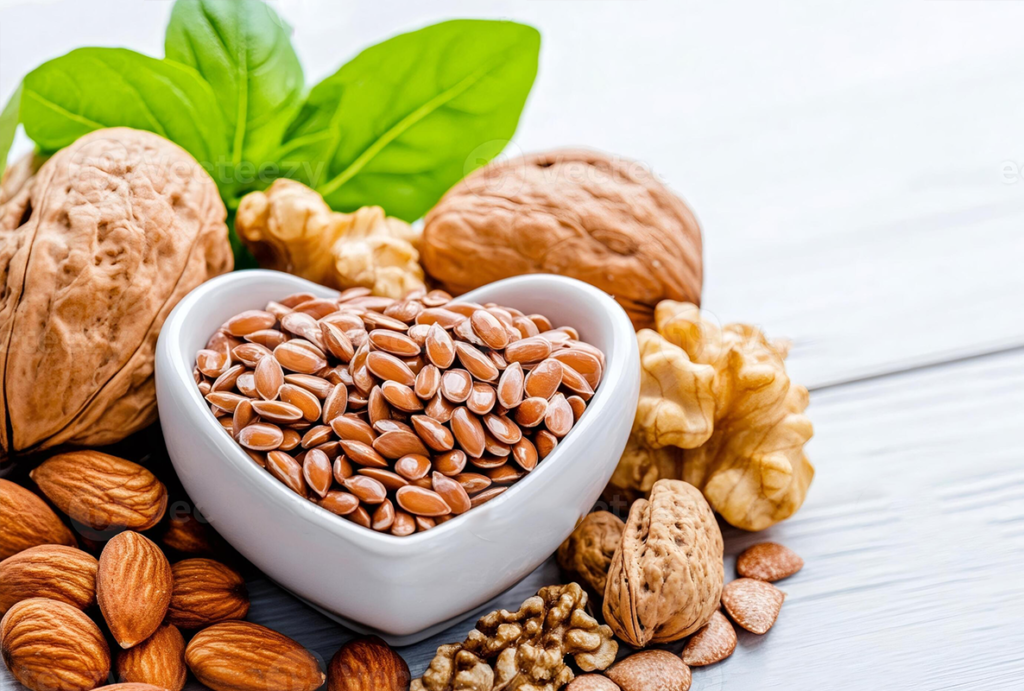
1. Flaxseeds (Alsi) — The Most Powerful Natural Hormone Balancer

If there is one food worth recommending to almost every woman dealing with PCOS or irregular cycles, it is flaxseeds. They are rich in lignans — plant compounds that help the body process estrogen more efficiently, which is exactly what so many women with hormonal balance issues need.

What they do:

  • Reduce period pain and breast tenderness
  • Help regulate cycles that are irregular or unpredictable
  • Support healthy estrogen metabolism long-term

Pakistani way to use them:

  • Grind one tablespoon fresh every morning — whole seeds pass through without benefit
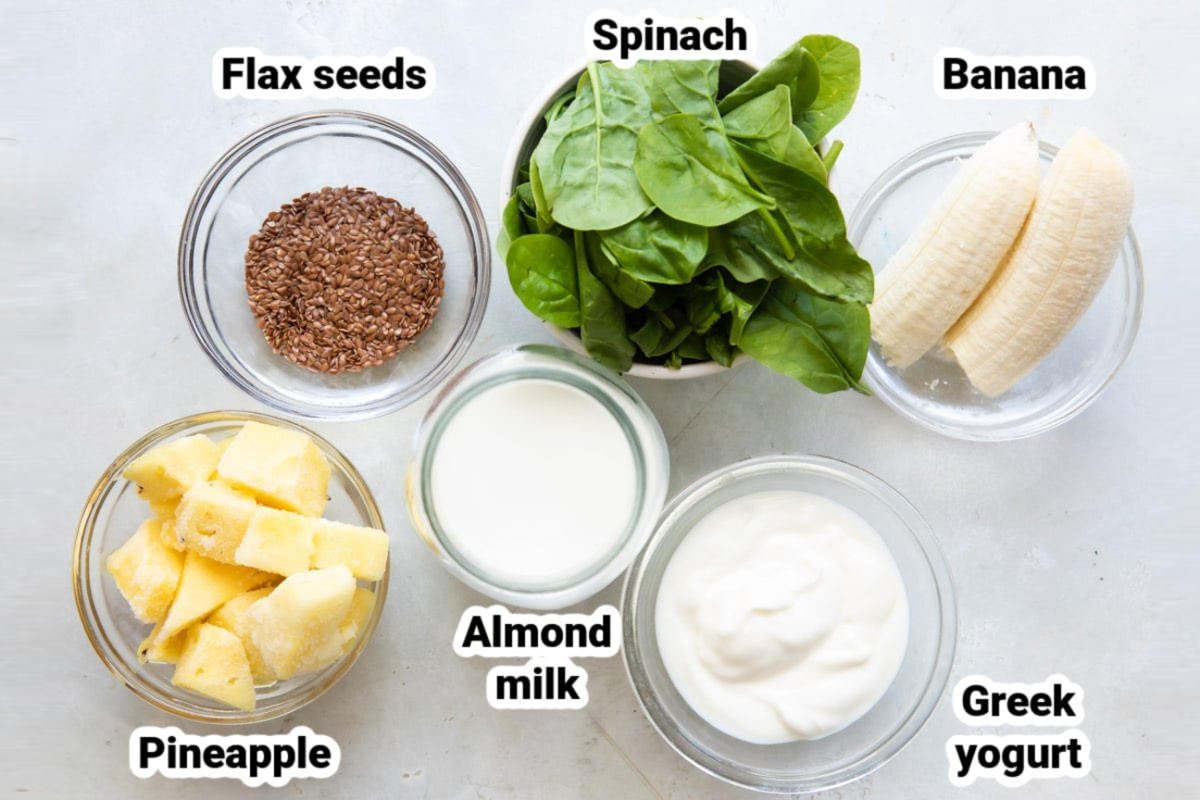
  • Stir into dahi, add to a smoothie, or sprinkle over roti or salad
  • Best taken on an empty stomach or with breakfast

Clients with PCOS consistently report noticeably more regular cycles within 6 to 8 weeks of adding one spoon of ground alsi daily. One ingredient. One spoon. Consistent results.

2. Green Leafy Vegetables (Palak, Methi, Bathua, Sarson) — Iron and Folate Powerhouse

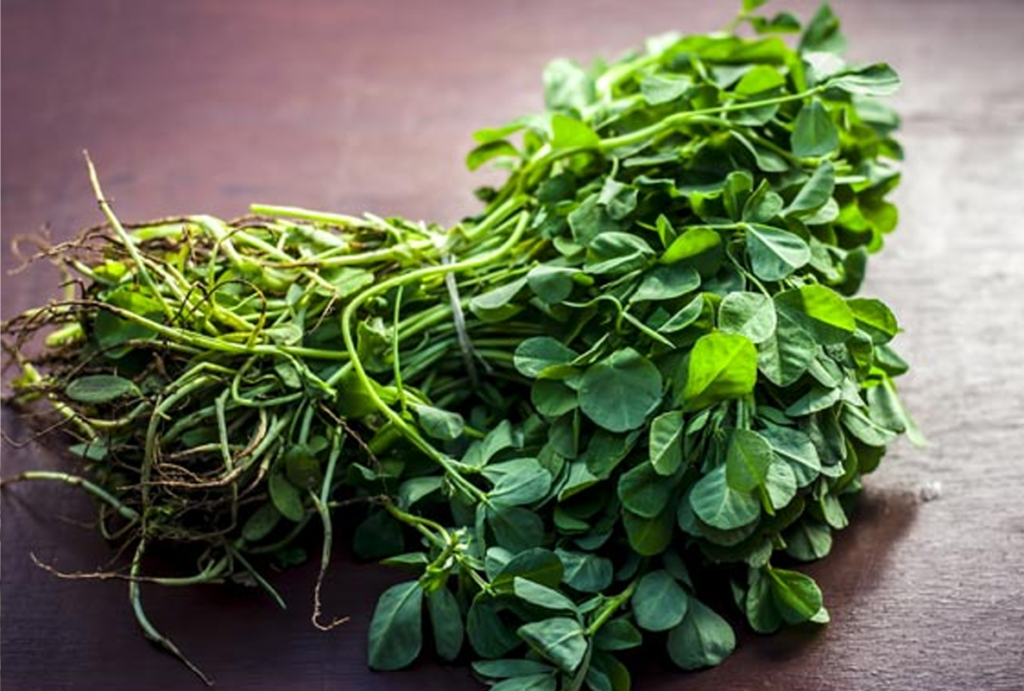
These are the unsung heroes of menstrual health — cheap, local, and available everywhere in Pakistan. Palak, methi, bathua, and sarson are loaded with iron, folate, magnesium, and vitamin K — everything the blood and ovaries genuinely need.

How they help:

  • Fight anaemia and the fatigue and dizziness that come with it during periods
  • Reduce heavy bleeding over time
  • Support healthy ovulation and egg quality

Easy Pakistani tips:

  • Add extra palak or methi to dal or sabzi every single day — it takes 30 seconds
  • Make sarson ka saag through winter — genuinely one of the best reproductive health foods available
  • Blend a small handful into a morning smoothie for those who struggle with the taste

Aim for two to three servings daily. Haemoglobin levels reflect the difference within weeks.
Superfoods for gynaecological health

3. Yoghurt and Probiotic Foods — For Vaginal and Gut Health

Healthy vaginal flora depends entirely on good bacteria. Plain homemade dahi is one of the cheapest, most accessible sources of those bacteria available anywhere in Pakistan.

Benefits:

  • Prevents recurrent yeast infections and bacterial vaginosis that many women suffer through repeatedly
  • Improves digestion and reduces the bloating that gets worse during periods
  • Supports overall immunity from the gut outward

Daily use:

  • One small bowl of plain dahi with every meal — not the sweetened packaged kind
  • Raita with cucumber and mint for a version that is genuinely enjoyable
  • Homemade lassi with very little sugar as an afternoon drink

This is one of those habits that feels small but makes a consistent, noticeable difference in gynaecological well-being over weeks and months.

4. Turmeric (Haldi) — Natural Anti-Inflammatory for Cramps and PCOS

Haldi has been in Pakistani and South Asian kitchens for centuries — and it turns out our grandmothers were onto something real. Curcumin, the active compound in turmeric, is a genuinely powerful anti-inflammatory that helps with pelvic pain, endometriosis, fibroids, and the chronic inflammation that drives so many PCOS symptoms.

Best ways for Pakistani women:

  • Golden haldi doodh every night before bed — use low-fat milk or almond milk
  • Extra haldi in daily dal, sabzi, and chicken — more than seems necessary
  • Always add a small pinch of kali mirch and a little fat when cooking — this dramatically improves curcumin absorption

Done consistently over several weeks, the reduction in cramps and pelvic discomfort is something many clients comment on unprompted — without being asked.

5. Berries and Vitamin C Rich Fruits (Strawberry, Amla, Anar, Guava)

These fight oxidative stress at the cellular level and support both egg quality and hormonal balance — which matters enormously for reproductive health and PCOS management.

Local alternatives that work just as well:

  • Amla — the highest natural source of vitamin C available and widely accessible in Pakistan
  • Anar (pomegranate) — excellent for blood flow and cycle regularity
  • Guava — cheap, delicious, and available almost year-round

One to two servings daily, with particular attention to the second half of the cycle when nutritional support matters most for menstrual health.

6. Omega-3 Sources (Alsi, Walnuts, Chia, Fatty Fish)

Omega-3 fats are one of the most effective nutritional tools for reducing period cramps, managing mood swings, and calming the inflammation that sits at the root of PCOS and many other gynaecological health concerns.

Vegetarian options that work well in Pakistan:

  • One tablespoon of ground flaxseeds daily
  • A handful of walnuts every day — easy, filling, and genuinely effective
  • Chia seeds soaked overnight in water or stirred into dahi in the morning

For those who eat fish, rohu and other local varieties provide good omega-3 support as well.

7. Nuts and Seeds (Pumpkin Seeds, Sesame, Almonds)

Pumpkin seeds, sesame, and almonds provide zinc, magnesium, and vitamin E — three nutrients directly involved in hormone production, cycle regularity, and overall hormonal balance.

Simple habit that actually sticks:

  • Keep a small jar with a mix of pumpkin seeds, sesame, and almonds at the desk or in the bag
  • Eat one small handful every evening as a snack
  • Zero effort once the jar is prepared — and it genuinely adds up over time
How to Fit These Superfoods for Gynaecological Health Into a Busy Pakistani Routine

No kitchen overhaul needed. Start here:

  • Morning: One teaspoon ground flaxseeds added to whatever is already being eaten + warm haldi doodh if manageable
  • Lunch and dinner: Extra sabzi or greens + one bowl of plain dahi
  • Evening snack: Small handful of mixed nuts + a piece of fresh fruit
  • Night: Warm haldi doodh or a small glass of homemade lassi

Pick two or three of these to start. Small, consistent changes will always outperform a perfect plan that cannot be sustained past the first week.

Frequently Asked Questions About Superfoods for Gynaecological Health

Can these superfoods really help with PCOS?

Yes — flaxseeds, turmeric, and omega-3 sources are especially well-supported for insulin resistance and hormonal balance in PCOS. They are not a replacement for medical care when that is needed, but the nutritional evidence behind them is genuine.

How long before results show for menstrual health?

Most women notice lighter cramps and better energy within 4 to 6 weeks of consistent use. Hormonal balance changes take longer — typically 2 to 3 full cycles. Patience matters here.

Is moringa or green tea better than these foods?

These whole foods work more comprehensively than any single tea. They can absolutely be combined — moringa with ground flaxseeds, for example, is a genuinely good pairing for women’s health.

Can these be eaten during periods?

Absolutely. Turmeric, flaxseeds, and green leafy vegetables are particularly excellent during menstruation — they reduce pain, replenish iron, and support the body through its most demanding days.

Are there any side effects?

These are foods that have been part of Pakistani food culture for generations. The only caution is with flaxseeds — start with half a teaspoon and build up slowly, as too much too soon can cause loose motions in some people.

Should supplements be taken instead of food?

A food-first approach is always better for long-term gynaecological health. Supplements have their place, but only when blood tests show a clear deficiency that food alone cannot address fast enough.

Happy Pakistani woman drinking turmeric milk with smile – supporting women's health and gynaecological well-being naturally – Hamza The Dietitian

Ready to Support Gynaecological Health Naturally?

No expensive treatments or strict, complicated diets needed. Small, consistent additions of these superfoods for gynaecological health can bring real relief — more regular cycles, less pain, better energy, and long-term reproductive health that does not depend entirely on medication.

📞 Call/WhatsApp: +92 300 0172509 📧 Email: hamzathedietitian@gmail.com 🌐 Visit: hamzathedietitian.com

Personalised meal plans, real ongoing support, and practical guidance built around Pakistani lifestyle and specific health situations. Book a consultation today.

Related reads:

Final Thoughts: Superfoods for Gynaecological Health Are Simpler Than You Think

The most powerful superfoods for gynaecological health are not exotic imports or expensive supplements. They are flaxseeds, haldi, palak, dahi, and a handful of nuts — foods that have been in Pakistani kitchens for generations, just waiting to be used more deliberately.

Start with one or two this week. Add another the week after. The body responds — with more regular cycles, gentler periods, better energy, and the kind of long-term reproductive health and hormonal balance that makes every day of the month feel more manageable.

Every woman deserves to feel good every single day — not just the days away from her period.

Stay consistent, stay nourished.

Hamza The Dietitian Lahore — helping Pakistani women bloom from the inside out.

Online Dietitian in Pakistan

Online Dietitian in Pakistan: Personalized Diet Plans by Hamza The Dietitian

You’ve been putting off fixing your diet for months now. Saved Instagram posts, bookmarked YouTube videos, screenshot random meal plans—but finding an online dietitian in Pakistan? Still on your endless to-do list.

Because let’s be honest, going to a clinic is exhausting. The traffic alone makes you cry. Finding parking. Taking half a day off work. Sitting in waiting rooms forever. All for a 10-minute consultation and some generic chart.

Meanwhile, your weight keeps climbing. Your sugar levels aren’t improving. Those random social media diets work for maybe two weeks before you’re right back where you started.

Here’s the solution: Hamza The Dietitian brings professional nutrition help straight to your home through online dietitian consultation. Serving clients across Lahore, Karachi, Islamabad, Peshawar—anywhere in Pakistan. Weight loss, diabetes, PCOS—expert guidance is now just a WhatsApp message away.

Why an Online Dietitian in Pakistan Actually Makes Sense

Because Your Life is Already Crazy Enough

Your daily routine in Pakistan is insane, right?

Office from 9 to 6 (or later because your boss doesn’t understand boundaries). Traffic that turns a 20-minute drive into an hour. Family obligations you can’t skip. Stress that literally never stops.

Taking care of your health? That keeps getting bumped to “I’ll do it next week.”

An online dietitian in Pakistan fixes this whole problem.

Here’s what you can do:

  • Book from literally anywhere in the country
  • Save the hours you’d waste stuck in traffic or waiting rooms
  • Do your consultation from home, your office, or during lunch
  • Get follow-ups on WhatsApp, calls, video—whatever works

This flexibility is perfect for students drowning in assignments, working people juggling deadlines, mothers managing households, and women trying to balance everything at once.

No more excuses about “not having time.” You have time for a phone call, right?

Professional Help Isn’t Just for People in Big Cities

If you’re not in Lahore or Karachi, finding a good dietitian can feel impossible.

Your city might have one or two options, and they’re either not qualified or they’re booked for the next three months. Or they don’t understand PCOS, or diabetes, or whatever specific thing you’re dealing with.

An online dietitian in Pakistan changes this completely.

With Hamza The Dietitian:

  • Doesn’t matter if you’re in a big city or a small town
  • You get the same professional-level care as someone in DHA Lahore
  • You receive personalized diet plans online based on your actual medical reports, routine, and budget

Quality nutrition help isn’t gatekept by location anymore. If you have internet (which you clearly do since you’re reading this), you have access.

What Makes Hamza The Dietitian Different From Random Internet Advice?

He Actually Gets Pakistani Life and Food

Here’s the thing about most dietitians (especially the ones you find through international apps): they give you these western meal plans that make zero sense for Pakistani life.

“Eat quinoa bowls for lunch.” Bhai, where am I finding quinoa? And even if I do, my whole family’s going to look at me like I’ve lost my mind.

Hamza is an online nutritionist in Pakistan who understands our actual food culture.

He designs plans around:

  • Roti, chawal, daal, sabzi—real food we actually eat
  • Our restaurant and fast-food reality (because let’s be honest, you’re eating out sometimes)
  • Family-style meals where everyone’s eating from the same dishes
  • Chai culture (yes, you can still have chai)
  • Late-night eating habits (because dinner at 6 PM? Not happening)
  • Ramadan, Eid, and the entire wedding season

Your diet plan feels realistic and doable—not like you’re trying to live someone else’s Instagram life.

Everything is Actually Built FOR You (Not Copy-Pasted)

Every random person on the internet claims their diet works for “everyone.”

Spoiler: it doesn’t.

Your age is different. Your medical situation is different. Your job is different. Your routine is different. Your budget is different.

That’s why Hamza creates personalized diet plans online specifically designed for your actual life.

Your plan is based on:

  • Your medical reports (diabetes numbers, thyroid levels, cholesterol, kidney function, PCOS diagnosis)
  • What you’re trying to achieve (lose weight, gain weight, get fit, control disease, have more energy)
  • Your actual daily routine (office job, night shifts, business, housework, student life)
  • What you actually like eating and your cultural food habits
  • What you can afford and your cooking situation at home

This personalized approach is why people actually stick with it and get real, lasting results—not just changes that disappear after two weeks.

Health Issues Hamza The Dietitian Helps With

Weight Loss (The Healthy Kind, Not Crash Diets)

Weight gain is everywhere in Pakistan. Desk jobs. Fast food on every corner. Weird eating schedules. Stress eating after brutal days.

Hamza helps you lose weight without the misery:

  • No crash diets that leave you starving and cranky
  • Actual calorie-controlled plans with food you can realistically eat
  • Fixing portion sizes and when you eat
  • Realistic changes that fit your actual lifestyle

Goal isn’t just looking good for your cousin’s wedding next month. It’s feeling better, having energy, and keeping the weight off.

Diabetes (Because Half of Pakistan Has It)

Diabetes runs in literally every Pakistani family. Your dada had it, your father has it, half your uncles have it.

Most diabetes patients are completely confused about what they can safely eat. One uncle says no fruit ever. Another says rice is poison. Your doctor says “eat healthy” without explaining what that means.

Hamza’s online dietitian consultation for diabetes focuses on:

  • Actually stabilizing your blood sugar throughout the day
  • Choosing the right carbs and how much of them
  • Balancing protein, fiber, and fats properly
  • Planning snacks so you don’t crash between meals
  • Making sure your diet works WITH your medications

Proper planning helps control sugar levels and prevents the scary complications like kidney damage and vision problems.

PCOS and Thyroid Issues (Especially for Women)

PCOS and thyroid problems are incredibly common among Pakistani women right now. These need specific nutrition—not random Pinterest diets.

Hamza creates personalized diet plans online that:

  • Support thyroid function with the right nutrients
  • Help manage PCOS symptoms (stubborn weight, irregular periods, acne)
  • Address insulin resistance and inflammation
  • Actually fit into the life of Pakistani women managing home, work, or studies

These conditions are frustrating enough. Your diet shouldn’t make it worse.

Kidney, Liver, and Heart Problems

For kidney disease, fatty liver, or heart issues, diet is literally part of your treatment.

As an online dietitian in Pakistan, Hamza provides medical nutrition that:

  • Controls sodium, potassium, and phosphorus (critical for kidney patients)
  • Helps fatty liver recover through careful weight management
  • Manages cholesterol and blood pressure
  • Works alongside what your doctor’s already doing

These plans protect your organs and genuinely improve your quality of life.

How Dietitian Consultation Online Pakistan Actually Works

Step 1 – Book Online (Takes 2 Minutes)

You start by booking through WhatsApp or a simple form.

You share basic stuff:

  • Age, current weight, height, city
  • What you’re trying to achieve
  • Medical conditions and medications
  • Any previous diet attempts that failed

Step 2 – Actual Assessment (Not Just Weighing You)

During the online dietitian consultation, Hamza digs into:

  • What you currently eat daily
  • Your job and how active you are
  • How you sleep and your stress situation
  • If you exercise (or not)
  • Emotional eating or binge patterns

This identifies the habits quietly sabotaging your health—stuff you don’t even realize is a problem.

Step 3 – Your Personalized Diet Plans Online

Your custom plan includes:

  • Meal-by-meal breakdown (breakfast, lunch, dinner, snacks)
  • Multiple options so you’re not eating the same thing every day
  • Real advice for office lunches, university food, and social events
  • How to handle cravings, travel, and wedding invitations
  • Guidance on water, sleep, and activity

This isn’t some chart downloaded from Google. This is built specifically for YOUR life.

Step 4 – Ongoing Support (You’re Not Abandoned)

Follow-up support includes:

  • Regular check-ins to see what’s working
  • WhatsApp for quick questions and problems
  • Adjustments when life changes or you plateau
  • Motivation when you need it

This ensures lasting success—not results that vanish after two weeks.

Who Should Work With an Online Nutritionist in Pakistan?

You should seriously consider this if:

  • You live anywhere in Pakistan and want help without the clinic hassle
  • You’re done trying random diets that fail after a few weeks
  • You have diabetes, thyroid, PCOS, fatty liver, kidney disease, or heart issues
  • Your schedule is packed and clinic visits feel impossible
  • You want a diet that fits Pakistani food and your actual budget
  • You’re tired of copy-paste plans that ignore your real life

Why Choose Hamza The Dietitian for Online Dietitian Consultation?

What you actually get:

  • ✅ One-on-one attention (not group classes)
  • ✅ Science-based nutrition that aligns with medical advice
  • ✅ Pakistani-style plans using real local food
  • ✅ Flexible scheduling that works for your life
  • ✅ Clear communication (no judgment, no lectures)
  • ✅ Ongoing support as you progress

Professional nutrition care that’s actually accessible and affordable.

Stop Waiting for the “Perfect Time”

Your health is important. You know this.

Stop trying another random Instagram diet that’ll fail in two weeks. Get actual professional help from a trusted online dietitian in Pakistan.

Doesn’t matter if you’re in Lahore, Islamabad, Karachi, Peshawar, Multan, Faisalabad, or literally any other city. You can start today.

Book your dietitian consultation online Pakistan. Share your goals and medical reports. Start your journey toward:

  • Actually having energy during the day
  • Better lab results (sugar, cholesterol, weight)
  • A lifestyle you can maintain (not suffer through)
  • Confidence about what you’re eating

Hamza The Dietitian guides you through personalized diet plans online every step of the way. Professional support you’ve been looking for, finally accessible.

Ready? Let’s Do This

📞 Call/WhatsApp: +92 300 0172509
📧 Email: hamzathedietitian@gmail.com

Stop postponing. Get online dietitian consultation from home. Real professional guidance. Actual results. Zero excuses left.

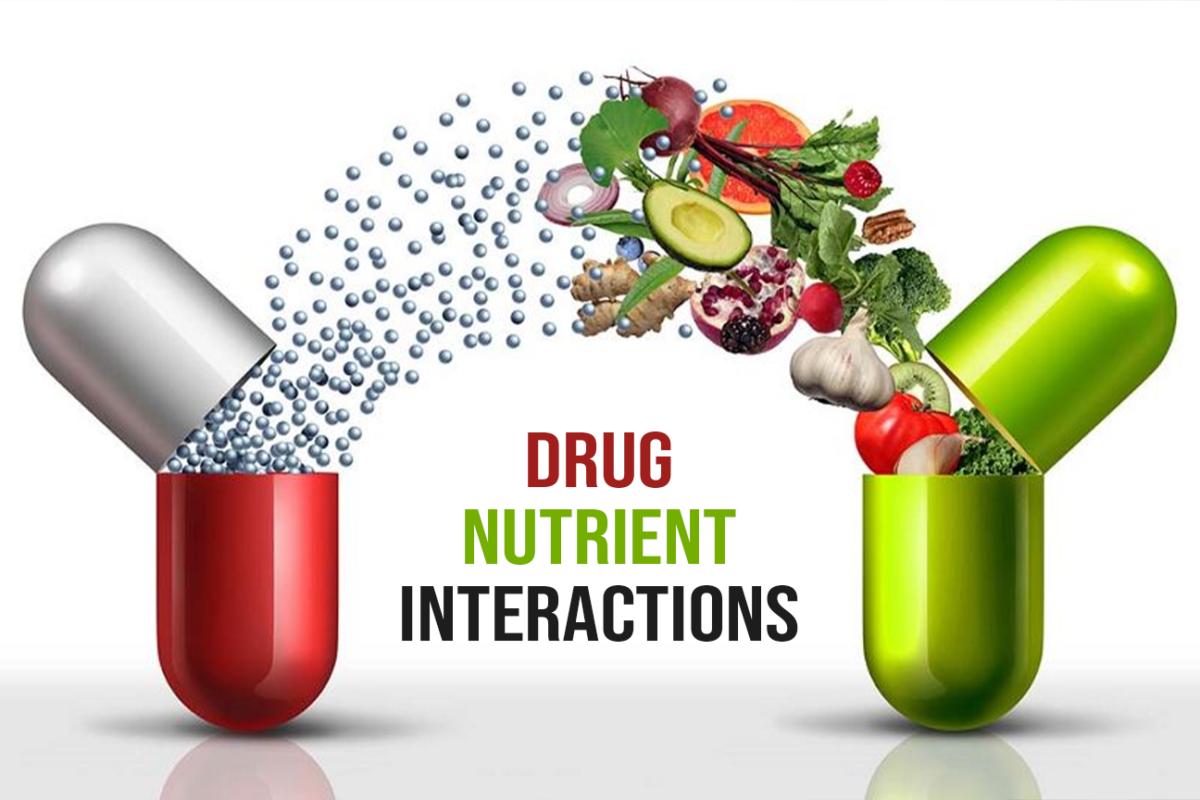
Drug–Nutrient Interactions

Drug–Nutrient Interactions: Safe Eating with Medicines

You take your blood pressure tablet every morning. You’re careful with your diabetes medicine. You never skip your thyroid pill. You’re doing everything right.But here’s what your doctor probably didn’t have time to explain: that cup of tea you’re drinking with your iron supplement? It’s basically canceling out the whole thing. That grapefruit juice with breakfast? It might be making your cholesterol medicine work too strongly—dangerously so. Nobody tells you this stuff. You get your prescription, maybe a quick “take with food” or “take on empty stomach,” and that’s it. Meanwhile, every meal you eat is either helping your medicines work better… or quietly sabotaging them. These hidden battles happening inside your body? They’re called Drug–Nutrient Interactions, and honestly, they’re way more common than most people realize.

If you’re taking medicines daily for diabetes, blood pressure, heart disease, kidney problems, or pretty much any chronic condition, you need to know about this. Not just to make your medicines work better—but to protect yourself from side effects and nutrient deficiencies that can sneak up on you over months and years.

Let me break this down in a way that actually makes sense.

What Are Drug–Nutrient Interactions?

Drug–Nutrient Interactions happen when your medicine and something you eat or drink start interfering with each other inside your body.

Think of it like this:

  • Sometimes food blocks your medicine from getting absorbed properly
  • Sometimes it makes your medicine work TOO strongly
  • Sometimes your medicine steals nutrients from your body over time

In simpler terms:

Food can mess with your medicine – making it weaker or stronger than it should be

Medicine can mess with your nutrition – slowly draining vitamins and minerals you need

Some of these Medication and Food Interactions are minor. Others? They can cause serious problems—poor disease control, dangerous side effects, or long-term deficiencies that make you feel exhausted, weak, or sick.

This is exactly why people on long-term treatment need proper guidance about food AND medicines together. Not separately. Together.

Why This Actually Matters (More Than You Think)

Your Medicine Might Not Be Working—Because of Food

Ever felt like “my medicine isn’t working” even though you take it regularly and the dose seems right?

The problem might not be the medicine. It might be what you’re eating with it.

If food is blocking absorption, you’re essentially taking a lower dose than prescribed. Your blood pressure stays high. Your blood sugar won’t come down. And your doctor keeps increasing your dose when the real problem is timing and food.

This is especially critical for:

  • Blood pressure medicines
  • Blood thinners (anticoagulants)
  • Diabetes medicines
  • Cholesterol drugs
  • Thyroid medicines
  • Seizure medications

Your Medicine Might Be Stealing Your Nutrients

Here’s what most doctors don’t have time to explain: some medicines, when taken for months or years, slowly drain specific nutrients from your body.

You won’t notice it immediately. But over time?

  • Constant fatigue
  • Weak, brittle bones
  • Anemia (low iron)
  • Nerve problems
  • Poor immunity
  • Brain fog

Common examples of Food–Drug Interactions affecting nutrients:

Acid-suppressing medicines (PPIs) – Used for acidity and reflux → Reduce vitamin B12, magnesium, and calcium over time

Metformin – Used for diabetes → Affects vitamin B12 absorption

Diuretics – “Water tablets” for blood pressure → Lower potassium, magnesium, and sodium

Long-term steroids – For inflammation, asthma, autoimmune diseases → Mess with calcium, vitamin D, and protein balance

If you’ve been taking any of these for years and feeling increasingly tired or weak, this could be why.

Types of Drug–Nutrient Interactions You Should Know

1. Food Affecting How Your Medicine Gets Absorbed

Some medicines work best on an empty stomach. Others need food to work properly. Food can:

  • Delay how fast the medicine enters your blood
  • Reduce the total amount absorbed
  • Sometimes increase absorption way too much

Real examples:

Antibiotics + Calcium – Certain antibiotics (like tetracyclines) don’t work well if taken with milk or calcium-rich foods. The calcium literally binds to the drug and prevents absorption.

Thyroid medicine + High-fiber food or coffee – Your thyroid pill won’t absorb properly if you take it with a heavy breakfast or coffee right after. This is why doctors say “take on empty stomach, wait 30-60 minutes before eating.”

2. Food Changing How Strongly Your Medicine Works

Some foods change how fast your liver breaks down medicines. This can make drug levels:

  • Too high (toxic, dangerous)
  • Too low (ineffective)

The classic example: Grapefruit juice

Grapefruit (and pomelo) can dangerously increase levels of certain:

  • Cholesterol medicines (statins)
  • Blood pressure medicines
  • Some heart medications

Even one glass can affect your medicine for 24-72 hours. If you’re on these medicines, it’s safer to just avoid grapefruit completely.

3. Medicines Changing Your Nutrient Levels

Many long-term medicines slowly change your nutritional status without you realizing it.

Examples:

Acid-blocking medicines (omeprazole, pantoprazole) → Lead to low vitamin B12 over years → Can also affect magnesium and calcium

Metformin (diabetes medicine) → Reduces vitamin B12 absorption → About 10-30% of long-term users develop B12 deficiency

Diuretics (lasix, hydrochlorothiazide) → Flush out potassium, magnesium, sodium → Can cause muscle cramps, weakness, irregular heartbeat

Steroids (prednisolone, dexamethasone) → Weaken bones by affecting calcium and vitamin D → Increase protein breakdown

Types of Drug–Nutrient Interactions

Real-Life Examples Everyone Should Know

Tea, Coffee, and Your Iron Supplement

You’re taking iron tablets for anemia. You drink chai with breakfast. Your iron levels aren’t improving.

Here’s why: tea and coffee contain compounds (tannins) that grab onto iron and stop it from being absorbed.

What to do:

  • Keep at least 1-2 hours gap between iron tablets and tea/coffee
  • Take iron with vitamin C-rich foods (lemon water, orange, amla) to boost absorption
  • Best time for iron: morning on empty stomach with plain water + vitamin C

Leafy Greens and Blood Thinners (Warfarin)

If you’re on warfarin or similar blood thinners, you’ve probably been told to “watch your greens.”

Here’s what’s actually happening: foods like spinach (palak), kale, and other leafy greens are super high in vitamin K. Vitamin K helps your blood clot—which is exactly what warfarin is trying to prevent.

But here’s the trick: You don’t need to avoid these foods completely. You just need consistency.

The right approach:

  • Eat a similar amount of leafy greens every week
  • Don’t suddenly go from “zero spinach” to “palak paneer every day”
  • If you want to change your intake, tell your doctor—they might need to adjust your dose

Sudden big changes mess with your INR levels (the test that monitors warfarin).

Acid Medicines and Nutrient Drain

Millions of people in Pakistan take PPIs (proton pump inhibitors) like omeprazole, pantoprazole, or esomeprazole for acidity, reflux, or gastric issues.

Short-term? They’re fine.

Long-term (months to years)? They reduce stomach acid so much that your body can’t absorb:

  • Vitamin B12 (needs acid to separate from food)
  • Magnesium
  • Calcium (affects bone health)

If you’re on long-term PPIs:

  • Ask your doctor if you still need them (many people stay on them way longer than necessary)
  • Eat nutrient-dense foods
  • Consider getting your B12 and magnesium levels checked yearly
  • Discuss bone health if you’ve been taking them for years

Calcium and Your Thyroid Medicine

Taking levothyroxine for hypothyroidism? Don’t take it with:

  • Calcium supplements
  • Iron supplements
  • Antacids
  • Dairy products (milk, yogurt)

These all interfere with absorption. Your thyroid medicine should be taken:

  • On empty stomach
  • With plain water
  • 30-60 minutes before breakfast
  • At least 4 hours apart from calcium/iron supplements

This is why morning-first-thing is usually the best time.

How a Clinical Dietitian Can Actually Help

Most doctors prescribe medicines and give basic “take with food” instructions. But if you’re on multiple medicines for multiple conditions? You need someone who looks at the whole picture.

That’s where a clinical dietitian for Drug–Nutrient Interactions comes in.

What a Dietitian Reviews:

During a consultation, a dietitian will:

  • Go through your FULL medicine list (prescription, over-the-counter, supplements, herbal stuff)
  • Ask about your meal timing, food preferences, cultural eating patterns
  • Identify specific Food–Drug Interactions that match YOUR routine
  • Design a meal plan and timing strategy that protects both medicine effectiveness and nutritional status

It’s not just about “eat healthy.” It’s about:

  • Taking your diabetes medicine at the right time with the right food
  • Spacing out your supplements so they don’t interfere
  • Making sure long-term medicines aren’t silently draining nutrients
  • Adjusting your diet if you’re on medicines that affect potassium, sodium, or other minerals

For Chronic Disease Patients

If you have diabetes, kidney disease, heart problems, high blood pressure, or fatty liver—and you’re taking multiple medicines daily—proper management of Drug–Nutrient Interactions can:

✓ Improve blood sugar and blood pressure control ✓ Reduce side effects and emergency hospital visits ✓ Support better energy levels and quality of life ✓ Prevent long-term nutrient deficiencies ✓ Help you actually feel better, not just manage numbers

Practical Tips You Can Start Using Today

General Timing Rules

While exact instructions depend on each medicine, these general tips help most patients:

Read the label properly – If it says “take on empty stomach” or “take with food,” that’s not a suggestion. Follow it.

Create a routine – Take medicines at the same time each day with similar meal patterns. This keeps drug levels stable.

Keep a medicine list – Write down EVERYTHING you take (including vitamins, herbal products, supplements). Bring this to every doctor and dietitian visit.

Don’t mix supplements – Just because they’re “natural” doesn’t mean they’re safe to combine. Iron + calcium at the same time? Bad idea. Ginkgo biloba + blood thinners? Dangerous.

Know Your Specific Medicines

For diabetes medicines:

  • Some work better with meals, others on empty stomach
  • Ask specifically about timing for each medicine you take

For blood pressure medicines:

  • Some are better morning, some better evening
  • Grapefruit is usually a no-go
  • Watch your salt and potassium based on which type you’re taking

For thyroid medicine:

  • Always first thing in the morning, empty stomach
  • Wait 30-60 minutes before eating
  • No coffee, tea, or calcium for at least 30 minutes

For cholesterol medicine (statins):

  • Avoid grapefruit juice
  • Some work better at night (ask your doctor)
  • Can be taken with or without food (usually)

When to Get Professional Help

Contact your doctor or dietitian if you notice:

  • New stomach problems, extreme tiredness, dizziness, or unusual bruising after starting a medicine
  • Big changes in appetite or weight
  • Confusion about medicine timing
  • Taking 5+ medicines daily and not sure how to space them

Important: Never stop or change any medicine on your own because of something you read online (including this blog). Always confirm with your doctor or clinical dietitian in Lahore first.

Time to Get Your Food and Medicine Working Together

Drug–Nutrient Interactions are super common. But with the right guidance, they’re totally manageable.

When you understand how food and medicines affect each other, you protect both your treatment results AND your long-term health.

If you’re taking daily medicines for diabetes, blood pressure, heart disease, kidney problems, or stomach issues—and you’ve never had someone look at your food and medicines together—this is your sign.

Book Your Consultation Today

Stop guessing. Stop feeling like your medicines aren’t working right or dealing with weird side effects you can’t explain.

Get a personalized plan that keeps your food enjoyable and your medicines effective at the same time.

Dietitian Muhammad Hamza Javed (Hamza The Dietitian) specializes in managing Medication and Food Interactions for chronic disease patients.

Bring your prescription list and supplement list. Get clear answers about:

  • When to take each medicine
  • What foods to avoid or include
  • How to prevent nutrient deficiencies from long-term medicines
  • How to make everything work together in your daily routine

📞 Call/WhatsApp: 0300-0172509
📧 Email: hamzathedietition@gmail.com

Book your online diet consultation and start eating safely with your medicines—not against them.

thyroid diet plan in Lahore

Thyroid Diet Plan in Lahore – Dietitian Muhammad Hamza Javed

You’re doing everything right. Taking your thyroid medicine every day. Trying to eat less. Maybe even walking more. But the weight? Still going up. Your hair keeps falling. You feel exhausted by 3 PM, and everyone just says “it’s your thyroid, what can you do?” Here’s what nobody tells you: your thyroid medicine alone isn’t enough. Yes, you need it. But without the right thyroid diet plan in Lahore, you’re basically fighting an uphill battle with one hand tied behind your back.

I’ve seen so many people in Lahore struggling with hypothyroidism—feeling stuck, frustrated, constantly tired. And the worst part? Most are following random diet advice from Facebook groups or copying meal plans that worked for someone else’s cousin.

That’s exactly why a proper hypothyroidism diet plan designed by someone like Dietitian Muhammad Hamza Javed makes such a massive difference. It’s not about restriction. It’s about giving your body what it actually needs to work with your medicine, not against it.

What’s Actually Happening With Your Thyroid?

Let me break this down in simple terms. Hypothyroidism means your thyroid gland has basically gone lazy—it’s not producing enough hormones. And those hormones? They control your metabolism, your energy, basically how your entire body functions.

When your thyroid slows down, everything slows down:

  • Your metabolism drops (hello, weight gain)
  • You feel cold all the time
  • Your hair starts falling like crazy
  • You’re constipated more often
  • Your skin gets dry
  • You’re exhausted even after sleeping
  • Your periods might get heavier or irregular

In Lahore, so many people just write this off as “kamzori” or stress. But it’s not. It’s your thyroid struggling, and it needs support beyond just medicine.

Why Diet Actually Matters (Even With Medicine)

Yes, your levothyroxine or whatever thyroid medicine you’re taking is essential. But here’s what most doctors don’t have time to explain properly:

Your diet affects:

  • How well your body uses those thyroid hormones
  • Your gut health (which impacts hormone absorption)
  • Your blood sugar (which affects weight and energy)
  • Your overall metabolism and whether you gain or lose weight

A good thyroid diet plan for weight loss doesn’t replace your medicine—it makes your medicine work better. It’s like having teammates instead of fighting alone.

What Should You Actually Eat?

Let’s talk real food. Not some fancy imported stuff you’ve never heard of. Actual things you can find at your local sabzi mandi or utility store.

Protein-Rich Foods Your Thyroid Loves

These are your best friends for thyroid-friendly meal plan:

Eggs – Amazing source of protein, vitamin D, and selenium. Boiled, scrambled (light oil), however you like them.

Fish – Rohu, pomfret, or salmon if you can afford it. Fish gives you omega-3 and iodine, both super important for thyroid health.

Dairy (low-fat) – Milk, yogurt, lassi. These give you protein, calcium, and iodine without too much fat.

Chicken – Skinless, grilled or lightly cooked. Not the fried stuff from roadside stalls.

Lentils – Daal, chana, rajma. These are budget-friendly protein sources that also give you fiber.

Fruits and Vegetables That Actually Help

Fruits: Apples, bananas, berries (if available), citrus fruits like oranges and kinnows, guava

  • These give you fiber and antioxidants without spiking your blood sugar

Vegetables: Carrots, capsicum, cucumber, tomatoes, cooked leafy greens

  • Load up on these. They keep you full, give you nutrients, and barely have any calories

Grains and Carbs (Yes, You Can Still Eat Them)

Forget what that WhatsApp forward said about cutting all carbs. You need them. Just pick the right ones:

Whole grains: Oats, brown rice, whole wheat roti, barley Mixed flour chapatis: Better than pure white flour

A simple thyroid-friendly plate looks like:

  • Half your plate: Vegetables (salad or lightly cooked)
  • Quarter plate: Whole grains (brown rice or whole wheat roti)
  • Quarter plate: Protein (chicken, fish, eggs, or daal)

This keeps you full, controls weight, and stops those crazy cravings between meals.

Foods to Limit (Not Ban, Just Limit)

There’s so much confusion and fear-mongering about what thyroid patients “can’t eat.” Let me clear this up: you don’t need to completely eliminate most foods. But some things should definitely be reduced.

Cut Back On:

Processed junk: Biscuits, chips, bakery items, packaged snacks

  • These mess with your blood sugar and make weight gain worse

Sugary drinks: Regular soft drinks, energy drinks, sweet juices

  • Empty calories that spike insulin

Deep-fried foods: Samosas, pakoras, french fries, fried chicken

  • Too much oil = too much weight gain + inflammation

Excess white flour: Too many naans, parathas, white bread

  • Switch to whole grain versions when possible

High-sodium packaged foods: Instant noodles, processed meats

  • These make you retain water and feel bloated

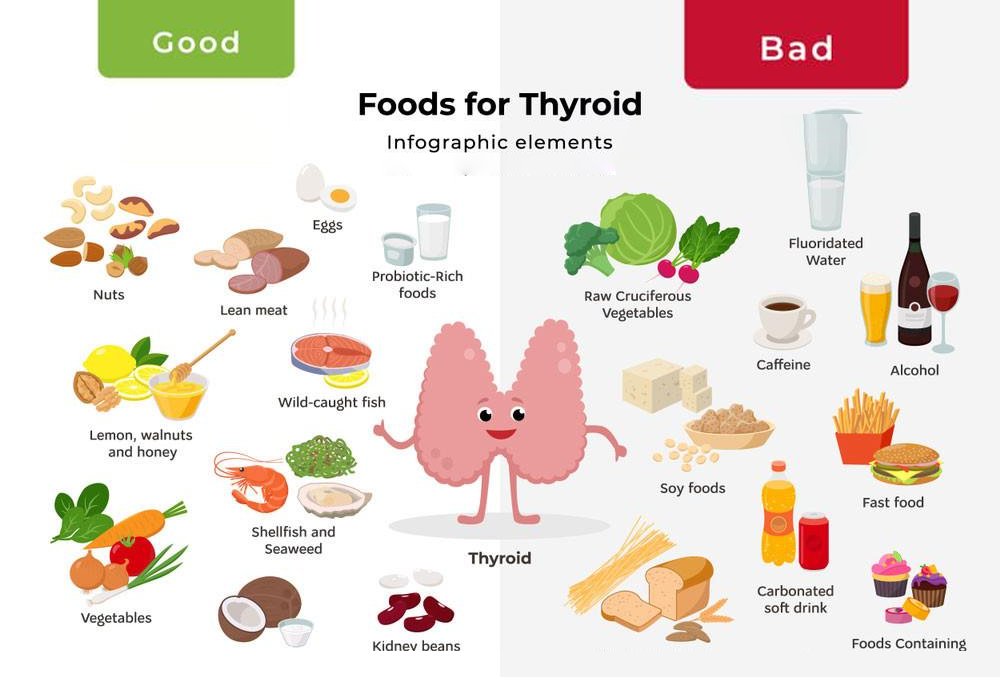
What About Cruciferous Vegetables?

You’ve probably heard that cabbage, cauliflower, and broccoli are “bad” for thyroid. Here’s the truth: eating them raw in huge quantities might interfere with thyroid hormone production. But cooked, in normal portions? Totally fine, especially if you’re getting enough iodine.

And Soy?

Soy products in large amounts might interfere with thyroid hormone absorption. The main thing: don’t take soy around the same time as your thyroid medicine. If you have soy milk or tofu, just time it differently.

Taking Your Thyroid Medicine Properly (This Matters!)

So many patients in Lahore take their thyroid tablet irregularly or at the wrong time, then wonder why they’re still feeling terrible even though they’re “on medicine.”

Here’s how to do it right:

Morning routine:

  1. Wake up, take your thyroid tablet with plain water
  2. Wait 30-60 minutes (ask your doctor exactly how long)
  3. THEN have breakfast

What to avoid right after your tablet:

  • Tea or coffee (wait at least 30 minutes)
  • Milk
  • Calcium supplements
  • Iron supplements

These can block absorption, which means your medicine won’t work as well even if your dose is correct.

Tell your dietitian for thyroid patients in Lahore about ALL supplements and herbal products you’re taking. Some of them interfere with your medicine.

Real Day of Eating

Let me show you what a practical thyroid diet plan in Lahore actually looks like. This isn’t some fancy meal plan from Pinterest. This is real food you can actually make and afford.

Early Morning (After Medicine)

  • Plain water
  • Wait 30-45 minutes
  • Then: 1 glass warm water with lemon slice (if it doesn’t give you acidity)

Breakfast

  • 1-2 boiled or lightly scrambled eggs (minimal oil)
  • 1 small whole wheat roti OR 2 slices brown bread
  • Small salad (cucumber, tomato, carrot)
  • Plain tea or green tea (no sugar, or very little)

Mid-Morning Snack

  • 1 fruit: apple, orange, guava, or small banana

Lunch

  • 1 whole wheat roti OR ½-1 cup brown rice
  • Grilled chicken/fish OR 1 cup daal (not deep fried!)
  • Mixed vegetable sabzi (cooked with minimal oil)
  • Fresh salad

Evening Snack

  • Handful of unsalted nuts (almonds or walnuts) OR
  • 1 cup plain yogurt with chia or flax seeds

Dinner

  • 1 whole wheat roti OR ½ cup brown rice
  • Light chicken/vegetable soup OR grilled chicken kebab
  • Cooked vegetables (carrots, zucchini, tori, lauki – the non-gassy ones)

Before Bed (Optional)

  • Warm water or unsweetened herbal tea

Important: These are just examples. Your actual portions and calories should be personalized by a clinical dietitian based on your weight, labs, and goals.

Weight Loss With Thyroid – Let’s Be Real

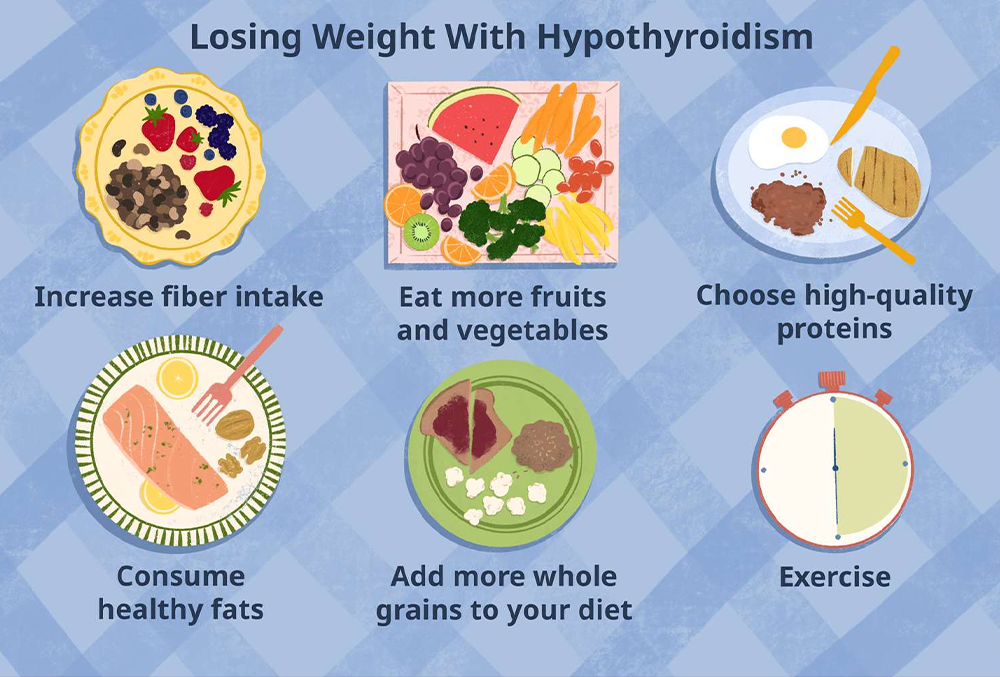
I know you want to lose weight fast. Everyone does. But with hypothyroidism, you need to adjust your expectations—not because you can’t lose weight (you absolutely can), but because your metabolism is genuinely slower.

Crash diets will make things WORSE. They’ll:

  • Make you more tired
  • Increase hair fall
  • Mess up your hormones even more
  • Lead to binge eating later

What Actually Works:

Small calorie deficit – Not extreme restriction. Just eating slightly less than you burn.

Higher protein – Protects your muscle, keeps you full, supports metabolism.

Regular movement – Walking, light stretching, whatever your doctor says is okay for you.

Patience – Aim for slow, steady weight loss. Not 5kg in 2 weeks.

Proper monitoring – Regular thyroid lab tests to adjust medicine and diet as needed.

Working with a dietitian for thyroid patients in Lahore helps you avoid the mistakes everyone makes: skipping meals, eating only fruit, cutting all carbs, then gaining everything back plus more.

Why You Need a Clinical Dietitian (Not Random Internet Advice)

Here’s the thing: thyroid problems rarely come alone. Many people also have:

  • High cholesterol
  • Insulin resistance or prediabetes
  • Fatty liver
  • PCOS
  • Digestive issues

A generic meal plan from Google can’t handle all of this together. It just can’t.

Dietitian Muhammad Hamza Javed can:

  • Review your actual thyroid reports and medical history
  • Design a thyroid diet plan for weight loss that fits YOUR life
  • Plan meals around your medicine timing and other medications
  • Choose affordable local foods that meet your iodine, selenium, and protein needs
  • Help with constipation, acidity, or gas problems (super common with thyroid issues)
  • Track your progress and adjust as your labs or symptoms change

Instead of guessing and getting frustrated, you get clear guidelines. You know exactly what to eat at home, at work, even at weddings and family gatherings.

Time to Take Control of Your Thyroid Health

Living with hypothyroidism in Lahore doesn’t mean you’re sentenced to endless weight gain, constant fatigue, and watching your hair fall out. With the right thyroid diet plan in Lahore and proper medicine, most people feel way more energetic, manage their weight better, and get their life back.

If you’ve been diagnosed with a thyroid problem, or you’re noticing symptoms like:

  • Unexplained weight gain
  • Hair falling more than normal
  • Feeling tired all the time
  • Always feeling cold
  • Irregular or heavy periods

This is your sign to get proper help. Not random WhatsApp forwards. Not YouTube videos from who-knows-where. Actual professional guidance.

Book Your Consultation Today

Stop guessing. Stop trying random diets that don’t work. Get a personalized hypothyroidism diet plan designed specifically for you—your lifestyle, your culture, your medical needs, your budget.

Dietitian Muhammad Hamza Javed can help you move from confusion and frustration to a clear, step-by-step plan that actually works.

📞 Call/WhatsApp: 0300 0172509
📧 Email: hamzathedietition@gmail.com

Your thyroid might be slow, but your progress doesn’t have to be. Let’s fix this together

PCOS & Hormonal Imbalance Diet Plan

PCOS & Hormonal Imbalance Diet Plan – Dietitian Hamza Javed

If your periods show up whenever they feel like it (or disappear completely), the weight keeps increasing no matter how carefully you eat, your skin constantly breaks out, and you feel exhausted all the time, you’re not alone. Many women spend hours searching for answers, trying random tips and trendy meal plans that work for others but not for them. The truth is, managing PCOS isn’t about starving yourself or giving up your favorite foods — it’s about understanding what’s really happening inside your body, from insulin resistance and elevated androgens to a sluggish metabolism. A structured PCOS & Hormonal Imbalance Diet Plan focuses on balancing blood sugar, reducing inflammation, and supporting hormone health so your body can finally feel stable, energized, and in control again.

What’s Really Going On With PCOS?

PCOS (Polycystic Ovary Syndrome) affects about 1 in 10 women. That’s a lot of us dealing with this mess. Your ovaries develop these small cysts, your body starts making too many male hormones (yep, we all have some), and everything just gets… off track.

You might notice:

  • Unpredictable periods that have a mind of their own
  • Weight that stubbornly refuses to budge
  • Acne that makes you feel 15 again (but not in a good way)
  • Hair growing where you don’t want it, and thinning where you do want it
  • Feeling exhausted even after sleeping

The Insulin Problem Nobody Talks About Enough

Here’s the thing most doctors rush through: insulin resistance plays a huge role in PCOS.

Basically, your body stops listening to insulin properly. So your pancreas panics and pumps out even MORE insulin to keep your blood sugar stable. But that extra insulin creates a whole cascade of problems – it tells your ovaries to make more male hormones, makes your skin break out, stores fat around your belly, and makes weight loss feel impossible.

This is exactly why a good PCOS diet focuses on keeping your blood sugar steady, not just cutting calories randomly like every other diet out there.

Why Your Diet Actually Matters (A Lot)

Research keeps showing that diet and lifestyle changes are the first thing you should try for PCOS. Before medications, before anything else – food.

When you eat right for PCOS, you can actually improve:

  • How your body responds to insulin
  • Those annoying androgen levels (hello, clearer skin!)
  • Your period regularity
  • Weight management over time
  • Even your chances of conceiving if that’s something you’re working on

Why Instagram Diets Usually Flop

Every woman’s PCOS is different. Your hormone levels, your symptoms, what medications you’re taking, your daily life – none of it matches that influencer’s perfectly curated feed.

That’s why those generic “PCOS-friendly foods” lists usually don’t work long-term. Sometimes they even make things worse.

Working with someone like Dietitian Hamza Javed means:

  • Looking at YOUR actual medical reports and hormone levels
  • Creating a plan with foods you actually eat and enjoy
  • Avoiding those crash diets that might drop weight fast but wreck your hormones in the process

This personalized approach is what makes real dietitian guidance different from whatever’s trending this week.

What Actually Works: Core Principles

1. Smart Carbs, Not No Carbs

Women with PCOS often eat too many of the “fast” carbs – white bread, white rice, sugary foods – that spike blood sugar like a rocket.

Instead, focus on:

  • Whole grains: brown rice, oats, whole wheat roti
  • Fruits (reasonable portions): berries, apples, pears
  • Lots of vegetables: spinach, broccoli, carrots, cucumber

These digest slowly, keep you full longer, and don’t mess with your blood sugar.

2. Protein at Every Main Meal

Protein slows down how quickly carbs enter your bloodstream. This helps keep your blood sugar stable and protects your muscle when you’re losing weight.

Good options:

  • Chicken, fish, eggs
  • Lentils, chickpeas, beans
  • Greek yogurt, paneer (in moderation)

Think: protein + high-fiber carbs + vegetables at each meal.

3. Healthy Fats Are Your Friends

Don’t be scared of fats! They help make hormones, reduce inflammation, and keep you satisfied.

Include:

  • Olive oil, avocado
  • Nuts like almonds and walnuts (small handfuls)
  • Seeds – flax, chia, pumpkin
  • Fatty fish when you can

Yes, fats have calories, so don’t go overboard. But cutting them out completely? That’s not helping your PCOS.

4. Cut Back on the Processed Stuff

Refined sugars and processed foods are basically fuel for PCOS symptoms – they spike insulin, promote weight gain, and make everything harder.

Try to reduce:

  • Sugary drinks and sodas
  • Bakery items and pastries
  • Deep-fried foods
  • Packaged snacks

Notice I said “reduce,” not “never eat again.” Life happens, and a good plan accounts for that.

5. Eat at Regular Times

Eating at roughly the same times each day helps keep your blood sugar stable and your energy more consistent.

Skipping meals, eating whenever, huge gaps between eating – all of this leads to cravings and overeating later. For most women with PCOS, three solid meals plus maybe one snack works well.

What to Actually Put on Your Plate

Foods to Emphasize:

  • Whole grains: oats, brown rice, whole wheat
  • Lean proteins: chicken, fish, eggs, lentils
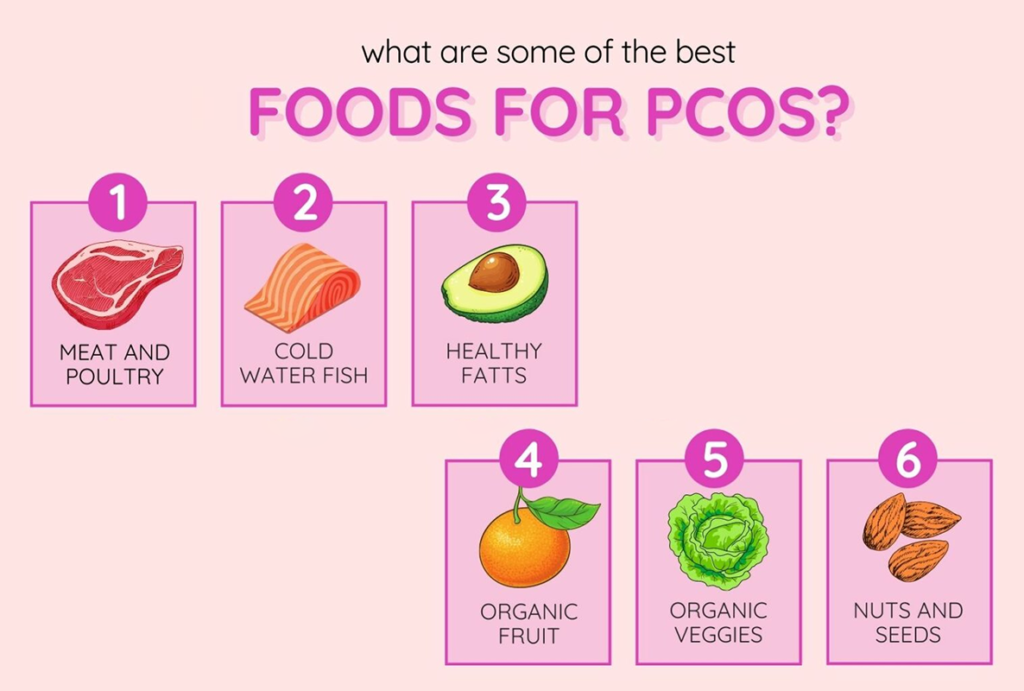
  • Vegetables: leafy greens, broccoli, tomatoes, carrots
  • Fruits in moderation: berries, apples, citrus
  • Healthy fats: olive oil, nuts, seeds, fatty fish
  • Anti-inflammatory stuff: turmeric, ginger, green tea

Foods to Minimize:

  • White bread, regular pasta, packaged baked goods
  • Fried and fast food
  • Candies, chocolates, sweet biscuits
  • Sodas and sugary drinks

The goal is consistency over time, not being perfect every single day.

Sample Day of Eating

Breakfast:

  • Veggie omelette (1-2 eggs)
  • Small whole wheat roti or bowl of oats
  • Tea or coffee with minimal sugar

Mid-Morning:

  • Small fruit
  • Handful of nuts

Lunch:

  • Grilled chicken or fish
  • Mixed veggies (not swimming in oil)
  • 1-2 small chapatis
  • Side salad

Evening:

  • Plain yogurt with chia seeds OR roasted chickpeas

Dinner:

  • Lentil curry or lean protein
  • Vegetables
  • Small chapati
  • Light salad if you’re still hungry

This is just an example – your actual plan needs to be adjusted based on your weight, activity level, blood tests, and what else is going on health-wise.

Beyond Just Food

Diet is huge, but PCOS management also depends on your daily habits:

  • Movement: Walking, cycling, strength training, yoga – these improve how your body uses insulin
  • Sleep: 7-8 hours of actual good sleep helps regulate hormones and control cravings
  • Stress management: Chronic stress makes everything worse. Even simple things like deep breathing and having a routine help

Put all of this together with a solid PCOS diet plan, and that’s when you see real, lasting results.

Why Work with Dietitian Hamza Javed?

If you’re tired of trying random “PCOS diets” from the internet that promise everything and deliver nothing, I get it.

Dietitian Hamza Javed creates PCOS diet plans that actually work because they’re:

  • Based on YOUR specific blood tests and medical history
  • Made with Pakistani foods you actually eat
  • Focused on your complete health picture – weight, acne, periods, fertility, whatever matters to you
  • Adjusted regularly as you progress

This is what real dietitian support looks like – not some copy-pasted chart you could find anywhere.

Ready to Actually Feel Better?

PCOS can feel overwhelming. You don’t have to keep guessing or trying things that don’t work.

A proper, personalized PCOS diet plan can change how you feel, how your body responds, and your long-term health.

If you’re struggling with irregular periods, weight that won’t move, acne, unwanted hair, or fertility issues – it’s time to get help that actually works.

Book a consultation with Dietitian Hamza Javed:

Bring your recent lab work and ultrasound results. Get a clear, step-by-step plan to balance your hormones and take control of your health.

📞 Call/WhatsApp: 0300 0172509
📧 Email: hamzathedietition@gmail.com

Stop guessing. Get a real plan. See actual results.