
• Online Consultation Available
  • Mon–Sat: 9am to 6pm

Category Archives: Weight Management & Diet Plans

thyroid diet plan in Lahore

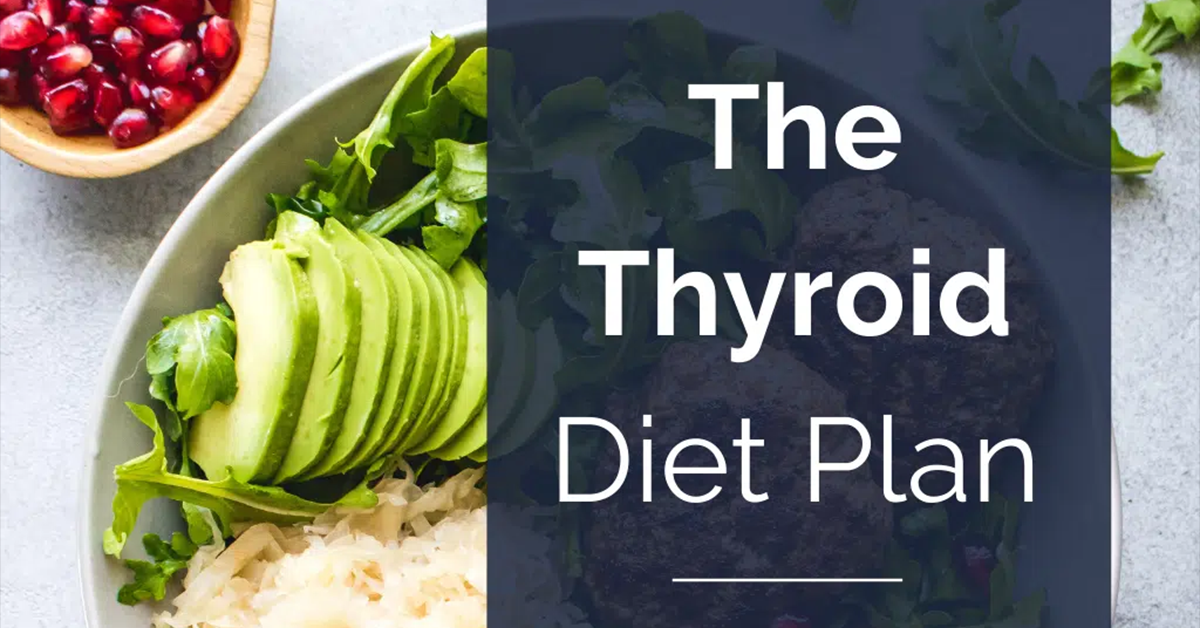
Thyroid Diet Plan in Lahore – Dietitian Muhammad Hamza Javed

You’re doing everything right. Taking your thyroid medicine every day. Trying to eat less. Maybe even walking more. But the weight? Still going up. Your hair keeps falling. You feel exhausted by 3 PM, and everyone just says “it’s your thyroid, what can you do?” Here’s what nobody tells you: your thyroid medicine alone isn’t enough. Yes, you need it. But without the right thyroid diet plan in Lahore, you’re basically fighting an uphill battle with one hand tied behind your back.

I’ve seen so many people in Lahore struggling with hypothyroidism—feeling stuck, frustrated, constantly tired. And the worst part? Most are following random diet advice from Facebook groups or copying meal plans that worked for someone else’s cousin.

That’s exactly why a proper hypothyroidism diet plan designed by someone like Dietitian Muhammad Hamza Javed makes such a massive difference. It’s not about restriction. It’s about giving your body what it actually needs to work with your medicine, not against it.

What’s Actually Happening With Your Thyroid?

Let me break this down in simple terms. Hypothyroidism means your thyroid gland has basically gone lazy—it’s not producing enough hormones. And those hormones? They control your metabolism, your energy, basically how your entire body functions.

When your thyroid slows down, everything slows down:

  • Your metabolism drops (hello, weight gain)
  • You feel cold all the time
  • Your hair starts falling like crazy
  • You’re constipated more often
  • Your skin gets dry
  • You’re exhausted even after sleeping
  • Your periods might get heavier or irregular

In Lahore, so many people just write this off as “kamzori” or stress. But it’s not. It’s your thyroid struggling, and it needs support beyond just medicine.

Why Diet Actually Matters (Even With Medicine)

Yes, your levothyroxine or whatever thyroid medicine you’re taking is essential. But here’s what most doctors don’t have time to explain properly:

Your diet affects:

  • How well your body uses those thyroid hormones
  • Your gut health (which impacts hormone absorption)
  • Your blood sugar (which affects weight and energy)
  • Your overall metabolism and whether you gain or lose weight

A good thyroid diet plan for weight loss doesn’t replace your medicine—it makes your medicine work better. It’s like having teammates instead of fighting alone.

What Should You Actually Eat?

Let’s talk real food. Not some fancy imported stuff you’ve never heard of. Actual things you can find at your local sabzi mandi or utility store.

Protein-Rich Foods Your Thyroid Loves

These are your best friends for thyroid-friendly meal plan:

Eggs – Amazing source of protein, vitamin D, and selenium. Boiled, scrambled (light oil), however you like them.

Fish – Rohu, pomfret, or salmon if you can afford it. Fish gives you omega-3 and iodine, both super important for thyroid health.

Dairy (low-fat) – Milk, yogurt, lassi. These give you protein, calcium, and iodine without too much fat.

Chicken – Skinless, grilled or lightly cooked. Not the fried stuff from roadside stalls.

Lentils – Daal, chana, rajma. These are budget-friendly protein sources that also give you fiber.

Fruits and Vegetables That Actually Help

Fruits: Apples, bananas, berries (if available), citrus fruits like oranges and kinnows, guava

  • These give you fiber and antioxidants without spiking your blood sugar

Vegetables: Carrots, capsicum, cucumber, tomatoes, cooked leafy greens

  • Load up on these. They keep you full, give you nutrients, and barely have any calories

Grains and Carbs (Yes, You Can Still Eat Them)

Forget what that WhatsApp forward said about cutting all carbs. You need them. Just pick the right ones:

Whole grains: Oats, brown rice, whole wheat roti, barley Mixed flour chapatis: Better than pure white flour

A simple thyroid-friendly plate looks like:

  • Half your plate: Vegetables (salad or lightly cooked)
  • Quarter plate: Whole grains (brown rice or whole wheat roti)
  • Quarter plate: Protein (chicken, fish, eggs, or daal)

This keeps you full, controls weight, and stops those crazy cravings between meals.
Foods to Limit (Not Ban, Just Limit)

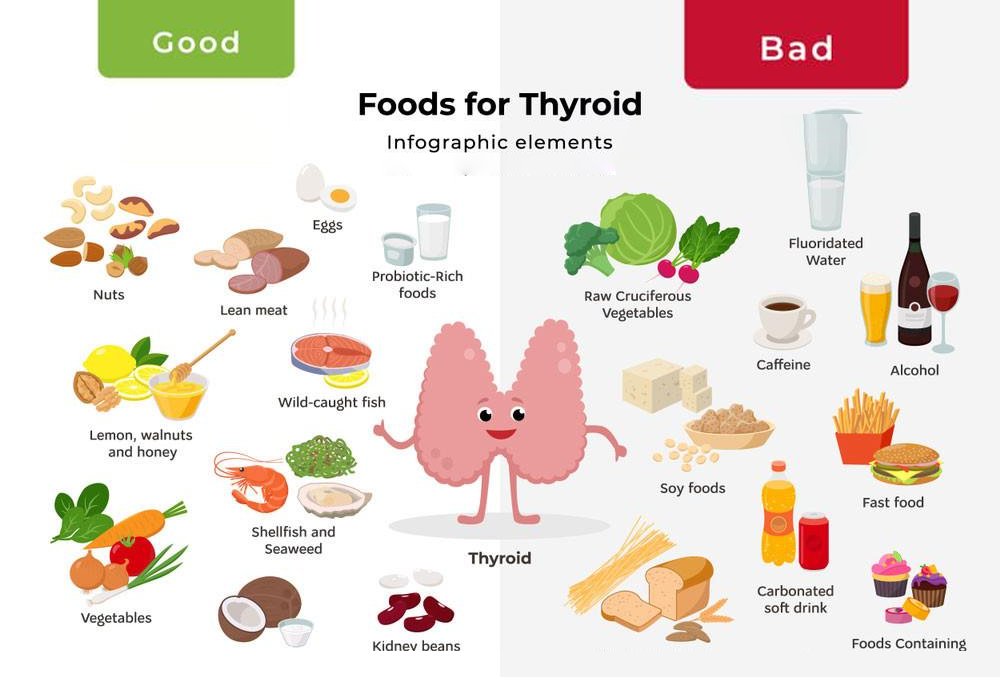
There’s so much confusion and fear-mongering about what thyroid patients “can’t eat.” Let me clear this up: you don’t need to completely eliminate most foods. But some things should definitely be reduced.

Cut Back On:

Processed junk: Biscuits, chips, bakery items, packaged snacks

  • These mess with your blood sugar and make weight gain worse

Sugary drinks: Regular soft drinks, energy drinks, sweet juices

  • Empty calories that spike insulin

Deep-fried foods: Samosas, pakoras, french fries, fried chicken

  • Too much oil = too much weight gain + inflammation

Excess white flour: Too many naans, parathas, white bread

  • Switch to whole grain versions when possible

High-sodium packaged foods: Instant noodles, processed meats

  • These make you retain water and feel bloated

What About Cruciferous Vegetables?

You’ve probably heard that cabbage, cauliflower, and broccoli are “bad” for thyroid. Here’s the truth: eating them raw in huge quantities might interfere with thyroid hormone production. But cooked, in normal portions? Totally fine, especially if you’re getting enough iodine.

And Soy?

Soy products in large amounts might interfere with thyroid hormone absorption. The main thing: don’t take soy around the same time as your thyroid medicine. If you have soy milk or tofu, just time it differently.

Taking Your Thyroid Medicine Properly (This Matters!)

So many patients in Lahore take their thyroid tablet irregularly or at the wrong time, then wonder why they’re still feeling terrible even though they’re “on medicine.”

Here’s how to do it right:

Morning routine:

  1. Wake up, take your thyroid tablet with plain water
  2. Wait 30-60 minutes (ask your doctor exactly how long)
  3. THEN have breakfast

What to avoid right after your tablet:

  • Tea or coffee (wait at least 30 minutes)
  • Milk
  • Calcium supplements
  • Iron supplements

These can block absorption, which means your medicine won’t work as well even if your dose is correct.

Tell your dietitian for thyroid patients in Lahore about ALL supplements and herbal products you’re taking. Some of them interfere with your medicine.

Real Day of Eating

Let me show you what a practical thyroid diet plan in Lahore actually looks like. This isn’t some fancy meal plan from Pinterest. This is real food you can actually make and afford.

Early Morning (After Medicine)

  • Plain water
  • Wait 30-45 minutes
  • Then: 1 glass warm water with lemon slice (if it doesn’t give you acidity)

Breakfast

  • 1-2 boiled or lightly scrambled eggs (minimal oil)
  • 1 small whole wheat roti OR 2 slices brown bread
  • Small salad (cucumber, tomato, carrot)
  • Plain tea or green tea (no sugar, or very little)

Mid-Morning Snack

  • 1 fruit: apple, orange, guava, or small banana

Lunch

  • 1 whole wheat roti OR ½-1 cup brown rice
  • Grilled chicken/fish OR 1 cup daal (not deep fried!)
  • Mixed vegetable sabzi (cooked with minimal oil)
  • Fresh salad

Evening Snack

  • Handful of unsalted nuts (almonds or walnuts) OR
  • 1 cup plain yogurt with chia or flax seeds

Dinner

  • 1 whole wheat roti OR ½ cup brown rice
  • Light chicken/vegetable soup OR grilled chicken kebab
  • Cooked vegetables (carrots, zucchini, tori, lauki – the non-gassy ones)

Before Bed (Optional)

  • Warm water or unsweetened herbal tea

Important: These are just examples. Your actual portions and calories should be personalized by a clinical dietitian based on your weight, labs, and goals.

Weight Loss With Thyroid – Let’s Be Real

I know you want to lose weight fast. Everyone does. But with hypothyroidism, you need to adjust your expectations—not because you can’t lose weight (you absolutely can), but because your metabolism is genuinely slower.

Crash diets will make things WORSE. They’ll:

  • Make you more tired
  • Increase hair fall
  • Mess up your hormones even more
  • Lead to binge eating later

What Actually Works:

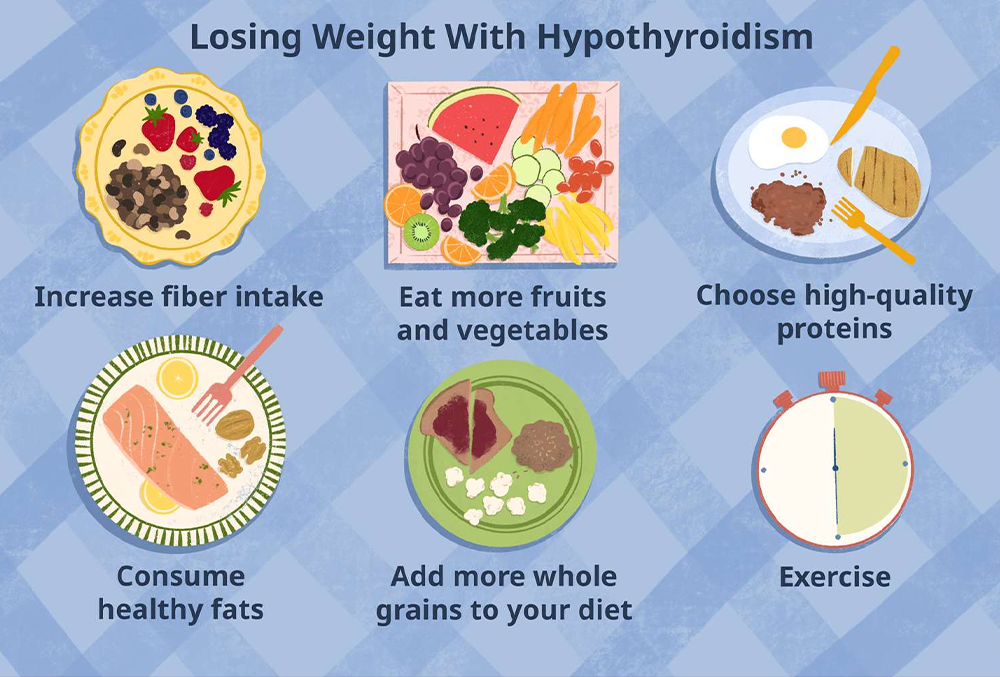
Small calorie deficit – Not extreme restriction. Just eating slightly less than you burn.

Higher protein – Protects your muscle, keeps you full, supports metabolism.

Regular movement – Walking, light stretching, whatever your doctor says is okay for you.

Patience – Aim for slow, steady weight loss. Not 5kg in 2 weeks.

Proper monitoring – Regular thyroid lab tests to adjust medicine and diet as needed.

Working with a dietitian for thyroid patients in Lahore helps you avoid the mistakes everyone makes: skipping meals, eating only fruit, cutting all carbs, then gaining everything back plus more.
Why You Need a Clinical Dietitian (Not Random Internet Advice)

Here’s the thing: thyroid problems rarely come alone. Many people also have:

  • High cholesterol
  • Insulin resistance or prediabetes
  • Fatty liver
  • PCOS
  • Digestive issues

A generic meal plan from Google can’t handle all of this together. It just can’t.

Dietitian Muhammad Hamza Javed can:

  • Review your actual thyroid reports and medical history
  • Design a thyroid diet plan for weight loss that fits YOUR life
  • Plan meals around your medicine timing and other medications
  • Choose affordable local foods that meet your iodine, selenium, and protein needs
  • Help with constipation, acidity, or gas problems (super common with thyroid issues)
  • Track your progress and adjust as your labs or symptoms change

Instead of guessing and getting frustrated, you get clear guidelines. You know exactly what to eat at home, at work, even at weddings and family gatherings.

Time to Take Control of Your Thyroid Health

Living with hypothyroidism in Lahore doesn’t mean you’re sentenced to endless weight gain, constant fatigue, and watching your hair fall out. With the right thyroid diet plan in Lahore and proper medicine, most people feel way more energetic, manage their weight better, and get their life back.

If you’ve been diagnosed with a thyroid problem, or you’re noticing symptoms like:

  • Unexplained weight gain
  • Hair falling more than normal
  • Feeling tired all the time
  • Always feeling cold
  • Irregular or heavy periods

This is your sign to get proper help. Not random WhatsApp forwards. Not YouTube videos from who-knows-where. Actual professional guidance.

Book Your Consultation Today

Stop guessing. Stop trying random diets that don’t work. Get a personalized hypothyroidism diet plan designed specifically for you—your lifestyle, your culture, your medical needs, your budget.

Dietitian Muhammad Hamza Javed can help you move from confusion and frustration to a clear, step-by-step plan that actually works.

📞 Call/WhatsApp: 0300 0172509
📧 Email: hamzathedietition@gmail.com

Your thyroid might be slow, but your progress doesn’t have to be. Let’s fix this together

Reasons to See a Dietitian

Top 8 Reasons to See a Dietitian – Why You Need Professional Nutrition Guidance

Ever scroll through Instagram at midnight, completely overwhelmed by conflicting diet advice? One post screams “carbs are the devil!” Your coworker won’t shut up about intermittent fasting. Your mom keeps saying you just need more willpower. And you’re over here searching for reasons to see a dietitian, feeling more lost than ever.

I get it. The nutrition world is a mess of contradictions.

Here’s something nobody tells you: seeing a dietitian might be the smartest health decision you make all year. Not another celebrity diet. Not tips from some 22-year-old influencer with abs and no medical degree. Actual personalized, science-based guidance from someone who studied this stuff in university.

So let me break down the top 8 reasons to see a dietitian—when it’s actually worth booking that appointment, and how professional dietitian consultation can make your life easier instead of more complicated.

1. You’re Tired of Diets That Don’t Work

Keto? Tried it. Lost 5kg, felt like garbage, gained back 8. That juice cleanse everyone raved about? Made it to day three before you wanted to punch someone. Calorie counting? Sure, until you got so obsessed with MyFitnessPal that you dreamed about macros.

This cycle is exhausting, right? It’s one of the biggest reasons to see a dietitian—you’re done wasting time on trendy diets that work for literally nobody in real life.

A dietitian doesn’t just photocopy the same meal plan for everyone who walks in. They actually dig into your specific situation. Your work schedule (night shifts? desk job?). Your sleep quality. Your stress levels. Medical stuff. What foods you actually like versus what you force yourself to choke down. Your family’s eating culture.

Then they build something that fits your actual life. Not some Instagram influencer’s life. Yours.

You get balanced meals designed so you lose fat without feeling weak or fantasizing about food 24/7. The whole approach becomes sustainable instead of another two-week experiment that ends with you rage-eating an entire pizza.

One of the biggest benefits of seeing a dietitian? You stop burning time and mental energy on diets that were never going to work anyway. This is exactly why you should see a dietitian instead of following random internet advice.

2. You Want Safe and Sustainable Weight Loss

Most people looking for a dietitian for weight loss have already tried the dangerous stuff. Crash diets where you eat 800 calories and feel like death. Fasting so extreme you can’t think straight at work. Random meal plans from TikTok created by someone with zero medical training.

Here’s what happens with that approach: nutrient deficiencies, muscle loss (you’re literally shrinking your metabolism), hormonal chaos, and then—surprise—you gain everything back plus extra weight. Congrats, you played yourself.

Professional dietitian consultation completely changes this. Your dietitian calculates calorie and macro targets based on your actual stats. Not “eat 1,200 calories because that’s what works for Instagram models.” They factor in your age, how active you are, any medical issues, whether you’re dealing with thyroid problems or insulin resistance.

You get structured plans with enough protein to protect muscle, fiber to keep you satisfied, healthy fats for your hormones and brain. You lose weight in a controlled way that doesn’t wreck your health long-term.

This is exactly why consult a dietitian instead of trusting whatever your gym buddy is doing or some random blog post you found at 2 AM. The benefits of seeing a dietitian for weight loss include safe, sustainable results that actually last.

3. You Have a Medical Condition That Needs Nutrition Support

Got diabetes? High blood pressure? High cholesterol? Gut issues like IBS? Kidney disease? PCOS? All of these are massively affected by what you eat every day.

Dietitians are trained in medical nutrition therapy, which means they use food strategically to support your treatment plan. This isn’t “eat more vegetables” generic advice. This is precise nutritional intervention designed around your specific disease.

How a Dietitian Supports Your Health

For diabetes or pre-diabetes, they teach you how to balance carbohydrates, portion sizes, and meal timing to stabilize blood sugar without feeling deprived or confused.

For heart, kidney, or liver issues, they guide you on sodium, potassium, phosphorus, fluids, and other nutrients that must be carefully controlled to protect organ function.

This reduces complications and helps your medications work better. Your condition gets managed more effectively because your diet is actually supporting your treatment instead of fighting against it.

If you have any chronic disease, this alone is one of the strongest reasons to see a dietitianprofessional nutrition support can literally save your life. When to see a dietitian? The moment you’re diagnosed with any chronic condition.

4. You Feel Lost in Online Nutrition Advice

New diet trends pop up literally every day. Low-carb Monday. Sugar-free Tuesday. Detox tea Wednesday. Intermittent fasting Thursday. Carnivore Friday. Plant-based Saturday. And by Sunday you’re exhausted just thinking about it.

Which one actually works? Which ones are backed by science? Which ones are just selling expensive supplements? You have absolutely no idea.

This information overload is one of the main reasons to see a dietitian—you need someone to cut through the noise.

They’ll explain what’s evidence-based versus what’s marketing BS designed to sell you stuff. They teach you how to actually read nutrition labels (spoiler: “low-fat” usually means “high-sugar”). They help you spot misleading health claims on packaged foods. They explain why certain foods work for your specific body and goals.

Suddenly you can make confident decisions instead of feeling paralyzed every time some new “miracle diet” trends on TikTok.

This clarity is a massive benefit of seeing a dietitian—you stop wasting mental energy trying to decode contradictory information from random people on the internet. This is why you should see a dietitian instead of drowning in confusing online content.

Reasons to See a Dietitian

5. You Want a Healthier Relationship with Food

Food isn’t just fuel. It’s emotional. It’s social. It’s connected to stress, comfort, celebration, guilt, shame—all of it.

Many people struggle with emotional eating (stress-eating an entire bag of chips), guilt after meals (“I’m so bad for eating that”), or cycles of restriction and bingeing (dieting all week, then losing control on weekends).

A dietitian helps you work on both your plate and your mindset around food.

Support Beyond Just Calories

They help you understand triggers for overeating—stress, boredom, anxiety, loneliness—and give you kinder, more practical strategies to manage those feelings without using food.

They guide you away from “good vs bad food” thinking and toward a more flexible, balanced approach. You stop labeling yourself as “good” or “bad” based on what you ate. You learn to enjoy meals without losing control or feeling ashamed afterward.

Over time, this reduces food anxiety and helps you actually enjoy eating again. This is one of the most underrated benefits of seeing a dietitian—the mental and emotional support, not just the meal plan. Why consult a dietitian? Because they help heal your relationship with food, not just fix your diet.

6. You’re in a Special Life Stage That Needs Nutrition Planning

Your nutrition needs aren’t static. They change throughout life. Pregnancy, breastfeeding, childhood, teenage growth, athletic training, menopause, aging—each phase requires different nutrients and planning.

When to see a dietitian? During these critical life stages, professional guidance can prevent future health issues and support optimal growth, recovery, and performance.

Examples of When to Book a Visit

Pregnancy and fertility: A dietitian helps you meet increased needs for folate, iron, calcium, and achieve healthy weight gain while keeping both mother and baby safe. They also help manage gestational diabetes or pregnancy nausea.

Children and teens: They support healthy growth, manage picky eating (without turning mealtimes into battles), and build habits that reduce future risk of obesity and lifestyle diseases.

Athletes and active individuals: They optimize performance, recovery, and body composition through precise timing and types of nutrients.

Planning your diet properly during these phases is so much easier and safer with professional dietitian consultation instead of guessing or relying on random mommy blogs. These are critical reasons to see a dietitian during major life transitions.

7. You Need Realistic, Budget-Friendly Meal Ideas

Eating healthy doesn’t mean you need to buy expensive imported superfoods or cook complicated recipes every single day. Most people just need simple, practical ideas that fit their culture, budget, and actual work schedule.

What a Dietitian Can Do for Your Routine

They use local, affordable foods to build balanced meals that are easy to repeat every week. No fancy ingredients you’ve never heard of. No recipes that require three hours of prep time.

They suggest time-saving strategies like batch cooking (make Sunday meals for the whole week), smart grocery lists (stop buying junk you don’t need), and better choices when eating out or ordering food.

This helps you stay consistent without feeling like healthy eating is too expensive or time-consuming. This practical support is one of the most valuable benefits of seeing a dietitian—you get real-world solutions, not Pinterest-perfect meal plans you’ll never follow.

Why see a dietitian for meal planning? Because they give you practical, affordable solutions that fit your actual life—not some fantasy lifestyle from social media.

8. You Want Accountability and Long-Term Support

Starting a diet is easy. Staying consistent for months? That’s the real challenge. Most people quit after a few weeks because they lose motivation, hit a plateau, or face life events (travel, stress, celebrations) that derail everything.

Follow-up sessions with a dietitian provide structure, motivation, and problem-solving support that keeps you going when things get tough.

Why Follow-Ups Are So Powerful

You review progress regularly, celebrate wins (even small ones), and adjust the plan if you hit a plateau or face new challenges like travel, holidays, or stressful periods.

You always have a trusted expert to answer your questions, which stops you from giving up when things get difficult or confusing.

This accountability turns healthy eating from a short-term project into a long-term lifestyle. This is one of the most underrated reasons to see a dietitian—the ongoing support that actually helps you maintain results instead of yo-yo dieting forever.

The benefits of seeing a dietitian extend far beyond the first consultation—it’s the continued support that creates lasting change.

Final Thoughts: Why You Should See a Dietitian

The top 8 reasons to see a dietitian all point to one simple truth: you don’t have to struggle alone with guesswork, confusing advice, and repeated diet failures.

Whether you’re trying to lose weight safely, manage a chronic health condition, support your family’s nutrition, build a healthier relationship with food, or just feel more in control of your eating habits—a qualified dietitian can guide you with personalized, science-based plans that actually fit your real life.

The benefits of seeing a dietitian include:

  • Safe, sustainable weight loss
  • Better management of chronic diseases
  • Clarity in confusing nutrition information
  • Improved relationship with food
  • Support during special life stages
  • Practical, budget-friendly meal ideas
  • Long-term accountability and motivation

When to see a dietitian? Now. Stop waiting for the “perfect time” or trying one more fad diet. If you’re serious about your health, professional dietitian consultation is the smartest investment you can make.

If you’re ready to move beyond random internet tips and start a structured, realistic health journey with a dietitian for weight loss, disease management, or general wellness support—it’s time to take action.

Ready to See Real Results?

Book your consultation with Dietitian Muhammad Hamza Javed and get the expert nutrition guidance you’ve been searching for. Whether you need a dietitian for weight loss, disease management, or just want to build healthier eating habits—Hamza provides personalized diet plans that work with your real life, not against it.

📞 Call/WhatsApp: 0300 0172509
📧 Email: hamzathedietition@gmail.com

Stop guessing. Get professional dietitian consultation. See results.