
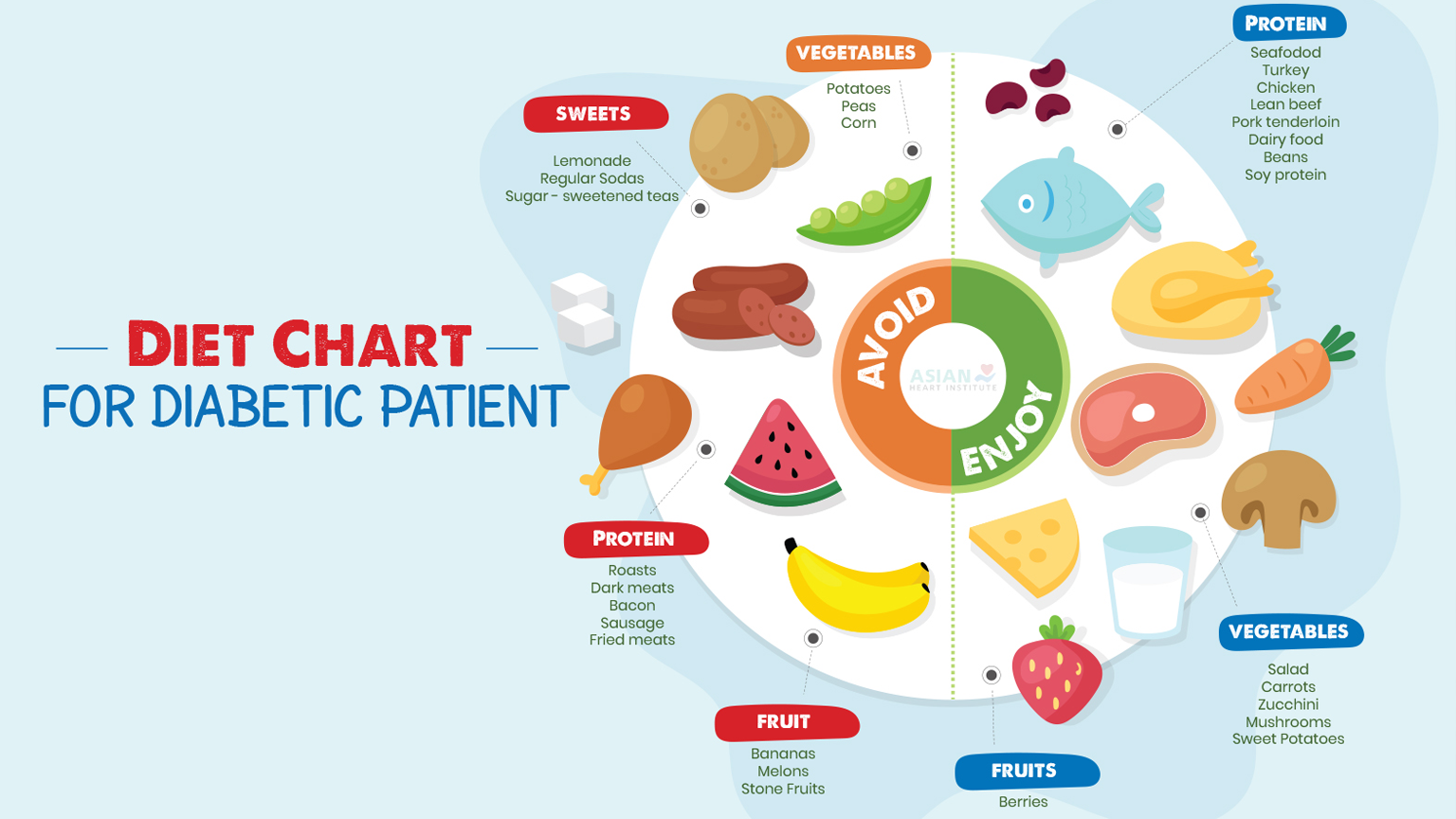
Let me be honest with you. Managing diabetes in Pakistan is hard — not because the disease itself is complicated, but because our entire food culture works against us. Roti at every meal. Meethi chai in the morning. Biryani at every wedding. And relatives who think you are being rude if you say no to dessert. I hear this from clients every single week. But here is something most people never tell you: you do not have to give all of that up. What you need is a diabetes diet that actually fits your life — not some Western meal plan built around foods you have never even heard of.
Pakistan has roughly 34.5 million adults living with diabetes, according to the International Diabetes Federation. That is the highest prevalence rate in the entire world at 31.4%. Those numbers are frightening. But they also mean millions of Pakistani families are figuring this out right now — and many of them are doing it with dal, sabzi, and whole grain roti.
This guide gives you 6 eating patterns that work. You will also get a practical diabetes diet chart, a diabetic diet food list built around Pakistani ingredients, and real meal ideas you can use starting today. Hamza has helped hundreds of clients in Pakistan manage their blood sugar levels without abandoning their culture — and this guide is built on that experience.
Why a Diabetes Diet Plan Pakistan Has to Be Different
Here is the problem with most diabetes diet advice online. It was written for someone in London or California. It assumes you have a fridge full of kale, that you eat alone, and that nobody is going to guilt-trip you for skipping the halwa.
That is not your reality.
Pakistani food is rich. It is cooked with love. It is shared. And yes, a lot of it — white rice, maida roti, fried snacks, sugary chai — can send your blood sugar levels through the roof if you are not careful.
A proper diabetes diet plan Pakistan does not ask you to become someone else. It asks you to make smarter choices within the food culture you already live in. Swap some things. Adjust portions. Build better habits — slowly, one meal at a time.
Hamza tells every new client the same thing: do not try to fix everything in one week. Pick two changes, do them consistently, and your body will respond. That approach works far better than a dramatic overhaul that lasts four days before you give up.
The Foundation: What Every Good Diabetes Diet Chart Is Built On
Before the 6 patterns, there are three habits that sit underneath all of them. Get these right and every eating pattern becomes more effective.
Load Up on Vegetables — Especially These Pakistani Ones
Bhindi, karela, tori, saag, cauliflower, shimla mirch. These are not just cheap and easy to cook — they are some of the best foods you can eat for glycemic control. High fibre slows digestion. Slow digestion means no sudden glucose spikes.
Dal and chana are in a category of their own. Affordable, filling, traditional, and genuinely excellent for blood sugar levels. If you eat dal only occasionally, start eating it daily. That one change alone makes a real difference.
Stop Fighting Carbs — Just Choose Smarter Ones
Nobody is asking you to quit roti. But switching from maida to jowar, bajra, or barley roti — even a few times a week — changes how your body handles that meal. Brown basmati instead of white rice does the same thing. These foods digest slower. Your blood sugar levels stay steadier. You feel full longer.
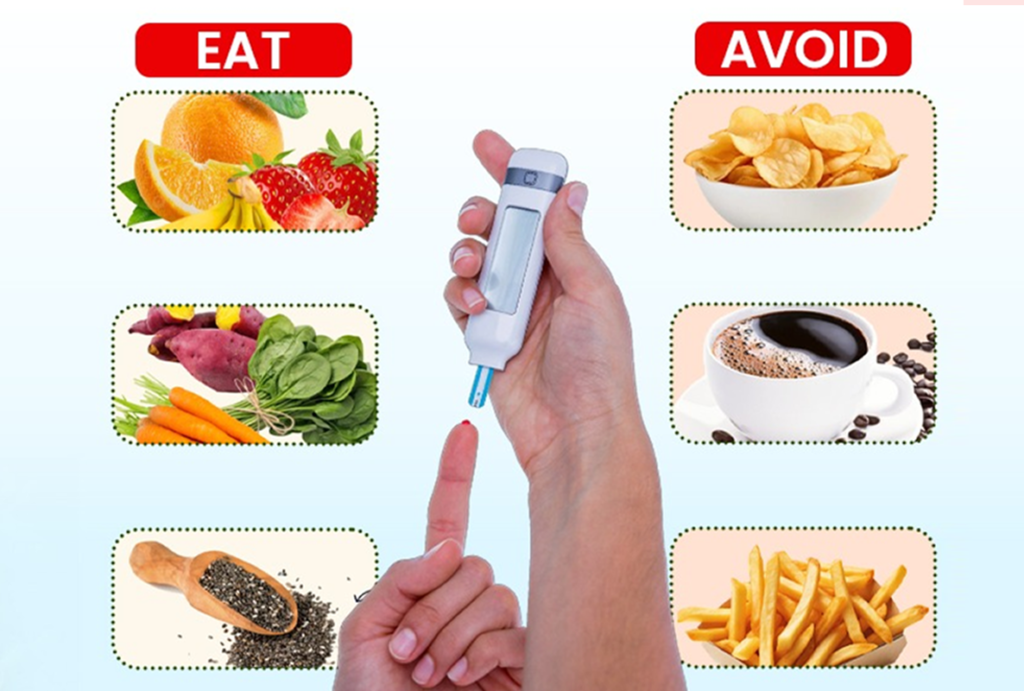
Your diabetic diet food list should always include:
- Proteins: chicken, rohu or singhara fish, eggs, paneer, dal, besan
- Healthy fats: olive oil, almonds, walnuts, mustard oil in moderation
- Carbs to cut back on: white rice, sugary drinks, mithai, white bread, maida
Eat at Regular Times — and Do Not Skip Meals
Three proper meals and one or two small snacks, eaten at consistent times. That is the rhythm your body needs. Skipping breakfast and eating a massive lunch is one of the worst things you can do for glycemic control.
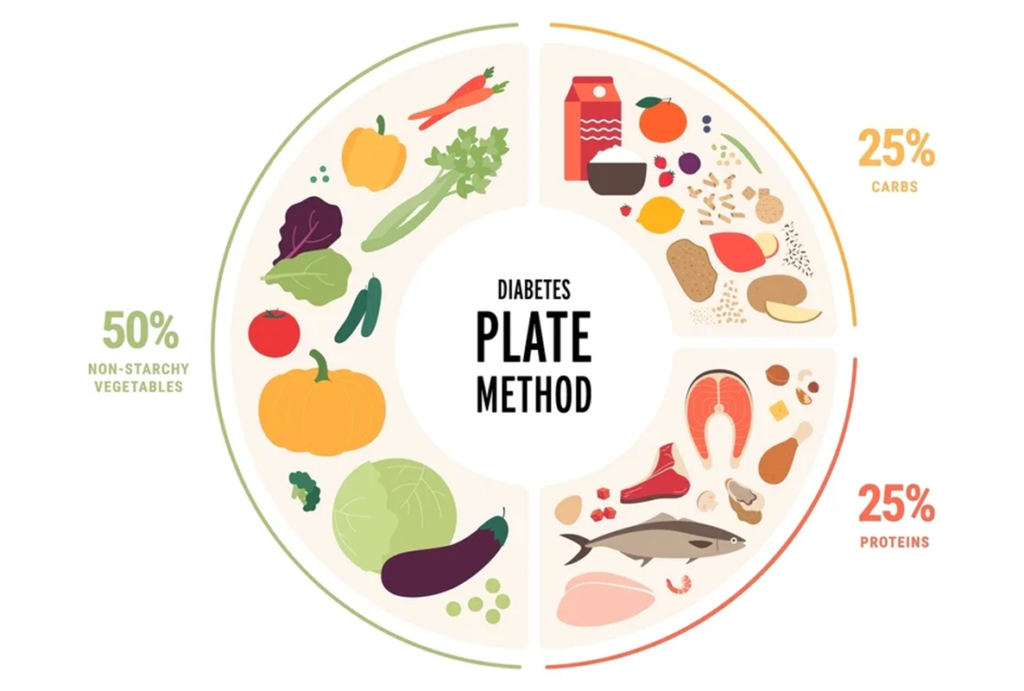
The plate method is simple and it works: half your plate gets vegetables, a quarter gets protein, a quarter gets whole grains. Drink water or zeera water instead of chai when you can.
1. Mediterranean Diet — The Gold Standard for Diabetes Diet Management
The Mediterranean diabetes diet is recommended by almost every major health organisation in the world — and it translates surprisingly well to Pakistani cooking.
It focuses on vegetables, healthy fats, whole grains, fish, and legumes. All of these reduce inflammation, improve insulin response, and help keep blood sugar levels stable throughout the day. No dramatic spikes. No mid-afternoon crashes.
You do not need imported ingredients. Here is how it looks in a Pakistani kitchen:
- Cook with extra virgin olive oil — it is widely available now and works great in desi cooking
- Base your meals on seasonal sabzis, grilled fish or chicken, and dal
- Eat a small handful of nuts daily — almonds or walnuts work perfectly
- Try a fresh salad with lemon dressing instead of heavy gravy a few times a week
Sample Day:
- Breakfast: Besan chilla with spinach and tomatoes
- Lunch: Grilled rohu with mixed sabzi and a small portion of barley
- Dinner: Chickpea salad with olive oil, cucumber, and low-fat mint raita
2. Low-Carbohydrate Diet — Fast Results for High Blood Sugar Levels
If your readings are consistently high, a low-carbohydrate diet is often the fastest way to bring them down. A meta-analysis in Frontiers in Nutrition confirmed that cutting refined carbs significantly improved HbA1c and fasting glucose in people with type 2 diabetes.
This does not mean eating plain boiled food forever. It means being selective. More vegetables, more protein, more healthy fats — and less roti, less rice, less sugar.
Pakistani meals that work well here:
- Egg bhurji with extra vegetables — skip the paratha
- Chicken tikka with salad instead of naan
- Paneer bhurji with sauteed sabzi
- Cauliflower rice as an occasional swap when you are craving something rice-like
Sample Day:
- Breakfast: Omelette with spinach, tomatoes, green chilli
- Lunch: Grilled chicken with bhindi and cucumber raita
- Snack: Almonds or plain Greek yogurt
3. DASH Diet — When Diabetes and Blood Pressure Come Together
A huge number of Pakistani diabetics also have high blood pressure. If that sounds like you, the DASH diet was practically made for your situation.
DASH stands for Dietary Approaches to Stop Hypertension. It was originally built for blood pressure management, but the American Diabetes Association endorses it for glycemic control as well. It pushes fruits, vegetables, whole grains, lean proteins, and low-fat dairy — while cutting sodium and processed foods hard.
Easy swaps for your kitchen:
- Less salt in curries, more garlic, ginger, and herbs for flavour
- Daily dahi — which most Pakistani families already eat, so this is an easy win
- Apples, guava, or a handful of berries instead of biscuits or namkeen as snacks
Sample Day:
- Breakfast: Small whole-wheat paratha with low-fat dahi and cucumber
- Lunch: Masoor dal with mixed vegetables and a small portion of brown rice
- Dinner: Baked chicken with saag and salad
4. Plant-Based — One of the Best Natural Tools for Insulin Sensitivity
Plant-based does not mean you have to stop eating meat entirely. It just means most of your meals are built around vegetables, legumes, whole grains, and nuts — with less animal protein overall.
Research in the Journal of Geriatric Cardiology found that plant-based eating improves insulin sensitivity and lowers type 2 diabetes risk significantly. The reason is fibre — it slows glucose absorption and supports better glycemic control over time.
The beautiful thing about Pakistani cuisine is that it is already halfway there. Dal, chana, sabzi, besan — these are plant-based foods sitting at the centre of our food culture. You do not have to reinvent anything.
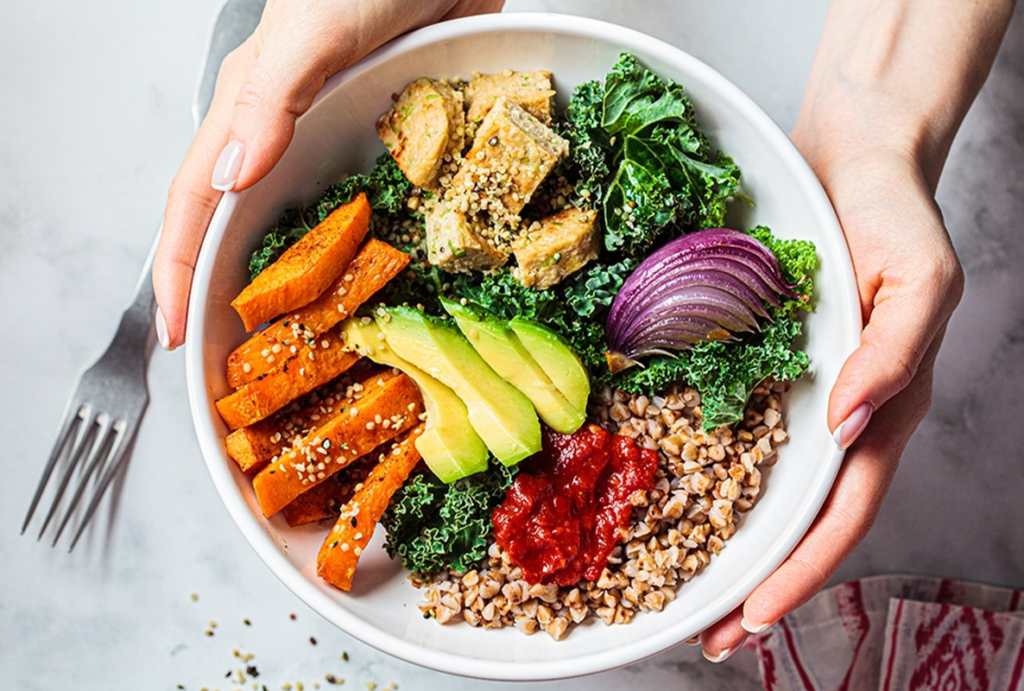
Sample Day:
- Breakfast: Moong dal cheela with mint chutney
- Lunch: Mixed vegetable curry with jowar roti and fresh salad
- Dinner: Chana masala with extra greens on the side
5 & 6. Paleo and Low-GI — Flexible Options That Fit Any Diabetes Diet Plan Pakistan
These two patterns are different in theory but often look very similar on the plate. Many people combine them — and it works well.
Paleo cuts out grains, sugar, and processed food entirely. You eat lean meats, fish, vegetables, fruits, nuts, and seeds. A study in the Journal of Diabetes Science and Technology found improvements in blood sugar levels, weight, and blood pressure among people who followed it consistently.
Low-GI is simpler. It just means choosing foods that digest slowly and do not spike glucose sharply. Lentils, most vegetables, whole grains, and most fruits all qualify. Hamza often recommends this as the starting point for new clients because it does not require you to overhaul your entire kitchen — just make one smarter swap per meal.
Pakistani-friendly versions:
- Paleo: lettuce wraps instead of roti for kebabs, double the sabzi, skip the rice
- Low-GI: daily dal, non-starchy vegetables, whole grains in moderate portions
Sample Low-GI Meal: Ragi roti with chicken curry and a large fresh salad
Frequently Asked Questions About Diabetes Diet Plan Pakistan
What diabetes diet chart should a beginner follow in Pakistan?
Start simple. Half your plate gets vegetables. A quarter gets protein. A quarter gets whole grains. Follow that for one week and track how your blood sugar levels respond. Consistency matters far more than complexity at the beginning.
What goes on a Pakistani diabetic diet food list?
Karela, bhindi, dal, saag, eggs, chicken, rohu fish, almonds, and low-fat dahi. These are affordable, easy to find, and genuinely effective for blood sugar levels and glycemic control.
Is a low-carbohydrate diet safe for the long term?
Yes — as long as you balance it with plenty of vegetables and healthy fats. The mistake most people make is cutting carbs but loading up on saturated fat. Hamza can build you a balanced plan that avoids that trap.
Can I follow a plant-based diabetes diet and still eat traditional Pakistani food?
Without question. Dal, chana, sabzi, and besan dishes are the heart of Pakistani cooking — and they are exactly what a plant-based diabetes diet is built around. You are not giving anything up. You are just putting these foods at the centre of your plate more deliberately.
How long before I see better blood sugar levels?
Most people notice a real difference within 2 to 4 weeks of eating consistently. Add a 20-minute walk after meals and the results come even faster. Progress is never perfectly linear — but it does come.
Do I need special ingredients for these diabetes diet patterns?
No. Olive oil, whole grains, and extra vegetables are available at any local market. Everything in this guide is built around what is already accessible in Pakistan. Start with what you have.
Book a Consultation — Get a Diabetes Diet Plan Pakistan Made for You
Reading this guide is a great start. But a personalised plan built around your specific health numbers, your schedule, and your family’s kitchen is a different thing entirely.
Hamza works with clients across Pakistan to build diabetes diet plans that are practical, culturally grounded, and actually sustainable. No generic templates. No advice copied from a Western textbook. Real guidance, for real Pakistani life.
📞 Call/WhatsApp: +92 300 0172509 📧 Email: hamzathedietitian@gmail.com 🌐 Visit: hamzathedietitian.com
Conclusion: The Best Diabetes Diet Is the One You Can Keep
There is no single perfect eating pattern for everyone. What matters is finding an approach that fits your body, your culture, and your daily life — and sticking with it long enough to see results.
Whether you go with the Mediterranean style, a low-carbohydrate diet, DASH, plant-based eating, or simply start with low-GI swaps, all six of these patterns work when followed consistently. You now have a diabetes diet chart, a diabetic diet food list for Pakistani kitchens, and six clear paths forward.
Pick one. Start with your next meal. And if you want someone to walk this journey with you, Hamza is one message away.
Progress, not perfection. That is the only standard that actually matters.