
“Bhai, red rice zyada healthy hai ya white wali? Diabetes hai toh kya sirf laal chawal kha sakte hain?”
This question shows up in the clinic at least three times a week — and it deserves a proper answer rather than a social media soundbite.
The red rice vs white rice conversation has taken on a life of its own online. Reels and posts claim laal chawal lowers blood sugar levels, melts belly fat, and reverses diabetes. Meanwhile, white rice — which Pakistani families have eaten for generations — gets treated like poison. The reality, as with most nutrition debates, sits somewhere more honest and more useful than either extreme.
Most families across Pakistan grew up on white rice. It is soft, fragrant in biryani and daal, cooks quickly, and is genuinely comforting food. Red rice is newer to most urban kitchens, chewier, and harder to find in smaller markets. But for people managing diabetes, prediabetes, or weight, the differences in glycemic index, fibre content, and nutrients between the two are real and worth understanding properly.
This is the honest, practical red rice vs white rice comparison used in consultations — nutrients, blood sugar impact, real patient results, and practical ways to use both in a Pakistani kitchen without unnecessary restriction or confusion.
Where Red Rice and White Rice Actually Come From
Both start as the same grain — paddy rice harvested from the same fields.
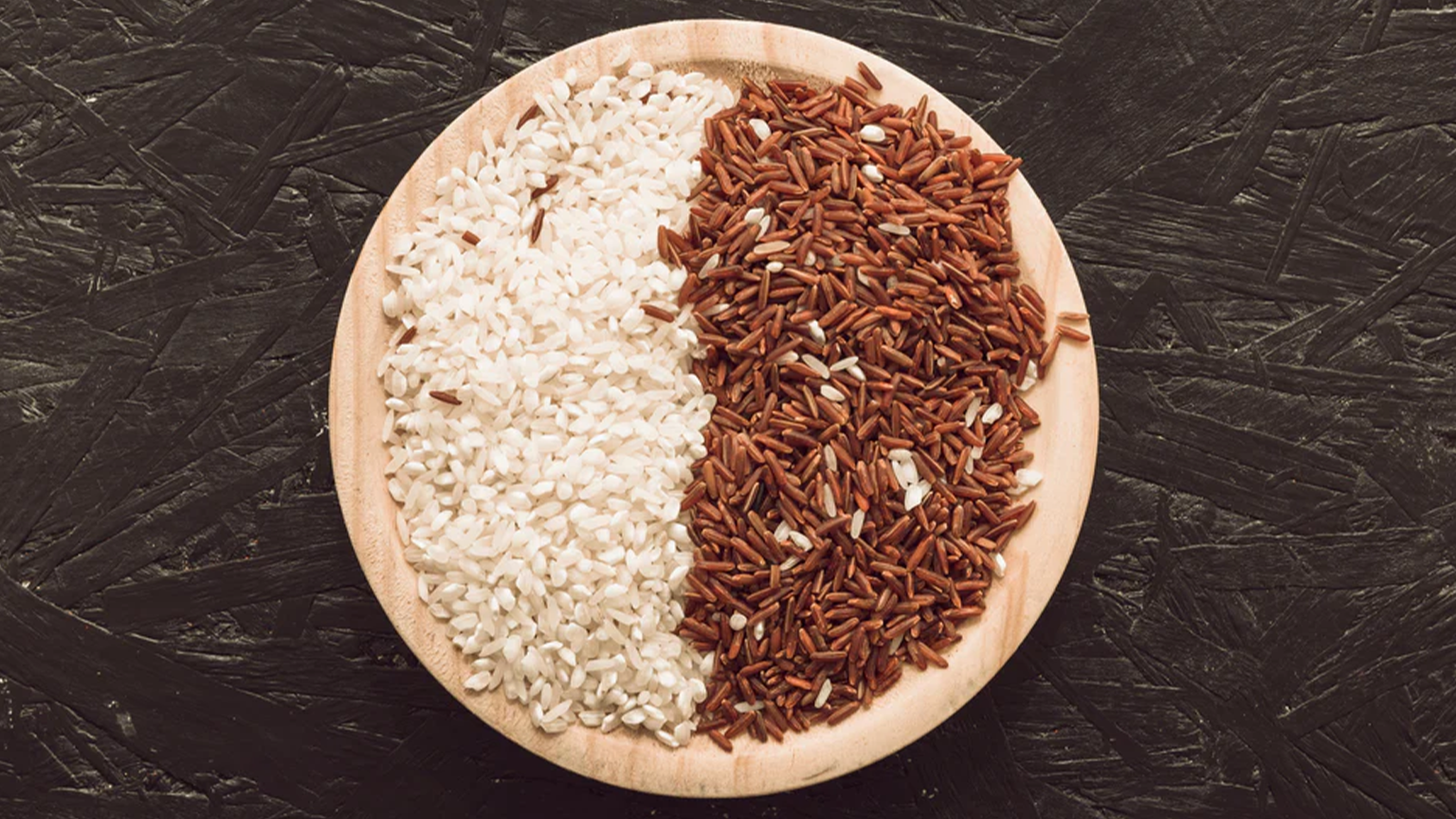
White rice is heavily polished after harvest. The outer husk, bran layer, and germ are removed entirely. What remains is predominantly the starchy endosperm — high in carbohydrates, easy to digest, low in fibre, and stripped of most naturally occurring nutrients.
Red rice retains most of its bran layer — and that bran is where everything interesting happens. The reddish-brown colour comes from anthocyanins, the same antioxidant compounds found in pomegranates and berries. The fibre, the iron, the magnesium — all of it lives in the bran that red rice keeps and white rice loses.
Less processing means more nutritional value. It also means a chewier texture, longer cooking time, and a stronger flavour that takes some adjustment. That is why most Pakistani families still default to white rice for daily meals — and why a 50:50 approach often works better than an abrupt switch.
Nutritional Comparison: Red Rice vs White Rice Per 100g Cooked
When patients ask “kaunsa better hai,” this is the actual comparison that answers the question:
| Nutrient | Red Rice | White Rice |
| Calories | 110–120 kcal | 130 kcal |
| Carbohydrates | 23–25g | 28g |
| Fibre | 2–3g | 0.4–0.6g |
| Protein | 2.5–3g | 2.7g |
| Iron | 0.8–1mg | 0.2mg |
| Antioxidants | High (anthocyanins) | Almost none |
The fibre difference is where red rice genuinely pulls ahead. Nearly five times more fibre per serving — and that fibre is directly responsible for slower digestion, better satiety, improved blood sugar control, and the heart health benefits that make red rice worth including in a regular Pakistani diet.
The antioxidant gap is also significant. Anthocyanins actively fight inflammation in the body — the kind of chronic low-grade inflammation that underlies diabetes, heart disease, and metabolic syndrome. White rice offers none of this.
Glycemic Index and Blood Sugar Impact — The Most Important Comparison
For diabetic, prediabetic, and weight management patients, this is the number that matters most in the red rice vs white rice discussion.
- White rice: GI approximately 70 to 89 — causes rapid, significant spikes in blood sugar levels
- Red rice: GI approximately 55 to 60 — slower, gentler rise that gives the body more time to respond
This difference plays out in real results. A type 2 diabetic patient working a desk job in Lahore was eating white rice twice daily. Post-lunch blood sugar readings consistently sat at 220 to 240 mg/dL. The intervention was straightforward — switch to red rice in the same portion size, add extra sabzi to the plate. No medication change. Readings dropped to 140 to 160 mg/dL within six weeks.
Red rice is not a zero-spike miracle. Blood sugar levels still rise. But the rate is slower, the peak is lower, and the body handles it more effectively — which makes a meaningful difference in daily energy, fat storage, and long-term diabetes management.
Red Rice Health Benefits vs White Rice — What Actually Matters
Red rice advantages for daily health:
- Lower glycemic index directly supports better blood sugar control and insulin sensitivity
- Higher fibre content improves digestion, prevents constipation, and extends satiety after meals
- Anthocyanins and antioxidants fight inflammation and support long-term heart health
- More iron and magnesium — practically helpful for people dealing with fatigue and mild anaemia
White rice advantages that are genuinely real:
- Significantly easier to digest — the right choice during stomach upset, illness recovery, or for people with IBS
- Faster energy delivery — useful for athletes, very active people, or anyone who needs quick fuel
- Softer texture that children and elderly family members typically prefer
- Cooks faster and absorbs the flavours of biryani, pulao, and daal in a way red rice cannot replicate
Neither is the villain. The choice depends on the goal, the health situation, and the meal it is part of.
Who Should Choose Which? Practical Recommendations
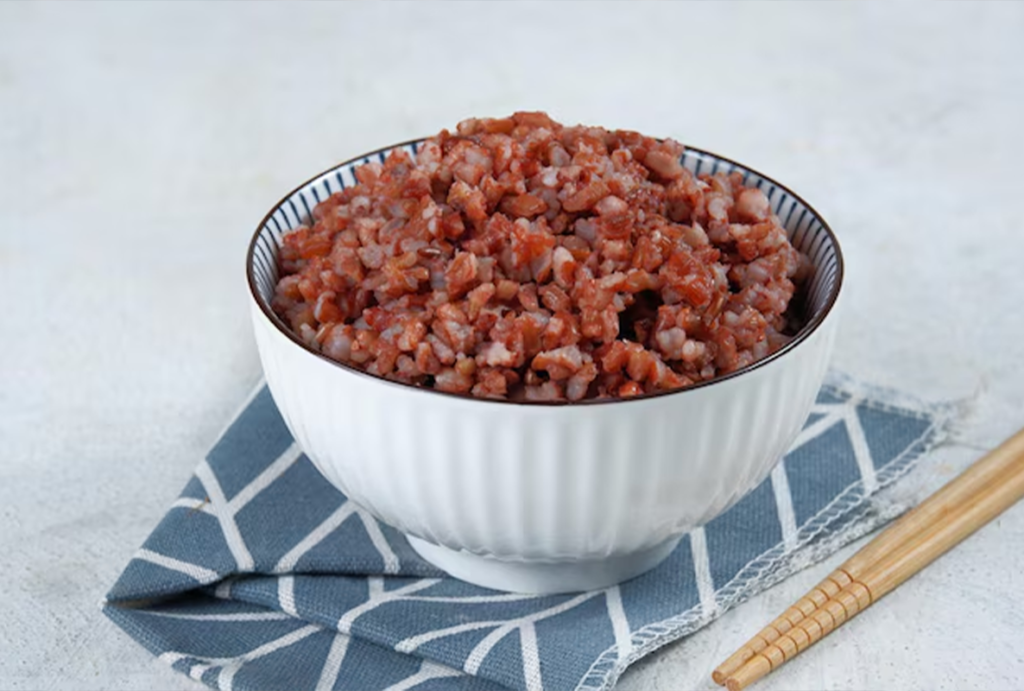
Diabetes, prediabetes, or insulin resistance: Red rice is the clear preference — lower glycemic index and higher fibre produce measurably better blood sugar outcomes. A 50:50 mix is a practical starting point for families not ready for a complete switch.
Weight management goals: Red rice has a meaningful advantage — more filling per serving due to fibre content, slightly fewer calories, and a slower digestion pattern that reduces hunger between meals.
Digestive issues — IBS, acidity, sensitive stomach: White rice is gentler and consistently better tolerated. The lower fibre content that makes it less ideal for diabetes makes it ideal for irritated digestive systems.
Children and elderly family members: White rice is usually better accepted on both texture and taste grounds. Forcing the switch in these cases is rarely worth the resistance it creates.
Healthy adults with no specific health concerns: Rotate both. Red rice three to four days a week, white rice the rest — variety keeps meals interesting and delivers a broader nutritional range than either alone.
Easy Ways to Use Red Rice in Everyday Pakistani Meals
The most common objection heard is “red rice hard hai, nahi khate” — and it is a legitimate concern for families accustomed to soft, fluffy white rice. These approaches consistently make the transition easier:
- Start with a 50:50 mix — half red, half white — which cooks to a softer texture, takes less time, and still delivers meaningful red rice health benefits
- Soak red rice for 30 to 60 minutes before cooking — this reduces cooking time and breaks down phytic acid, improving mineral absorption
- Use a 1:3 water ratio — red rice needs more water than white to cook properly
- Pair with daal, sabzi, and dahi — the protein and fibre from these foods slow absorption further and reduce the glycemic impact of the entire meal
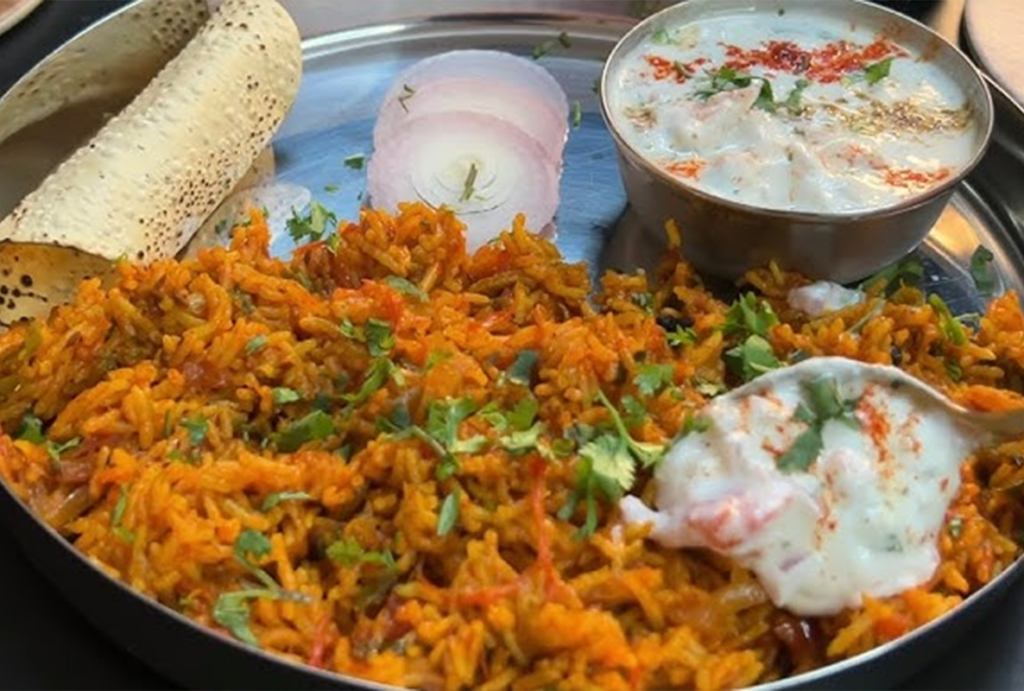
- Make red rice khichdi or pulao — it absorbs masala and spices beautifully and feels far less like a dietary compromise
A client from Gulberg started with the 50:50 mix at one meal per day. Six months later she eats red rice exclusively and her HbA1c dropped from 7.2 to 6.1 — without any change in medication.
Frequently Asked Questions About Red Rice vs White Rice
Is red rice genuinely better than white rice for diabetes?
Yes — the lower glycemic index and significantly higher fibre content produce slower, more manageable blood sugar rises. Most diabetic patients see measurably steadier post-meal readings after switching partially or fully to red rice.
Does red rice support weight management?
Consistently yes — the additional fibre extends fullness after meals, naturally reducing overall calorie intake without requiring strict portion counting. The slightly lower calorie content per serving adds to this advantage over time.
Why does white rice have such a high glycemic index?
Polishing removes the bran layer and fibre entirely. The remaining starch is exposed and digests very rapidly — producing the fast blood sugar spike that makes white rice problematic for diabetic patients in larger portions.
Can white rice still be eaten with diabetes?
Yes — in controlled portions, paired generously with sabzi, protein, and healthy fat. The combination slows digestion and blunts the blood sugar spike significantly. It is about balance and pairing rather than complete elimination.
Is red rice difficult to find and expensive in Pakistan?
It is slightly pricier and less universally available than white, but larger supermarkets in Lahore, Karachi, and Islamabad stock it reliably, and online platforms now carry several quality options. Availability has improved substantially over the past two years.
Is a complete switch from white to red rice necessary?
Not at all — and forcing an abrupt complete switch often creates resistance that makes the habit unsustainable. The 50:50 mix approach delivers real red rice health benefits while maintaining the familiar texture and cooking behaviour most Pakistani kitchens are accustomed to.

Ready to Make Smarter Rice Choices?
Red rice vs white rice is not about declaring one perfect and banning the other. It is about understanding what each offers and choosing based on real health goals — whether that is better blood sugar levels, improved weight management, or simply more nutritional variety in daily meals.
📞 Call/WhatsApp: +92 300 0172509 📧 Email: hamzathedietitian@gmail.com 🌐 Visit: hamzathedietitian.com
Personalised meal plans, real ongoing support, and practical guidance built around Pakistani food culture and individual health needs. Book a consultation today.
Related reads:
Final Thoughts: Red Rice vs White Rice — Choose What Serves Your Health
Red rice vs white rice comes down to three things: processing, fibre, and glycemic index. Red rice wins on all three for people managing blood sugar levels, weight management, or long-term heart health. White rice wins on digestibility, texture, and the kind of comfort that makes Pakistani food feel like home.
Key takeaways:
- Red rice has significantly more fibre, antioxidants, and minerals than white
- Lower glycemic index makes it the better choice for diabetes and weight management
- White rice is easier to digest and more practical for certain health situations
- The 50:50 mix delivers the best of both worlds without forcing a difficult transition
- Always pair any rice with sabzi, daal, and protein — the combination matters as much as the rice type
Start with one small change this week — a 50:50 mix at one meal per day. See how the body responds. Build from there.
Stay nourished, stay strong.
Hamza The Dietitian Lahore — helping Pakistani families eat smarter, one grain at a time.