
Picture your last family dinner. The daal simmering on the stove, the sabzi just done, a little achar on the side, maybe some papad or namkeen to round it all out. Salt ties it all together, doesn’t it? That one pinch – or sometimes a whole handful – is what makes desi food feel alive. But here’s the thing nobody talks about at the dinner table: that same salt is quietly putting your heart under pressure. Every single day. In Pakistan, most of us eat far more salt than we think we do. The WHO recommends adults keep it under 5 grams per day – roughly one teaspoon. But research shows South Asians, including Pakistanis, often average 8 to 10 grams or more daily. That’s double the safe limit. And it’s one of the biggest reasons hypertension is so widespread here – some reports estimate it affects 30 to 46% of Pakistani adults.When you take in too much salt, your body holds onto water. Blood volume rises. Your arteries have to work harder to handle the pressure. Over time, this damages blood vessels, raises the risk of heart disease, stroke, and kidney problems. The damage doesn’t announce itself – it just quietly builds. But here’s the good news: you don’t have to eat boring, tasteless khana to reduce salt intake. There are real, practical, desi-friendly ways to protect your heart health without giving up flavor. I’ve helped hundreds of clients in Lahore do exactly this – cut back on sodium without feeling like they’re missing out on anything.
In this guide, I’ll walk you through five approaches that actually work in Pakistani kitchens, plus a sample menu and answers to the questions I hear most often in consultations.
Why Reducing Salt Intake Matters So Much for Heart Health in Pakistan
Let’s keep this simple. When you eat too much sodium, your body pulls extra water into your bloodstream to dilute it. More fluid means more volume pushing against your artery walls. That pressure – when it stays elevated – is hypertension.
Over months and years, that constant strain wears down your blood vessels. It sets the stage for heart attacks, strokes, kidney failure. These aren’t rare outcomes. In Pakistan, heart disease is one of the leading causes of death, and high sodium intake is directly connected to it.
The WHO estimates excess sodium contributes to millions of deaths globally every year. What’s encouraging, though, is that you don’t need dramatic changes to see results. Studies show that cutting just 1 to 2 grams of salt per day can bring blood pressure down noticeably within weeks.
I’ve seen this firsthand. Many clients come to me already taking medication for hypertension, yet their readings are still high. When we start identifying and removing hidden salt – from pickles, packaged snacks, restaurant food – their numbers start moving in the right direction, often faster than they expected.
The goal here isn’t zero salt. Your body genuinely needs some. It’s about finding the right balance for long-term heart health.
Hidden Sources of High Sodium Intake in Everyday Pakistani Meals
Before we get into solutions, let’s talk about where the salt is actually coming from – because a lot of it isn’t from what you’re adding yourself.
Common hidden sources include achar, chutneys, and namkeens, packaged masalas, bouillon cubes, and ready-made sauces, restaurant staples like biryani, nihari, and haleem which tend to be very heavily salted, and even everyday items like bread, biscuits, chips, and certain packaged dals.
Start reading nutrition labels when you can. When eating out, it’s completely fine to ask for “kam namak.” Just being aware of these sources can help you cut salt intake by 20 to 30% without changing much else.
1. Load Up on Fresh Herbs and Spices for Natural Flavor
This is the single most effective swap I recommend to anyone trying to reduce salt intake – and the most enjoyable one.
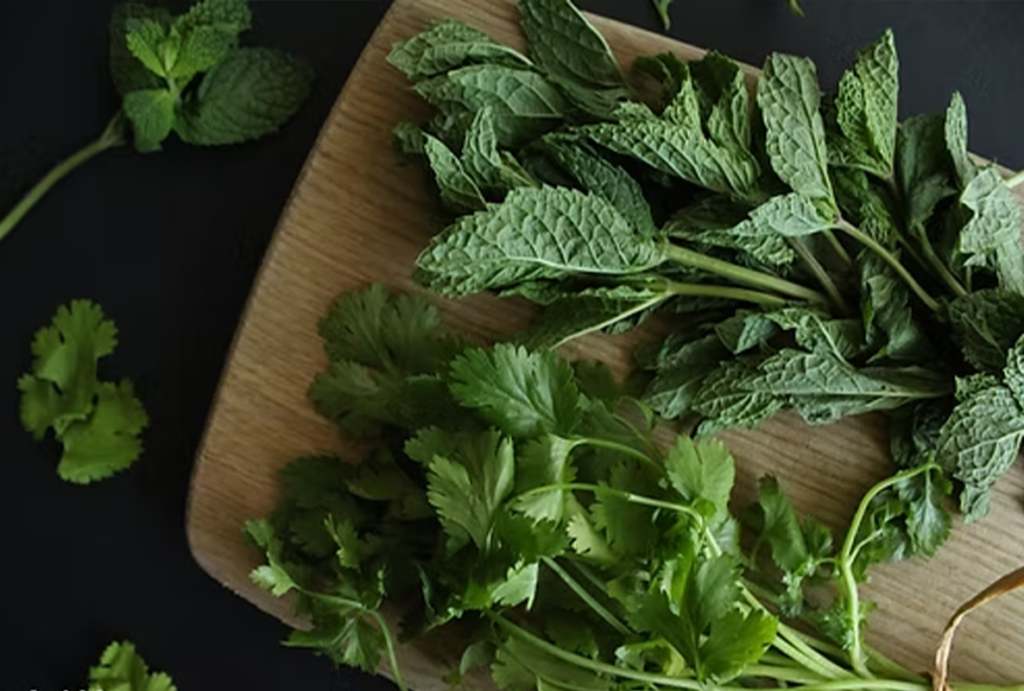
Fresh herbs like dhania (coriander), podina (mint), curry leaves, green chillies, and even tulsi (basil) add a brightness to food that your taste buds interpret as flavor richness. When a dish has that kind of depth, it doesn’t feel like it’s missing anything.
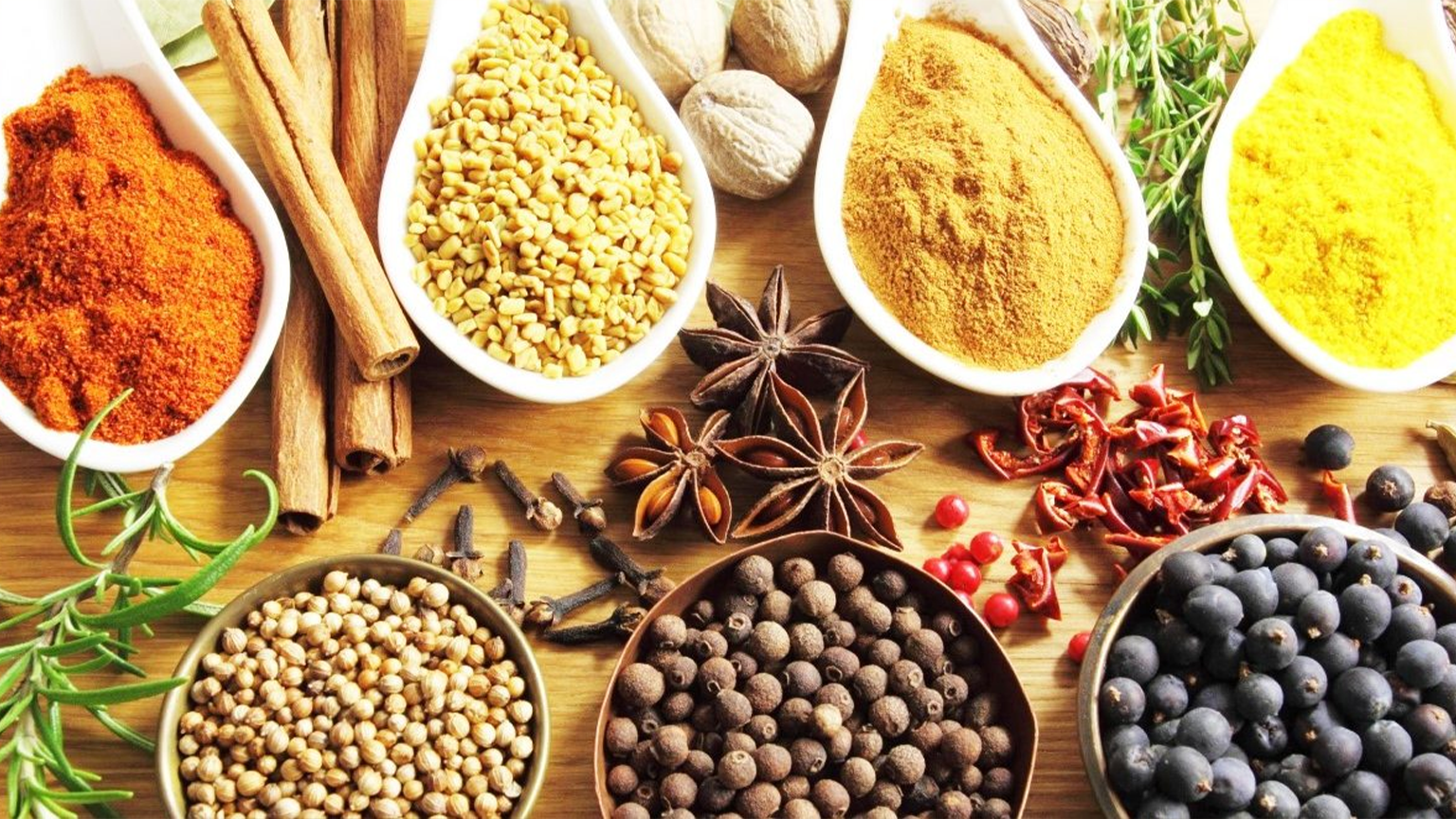
Dry spices work just as well. Haldi, zeera, kali mirch, darcheeni, laung, ajwain, saunf – these aren’t just for taste. Many of them carry anti-inflammatory properties and antioxidants that actually support blood vessel health.
In Pakistani kitchens, the easiest place to start is your chutney. Throw extra dhania-pudina chutney on your daal or sabzi. Use zeera generously in your tadka instead of reaching for more namak. Within two to three weeks, most clients tell me their taste buds have adjusted and food just tastes right with less salt.
One client from Model Town – an uncle in his late 50s with elevated blood pressure – simply doubled the herbs in his daily cooking. Within a month, his readings had dropped by 12/8 mmHg. No medication change. Just herbs.
2. Bring in Natural Acidity to Trick Your Taste Buds
Here’s something food scientists have known for a while: sour flavors make food taste more complex. When your brain registers acidity, it perceives the dish as more flavorful overall – which means you naturally miss the salt less.
In Pakistani cooking, we already use sour elements all the time. We just need to use them a little more intentionally. Lemon or nimbu juice is the easiest starting point – squeeze it on practically everything. Imli (tamarind) pulp, kachcha aam powder, kokum if you can find it, even a small splash of sirka (vinegar) in certain dishes – all of these create that tangy balance that makes a plate feel complete.
Think imli chutney on chaat, lemon on grilled chicken, a bit of aam choor in your daal. These are already familiar tastes. Leaning into them when you’re pulling back on namak is one of the smartest swaps you can make. Most clients who try this notice a difference in how “full” the flavor feels, even with 20 to 30% less salt intake.
3. Build Layers with Garlic, Ginger, and Onions
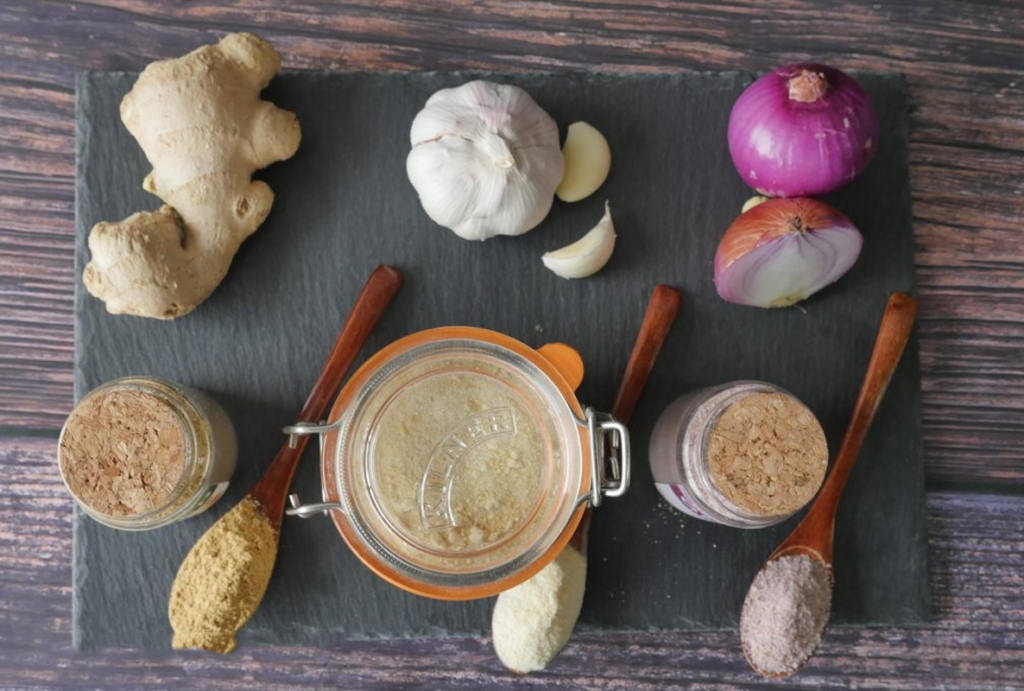
Lehsan, adrak, pyaz. The foundation of almost every desi dish – and also three of the most powerful flavor-builders you have access to when trying to reduce salt intake.
Garlic deserves a special mention here. There’s solid research – multiple meta-analyses now – showing that regular garlic consumption can produce modest but meaningful reductions in blood pressure. It also supports cholesterol levels. So it’s not just good for flavor; it’s genuinely working for your heart health in the background.
When you sauté more garlic and ginger than you normally would, the aroma alone changes how the dish is perceived. Roasting onions until they’re soft and slightly sweet adds a depth that food scientists call umami – that savory, satisfying quality that makes you feel like the meal is rich and complete. Less salt needed, more satisfaction delivered.
A simple starting point: double the garlic in your next salan. That’s it. See how it feels.
4. Add Healthy Fats Smartly for Satisfaction
One reason salty food feels satisfying is that it triggers a richness response in the brain. Healthy fats do the same thing – they make meals feel substantial and complete, which reduces the urge to reach for more namak.
Cold-pressed mustard oil, a small amount of good ghee, olive oil as a finishing drizzle – these all work well. Nuts and seeds are excellent too: a handful of badam or akhrot, a sprinkle of crushed flaxseeds (alsi) over a sabzi or raita. The omega-3s in these foods also directly support heart health, so you’re getting a double benefit.
The key word here is “smartly.” Fats add calories, and portion size matters. But used in moderate amounts as flavor enhancers rather than cooking bases, they genuinely reduce the need for salt while also keeping you fuller for longer.
5. Switch Cooking Methods to Boost Natural Tastes
This one surprises a lot of people, but how you cook something changes its flavor profile significantly – sometimes enough to make salt almost optional.
Grilling, roasting, and tandoor cooking concentrate flavors and create natural caramelization. That slightly charred edge on a tikka or the sweetness that comes out of roasted baingan doesn’t need much salt at all – it’s already complex on its own. Slow-cooking daals brings out depth that a quick boil can’t match. Air-frying snacks gives you that crunch without the sodium that comes with fried, packaged alternatives.
Start with something simple: instead of deep-frying bhindi, roast it in the oven or air fryer with a pinch of zeera and haldi. The texture changes, the flavor concentrates, and you’ll find yourself reaching for the salt shaker a lot less.
Sample Low-Salt Pakistani Day Menu (~4–5g Salt Total)
This is a rough guide based on what I put together for clients. Everyone’s needs are different, but this gives you a realistic picture of what a low-salt intake day can look like without feeling deprived.
Breakfast: Besan cheela with extra dhania and a generous squeeze of lemon, plus green tea
Mid-morning: A handful of almonds and an apple
Lunch: Chicken sabzi made with double garlic and ginger, one roti, salad dressed with lemon juice
Snack: Yogurt raita with fresh mint and cucumber
Dinner: Moong dal with a zeera and ajwain tadka, palak sabzi, a small portion of brown rice
This is adjustable based on your specific health situation, activity level, and preferences – which is exactly what we work through in personalized consultations.
Frequently Asked Questions About Reducing Salt Intake in Pakistan
How much salt is too much for heart health? WHO recommends staying under 5g per day – about one teaspoon. Most Pakistanis are eating 8 to 10 grams or more, which significantly raises hypertension risk. The goal is to cut back gradually, not all at once.
Will reducing salt intake make food taste bland forever? No – and this is the fear that stops most people from trying. Taste buds genuinely adapt within 2 to 4 weeks. Once they do, food that used to taste normal starts tasting overly salty. Herbs, spices, and acidity keep meals interesting throughout the transition.
Can garlic really help lower blood pressure? Yes. The evidence is consistent across multiple studies – regular garlic consumption produces modest but real reductions in blood pressure. It’s safe, affordable, and already part of how we cook.
What about achar and namkeens – can I never eat them? You don’t have to give them up entirely. Enjoy them in small amounts as occasional treats. Look for lower-sodium brands, or try making homemade versions where you control the salt. Balance them with lower-salt intake throughout the rest of the day.
How quickly can I see benefits from lower salt intake? Many people notice changes in blood pressure within 1 to 4 weeks of consistently cutting back. Long-term reduction significantly lowers risk of heart disease and stroke.
Is low salt safe if I sweat a lot in summer? For most people, yes. If you’re very active or spending long hours outdoors, make sure you’re getting sodium naturally through vegetables and fruits rather than processed sources. If you’re on medication for hypertension or heart health, it’s worth checking in with a professional before making big changes.
Ready to Protect Your Heart with Smarter Flavor Choices?
You don’t have to choose between food you love and a heart that stays healthy. These aren’t extreme changes – they’re small, practical shifts that build on flavors already at home in Pakistani cooking.
Start somewhere simple. More herbs today. A squeeze of lemon tomorrow. Double the garlic next week. These things add up faster than you’d think.
Take the first step towards achieving your health goals with personalized nutrition guidance from Hamza, a certified dietitian.
📞 Call/WhatsApp: +92 300 0172509 📧 Email: hamzathedietitian@gmail.com 🌐 Visit: hamzathedietitian.com
Get customized meal plans, ongoing support, and expert advice tailored to your lifestyle. Don’t wait – start your transformation today!
Related reads:
- Diabetes Diet Plan Pakistan
- Ragi vs Jowar vs Wheat Roti
Wrapping Up: Reduce Salt Intake and Take Control of Your Heart Health
Cutting back on salt isn’t a punishment. It’s one of the most practical things you can do for your long-term health – and it doesn’t have to cost you anything in flavor.
Use herbs, acidity, aromatics, healthy fats, and smarter cooking methods. Let your taste buds adjust. Trust the process.
The key takeaways: aim for under 5g of salt intake daily for better blood pressure and lower heart disease risk. Hidden sodium in pickles and snacks adds up faster than you’d expect – awareness alone cuts it significantly. Desi spices and lemon keep low-salt intake meals genuinely delicious. Taste buds adapt within weeks. And small, consistent steps deliver real results for hypertension control.
Your heart works every second of every day without asking for anything. Give it a little help with smarter choices. You already have the tools.
Stay consistent. Stay heart-strong.
Hamza The Dietitian Helping Lahore (and Pakistan) live healthier, one flavorful meal at a time.