The blood report comes back. HbA1c is higher than last time — noticeably higher. And the first response is always the same.
“But we don’t eat sweets.”
This is the most common thing heard in the clinic when discussing high sugar foods to avoid with diabetes — and it points to a problem that goes well beyond mithai and cold drinks. The foods quietly destroying blood sugar levels in Pakistani homes are often the ones nobody suspects. The chai with two spoons of sugar every morning. The ketchup on the side. The packaged juice that feels healthy because it says “fruit.” The white bread at breakfast that seems completely harmless.
High sugar foods to avoid with diabetes are not always obvious. Many hide in everyday items that have become so routine they are invisible. And every time one of these foods enters the body, it triggers blood sugar spikes that the pancreas struggles to manage — forcing glucose levels higher, wearing down insulin response over time, and making diabetes management progressively harder.
Working with hundreds of families across Pakistan, the pattern is consistent: people who identify and reduce these hidden sugar sources see better blood sugar control faster than almost any other single change. Here are the 7 that matter most — with simple Pakistani-friendly swaps for each one.
Why These High Sugar Foods Hit Differently When You Have Diabetes
A body without diabetes handles a sugar load with a quick insulin response that brings blood glucose back to normal relatively quickly. A body managing diabetes does not have that luxury. Every significant sugar hit forces an already-struggling system to work harder, and the repeated cycle of blood sugar spikes and attempted corrections gradually damages nerves, kidneys, and eyes — all before any dramatic symptoms appear.
The specific challenge in Pakistan is that many of these high sugar foods to avoid with diabetes are woven into daily culture. Sweetened chai is practically a social obligation. Packaged sauces are in every fridge. White bread and white rice anchor most meals. The problem is not a lack of willpower — it is a lack of awareness about which specific foods are causing the damage.
Here are the 7 most important ones to address.
1. Sugary Beverages — Chai, Cold Drinks, and Packaged Juices
This is the single most impactful high sugar food to avoid with diabetes seen in Pakistani households — because it is consumed multiple times daily and almost nobody counts it as a problem.
One glass of sweetened chai contains 8 to 10 teaspoons of sugar depending on how it is made. A cold drink adds another 8 to 9. A packaged “fruit juice” that feels healthy often delivers as much sugar as a candy bar. And because liquid sugar enters the bloodstream almost instantly, the blood sugar spikes from these drinks are among the sharpest and most damaging in a diabetic’s day.
What works instead:
- Unsweetened green tea with adrak or elaichi for flavour
- Fresh lemon water with a pinch of black salt
- Plain doodh without sugar — the protein and fat slow the glucose response significantly
Many clients report noticeably steadier energy and reduced cravings within two weeks of cutting sweetened beverages. That improvement alone often shows in the next HbA1c reading.
2. Candies, Chocolates, and Mithai
Even small amounts cause disproportionate damage to blood sugar levels because refined sugar combined with almost zero fibre means there is nothing to slow the glucose absorption. One gulab jamun. A few pieces of barfi at a family gathering. A small chocolate after lunch. Each one delivers a rapid blood sugar spike followed by hunger returning faster than it should.
Practical approach:
- Fresh guava, apple, or papaya when sweetness is needed — the fibre changes everything about how the glucose hits
- When mithai genuinely cannot be avoided at celebrations, eat a small piece at the end of a protein-rich meal rather than on an empty stomach
- The protein and fat from the meal slow absorption and reduce the spike meaningfully
3. Sweetened Condiments and Sauces
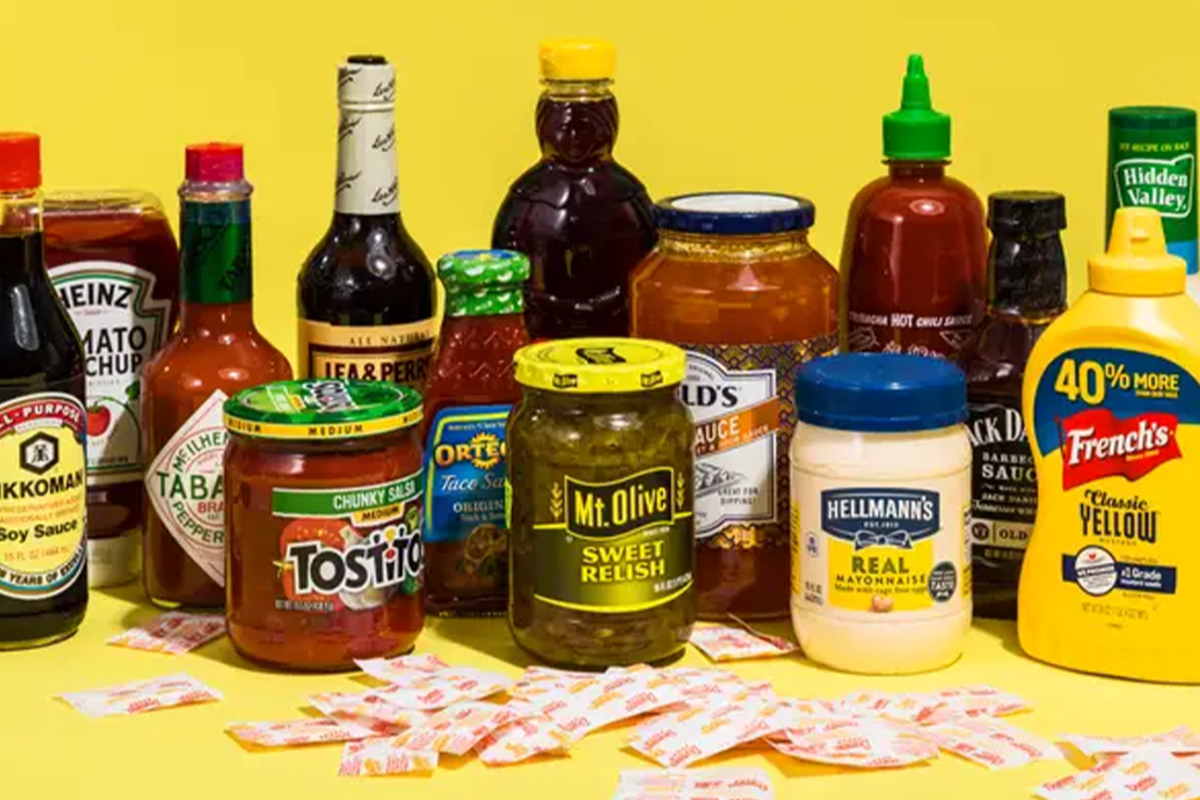
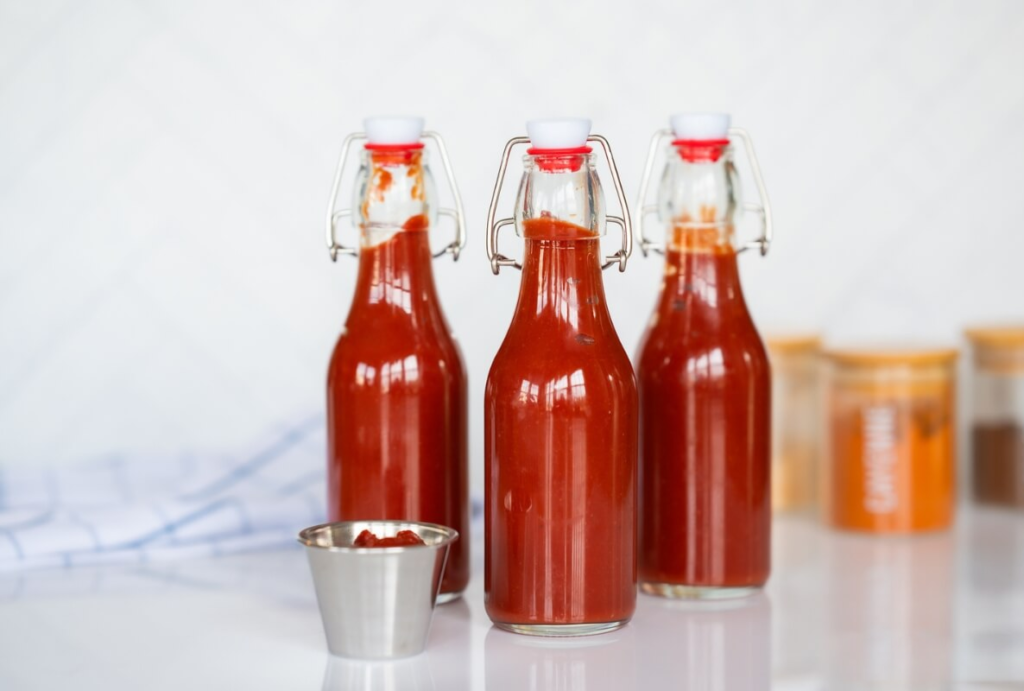
Ketchup. BBQ sauce. Bottled salad dressings. These sit on Pakistani tables as completely normal accompaniments to meals — and they are among the most overlooked high sugar foods to avoid with diabetes in daily life.
Why they matter: A tablespoon of ketchup contains a full teaspoon of added sugar. Used three or four times a day across meals and snacks, that accumulates into a meaningful glycemic load that silently raises daily blood sugar levels.
Better alternatives:
- Homemade chutney with fresh tomatoes, dhania, green chillies, and lemon — takes five minutes and contains no added sugar
- Plain dahi as a base for raita — the probiotics actually support blood sugar control as a bonus
- One client replaced daily ketchup with homemade imli chutney and saw her fasting sugar drop measurably within six weeks
4. Deep-Fried Snacks and Maida Items
Samosas, pakoras, white bread, and naan do not taste sweet — which is exactly why they catch people off guard as high sugar foods to avoid with diabetes. But their effect on blood sugar levels is almost identical to eating refined sugar directly.
Why this happens: These foods have an extremely high glycemic index, meaning they break down into glucose very rapidly after eating. The refined flour in maida-based items and the combination of unhealthy fats and simple carbohydrates in fried snacks creates blood sugar spikes that rival sweetened desserts.
Smarter substitutions:
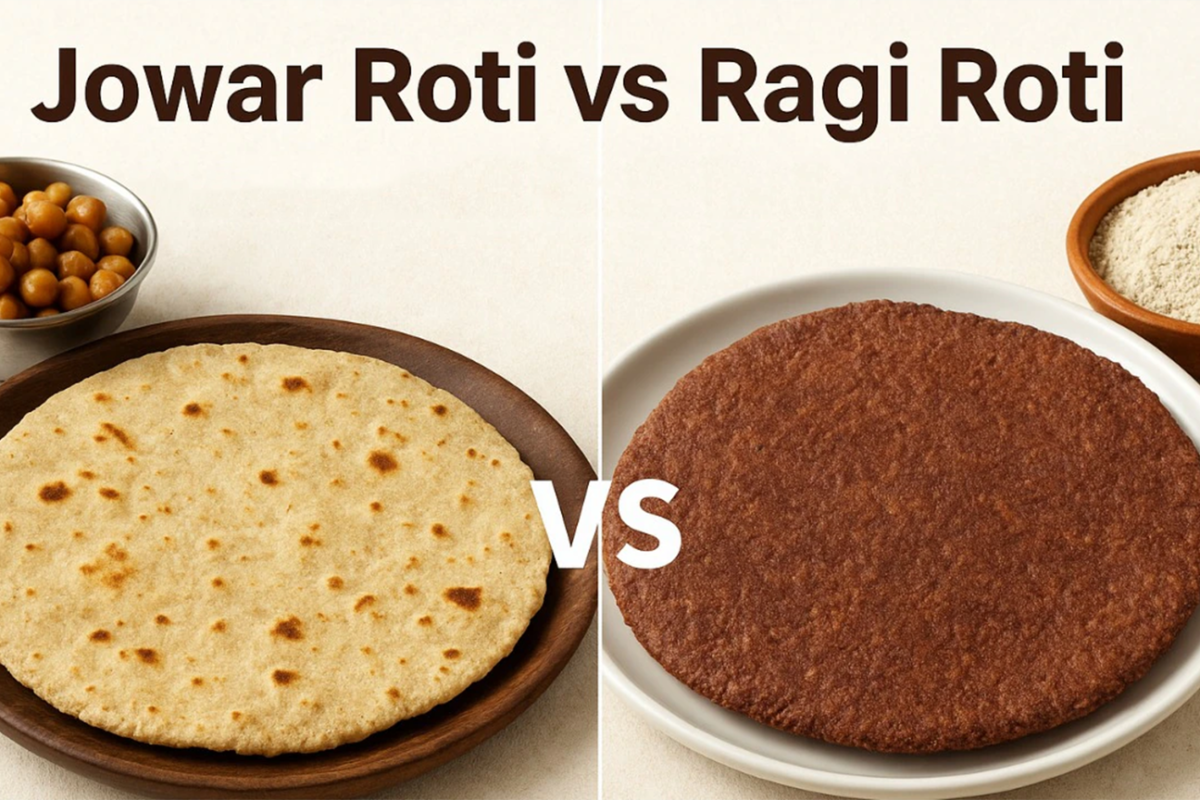
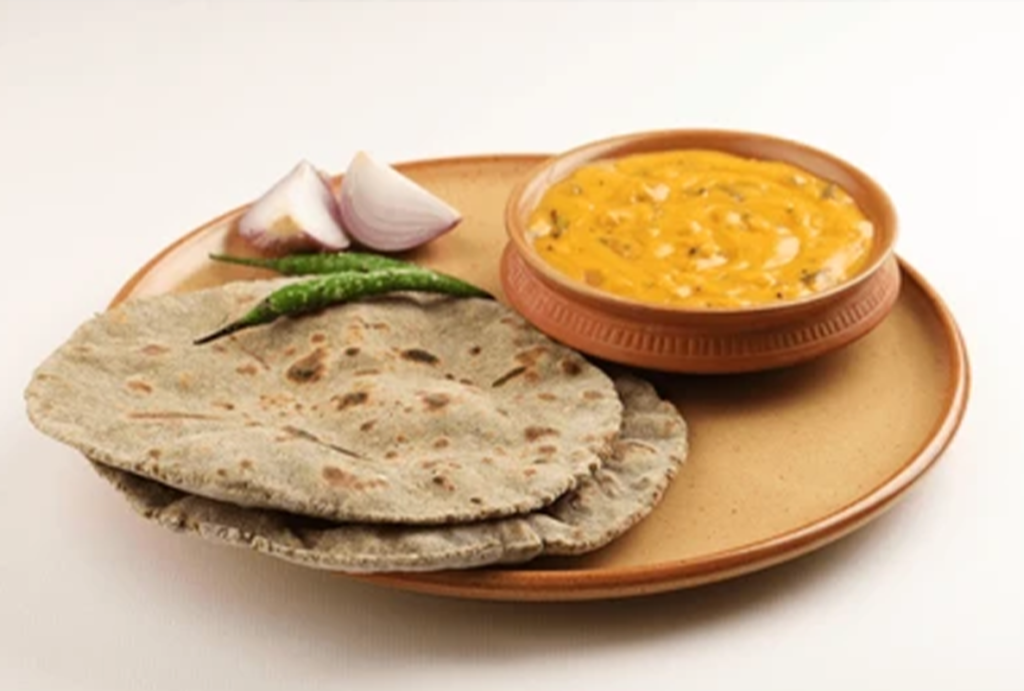
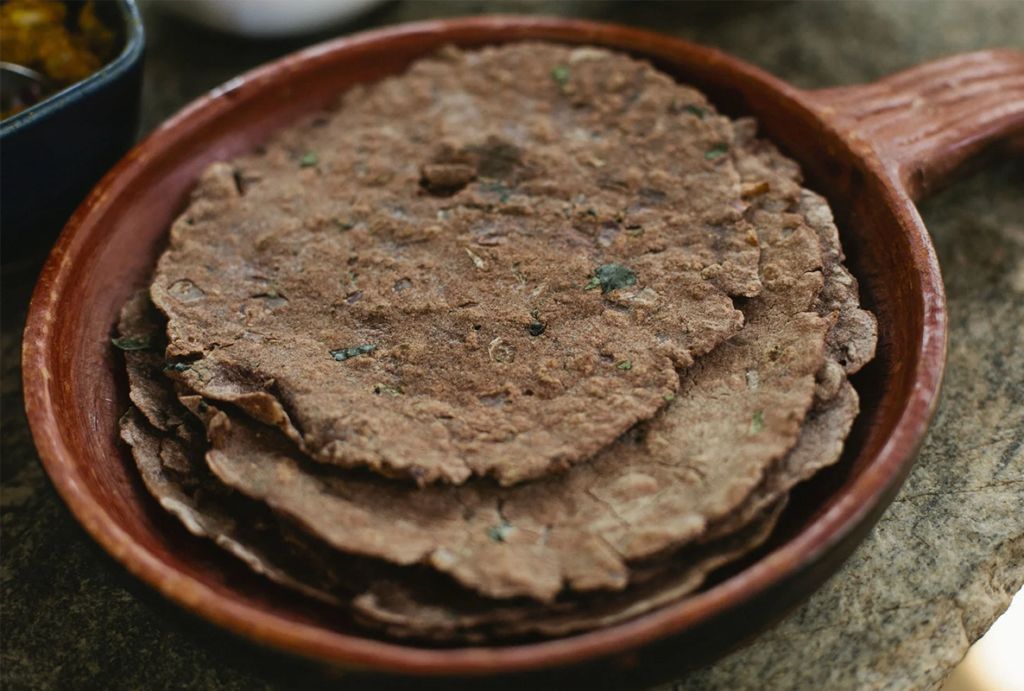
- Whole wheat roti instead of naan or white bread — the fibre slows glucose absorption significantly
- Baked or air-fried versions of favourite snacks — the taste difference is smaller than expected
- Grilled chicken tikka instead of fried — same flavour profile, dramatically different impact on blood sugar
5. Canned Fruits in Syrup
Canned fruits occupy a strange place in diabetes management conversations because they appear healthy. Fruit is good for diabetics — fresh fruit with fibre is genuinely useful for blood sugar control. But canned fruit sitting in thick sugar syrup is a different food entirely.
The actual problem: The syrup that preserved fruit is packed in contains concentrated added sugar. Eating canned peaches or fruit cocktail from a tin delivers a sugar load that fresh fruit with its natural fibre would never produce.
What to eat instead:
- Fresh seasonal fruits — guava, papaya, and apple are excellent local options with good fibre content
- Frozen fruits without added sugar when fresh is not available
- Always eat fruit with a meal or alongside some protein rather than alone
6. Alcoholic Drinks and Sweetened Beverages
Beer, sweet wines, and cocktails combine significant sugar content with a secondary problem specific to diabetes — alcohol directly interferes with how the liver regulates blood glucose. This creates unpredictable blood sugar levels that are particularly difficult to manage.
The practical reality: The liver, which normally releases stored glucose to prevent levels dropping too low, prioritises processing alcohol instead. This can cause unexpected drops followed by rebounds — making diabetes management genuinely difficult in the hours after drinking.
For those who drink: Dry wine or spirits with plain soda water are significantly lower-sugar options. Always check blood sugar levels before and after, and never drink on an empty stomach.
7. White Bread, Pasta, and Refined Carbohydrates
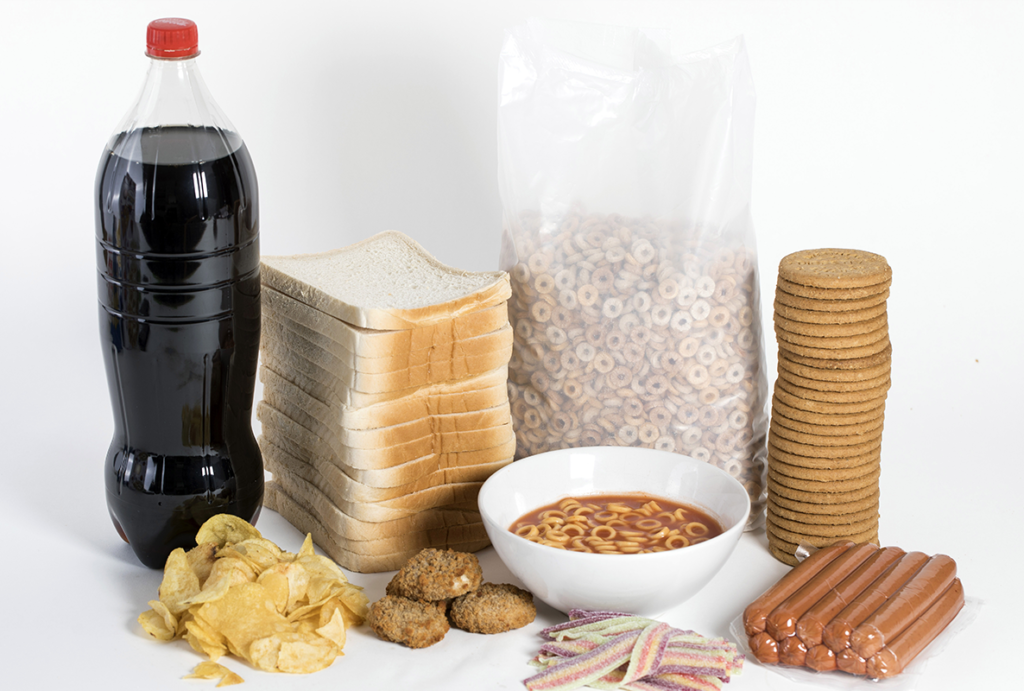
These are perhaps the most important high sugar foods to avoid with diabetes in the Pakistani context because white rice and white flour roti anchor so many daily meals — and their glycemic index means they behave almost identically to table sugar once digested.
Why the comparison is valid: Refined grains have had their fibre and nutrients stripped away during processing. What remains breaks down into glucose extremely rapidly, causing blood sugar spikes that repeat at every meal where these foods appear.
The adjustment that works:
- Whole wheat roti instead of white flour alternatives — genuinely available everywhere in Pakistan
- Brown rice in smaller portions — the fibre content meaningfully changes the glucose response
- Always pair any carbohydrate with protein and vegetables to slow the rate of glucose absorption
Frequently Asked Questions About High Sugar Foods to Avoid with Diabetes
Which high sugar foods to avoid with diabetes cause the fastest spikes?
Sugary beverages cause the most rapid blood sugar spikes because liquid sugar absorbs almost instantly. Mithai, ketchup, and white bread follow closely — all producing sharp glucose elevations within 15 to 30 minutes of consumption.
Can these foods ever be eaten on a diabetes diet?
Yes — in very small amounts on special occasions. The key is always pairing them with protein and fibre to slow absorption, keeping portions genuinely small, and checking blood sugar levels afterwards to understand the personal impact.
How can blood sugar control be maintained when eating out?
Request less sugar in chai, avoid bottled sauces, choose grilled items over fried, and keep portions moderate. Asking for extra sabzi or salad on the side adds fibre that buffers blood sugar spikes from whatever else is on the plate.
Does fresh fruit count as a high sugar food to avoid with diabetes?
No — fresh whole fruit with its natural fibre is appropriate in moderation as part of a diabetes diet. The problem is canned fruit in syrup and fruit juices, which remove the fibre and deliver concentrated sugar directly.
What is the most effective daily approach to diabetes management?
Build every plate around the same principle: half vegetables, one quarter protein, one quarter whole grain carbohydrates, with healthy fats. This combination naturally moderates blood sugar levels without requiring precise calorie counting.
Are artificial sweeteners safe for sugar control in diabetes?
In moderation, yes. Stevia is the most consistently well-tolerated natural option. Small amounts of honey in very controlled portions are also workable. The goal is reducing overall sweetness dependence rather than simply replacing one sweet source with another.
Ready to Take Control of Blood Sugar Levels?
Better diabetes management does not mean giving up the food culture that makes Pakistani meals worth eating. It means understanding which high sugar foods to avoid with diabetes are doing the most damage — and making smarter choices about those specific things while keeping everything else intact.
📞 Call/WhatsApp: +92 300 0172509 📧 Email: hamzathedietitian@gmail.com 🌐 Visit: hamzathedietitian.com
Personalised meal plans, real ongoing support, and practical guidance built around Pakistani food culture and individual health circumstances. Book a consultation today.
Related reads:
Final Thoughts: Avoid These High Sugar Foods for Better Diabetes Management
High sugar foods to avoid with diabetes — sweetened beverages, mithai, hidden sauces, fried snacks, canned fruits, alcohol, and refined carbs — are the daily habits quietly keeping blood sugar levels elevated in millions of Pakistani homes. Identifying and reducing them is the single most impactful dietary change available for diabetes management.
Key takeaways:
- Replace sweetened drinks with water, lemon water, or unsweetened tea immediately
- Choose whole fresh fruits over juices and canned alternatives
- Make homemade chutneys and dressings to eliminate hidden sugar
- Always pair carbohydrates with protein and fibre to slow blood sugar spikes
- Consistency over weeks and months is what changes HbA1c — not occasional perfect days
Clients who make these changes consistently feel more in control, more energetic, and see better numbers at their next check-up. The swaps are smaller than they seem. The results are larger than expected.
Stay strong, stay consistent.
Hamza The Dietitian Lahore — helping Pakistan manage diabetes one smart choice at a time.