So you’re on dialysis. Yeah, I know—it’s not exactly what you signed up for when you woke up one morning. And now someone’s telling you that you need to completely change how you eat? In Lahore, where every street corner smells like pakoras and biryani. Here’s the thing: a renal diet plan in Lahore for dialysis patients isn’t about making your life miserable. It’s about keeping you alive, protecting your heart, and making sure you don’t end up back in the hospital every other week with fluid overload or breathing problems.
Let me walk you through what actually works—not the textbook stuff that nobody follows, but real advice that fits into your actual Lahore life.
What Is a Renal Diet for Dialysis Patients?
Okay, let’s start with the basics. When your kidneys stop working properly (or stop working altogether), they can’t filter out waste and extra fluid anymore. That’s where dialysis comes in—it does some of that work for you, but only a few times a week.
Between those dialysis sessions? Everything you eat and drink matters. A lot.
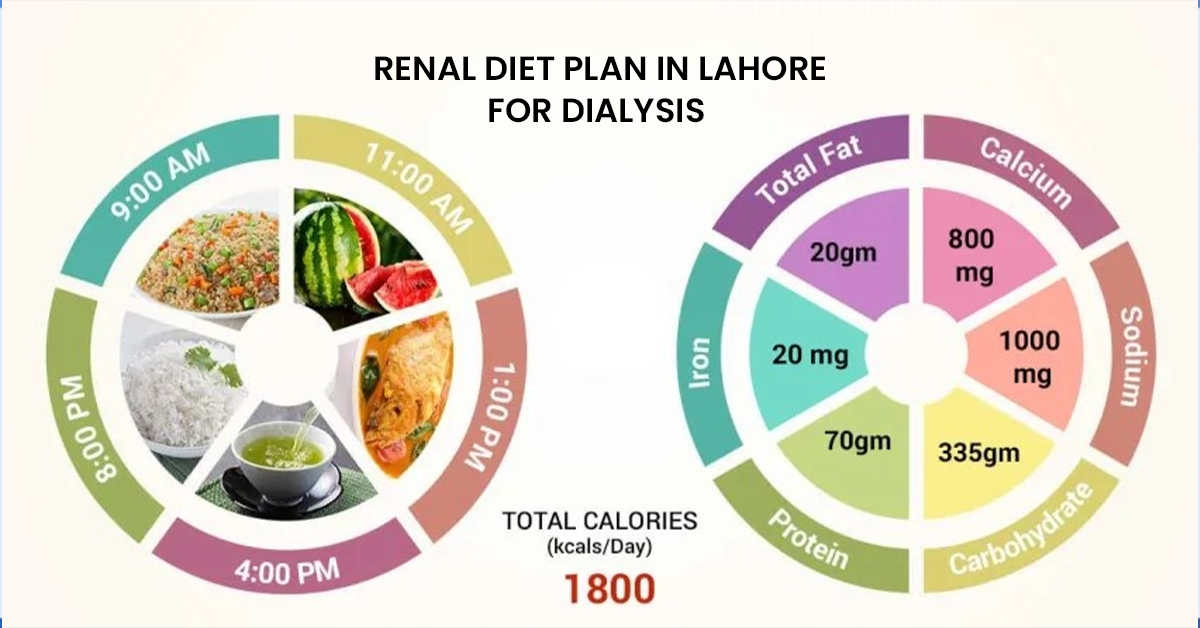
A renal diet for dialysis patients is basically an eating plan designed to keep dangerous stuff—like sodium, potassium, phosphorus, and extra fluid—from building up in your body between treatments. At the same time, you need enough calories and protein to actually stay strong and not waste away.
If you’re on hemodialysis, you probably need more high-quality protein than you did before. But you also need way less salt, potassium, and phosphorus. That banana you used to love? Yeah, that’s gotta be limited now. That Pepsi? Definitely a problem.
This is why a structured renal diet plan from someone who actually knows what they’re doing (like a renal dietitian in Lahore) becomes essential. Because guessing? That’s how people end up in the ER.
Why Dialysis Patients in Lahore Need a Specific Diet Plan
Let’s be real about Lahore food culture for a second. We live in a city where:
- Salty snacks are everywhere
- Restaurant food is loaded with masala and salt
- Pakoras and samosas are part of our DNA
- Sweet chai and sugary drinks are non-negotiable for most people
For someone on dialysis, this normal eating pattern is basically a ticking time bomb. Too much salt causes fluid overload—you’ll wake up swollen, struggling to breathe, with your blood pressure through the roof. Too much potassium? Your heart rhythm goes haywire, which can literally kill you.
A renal diet plan in Lahore for dialysis patients takes the medical guidelines and actually makes them work with local food. Instead of just handing you a list of “don’t eat this,” a dietitian like Hamza Javed helps you figure out what you can eat from the same kitchens, using familiar recipes with adjusted portions, spices, and cooking methods.
Because let’s be honest—nobody’s going to stick to a diet that doesn’t fit their real life.
Key Goals of a Dialysis Diet Plan
1. Eat More High-Quality Protein
Here’s something that surprises people: when you’re on dialysis, you actually need more protein than before. Why? Because dialysis removes waste, but it also removes some protein from your blood. Your body needs that protein to maintain muscle, fight infections, and just… function.
High-quality protein means egg whites, chicken, fish, lean meat—in the right amounts each day. Not random portions. Not “I’ll just eyeball it.” Measured amounts based on your actual body weight and lab results.
At the same time, protein has to fit your other conditions. If you’ve got diabetes or heart disease on top of kidney failure, your diet plan for kidney patients in Lahore gets more complicated. A renal dietitian looks at your albumin, urea, and creatinine levels, then sets a realistic protein target that helps you without overloading your system.
2. Limit Sodium to Control Blood Pressure and Swelling
Too much sodium (salt) makes your body hold onto water. Ever wake up with your face so swollen you barely recognize yourself? Or your legs so puffed up your shoes don’t fit? That’s fluid overload from too much salt.
People on dialysis usually need to avoid super salty foods like:
- Chips and salty snacks
- Pickles and achaar
- Canned soups
- Instant noodles (yeah, sorry)
- Most restaurant dishes (they dump salt in everything)
A good renal diet plan uses herbs, spices, lemon, and homemade marinades instead of heavy salt or those packaged masala mixes. This way you can still enjoy flavorful food while protecting your heart and keeping fluid weight under control between dialysis sessions.
3. Manage Potassium for Heart Safety
This one’s scary, so pay attention: high potassium levels can cause serious heart rhythm problems. Like, cardiac arrest kind of serious.
Certain fruits, vegetables, and juices are loaded with potassium and need to be carefully limited. Examples include:
- Bananas (I know, heartbreaking)
- Oranges and orange juice
- Potatoes
- Tomatoes
- Dried fruits
- Coconut water (yes, even the “healthy” stuff)
A tailored renal diet plan in Lahore for dialysis patients focuses on safer options: apples, grapes, pears, cabbage, cucumber, lettuce—in suitable amounts. There are also tricks like soaking and double-boiling some vegetables to reduce potassium content, which a dietitian can teach you properly.
4. Control Phosphorus to Protect Bones and Blood Vessels
Too much phosphorus weakens your bones, causes intense itching (seriously, some dialysis patients scratch themselves raw), and can lead to calcium-phosphorus deposits in your blood vessels and soft tissues. Not fun.
Dialysis diet plan usually restricts:
- Processed meats
- Cola drinks (Coke, Pepsi—all of them)
- Processed cheese
- Many bakery items
- Foods with phosphate additives (check labels)
Your blood tests for phosphorus and parathyroid hormone (PTH) guide how strict you need to be. Most people also take phosphate binder medicines. A renal dietitian helps you time these medicines correctly with meals and choose lower-phosphorus foods to protect your bones.
5. Watch Total Fluid Intake – Not Just Water
For many people on dialysis, urine output becomes super low or stops completely. This means every bit of extra fluid—water, tea, coffee, juice, soup, even ice cream (anything that melts to liquid)—stays in your body until the next dialysis treatment.
Too much fluid = swelling, high blood pressure, trouble breathing, heart strain.
A safe renal diet plan divides your daily fluid allowance across the day so you’re not dying of thirst by evening. Your dietitian builds a simple fluid schedule based on your weight, how much you’re swelling, and how much fluid gets removed during dialysis.

Sample Renal-Friendly Meal Ideas
Alright, enough theory. What can you actually eat?
Disclaimer: These are general examples for educational purposes. Every dialysis patient needs an individual plan based on their lab results and doctor’s advice. Don’t just copy this—work with a renal dietitian in Lahore to get your own plan.
Breakfast Ideas
- Egg whites with a small serving of white bread or a lightly oiled paratha
- Suji or porridge made with controlled salt and sugar (if your blood sugar allows)
- Tea in a measured cup, counted as part of your daily fluid allowance
A renal dietitian will adjust these if you also have diabetes, high cholesterol, or blood pressure issues. Everything connects.
Lunch and Dinner Ideas
- Controlled portions of white rice or chapati
- Low-potassium vegetables like bottle gourd (lauki), ridge gourd (tori), cabbage, or green beans
- Grilled or boiled chicken or fish in measured amounts as your main protein source
Spices? Use them generously. They make food taste good. But salt and ready-made high-sodium seasonings? Keep those low. This way you can enjoy familiar Pakistani flavors without overloading sodium, potassium, or phosphorus.
Snack Ideas
- A small serving of approved fruit (for example, an apple or a few grapes), portion-controlled
- Unsalted popcorn in a modest amount
- Plain biscuits with low sodium, taken in moderation
Snacks should fit your blood tests, weight trends, and total daily calorie needs. They’re not random choices—they’re part of your kidney-friendly diet for dialysis.
Role of a Renal Dietitian for Dialysis Patients
A renal dietitian is a registered dietitian who specializes in kidney disease and dialysis nutrition. This isn’t just someone who took a weekend course on healthy eating. This is a professional who reviews your diagnosis, dialysis schedule, lab values, medicines, and lifestyle to build a renal diet that’s safe, enjoyable, and realistic.
For patients following a renal diet plan in Lahore for dialysis, working with a dietitian like Hamza Javed means:
✅ Understanding exactly which foods are safe, limited, or need to be avoided
✅ Getting a written meal plan and portion sizes in simple language (no medical jargon)
✅ Having regular follow-ups to adjust your diet when labs or symptoms change
Research shows that structured nutrition counseling in dialysis can improve blood parameters, reduce complications, and support quality of life—especially when combined with proper medical treatment.

FAQs – Renal Diet Plan in Lahore for Dialysis Patients
1. What is the main purpose of a renal diet on dialysis?
The main purpose is to reduce waste and fluid build-up between dialysis sessions by controlling sodium, potassium, phosphorus, and fluids—while still providing enough protein and calories to keep you healthy and strong.
2. Can every dialysis patient follow the same renal diet plan?
Nope. Each person’s kidney function, urine output, lab results, heart condition, and other diseases (like diabetes or heart failure) are different. Every renal diet plan must be individualized by a renal dietitian. Copy-paste diets don’t work.
3. Are fruits completely banned on a renal diet?
Fruits aren’t completely banned, but high-potassium fruits must be limited or avoided, and serving sizes need to be controlled. Your dietitian will recommend specific fruits and amounts that fit your potassium levels and dialysis schedule.
4. Why is fluid restriction so important for dialysis patients?
Too much fluid causes swelling, high blood pressure, breathing problems, and extra stress on your heart. A renal diet includes a daily fluid limit to keep you comfortable and safer between treatments. It’s not punishment—it’s protection.
5. How can a renal dietitian help me in Lahore?
A renal dietitian can translate medical advice into a practical renal diet plan in Lahore for dialysis patients using local foods, recipes, and schedules. This makes it way easier to follow your diet at home, at work, or during social events—without constantly guessing or feeling confused.
Final Thoughts
Look, I get it. Being on dialysis is hard enough without someone telling you that you can’t eat half the foods you love. But here’s the reality: a clear renal diet plan in Lahore for dialysis patients can make dialysis feel less scary and more manageable, because you know exactly what to eat on dialysis, what to limit, and how much fluid is safe for your body.
Working closely with a renal dietitian like Hamza Javed helps turn complex lab reports and medical rules into simple, everyday food choices that protect your heart, bones, and energy—while still fitting your Lahore lifestyle.
Don’t guess. Don’t copy random diets from the internet. Get a plan that’s actually built for you.
Contact Information
Ready to work with a renal dietitian in Lahore? Book a consultation with Hamza Javed:
📞 Call/WhatsApp: 0300 0172509
📧 Email: hamzathedietition@gmail.com
Get your personalized diet plan for kidney patients in Lahore and take control of your health today.