• Online Consultation Available
  • Mon–Sat: 9am to 6pm

Author Archives: HTD

Protein bars for muscle gain

Protein Bars for Muscle Gain and Recovery: 10 Best Options Available in Pakistan (2026)

Picture this. Heavy leg day is done. The muscles are pumped, slightly shaking, and completely exhausted. The drive home through Lahore traffic takes 45 minutes. By the time the front door opens, cooking chicken or boiling eggs feels like a genuine impossibility.

This is the moment most people either grab something completely unhelpful — biscuits, chips, a sugary drink — or skip the post-workout nutrition window entirely. Both choices slow down muscle recovery and leave the hard work of that gym session partially wasted.

This is exactly where the right protein bars for muscle gain and recovery change everything.

Pakistan’s gym culture has grown enormously in recent years. More people are training seriously, tracking their lifts, and paying attention to nutrition. A quality protein bar helps hit the daily protein intake target of 1.6 to 2.2g per kg of body weight, reduces next-day soreness, speeds up muscle recovery, and supports consistent muscle growth — all without any cooking or preparation.

After working through options with clients and checking availability on Daraz, Imtiaz, and local supplement shops across Pakistan, here are the 10 best protein bars for muscle gain and recovery that are actually available and worth buying right now.

Why Protein Bars Are Essential for Muscle Gain and Recovery in Pakistan

After training, the body needs protein quickly to repair damaged muscle fibres and build new ones. A quality bar delivers 15 to 25g of protein fast, along with enough carbohydrates to replenish energy and minimal sugar to avoid unnecessary fat storage.

Real benefits clients notice consistently:

  • Faster muscle recovery and noticeably less next-day soreness
  • Better muscle growth over weeks when protein targets are consistently met
  • A genuinely convenient post-workout snack that requires zero preparation
  • Helps busy Pakistanis stay consistent with daily protein intake even on chaotic days

Now here are the 10 best options.

10 Best Protein Bars for Muscle Gain and Recovery in Pakistan

1. MuscleBlaze Protein Bar (20g+ Protein Series)

Protein: 20 to 25g per bar Best for: Post-workout muscle recovery and serious muscle gain Flavours: Cookies and Cream, Chocolate, Almond Fudge

MuscleBlaze consistently sits at the top of the list for a reason. The amino acid profile is excellent, the fibre content is solid for satiety, and it is one of the most widely available options on Daraz and in supplement stores across Pakistan. For anyone serious about muscle gain, this is the most reliable starting point.

2. Yogabar Protein Bars (10g and 20g Versions)

Protein: 10g or 20g depending on version Best for: Daily high protein snacking and steady muscle growth support

Yogabar stands out because the ingredients are genuinely clean. Sweetened with dates rather than refined sugar, 100% vegetarian, and very popular among gym-goers in Lahore and Karachi. The 20g version is particularly good for muscle gain goals, while the 10g version works well as a mid-day snack between meals.

3. Phab Assorted Protein Bar (21g Protein)

Protein: 21g Best for: High-protein muscle gain with zero added sugar Flavours: Mocha Fudge, Chocolate Brownie

Phab has quietly become a favourite among serious lifters in Pakistan. 21g of protein with zero added sugar and a blend of whey isolate, pea protein, and soy makes it easy to digest and effective for muscle recovery. The chocolate brownie flavour in particular gets consistently strong reviews.

4. Avvatar Protein Wafer Bar

Protein: 10 to 15g Best for: Light, crunchy post-workout snack when a heavy bar feels like too much

For those who find traditional protein bars too dense or chewy after training, Avvatar’s wafer format is a genuinely enjoyable alternative. Premium whey protein, no added sugar, no preservatives — and the chocolate flavour actually tastes good rather than just tolerable.

5. RiteBite Max Protein Bars

Protein: 20g+ Best for: High-intensity training and faster muscle recovery

RiteBite offers a solid protein profile with 21 vitamins and minerals built in. For people doing high-frequency or high-intensity training who need consistent daily protein intake without much fuss, this one earns its place on the list.

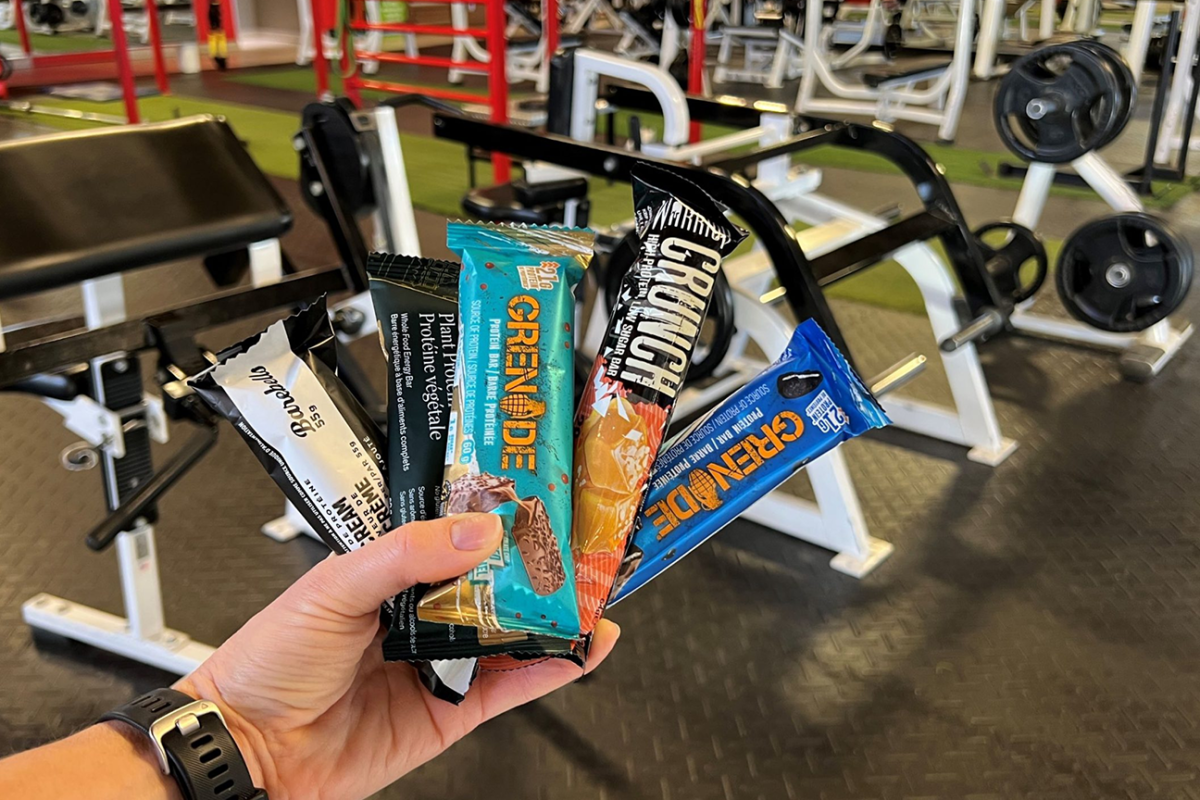
6. Grenade Protein Bar (Oreo and Other Flavours)

Protein: 20 to 23g Best for: Excellent taste while staying focused on muscle gain

Grenade is imported but widely available in Pakistan through Daraz and larger supplement retailers. The Oreo flavour in particular hits that dessert craving without derailing nutrition. For anyone who finds most protein bars boring or unpleasant, Grenade is worth the slightly higher price.

7. SuperYou Protein Wafer Bars

Protein: 10g Best for: Light mid-day high protein snack between meals

SuperYou uses yeast-fermented protein and includes gut-friendly beta-glucans and prebiotics. It is light, crunchy, and not overwhelming — ideal for the mid-morning or afternoon window when something is needed to bridge the gap between meals and maintain daily protein intake.

8. Hemptyful Superseed Bars (Plant-Based)

Protein: 5 to 10g from plant sources Best for: Vegan or plant-based muscle gain and recovery

Made with pea and hemp protein, loaded with omega-3 and omega-6 healthy fats, and free from soy, gluten, and lactose. For people on plant-based diets who are serious about muscle growth, Hemptyful is one of the better options currently accessible in Pakistan.

9. Whey91 Cookies and Cream Protein Bar

Protein: 20g Best for: Post-workout muscle recovery with excellent taste

20g of whey protein plus Lactoferrin — a natural immunity booster found in milk — makes this a solid choice for muscle gain and overall recovery. The cookies and cream flavour is genuinely satisfying, and the no artificial flavouring label is a nice bonus.

10. Crave Plant-Based Protein Bar

Protein: 15g Best for: Vegans who want crunchy, tasty high protein snacks

Made from nut butters, rice crisps, and wafers with 15g of plant protein and zero added sugar. Flavours like chocolate, peanut butter, and hazelnut butter make this feel more like a treat than a supplement — which is exactly what makes it easy to stay consistent with.
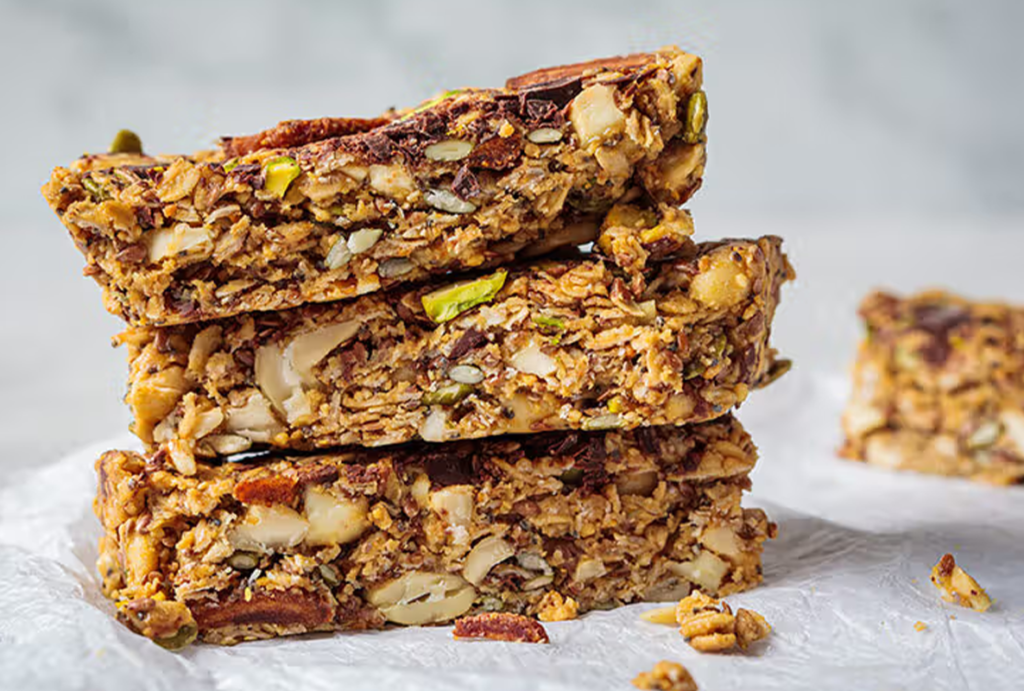
Open protein bar showing layers of nuts and chocolate – high quality protein bars for muscle gain in Pakistan – Hamza The Dietitian

How to Choose the Right Protein Bar for Muscle Gain in Pakistan

When picking up a bar, flip it over and check these numbers before buying:

  • Protein: Minimum 15 to 20g per bar for meaningful muscle gain support
  • Sugar: Less than 8 to 10g total, ideally under 5g added sugar
  • Fibre: 3g or more for better satiety and digestion
  • Fats: Avoid trans fats and palm oil where possible

For most people just starting out, MuscleBlaze or Phab are the safest first choices — widely available, genuinely effective, and good value for money.

When and How to Eat Protein Bars for Best Muscle Growth Results

Timing matters more than most people realise:

  • Post-workout: Within 30 to 60 minutes after training is the ideal window for muscle recovery
  • Between meals: When daily meals are not quite hitting the protein intake target
  • Pre-workout: Choose lower-fat versions for quicker energy without heaviness during the session

Always drink water or milk alongside the bar — it improves absorption and digestion significantly.

Frequently Asked Questions About Protein Bars for Muscle Gain

Are protein bars actually good for muscle gain?

Yes — when they provide high-quality protein and sit within a proper training and nutrition plan. They are a supplement to good food, not a replacement for it.

Which is the best protein bar for muscle gain in Pakistan right now?

MuscleBlaze and Phab are currently the strongest choices for most gym-goers — excellent protein content, good availability, and honest ingredient lists.

Can beginners use protein bars?

Absolutely. They make hitting daily protein intake goals significantly easier, especially for people new to tracking their nutrition.

Do protein bars cause weight loss or weight gain?

Neither automatically. They cause weight gain only when total daily calories exceed what the body needs. For weight loss combined with muscle gain, choosing low-sugar versions and tracking total intake is the key.

How many protein bars per day is reasonable?

One to two maximum. They should complement whole food meals — not replace them. Eggs, chicken, dal, and paneer should still form the foundation of daily protein intake.

Are plant-based protein bars effective for muscle gain?

Yes — especially bars with a blend of pea, rice, or hemp protein that together provide a complete amino acid profile comparable to animal-based sources.
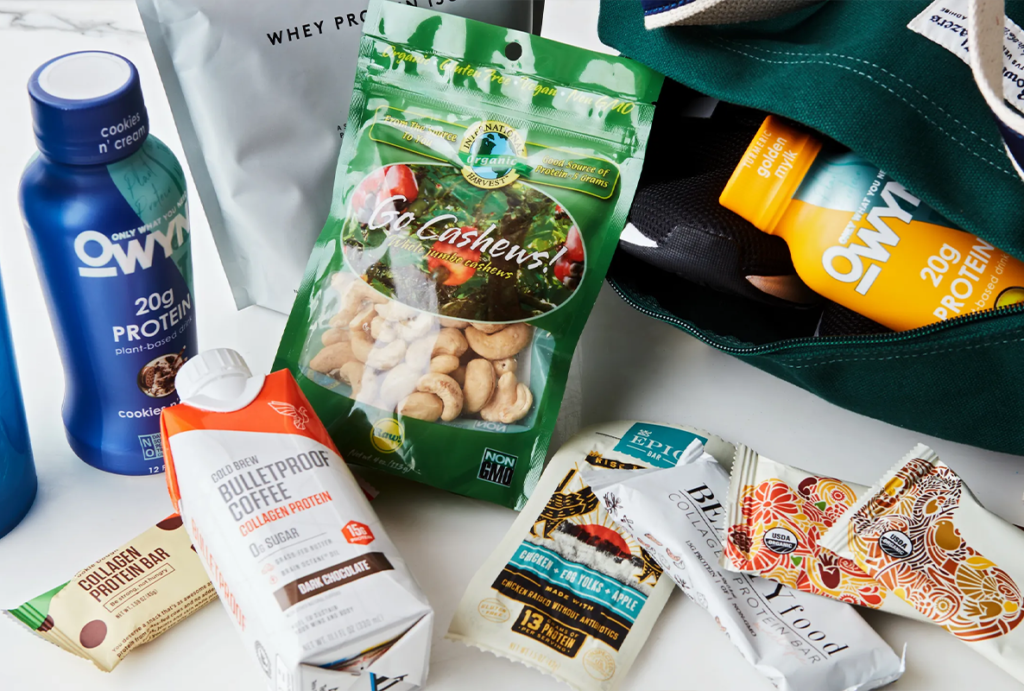
Ready to Fuel Muscle Gain the Smart Way?

The right protein bars for muscle gain and recovery make hitting protein goals easy, consistent, and genuinely enjoyable — even on the busiest days. Stop leaving the post-workout window empty and start giving those muscles what they need to grow.

📞 Call/WhatsApp: +92 300 0172509 📧 Email: hamzathedietitian@gmail.com 🌐 Visit: hamzathedietitian.com

Personalised meal plans, real ongoing support, and practical guidance built around training goals and Pakistani lifestyle. Book a consultation today.

Related reads:

Final Thoughts: Choose Protein Bars for Muscle Gain Wisely

The best protein bars for muscle gain and recovery deliver high-quality protein, low added sugar, and real value for money. Used consistently alongside a solid training programme and whole food meals, they genuinely accelerate results.

Use them as a smart supplement — not a replacement for eggs, chicken, dal, and paneer. Train hard, hit the daily protein intake target consistently, recover properly, and the muscle growth will follow.

Hamza The Dietitian Lahore — building stronger, healthier Pakistanis one smart choice at a time.







Black pepper for weight loss

Black Pepper for Weight Loss: 6 Powerful Ways Kali Mirch Can Help You Slim Down Naturally

Think about your kitchen right now. Somewhere in there — next to the zeera, the haldi, the dhania — there is almost certainly a small container of kali mirch. We shake it over dal without thinking. We grind it into omelettes, sprinkle it on sabzi, and sometimes even add a pinch to chai. It is just there, always has been, part of the background noise of Pakistani cooking.

What most people do not realise is that this everyday spice is quietly doing something quite significant for the body — and for anyone trying to lose weight, it deserves far more attention than it gets.
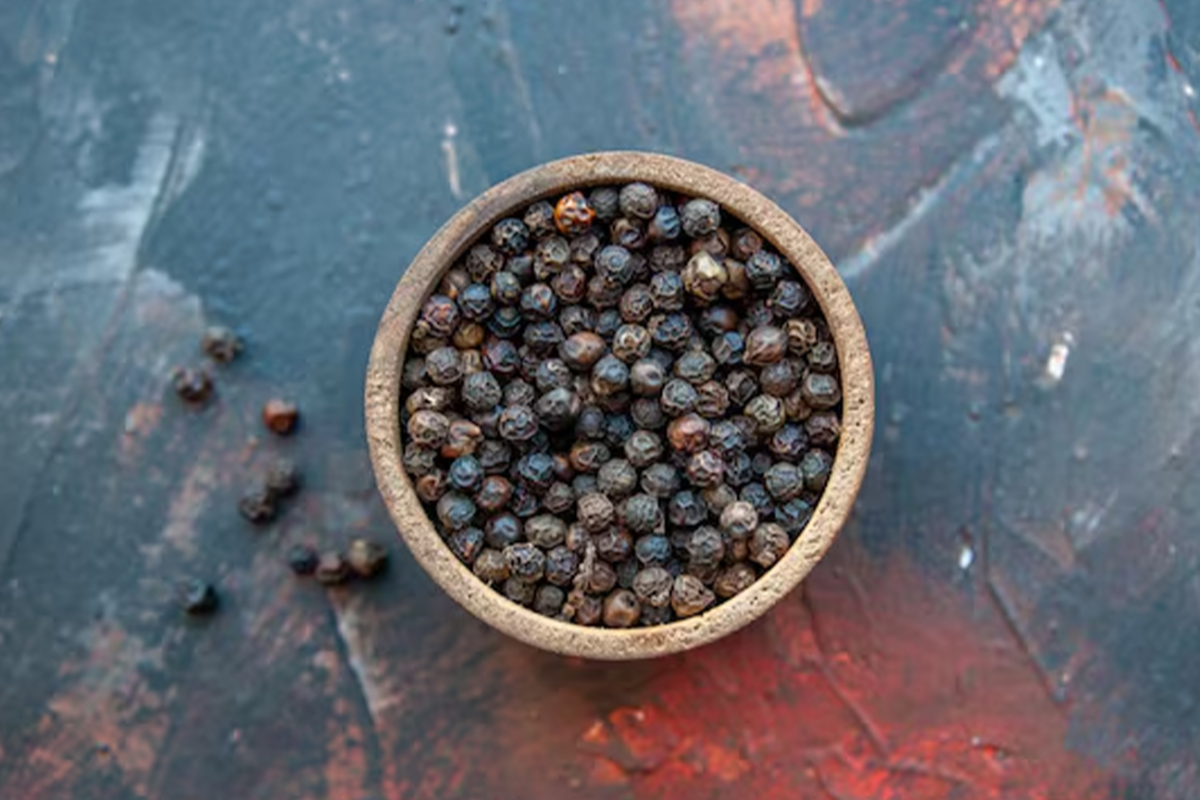
Black pepper for weight loss works through a compound called piperine — the thing responsible for that sharp, warming bite. Piperine can genuinely support metabolism boost, help control appetite, slow fat accumulation, and stabilise blood sugar levels. It is not a miracle. Nothing edible is. But when used consistently alongside balanced meals, it gives a weight loss effort a real, natural boost that costs almost nothing.

Many clients in Lahore have noticed faster progress with stubborn belly fat after making black pepper a more deliberate part of their daily routine — not more food, just smarter use of what was already there. This guide covers exactly how black pepper for weight loss works, the best Pakistani-friendly ways to use it, and what to watch out for.

How Black Pepper Helps With Weight Loss — The Science Made Simple

Everything comes back to piperine — the active compound that gives black pepper its distinctive heat and smell. Here is what it actually does inside the body:

Boosts Metabolism Piperine stimulates thermogenesis — heat production in the body — which means more calories get burned even during rest. That metabolism boost is small but consistent, and consistency is what matters most over weeks and months.

Works as a Natural Appetite Suppressant The sharp, pungent flavour of black pepper signals fullness faster than milder foods. As an appetite suppressant, it helps reduce how much gets eaten at a meal without creating that uncomfortable feeling of deprivation.

Reduces Fat Accumulation Research shows piperine can block the formation of new fat cells — a process called adipogenesis — particularly around the belly and abdomen. Reducing new fat accumulation is just as important as burning existing fat.

Regulates Blood Sugar Levels Piperine improves insulin sensitivity, which prevents the blood sugar spikes and crashes that drive cravings and lead to fat storage. Steadier blood sugar levels throughout the day means fewer moments of reaching for something sweet or processed.

Together, these four actions make black pepper for weight loss one of the most practical, accessible tools available — already sitting in most Pakistani kitchens.

6 Practical Ways to Use Black Pepper for Weight Loss in a Pakistani Kitchen

1. Black Pepper + Warm Lemon Water — Morning Ritual

Best for: Metabolism kickstart and digestion

Recipe: Add half a teaspoon of freshly ground black pepper and the juice of half a lemon to a glass of warm water. Drink on an empty stomach every morning before anything else.

This is one of the simplest habits to build — two ingredients, two minutes, and it sets up metabolism and digestion for the entire day.

2. Black Pepper in Turmeric Milk — Golden Milk

Best for: Night-time fat accumulation reduction and better sleep

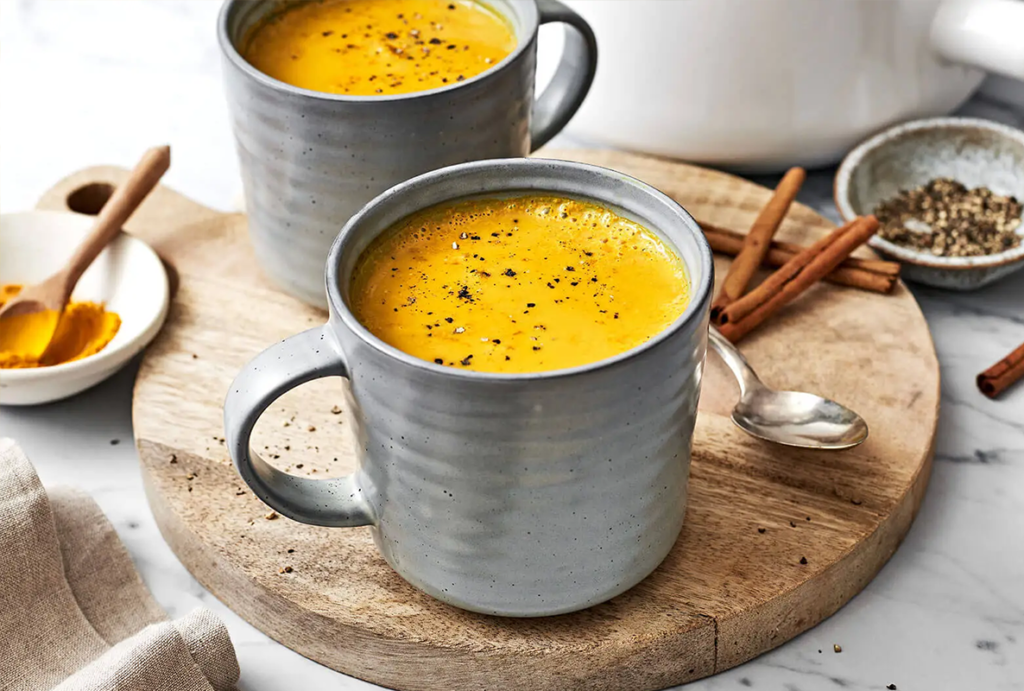
Recipe: Warm one glass of low-fat milk. Add half a teaspoon of turmeric, a pinch of black pepper, and a small piece of fresh ginger. Drink 30 minutes before bed.

The black pepper here does double duty — it supports metabolism and dramatically improves how much curcumin from the turmeric the body actually absorbs.

3. Black Pepper Green Tea

Best for: Mid-morning metabolism boost

Recipe: Brew one cup of green tea and add a pinch of freshly ground black pepper and a lemon slice. Simple, effective, and genuinely enjoyable once the combination becomes familiar.

4. Black Pepper in Daily Pakistani Meals

This is the easiest entry point — no new drinks, no new recipes. Just more deliberate use of what is already being cooked:

  • Dal, sabzi, grilled chicken or fish
  • Raita or fresh salad
  • Boiled eggs or omelette
  • Soups and stews

A generous pinch rather than a light sprinkle makes a real difference in how much piperine actually reaches the body.

5. Black Pepper + Buttermilk (Chaas)

Best for: Post-lunch digestion and appetite control

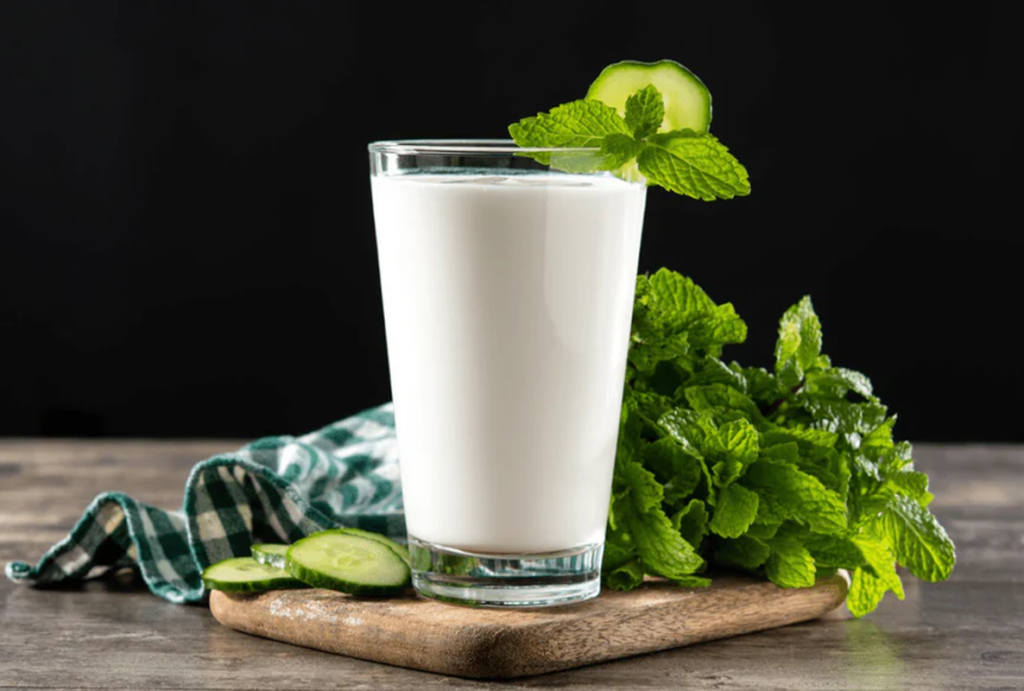
Recipe: Beat 100ml of plain curd with water. Add roasted jeera, fresh mint leaves, and a quarter teaspoon of black pepper. Drink after lunch instead of reaching for something sweet.

6. Black Pepper + Honey-Lemon Detox Drink

Best for: Evening craving control

Recipe: Warm water with half a teaspoon of black pepper, one teaspoon of lemon juice, and half a teaspoon of honey — only if sweetness is genuinely needed. Keep it minimal.

How Much Black Pepper Should Be Used Daily?

  • Start with half a teaspoon per day, split across two to three uses
  • Maximum: one to one and a half teaspoons per day
  • Always use freshly ground black pepper — pre-ground loses piperine content faster than most people realise

Side Effects and Important Precautions

Black pepper is safe for most people at normal amounts. A few things worth knowing:

  • Excessive use can cause stomach irritation, heartburn, or loose motions — start small and build gradually
  • Piperine increases how strongly the body absorbs certain medications — anyone on regular medication should check with their doctor before increasing intake significantly
  • Those with acid reflux or stomach ulcers should be cautious with higher amounts
  • Pregnant or breastfeeding women should stick to normal cooking amounts only

Frequently Asked Questions About Black Pepper for Weight Loss

How long before results show with black pepper for weight loss?

Reduced bloating and better digestion usually appear within 7 to 10 days. Visible weight loss results typically show within 4 to 8 weeks when combined with balanced meals and consistent movement.

Does black pepper reduce belly fat specifically?

Yes — piperine helps prevent new fat cell formation particularly around the abdomen, making it genuinely useful for people carrying stubborn belly weight.

Can black pepper be added to chai for weight loss?

Yes — a pinch in regular chai is perfectly fine. Keep the sugar minimal or skip it entirely for the best results.

Is black pepper safe for PCOS and thyroid patients?

Yes — in moderate amounts it actually supports insulin sensitivity and metabolism, both of which are directly relevant for PCOS management.

Should black pepper supplements be used instead of whole spice?

Whole spice used in food is safer and more effective for most people. Supplements should only be taken under medical guidance when specific therapeutic doses are needed.

Can men also use black pepper for weight loss?

Absolutely — the metabolism boost, appetite suppressant, and blood sugar benefits apply equally to men and women.

Ready to Add Black Pepper to Your Weight Loss Journey?

No expensive supplements needed. No new ingredients to hunt down. A spice already sitting in the kitchen can genuinely support metabolism boost, help control appetite, and contribute to meaningful weight management — when used consistently and deliberately.

📞 Call/WhatsApp: +92 300 0172509 📧 Email: hamzathedietitian@gmail.com 🌐 Visit: hamzathedietitian.com

Personalised meal plans, real ongoing support, and practical advice built around your Pakistani lifestyle and goals. Book a consultation today.

Related reads:

Final Thoughts: Black Pepper for Weight Loss Is Simpler Than You Think

Black pepper for weight loss works through piperine — boosting metabolism, acting as a natural appetite suppressant, preventing fat accumulation, and stabilising blood sugar levels. Four real mechanisms. One humble spice. Already in the kitchen.

Start small. Add a pinch to morning lemon water or evening haldi doodh. Stay consistent. Combined with balanced meals and regular movement, steady and sustainable results will follow.

The secret was already there. Now it is time to use it properly.

Stay consistent, stay healthy.

Hamza The Dietitian Lahore — helping Pakistan lose weight the natural, tasty way.


Morning drinks for weight loss

7 Best Morning Drinks for Weight Loss (Better Than Coffee)

Most people wake up and reach for the same thing every single morning. A big cup of chai. Or strong coffee. It is familiar, comforting, and feels like it helps.
But here is something worth knowing: that first drink of the day is doing more than just waking you up. It is setting the tone for your metabolism, appetite, digestion, and hydration for the entire day. And for most people, their current first drink is not doing any of those things well.
Too much caffeine on an empty stomach spikes cortisol, triggers hunger an hour later, and leaves many people jittery then crashing by mid-morning. There is a smarter way to start the day — especially when weight loss is one of your goals.
These 7 morning drinks for weight loss are natural, affordable, and easy to prepare in any Pakistani kitchen. They improve hydration, support metabolism, aid digestion, and keep cravings quiet — all without the downsides of too much caffeine. Many clients in Lahore notice real changes in energy and waistline within three to four weeks of making this simple morning switch.

Why the First Drink of the Day Matters for Weight Loss

The body wakes up mildly dehydrated after six to eight hours without water. The very first drink either helps or hurts the hours that follow.

The right morning drinks for weight loss do several things at once — they rehydrate properly, gently wake up digestion, provide clean energy without a spike-and-crash cycle, and reduce the inflammation quietly linked to stubborn weight loss resistance.

The wrong drink — something sweet, milky, or heavily caffeinated — can spike blood sugar, increase hunger earlier than it should arrive, and start a cycle of cravings that is hard to break by afternoon.

Here are the 7 best options, with simple recipes and timing tips for each.

1. Warm Lemon Water — The Easiest Metabolism Starter

This is the one recommended first to almost every new client — because it is simple, costs almost nothing, and genuinely works.

How it helps:

  • Rehydrates the body after overnight fasting before anything else
  • Supports digestion and liver function first thing in the morning
  • Vitamin C supports fat burning and reduces bloating

Recipe: Warm one glass of water, squeeze in half a lemon, add a small pinch of black salt if preferred.

Drink on an empty stomach, 20 to 30 minutes before breakfast. One of the most effective morning drinks for weight loss available — and it takes under two minutes to prepare.

2. Fresh Coconut Water — Natural Electrolyte Drink

Coconut water is low in calorie intake, naturally sweet, and packed with potassium and magnesium. It feels indulgent but is genuinely doing the body a favour.

Benefits for weight loss:

  • Excellent hydration without any added sugar
  • Reduces morning cravings before they build
  • Replenishes electrolytes lost overnight

Tip: Fresh coconut water from a street vendor is always better than packaged versions, which often have added sugar. Drink 250 to 300ml first thing. In Pakistan’s warmer months especially, this one is hard to beat.

3. Green Tea — Gentle Fat Burning Boost

Green tea contains catechins that support fat burning and give metabolism a gentle, sustained lift — without the jitters from strong coffee.

Best for:

  • Steady, clean energy without crashing an hour later
  • Better focus through the morning
  • Mild appetite control that makes breakfast feel manageable

Recipe: Steep one green tea bag in hot water for two to three minutes. Add fresh lemon slices and a few mint leaves for a version that actually tastes good.

Best time: 30 to 45 minutes after waking, not immediately on an empty stomach.

4. Turmeric Milk (Golden Milk) — Anti-Inflammatory Morning Drink

Haldi doodh has been part of Pakistani and South Asian homes for generations — and the science behind it is solid. Curcumin in turmeric reduces chronic inflammation directly linked to weight loss resistance and metabolism slowdown.

Benefits:

  • Soothes digestion and reduces morning bloating
  • Supports metabolic function over time
  • Anti-inflammatory effects that compound with consistent daily use

Recipe: Warm one glass of low-fat milk or plant-based milk. Add half a teaspoon of turmeric, a pinch of black pepper — this dramatically improves curcumin absorption — and a small piece of fresh ginger. Drink warm.

5. Ginger-Cinnamon Tea — Appetite Control and Digestion Support

This combination works beautifully for clients who struggle with morning hunger or blood sugar swings that lead to overeating later in the day.

Benefits:

  • Reduces morning bloating noticeably within a few days
  • Improves digestion and gut motility
  • Helps stabilise blood sugar, preventing the mid-morning hunger crash

Recipe: Boil water with three to four fresh ginger slices and one small cinnamon stick. Simmer for five minutes, strain, and drink warm. No sugar needed — cinnamon adds natural sweetness.

6. Buttermilk (Chaas) — Light, Probiotic, and Filling

Chaas is underrated as a morning drink for weight loss — most people think of it as a lunch drink. But it is one of the most effective options for staying full, supporting gut health, and staying hydrated without adding significant calorie intake.

How it supports weight loss:

  • Keeps the stomach full and satisfied longer than most drinks
  • Improves gut health and digestion through natural probiotics
  • Extremely refreshing and easy on the stomach in Pakistan’s heat

Recipe: Whisk 100ml of plain yoghurt with 300ml of cold water. Add roasted zeera powder, fresh mint leaves, and a small pinch of salt. Done in under a minute.

7. Bulletproof Tea — Sustained Energy Version

A lighter, Pakistani-friendly take on bulletproof coffee — using strong black tea with a small amount of healthy fat instead of coffee.

Benefits:

  • Long-lasting energy that carries well past breakfast
  • Supports fat burning by providing MCTs in a gentle form
  • Keeps hunger quiet until a proper lunch

Recipe: Brew strong black tea. Add half a teaspoon of pure desi ghee or coconut oil and a pinch of cinnamon. Blend well for 20 seconds so it emulsifies properly. Drink warm.

Sample 7-Day Morning Drinks for Weight Loss Rotation

Variety keeps this sustainable and ensures different benefits across the week:

  • Monday: Warm lemon water
  • Tuesday: Fresh coconut water
  • Wednesday: Green tea with lemon
  • Thursday: Turmeric milk
  • Friday: Ginger-cinnamon tea
  • Saturday: Buttermilk
  • Sunday: Bulletproof tea

Rotate through the week, notice which drinks the body responds to best, and build from there.

Frequently Asked Questions About Morning Drinks for Weight Loss

Which is the single best morning drink for weight loss?

Warm lemon water is the easiest starting point for most people — simple, effective, and accessible to everyone regardless of budget or lifestyle.

Can coffee still be part of the routine?

Yes — one cup of black coffee is completely fine. The idea is to replace second and third morning drinks with these options, not to quit coffee entirely if it is genuinely enjoyed.

How soon will results show?

Better energy and noticeably reduced bloating usually appear within 7 to 10 days. Visible weight loss typically shows within 3 to 4 weeks when these drinks are combined with balanced meals and consistent habits.

Are these drinks safe for people with PCOS or diabetes?

Yes — particularly turmeric milk, green tea, and lemon water. They actively support blood sugar stability and reduce inflammation associated with both conditions.

Should sugar or honey be added?

For weight loss purposes, keep all drinks completely unsweetened. The natural flavours become genuinely enjoyable once the palate adjusts — which happens faster than most people expect.

How much water should be consumed overall?

Aim for 2.5 to 3.5 litres per day total, including these morning drinks. More if active or in particularly hot weather.

Ready to Upgrade Mornings and Support Weight Loss?

The first drink of tomorrow morning is a small decision that adds up to enormous results over weeks and months. These morning drinks for weight loss are simple, affordable, and built around what actually works in Pakistani kitchens and lifestyles.

📞 Call/WhatsApp: +92 300 0172509 📧 Email: hamzathedietitian@gmail.com 🌐 Visit: hamzathedietitian.com

Personalised meal plans, real ongoing support, and practical guidance designed around specific goals and routines. Book a consultation today.

Related reads:

Final Thoughts: Start Every Day with Smarter Morning Drinks

The best morning drinks for weight loss are not expensive or complicated. Warm lemon water, fresh coconut water, green tea, turmeric milk — natural, hydrating, metabolism-friendly drinks that cost almost nothing and deliver real results when used consistently.

Key things to remember:

  • Hydration first thing every morning is one of the highest-return habits possible
  • Natural ingredients always beat sugary or artificial drinks for long-term weight loss
  • Consistency matters far more than perfection
  • Pair these drinks with balanced meals for noticeably faster results

Try this for 21 days. Notice the difference in energy, cravings, and the way clothes fit. The body responds beautifully when given the right start.

Hamza The Dietitian Lahore — helping Pakistan lose weight the smart, sustainable way.


Superfoods for gynaecological health

Superfoods for Gynaecological Health: 7 Everyday Foods Every Pakistani Woman Should Add in 2026

Irregular periods. Cramps so bad plans get cancelled. That heavy, exhausted feeling that drags on for days during the cycle. Or the ongoing battle of managing PCOS while everyone around acts like it is just a minor inconvenience.
These are not “normal woman things” that simply have to be accepted. They are the body’s way of signalling that it needs better support — and in most cases, that support starts with food.
Working with hundreds of women every month in Lahore reveals one consistent pattern: most women are focused on weight or skin, but almost nobody is thinking about superfoods for gynaecological health. The honest truth is that some of the most powerful tools for hormonal balance, period comfort, and reproductive health are already sitting in the kitchen. The missing piece is knowing what they are and how to use them consistently.

Many gynaecologists agree — consistent intake of the right foods can make a meaningful difference in PCOS, painful periods, heavy flow, and even fertility. Here are the 7 most effective, evidence-backed foods with practical Pakistani ways to use them every day.

Why Gynaecological Health Needs Special Nutritional Attention in Pakistan

Pakistani women face a specific combination of challenges that most generic health advice completely ignores. High-carb daily diets — roti, rice, mithai at every gathering. Stress from managing joint family responsibilities alongside work. Irregular sleep. And very limited awareness about which micronutrients actually matter for women’s health.

The result shows up in clinics every day:

  • PCOS — extremely common in our population and getting more so
  • Iron-deficiency anaemia that worsens every single cycle
  • Severe PMS, cramps, and mood crashes
  • Hormonal acne and stubborn belly weight
  • Recurrent infections that keep coming back

The right superfoods for gynaecological health work from the inside — balancing hormones, calming inflammation, building iron stores, and supporting the healthy bacteria the gut and vaginal flora both depend on. Here are the seven that consistently make the biggest difference.

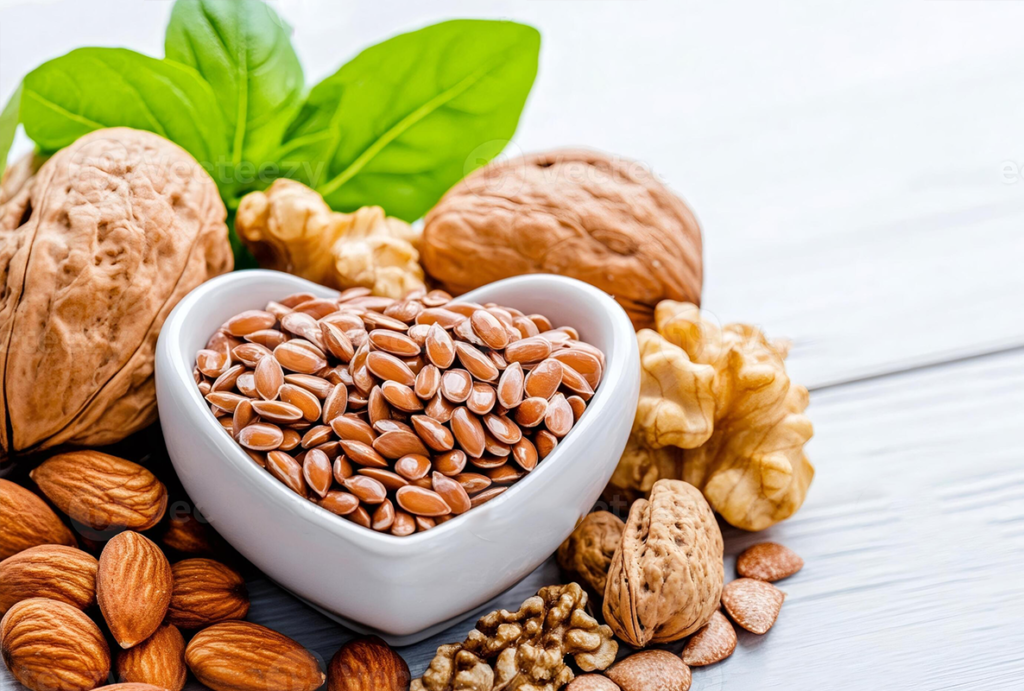
1. Flaxseeds (Alsi) — The Most Powerful Natural Hormone Balancer

If there is one food worth recommending to almost every woman dealing with PCOS or irregular cycles, it is flaxseeds. They are rich in lignans — plant compounds that help the body process estrogen more efficiently, which is exactly what so many women with hormonal balance issues need.

What they do:

  • Reduce period pain and breast tenderness
  • Help regulate cycles that are irregular or unpredictable
  • Support healthy estrogen metabolism long-term

Pakistani way to use them:

  • Grind one tablespoon fresh every morning — whole seeds pass through without benefit
  • Stir into dahi, add to a smoothie, or sprinkle over roti or salad
  • Best taken on an empty stomach or with breakfast

Clients with PCOS consistently report noticeably more regular cycles within 6 to 8 weeks of adding one spoon of ground alsi daily. One ingredient. One spoon. Consistent results.

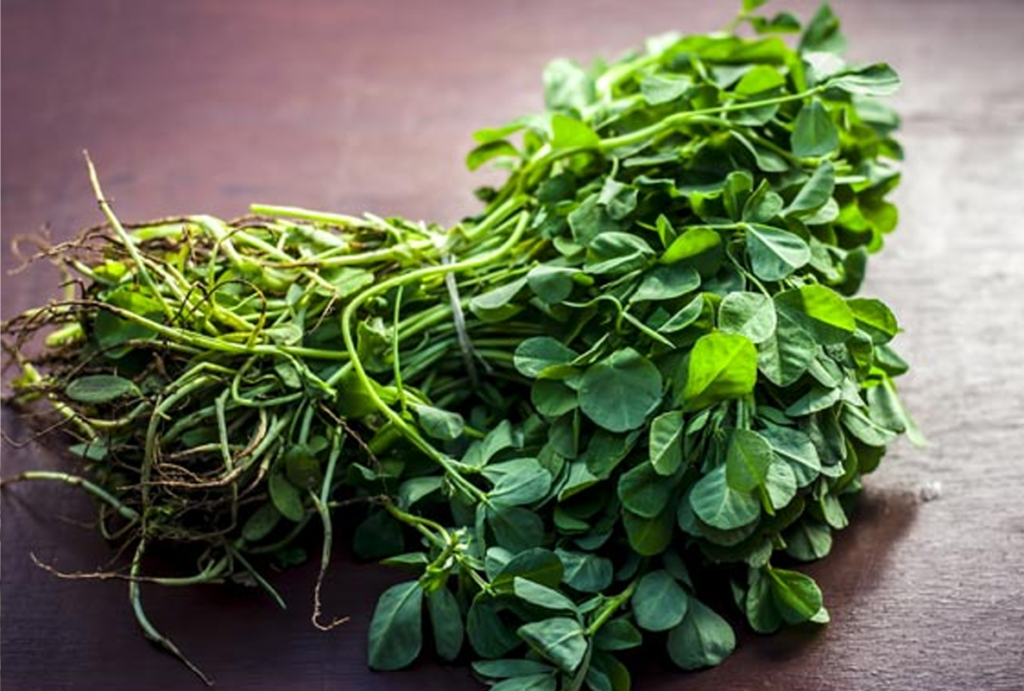
2. Green Leafy Vegetables (Palak, Methi, Bathua, Sarson) — Iron and Folate Powerhouse

These are the unsung heroes of menstrual health — cheap, local, and available everywhere in Pakistan. Palak, methi, bathua, and sarson are loaded with iron, folate, magnesium, and vitamin K — everything the blood and ovaries genuinely need.

How they help:

  • Fight anaemia and the fatigue and dizziness that come with it during periods
  • Reduce heavy bleeding over time
  • Support healthy ovulation and egg quality

Easy Pakistani tips:

  • Add extra palak or methi to dal or sabzi every single day — it takes 30 seconds
  • Make sarson ka saag through winter — genuinely one of the best reproductive health foods available
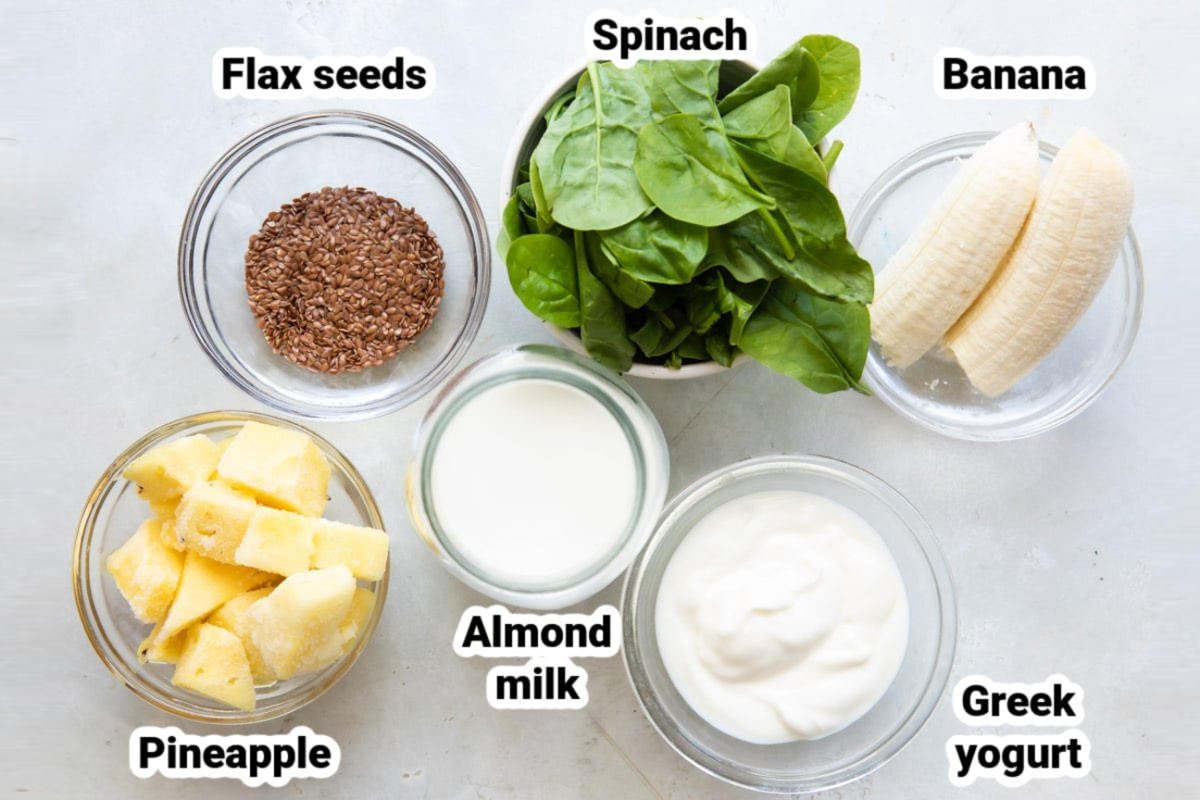
  • Blend a small handful into a morning smoothie for those who struggle with the taste

Aim for two to three servings daily. Haemoglobin levels reflect the difference within weeks.

Superfoods for gynaecological health

3. Yoghurt and Probiotic Foods — For Vaginal and Gut Health

Healthy vaginal flora depends entirely on good bacteria. Plain homemade dahi is one of the cheapest, most accessible sources of those bacteria available anywhere in Pakistan.

Benefits:

  • Prevents recurrent yeast infections and bacterial vaginosis that many women suffer through repeatedly
  • Improves digestion and reduces the bloating that gets worse during periods
  • Supports overall immunity from the gut outward

Daily use:

  • One small bowl of plain dahi with every meal — not the sweetened packaged kind
  • Raita with cucumber and mint for a version that is genuinely enjoyable
  • Homemade lassi with very little sugar as an afternoon drink

This is one of those habits that feels small but makes a consistent, noticeable difference in gynaecological well-being over weeks and months.

4. Turmeric (Haldi) — Natural Anti-Inflammatory for Cramps and PCOS

Haldi has been in Pakistani and South Asian kitchens for centuries — and it turns out our grandmothers were onto something real. Curcumin, the active compound in turmeric, is a genuinely powerful anti-inflammatory that helps with pelvic pain, endometriosis, fibroids, and the chronic inflammation that drives so many PCOS symptoms.

Best ways for Pakistani women:

  • Golden haldi doodh every night before bed — use low-fat milk or almond milk
  • Extra haldi in daily dal, sabzi, and chicken — more than seems necessary
  • Always add a small pinch of kali mirch and a little fat when cooking — this dramatically improves curcumin absorption

Done consistently over several weeks, the reduction in cramps and pelvic discomfort is something many clients comment on unprompted — without being asked.

5. Berries and Vitamin C Rich Fruits (Strawberry, Amla, Anar, Guava)

These fight oxidative stress at the cellular level and support both egg quality and hormonal balance — which matters enormously for reproductive health and PCOS management.

Local alternatives that work just as well:

  • Amla — the highest natural source of vitamin C available and widely accessible in Pakistan
  • Anar (pomegranate) — excellent for blood flow and cycle regularity
  • Guava — cheap, delicious, and available almost year-round

One to two servings daily, with particular attention to the second half of the cycle when nutritional support matters most for menstrual health.

6. Omega-3 Sources (Alsi, Walnuts, Chia, Fatty Fish)

Omega-3 fats are one of the most effective nutritional tools for reducing period cramps, managing mood swings, and calming the inflammation that sits at the root of PCOS and many other gynaecological health concerns.

Vegetarian options that work well in Pakistan:

  • One tablespoon of ground flaxseeds daily
  • A handful of walnuts every day — easy, filling, and genuinely effective
  • Chia seeds soaked overnight in water or stirred into dahi in the morning

For those who eat fish, rohu and other local varieties provide good omega-3 support as well.

7. Nuts and Seeds (Pumpkin Seeds, Sesame, Almonds)

Pumpkin seeds, sesame, and almonds provide zinc, magnesium, and vitamin E — three nutrients directly involved in hormone production, cycle regularity, and overall hormonal balance.

Simple habit that actually sticks:

  • Keep a small jar with a mix of pumpkin seeds, sesame, and almonds at the desk or in the bag
  • Eat one small handful every evening as a snack
  • Zero effort once the jar is prepared — and it genuinely adds up over time

How to Fit These Superfoods for Gynaecological Health Into a Busy Pakistani Routine

No kitchen overhaul needed. Start here:

  • Morning: One teaspoon ground flaxseeds added to whatever is already being eaten + warm haldi doodh if manageable
  • Lunch and dinner: Extra sabzi or greens + one bowl of plain dahi
  • Evening snack: Small handful of mixed nuts + a piece of fresh fruit
  • Night: Warm haldi doodh or a small glass of homemade lassi

Pick two or three of these to start. Small, consistent changes will always outperform a perfect plan that cannot be sustained past the first week.

Frequently Asked Questions About Superfoods for Gynaecological Health

Can these superfoods really help with PCOS?

Yes — flaxseeds, turmeric, and omega-3 sources are especially well-supported for insulin resistance and hormonal balance in PCOS. They are not a replacement for medical care when that is needed, but the nutritional evidence behind them is genuine.

How long before results show for menstrual health?

Most women notice lighter cramps and better energy within 4 to 6 weeks of consistent use. Hormonal balance changes take longer — typically 2 to 3 full cycles. Patience matters here.

Is moringa or green tea better than these foods?

These whole foods work more comprehensively than any single tea. They can absolutely be combined — moringa with ground flaxseeds, for example, is a genuinely good pairing for women’s health.

Can these be eaten during periods?

Absolutely. Turmeric, flaxseeds, and green leafy vegetables are particularly excellent during menstruation — they reduce pain, replenish iron, and support the body through its most demanding days.

Are there any side effects?

These are foods that have been part of Pakistani food culture for generations. The only caution is with flaxseeds — start with half a teaspoon and build up slowly, as too much too soon can cause loose motions in some people.

Should supplements be taken instead of food?

A food-first approach is always better for long-term gynaecological health. Supplements have their place, but only when blood tests show a clear deficiency that food alone cannot address fast enough.

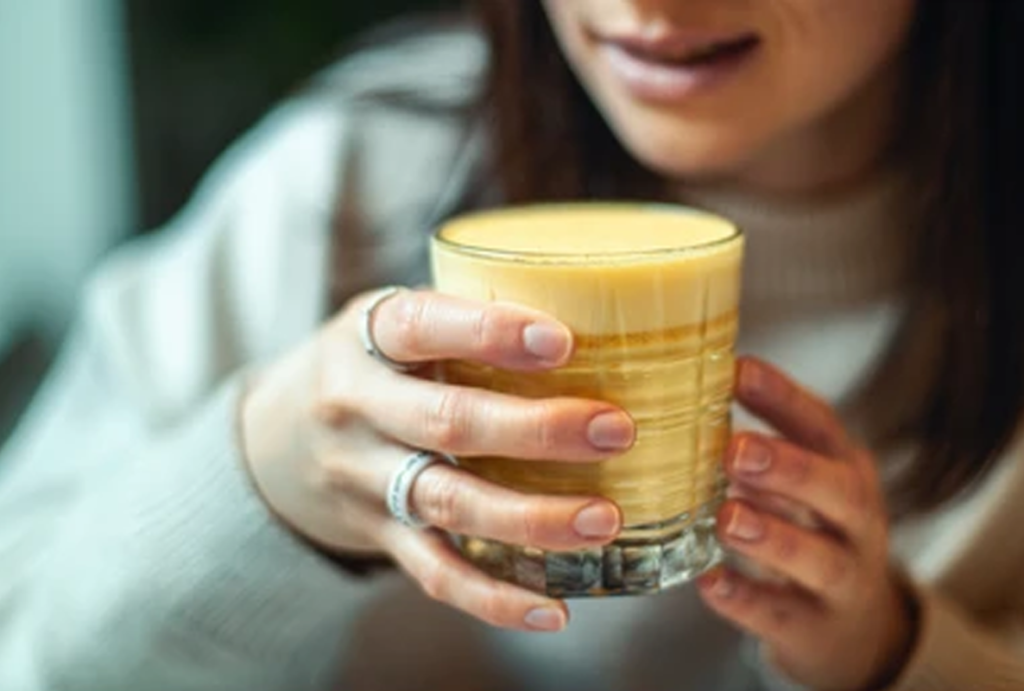
Happy Pakistani woman drinking turmeric milk with smile – supporting women's health and gynaecological well-being naturally – Hamza The Dietitian

Ready to Support Gynaecological Health Naturally?

No expensive treatments or strict, complicated diets needed. Small, consistent additions of these superfoods for gynaecological health can bring real relief — more regular cycles, less pain, better energy, and long-term reproductive health that does not depend entirely on medication.

📞 Call/WhatsApp: +92 300 0172509 📧 Email: hamzathedietitian@gmail.com 🌐 Visit: hamzathedietitian.com

Personalised meal plans, real ongoing support, and practical guidance built around Pakistani lifestyle and specific health situations. Book a consultation today.

Related reads:

Final Thoughts: Superfoods for Gynaecological Health Are Simpler Than You Think

The most powerful superfoods for gynaecological health are not exotic imports or expensive supplements. They are flaxseeds, haldi, palak, dahi, and a handful of nuts — foods that have been in Pakistani kitchens for generations, just waiting to be used more deliberately.

Start with one or two this week. Add another the week after. The body responds — with more regular cycles, gentler periods, better energy, and the kind of long-term reproductive health and hormonal balance that makes every day of the month feel more manageable.

Every woman deserves to feel good every single day — not just the days away from her period.

Stay consistent, stay nourished.

Hamza The Dietitian Lahore — helping Pakistani women bloom from the inside out.

Sustainable nutrition habits

Sustainable Nutrition Habits for 2026: 11 Simple Changes That Actually Last

Every January it starts. Social media fills up with the same promises. “No carbs after 6pm.” “Green juice only for 30 days.” “Keto until I lose 15 kg.” People go hard for two, maybe three weeks — and then quietly, one paratha at a time, everything goes back to exactly how it was before. And then comes the guilt.
Sound familiar?
Here is what I have seen in years of working with clients across Pakistan: the problem is never willpower. The problem is the approach. Crash diets and extreme nutrition goals are designed to fail. They burn you out physically, slow your metabolism, create serious nutrient gaps, and almost always end in rebound weight loss that puts everything back on — plus a little extra.
In 2026, let us try something completely different.
Instead of punishing yourself with another strict plan, focus on sustainable nutrition habits — small, realistic changes that actually fit your real life. Office deadlines. Family dinners. Wedding season. Winter cravings. Traffic stress. These 11 habits are built around the Pakistani lifestyle, not against it. And they work because you can actually keep them.

1. Stop Obsessing Over the Scale — Focus on How You Feel

The number on the scale tells you almost nothing about your actual health. And for most people, stepping on it every morning is one of the fastest ways to kill motivation before the day has even started.

Better questions to ask yourself every week:

  • Do I have steady energy all day or am I crashing at 3pm?
  • Is my digestion comfortable and regular?
  • Am I sleeping well?
  • Do my clothes feel comfortable?
  • Am I getting sick less often?

When you shift the goal from “lose 10 kg by January 31st” to “feel lighter, stronger, and more consistent”, something interesting happens — the pressure drops, and consistency actually rises.

I had a client, a 34-year-old working mother from Gulberg, who used to cry every Monday morning on the weighing scale. We changed her goal completely. Instead of tracking weight, we focused on one thing: protein and vegetables in every meal. Four months later she had lost 7 kg — without ever feeling deprived — and her energy was completely transformed. The scale followed the habits, not the other way around.

2. Use the One-Plate Rule Instead of Calorie Counting

Counting every roti, every spoonful of ghee, every handful of rice — it drives most Pakistani people completely crazy within a week. And it is not sustainable.

Here is a simpler visual rule that works far better in real kitchens:

Fill half your plate with vegetables or salad. One quarter with protein — dal, chicken, fish, egg, or paneer. One quarter with your grain — roti, rice, or brown rice. Add one teaspoon of ghee or oil, and a small bowl of dahi or raita on the side.

That is it. That single habit automatically improves your nutrient balance, fibre intake, and portion control — no apps, no scales, no stress. It is the foundation of a balanced diet that actually fits Pakistani mealtimes.

3. Make Breakfast Non-Negotiable — But Keep It Simple

Skipping breakfast is one of the most common patterns I see in clients who struggle with energy crashes, cravings, and overeating at lunch. When you skip the morning meal, your blood sugar drops, your body goes into stress mode, and by 11am you are reaching for whatever is closest — usually something processed.

Quick Pakistani breakfasts that take under 10 minutes and genuinely keep you full:

  • Two whole eggs with one roti and cucumber or tomato slices
  • Dalia cooked in low-fat milk with a banana and four almonds
  • Two small besan cheelas with green chutney and dahi
  • Leftover sabzi with roti and a bowl of dahi

Protein and fibre together in the morning is the combination that keeps hunger away until lunch. Simple, cheap, and genuinely effective for healthy eating habits.

Sustainable nutrition habits

4. Treat Processed Snacks as Occasional — Not Daily

Nimco, biscuits, chips, packaged juices, maida rusks — somewhere along the way these became everyday foods in most Pakistani households. They are easy, they are everywhere, and they are quietly doing a lot of damage to energy, inflammation, and weight loss progress.

The new habit is simple: limit these to once or twice a week at most. Replace them daily with:

  • Roasted chana or makhana
  • Fruit chaat — apple, guava, pomegranate
  • A small handful of almonds or walnuts
  • Homemade popcorn with very little oil
  • Carrot or cucumber sticks with a dahi dip

It sounds like a small swap. But done consistently, the difference in how you feel within two to three weeks is genuinely noticeable — less bloating, steadier energy, better weight management.

5. Drink Water First — Before Anything Else

One of the most underrated sustainable nutrition habits is also one of the simplest. Most people are mildly dehydrated for most of the day — and the body often signals dehydration as hunger, which leads to unnecessary snacking.

Build this into your routine:

  • First thing after waking up: two glasses of warm water, with lemon if you like
  • One glass of water before every meal
  • Carry your bottle everywhere and aim for 2.5 to 3.5 litres daily, more if you are active

A practical winter tip: in the cold months many people completely forget water because they do not feel thirsty. Keep a steel glass on your desk as a visual reminder. You will drink far more than you would otherwise.

6. Add One Extra Vegetable Serving Every Single Day

Pakistani cooking already includes good dal and sabzi — but the portions are often quite small relative to the roti or rice on the plate. One simple upgrade makes a significant difference.

Add one extra bowl of cooked or raw vegetables to both lunch and dinner. Bhindi, tori, palak, lauki, broccoli, cabbage, karela, a fresh salad — whatever is available and in season.

More vegetables means more fibre, better digestion, longer fullness, improved blood sugar control, and lower inflammation. It is one of the highest-return habits in the entire list — and it costs almost nothing extra.

7. Set Monthly Micro-Goals Instead of Overwhelming Yearly Ones

Yearly nutrition goals feel enormous. They sit in the back of your mind as a vague, distant pressure that is easy to ignore until February, when most people give up entirely.

Monthly goals feel achievable. They give you something specific to focus on right now, and each completed month builds real momentum and confidence.

Examples that work well for Pakistani lifestyles:

  • January: Eat protein in every meal
  • February: Cut sugary drinks to three times a week or less
  • March: Walk for 25 minutes five days a week
  • April: Try one new vegetable every week

Small wins build the kind of consistency that creates sustainable weight loss and a genuinely healthy lifestyle — not just a good February.

8. Celebrate Non-Scale Victories Every Single Week

The scale moves slowly. Sometimes it does not move at all for two weeks even when you are doing everything right. If that is the only thing you are tracking, it is very easy to feel like nothing is working and give up.

Track these instead:

  • Better, deeper sleep
  • Less bloating after meals
  • More energy in the afternoon instead of a slump
  • Fitting into clothes that felt tight before
  • Fewer cravings for sweets or processed foods
  • Completing your walks consistently
  • Improved mood and less irritability

Write one or two wins every Sunday. This habit alone has kept more of my clients on track through slow weeks than any other single thing I recommend.

9. Never Starve — Nourish Instead

Starvation is not a strategy. It is a fast track to a damaged metabolism, constant hunger, and rebound weight loss that puts everything back on the moment you eat normally again.

If you are hungry all the time, something in your plan is wrong — and the answer is more real food, not less.

Focus on volume and satisfaction together:

  • Load up on low-calorie, high-volume foods — sabzi, salad, soup, dahi
  • Include healthy fats in moderation — a little ghee, a handful of nuts, avocado when available
  • Prioritise protein at every meal — eggs, chicken, fish, dal, paneer

You should finish every meal feeling satisfied and comfortable. Not stuffed. Not still hungry. If you are regularly finishing meals still craving food, your balanced diet needs more protein and fibre.

10. Build a Small Support Circle

Tell one person — a friend, your spouse, a family member — what habit you are working on this month. Ask them to check in with you weekly. Not to judge, not to give advice — just to ask “How’s it going?”

That simple accountability doubles success rates. If you want more support, find a small WhatsApp group of health-focused friends or join an online community with similar healthy lifestyle goals. The people around you shape your habits more than almost anything else.

11. Work With a Professional When Your Situation Needs It

General healthy eating habits work well for most people. But if you are dealing with PCOS, thyroid issues, insulin resistance, high uric acid, or a history of disordered eating — general advice is not enough.

A good dietitian builds a plan around your specific labs, your lifestyle, your culture, and your actual taste preferences. Not a generic PDF downloaded from the internet. Real, personalised guidance that fits your body and your Pakistani kitchen.

Frequently Asked Questions About Sustainable Nutrition Habits

What is the biggest mistake people make with nutrition goals?

Setting completely unrealistic targets — losing 10 kg in 30 days, cutting out entire food groups overnight — that lead to burnout, rebound, and guilt. Small, consistent changes always win over dramatic short-term efforts.

How can I start sustainable weight loss without feeling like I am on a diet?

Focus on adding rather than cutting. More protein, more vegetables, more water. When you add good things consistently, the less helpful habits naturally reduce without the psychological pressure of restriction.

Is it okay to eat roti and rice with sustainable nutrition habits?

Absolutely. Whole wheat roti and brown rice in reasonable portions are completely fine — and for most Pakistanis, giving them up entirely is neither realistic nor necessary. Balance them with plenty of sabzi and protein and they work perfectly within a balanced diet.

How long before I see real results from healthy eating habits?

Energy and digestion typically improve within 7 to 14 days. Visible body changes and weight loss usually show within 4 to 12 weeks with real consistency — not perfection, just consistency.

Should I completely avoid sweets and fried food?

No. Enjoy them occasionally — once or twice a week is completely fine. When your daily eating is genuinely nutrient-dense and satisfying, treats do not derail you. The problem only comes when treats become daily habits.

Can these habits work for busy office workers?

Yes — specifically designed for real busy lives. Prep your breakfast and tiffin the night before. Carry your water bottle. When eating out, choose grilled over fried when possible. Small decisions made consistently add up to massive results over months.

Ready to Build a Healthy Lifestyle You Will Actually Enjoy in 2026?

You do not need another crash diet. You need sustainable nutrition habits that respect your culture, your taste buds, your schedule, and your body — and that you can actually maintain when life gets busy.

📞 Call/WhatsApp: +92 300 0172509 📧 Email: hamzathedietitian@gmail.com 🌐 Visit: hamzathedietitian.com

Personalised meal plans, real ongoing support, and practical advice built around your Pakistani lifestyle. Book your consultation today.

Related reads:

Final Thoughts: Sustainable Nutrition Habits Win Every Single Year

Quick fixes feel exciting in January. But sustainable nutrition habits are what actually change your health, your energy, your confidence, and your relationship with food — for years, not weeks.

Quick recap for 2026:

  • Focus on feeling good, not just looking smaller
  • Use the one-plate rule at every meal
  • Prioritise protein and vegetables daily
  • Drink water first, always
  • Celebrate non-scale wins every week
  • Set monthly micro-goals instead of overwhelming yearly ones
  • Never starve — nourish instead
  • Get professional support when your situation needs it

This is not about being perfect. It is about being consistent in a way that feels good and fits your real life. You deserve healthy eating habits that last beyond February — and a healthy lifestyle that actually makes you feel like yourself again.

You deserve health that lasts. Let us make 2026 the year you finally keep your promises to yourself.

Stay nourished, stay consistent.

Hamza The Dietitian Lahore — helping Pakistan build health that doesn’t expire in February.