
• Online Consultation Available
  • Mon–Sat: 9am to 6pm

Author Archives: HTD

Morning cup of Pakistani-style coffee with steam – does coffee and constipation relief really work? – Hamza The Dietitian

Coffee and Constipation: Does Your Morning Brew Really Help You Poop? Honest Talk for Pakistanis

The fajr alarm goes off. You drag yourself out of bed in Lahore’s winter cold, brew a strong cup of Nescafé or filter coffee, take two sips — and your stomach immediately sends you running to the bathroom. Sound familiar? In Pakistan, where chai and coffee are part of the morning routine for millions of people, this experience is incredibly common. Many swear by that first cup as a reliable fix for constipation. But is the connection between coffee and constipation really that straightforward? Or have our bodies simply learned a habit and stuck with it?

Constipation is genuinely widespread here. Low fibre from rushed lifestyles, not enough water in the heat, heavy spicy food, and desk jobs that keep us sitting for hours — all of it adds up to sluggish bowel movements for a huge number of Pakistanis. So people reach for coffee, hoping it works like a natural laxative. Sometimes it does. Sometimes it backfires with bloating or makes things worse.

Having worked with hundreds of clients struggling with irregular bowel movements, I went deep into the research on this. Coffee does stimulate the gut for many people — but it is not magic, and depending on it daily can create problems you did not sign up for. Here is everything you need to know about coffee and constipation — when it helps, when it hurts, and what actually works long-term for Pakistani routines.

Why Coffee Often Sends You Running to the Bathroom

About 1 in 3 people — more commonly women — feel the urge to go within minutes to an hour of drinking coffee. This is not imagination.

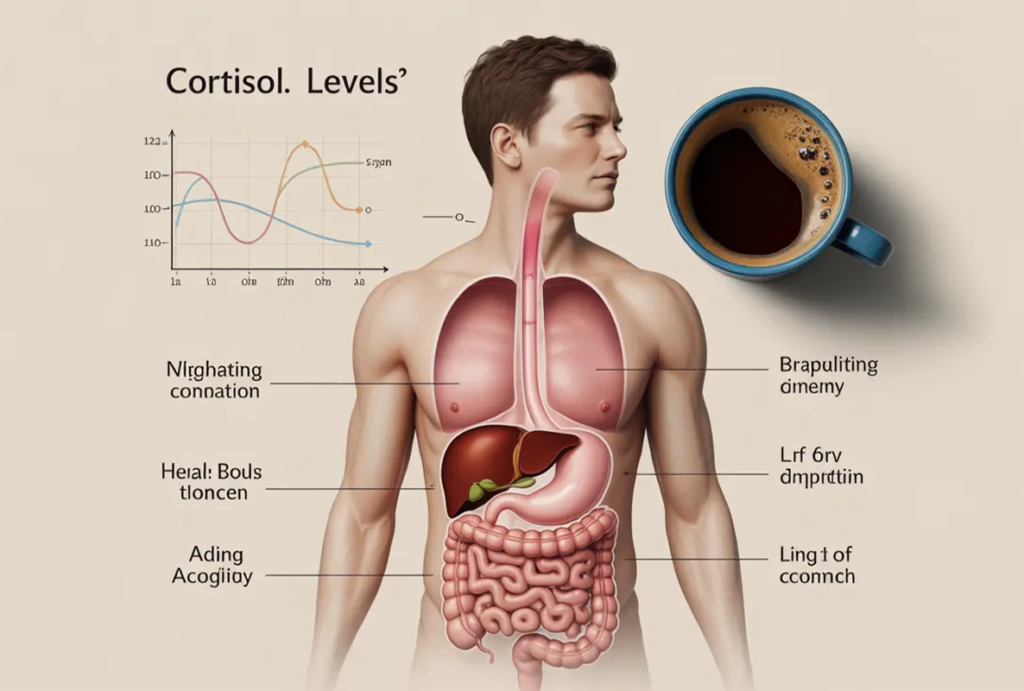
The main reason is the gastrocolic reflex — your body’s built-in signal to move things along after eating or drinking something. Morning is when this reflex is most active, so a hot cup of coffee hits at exactly the right moment.

Coffee also triggers hormones like gastrin and cholecystokinin. These increase stomach acid, digestive enzymes, and colon contractions — all of which push stool forward and get things moving.

Caffeine adds to this by directly stimulating the muscles of the digestive tract. Studies show caffeinated coffee increases colon activity 60% more than water and 23% more than decaf. But decaf still has an effect — which tells us it is not only caffeine doing the work.

Other compounds in coffee — acids, polyphenols — contribute too. And warm liquid on its own stretches the stomach and kicks off the reflex.

The short version: coffee wakes up your digestive tract, speeds up gut motility, and triggers bowel movements for a significant portion of people.

How Coffee Digestion Affects Bowel Movements — Step by Step

Here is exactly what happens when you take that first sip:

  • Hits the stomach → triggers gastrin release → more acid and movement
  • Stimulates the small intestine → hormones signal the colon
  • Colon contracts harder — peristalsis speeds up
  • Stool moves faster toward the rectum → the urge to go arrives

One well-known study found coffee boosted rectosigmoid motility in responsive people within just 4 minutes — comparable to eating a full meal.

For people with slow-transit constipation — which is common in Pakistan thanks to low-fibre diets — this push is genuinely useful. But for those with a sensitive gut, it can lead to loose stools or sudden urgency.

Pakistani tip: Pair your coffee with something fibre-rich like a whole wheat paratha or oats. Black coffee on an empty stomach hits much harder and may cause more discomfort.
Why Coffee Helps Some People With Constipation But Makes It Worse for Others

Not everyone gets the helpful response. Understanding which category you fall into matters.

Who tends to benefit:

  • People with slow gut motility
  • Mild constipation caused by low water or fibre intake
  • Morning drinkers who time it well with hydration

Who may struggle:

  • Dehydration risk — coffee’s mild diuretic effect pulls water from the body. Less hydration means harder stools and worse constipation
  • Acidity or GERD — the extra acid worsens bloating or reflux, which slows digestion indirectly
  • IBS types — overstimulation brings cramps, urgency, or loose stools without actual relief
  • Heavy users — tolerance builds over time, or dependency forms where the bowels simply wait for coffee before doing anything

In Pakistan’s heat, many people skip water after their morning coffee — which is a serious mistake. Dehydration can turn something that might have helped into a direct cause of constipation.

I had a client from Karachi — an office worker — drinking four cups daily specifically for gut motility. He ended up bloated and more irregular than before. We brought him down to one or two cups, added isabgol and proper hydration, and his bowel movements normalized completely within two weeks.

Is Coffee a Safe Constipation Remedy? The Honest Answer

Occasionally? For most people who tolerate it well — yes.

As a daily crutch? Not a great idea.

The benefits:

  • Quick, natural stimulant for bowel movements
  • Works for many people without any medication
  • Decaf is an option for those sensitive to caffeine

The downsides:

  • Can dehydrate you → makes constipation worse over time
  • Acidity, jitteriness, and poor sleep all disrupt digestion
  • Creates dependency — your gut stops working naturally on its own
  • Hides the real problem — low fibre, inactivity, poor hydration

The smarter approach: use coffee as a supporting player, not the main solution.

Real Pakistani-Friendly Ways to Improve Gut Motility — Beyond Just Coffee

Do not put all your trust in one cup. These habits make a far bigger difference:

  • Hydrate first — drink 2 to 3 glasses of water before your coffee. Add lemon for an extra digestive kick
  • Increase fibre — isabgol husk one to two teaspoons at night, guava, papaya, vegetables, whole wheat roti daily
  • Move your body — a 20 to 30 minute walk after coffee works wonders. Even the movements in namaz help gut motility
  • Probiotic foods — dahi and lassi feed good bacteria and support healthy digestion
  • Time it right — drink coffee after a light breakfast rather than on an empty stomach, especially if you have acidity

Simple morning routine that works: Warm water with lemon → coffee → short walk → high-fibre breakfast
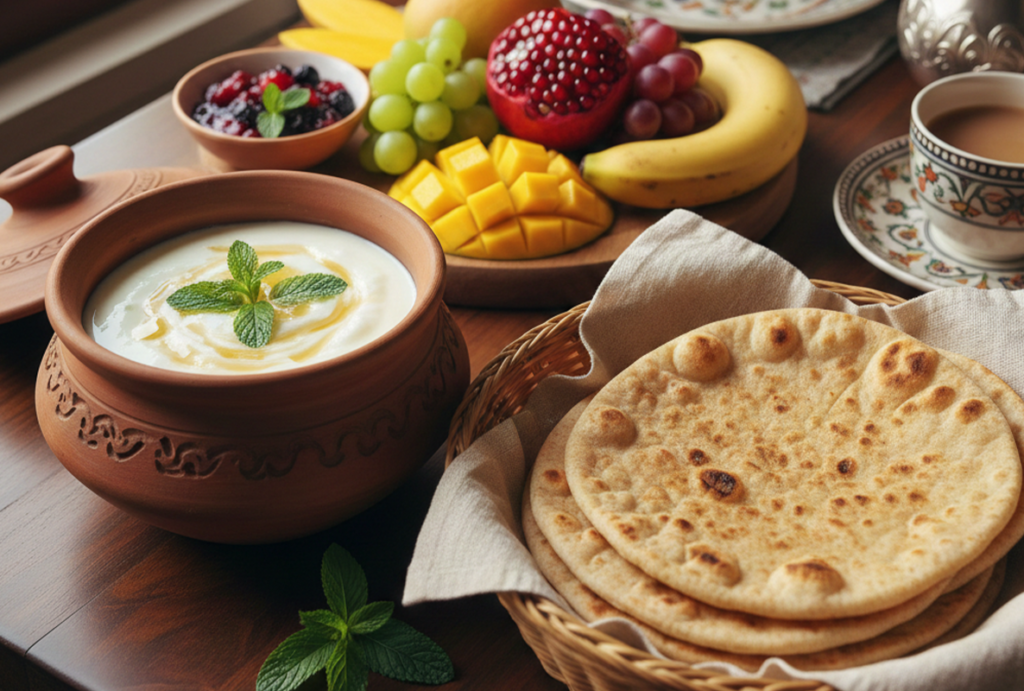
Frequently Asked Questions About Coffee and Constipation

Does coffee really work as a constipation remedy for everyone?

No. It helps roughly 30% of people strongly through the gastrocolic reflex and improved gut motility. Others feel no effect at all, or experience bloating and discomfort instead.

Is decaffeinated coffee helpful for bowel movements too?

Yes, but more mildly. The acids and compounds in decaf still trigger some colon activity, though caffeine makes the effect noticeably stronger.

Can too much coffee actually make constipation worse?

Absolutely. The diuretic effect pulls water from your body, and if you are not compensating with enough hydration, stools become harder. Overuse also leads to dependency or irregular bowel movements.

How much coffee is safe if I have constipation issues?

One to two cups maximum per day, alongside plenty of water. If you have acidity or IBS, try decaf or reduce your intake and see how your body responds.

Should I drink coffee every morning just to have regular bowel movements?

It is far better to fix the root causes — more fibre, more water, regular movement. Use coffee as an occasional helper rather than something your digestive tract depends on every single morning.

Are there Pakistani foods that support gut motility the way coffee does?

Yes — papaya, guava, saunf water, isabgol, and warm milk with a little ghee all help. Combining these with moderate coffee intake gives you much better and more consistent results.

Ready to Fix Your Digestion for Good?

If constipation keeps coming back despite all the coffee tricks, or you want a plan that works long-term without dependency, let’s talk. Small, personalised diet changes make an enormous difference — and you do not have to figure it out alone.

📞 Call/WhatsApp: +92 300 0172509 📧 Email: hamzathedietitian@gmail.com 🌐 Visit: hamzathedietitian.com

Customised meal plans, real ongoing support, and practical advice built around your lifestyle. Book your consultation today.

More helpful reading:

  • Diabetes Diet Plan Pakistan
  • Reduce Salt Intake for Heart Health

Wrapping Up: The Real Story on Coffee and Constipation

Coffee and constipation have a genuinely complicated relationship. For many people, that morning brew does spark bowel movements through the gastrocolic reflex, gastrin release, and colon stimulation — and even decaf plays a small role. But the response is not universal, and overuse brings real risks: dehydration, acidity, and a gut that forgets how to work on its own.

The key takeaways:

  • Works best for mild, slow-transit constipation — when timed well and paired with proper hydration
  • Not a complete fix — fibre, water, and movement matter far more
  • Listen to your body — if coffee worsens bloating or irregularity, pull back
  • Use it as a helper, not a daily habit your digestive tract depends on

Your gut deserves consistent, proper care — not just a daily caffeine jolt. Small daily habits beat quick fixes every single time.

Stay regular, stay energized.

Hamza The Dietitian Lahore — helping Pakistan digest life better, one smart choice at a time.
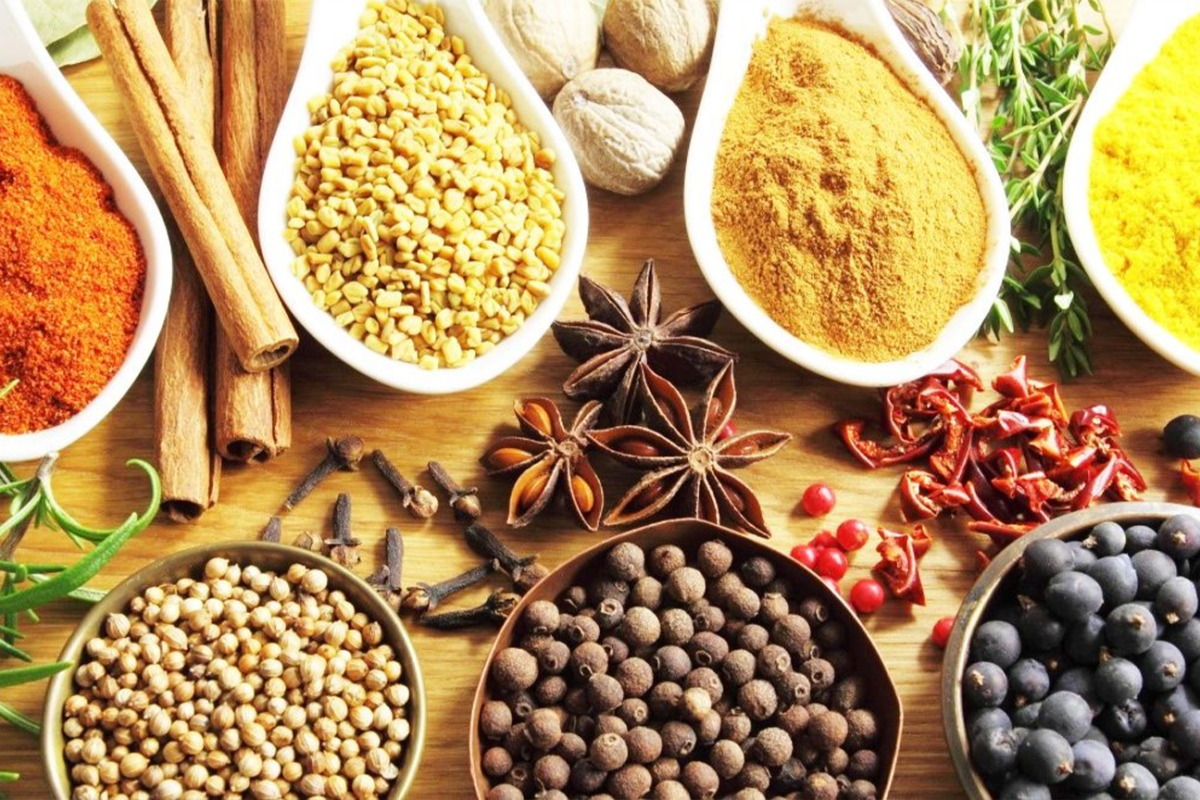
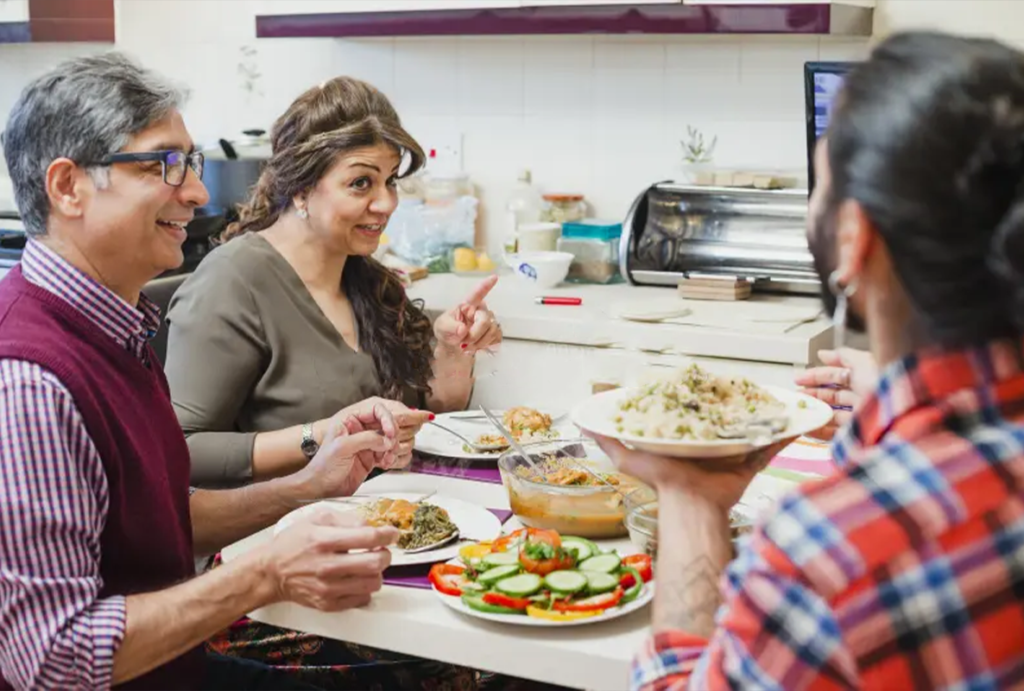
Pakistani meal with fresh herbs, lemon, garlic, and spices – ways to reduce salt intake for heart health – Hamza The Dietitian

Reduce Salt Intake Without Making Food Bland: 5 Flavorful Ways for Better Heart Health in Pakistan

Picture your last family dinner. The daal simmering on the stove, the sabzi just done, a little achar on the side, maybe some papad or namkeen to round it all out. Salt ties it all together, doesn’t it? That one pinch – or sometimes a whole handful – is what makes desi food feel alive. But here’s the thing nobody talks about at the dinner table: that same salt is quietly putting your heart under pressure. Every single day. In Pakistan, most of us eat far more salt than we think we do. The WHO recommends adults keep it under 5 grams per day – roughly one teaspoon. But research shows South Asians, including Pakistanis, often average 8 to 10 grams or more daily. That’s double the safe limit. And it’s one of the biggest reasons hypertension is so widespread here – some reports estimate it affects 30 to 46% of Pakistani adults.When you take in too much salt, your body holds onto water. Blood volume rises. Your arteries have to work harder to handle the pressure. Over time, this damages blood vessels, raises the risk of heart disease, stroke, and kidney problems. The damage doesn’t announce itself – it just quietly builds. But here’s the good news: you don’t have to eat boring, tasteless khana to reduce salt intake. There are real, practical, desi-friendly ways to protect your heart health without giving up flavor. I’ve helped hundreds of clients in Lahore do exactly this – cut back on sodium without feeling like they’re missing out on anything.

In this guide, I’ll walk you through five approaches that actually work in Pakistani kitchens, plus a sample menu and answers to the questions I hear most often in consultations.

Why Reducing Salt Intake Matters So Much for Heart Health in Pakistan

Let’s keep this simple. When you eat too much sodium, your body pulls extra water into your bloodstream to dilute it. More fluid means more volume pushing against your artery walls. That pressure – when it stays elevated – is hypertension.

Over months and years, that constant strain wears down your blood vessels. It sets the stage for heart attacks, strokes, kidney failure. These aren’t rare outcomes. In Pakistan, heart disease is one of the leading causes of death, and high sodium intake is directly connected to it.

The WHO estimates excess sodium contributes to millions of deaths globally every year. What’s encouraging, though, is that you don’t need dramatic changes to see results. Studies show that cutting just 1 to 2 grams of salt per day can bring blood pressure down noticeably within weeks.

I’ve seen this firsthand. Many clients come to me already taking medication for hypertension, yet their readings are still high. When we start identifying and removing hidden salt – from pickles, packaged snacks, restaurant food – their numbers start moving in the right direction, often faster than they expected.

The goal here isn’t zero salt. Your body genuinely needs some. It’s about finding the right balance for long-term heart health.

Hidden Sources of High Sodium Intake in Everyday Pakistani Meals

Before we get into solutions, let’s talk about where the salt is actually coming from – because a lot of it isn’t from what you’re adding yourself.

Common hidden sources include achar, chutneys, and namkeens, packaged masalas, bouillon cubes, and ready-made sauces, restaurant staples like biryani, nihari, and haleem which tend to be very heavily salted, and even everyday items like bread, biscuits, chips, and certain packaged dals.

Start reading nutrition labels when you can. When eating out, it’s completely fine to ask for “kam namak.” Just being aware of these sources can help you cut salt intake by 20 to 30% without changing much else.

1. Load Up on Fresh Herbs and Spices for Natural Flavor

This is the single most effective swap I recommend to anyone trying to reduce salt intake – and the most enjoyable one.

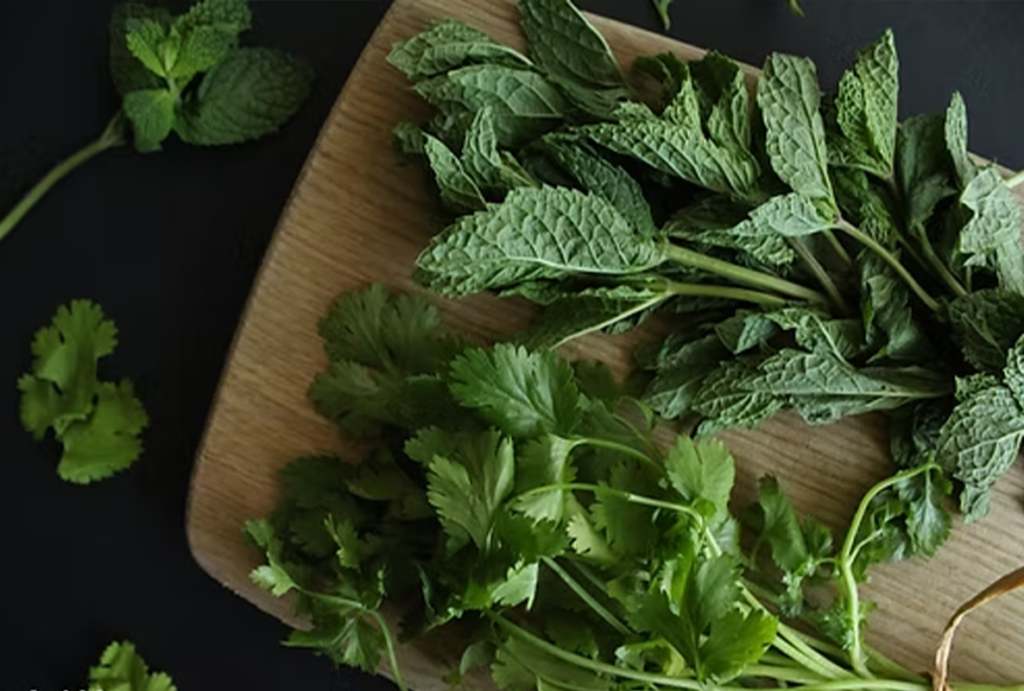
Fresh herbs like dhania (coriander), podina (mint), curry leaves, green chillies, and even tulsi (basil) add a brightness to food that your taste buds interpret as flavor richness. When a dish has that kind of depth, it doesn’t feel like it’s missing anything.

Dry spices work just as well. Haldi, zeera, kali mirch, darcheeni, laung, ajwain, saunf – these aren’t just for taste. Many of them carry anti-inflammatory properties and antioxidants that actually support blood vessel health.

In Pakistani kitchens, the easiest place to start is your chutney. Throw extra dhania-pudina chutney on your daal or sabzi. Use zeera generously in your tadka instead of reaching for more namak. Within two to three weeks, most clients tell me their taste buds have adjusted and food just tastes right with less salt.

One client from Model Town – an uncle in his late 50s with elevated blood pressure – simply doubled the herbs in his daily cooking. Within a month, his readings had dropped by 12/8 mmHg. No medication change. Just herbs.

Fresh Pakistani herbs and spices like dhania, podina, zeera – flavorful ways to reduce salt intake – Hamza The Dietitian

2. Bring in Natural Acidity to Trick Your Taste Buds

Here’s something food scientists have known for a while: sour flavors make food taste more complex. When your brain registers acidity, it perceives the dish as more flavorful overall – which means you naturally miss the salt less.

In Pakistani cooking, we already use sour elements all the time. We just need to use them a little more intentionally. Lemon or nimbu juice is the easiest starting point – squeeze it on practically everything. Imli (tamarind) pulp, kachcha aam powder, kokum if you can find it, even a small splash of sirka (vinegar) in certain dishes – all of these create that tangy balance that makes a plate feel complete.

Think imli chutney on chaat, lemon on grilled chicken, a bit of aam choor in your daal. These are already familiar tastes. Leaning into them when you’re pulling back on namak is one of the smartest swaps you can make. Most clients who try this notice a difference in how “full” the flavor feels, even with 20 to 30% less salt intake.

3. Build Layers with Garlic, Ginger, and Onions

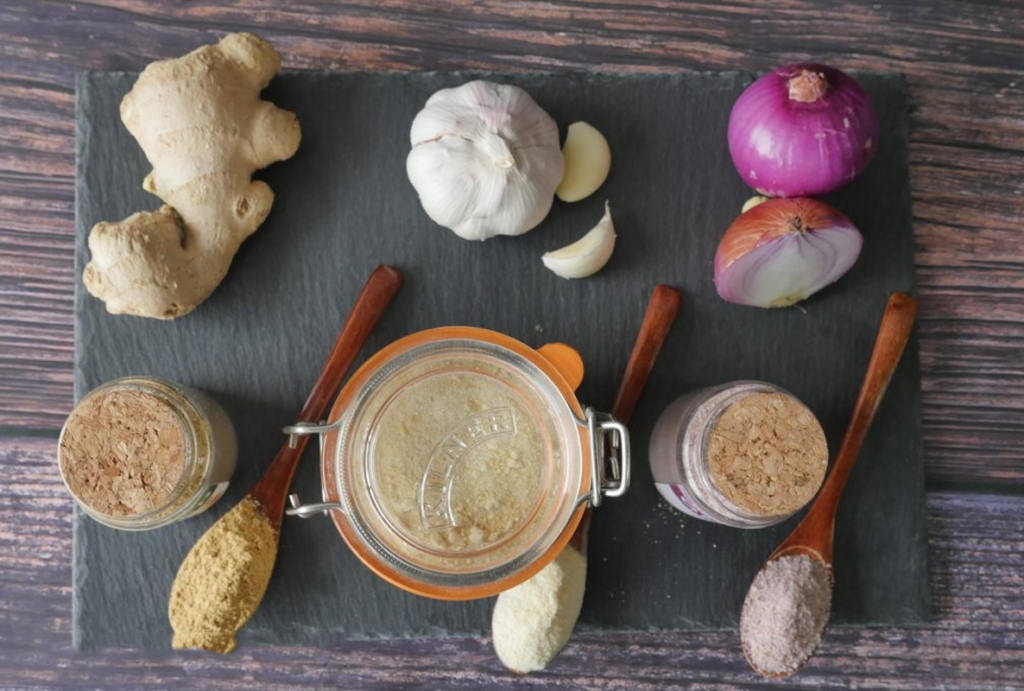
Lehsan, adrak, pyaz. The foundation of almost every desi dish – and also three of the most powerful flavor-builders you have access to when trying to reduce salt intake.

Garlic deserves a special mention here. There’s solid research – multiple meta-analyses now – showing that regular garlic consumption can produce modest but meaningful reductions in blood pressure. It also supports cholesterol levels. So it’s not just good for flavor; it’s genuinely working for your heart health in the background.

When you sauté more garlic and ginger than you normally would, the aroma alone changes how the dish is perceived. Roasting onions until they’re soft and slightly sweet adds a depth that food scientists call umami – that savory, satisfying quality that makes you feel like the meal is rich and complete. Less salt needed, more satisfaction delivered.

A simple starting point: double the garlic in your next salan. That’s it. See how it feels.

Garlic, ginger, and onions in Pakistani cooking – natural ways to flavor food while reducing salt intake for hypertension

4. Add Healthy Fats Smartly for Satisfaction

One reason salty food feels satisfying is that it triggers a richness response in the brain. Healthy fats do the same thing – they make meals feel substantial and complete, which reduces the urge to reach for more namak.

Cold-pressed mustard oil, a small amount of good ghee, olive oil as a finishing drizzle – these all work well. Nuts and seeds are excellent too: a handful of badam or akhrot, a sprinkle of crushed flaxseeds (alsi) over a sabzi or raita. The omega-3s in these foods also directly support heart health, so you’re getting a double benefit.

The key word here is “smartly.” Fats add calories, and portion size matters. But used in moderate amounts as flavor enhancers rather than cooking bases, they genuinely reduce the need for salt while also keeping you fuller for longer.

5. Switch Cooking Methods to Boost Natural Tastes

This one surprises a lot of people, but how you cook something changes its flavor profile significantly – sometimes enough to make salt almost optional.

Grilling, roasting, and tandoor cooking concentrate flavors and create natural caramelization. That slightly charred edge on a tikka or the sweetness that comes out of roasted baingan doesn’t need much salt at all – it’s already complex on its own. Slow-cooking daals brings out depth that a quick boil can’t match. Air-frying snacks gives you that crunch without the sodium that comes with fried, packaged alternatives.

Start with something simple: instead of deep-frying bhindi, roast it in the oven or air fryer with a pinch of zeera and haldi. The texture changes, the flavor concentrates, and you’ll find yourself reaching for the salt shaker a lot less.

Sample Low-Salt Pakistani Day Menu (~4–5g Salt Total)

This is a rough guide based on what I put together for clients. Everyone’s needs are different, but this gives you a realistic picture of what a low-salt intake day can look like without feeling deprived.

Breakfast: Besan cheela with extra dhania and a generous squeeze of lemon, plus green tea

Mid-morning: A handful of almonds and an apple

Lunch: Chicken sabzi made with double garlic and ginger, one roti, salad dressed with lemon juice

Snack: Yogurt raita with fresh mint and cucumber

Dinner: Moong dal with a zeera and ajwain tadka, palak sabzi, a small portion of brown rice

This is adjustable based on your specific health situation, activity level, and preferences – which is exactly what we work through in personalized consultations.

Frequently Asked Questions About Reducing Salt Intake in Pakistan

How much salt is too much for heart health? WHO recommends staying under 5g per day – about one teaspoon. Most Pakistanis are eating 8 to 10 grams or more, which significantly raises hypertension risk. The goal is to cut back gradually, not all at once.

Will reducing salt intake make food taste bland forever? No – and this is the fear that stops most people from trying. Taste buds genuinely adapt within 2 to 4 weeks. Once they do, food that used to taste normal starts tasting overly salty. Herbs, spices, and acidity keep meals interesting throughout the transition.

Can garlic really help lower blood pressure? Yes. The evidence is consistent across multiple studies – regular garlic consumption produces modest but real reductions in blood pressure. It’s safe, affordable, and already part of how we cook.

What about achar and namkeens – can I never eat them? You don’t have to give them up entirely. Enjoy them in small amounts as occasional treats. Look for lower-sodium brands, or try making homemade versions where you control the salt. Balance them with lower-salt intake throughout the rest of the day.

How quickly can I see benefits from lower salt intake? Many people notice changes in blood pressure within 1 to 4 weeks of consistently cutting back. Long-term reduction significantly lowers risk of heart disease and stroke.

Is low salt safe if I sweat a lot in summer? For most people, yes. If you’re very active or spending long hours outdoors, make sure you’re getting sodium naturally through vegetables and fruits rather than processed sources. If you’re on medication for hypertension or heart health, it’s worth checking in with a professional before making big changes.

Ready to Protect Your Heart with Smarter Flavor Choices?

You don’t have to choose between food you love and a heart that stays healthy. These aren’t extreme changes – they’re small, practical shifts that build on flavors already at home in Pakistani cooking.

Start somewhere simple. More herbs today. A squeeze of lemon tomorrow. Double the garlic next week. These things add up faster than you’d think.

Take the first step towards achieving your health goals with personalized nutrition guidance from Hamza, a certified dietitian.

📞 Call/WhatsApp: +92 300 0172509 📧 Email: hamzathedietitian@gmail.com 🌐 Visit: hamzathedietitian.com

Get customized meal plans, ongoing support, and expert advice tailored to your lifestyle. Don’t wait – start your transformation today!

Related reads:

  • Diabetes Diet Plan Pakistan
  • Ragi vs Jowar vs Wheat Roti

Wrapping Up: Reduce Salt Intake and Take Control of Your Heart Health

Cutting back on salt isn’t a punishment. It’s one of the most practical things you can do for your long-term health – and it doesn’t have to cost you anything in flavor.

Use herbs, acidity, aromatics, healthy fats, and smarter cooking methods. Let your taste buds adjust. Trust the process.

The key takeaways: aim for under 5g of salt intake daily for better blood pressure and lower heart disease risk. Hidden sodium in pickles and snacks adds up faster than you’d expect – awareness alone cuts it significantly. Desi spices and lemon keep low-salt intake meals genuinely delicious. Taste buds adapt within weeks. And small, consistent steps deliver real results for hypertension control.

Your heart works every second of every day without asking for anything. Give it a little help with smarter choices. You already have the tools.

Stay consistent. Stay heart-strong.

Hamza The Dietitian Helping Lahore (and Pakistan) live healthier, one flavorful meal at a time.

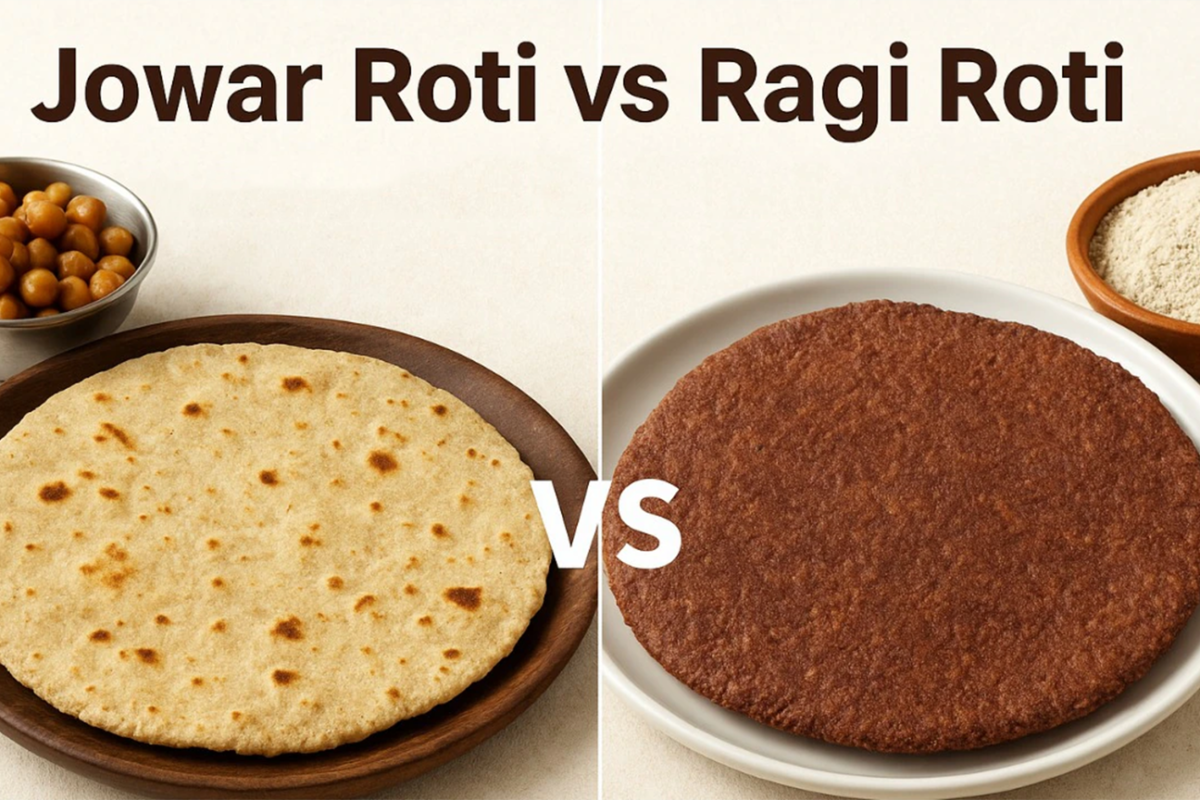
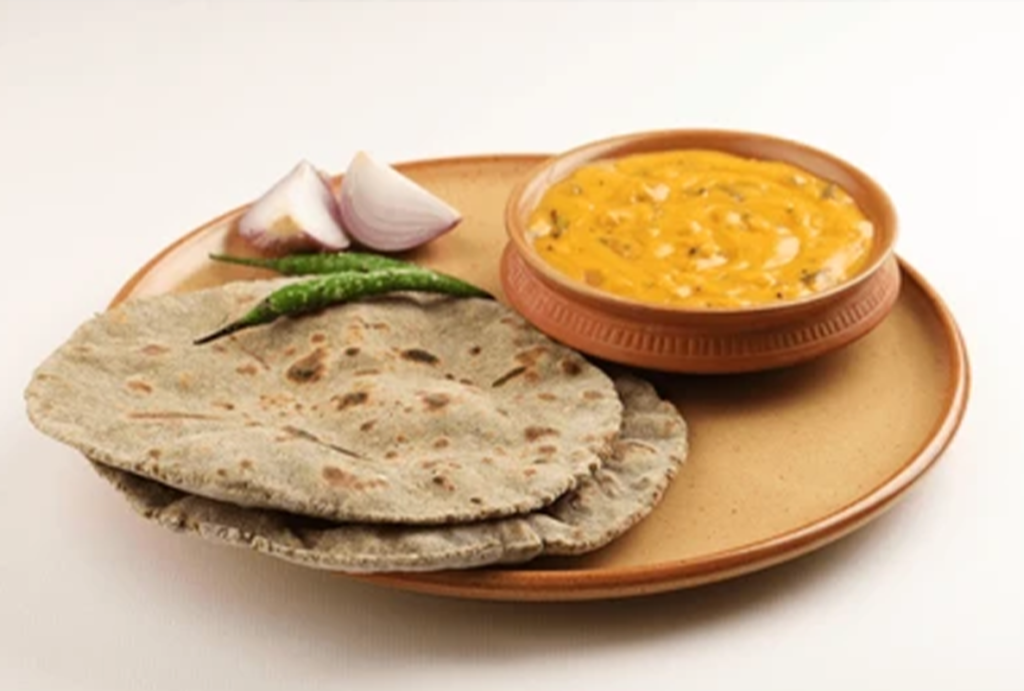
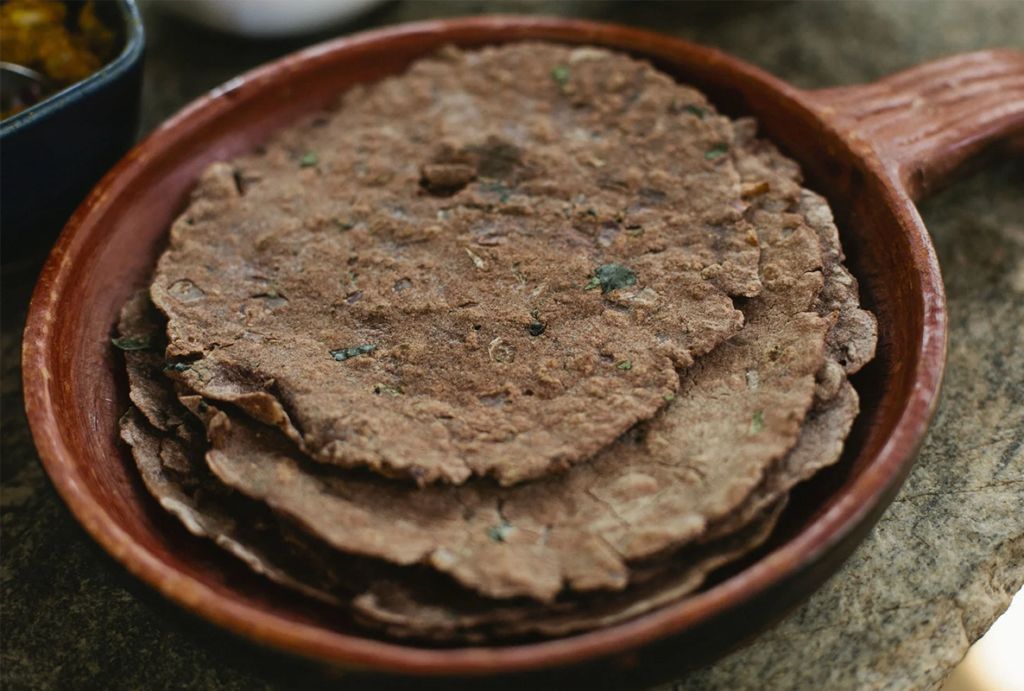
Ragi vs jowar vs wheat roti comparison on plate with Pakistani sabzi – best flour for weight loss & blood sugar control – Hamza The Dietitian

Ragi vs Jowar vs Wheat Roti: Which Flour Wins for Weight Loss & Blood Sugar Control in Pakistan?

Roti is something we grow up with. It is on the table at lunch, at dinner, at suhoor during Ramadan. It goes with everything — salan, keema, daal, achaar. In most Pakistani homes, a meal without roti just does not feel complete. But lately, more and more of my clients have been coming to me with the same question. “Hamza bhai, my weight is not moving. My sugar readings are all over the place. Should I switch to ragi or jowar instead of regular wheat?” It is a fair question. And the honest answer is — when you put ragi vs jowar vs wheat roti side by side, millets usually come out ahead for both weight loss and blood sugar control. Not because wheat is bad, but because ragi and jowar bring more fibre, a lower glycemic index, and minerals that our bodies genuinely benefit from.

In Pakistan, where diabetes and obesity are both rising sharply, these ancient grains are making a quiet comeback — and they are more accessible now than ever. You can find them at Imtiaz, Metro, and on Daraz without any trouble.

This guide gives you a real, practical comparison. No complicated science. Just clear information, Pakistani-friendly tips, and things you can actually start doing this week.

Why Your Roti Choice Affects Weight Loss and Blood Sugar More Than You Think

Think about how many rotis you eat in a day. Three? Four? Six? For most Pakistani families, roti is not a side — it is the main event. And that adds up to a significant amount of carbohydrates by evening.

Regular wheat roti is not a bad food. But its glycemic index sits somewhere between 55 and 85 depending on how refined the atta is. That means for someone with prediabetes or type 2 diabetes — which is extremely common in Pakistan — wheat roti can cause blood sugar levels to rise faster than you want.

Millets like ragi and jowar digest more slowly. They have more fibre, more complex carbohydrates, and a lower glycemic index. The result is that you feel full for longer, get fewer cravings through the day, and your energy stays steady instead of spiking and crashing. For weight loss, that matters enormously.

The other good news is that ragi and jowar work beautifully with desi cooking. You can make soft rotis with them, mix them with wheat atta to ease the transition, or go fully millet when you are ready.

Let us look at the numbers.

Nutritional Comparison: Ragi vs Jowar vs Wheat Roti (Per Average Medium Roti ~40–50g Flour)

Here’s a quick look based on common values:

  • Calories: All similar (~90–120 kcal per roti)
  • Fibre: Ragi highest (3–4g), Jowar close (3g), Wheat lower (1.5–2g)
  • Protein: Similar (2.5–3g), but ragi/jowar often feel more satisfying
  • Glycemic Index (GI): Ragi lowest (40–55), Jowar medium (60–70), Wheat higher (55–85)
  • Key Minerals: Ragi wins calcium & iron, Jowar strong in magnesium & antioxidants, Wheat good B-vitamins

Ragi edges out for blood sugar control and bone health. Jowar shines for digestion and gluten-free needs.

Why Ragi Roti Stands Out for Weight Loss and Diabetes Management

Ragi — finger millet, nachni — is one of those foods that surprises people. It looks simple. It tastes earthy. But nutritionally, it punches well above its weight.

Its high dietary fibre is what makes the biggest difference. Fibre slows digestion, keeps you feeling full longer, and reduces the urge to snack between meals. Many clients tell me they naturally eat one or two fewer rotis per meal after switching to ragi — not because they are restricting themselves, but because they genuinely do not feel hungry as quickly.

The low glycemic index of 40 to 55 means glucose enters your bloodstream slowly and steadily. Research on finger millet polyphenols shows improvements in insulin sensitivity and reduced fasting glucose levels with regular consumption — exactly what people managing diabetes need.

Ragi also has more calcium than almost any other grain. For Pakistani women especially, where iron deficiency and anaemia are common, that mineral profile matters.

Pakistani kitchen tip: Start by mixing 30 to 50 percent ragi atta with whole wheat. Add a pinch of ajwain or methi dana for taste. Ragi roti pairs beautifully with palak sabzi or daal — the combination keeps blood sugar levels steady for hours.

Real story from my practice: A 38-year-old teacher from Gulberg, Lahore lost 4 kg in 6 weeks by replacing just two daily wheat rotis with ragi ones. Her fasting sugar dropped from 138 to 112 mg/dL. She changed nothing else. One small swap, consistent results.

One note of caution: Ragi is high in calcium, so anyone prone to kidney stones should speak to a doctor before making it a daily staple.

How Jowar Roti Supports Digestion, Satiety and Stable Blood Sugar

Jowar — sorghum, cholam — does not get enough credit. It is naturally gluten-free, which makes it a safe and genuinely nutritious choice for anyone with gluten sensitivity or celiac disease.

What sets jowar apart is how it behaves in the gut. Its fibre works as a prebiotic — meaning it feeds the good bacteria in your digestive system. That leads to better digestion, less bloating, and more consistent energy through the day. Clients who come to me with IBS or chronic acidity often feel noticeably lighter after switching to jowar roti.

Studies on sorghum show it supports satiety and weight loss through resistant starch and polyphenols. Its glycemic index sits in the medium range, which gives you a slower energy release without the heaviness some people feel after wheat.

Pakistani kitchen tip: Jowar roti tends to be slightly denser than wheat roti. Soak the flour for 30 minutes before kneading and it softens considerably. A 50:50 mix with whole wheat works well when you are starting out. It pairs particularly well with winter curries and grilled chicken.

Is Wheat Roti Still a Good Choice in 2026?

Yes — and I want to be clear about this. Whole wheat roti is not your enemy. It has B vitamins, zinc, decent fibre, and real nutritional value — especially when you choose good quality, less refined atta.

The issue is not wheat itself. The issue is over-reliance and portion size. Eating four or five large wheat rotis at every meal, especially with heavy curries, will gradually work against your weight loss goals and make blood sugar control harder — particularly if you already have insulin resistance.

The smarter approach is rotation. Use wheat regularly, but bring ragi and jowar in four to five days a week. You get variety, you get better nutrition overall, and you give your body a break from the higher glycemic index of wheat.

Ragi vs jowar vs wheat roti

Practical Tips: How to Start Ragi or Jowar Roti in Your Pakistani Kitchen

You do not need to overhaul your kitchen overnight. Here is how to make the switch gradually and actually enjoy it:

  • Start with a beginner mix — 70% whole wheat and 30% ragi or jowar atta. Increase the millet ratio slowly as you get used to the taste and texture
  • For softer rotis — add one teaspoon of oil or ghee per cup of flour and use warm water. Let the dough rest for 15 to 20 minutes before rolling
  • Boost the flavour — jeera, ajwain, crushed methi, or finely chopped green chilli all work well mixed into the dough
  • Portion guidance — aim for one to two medium rotis per meal, paired with plenty of sabzi and protein
  • Meal prep shortcut — make extra dough balls and freeze them. On busy days, thaw and roll — done

Sample day using millets:

  • Breakfast: Ragi porridge, dalia-style, with a handful of nuts
  • Lunch: Jowar roti with chicken bhuna and fresh salad
  • Dinner: Mixed millet roti with moong daal and bhindi

Frequently Asked Questions About Ragi vs Jowar vs Wheat Roti

Which is best — ragi vs jowar vs wheat roti for weight loss?

Ragi usually comes out on top because it has the highest fibre content and the lowest glycemic index. It keeps you fuller for longer and reduces cravings without making you feel deprived. That combination is very effective for sustainable weight loss.

Does ragi roti really help control blood sugar levels better than wheat?

Yes. Its glycemic index of 40 to 55, combined with polyphenols that slow glucose absorption, leads to steadier readings after meals. Many of my diabetic clients see a noticeable improvement in fasting sugar within a few weeks of regular use.

Is jowar roti completely gluten-free and safe for everyone?

Jowar is naturally gluten-free, yes. It is a solid choice for anyone with gluten intolerance. That said, if you are new to high-fibre foods, introduce it gradually. Going from low-fibre wheat to full jowar overnight can cause temporary bloating while your gut adjusts.

Can I eat wheat roti every day if I have diabetes?

You can, but mixing in millets four to five days a week will give you noticeably better glycemic control. Portion size and what you pair the roti with matters just as much as the flour itself.

Where can I buy good ragi and jowar atta in Pakistan?

Most major supermarkets carry them now — Imtiaz, Metro, and Al-Fatah in Lahore and Karachi. You can also order on Daraz. Look for stone-ground versions where possible, as they retain more nutrients than machine-milled flour.

How long until I see real benefits from switching flours?

Most clients notice better energy levels and reduced hunger within 7 to 14 days. Measurable improvements in weight loss and blood sugar control typically show up within 4 to 8 weeks — provided you stay consistent.

Ready to Upgrade Your Roti and Start Feeling Lighter?

Choosing a smarter flour is one of the simplest changes you can make for weight loss and stable blood sugar levels — without giving up roti or changing your whole lifestyle.

If you want a personalised plan built around your health goals, your daily routine, and real Pakistani meals, I am here to help.

📞 Call/WhatsApp: +92 300 0172509 📧 Email: hamzathedietitian@gmail.com 🌐 Visit: hamzathedietitian.com

Customised meal plans, ongoing support, and practical advice — designed for your life, not someone else’s. Book your consultation today.

Related reading:

  • Diabetes Diet Plan Pakistan
  • Diabetic Diet Food List

Final Thoughts on Ragi vs Jowar vs Wheat Roti

When you put ragi vs jowar vs wheat roti side by side, ragi takes the lead for weight loss and blood sugar control — its fibre content and low glycemic index are hard to beat. Jowar roti is a close second, especially for anyone who needs a gluten-free option or struggles with digestion. Wheat roti is still a solid everyday choice, but leaning on millets most of the week gives your body a real advantage.

The best roti is the one you will actually eat consistently. Start with one millet roti per day. Watch how your hunger changes, how your energy feels, how your readings shift. Small steps, done daily, add up faster than you think.

You have got this. One better roti at a time.

Stay consistent, stay healthy.

Hamza The Dietitian Lahore — Helping Pakistan eat smarter, feel better.

Diabetes diet plan Pakistan with balanced plate of Pakistani foods like dal, sabzi, and whole grain roti for controlling blood sugar levels - Hamza The Dietitian

Diabetes Diet Plan Pakistan: 6 Eating Patterns to Control Blood Sugar Levels

Let me be honest with you. Managing diabetes in Pakistan is hard — not because the disease itself is complicated, but because our entire food culture works against us. Roti at every meal. Meethi chai in the morning. Biryani at every wedding. And relatives who think you are being rude if you say no to dessert. I hear this from clients every single week. But here is something most people never tell you: you do not have to give all of that up. What you need is a diabetes diet that actually fits your life — not some Western meal plan built around foods you have never even heard of.

Pakistan has roughly 34.5 million adults living with diabetes, according to the International Diabetes Federation. That is the highest prevalence rate in the entire world at 31.4%. Those numbers are frightening. But they also mean millions of Pakistani families are figuring this out right now — and many of them are doing it with dal, sabzi, and whole grain roti.

This guide gives you 6 eating patterns that work. You will also get a practical diabetes diet chart, a diabetic diet food list built around Pakistani ingredients, and real meal ideas you can use starting today. Hamza has helped hundreds of clients in Pakistan manage their blood sugar levels without abandoning their culture — and this guide is built on that experience.

Why a Diabetes Diet Plan Pakistan Has to Be Different

Here is the problem with most diabetes diet advice online. It was written for someone in London or California. It assumes you have a fridge full of kale, that you eat alone, and that nobody is going to guilt-trip you for skipping the halwa.

That is not your reality.

Pakistani food is rich. It is cooked with love. It is shared. And yes, a lot of it — white rice, maida roti, fried snacks, sugary chai — can send your blood sugar levels through the roof if you are not careful.

A proper diabetes diet plan Pakistan does not ask you to become someone else. It asks you to make smarter choices within the food culture you already live in. Swap some things. Adjust portions. Build better habits — slowly, one meal at a time.

Hamza tells every new client the same thing: do not try to fix everything in one week. Pick two changes, do them consistently, and your body will respond. That approach works far better than a dramatic overhaul that lasts four days before you give up.

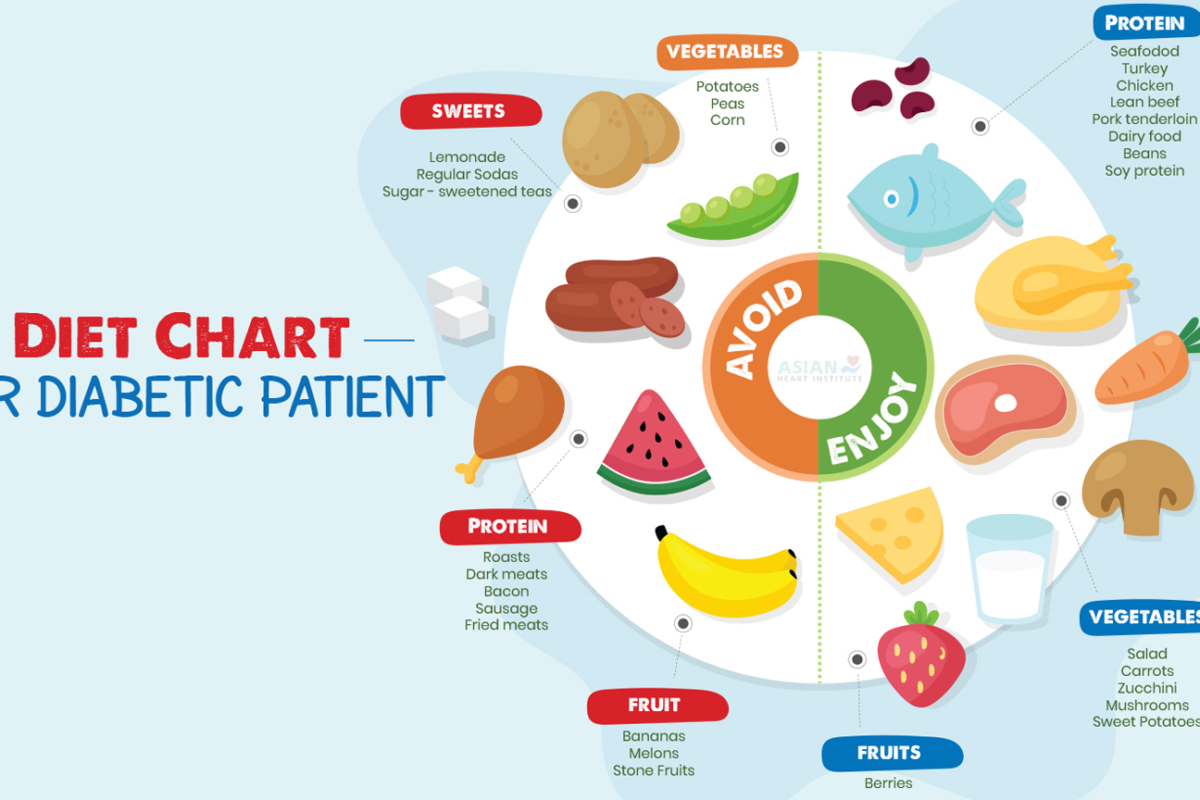
Infographic showing key principles of diabetes diet chart Pakistan using local foods - Hamza The Dietitian

The Foundation: What Every Good Diabetes Diet Chart Is Built On

Before the 6 patterns, there are three habits that sit underneath all of them. Get these right and every eating pattern becomes more effective.

Load Up on Vegetables — Especially These Pakistani Ones

Bhindi, karela, tori, saag, cauliflower, shimla mirch. These are not just cheap and easy to cook — they are some of the best foods you can eat for glycemic control. High fibre slows digestion. Slow digestion means no sudden glucose spikes.

Dal and chana are in a category of their own. Affordable, filling, traditional, and genuinely excellent for blood sugar levels. If you eat dal only occasionally, start eating it daily. That one change alone makes a real difference.

Stop Fighting Carbs — Just Choose Smarter Ones

Nobody is asking you to quit roti. But switching from maida to jowar, bajra, or barley roti — even a few times a week — changes how your body handles that meal. Brown basmati instead of white rice does the same thing. These foods digest slower. Your blood sugar levels stay steadier. You feel full longer.

Your diabetic diet food list should always include:

  • Proteins: chicken, rohu or singhara fish, eggs, paneer, dal, besan
  • Healthy fats: olive oil, almonds, walnuts, mustard oil in moderation
  • Carbs to cut back on: white rice, sugary drinks, mithai, white bread, maida

Eat at Regular Times — and Do Not Skip Meals

Three proper meals and one or two small snacks, eaten at consistent times. That is the rhythm your body needs. Skipping breakfast and eating a massive lunch is one of the worst things you can do for glycemic control.

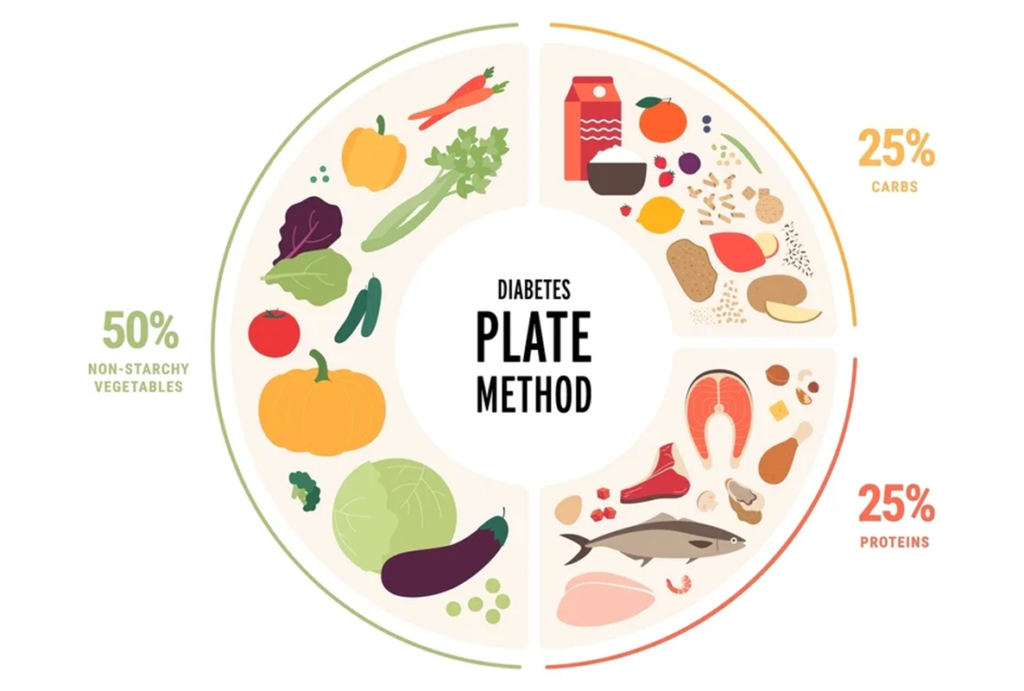
The plate method is simple and it works: half your plate gets vegetables, a quarter gets protein, a quarter gets whole grains. Drink water or zeera water instead of chai when you can.

1. Mediterranean Diet — The Gold Standard for Diabetes Diet Management

The Mediterranean diabetes diet is recommended by almost every major health organisation in the world — and it translates surprisingly well to Pakistani cooking.

It focuses on vegetables, healthy fats, whole grains, fish, and legumes. All of these reduce inflammation, improve insulin response, and help keep blood sugar levels stable throughout the day. No dramatic spikes. No mid-afternoon crashes.

You do not need imported ingredients. Here is how it looks in a Pakistani kitchen:

  • Cook with extra virgin olive oil — it is widely available now and works great in desi cooking
  • Base your meals on seasonal sabzis, grilled fish or chicken, and dal
  • Eat a small handful of nuts daily — almonds or walnuts work perfectly
  • Try a fresh salad with lemon dressing instead of heavy gravy a few times a week

Sample Day:

  • Breakfast: Besan chilla with spinach and tomatoes
  • Lunch: Grilled rohu with mixed sabzi and a small portion of barley
  • Dinner: Chickpea salad with olive oil, cucumber, and low-fat mint raita

2. Low-Carbohydrate Diet — Fast Results for High Blood Sugar Levels

If your readings are consistently high, a low-carbohydrate diet is often the fastest way to bring them down. A meta-analysis in Frontiers in Nutrition confirmed that cutting refined carbs significantly improved HbA1c and fasting glucose in people with type 2 diabetes.

This does not mean eating plain boiled food forever. It means being selective. More vegetables, more protein, more healthy fats — and less roti, less rice, less sugar.

Pakistani meals that work well here:

  • Egg bhurji with extra vegetables — skip the paratha
  • Chicken tikka with salad instead of naan
  • Paneer bhurji with sauteed sabzi
  • Cauliflower rice as an occasional swap when you are craving something rice-like

Sample Day:

  • Breakfast: Omelette with spinach, tomatoes, green chilli
  • Lunch: Grilled chicken with bhindi and cucumber raita
  • Snack: Almonds or plain Greek yogurt

3. DASH Diet — When Diabetes and Blood Pressure Come Together

A huge number of Pakistani diabetics also have high blood pressure. If that sounds like you, the DASH diet was practically made for your situation.

DASH stands for Dietary Approaches to Stop Hypertension. It was originally built for blood pressure management, but the American Diabetes Association endorses it for glycemic control as well. It pushes fruits, vegetables, whole grains, lean proteins, and low-fat dairy — while cutting sodium and processed foods hard.

Easy swaps for your kitchen:

  • Less salt in curries, more garlic, ginger, and herbs for flavour
  • Daily dahi — which most Pakistani families already eat, so this is an easy win
  • Apples, guava, or a handful of berries instead of biscuits or namkeen as snacks

Sample Day:

  • Breakfast: Small whole-wheat paratha with low-fat dahi and cucumber
  • Lunch: Masoor dal with mixed vegetables and a small portion of brown rice
  • Dinner: Baked chicken with saag and salad

4. Plant-Based — One of the Best Natural Tools for Insulin Sensitivity

Plant-based does not mean you have to stop eating meat entirely. It just means most of your meals are built around vegetables, legumes, whole grains, and nuts — with less animal protein overall.

Research in the Journal of Geriatric Cardiology found that plant-based eating improves insulin sensitivity and lowers type 2 diabetes risk significantly. The reason is fibre — it slows glucose absorption and supports better glycemic control over time.

The beautiful thing about Pakistani cuisine is that it is already halfway there. Dal, chana, sabzi, besan — these are plant-based foods sitting at the centre of our food culture. You do not have to reinvent anything.

Plant-based diabetic diet food list Pakistan with dal, vegetables and whole grains - Hamza The Dietitian

Sample Day:

  • Breakfast: Moong dal cheela with mint chutney
  • Lunch: Mixed vegetable curry with jowar roti and fresh salad
  • Dinner: Chana masala with extra greens on the side

5 & 6. Paleo and Low-GI — Flexible Options That Fit Any Diabetes Diet Plan Pakistan

These two patterns are different in theory but often look very similar on the plate. Many people combine them — and it works well.

Paleo cuts out grains, sugar, and processed food entirely. You eat lean meats, fish, vegetables, fruits, nuts, and seeds. A study in the Journal of Diabetes Science and Technology found improvements in blood sugar levels, weight, and blood pressure among people who followed it consistently.

Low-GI is simpler. It just means choosing foods that digest slowly and do not spike glucose sharply. Lentils, most vegetables, whole grains, and most fruits all qualify. Hamza often recommends this as the starting point for new clients because it does not require you to overhaul your entire kitchen — just make one smarter swap per meal.

Pakistani-friendly versions:

  • Paleo: lettuce wraps instead of roti for kebabs, double the sabzi, skip the rice
  • Low-GI: daily dal, non-starchy vegetables, whole grains in moderate portions

Sample Low-GI Meal: Ragi roti with chicken curry and a large fresh salad

Frequently Asked Questions About Diabetes Diet Plan Pakistan

What diabetes diet chart should a beginner follow in Pakistan?

Start simple. Half your plate gets vegetables. A quarter gets protein. A quarter gets whole grains. Follow that for one week and track how your blood sugar levels respond. Consistency matters far more than complexity at the beginning.

What goes on a Pakistani diabetic diet food list?

Karela, bhindi, dal, saag, eggs, chicken, rohu fish, almonds, and low-fat dahi. These are affordable, easy to find, and genuinely effective for blood sugar levels and glycemic control.

Is a low-carbohydrate diet safe for the long term?

Yes — as long as you balance it with plenty of vegetables and healthy fats. The mistake most people make is cutting carbs but loading up on saturated fat. Hamza can build you a balanced plan that avoids that trap.

Can I follow a plant-based diabetes diet and still eat traditional Pakistani food?

Without question. Dal, chana, sabzi, and besan dishes are the heart of Pakistani cooking — and they are exactly what a plant-based diabetes diet is built around. You are not giving anything up. You are just putting these foods at the centre of your plate more deliberately.

How long before I see better blood sugar levels?

Most people notice a real difference within 2 to 4 weeks of eating consistently. Add a 20-minute walk after meals and the results come even faster. Progress is never perfectly linear — but it does come.

Do I need special ingredients for these diabetes diet patterns?

No. Olive oil, whole grains, and extra vegetables are available at any local market. Everything in this guide is built around what is already accessible in Pakistan. Start with what you have.

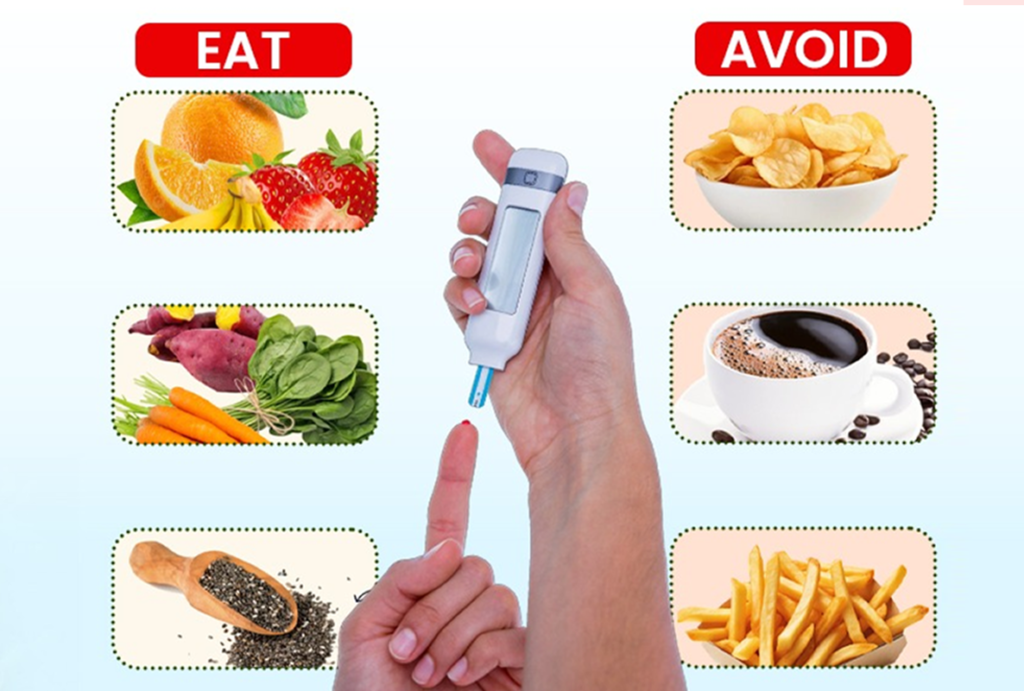
 Sample one-day diabetes diet chart Pakistan for blood sugar control - Hamza The Dietitian

Book a Consultation — Get a Diabetes Diet Plan Pakistan Made for You

Reading this guide is a great start. But a personalised plan built around your specific health numbers, your schedule, and your family’s kitchen is a different thing entirely.

Hamza works with clients across Pakistan to build diabetes diet plans that are practical, culturally grounded, and actually sustainable. No generic templates. No advice copied from a Western textbook. Real guidance, for real Pakistani life.

📞 Call/WhatsApp: +92 300 0172509 📧 Email: hamzathedietitian@gmail.com 🌐 Visit: hamzathedietitian.com

Conclusion: The Best Diabetes Diet Is the One You Can Keep

There is no single perfect eating pattern for everyone. What matters is finding an approach that fits your body, your culture, and your daily life — and sticking with it long enough to see results.

Whether you go with the Mediterranean style, a low-carbohydrate diet, DASH, plant-based eating, or simply start with low-GI swaps, all six of these patterns work when followed consistently. You now have a diabetes diet chart, a diabetic diet food list for Pakistani kitchens, and six clear paths forward.

Pick one. Start with your next meal. And if you want someone to walk this journey with you, Hamza is one message away.

Progress, not perfection. That is the only standard that actually matters.

Online Dietitian in Pakistan

Online Dietitian in Pakistan: Personalized Diet Plans by Hamza The Dietitian

You’ve been putting off fixing your diet for months now. Saved Instagram posts, bookmarked YouTube videos, screenshot random meal plans—but finding an online dietitian in Pakistan? Still on your endless to-do list.

Because let’s be honest, going to a clinic is exhausting. The traffic alone makes you cry. Finding parking. Taking half a day off work. Sitting in waiting rooms forever. All for a 10-minute consultation and some generic chart.

Meanwhile, your weight keeps climbing. Your sugar levels aren’t improving. Those random social media diets work for maybe two weeks before you’re right back where you started.

Here’s the solution: Hamza The Dietitian brings professional nutrition help straight to your home through online dietitian consultation. Serving clients across Lahore, Karachi, Islamabad, Peshawar—anywhere in Pakistan. Weight loss, diabetes, PCOS—expert guidance is now just a WhatsApp message away.

Why an Online Dietitian in Pakistan Actually Makes Sense

Because Your Life is Already Crazy Enough

Your daily routine in Pakistan is insane, right?

Office from 9 to 6 (or later because your boss doesn’t understand boundaries). Traffic that turns a 20-minute drive into an hour. Family obligations you can’t skip. Stress that literally never stops.

Taking care of your health? That keeps getting bumped to “I’ll do it next week.”

An online dietitian in Pakistan fixes this whole problem.

Here’s what you can do:

  • Book from literally anywhere in the country
  • Save the hours you’d waste stuck in traffic or waiting rooms
  • Do your consultation from home, your office, or during lunch
  • Get follow-ups on WhatsApp, calls, video—whatever works

This flexibility is perfect for students drowning in assignments, working people juggling deadlines, mothers managing households, and women trying to balance everything at once.

No more excuses about “not having time.” You have time for a phone call, right?

Professional Help Isn’t Just for People in Big Cities

If you’re not in Lahore or Karachi, finding a good dietitian can feel impossible.

Your city might have one or two options, and they’re either not qualified or they’re booked for the next three months. Or they don’t understand PCOS, or diabetes, or whatever specific thing you’re dealing with.

An online dietitian in Pakistan changes this completely.

With Hamza The Dietitian:

  • Doesn’t matter if you’re in a big city or a small town
  • You get the same professional-level care as someone in DHA Lahore
  • You receive personalized diet plans online based on your actual medical reports, routine, and budget

Quality nutrition help isn’t gatekept by location anymore. If you have internet (which you clearly do since you’re reading this), you have access.

What Makes Hamza The Dietitian Different From Random Internet Advice?

He Actually Gets Pakistani Life and Food

Here’s the thing about most dietitians (especially the ones you find through international apps): they give you these western meal plans that make zero sense for Pakistani life.

“Eat quinoa bowls for lunch.” Bhai, where am I finding quinoa? And even if I do, my whole family’s going to look at me like I’ve lost my mind.

Hamza is an online nutritionist in Pakistan who understands our actual food culture.

He designs plans around:

  • Roti, chawal, daal, sabzi—real food we actually eat
  • Our restaurant and fast-food reality (because let’s be honest, you’re eating out sometimes)
  • Family-style meals where everyone’s eating from the same dishes
  • Chai culture (yes, you can still have chai)
  • Late-night eating habits (because dinner at 6 PM? Not happening)
  • Ramadan, Eid, and the entire wedding season

Your diet plan feels realistic and doable—not like you’re trying to live someone else’s Instagram life.

Everything is Actually Built FOR You (Not Copy-Pasted)

Every random person on the internet claims their diet works for “everyone.”

Spoiler: it doesn’t.

Your age is different. Your medical situation is different. Your job is different. Your routine is different. Your budget is different.

That’s why Hamza creates personalized diet plans online specifically designed for your actual life.

Your plan is based on:

  • Your medical reports (diabetes numbers, thyroid levels, cholesterol, kidney function, PCOS diagnosis)
  • What you’re trying to achieve (lose weight, gain weight, get fit, control disease, have more energy)
  • Your actual daily routine (office job, night shifts, business, housework, student life)
  • What you actually like eating and your cultural food habits
  • What you can afford and your cooking situation at home

This personalized approach is why people actually stick with it and get real, lasting results—not just changes that disappear after two weeks.

Health Issues Hamza The Dietitian Helps With

Weight Loss (The Healthy Kind, Not Crash Diets)

Weight gain is everywhere in Pakistan. Desk jobs. Fast food on every corner. Weird eating schedules. Stress eating after brutal days.

Hamza helps you lose weight without the misery:

  • No crash diets that leave you starving and cranky
  • Actual calorie-controlled plans with food you can realistically eat
  • Fixing portion sizes and when you eat
  • Realistic changes that fit your actual lifestyle

Goal isn’t just looking good for your cousin’s wedding next month. It’s feeling better, having energy, and keeping the weight off.

Diabetes (Because Half of Pakistan Has It)

Diabetes runs in literally every Pakistani family. Your dada had it, your father has it, half your uncles have it.

Most diabetes patients are completely confused about what they can safely eat. One uncle says no fruit ever. Another says rice is poison. Your doctor says “eat healthy” without explaining what that means.

Hamza’s online dietitian consultation for diabetes focuses on:

  • Actually stabilizing your blood sugar throughout the day
  • Choosing the right carbs and how much of them
  • Balancing protein, fiber, and fats properly
  • Planning snacks so you don’t crash between meals
  • Making sure your diet works WITH your medications

Proper planning helps control sugar levels and prevents the scary complications like kidney damage and vision problems.

PCOS and Thyroid Issues (Especially for Women)

PCOS and thyroid problems are incredibly common among Pakistani women right now. These need specific nutrition—not random Pinterest diets.

Hamza creates personalized diet plans online that:

  • Support thyroid function with the right nutrients
  • Help manage PCOS symptoms (stubborn weight, irregular periods, acne)
  • Address insulin resistance and inflammation
  • Actually fit into the life of Pakistani women managing home, work, or studies

These conditions are frustrating enough. Your diet shouldn’t make it worse.

Kidney, Liver, and Heart Problems

For kidney disease, fatty liver, or heart issues, diet is literally part of your treatment.

As an online dietitian in Pakistan, Hamza provides medical nutrition that:

  • Controls sodium, potassium, and phosphorus (critical for kidney patients)
  • Helps fatty liver recover through careful weight management
  • Manages cholesterol and blood pressure
  • Works alongside what your doctor’s already doing

These plans protect your organs and genuinely improve your quality of life.

How Dietitian Consultation Online Pakistan Actually Works

Step 1 – Book Online (Takes 2 Minutes)

You start by booking through WhatsApp or a simple form.

You share basic stuff:

  • Age, current weight, height, city
  • What you’re trying to achieve
  • Medical conditions and medications
  • Any previous diet attempts that failed

Step 2 – Actual Assessment (Not Just Weighing You)

During the online dietitian consultation, Hamza digs into:

  • What you currently eat daily
  • Your job and how active you are
  • How you sleep and your stress situation
  • If you exercise (or not)
  • Emotional eating or binge patterns

This identifies the habits quietly sabotaging your health—stuff you don’t even realize is a problem.

Step 3 – Your Personalized Diet Plans Online

Your custom plan includes:

  • Meal-by-meal breakdown (breakfast, lunch, dinner, snacks)
  • Multiple options so you’re not eating the same thing every day
  • Real advice for office lunches, university food, and social events
  • How to handle cravings, travel, and wedding invitations
  • Guidance on water, sleep, and activity

This isn’t some chart downloaded from Google. This is built specifically for YOUR life.

Step 4 – Ongoing Support (You’re Not Abandoned)

Follow-up support includes:

  • Regular check-ins to see what’s working
  • WhatsApp for quick questions and problems
  • Adjustments when life changes or you plateau
  • Motivation when you need it

This ensures lasting success—not results that vanish after two weeks.

Who Should Work With an Online Nutritionist in Pakistan?

You should seriously consider this if:

  • You live anywhere in Pakistan and want help without the clinic hassle
  • You’re done trying random diets that fail after a few weeks
  • You have diabetes, thyroid, PCOS, fatty liver, kidney disease, or heart issues
  • Your schedule is packed and clinic visits feel impossible
  • You want a diet that fits Pakistani food and your actual budget
  • You’re tired of copy-paste plans that ignore your real life

Why Choose Hamza The Dietitian for Online Dietitian Consultation?

What you actually get:

  • ✅ One-on-one attention (not group classes)
  • ✅ Science-based nutrition that aligns with medical advice
  • ✅ Pakistani-style plans using real local food
  • ✅ Flexible scheduling that works for your life
  • ✅ Clear communication (no judgment, no lectures)
  • ✅ Ongoing support as you progress

Professional nutrition care that’s actually accessible and affordable.

Stop Waiting for the “Perfect Time”

Your health is important. You know this.

Stop trying another random Instagram diet that’ll fail in two weeks. Get actual professional help from a trusted online dietitian in Pakistan.

Doesn’t matter if you’re in Lahore, Islamabad, Karachi, Peshawar, Multan, Faisalabad, or literally any other city. You can start today.

Book your dietitian consultation online Pakistan. Share your goals and medical reports. Start your journey toward:

  • Actually having energy during the day
  • Better lab results (sugar, cholesterol, weight)
  • A lifestyle you can maintain (not suffer through)
  • Confidence about what you’re eating

Hamza The Dietitian guides you through personalized diet plans online every step of the way. Professional support you’ve been looking for, finally accessible.

Ready? Let’s Do This

📞 Call/WhatsApp: +92 300 0172509
📧 Email: hamzathedietitian@gmail.com

Stop postponing. Get online dietitian consultation from home. Real professional guidance. Actual results. Zero excuses left.