
• Online Consultation Available
  • Mon–Sat: 9am to 6pm

Author Archives: HTD

Reasons to See a Dietitian

Top 8 Reasons to See a Dietitian – Why You Need Professional Nutrition Guidance

Ever scroll through Instagram at midnight, completely overwhelmed by conflicting diet advice? One post screams “carbs are the devil!” Your coworker won’t shut up about intermittent fasting. Your mom keeps saying you just need more willpower. And you’re over here searching for reasons to see a dietitian, feeling more lost than ever.

I get it. The nutrition world is a mess of contradictions.

Here’s something nobody tells you: seeing a dietitian might be the smartest health decision you make all year. Not another celebrity diet. Not tips from some 22-year-old influencer with abs and no medical degree. Actual personalized, science-based guidance from someone who studied this stuff in university.

So let me break down the top 8 reasons to see a dietitian—when it’s actually worth booking that appointment, and how professional dietitian consultation can make your life easier instead of more complicated.

1. You’re Tired of Diets That Don’t Work

Keto? Tried it. Lost 5kg, felt like garbage, gained back 8. That juice cleanse everyone raved about? Made it to day three before you wanted to punch someone. Calorie counting? Sure, until you got so obsessed with MyFitnessPal that you dreamed about macros.

This cycle is exhausting, right? It’s one of the biggest reasons to see a dietitian—you’re done wasting time on trendy diets that work for literally nobody in real life.

A dietitian doesn’t just photocopy the same meal plan for everyone who walks in. They actually dig into your specific situation. Your work schedule (night shifts? desk job?). Your sleep quality. Your stress levels. Medical stuff. What foods you actually like versus what you force yourself to choke down. Your family’s eating culture.

Then they build something that fits your actual life. Not some Instagram influencer’s life. Yours.

You get balanced meals designed so you lose fat without feeling weak or fantasizing about food 24/7. The whole approach becomes sustainable instead of another two-week experiment that ends with you rage-eating an entire pizza.

One of the biggest benefits of seeing a dietitian? You stop burning time and mental energy on diets that were never going to work anyway. This is exactly why you should see a dietitian instead of following random internet advice.

2. You Want Safe and Sustainable Weight Loss

Most people looking for a dietitian for weight loss have already tried the dangerous stuff. Crash diets where you eat 800 calories and feel like death. Fasting so extreme you can’t think straight at work. Random meal plans from TikTok created by someone with zero medical training.

Here’s what happens with that approach: nutrient deficiencies, muscle loss (you’re literally shrinking your metabolism), hormonal chaos, and then—surprise—you gain everything back plus extra weight. Congrats, you played yourself.

Professional dietitian consultation completely changes this. Your dietitian calculates calorie and macro targets based on your actual stats. Not “eat 1,200 calories because that’s what works for Instagram models.” They factor in your age, how active you are, any medical issues, whether you’re dealing with thyroid problems or insulin resistance.

You get structured plans with enough protein to protect muscle, fiber to keep you satisfied, healthy fats for your hormones and brain. You lose weight in a controlled way that doesn’t wreck your health long-term.

This is exactly why consult a dietitian instead of trusting whatever your gym buddy is doing or some random blog post you found at 2 AM. The benefits of seeing a dietitian for weight loss include safe, sustainable results that actually last.

3. You Have a Medical Condition That Needs Nutrition Support

Got diabetes? High blood pressure? High cholesterol? Gut issues like IBS? Kidney disease? PCOS? All of these are massively affected by what you eat every day.

Dietitians are trained in medical nutrition therapy, which means they use food strategically to support your treatment plan. This isn’t “eat more vegetables” generic advice. This is precise nutritional intervention designed around your specific disease.

How a Dietitian Supports Your Health

For diabetes or pre-diabetes, they teach you how to balance carbohydrates, portion sizes, and meal timing to stabilize blood sugar without feeling deprived or confused.

For heart, kidney, or liver issues, they guide you on sodium, potassium, phosphorus, fluids, and other nutrients that must be carefully controlled to protect organ function.

This reduces complications and helps your medications work better. Your condition gets managed more effectively because your diet is actually supporting your treatment instead of fighting against it.

If you have any chronic disease, this alone is one of the strongest reasons to see a dietitianprofessional nutrition support can literally save your life. When to see a dietitian? The moment you’re diagnosed with any chronic condition.

4. You Feel Lost in Online Nutrition Advice

New diet trends pop up literally every day. Low-carb Monday. Sugar-free Tuesday. Detox tea Wednesday. Intermittent fasting Thursday. Carnivore Friday. Plant-based Saturday. And by Sunday you’re exhausted just thinking about it.

Which one actually works? Which ones are backed by science? Which ones are just selling expensive supplements? You have absolutely no idea.

This information overload is one of the main reasons to see a dietitian—you need someone to cut through the noise.

They’ll explain what’s evidence-based versus what’s marketing BS designed to sell you stuff. They teach you how to actually read nutrition labels (spoiler: “low-fat” usually means “high-sugar”). They help you spot misleading health claims on packaged foods. They explain why certain foods work for your specific body and goals.

Suddenly you can make confident decisions instead of feeling paralyzed every time some new “miracle diet” trends on TikTok.

This clarity is a massive benefit of seeing a dietitian—you stop wasting mental energy trying to decode contradictory information from random people on the internet. This is why you should see a dietitian instead of drowning in confusing online content.

Reasons to See a Dietitian

5. You Want a Healthier Relationship with Food

Food isn’t just fuel. It’s emotional. It’s social. It’s connected to stress, comfort, celebration, guilt, shame—all of it.

Many people struggle with emotional eating (stress-eating an entire bag of chips), guilt after meals (“I’m so bad for eating that”), or cycles of restriction and bingeing (dieting all week, then losing control on weekends).

A dietitian helps you work on both your plate and your mindset around food.

Support Beyond Just Calories

They help you understand triggers for overeating—stress, boredom, anxiety, loneliness—and give you kinder, more practical strategies to manage those feelings without using food.

They guide you away from “good vs bad food” thinking and toward a more flexible, balanced approach. You stop labeling yourself as “good” or “bad” based on what you ate. You learn to enjoy meals without losing control or feeling ashamed afterward.

Over time, this reduces food anxiety and helps you actually enjoy eating again. This is one of the most underrated benefits of seeing a dietitian—the mental and emotional support, not just the meal plan. Why consult a dietitian? Because they help heal your relationship with food, not just fix your diet.

6. You’re in a Special Life Stage That Needs Nutrition Planning

Your nutrition needs aren’t static. They change throughout life. Pregnancy, breastfeeding, childhood, teenage growth, athletic training, menopause, aging—each phase requires different nutrients and planning.

When to see a dietitian? During these critical life stages, professional guidance can prevent future health issues and support optimal growth, recovery, and performance.

Examples of When to Book a Visit

Pregnancy and fertility: A dietitian helps you meet increased needs for folate, iron, calcium, and achieve healthy weight gain while keeping both mother and baby safe. They also help manage gestational diabetes or pregnancy nausea.

Children and teens: They support healthy growth, manage picky eating (without turning mealtimes into battles), and build habits that reduce future risk of obesity and lifestyle diseases.

Athletes and active individuals: They optimize performance, recovery, and body composition through precise timing and types of nutrients.

Planning your diet properly during these phases is so much easier and safer with professional dietitian consultation instead of guessing or relying on random mommy blogs. These are critical reasons to see a dietitian during major life transitions.

7. You Need Realistic, Budget-Friendly Meal Ideas

Eating healthy doesn’t mean you need to buy expensive imported superfoods or cook complicated recipes every single day. Most people just need simple, practical ideas that fit their culture, budget, and actual work schedule.

What a Dietitian Can Do for Your Routine

They use local, affordable foods to build balanced meals that are easy to repeat every week. No fancy ingredients you’ve never heard of. No recipes that require three hours of prep time.

They suggest time-saving strategies like batch cooking (make Sunday meals for the whole week), smart grocery lists (stop buying junk you don’t need), and better choices when eating out or ordering food.

This helps you stay consistent without feeling like healthy eating is too expensive or time-consuming. This practical support is one of the most valuable benefits of seeing a dietitian—you get real-world solutions, not Pinterest-perfect meal plans you’ll never follow.

Why see a dietitian for meal planning? Because they give you practical, affordable solutions that fit your actual life—not some fantasy lifestyle from social media.

8. You Want Accountability and Long-Term Support

Starting a diet is easy. Staying consistent for months? That’s the real challenge. Most people quit after a few weeks because they lose motivation, hit a plateau, or face life events (travel, stress, celebrations) that derail everything.

Follow-up sessions with a dietitian provide structure, motivation, and problem-solving support that keeps you going when things get tough.

Why Follow-Ups Are So Powerful

You review progress regularly, celebrate wins (even small ones), and adjust the plan if you hit a plateau or face new challenges like travel, holidays, or stressful periods.

You always have a trusted expert to answer your questions, which stops you from giving up when things get difficult or confusing.

This accountability turns healthy eating from a short-term project into a long-term lifestyle. This is one of the most underrated reasons to see a dietitian—the ongoing support that actually helps you maintain results instead of yo-yo dieting forever.

The benefits of seeing a dietitian extend far beyond the first consultation—it’s the continued support that creates lasting change.

Final Thoughts: Why You Should See a Dietitian

The top 8 reasons to see a dietitian all point to one simple truth: you don’t have to struggle alone with guesswork, confusing advice, and repeated diet failures.

Whether you’re trying to lose weight safely, manage a chronic health condition, support your family’s nutrition, build a healthier relationship with food, or just feel more in control of your eating habits—a qualified dietitian can guide you with personalized, science-based plans that actually fit your real life.

The benefits of seeing a dietitian include:

  • Safe, sustainable weight loss
  • Better management of chronic diseases
  • Clarity in confusing nutrition information
  • Improved relationship with food
  • Support during special life stages
  • Practical, budget-friendly meal ideas
  • Long-term accountability and motivation

When to see a dietitian? Now. Stop waiting for the “perfect time” or trying one more fad diet. If you’re serious about your health, professional dietitian consultation is the smartest investment you can make.

If you’re ready to move beyond random internet tips and start a structured, realistic health journey with a dietitian for weight loss, disease management, or general wellness support—it’s time to take action.

Ready to See Real Results?

Book your consultation with Dietitian Muhammad Hamza Javed and get the expert nutrition guidance you’ve been searching for. Whether you need a dietitian for weight loss, disease management, or just want to build healthier eating habits—Hamza provides personalized diet plans that work with your real life, not against it.

📞 Call/WhatsApp: 0300 0172509
📧 Email: hamzathedietition@gmail.com

Stop guessing. Get professional dietitian consultation. See results.

Best Dietitian in Lahore –

Best Dietitian in Lahore – Muhammad Hamza Javed

Ever feel like you’ve been down every weight loss rabbit hole on the internet? Tried keto, tried intermittent fasting, maybe even that weird cabbage soup thing your aunt swore by? And here you are, back at square one, searching for someone who actually understands what you’re going through. Finding the Best Dietitian in Lahore for weight loss shouldn’t feel this hard. You don’t need another generic meal plan that looks like it was made for someone in California, not Lahore. You need someone who gets Pakistani food culture, your medical situation, and your actual daily life.

Enter Muhammad Hamza Javed—a registered clinical dietitian in Lahore who ditches the one-size-fits-all approach. Diabetes? Kidney issues? Just want to finally lose that stubborn weight? He’ll design something that works for you, not some imaginary perfect patient.

Best part? Whether you’re in Gulberg or stuck in Karachi traffic, his online diet consultation in Pakistan means you can get real help without leaving your house.

Who Is Muhammad Hamza Javed?

Okay, real talk. Anyone can print business cards that say “nutritionist.” I’ve seen people do weekend courses and suddenly they’re “certified experts.”

Hamza’s not that guy.

When you search nutritionist in Lahore near me, you’ll find plenty of options. But how many of them have actually worked in hospital ICUs? How many have managed dialysis patients where one wrong food choice could land someone back in the ER?

Hamza graduated from the University of Lahore with a Bachelor’s in Dietetics and Nutritional Sciences (2020–2025). But the real education? That happened in the hospitals—Social Security Hospital, Sir Ganga Ram, University of Lahore Teaching Hospital.

He wasn’t just following senior doctors around with a clipboard. He was assessing patients, decoding lab reports that look like hieroglyphics to most people, and creating diet plans for folks with genuinely complicated medical situations.

What makes him different as a clinical dietitian in Lahore? Simple. He’s not selling you a quick fix. No “lose 10kg in 10 days” nonsense. He’s about evidence-based nutrition and actually helping you build habits that stick around longer than your New Year’s resolutions.

What Does This Dietitian in Lahore Actually Treat?

Diet Plans for Diabetes, Hypertension, and Obesity

Let me guess—your doctor told you to “watch what you eat” and handed you a pamphlet that might as well be in another language. Or maybe you tried following some Instagram influencer’s meal plan and gave up after day three because, seriously, who has time to make cauliflower rice from scratch?

If you’re hunting for the Best Dietition in Lahore for weight loss or someone who can help manage blood sugar and blood pressure without making you feel like you’re on a permanent punishment diet, Hamza gets it.

His diabetes, hypertension, and obesity plans aren’t about deprivation. They’re about working with your body—blood sugar control, heart-healthy choices, sustainable weight loss. Not the “eat only grapefruit” kind of nonsense.

Here’s what makes it work: portion control that doesn’t require a food scale at every meal. Attention to the glycemic index without turning you into a walking nutrition database. And—this is huge—plans built around actual Pakistani food.

Because let’s be honest. What good is a diet plan that expects you to meal prep overnight oats when all you want is a proper desi breakfast?

Through regular follow-ups, he’ll help you understand those confusing lab numbers, track real progress (not just scale weight), and build habits that might actually reduce how much medication you’re taking. When people search for a nutritionist in Lahore near me or the best nutritionist in Lahore for weight loss, they stay with his plans because it doesn’t feel like he copied them from a textbook and called it a day.

Kidney and Dialysis Patients – Renal Dietitian Services

Kidney disease is scary. Like, genuinely terrifying. Your whole family’s suddenly Googling potassium levels at 2 AM, and every food label feels like a minefield.

This is where Hamza’s experience really matters. He worked as an assistant dietitian in an actual dialysis center—not just reading about it in textbooks. CKD patients, hemodialysis patients, the whole deal.

Managing kidney disease through diet is incredibly tricky. You’re juggling protein (but not too much), sodium (way less than you think), potassium (hidden in everything delicious), and phosphorus (seriously, why is this in so many foods?). All while trying to make meals that don’t taste like cardboard.

Hamza knows how to navigate this.

As a renal dietitian in Lahore, he teams up with your nephrologist to keep an eye on fluid balance and electrolytes. Your diet gets adjusted based on how your labs look and how you’re actually feeling—not just what some generic chart says.

Families get real, practical guidance. Which foods won’t spike your potassium? What can you safely eat at a wedding? How do you make biryani kidney-friendly? (Yes, it’s possible.)

If you’re searching nutritionist in Lahore near me for kidney care, this specialized knowledge isn’t optional—it’s essential.

Post-Surgery and ICU Nutrition Support

Nobody tells you how weird eating becomes after surgery. Your appetite’s gone. Everything tastes wrong. Even your favorite foods make you nauseous. And meanwhile, your body desperately needs fuel to heal.

Here’s something most people don’t realize: what you eat (or don’t eat) after surgery can literally make or break your recovery. Good nutrition helps wounds heal faster, keeps your immune system from tanking, and prevents your muscles from wasting away when you’re stuck in bed.

Through his hospital rotations and ICU work, Hamza has managed post-surgery diet plans and critical care nutrition—including enteral and parenteral feeding (feeding tubes and IV nutrition, in plain English).

He’s worked alongside surgeons, physicians, and pharmacists to plan diet progression. You start with clear fluids. Graduate to soft foods. Eventually get back to eating normally. After laparoscopic surgery, bile surgery, whatever it is—there’s a plan.

This kind of multidisciplinary, hospital-level experience? That’s what you want when searching for the best dietitian in Lahore who actually knows what they’re doing in complex medical situations.

Skin, Hair, and Lifestyle Nutrition Counseling

Okay, so beyond the heavy medical stuff, can we talk about skin and hair for a second?

Instagram’s full of influencers selling miracle supplements and overpriced serums. “This collagen powder changed my life!” Sure, Jan.

Here’s what actually works: eating nutrient-dense, anti-inflammatory foods. Staying hydrated (yes, that means water, not just chai). Supporting your gut health because, surprise, your digestive system affects everything from acne to hair loss.

No magic pills. No sketchy supplements. Just real food doing what it’s supposed to do.

Hamza also helps with weight management, PCOS, and hormonal balance using actual meal planning—not whatever trendy diet TikTok’s pushing this week. Through educational sessions, social media content, and digital follow-ups, he helps you connect the dots between what you eat today and how you feel three months from now.

It’s about building awareness, not just following rules blindly.

Best Dietitian in Lahore

Clinical Experience in Top Hospitals of Lahore

Let’s talk credentials for a sec. As a trained clinical dietitian in Lahore, Hamza has rotated through some of the city’s most respected hospitals:

  • Social Security Hospital
  • Sir Ganga Ram Hospital
  • University of Lahore Teaching Hospital
  • North Ravi Hospital
  • Sardar Bibi Hospital (dialysis center)
  • Hameed Latif Hospital (ICU exposure)

This real-world hospital experience has shaped him into a clinical dietitian in Lahore with a deep understanding of how different medical teams work together—something you won’t find with every nutritionist.

He’s also interned with the Punjab Food Authority and several private hospitals, which gave him expertise in clinical nutrition, food safety, public health nutrition, and menu planning.

This combination of hospital and community exposure means he brings both medical knowledge and preventive nutrition skills to the table—exactly what patients expect when they search for the best nutritionist in Lahore near me.

Services Offered by Hamza The Dietitian

Personalized Diet Plans

Hamza provides personalized diet plans based on your medical history, lab results, lifestyle, and—importantly—your food preferences.

These include plans for:

  • Weight loss
  • Weight gain
  • PCOS
  • Fatty liver
  • High cholesterol
  • General wellness for adults and young people

Instead of handing you a generic chart that looks like it was printed in 2010, he designs flexible, culturally relevant plans using local Pakistani foods.

This patient-centered approach is why people searching for the Best Dietition in Lahore for weight loss or Best Dietition in Lahore for weight gain actually stick with his plans long-term.

Renal Diet Plans for Dialysis and CKD

For chronic kidney disease and hemodialysis patients, Hamza offers specialized renal diet plans that carefully balance protein intake while controlling potassium, phosphorus, and sodium—without turning every meal into bland mush.

He educates families on how to read lab reports, recognize signs of fluid overload, and choose safer alternatives to high-potassium and high-phosphorus foods that are common in Pakistani cooking.

This kind of guidance is invaluable for families searching for a nutritionist in Lahore near me for kidney-related concerns.

Post-Operative and ICU Nutrition Support

Post-surgery patients often struggle with appetite and digestion. Your body’s been through trauma, and eating normally can feel impossible.

Hamza designs post-operative diet plans that gradually progress from liquids to soft foods to normal meals, based on surgical guidelines and what you can actually tolerate.

In ICU settings, he’s assisted in preparing enteral and parenteral nutrition regimens under senior dietitians, carefully calculating energy requirements, protein needs, and fluid restrictions.

This experience places him among the most reliable best dietitian in Lahore options for high-risk and critically ill patients.

Online Diet Consultation in Pakistan

Can’t make it to his clinic? No worries. Hamza offers comprehensive online diet consultation in Pakistan through video calls, messaging, and email-based follow-ups.

This means you get consistent counseling, plan adjustments, and long-term support whether you’re in Lahore, Karachi, Islamabad, or even abroad. His online diet consultation in Pakistan service has made it easier for people across the country to access quality nutrition care without geographical barriers.

Online consultations are perfect for people searching Best Dietition in Lahore near me from areas like Johar Town, DHA, Bahria Town, or Model Town—without having to fight Lahore traffic for an appointment.

Best Dietitian in Lahore

FAQs – Best Dietitian in Lahore (Hamza The Dietitian)

Q1: I keep Googling “best dietitian in Lahore” and “best nutritionist in Lahore near me” – what makes Hamza different?

Fair question—there are a lot of options out there. Here’s the difference: Hamza is a clinically trained dietitian in Lahore with actual, hands-on hospital experience. Diabetes wards. Kidney dialysis centers. ICU nutrition support. Post-surgery recovery plans.

You’re not getting some generic chart he prints for everyone. Your plan is built for your body, your lifestyle, your actual medical situation.

Q2: Can you help with both weight loss AND weight gain?

Absolutely. Whether you’re searching for the best nutritionist in Lahore for weight loss or the best nutritionist in Lahore for weight gain, Hamza creates customized strategies. Fat loss, muscle gain, fixing your metabolism—whatever you need.

Q3: Can I just do everything online? I really don’t want to sit in traffic for an hour.

Yep, totally get it. Hamza offers online diet consultation in Pakistan through video calls and WhatsApp follow-ups. You can be in Karachi, Islamabad, or halfway across the world—doesn’t matter. Same quality care, zero commute.

Q4: Is this similar to working with a nutritionist in Doctors Hospital Lahore?

The clinical standards are similar to what you’d find in major hospitals like Doctors Hospital. Hamza collaborates with your doctors, bases plans on lab reports, follows proper medical nutrition protocols. So yes, comparable quality—just more personalized attention.

Q5: Do you keep up with what’s new in nutrition and dietitian jobs in Lahore?

Yeah, staying current is important. Following trends in dietitian jobs in Lahore and clinical nutrition helps him stay updated on the latest guidelines and tools that can help patients get better results.

How to Book an Appointment

Ready to work with the best dietitian in Lahore? Here’s how to book an in-clinic or online consultation with Muhammad Hamza Javed:

Contact Information:

  • Call / WhatsApp: 0300 0172509
  • Email: hamzathedietition@gmail.com

Appointments are available at his clinic, affiliated hospitals in Lahore, or through online diet consultation in Pakistan for those who prefer remote care.

Patients living outside Lahore or those who just want the convenience of remote care can choose online consultations and receive the same structured guidance and follow-up from home.

What to Expect During Your First Consultation

During your first consultation, Muhammad Hamza Javed will:

  • Review your medical history and current medications
  • Go through your laboratory reports
  • Discuss your lifestyle habits, food preferences, and daily routine
  • Develop a personalized diet plan with clear instructions and follow-up timelines

The goal? Steady, measurable results—not just short-term changes that disappear the moment you stop “dieting.”

Final Thoughts

Look, I get it. You’ve probably been burned before. Tried a bunch of diets that didn’t work. Wasted money on nutritionists who gave you the same plan they give everyone else. Maybe you’re skeptical that this time will be any different.

But here’s the thing: whether you’re managing diabetes, dealing with kidney disease, recovering from surgery, or just tired of yo-yo dieting—you deserve care that’s actually designed for you.

Muhammad Hamza Javed provides the kind of professional, evidence-based support you’d expect from the Best Dietition in Lahore. Not generic advice from someone who barely remembers your name. Not cookie-cutter plans that ignore your medical history. Real, personalized nutrition care built for your body, your lifestyle, your goals.

So stop settling. Get a plan that actually works.


renal diet plan in Lahore for dialysis

Renal Diet Plan in Lahore for Dialysis Patients – Dietitian Hamza Javed

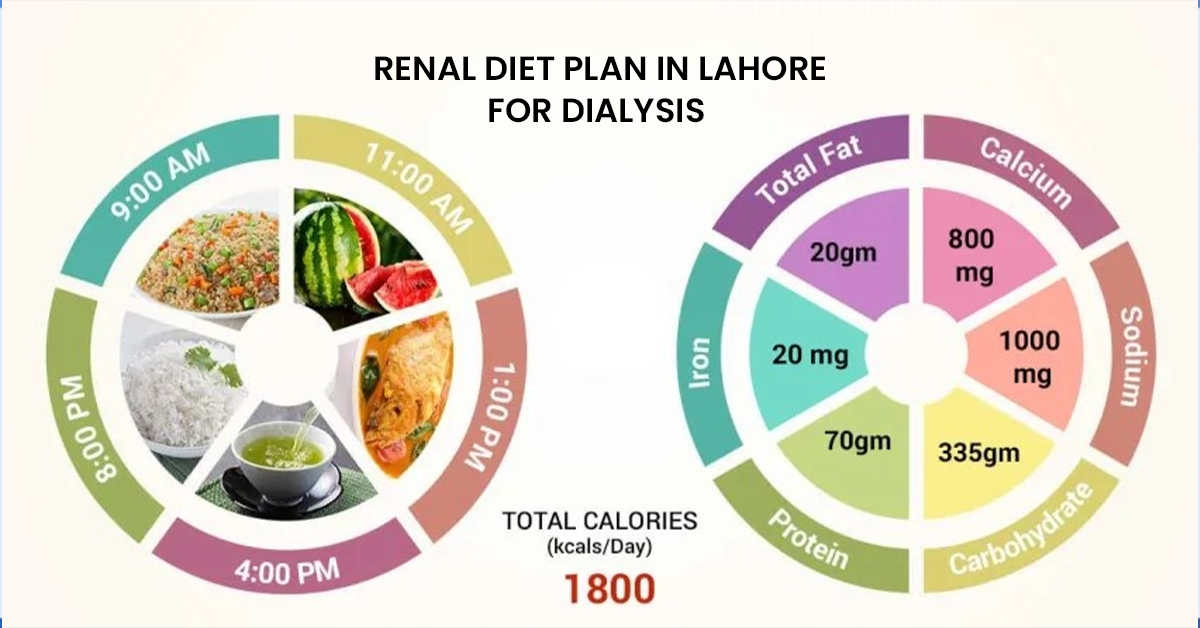
So you’re on dialysis. Yeah, I know—it’s not exactly what you signed up for when you woke up one morning. And now someone’s telling you that you need to completely change how you eat? In Lahore, where every street corner smells like pakoras and biryani. Here’s the thing: a renal diet plan in Lahore for dialysis patients isn’t about making your life miserable. It’s about keeping you alive, protecting your heart, and making sure you don’t end up back in the hospital every other week with fluid overload or breathing problems.

Let me walk you through what actually works—not the textbook stuff that nobody follows, but real advice that fits into your actual Lahore life.

What Is a Renal Diet for Dialysis Patients?

Okay, let’s start with the basics. When your kidneys stop working properly (or stop working altogether), they can’t filter out waste and extra fluid anymore. That’s where dialysis comes in—it does some of that work for you, but only a few times a week.

Between those dialysis sessions? Everything you eat and drink matters. A lot.

A renal diet for dialysis patients is basically an eating plan designed to keep dangerous stuff—like sodium, potassium, phosphorus, and extra fluid—from building up in your body between treatments. At the same time, you need enough calories and protein to actually stay strong and not waste away.

If you’re on hemodialysis, you probably need more high-quality protein than you did before. But you also need way less salt, potassium, and phosphorus. That banana you used to love? Yeah, that’s gotta be limited now. That Pepsi? Definitely a problem.

This is why a structured renal diet plan from someone who actually knows what they’re doing (like a renal dietitian in Lahore) becomes essential. Because guessing? That’s how people end up in the ER.

Why Dialysis Patients in Lahore Need a Specific Diet Plan

Let’s be real about Lahore food culture for a second. We live in a city where:

  • Salty snacks are everywhere
  • Restaurant food is loaded with masala and salt
  • Pakoras and samosas are part of our DNA
  • Sweet chai and sugary drinks are non-negotiable for most people

For someone on dialysis, this normal eating pattern is basically a ticking time bomb. Too much salt causes fluid overload—you’ll wake up swollen, struggling to breathe, with your blood pressure through the roof. Too much potassium? Your heart rhythm goes haywire, which can literally kill you.

A renal diet plan in Lahore for dialysis patients takes the medical guidelines and actually makes them work with local food. Instead of just handing you a list of “don’t eat this,” a dietitian like Hamza Javed helps you figure out what you can eat from the same kitchens, using familiar recipes with adjusted portions, spices, and cooking methods.

Because let’s be honest—nobody’s going to stick to a diet that doesn’t fit their real life.

Key Goals of a Dialysis Diet Plan

1. Eat More High-Quality Protein

Here’s something that surprises people: when you’re on dialysis, you actually need more protein than before. Why? Because dialysis removes waste, but it also removes some protein from your blood. Your body needs that protein to maintain muscle, fight infections, and just… function.

High-quality protein means egg whites, chicken, fish, lean meat—in the right amounts each day. Not random portions. Not “I’ll just eyeball it.” Measured amounts based on your actual body weight and lab results.

At the same time, protein has to fit your other conditions. If you’ve got diabetes or heart disease on top of kidney failure, your diet plan for kidney patients in Lahore gets more complicated. A renal dietitian looks at your albumin, urea, and creatinine levels, then sets a realistic protein target that helps you without overloading your system.

2. Limit Sodium to Control Blood Pressure and Swelling

Too much sodium (salt) makes your body hold onto water. Ever wake up with your face so swollen you barely recognize yourself? Or your legs so puffed up your shoes don’t fit? That’s fluid overload from too much salt.

People on dialysis usually need to avoid super salty foods like:

  • Chips and salty snacks
  • Pickles and achaar
  • Canned soups
  • Instant noodles (yeah, sorry)
  • Most restaurant dishes (they dump salt in everything)

A good renal diet plan uses herbs, spices, lemon, and homemade marinades instead of heavy salt or those packaged masala mixes. This way you can still enjoy flavorful food while protecting your heart and keeping fluid weight under control between dialysis sessions.

3. Manage Potassium for Heart Safety

This one’s scary, so pay attention: high potassium levels can cause serious heart rhythm problems. Like, cardiac arrest kind of serious.

Certain fruits, vegetables, and juices are loaded with potassium and need to be carefully limited. Examples include:

  • Bananas (I know, heartbreaking)
  • Oranges and orange juice
  • Potatoes
  • Tomatoes
  • Dried fruits
  • Coconut water (yes, even the “healthy” stuff)

A tailored renal diet plan in Lahore for dialysis patients focuses on safer options: apples, grapes, pears, cabbage, cucumber, lettuce—in suitable amounts. There are also tricks like soaking and double-boiling some vegetables to reduce potassium content, which a dietitian can teach you properly.

4. Control Phosphorus to Protect Bones and Blood Vessels

Too much phosphorus weakens your bones, causes intense itching (seriously, some dialysis patients scratch themselves raw), and can lead to calcium-phosphorus deposits in your blood vessels and soft tissues. Not fun.

Dialysis diet plan usually restricts:

  • Processed meats
  • Cola drinks (Coke, Pepsi—all of them)
  • Processed cheese
  • Many bakery items
  • Foods with phosphate additives (check labels)

Your blood tests for phosphorus and parathyroid hormone (PTH) guide how strict you need to be. Most people also take phosphate binder medicines. A renal dietitian helps you time these medicines correctly with meals and choose lower-phosphorus foods to protect your bones.

5. Watch Total Fluid Intake – Not Just Water

For many people on dialysis, urine output becomes super low or stops completely. This means every bit of extra fluid—water, tea, coffee, juice, soup, even ice cream (anything that melts to liquid)—stays in your body until the next dialysis treatment.

Too much fluid = swelling, high blood pressure, trouble breathing, heart strain.

A safe renal diet plan divides your daily fluid allowance across the day so you’re not dying of thirst by evening. Your dietitian builds a simple fluid schedule based on your weight, how much you’re swelling, and how much fluid gets removed during dialysis.

Sample Renal-Friendly Meal Ideas

Alright, enough theory. What can you actually eat?

Disclaimer: These are general examples for educational purposes. Every dialysis patient needs an individual plan based on their lab results and doctor’s advice. Don’t just copy this—work with a renal dietitian in Lahore to get your own plan.

Breakfast Ideas

  • Egg whites with a small serving of white bread or a lightly oiled paratha
  • Suji or porridge made with controlled salt and sugar (if your blood sugar allows)
  • Tea in a measured cup, counted as part of your daily fluid allowance

A renal dietitian will adjust these if you also have diabetes, high cholesterol, or blood pressure issues. Everything connects.

Lunch and Dinner Ideas

  • Controlled portions of white rice or chapati
  • Low-potassium vegetables like bottle gourd (lauki), ridge gourd (tori), cabbage, or green beans
  • Grilled or boiled chicken or fish in measured amounts as your main protein source

Spices? Use them generously. They make food taste good. But salt and ready-made high-sodium seasonings? Keep those low. This way you can enjoy familiar Pakistani flavors without overloading sodium, potassium, or phosphorus.

Snack Ideas

  • A small serving of approved fruit (for example, an apple or a few grapes), portion-controlled
  • Unsalted popcorn in a modest amount
  • Plain biscuits with low sodium, taken in moderation

Snacks should fit your blood tests, weight trends, and total daily calorie needs. They’re not random choices—they’re part of your kidney-friendly diet for dialysis.

Role of a Renal Dietitian for Dialysis Patients

A renal dietitian is a registered dietitian who specializes in kidney disease and dialysis nutrition. This isn’t just someone who took a weekend course on healthy eating. This is a professional who reviews your diagnosis, dialysis schedule, lab values, medicines, and lifestyle to build a renal diet that’s safe, enjoyable, and realistic.

For patients following a renal diet plan in Lahore for dialysis, working with a dietitian like Hamza Javed means:

✅ Understanding exactly which foods are safe, limited, or need to be avoided
✅ Getting a written meal plan and portion sizes in simple language (no medical jargon)
✅ Having regular follow-ups to adjust your diet when labs or symptoms change

Research shows that structured nutrition counseling in dialysis can improve blood parameters, reduce complications, and support quality of life—especially when combined with proper medical treatment.

FAQs – Renal Diet Plan in Lahore for Dialysis Patients

1. What is the main purpose of a renal diet on dialysis?

The main purpose is to reduce waste and fluid build-up between dialysis sessions by controlling sodium, potassium, phosphorus, and fluids—while still providing enough protein and calories to keep you healthy and strong.

2. Can every dialysis patient follow the same renal diet plan?

Nope. Each person’s kidney function, urine output, lab results, heart condition, and other diseases (like diabetes or heart failure) are different. Every renal diet plan must be individualized by a renal dietitian. Copy-paste diets don’t work.

3. Are fruits completely banned on a renal diet?

Fruits aren’t completely banned, but high-potassium fruits must be limited or avoided, and serving sizes need to be controlled. Your dietitian will recommend specific fruits and amounts that fit your potassium levels and dialysis schedule.

4. Why is fluid restriction so important for dialysis patients?

Too much fluid causes swelling, high blood pressure, breathing problems, and extra stress on your heart. A renal diet includes a daily fluid limit to keep you comfortable and safer between treatments. It’s not punishment—it’s protection.

5. How can a renal dietitian help me in Lahore?

A renal dietitian can translate medical advice into a practical renal diet plan in Lahore for dialysis patients using local foods, recipes, and schedules. This makes it way easier to follow your diet at home, at work, or during social events—without constantly guessing or feeling confused.

Final Thoughts

Look, I get it. Being on dialysis is hard enough without someone telling you that you can’t eat half the foods you love. But here’s the reality: a clear renal diet plan in Lahore for dialysis patients can make dialysis feel less scary and more manageable, because you know exactly what to eat on dialysis, what to limit, and how much fluid is safe for your body.

Working closely with a renal dietitian like Hamza Javed helps turn complex lab reports and medical rules into simple, everyday food choices that protect your heart, bones, and energy—while still fitting your Lahore lifestyle.

Don’t guess. Don’t copy random diets from the internet. Get a plan that’s actually built for you.

Contact Information

Ready to work with a renal dietitian in Lahore? Book a consultation with Hamza Javed:

📞 Call/WhatsApp: 0300 0172509
📧 Email: hamzathedietition@gmail.com

Get your personalized diet plan for kidney patients in Lahore and take control of your health today.

Diabetes

Diabetes: Early Symptoms, Causes, and Types 1 & 2 Explained

Introduction

Let’s talk about diabetes—a condition that affects millions of people worldwide. It’s a chronic illness where your body struggles to process sugar properly. Think of it this way: when you have diabetes, your blood sugar levels stay too high because something’s off with how your body makes or uses insulin.

Now, why should you care? Because if blood sugar isn’t kept in check, it can mess with your heart, eyes, kidneys, nerves, and blood vessels over time. The good news? Understanding what diabetes actually is, knowing what early symptoms to look for, and learning the real difference between type 1 and type 2 diabetes can help you catch it before things get serious.

What Is Diabetes, Really?

Here’s the deal: diabetes means your blood sugar levels stay elevated way longer than they should. Your body runs on sugar—it’s like fuel for your cells. You get this sugar from everything you eat.

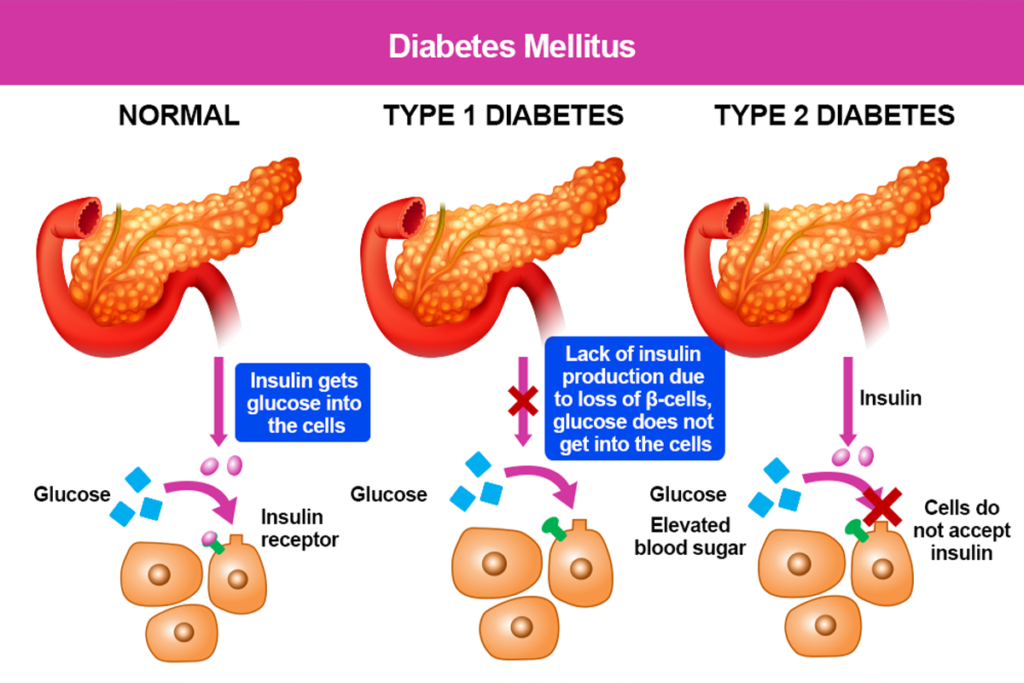
Now, there’s this hormone called insulin that acts like a key. It opens up your cells so sugar can get inside and give you energy. But when you have diabetes, one of two things happens: either your body doesn’t make enough insulin, or your cells ignore the insulin that’s there. Either way, sugar gets stuck in your bloodstream instead of powering your body.

There are different kinds of diabetes out there, but type 1 diabetes and type 2 diabetes are the big ones everyone talks about. Both mess with your blood sugar and can cause real health problems, but here’s the thing—they’re actually pretty different in how they start, who gets them, and how you deal with them.

What Are the Early Symptoms of Diabetes?

Early symptoms of diabetes can be sneaky. They don’t always scream “Hey, something’s wrong!” Most of the time, they show up gradually, and people think they’re just stressed, tired, or getting older. But your body is actually trying to tell you that your blood sugar levels aren’t right.

Catching these symptoms early? That’s huge. It can save you from some really nasty complications down the road.

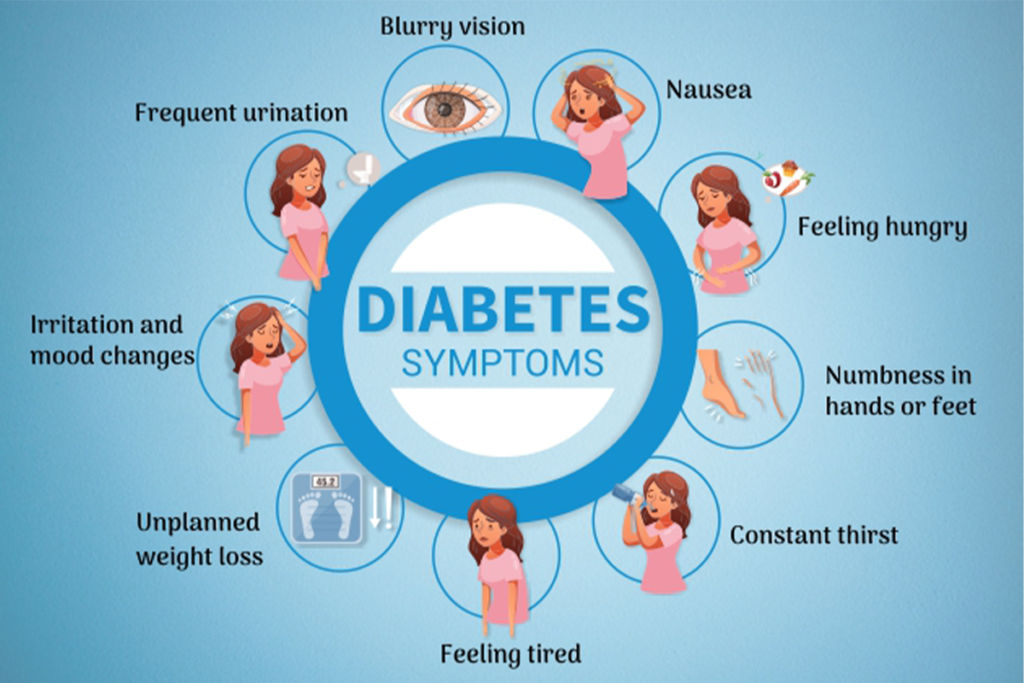
10 Warning Signs You Shouldn’t Ignore

Watch out for these common signs of diabetes:

  • Peeing all the time – especially at night when you should be sleeping
  • Constant thirst – you drink water, but you’re still thirsty
  • Always tired – even when you’ve slept enough
  • Hungry soon after eating – like you didn’t just have a meal
  • Losing weight without trying – happens more with type 1 diabetes
  • Blurry vision – things look fuzzy or out of focus
  • Slow healing – cuts and bruises stick around longer than normal
  • Getting infections often – skin problems, gum issues, UTIs
  • Tingling or numbness – usually in your hands and feet
  • Mood swings – feeling irritable or having trouble concentrating

Got several of these happening at once? Don’t brush it off. Make an appointment and ask your doctor for a blood sugar test.

Early Signs Women Should Know About

Women deal with the same early symptoms of diabetes as men, but there are a few extra things that show up more often in women.

You might get yeast infections down there repeatedly, or UTIs that keep coming back. Some women notice vaginal itching, discomfort, or even pain during sex. When these happen alongside the usual suspects—extreme thirst, constant fatigue, or frequent bathroom trips—it could be early diabetes trying to get your attention. Don’t ignore it.

Diabetes

Understanding the Different Types of Diabetes

The two main types of diabetes are type 1 diabetes and type 2 diabetes. Yeah, they both involve blood sugar levels that are too high, but that’s pretty much where the similarities end. They happen for totally different reasons and need completely different game plans.

Type 1 Diabetes: What Causes It?

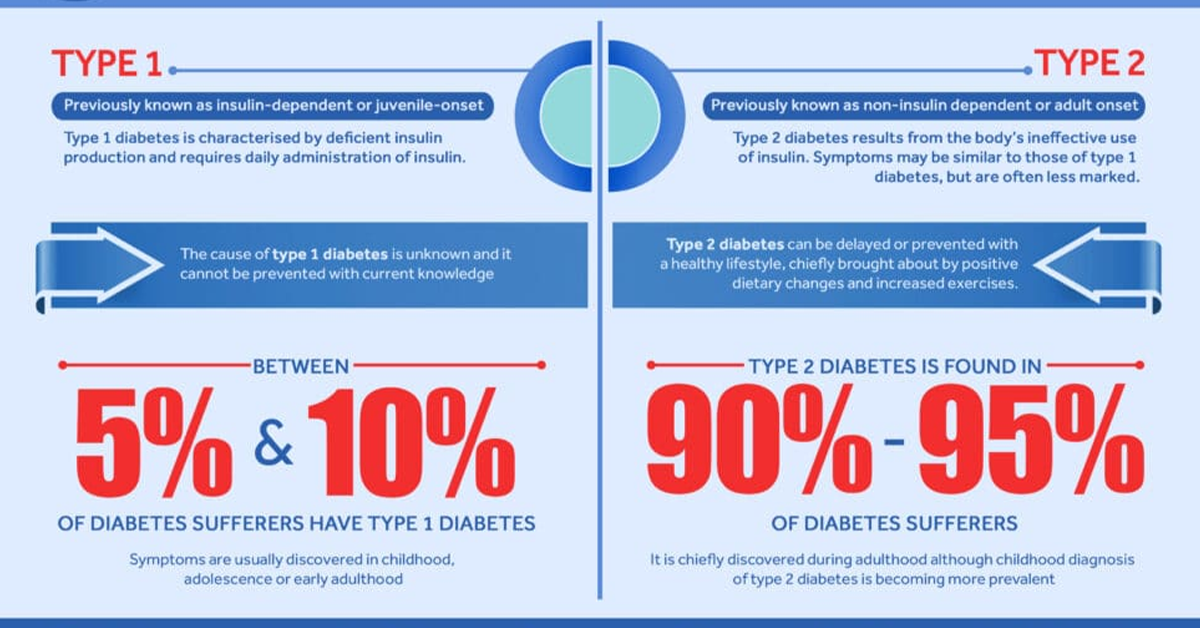
Type 1 diabetes is basically your immune system going rogue. For some reason, it decides that the cells in your pancreas making insulin are the enemy, and it attacks them. So your pancreas ends up making little to no insulin, which sends your blood sugar levels skyrocketing if you don’t get treatment fast.

This type usually shows up in kids, teens, or young adults—though honestly, it can pop up at any age.

What triggers it? Scientists aren’t completely sure yet. It seems like genetics play a role, and maybe something in the environment or a virus flips the switch. But here’s what you need to know: type 1 diabetes has nothing to do with what you eat, how much you exercise, or your weight. You can’t prevent it through lifestyle changes.

Type 2 Diabetes: The Common One

Type 2 diabetes is the kind most people have. With this version, your body becomes resistant to insulin—kind of like when you keep knocking on a door and nobody answers. Or sometimes, your pancreas just doesn’t pump out enough insulin to keep your blood sugar levels where they should be.

The tricky part? Blood sugar rises slowly with type 2 diabetes. People can walk around with it for years—literally years—without knowing.

Here’s who’s most at risk:

  • Carrying extra weight – especially around your belly
  • Not moving enough – being a couch potato isn’t doing you any favors
  • Eating junk regularly – fast food and processed stuff for years takes a toll
  • Family history – if your parents or siblings have type 2 diabetes, you’re more likely to get it too
  • Getting older – though younger people are getting it more now
  • Had gestational diabetes – or you had a baby over 9 pounds

But here’s some good news: type 2 diabetes is often preventable. Even if you have prediabetes, changing your lifestyle can delay it or stop it completely.

Spotting the Symptoms of Type 1 and Type 2 Diabetes

Both types share a lot of the same symptoms, but timing is everything. Type 1 diabetes hits you like a truck—fast and hard. Type 2 diabetes? It’s more like a slow leak you don’t notice until there’s a puddle.

What Type 1 Diabetes Feels Like

If you’ve got type 1 diabetes, you’ll probably notice:

  • Intense, sudden thirst and running to the bathroom constantly
  • Rapid weight loss even though you’re eating normally
  • Exhaustion that makes you feel weak
  • Blurry vision that comes on quickly
  • Nausea or stomach pain in some cases

Sometimes, the first clue someone has type 1 diabetes is when they end up in the ER with diabetic ketoacidosis (DKA). This is serious business—your body starts producing dangerous levels of ketones. You’ll breathe really fast, your breath might smell fruity, and you could get confused. Without quick treatment, it can be deadly.

What Type 2 Diabetes Feels Like

With type 2 diabetes, watch for:

  • Increased thirst and peeing more often than usual
  • Constant tiredness that won’t quit
  • Vision problems that develop gradually
  • Wounds that won’t heal – cuts and sores just hang around
  • Frequent infections – especially skin issues or UTIs
  • Numbness or tingling in your hands and feet that gets worse over time

Here’s the kicker: a lot of people with type 2 diabetes don’t feel anything wrong at all. They find out by accident during a regular checkup.

Diabetes Symptoms

Type 1 vs Type 2 Diabetes: What’s the Real Difference?

People search “type 1 vs type 2 diabetes” all the time because it’s genuinely confusing. Both involve high blood sugar and serious health risks, but they’re different beasts when you look at what causes them, how they develop, and what you do about them.

The Causes: Type 1 vs Type 2

Type 1 diabetes:

  • Your immune system attacks insulin-making cells (autoimmune disease)
  • Usually starts when you’re young—kid, teen, or young adult
  • Lifestyle doesn’t cause it

Type 2 diabetes:

  • Your body resists insulin or doesn’t make enough (metabolic issue)
  • More common in adults, but young people are getting it more
  • Lifestyle, weight, and genetics all play a big role

How They Show Up

Type 1 diabetes shows up fast with scary, obvious symptoms. Type 2 diabetes creeps up slowly and might hide for years before anyone notices.

Getting Diagnosed

Doctors use the same blood tests for both—fasting blood glucose, HbA1c, or an oral glucose tolerance test. With Type 1 diabetes, your blood sugar is usually crazy high when you’re diagnosed. Type 2 diabetes often gets caught during routine blood work when you’re not even looking for it.

How You Treat Each One

Type 1 diabetes treatment:

  • You need insulin every single day for the rest of your life—shots or a pump
  • Check your blood sugar multiple times daily
  • Watch what you eat and stay active

Type 2 diabetes treatment:

  • Start with lifestyle changes—eat better, move more
  • Might add pills if needed
  • Some people eventually need insulin too if blood sugar stays high

Which One Is Worse?

Honestly? Neither is “worse.” They’re just different. Type 1 diabetes is immediately life-threatening without insulin. Type 2 diabetes is way more common and often flies under the radar for too long, which lets complications build up. Both need serious attention.

Can You Cure or Prevent Diabetes?

Straight answer? There’s no cure for diabetes right now—neither type 1 nor type 2.

Type 1 diabetes can’t be prevented. But getting diagnosed early and starting insulin treatment right away prevents a lot of the scary complications.

Type 2 diabetes? Different story. You can often prevent it or push it way down the road by:

  • Staying at a healthy weight – even losing 5-10% of your body weight helps
  • Moving your body regularly – doesn’t have to be crazy, just consistent
  • Eating real food – cut down on processed junk
  • Getting screened if you’re at risk – catch blood sugar problems early

When Should You Actually See a Doctor?

Don’t wait if you’re experiencing multiple diabetes symptoms at the same time. We’re talking: crazy thirst, constant peeing, feeling wiped out all the time, vision going blurry, or wounds that won’t heal.

Even if you feel fine, see a doctor if you’ve got risk factors—you’re overweight, your family has diabetes, you’re over 45, or you had gestational diabetes before. Getting screened regularly can catch problems before they become serious.

Final Thoughts

Diabetes is everywhere these days, but that doesn’t mean you should take it lightly. Left alone, it quietly damages your body in ways you won’t notice until it’s harder to fix.

The key? Pay attention to early symptoms. Understand how type 1 and type 2 diabetes are different. Get tested when you need to. Take control early, and you can avoid a lot of the long-term mess that comes with uncontrolled blood sugar.

Your health is in your hands—literally. Don’t wait until something feels seriously wrong. By then, diabetes might have already been working behind the scenes for years.

 Book a consultation with Dietitian Hamza Javed:

Bring your recent lab work and ultrasound results. Get a clear, step-by-step plan to balance your hormones and take control of your health.

📞 Call/WhatsApp: 0300 0172509
📧 Email: hamzathedietition@gmail.com

Stop guessing. Get a real plan. See actual results.